
The Best Things to Do in Japan

Why Spring Turns Japan Into the Country's Best Version of Itself
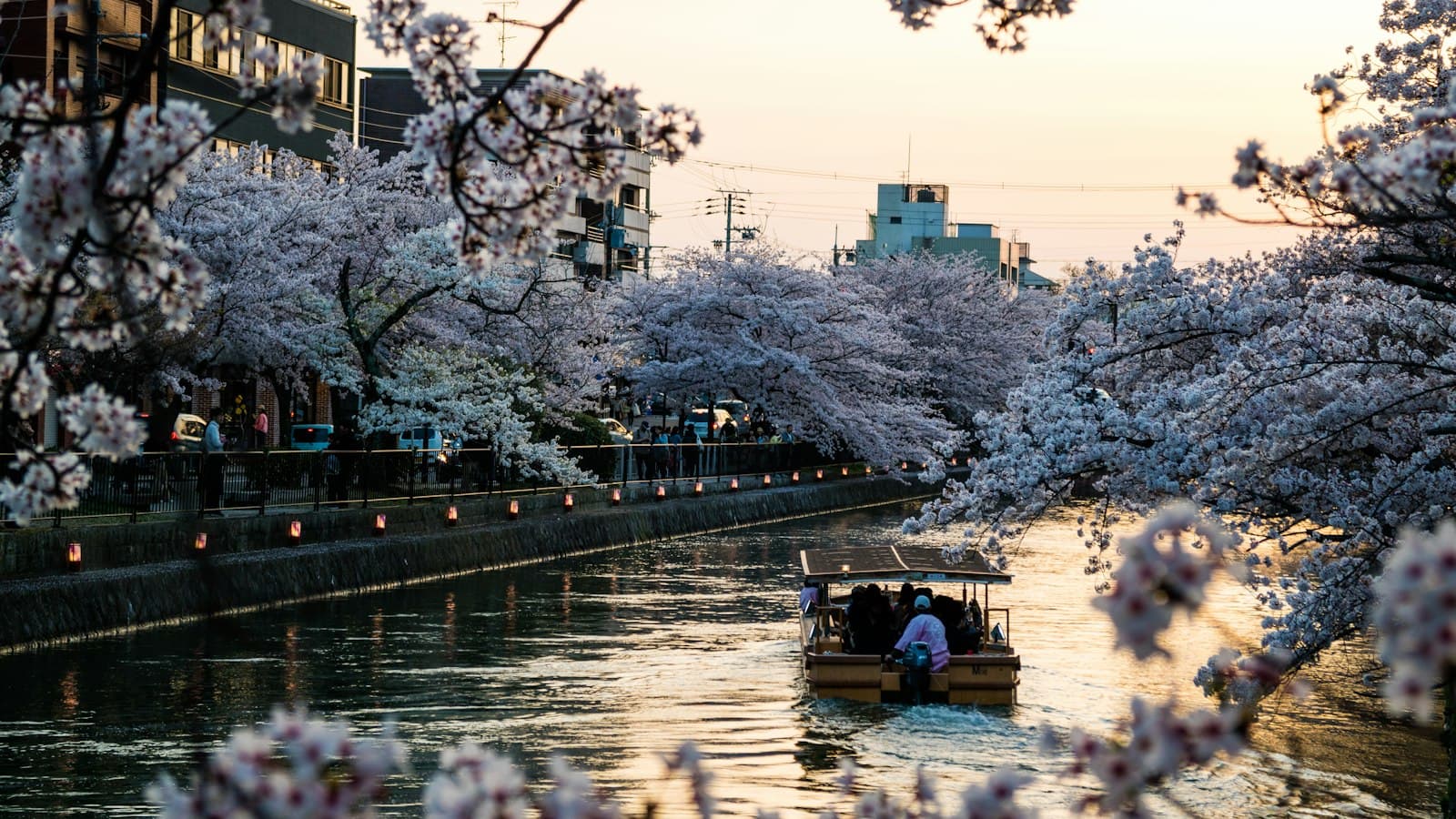
Late March through early May is the stretch of the calendar when Japan stops being merely fascinating and becomes something closer to irresistible. Cherry blossoms sweep north from Kyushu to Hokkaido over roughly six weeks, temple gardens go from bare branches to riotous color in a matter of days, and the whole country seems to step outside at once for hanami picnics under the trees.
This list ranks the experiences that reward a spring trip specifically, not a generic 'top ten Japan' roundup recycled from any season. If you want the fuller planning picture before you dive in, our
The ranking below leans toward things you can actually do, with real neighborhoods, real ferry times and real entrance fees, rather than vague superlatives. It's opinionated on purpose — a few famous stops didn't make the cut because they're better in other seasons, and a few less-hyped ones jumped ahead because spring is when they truly sing.
Every entry had to earn its place on three counts: how much better it gets specifically in spring, whether it offers something you can't easily replicate elsewhere in Japan, and whether the logistics are workable for a first-time visitor without a private guide.
We weighted cultural immersion over checklist sightseeing — a quiet morning at a shrine beats a crowded photo stop every time — and we tried to give you the actual hours, fees and travel times you'll need, not just the atmosphere.
Hanami Under the Cherry Trees of Maruyama Park, Kyoto
The single best spring evening in Japan, and it costs nothing to get in
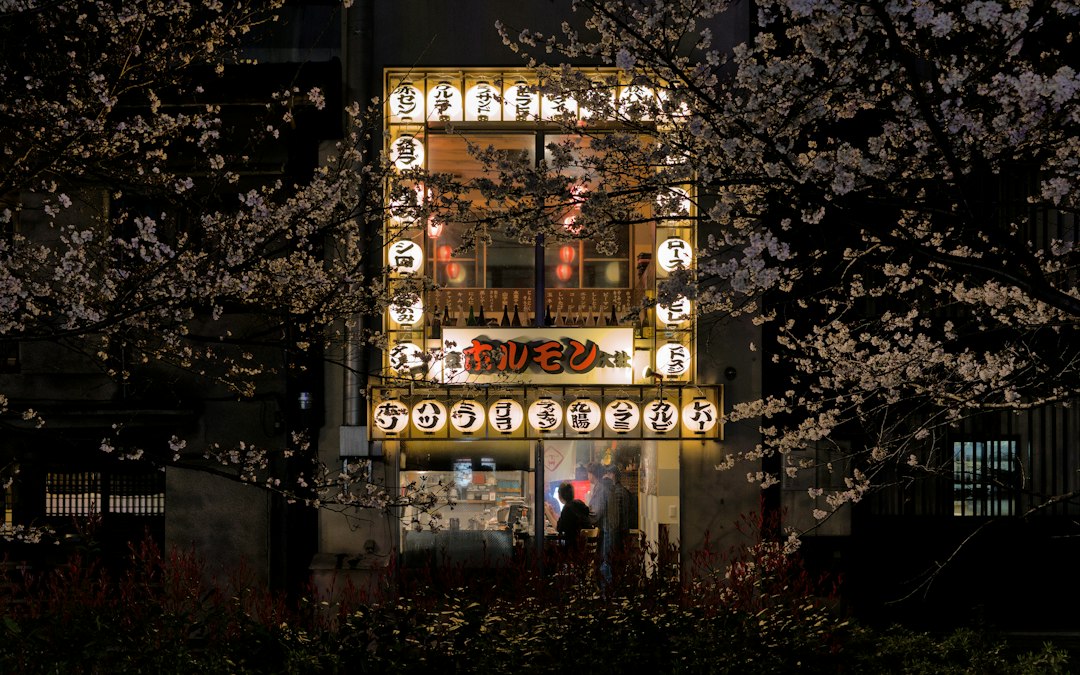
Maruyama Park, tucked against the eastern edge of Gion, is where Kyoto comes to sit on blue tarps under blossoming yoshino cherry trees with beer, bento boxes and paper lanterns strung overhead. The centerpiece is a weeping cherry tree lit up after dark, usually glowing from around sunset until roughly 22:00 during peak bloom, typically the first half of April though the exact week shifts year to year.
Arrive by 17:00 if you want a patch of grass with a clear view; by 19:00 the park is shoulder to shoulder with families, students and the occasional shamisen player. Food stalls sell yakitori, taiyaki and cups of warm amazake for roughly ¥400-800 each (2025 prices), and the walk back through Gion's lantern-lit lanes afterward is its own quiet reward.
A Slow Morning Walk Through Yanaka, Tokyo
Old Tokyo's cherry-lined backstreets, minus the crowds of Ueno
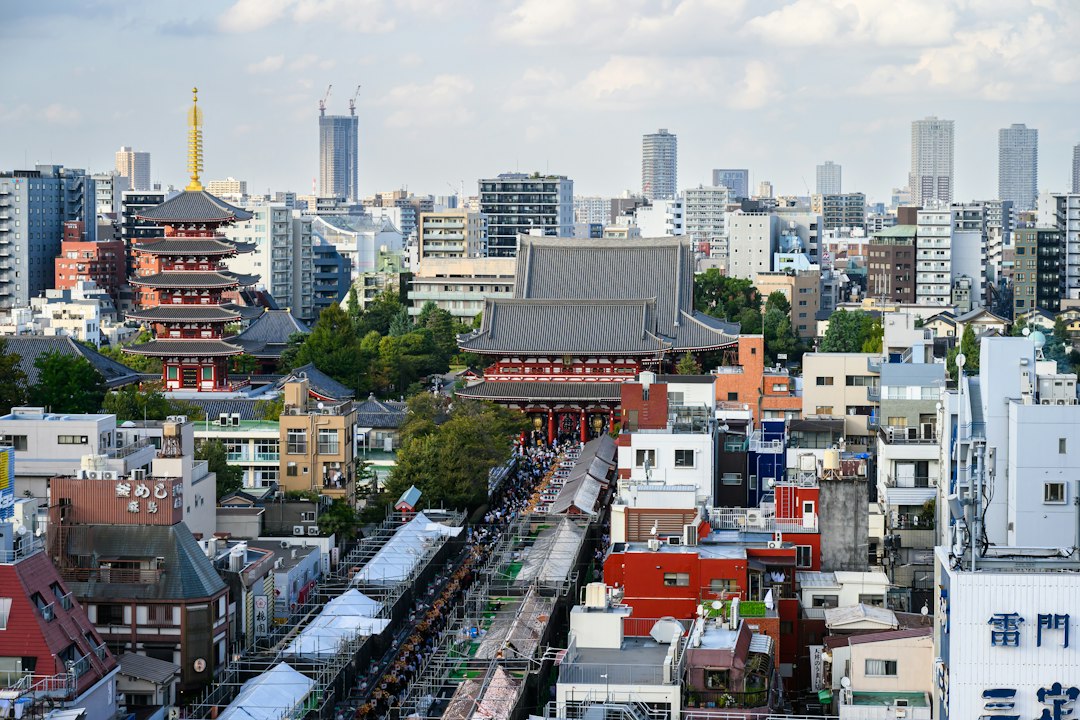
While everyone else jams into Ueno Park for sakura, Yanaka — one of the few Tokyo neighborhoods that survived both the 1923 earthquake and the 1945 firebombing largely intact — offers the same blossoms with a fraction of the foot traffic. Yanaka Cemetery's central cherry-lined avenue is spectacular in early April, and it's genuinely tranquil at 8am.
Wander down to Yanaka Ginza, a narrow shopping street of maybe 60-70 small shops, for grilled dango and croquettes fresh from the fryer for around ¥150-300 apiece. If Tokyo is new to you, our guide to the city goes deeper into which neighborhoods reward this kind of unhurried walking.
The Torii Gate Hike Up Mount Inari, Kyoto
Thousands of vermillion gates and a workout that thins the crowds for you
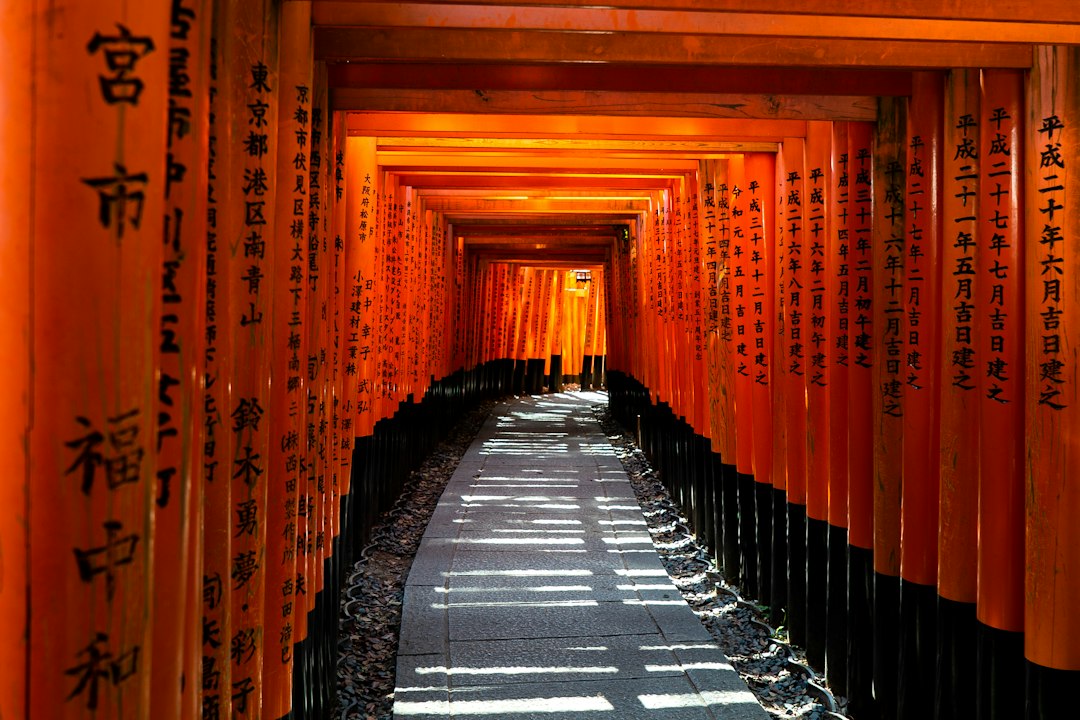
Fushimi Inari Taisha's tunnels of orange torii gates are the most photographed shrine approach in Japan, and for good reason — but the trick is knowing that most visitors turn back after the first 15 minutes near Senbon Torii. Keep climbing past Yotsutsuji intersection, roughly 30-40 minutes up, and the path thins out dramatically.
The full loop to the summit and back takes about two to three hours depending on your pace and how often you stop at the fox-guarded sub-shrines. The shrine itself never closes and entry is free, so an arrival before 7:30am buys you a version of the gates almost nobody else sees.
Deer, Lanterns and the Great Buddha at Todai-ji, Nara
A day trip from Kyoto that feels like a different country
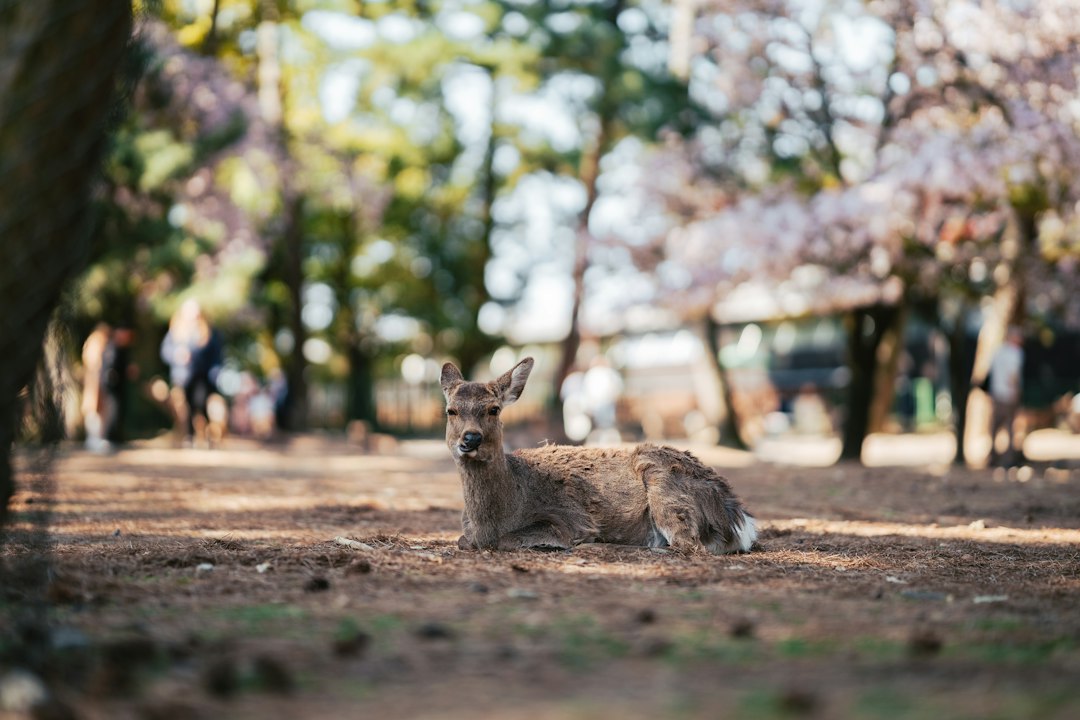
Nara Park's roughly 1,000-plus free-roaming sika deer are the draw everyone's heard about, and they're genuinely tame enough to bow for shika senbei crackers sold nearby for about ¥200 a pack. But the real reason to come is Todai-ji's Great Buddha Hall, one of the world's largest wooden buildings, housing a bronze Buddha statue cast in the 8th century that still fills the room.
Entry to the Great Buddha Hall runs around ¥600 for adults (2025), and the temple grounds open by 7:30am, well before the day-trip crowds arrive from Kyoto Station on the roughly 45-minute JR Nara Line rapid train. Kasuga Taisha, a 15-minute walk further into the park, has a stone-lantern-lined approach that's especially atmospheric in the dappled early spring light.
Takayama's Morning Market and the Thatched Roofs of Shirakawa-go
Edo-period streets and mountain farmhouses that look like folk-tale illustrations
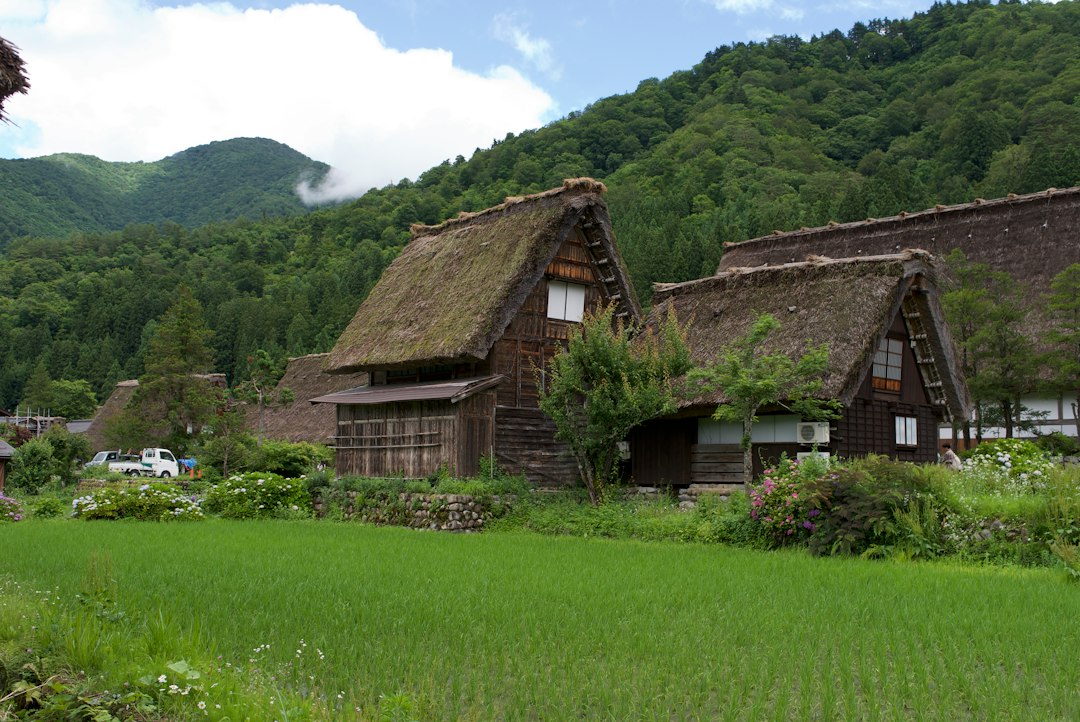
Takayama's old town, a compact grid of dark-wood merchant houses in the Sanmachi Suji district, hosts riverside morning markets along the Miyagawa from roughly 7am to noon, selling pickles, apples and local Hida beef skewers. It's a two- to three-hour walk to see properly, with sake breweries offering free tastings marked by cedar balls hanging over their doors.
From Takayama, buses run about 50 minutes to Shirakawa-go, a UNESCO-listed village of steep, thatched gassho-zukuri farmhouses built to shed heavy snow. Late April brings the last patches of snow on the surrounding peaks against fresh green fields — a combination you won't get in summer or autumn.
Cordelie travel advisors
Planning Japan? Go with someone who knows
The right suite, the right season, the reservations that never appear online — your Cordelie advisor knows them, and holds them for you.
Plan with a Cordelie advisorFree to ask. Cordelie Travel Services · IATA/ARC 06649064
A Yukata-Clad Soak Through Kinosaki Onsen's Seven Bathhouses
The most atmospheric hot-spring town in the country, willow trees and all
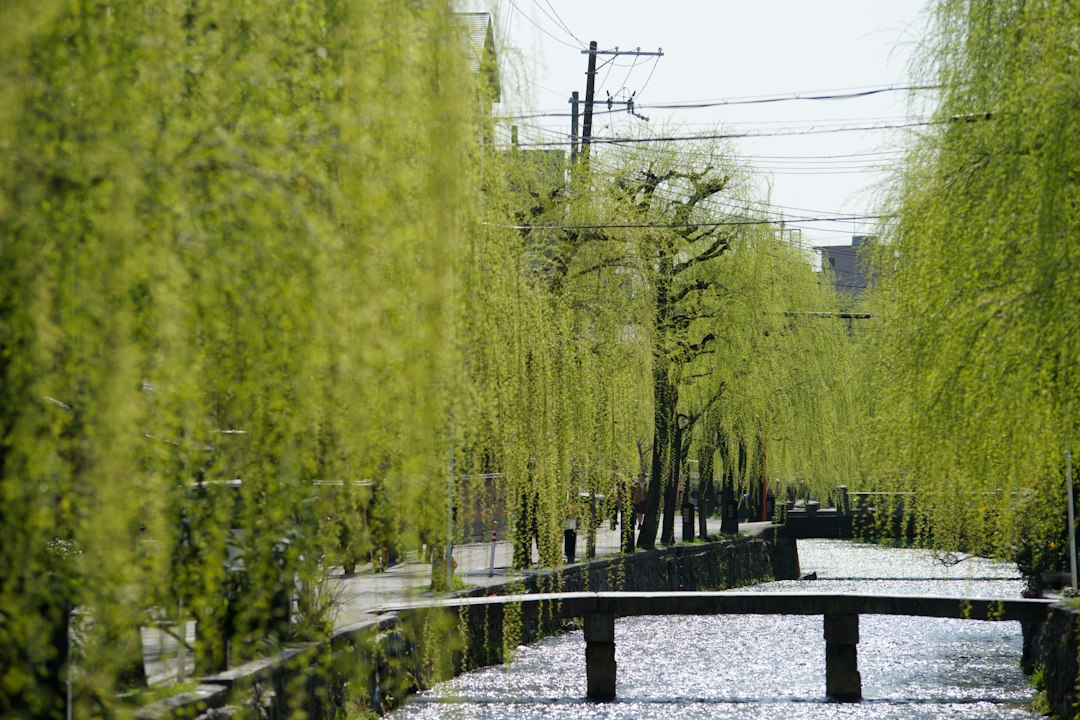
Kinosaki, on the Hyogo coast about 2.5 hours from Kyoto by direct limited express train, is built around a willow-lined canal with seven public bathhouses (sotoyu) scattered along it. Guests staying at any of the town's ryokan receive a complimentary Yumepa pass, which normally costs ¥1,500 for adults if purchased separately, letting them hop between all seven public bathhouses in a yukata and wooden geta sandals.
Ko-no-yu, said to be the oldest of the seven, and Satono-yu, with its striking modern bathhouse design, are the two most worth prioritizing if you only have one evening. Spring evenings here are cool enough that the walk between baths, robe damp and canal lanterns reflecting on the water, feels like its own kind of ritual.
A Late-Night Food Crawl Through Dotonbori and Kuromon Market, Osaka
Japan's most unpretentious food city, best explored hungry and after dark
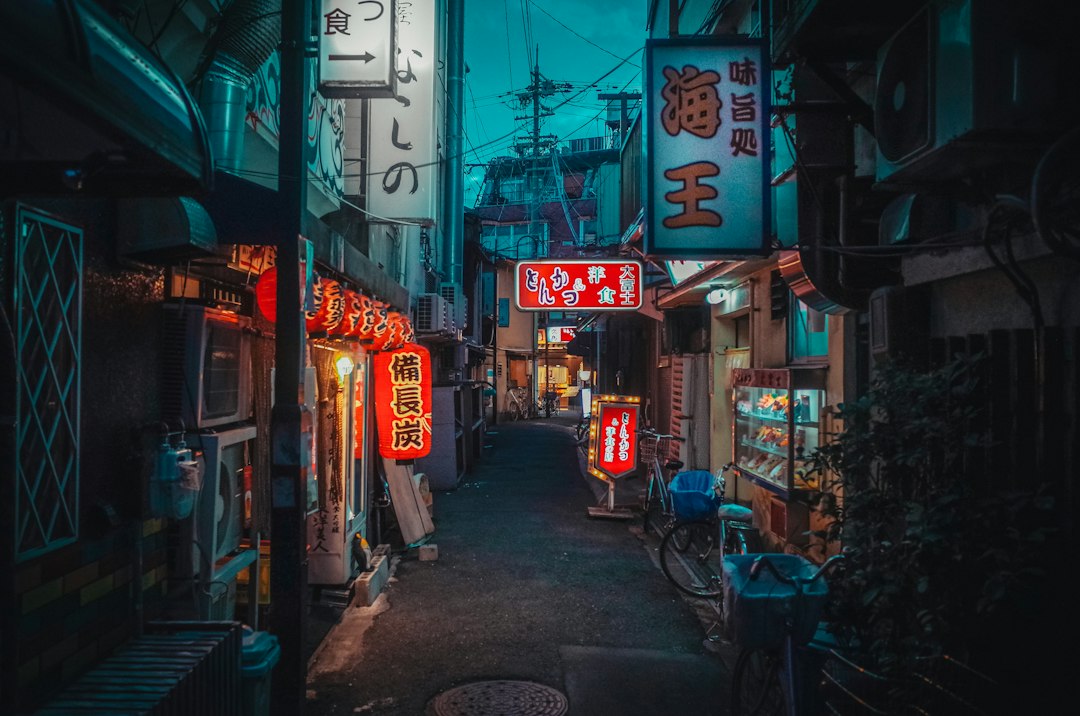
Dotonbori's neon signage, including the famous Glico running-man billboard, is Osaka's postcard shot, but the real point of the district is what's underneath the lights: takoyaki stalls, kushikatsu counters and okonomiyaki grills spilling smoke into the street. A serving of fresh takoyaki runs about ¥500-700 for six to eight pieces.
During the day, Kuromon Ichiba Market, a roofed arcade about 15 minutes' walk north, is the place for grilled scallops, uni and wagyu skewers eaten standing up between stalls, generally open from around 9am to 6pm. Osaka doesn't do fine-dining ceremony the way Kyoto does, and that's exactly the appeal.
The Floating Torii of Itsukushima Shrine, Miyajima
A vermillion gate that appears to hover on the water, timed to the tide
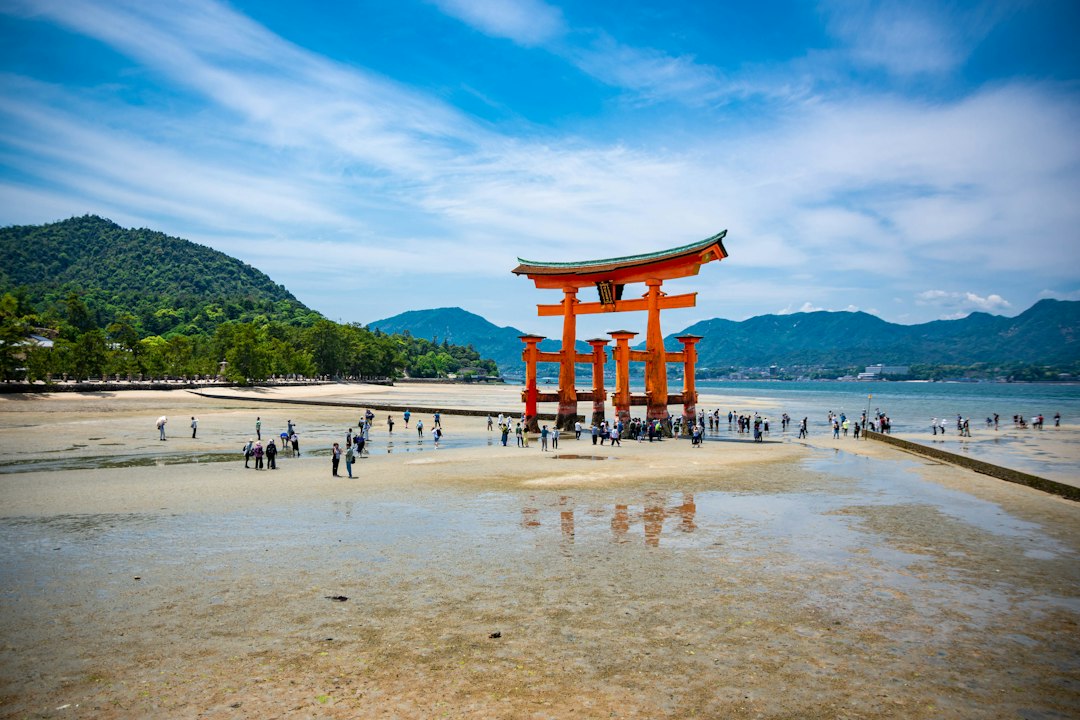
Miyajima island, a roughly 10-minute ferry ride from Miyajimaguchi Pier near Hiroshima (around ¥200-360 round trip in 2025, depending on operator), is built around Itsukushima Shrine's iconic torii gate, which appears to float at high tide and becomes walkable across the sand at low tide. Check the tide schedule before you go — the two experiences are completely different and both are worth timing for.
Spring adds a second layer: the island's wild deer wander among blooming cherry trees near the shrine's approach, and the local specialty momiji manju, maple-leaf-shaped cakes filled with sweet bean paste, are sold warm from small shops along the main street for about ¥120-150 each.
Gardens and Shrines That Nearly Made the Cut
Kenrokuen Garden in Kanazawa is one of Japan's most complete strolling gardens, with weeping cherry trees, stone lanterns and teahouses arranged around ponds that took over two centuries to complete under the Kaga domain. It didn't crack the top eight only because Kanazawa requires a more deliberate detour, typically about 2.5 hours from Kyoto via the Hokuriku Shinkansen.
Nikko's Toshogu Shrine, roughly two hours north of Tokyo by train, is a UNESCO World Heritage site famous for its elaborately carved gates and the original 'see no evil, hear no evil, speak no evil' monkey carving. It's spectacular in autumn foliage season and still lovely in spring, which is exactly why it lands here rather than higher — this list rewards places that peak specifically in cherry blossom season.
The Hakone Open-Air Museum, with its sculpture-dotted hillside grounds and Picasso pavilion, pairs naturally with an onsen soak overlooking Mount Fuji, and makes an easy day trip from Tokyo in about 90 minutes by Odakyu Romancecar. If you're weighing where these pieces fit into a broader itinerary, our essential tips for traveling in Japan covers the logistics of stitching multi-region trips like this together.
Cherry blossom timing shifts by up to two or three weeks depending on the year and region, and the best ryokan in places like Kinosaki and Hakone book out months ahead once forecasters start narrowing the bloom window. A Cordelie advisor tracks that forecast for you and secures the rooms, the reserved shinkansen seats and the harder-to-book kaiseki dinners before the calendar tightens.
The result is a trip built around where the blossoms will actually be that week, not a fixed itinerary hoping the timing cooperates.
Top Pick: Hanami at Maruyama Park, Kyoto
The single spring experience worth building a Japan trip around
Nothing else on this list captures what makes Japan in spring feel different from Japan any other time of year quite like an evening under the illuminated cherry trees at Maruyama Park. It costs nothing to enter, it's a 10-minute walk from Gion, and it delivers the exact mix of ritual, food-stall energy and quiet beauty that draws people back to Kyoto every April.
If you plan around this one night, everything else on the list — Fushimi Inari at dawn, a Nara day trip, an onsen soak in Kinosaki — slots naturally around it. For a fuller sense of what a spring trip through Japan can look like day by day, our first-person account of a spring in Japan is worth a read before you book.
Last checked for accuracy: . How we check

Sarah Chen has covered Asia for twelve years, first as a wire reporter in Jakarta and now from Singapore, where she keeps a standing list of the region's most misunderstood destinations. She writes about the distance between what a place is famous for and what it is actually like to spend a week in — and is happiest on an overnight train with a bad seat and a good view.
Related Articles
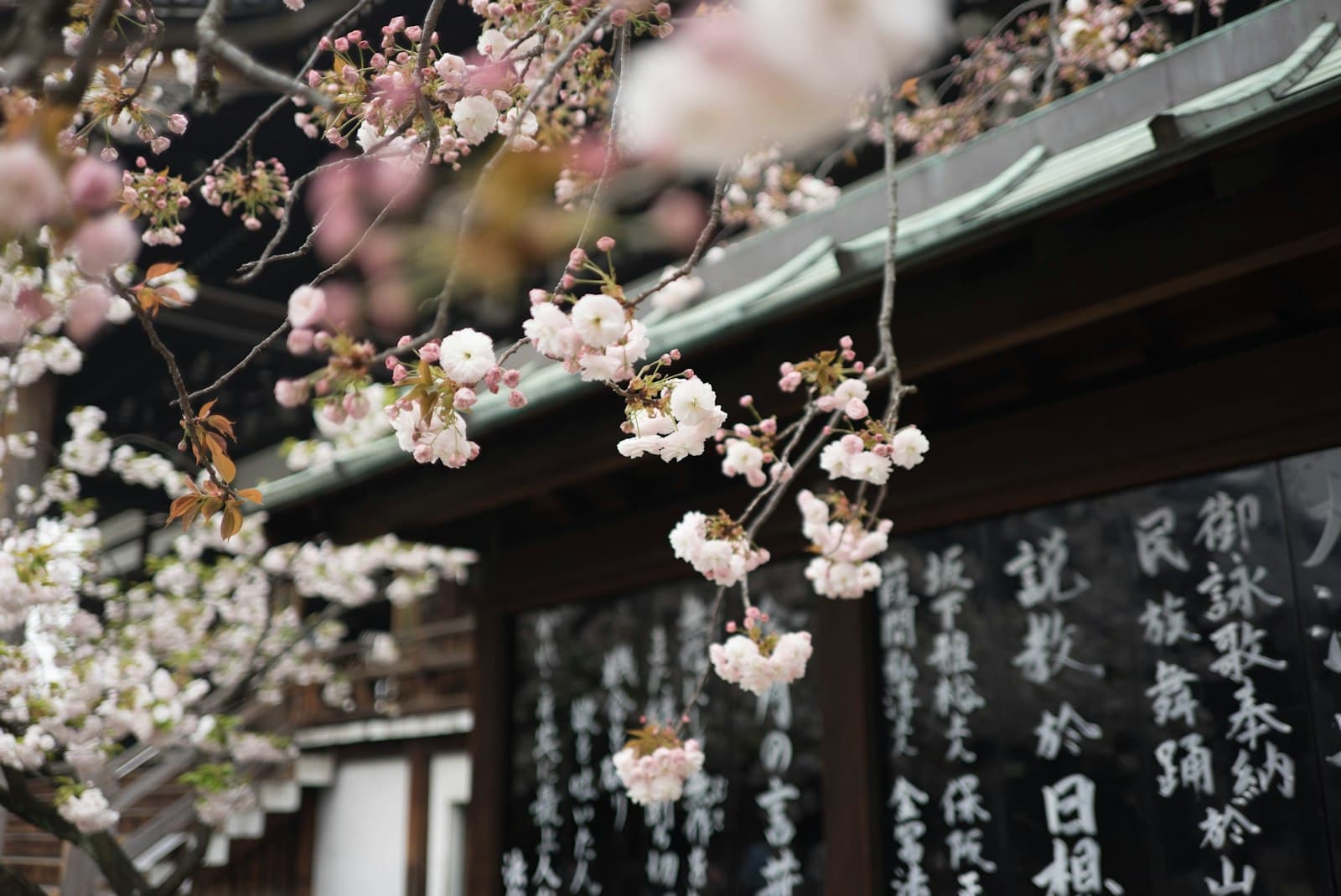
Japan Quick Guide: Everything You Need to Know
Plan your spring trip to Japan: navigate high-speed trains, cherry blossom crowds, and temple-hopping with practical timing, costs, and neighborhoods that work for families and solo travelers.

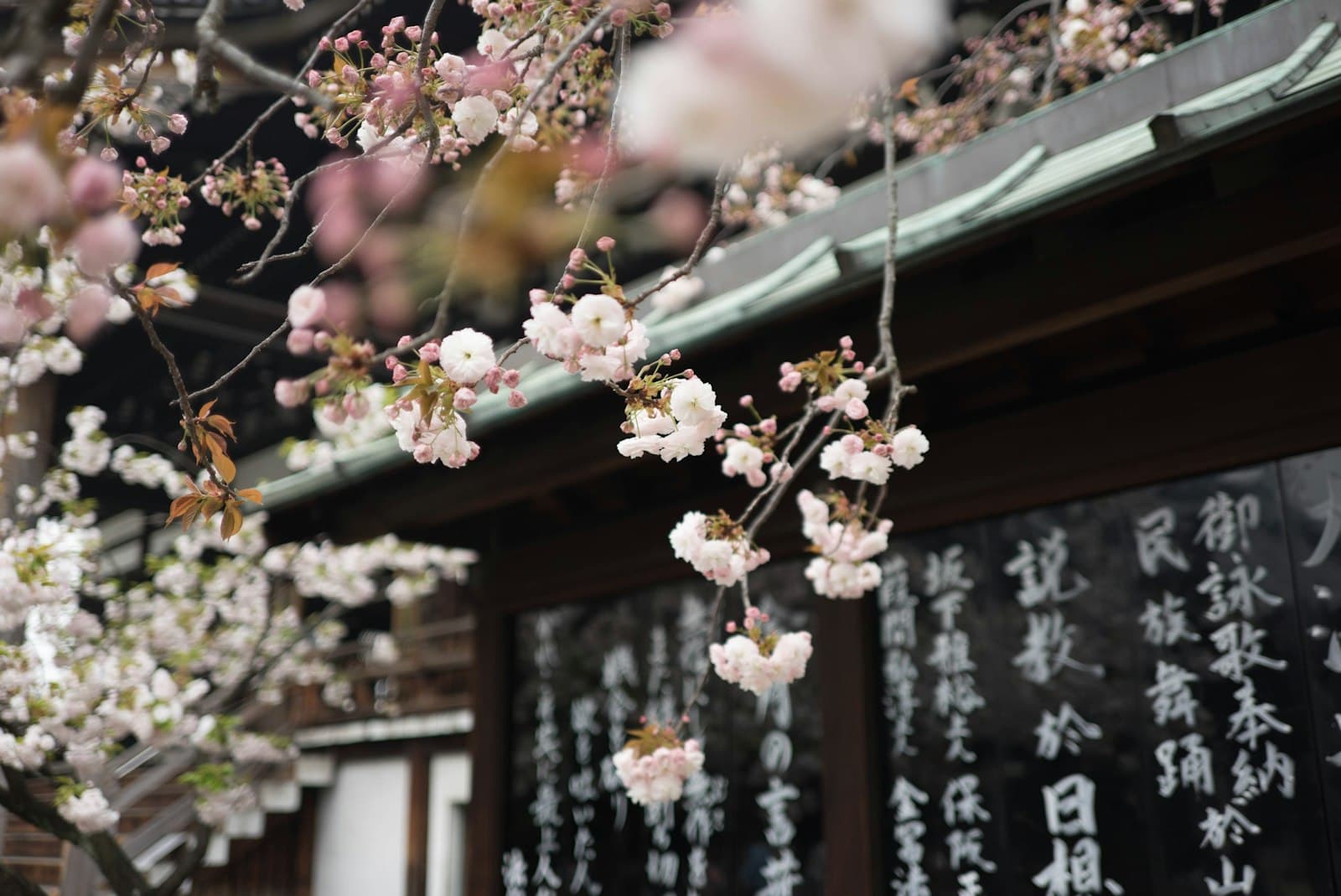
My Spring in Japan: A Travel Story
A first-person account of a spring gamble in Japan: chasing cherry blossoms between a rain-soaked Tokyo and a slower-blooming Kyoto, and what got rebuilt along the way.

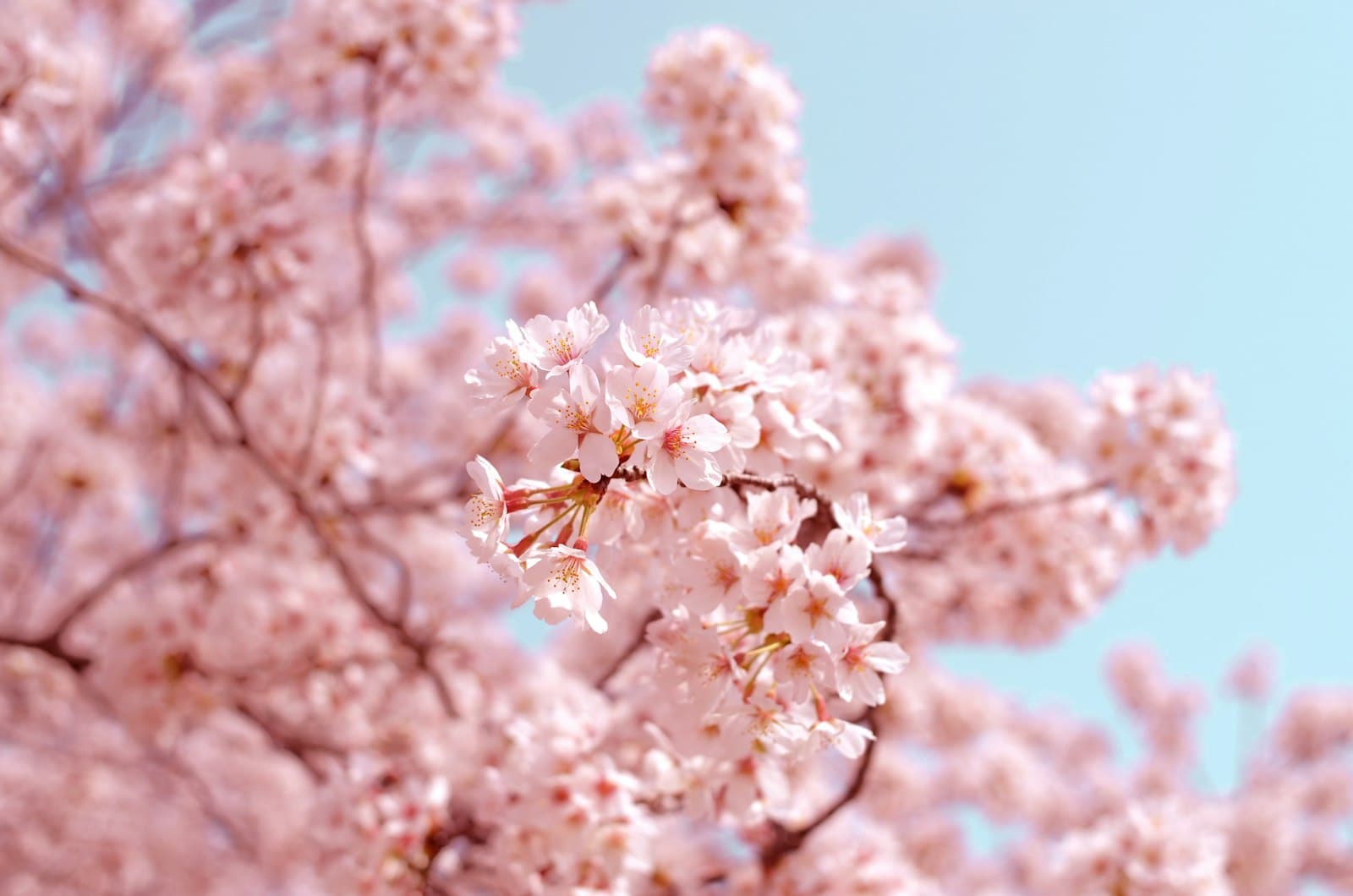
Japan Quick Guide: Everything You Need to Know
Japan in spring demands early booking and timing precision, but rewards visitors with cherry blossoms, walkable cities, and temperatures that make travel with children and elderly family realistic.