
The Ultimate Guide to Tokyo: Beyond the Neon Lights

Why Tokyo Deserves More Than a Weekend
Tokyo is a city that rewards patience. While most visitors spend their time in Shibuya and Shinjuku, the real magic lies in the quieter neighborhoods — places like Yanaka, where wooden houses line narrow lanes, and Shimokitazawa, where vintage shops spill into bohemian cafés.
Planning at least a week gives you time to experience the city's remarkable range. One day you're meditating at a 400-year-old temple in Meguro; the next, you're watching robots battle in a Kabukichō dinner theater. That contrast is what makes Tokyo unforgettable.
Getting Around Like a Local
The Tokyo Metro is one of the world's most efficient transit systems. A 72-hour subway pass costs about ¥1,500 and covers most of the lines you'll need. The JR Yamanote Line, which loops around the city's major stations, is your best friend for covering ground quickly.
Don't overlook walking — Tokyo's neighborhoods are compact and best explored on foot. The 20-minute walk from Omotesandō to Harajuku is packed with architectural gems, street food stalls, and people-watching opportunities you'd miss on the train.
For late nights, know that the last trains run around midnight. Taxis are available but expensive — figure ¥3,000-5,000 for a short ride. Many visitors plan their evenings around the last train schedule.
Where to Eat: Beyond Sushi
Yes, Tokyo has the most Michelin-starred restaurants of any city in the world. But some of the best meals cost under ¥1,000. Start your morning at a standing soba shop near any major station — freshly made buckwheat noodles in steaming dashi broth for about ¥400.
For lunch, seek out a local tonkatsu specialist. The golden-fried pork cutlet, served with shredded cabbage, rice, and miso soup, is a perfect Tokyo comfort meal. Maisen in Omotesandō is famous, but every neighborhood has its own champion.
Evening dining is where you can splurge or save. Yakitori alleys in Yurakuchō, beneath the railway tracks, serve skewers for ¥100-200 each alongside cold beers. For a special occasion, book an omakase counter where the chef selects each course — expect to pay ¥15,000-30,000 for an unforgettable experience.
The Best Neighborhoods for Every Traveler
Daikanyama and Nakameguro cater to the design-conscious traveler. Think independent bookshops, curated lifestyle boutiques, and canal-side cafés with single-origin pour-over coffee. These areas feel more like a stylish European village than a mega-city.
Akihabara remains the heartbeat of otaku culture. Beyond the flashy electronics stores, dive into the side streets for retro gaming shops, maid cafés, and collectors' markets selling rare anime memorabilia.
Koenji is Tokyo's punk-rock neighborhood — thrift stores, live music venues, and ramen shops that stay open until 4 AM. It's where young creatives live and a refreshing contrast to the polished surfaces of Ginza and Marunouchi.
Practical Tips for First-Time Visitors
Cash is still king in many Tokyo establishments. While credit cards are increasingly accepted at larger shops and hotels, smaller restaurants and market stalls often only take cash. Convenience store ATMs (7-Eleven and Family Mart) accept most international cards.
Learn a few Japanese phrases — "sumimasen" (excuse me), "arigatou gozaimasu" (thank you), and "oishii" (delicious) go a long way. Most Tokyo residents appreciate the effort even if they switch to English afterward.
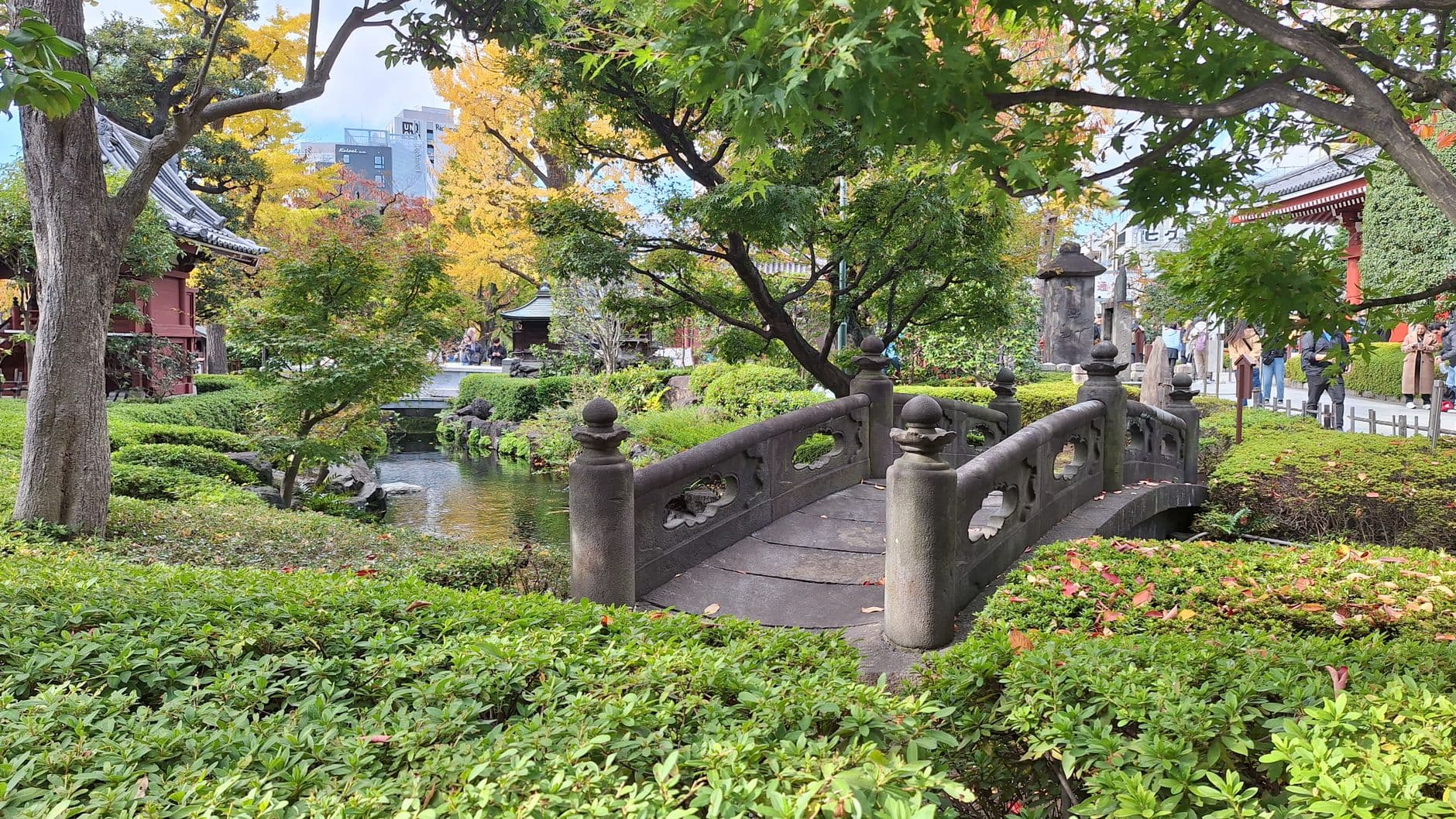
Temple and shrine visits are free or very inexpensive. The Meiji Shrine in Harajuku, Senso-ji in Asakusa, and the gardens of the Imperial Palace are among the city's finest experiences and cost nothing to visit.
Last checked for accuracy: . How we check
Insider Tip from Our Japan Specialist
Book your ryokan stay in Hakone at least 3 months in advance for the best availability. Our advisors can arrange private tea ceremony experiences and exclusive restaurant reservations that aren't available through standard booking channels.
Plan Your Japan Trip
Sarah Chen has covered Asia for twelve years, first as a wire reporter in Jakarta and now from Singapore, where she keeps a standing list of the region's most misunderstood destinations. She writes about the distance between what a place is famous for and what it is actually like to spend a week in — and is happiest on an overnight train with a bad seat and a good view.
Related Articles
Southeast Asia Quick Guide: Everything You Need to Know
Winter transforms Southeast Asia into peak season with cool weather, dry skies, and reliable adventures. Here's what you need to know to go—and when to book.
Why Spring in Japan Is the Trip of a Lifetime
Experience Tokyo's magical cherry blossom season with insider access to the best hanami spots, seasonal dining, and exclusive spring experiences in Japan's captivating capital.
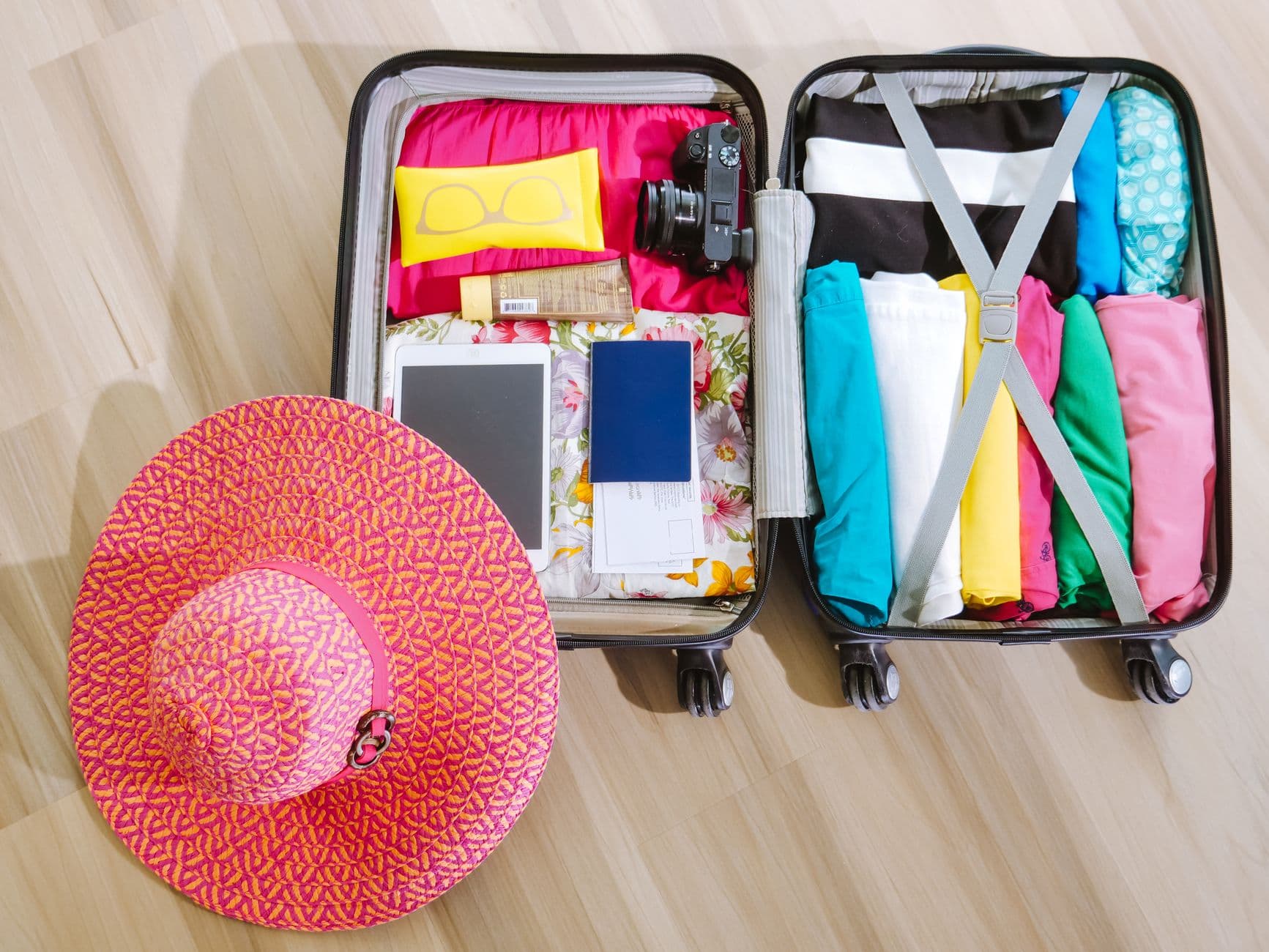
15 Essential Packing Tips for Southeast Asia
Master Bangkok's unique packing challenges with 15 essential tips that cover tropical weather, temple dress codes, and urban exploration needs.