
The Best Things to Do in Japan

Why Winter Is the Season Japan Rewards the Patient Traveler
Most guidebooks push you toward Japan in April for the cherry blossoms or November for the maple leaves, and both are worth chasing. But winter is the season locals keep quieter, when the monkeys soak in hot springs under falling snow, the gas lamps of a mountain onsen town glow orange against drifts, and Kyoto's temples sit nearly empty at hours you'd otherwise be sharing with a tour bus. This list is built around a simple bias: fewer stops, longer stays, and the kind of detail you only notice when you're not rushing to the next shrine.
Every entry here earns its place through a winter-specific test: does the season make it better, not just colder? A garden that's merely pretty in April but transformed by frost-wrapped pines in January ranks higher than one that's static year-round.
We also weighted for what rewards slowing down. A hot spring town where you stay two nights beats a photo stop you tick off in twenty minutes, even if the photo stop is more famous. Logistics matter too — everything below is reachable by train, bus, or a short domestic flight within Japan, and we've noted rough travel times so you can build a realistic itinerary rather than a wish list.
Jigokudani Monkey Park and Shibu Onsen, Nagano Prefecture
Where snow monkeys soak in steaming pools and you soak somewhere quieter
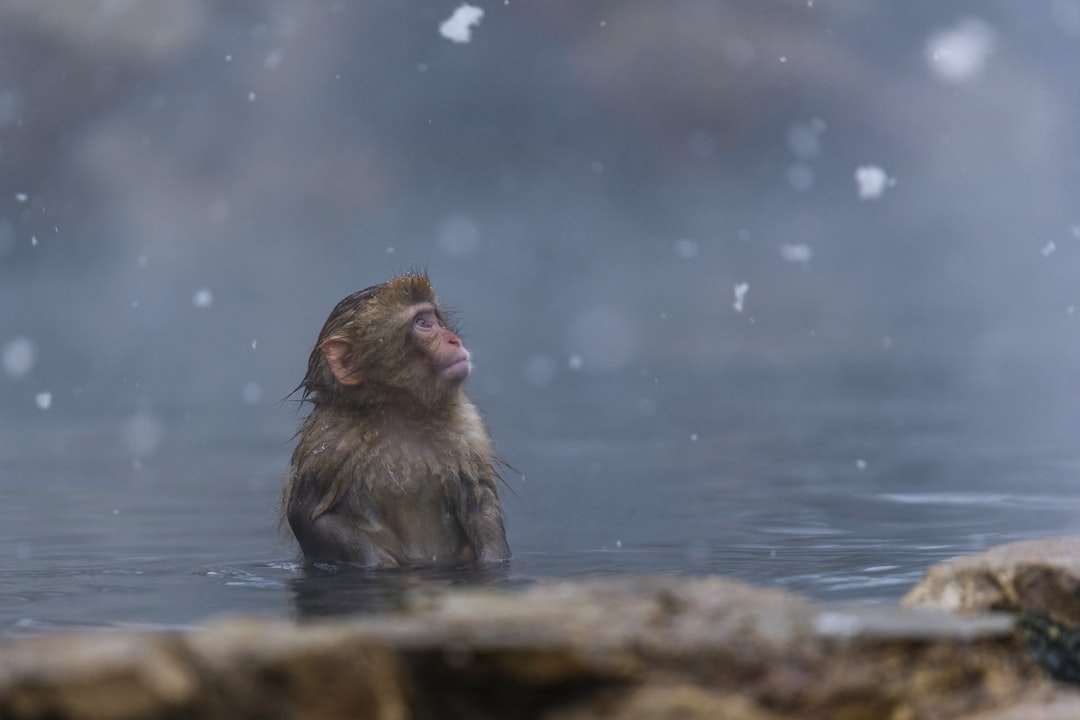
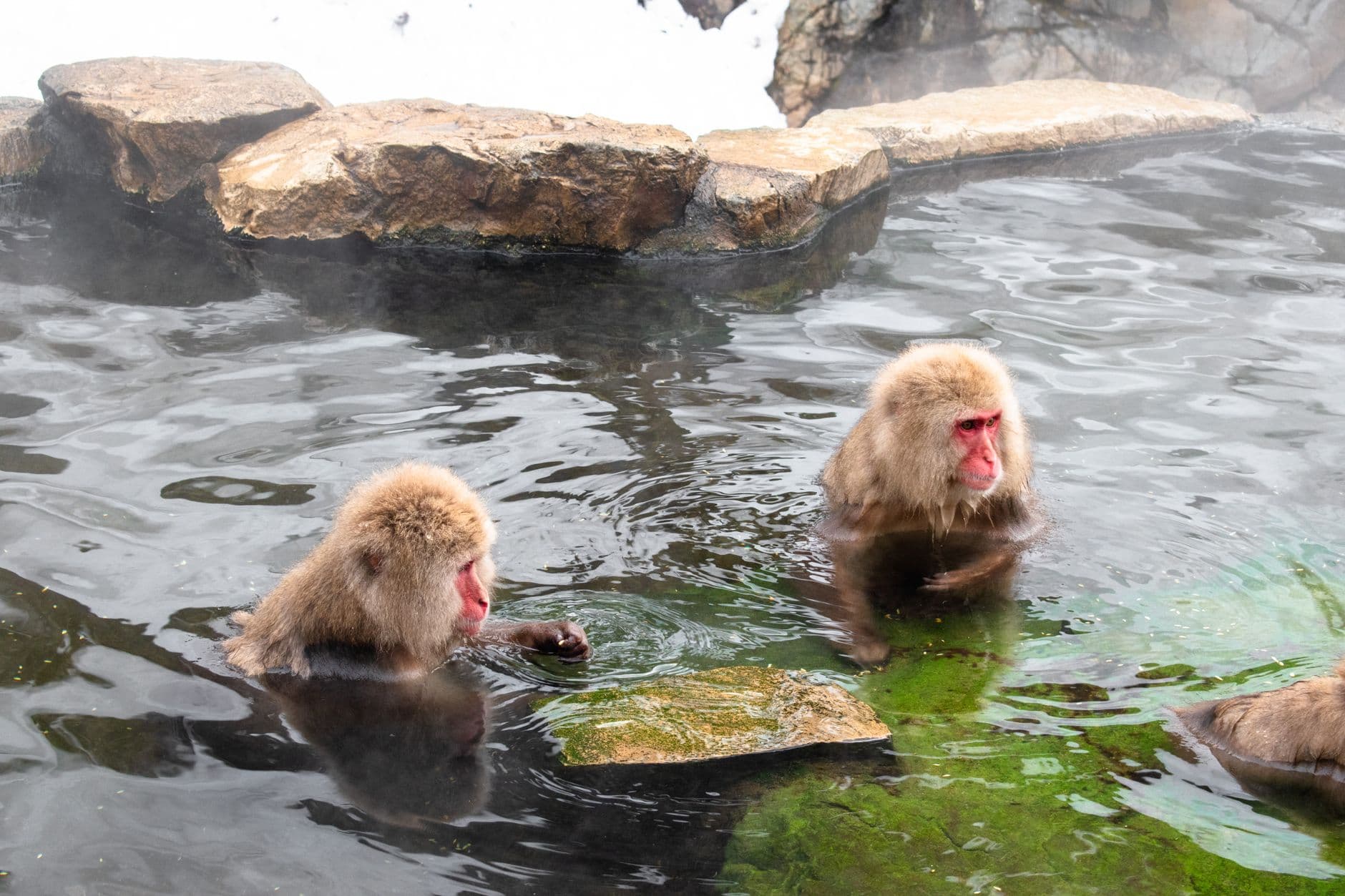
The wild macaques of Jigokudani Yaen-koen have been climbing into their steaming pool since the 1960s, and on a cold January morning with snow falling sideways, it's still the kind of sight that makes strangers stop talking to each other. The park sits in the Yokoyu River valley near Yamanouchi, about 40 minutes by bus from Nagano Station, followed by a 10-minute walk from the entrance through cedar forest. Entry runs roughly ¥800-900 for adults as of late 2024, and the monkeys are there year-round, but winter is when they actually use the pool rather than lounging on the rocks.
Stay in Shibu Onsen, the ryokan town ten minutes below the park, rather than day-tripping from Nagano. Guests get a wooden key and a stamp booklet for the nine public bathhouses scattered through the town's narrow lanes, each one slightly different in mineral content and temperature, and working through them after dark, in geta sandals on packed snow, is a better evening than most itineraries manage to schedule. Two nights lets you do the monkeys at first light, when the crowds haven't arrived, and still have an evening free for the baths.
Ginzan Onsen, Yamagata Prefecture
A gaslit ryokan town that looks the way Japan does in old woodblock prints
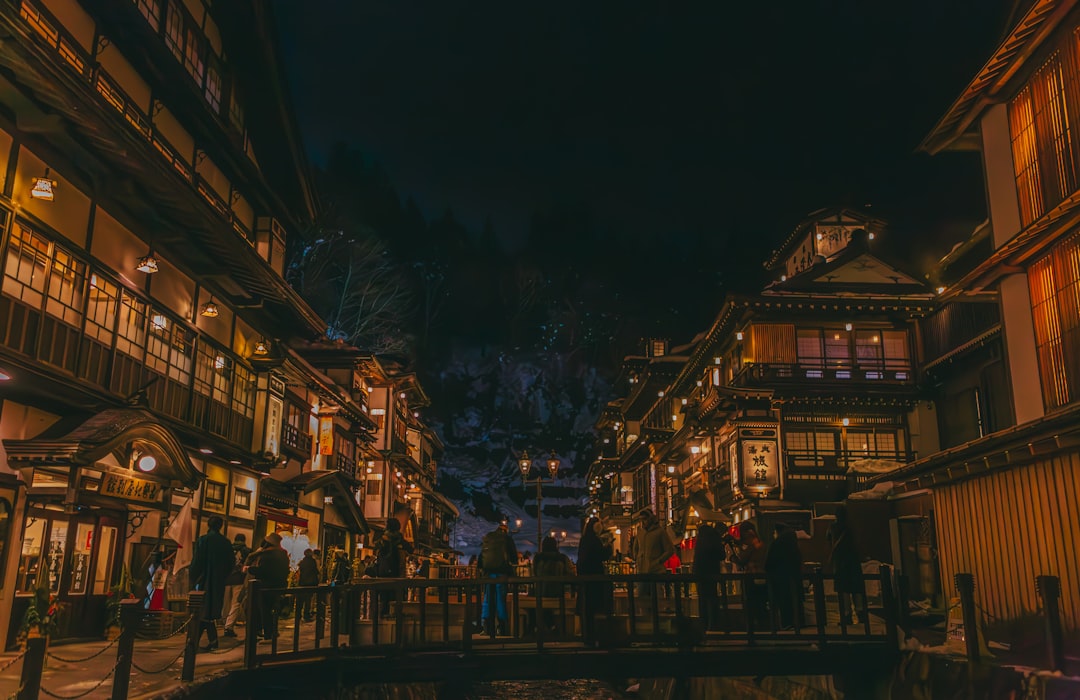
Ginzan Onsen is small on purpose — a single street of wooden ryokan facades lining a narrow river, most of them three or four stories with the kind of ironwork balconies you'd expect in a period drama. Cars are banned from the core lane in the evenings, and when the gas lamps come on around 16:30 in winter, the whole street turns the color of an old photograph.
It's roughly two and a half hours from Tokyo Station on the Yamagata Shinkansen to Oishida, then about 40 minutes by bus or taxi to the onsen itself, so this is genuinely a full day of travel each way. That's exactly why it rewards a two-night stay rather than a detour. Book a room facing the river at a ryokan like Notoya or Fujiya well ahead of a February visit — winter weekends fill up fast, partly because Ginzan doubles as a filming location people recognize without quite knowing why.
The Snow Monsters of Zao Onsen, Yamagata Prefecture
Frost-encased fir trees lit up against the night sky
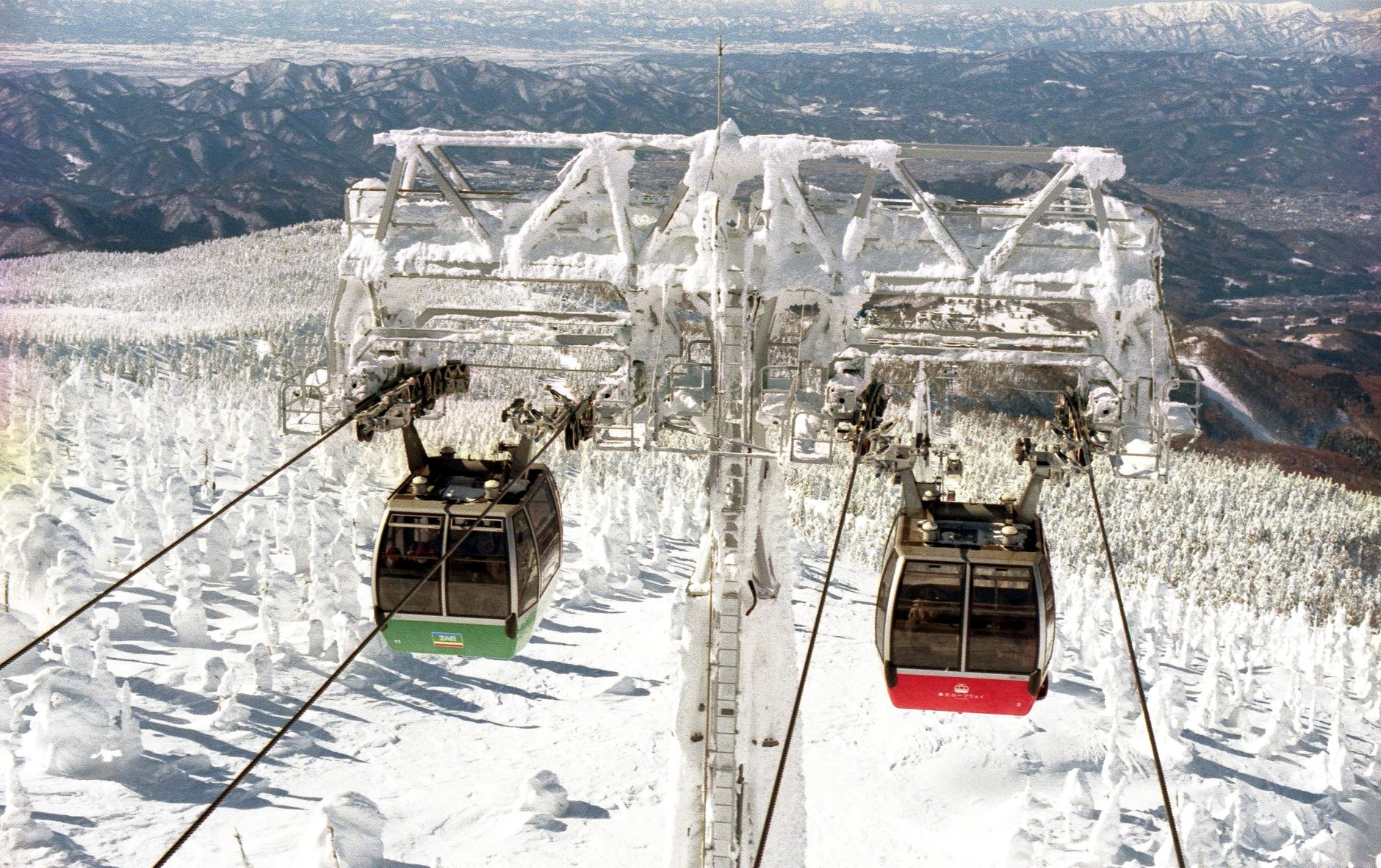
The juhyo, or 'snow monsters,' are Aomori fir trees so heavily encrusted with wind-driven ice and compacted snow that they lose their tree shape entirely, becoming lumpy white sculptures up to several meters tall. They only form on the upper slopes of Mount Zao, where the microclimate is precise enough that you won't find quite the same effect elsewhere in Japan.
A gondola and ropeway carry you up from Zao Onsen village via Juhyo Kogen to the Jizo Sancho Station, with a round-trip ticket for adults running roughly ¥4,200-4,400 depending on season. During peak season, usually late January through February, the ropeway runs special night sessions so you can see the snow monsters illuminated in blue and red light against total darkness. Base yourself in Zao Onsen village itself, which has its own network of sulfuric hot springs, rather than treating this as a day trip from Yamagata city 40 minutes away.
Sapporo Snow Festival and the Otaru Canal, Hokkaido
A ten-day sculpture city built entirely from snow, an hour's train from the sea
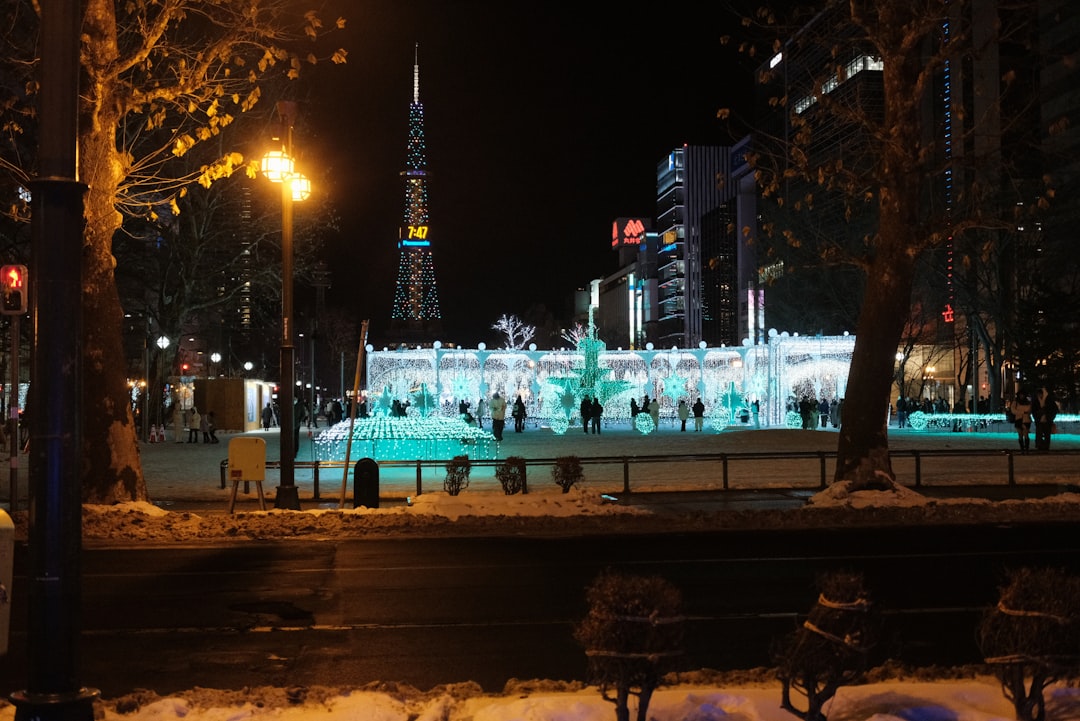
For about ten days in early February, Odori Park in central Sapporo fills with snow and ice sculptures ranging from careful replicas of famous buildings to genuinely strange contemporary art pieces, some built by teams that fly in from other countries specifically for the competition. Entry to the park displays is free, though the Susukino ice sculpture site a short walk away has its own smaller collection lit at night.
Sapporo is about a 90-minute flight from Tokyo Haneda to New Chitose Airport, followed by a roughly 40-minute rapid train into the city. Don't stop at Sapporo alone — Otaru, a former herring port 30 minutes away by rapid train, has a gas-lit canal district and some of the best sushi in Hokkaido at counters like Sushiya Dori, where a lunch set can run ¥3,000-5,000 depending on the catch that morning.
Niseko's Powder Slopes, Hokkaido
Snow so consistently dry it has its own reputation among skiers who've never been to Japan
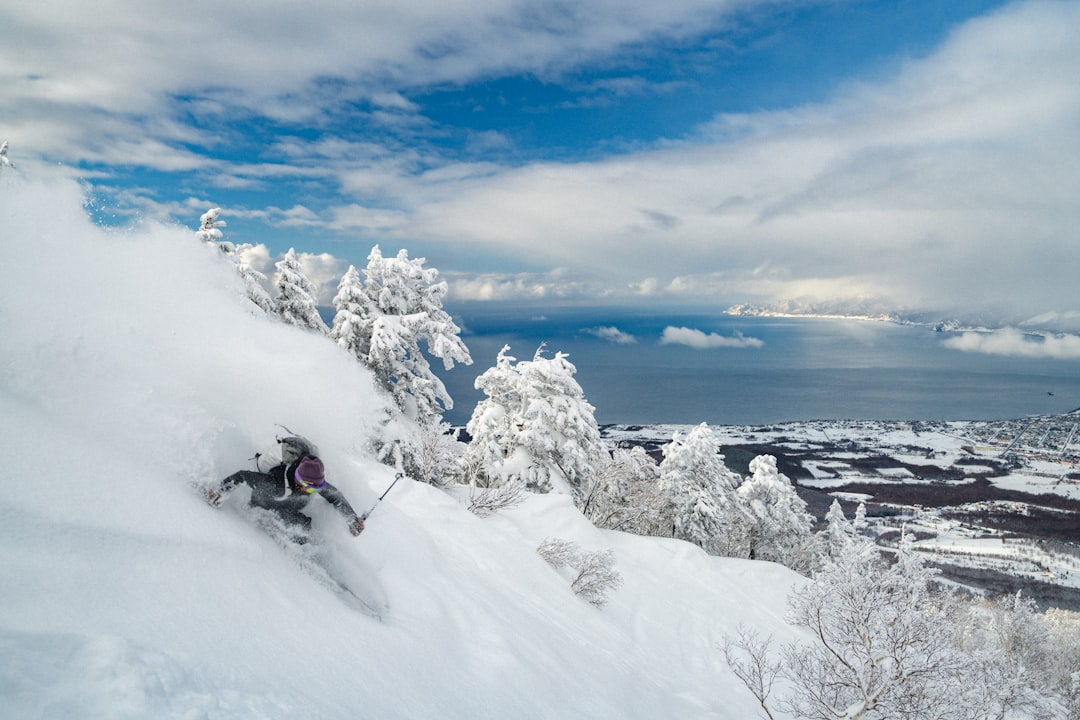
Niseko United, the collective name for four linked ski areas on the flank of Mount Yotei, gets snowfall so reliably light and dry that it's changed how some skiers plan their entire winter. A day lift pass runs roughly ¥7,000-9,000 as of the 2024-25 season, and the transfer from New Chitose Airport takes about two and a half to three hours by shared shuttle or private car, longer if the roads are heavy with snow.
This is not a resort you should try to fit into a wider Japan itinerary as a two-day add-on. Chalets in Hirafu, the main village, book out for peak February weeks as early as September, and the whole appeal is skiing fresh tracks in the morning, soaking in an outdoor onsen with a view of Yotei in the afternoon, and doing it again the next day without a train to catch.
Cordelie travel advisors
Planning Japan? Go with someone who knows
The right suite, the right season, the reservations that never appear online — your Cordelie advisor knows them, and holds them for you.
Plan with a Cordelie advisorFree to ask. Cordelie Travel Services · IATA/ARC 06649064
Kyoto's Snow-Dusted Temples, Kansai
The one season Kyoto lets you have a temple to yourself
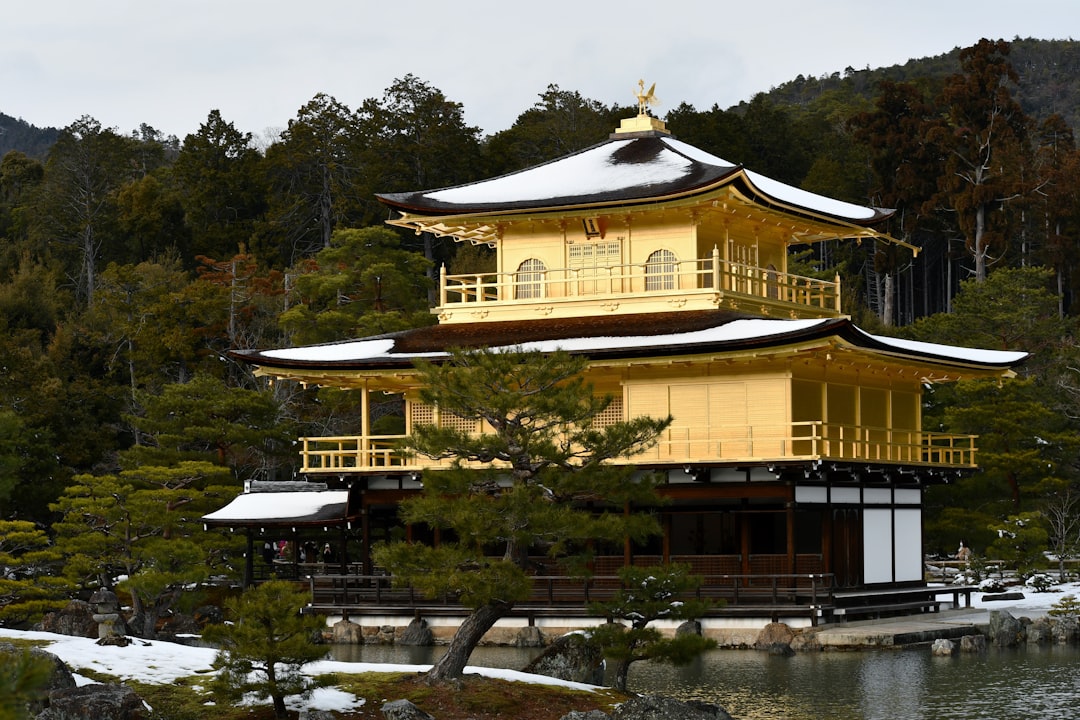
Kinkaku-ji's gold-leafed pavilion with a dusting of snow on its roof is one of those images that circulates constantly online and still doesn't prepare you for it in person, mostly because actual snowfall in Kyoto is unpredictable rather than guaranteed. Daytime temperatures in January and February hover around 5-8°C, cold enough to keep the tour groups thinner than in November, without making walking between temples unpleasant.
Skip straight past the famous names some mornings and head to Otagi Nenbutsu-ji in the Arashiyama hills, where over a thousand small stone statues, each carved with a different expression by amateur volunteers in the 1980s, sit half-buried in whatever snow the week has brought. Entry is around ¥300, and on a weekday morning you may not see another visitor for twenty minutes at a stretch — something that's simply not possible at the same spot in April.
Kenrokuen Garden's Yukizuri Ropes, Kanazawa
Rope cones strung over pine trees, built for exactly this weather
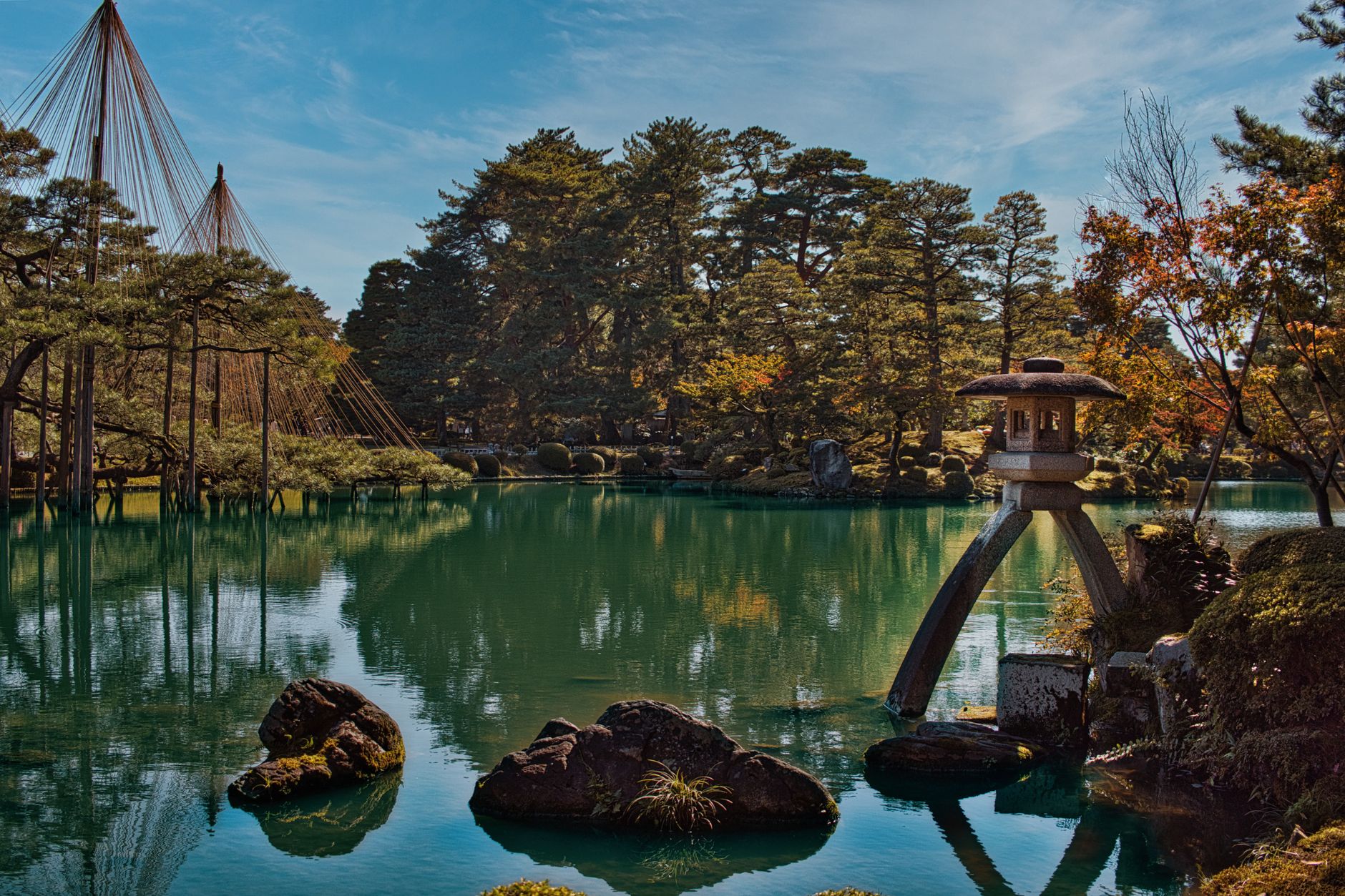
Yukizuri are the conical rope frameworks strung over the pine trees of Kenrokuen every November, engineered to hold branches up under heavy snow rather than let them break. The technique is centuries old, and gardeners still set the ropes by hand each autumn, but it's only once actual snow settles into the rope patterns in January that you understand what the structures were built for.
Kenrokuen is a roughly 30-minute walk or short bus ride from Kanazawa Station, itself about 2.5 hours from Tokyo on the Hokuriku Shinkansen. Garden entry is around ¥320, and on select winter evenings the garden opens for illuminated night viewing — check with your ryokan, since dates shift year to year with the season's snowfall. Pair the visit with Kanazawa's Omicho Market a few minutes away, where winter crab and amberjack are at their best.
Tokyo's Winter Illuminations, Marunouchi and Roppongi
A city that doesn't do subtle light displays, and doesn't try to
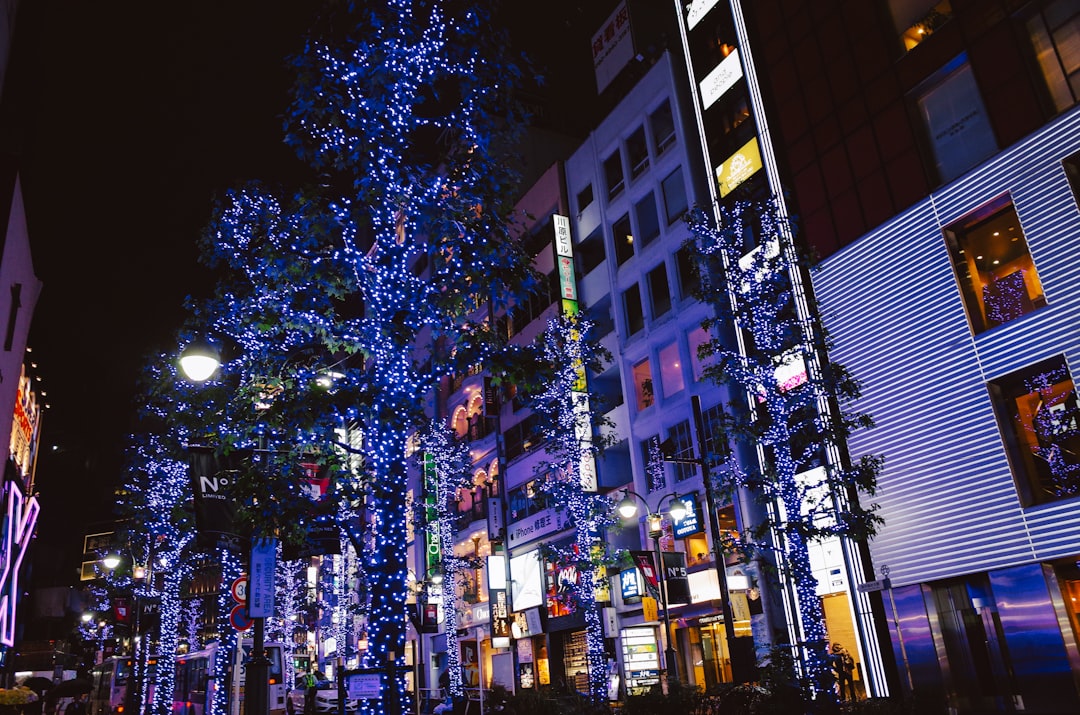
The Marunouchi Illumination along Naka-dori, near Tokyo Station, strings roughly 1.2 million LED lights through the trees each winter from mid-November into mid-February, and walking it after dinner on a cold night is a genuinely good way to close out a Tokyo day without spending a yen. Roppongi Hills does its own version around Keyakizaka Street, with a color scheme that changes some years.
Neither requires planning beyond checking that you're in Tokyo within the season window, which is exactly the point on a list built around slowing down elsewhere. Use Tokyo as your arrival and departure city, spend one evening on the illuminations, and put your real time into Nagano, Yamagata, or Hokkaido instead of trying to see all of Tokyo's winter events in a single frantic week.
Three More Winter Japan Experiences Worth Your Attention
Shirakawa-go's thatched farmhouses in Gifu Prefecture get a handful of limited light-up evenings each winter, usually in late January, when the whole village glows against snow-covered fields — dates are announced only a few months ahead, so check with a local tourism office before building a trip around it. Hakone, about 90 minutes from Tokyo by Odakyu Romancecar, pairs steaming Owakudani valley vents with clear winter views of Mount Fuji that summer haze usually blocks. And Osaka's Dotonbori district hits its stride in winter crab and hot-pot season, when queues form outside spots like Kani Doraku for kegani and matsuba crab that simply aren't at their best any other time of year.
The hardest bookings on this list — a river-facing ryokan room in Ginzan for a February weekend, a Hirafu chalet before it's gone by September, a private guide who can time Jigokudani's monkeys for the exact hour the light hits the water — are the ones that reward having someone inside the system already.
A Cordelie advisor builds your winter itinerary around the two or three places worth staying in longer, arranges the ryokan and onsen access that rarely shows up on booking sites in English, and sequences your train connections so a week in Japan feels like a slow unfolding rather than a checklist. That's the trip worth having.
Our Top Pick: Jigokudani Monkey Park and Shibu Onsen
The single best argument for visiting Japan in winter rather than any other season.
Nothing else on this list combines a genuinely rare sight — wild macaques soaking in a mountain hot spring while snow falls around them — with a town built to hold you for two unhurried nights afterward. Shibu Onsen's nine public bathhouses, the wooden key, the geta sandals crunching on packed snow between them: it's the kind of evening that makes the whole trip feel worth the flight.
Get there by taking the bus from Nagano Station, about 40 minutes, then walking the last stretch through cedar forest to the park entrance. Stay long enough to see the monkeys at first light and still have an evening free for the baths — that's the whole point.
Last checked for accuracy: . How we check

Alex Moreau writes about going slowly. Nine years of reporting from trains, river boats and towns nobody has a hashtag for, mostly across Europe and North Africa. They live in Lisbon, keep a running list of the continent's best two-hour lunches, and believe most itineraries would improve if you deleted a city.
Related Articles
Japan Quick Guide: Everything You Need to Know
Plan your spring trip to Japan: navigate high-speed trains, cherry blossom crowds, and temple-hopping with practical timing, costs, and neighborhoods that work for families and solo travelers.

The Best Things to Do in Japan
From hanami under lantern-lit cherry trees in Kyoto to a tide-timed walk to Miyajima's floating torii gate, here are the eight spring experiences in Japan worth building a trip around.

My Spring in Japan: A Travel Story
A first-person account of a spring gamble in Japan: chasing cherry blossoms between a rain-soaked Tokyo and a slower-blooming Kyoto, and what got rebuilt along the way.