
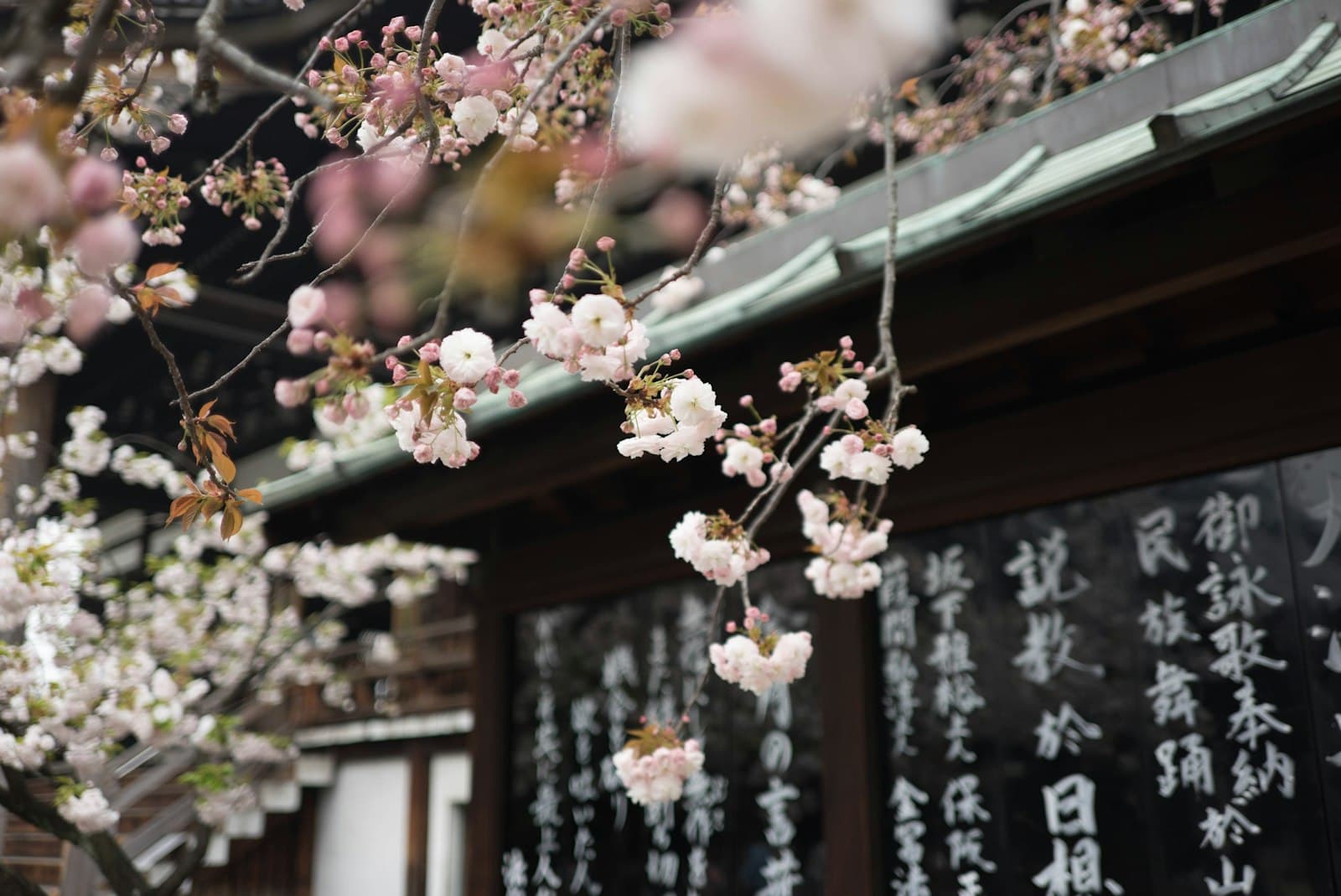
My Spring in Japan: A Travel Story

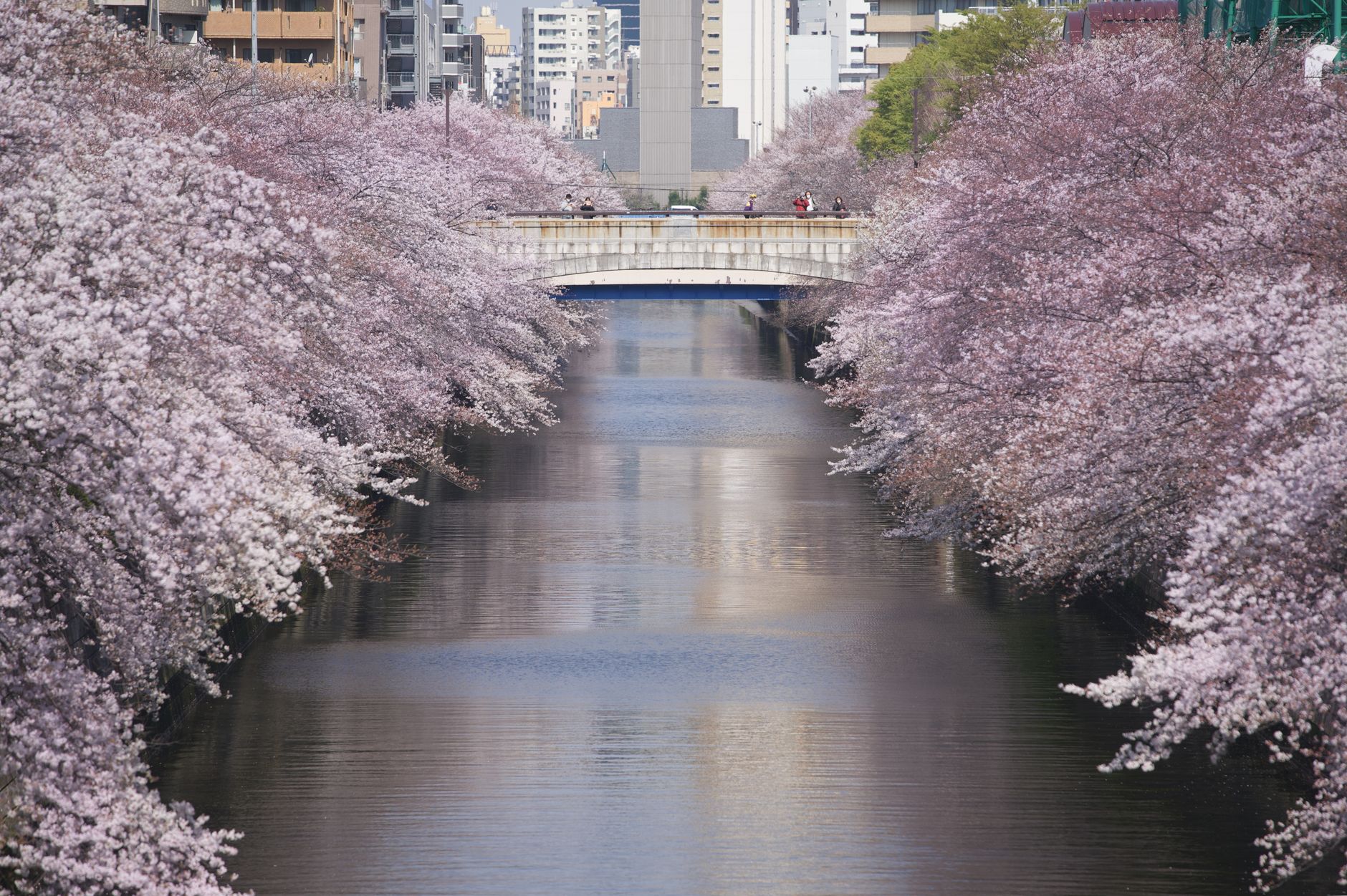
Landing in Tokyo Three Days Before the Blossoms Broke
I had booked this trip around a single guess: that the cherry blossoms in Tokyo would peak somewhere between April 1st and April 8th. That window is the whole gamble of a spring trip to Japan, and I knew it going in. The Japan Meteorological Corporation's forecast had shifted twice in the two weeks before I flew, first pulling the Tokyo peak forward, then pushing it back three days after a cold front stalled over Honshu. I landed at Haneda a little after 6pm on a Tuesday, jet-lagged and unsure whether I'd arrive to bare branches or a city already carpeted in pink.
What nobody tells you clearly enough beforehand is that hanami season is not one event but a slow-moving wave that breaks differently in every neighborhood. Shinjuku Gyoen can be five days ahead of Ueno Park. A canal-side street in Nakameguro can be past peak while a shaded temple garden in the same ward is still tight buds. You are not planning a trip to see cherry blossoms. You are planning a trip and hoping the blossoms cooperate with the itinerary you've already paid for.
“You don't chase the blossoms in Japan. You build a loose enough itinerary that you can chase them without losing the trip if they don't show up on schedule.”
Four Days Between a Rain-Soaked Tokyo and a Kyoto in Full Bloom
Tokyo, and Learning to Read a Blossom Forecast Like Weather Radar
I checked into the Park Hotel Tokyo in Shiodome, mostly for the view over Hamarikyu Gardens and the ten-minute walk to Shimbashi Station. Jet lag from a 13-hour flight from the US East Coast hits differently at 60-something years young than at 25, and I'd built the first day around doing almost nothing.
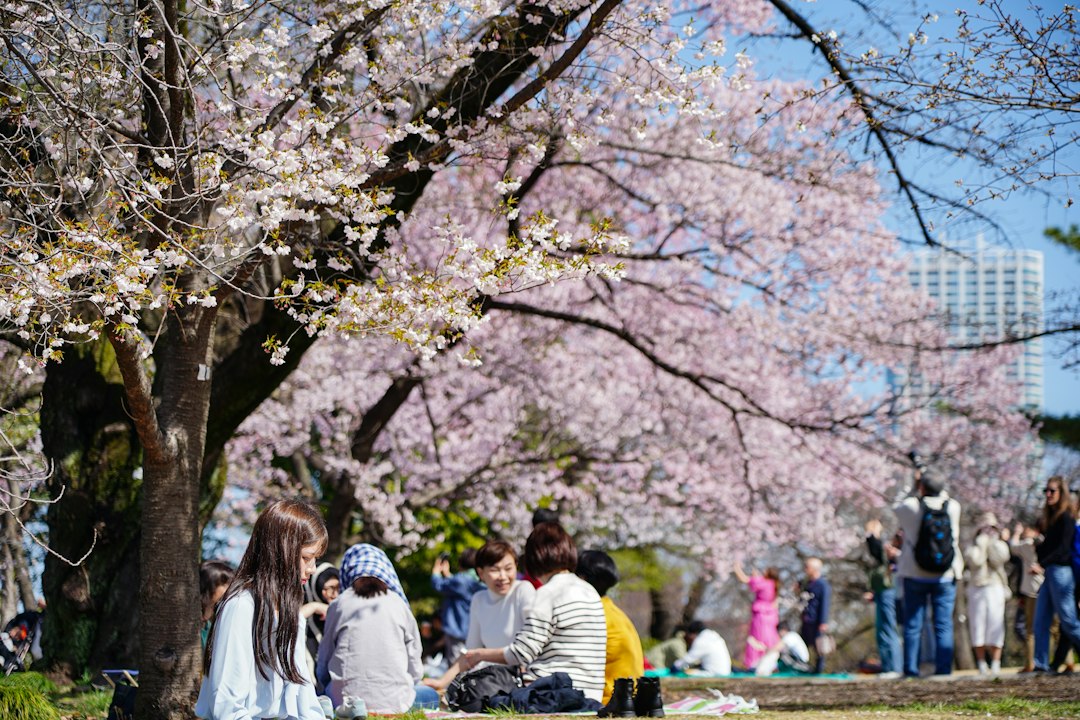
That plan died fast. The forecast had Shinjuku Gyoen at 70-80% bloom, and rain was coming in two days later, so I walked the 25 minutes from the hotel area over to the garden instead of resting. The 500 yen entry fee (roughly $3.30 in early 2025) got me into a park already dense with people by 10am, blankets staked out under the Somei-Yoshino trees an hour before the gates even opened.
Nakameguro in the Rain, and the Crossing That Doesn't Care About Weather
The rain arrived on schedule, and it was not gentle. Nakameguro's canal walk, the one everyone photographs with lanterns and petals drifting on the water, turns into a different animal in a downpour: slick stone, closed umbrellas colliding, and a fair number of blossoms knocked straight into the canal overnight.
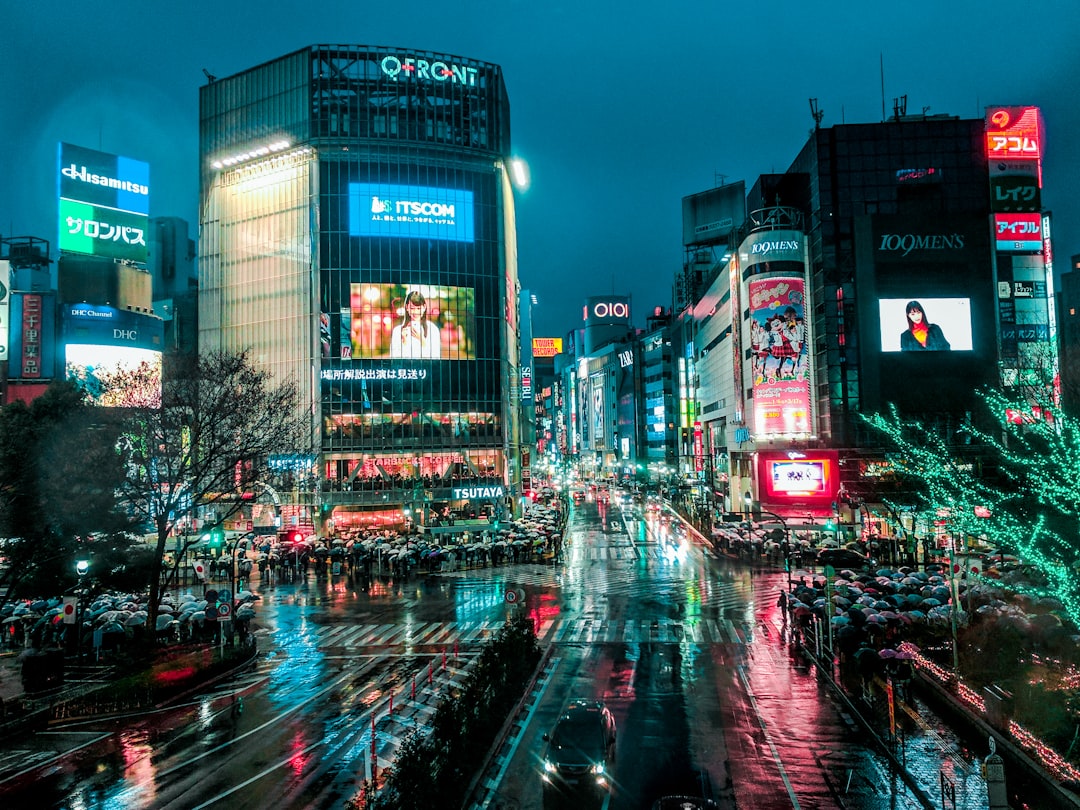
I still think it was worth the soaked shoes. Fewer people were out, the lanterns glowed against the grey sky, and a bowl of tantanmen at a tiny counter shop two streets back from the canal, Kikanbo in the same neighborhood, did more to fix my mood than any dry hotel room would have. Later I pushed through the rain to Shibuya Crossing anyway, because it runs regardless of weather, and stood under the awning of the Starbucks at Tsutaya watching a few thousand people cross in both directions every two minutes.
The Shinkansen South, and a City Where the Blossoms Hadn't Peaked Yet
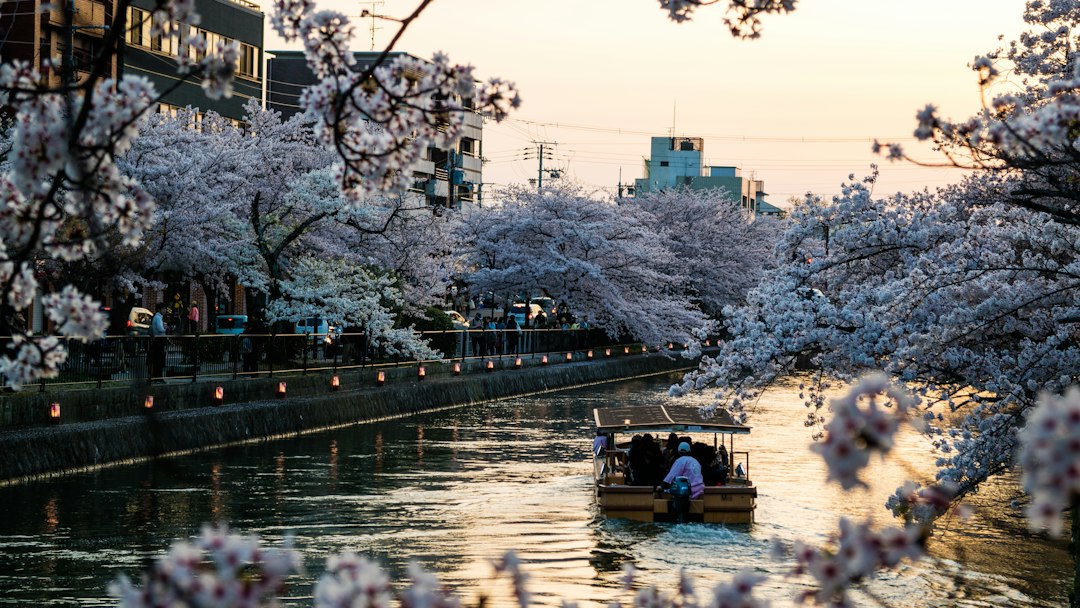
The Tokaido Shinkansen from Tokyo Station to Kyoto takes about 2 hours 15 minutes on the fastest Nozomi service, and a reserved seat runs roughly ¥14,000-14,500 one way as of early 2025 (the Nozomi isn't covered by the Japan Rail Pass, worth knowing before you buy one). I'd read that Kyoto tends to run three to five days behind Tokyo in a normal spring, and this year it held true: the Philosopher's Path along the Kyoto canal was still climbing toward peak, trees maybe 60% open, the crowds a fraction of what I'd fought through in Shinjuku.
I stayed at a small ryokan near Ginkaku-ji, a converted machiya with four rooms and a shared bath, and spent the evening walking the Path slowly, stopping wherever the light through the branches looked right. Kyoto rewards this kind of unstructured wandering more than Tokyo does; the city is smaller, quieter after dark, and the temples close early enough that the streets around them empty out by 6pm.
Arashiyama Before the Buses Arrive, and the Long Climb Through Fushimi Inari
I'd read enough warnings about Arashiyama's bamboo grove to take them seriously: get there by 8am or don't bother. I was on the JR line from Kyoto Station by 7:15am, in the grove by 7:50am, and had maybe ten minutes of the path nearly to myself before the first tour groups filed in behind me. By 9:30am, when I left, it was a slow shuffle of phones held overhead the whole way through.
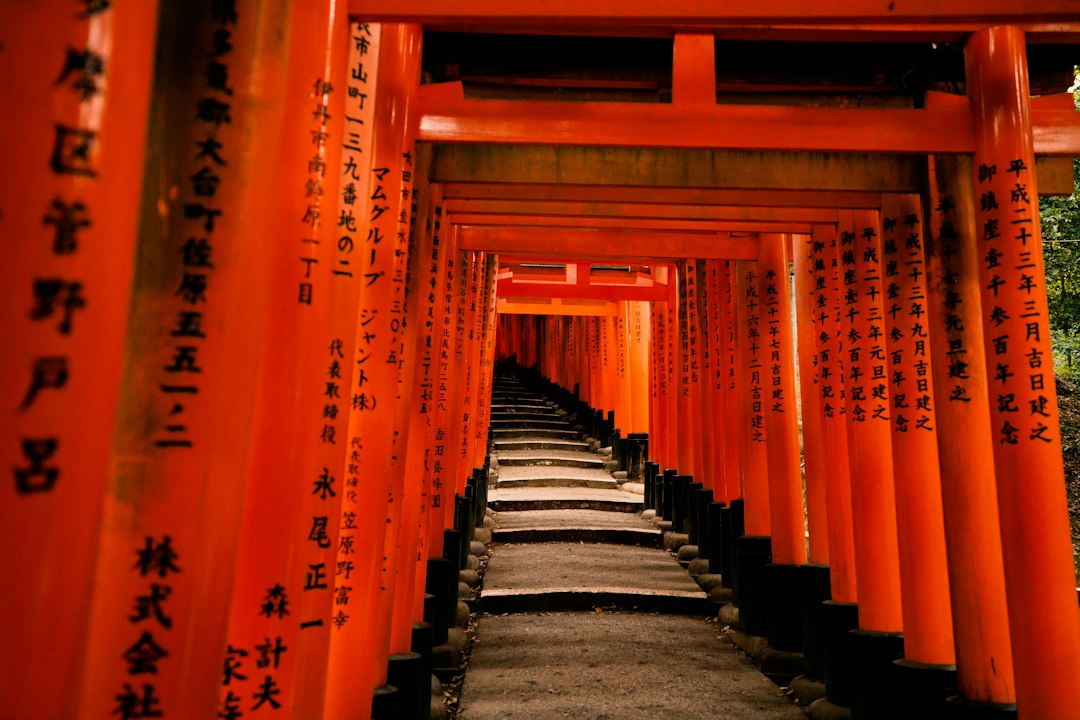
Fushimi Inari in the afternoon is a different kind of physical ask than people expect. The famous vermilion gates near the entrance are five minutes from the train and mobbed; the full hike to the summit of Mount Inari and back is closer to two hours round trip on uneven stone steps, and most of the crowd turns back within the first 20 minutes. I pushed on and had entire stretches of gate tunnel to myself by the upper third of the mountain, breathing hard, glad I'd worn real shoes instead of the sandals I'd packed for warm weather.
A Few Frames From the Trip
Cordelie travel advisors
Planning Japan? Go with someone who knows
The right suite, the right season, the reservations that never appear online — your Cordelie advisor knows them, and holds them for you.
Plan with a Cordelie advisorFree to ask. Cordelie Travel Services · IATA/ARC 06649064
What Nearly Got Cancelled, and the One Detour Worth the Chaos
The trip almost lost its Kyoto leg entirely. Two weeks before departure, the peak forecast had briefly shown Tokyo and Kyoto blooming in the same window, which would have meant fighting the same crowds twice for the same view. I'd nearly rebooked the Kyoto nights for a Hakone side trip instead, chasing Mount Fuji views from Lake Ashi. The forecast corrected itself ten days out, and I kept the original plan, but it's a real risk worth naming: hanami trips get rebuilt on short notice more often than most Japan itineraries, and the flexible fares and refundable hotel nights I'd booked turned out to matter more than the destinations themselves.
The unplanned highlight was a late addition: a friend staying in Kyoto talked me into an evening at Maruyama Park, next to Gion, where the single enormous weeping cherry tree is lit from below after dark. It isn't in most first-timer itineraries, which is exactly why it worked. The crowd was a fraction of Shinjuku Gyoen's, the light on the tree was genuinely striking rather than merely photogenic, and a nearby yatai stall selling grilled skewers and small cups of warm sake made the 40 minutes standing in the cold feel less like waiting and more like the point of the evening. If you're weighing whether to build slack into a spring Japan itinerary specifically for moments like this, it's worth reading through the practical groundwork in an <a>essential tips</a> guide before you lock the schedule.
Convenience Store Onigiri, Kaiseki, and Everything Loud in Between
Japan in spring feeds you well at every budget, and I ate at both ends of it on purpose. Breakfasts were mostly 7-Eleven and Lawson runs, an onigiri or two and a can of hot coffee for under ¥400 total, eaten standing outside the store because that's simply what everyone does. Lunch in Kyoto one day was a bowl of nishin soba near Nishiki Market, a herring-topped noodle dish that's a local specialty and runs around ¥1,000-1,200.
The splurge was a kaiseki dinner at a small counter restaurant near Gion, eight courses built around what was in season that week, bamboo shoots and sakura-salted sweets among them, for roughly ¥18,000-22,000 per person including sake pairing. It's the kind of meal that needs a reservation weeks out, made harder because several of the best small kaiseki counters don't take bookings in English at all. For the destination overall, the range from convenience store rice balls to that kind of formal seasonal dinner is really the whole story of eating in Japan, and it's covered in more depth in a broader <a>guide to Japan's food and travel basics</a> if you want the fuller picture before you go.
Sakura season moves by up to two weeks year to year, and the difference between a trip that lands on full bloom and one that lands on bare branches is almost entirely a matter of timing you cannot fully control from a spreadsheet six months out.
A Cordelie advisor tracks the seasonal forecasts as they update, holds flexible fares and refundable ryokan nights until the picture sharpens, and can shift a Kyoto leg or add a Hakone detour on short notice without you losing a single deposit. For a trip built entirely around a moving natural event, that kind of adaptive planning is worth far more than another list of temple names.
Should You Plan a Spring Trip Around the Cherry Blossoms?
Worth doing, but only if you accept that the blossoms are a variable, not a guarantee, and build the itinerary to survive being wrong about them.
This trip demanded more flexibility than a typical first Japan visit: two forecast shifts before departure, a full rain day in Tokyo, and a genuine physical push through crowds at Shinjuku Gyoen and up the Fushimi Inari steps. Anyone expecting a relaxed, fully scripted week should look at a different season.
It suits travelers who can hold a loose itinerary loosely, who don't mind an 7:15am train to beat a tour bus, and who'd rather see a quiet weeping cherry in Maruyama Park than fight for a photo in a famous one. If that's you, spring in Japan delivers something no other season quite matches. For the wider logistics of a first Japan trip, a <a>quick-reference planning guide</a> is a useful companion to keep alongside whatever itinerary you settle on.
Last checked for accuracy: . How we check

Isaac Reid has spent fourteen years on ships and on foot in the places weather still decides. He sailed his first Drake Passage as an expedition assistant and has since made the crossing more than thirty times, between seasons trekking in Nepal and Patagonia. He writes about what these trips actually ask of a traveller — the days that get cancelled, the kit that matters, the difference between a landing and a cruise-by — and thinks the honest version sells them better than the brochure does.
Related Articles
Japan Quick Guide: Everything You Need to Know
Plan your spring trip to Japan: navigate high-speed trains, cherry blossom crowds, and temple-hopping with practical timing, costs, and neighborhoods that work for families and solo travelers.

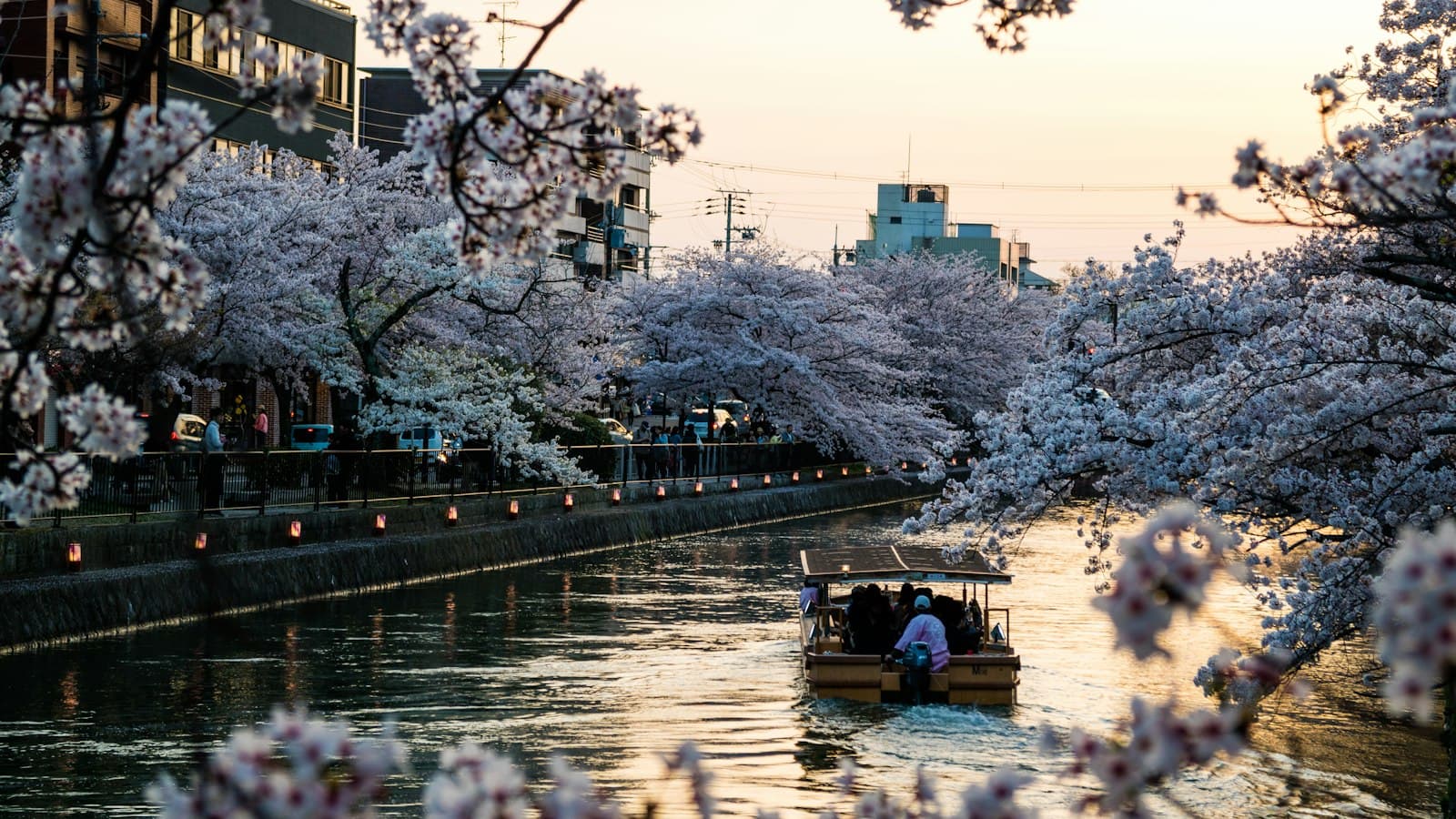
The Best Things to Do in Japan
From hanami under lantern-lit cherry trees in Kyoto to a tide-timed walk to Miyajima's floating torii gate, here are the eight spring experiences in Japan worth building a trip around.

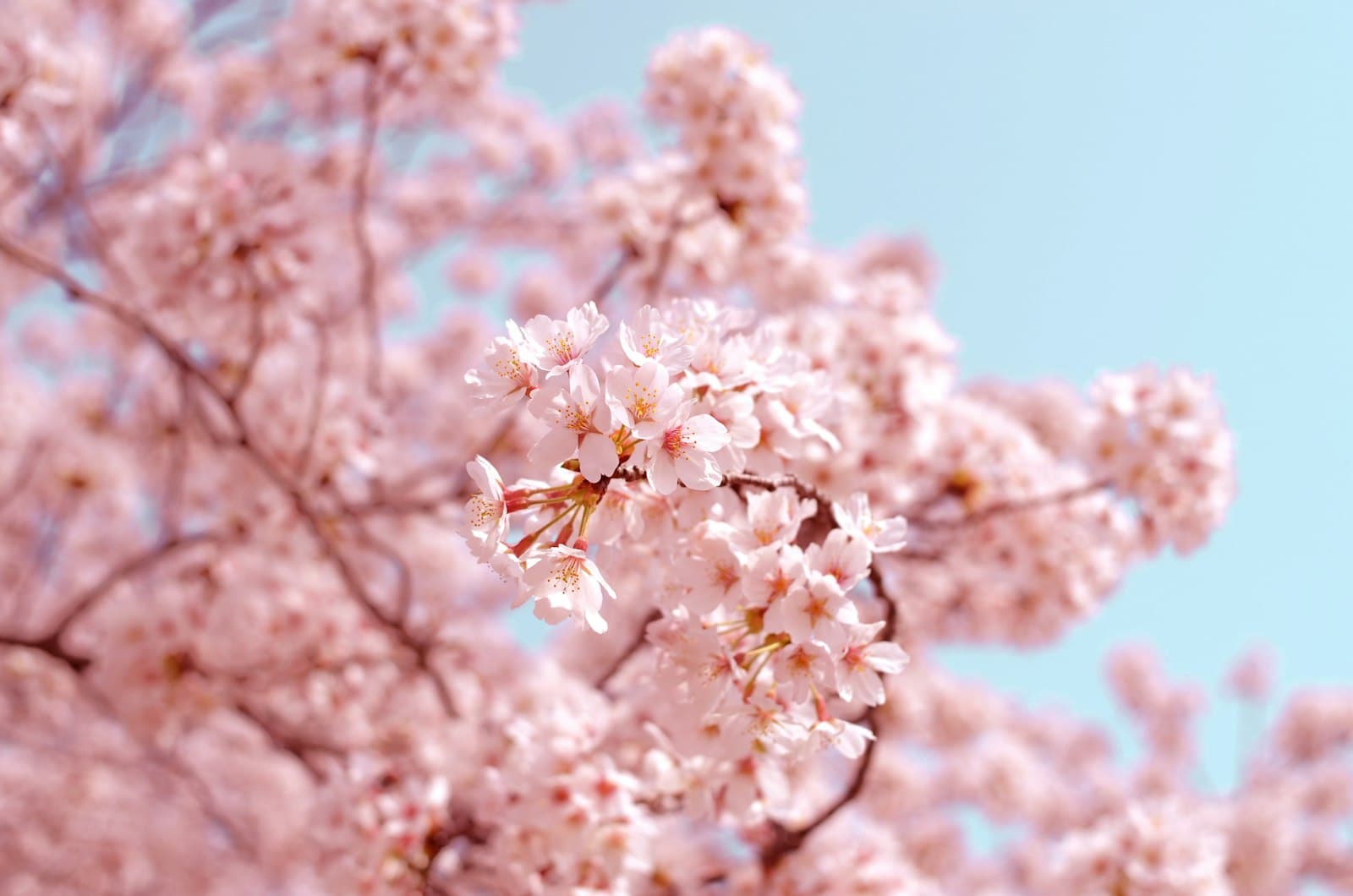
Japan Quick Guide: Everything You Need to Know
Japan in spring demands early booking and timing precision, but rewards visitors with cherry blossoms, walkable cities, and temperatures that make travel with children and elderly family realistic.