
Japan Quick Guide: Everything You Need to Know

Key Facts
Japan in Spring: A Practical Guide to Timing, Getting Around, and Where to Stay
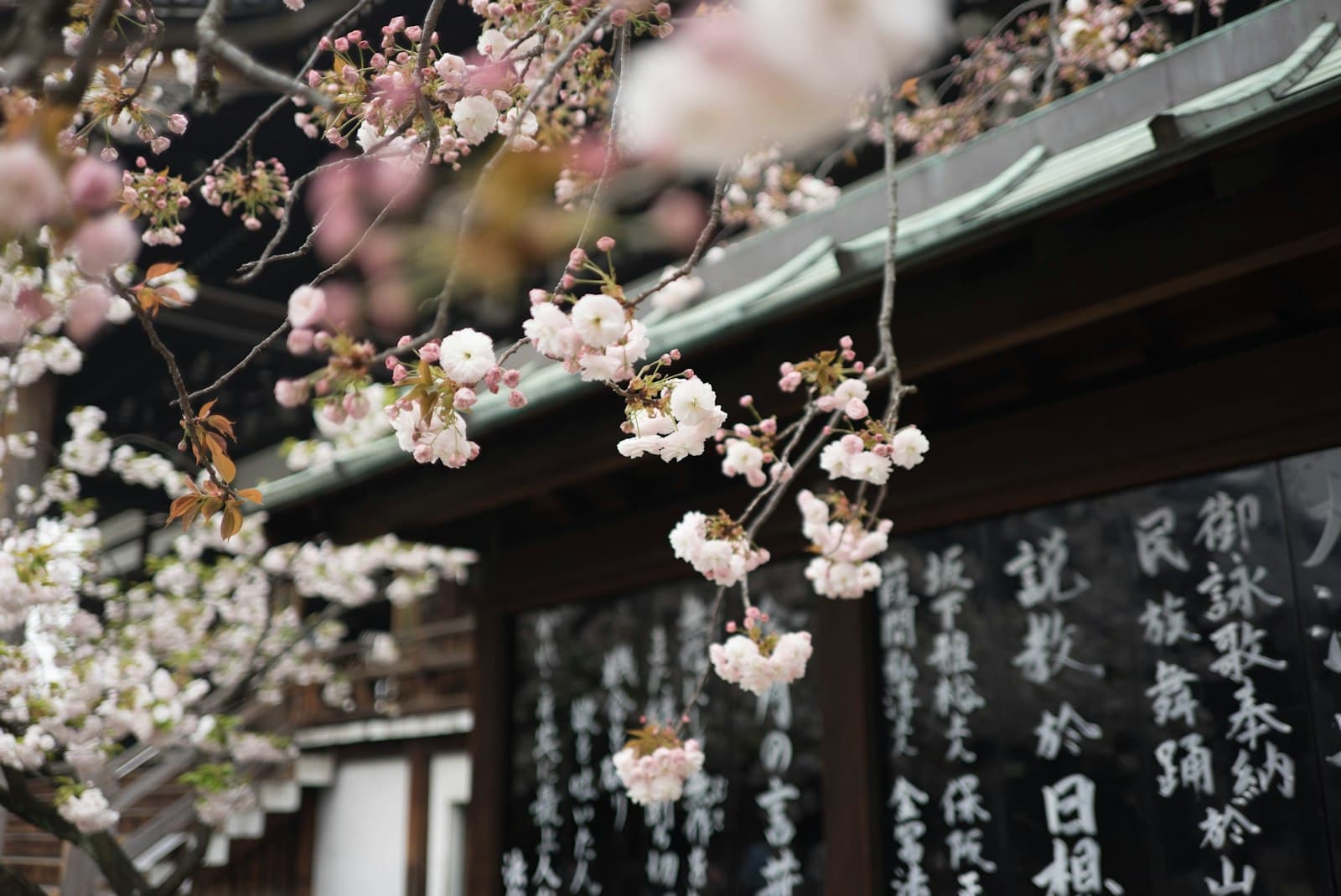
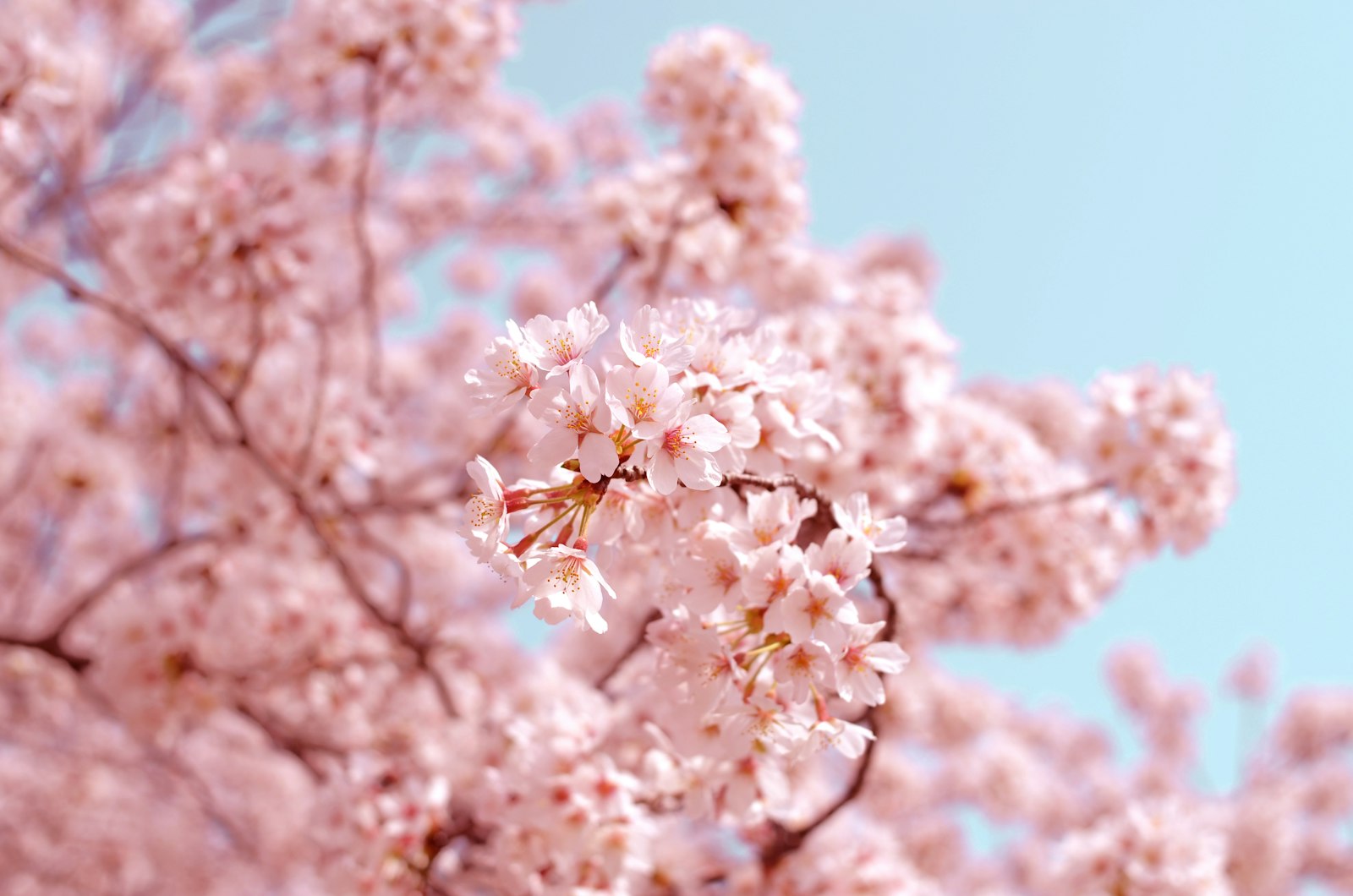
Japan is walkable, efficient, and one of the few destinations where a family traveling with children or a solo traveler navigating language barriers can move independently. Spring—late March through early May—brings cherry blossoms, comfortable temperatures between 10–20°C (50–68°F), and high visitor volume. Plan for crowds at famous temples and gardens during cherry blossom season, but expect fewer tourists in mountain villages and lesser-known prefectures. A realistic trip spends most of its time in two regions: the Tokyo–Kyoto corridor, which accounts for the majority of international flights and train connections, or a more regional circuit built around Osaka, Hiroshima, or the Japanese Alps.
Getting There, Getting Around, and Timing Real Movement
Most international visitors arrive at Narita International Airport (NRT), 60 kilometers east of Tokyo, or Haneda Airport (HND), which sits just 15 kilometers south of central Tokyo. Haneda is newer and closer; expect a train ride of 30 minutes to downtown Tokyo and around 2 hours to Kyoto. The Narita Express train costs about ¥3,140 (roughly USD 21–22) and takes approximately 53–61 minutes to Tokyo Station. A taxi from either airport will cost 6,000–9,000 JPY (USD 40–60) depending on traffic.
Rail is the backbone of travel between cities. The Shinkansen (bullet train) connects Tokyo to Kyoto in 2 hours 15 minutes. A standard reserved seat costs roughly 13,700–14,000 JPY (USD 90–95) one-way. The Japan Rail Pass (JR Pass), purchased before arrival, can make sense for visitors planning 5+ intercity journeys; a 7-day pass runs USD 280–350 depending on the season and class. Within Tokyo and Kyoto, subways and local trains move faster than taxis and cost 200–400 JPY per ride (about USD 1.35–2.70). IC cards like Suica or Pasmo, available at any convenience store or train station, work nationwide and eliminate the need to buy individual tickets.
Walking is genuinely possible in most Japanese cities. Tokyo's Shibuya, Ginza, and Asakusa districts are compact enough that neighborhoods bleed into each other on foot. Kyoto's central temples sit within walking distance (1–3 kilometers), though distances look short on a map and can exhaust visitors unfamiliar with hills. Rent a bicycle in Kyoto or Osaka—most hotels and hostels have them—or expect to use trains for longer hops. Downtown Hiroshima spreads less densely but remains navigable; the Peace Memorial Park is a 10-minute walk from the main station.
Cherry blossoms in Tokyo typically peak mid-to-late April; Kyoto blooms 3–5 days earlier; northern regions like Hokkaido peak in late April or early May. Exact dates shift annually. If cherry blossoms are your primary reason for traveling, book flights and accommodation in December or January and build flexibility into your dates. Most hotels allow date changes without penalty if you book 2–3 months early.
Where to Stay: Neighborhoods That Work for Different Travelers
In Tokyo, stay in Shinjuku if you want nightlife and shopping within walking distance; expect to pay USD 80–150 per night for a business hotel room. Shibuya offers similar energy and pricing. Asakusa, near the historic Senso-ji Temple, feels quieter despite crowds and costs slightly less—USD 70–130 per night. If you are traveling with children or prefer a slower pace, Setagaya or Shinjuku's southern neighborhoods offer residential calm with easy train access downtown.
In Kyoto, the Higashiyama district clusters temples and geisha houses; ryokans (traditional inns) here run USD 120–250 per person with dinner included. Arashiyama, on the city's western edge, is where the famous bamboo grove sits; it has fewer ryokans but more mid-range hotels at USD 90–160 per night. The city center (Kawaramachi) offers convenience and shopping but feels less atmospheric. Book ryokans 2–3 months ahead in spring; many require minimum stays of 2 nights during cherry blossom season.
Hostels are common in major cities and cost USD 25–50 per night for a dorm bed. Business hotels (no frills, functional) run USD 50–100. Three- and four-star hotels in central locations typically cost USD 150–300 per night in spring. All hotels in Japan provide slippers, yukata robes, and toiletries; showers often include a small tub for soaking.
Practical Considerations: Money, Language, Food, and Logistics
Cash remains essential. Most convenience stores and many restaurants still don't accept credit cards, though this is slowly changing in major cities. ATMs at 7-Eleven and post offices accept foreign cards; withdraw cash in small batches to avoid exchange fees. A week's trip for two people typically budgets USD 2,000–3,500 for mid-range lodging, meals, and activity admissions, depending on how many ryokans or high-end restaurants you visit.
English signage is common in Tokyo and Kyoto but sporadic elsewhere. Download Google Translate and use it to photograph menus; the camera function works well. Train stations post English directions and electronic signs. Hiroshima and Osaka lean more on Japanese; plan extra time and patience for navigation. A pocket WiFi device or SIM card keeps you connected; rental WiFi costs roughly USD 7–10 per day; pre-paid SIM cards start around USD 20 for 10 gigabytes of data.
Food costs range widely. A bowl of ramen costs 800–1,200 JPY (USD 5–8). Set lunches at department store restaurants and small family-run spots run 1,000–2,000 JPY (USD 7–13). Sushi at a mid-range conveyor belt restaurant costs 2,000–4,000 JPY (USD 13–27) per person. High-end sushi or kaiseki dinners run USD 100–300 per person. Convenience stores (Family Mart, Lawson, 7-Eleven) stock ready-to-eat meals, onigiri (rice balls), and drinks at low prices—a backup if you're exhausted or uncertain about opening hours.
Spring Activities: What to Actually See and How Long It Takes
In Tokyo, see Senso-ji (Asakusa Temple), which fills by 09:00 in spring; arrive by 08:00 if you want photos without crowds. Admission is free. The nearby Meiji Shrine sits in a forest and draws fewer people than central temples; allow 30 minutes to walk the grounds. The Tsukiji Outer Market offers fresh seafood and sushi lunch for USD 15–30; it runs daily from 05:00 onward, though the energy peaks early. Shibuya Crossing and Shinjuku Station are free to experience but busiest between 08:00–09:00 and 17:00–19:00.
In Kyoto, prioritize Fushimi Inari, famous for thousands of vermillion torii gates stacked up a hillside. Entry is free, but the site draws enormous crowds; go by 07:30 or after 16:00 to avoid queues. The main path up the mountain takes 45 minutes; a complete circuit takes 2–3 hours. Arashiyama's Bamboo Grove is equally crowded in spring; visit before 07:30 or after 17:00. The Philosopher's Path, a scenic canal-side walk lined with cherry trees, remains quieter than major temples and costs nothing. Kinkaku-ji (Golden Pavilion) charges roughly 400 JPY (USD 2.70) for admission and pulls crowds from 10:00 onward; arrive by 08:30 or after 16:00.
In Hiroshima, the Peace Memorial Park and Museum offer sobering context on World War II. Museum admission is roughly 200 JPY (USD 1.35); allow 2–3 hours. The nearby Itsukushima Shrine and its iconic floating torii gate sit on Miyajima Island, a 30-minute ferry ride from central Hiroshima (ferry costs around 180 JPY or USD 1.20 one-way). Spring weather here is mild and reliable; crowds moderate outside cherry blossom peaks.
Peak hours are 10:00–16:00 at major temples and gardens. Early mornings (before 08:00) and late afternoons (after 16:00) offer better light, fewer tourists, and a genuine sense of place. Many Buddhist temples open from sunrise; check locally. Entrance fees typically range from free to 800 JPY (USD 5) per site.
Food to Eat and Where to Eat It
Spring brings fresh vegetables and seafood. Seek out tempura at small shops like Daikokuya in Asakusa (set meals around 1,500–2,500 JPY or USD 10–17). Soba (buckwheat noodles) and udon are everywhere; a simple bowl costs 700–1,200 JPY (USD 5–8). Okonomiyaki (savory pancakes) are hearty and cost 800–1,500 JPY (USD 5–10) in casual restaurants. In Osaka, takoyaki (octopus balls) from street stalls run 600–1,000 JPY (USD 4–7) per order.
Sushi varies wildly in price and quality. High-end omakase runs USD 150–400 per person; mid-range sushi restaurants and conveyor belts cost USD 15–30 per person. Kaitenzushi (conveyor belt sushi) lets you pick plates as they pass—transparent pricing and fun for uncertain eaters. Most sit comfortably with strollers and high chairs, though legroom is tight.
Vegetarian and vegan options exist but require advance planning. Buddhist temple cuisine (shojin ryori) is meat-free by tradition; seek it near temples in Kyoto. Convenience stores have vegetable-forward onigiri and rice bowls. Indian and Thai restaurants dot Tokyo and larger cities; they cater well to dietary restrictions. Japanese restaurant staff will respect written dietary notes or photos of dishes you cannot eat.
Booking Ahead and Things You Cannot Book at the Last Minute
Book flights 2–3 months in advance for spring to secure mid-range fares; prices spike during cherry blossom season (late March–early April). Ryokans require booking 2–3 months ahead and often demand non-refundable deposits. Michelin-starred restaurants in Tokyo and Kyoto book out 2–4 weeks ahead; use services like Tabelog (in Japanese) or ask your hotel concierge to call and reserve. High-speed train seats rarely sell out but book in advance during cherry blossom peaks to guarantee a spot. Temple and shrine openings are predictable; closures for maintenance are rare in spring.
Travel insurance is worthwhile, especially if traveling with family or in spring, when cancellations due to weather are uncommon but not impossible. Medical care is high-quality but expensive without insurance; ensure your policy covers evacuation and hospitalization.
Moving with Children or Accessibility Needs
Japanese trains and buses are stroller-friendly. Most Shinkansen cars have single-seat rows with space beside them for folded strollers; reserve in advance by asking at the ticket counter. Subways and local trains have wide doors and dedicated stroller areas during off-peak hours. However, many temples and older neighborhoods have stairs and uneven cobblestone streets—a stroller suits central shopping districts but struggles in hillside temple complexes. Hire a carrier for infants; many parents rent them cheaply at hotels.
Accessible bathrooms are standard in airports, major train stations, and newer hotels. Older ryokans and temples lack elevators; call ahead if you need step-free access. Larger hotels provide accessible rooms; mention this when booking. Tactile paving helps blind visitors navigate train stations; staff assist readily when asked. Trains, buses, and most restaurants remain navigable for wheelchair users, though curbs and narrow alleys in historic districts pose challenges.
Bring infant formula, diapers, and medications from home; while convenience stores stock basics, selection is narrower than in Western supermarkets. Pharmacies in chain stores can fill prescriptions if you have a local prescription; many do not accept foreign prescriptions. Learning a few key phrases—"allergies" (allerugī), "vegetarian" (saishoku), "no sugar" (satō nashi)—helps communicate needs.
Reading the City: Basic Orientation and Getting Truly Lost
Japanese addresses don't run street-by-street like North American ones. Instead, they list district, block, and building number. This makes addresses nearly impossible to navigate on foot; use Google Maps camera function to photograph signs and let it identify your destination. Most locals navigate by landmarks ("near the station") or by asking store staff. Asking for directions works; Japanese people are helpful and will walk you partway if needed.
Maps.me works offline and is faster than Google in some neighborhoods. Tabelog is the Japanese Yelp and shows restaurant reviews, hours, and payment methods in Japanese and occasionally English. Nearly all restaurants display plastic food models in windows—point to what appeals if language fails. Konbini (convenience stores) appear every 100–200 meters; they're safe refuges if you need to reorient.
Spring weather is mild but unpredictable. Pack a light rain jacket and layers you can shed. Rain falls on roughly 40% of days in early spring (March–April); carry a compact umbrella. Days warm quickly by midday but cool at dusk. Most visitors underpack shoes; wear comfortable walking shoes and bring a second pair in case of rain.
Spring in Japan rewards travelers who build time for slowness—a morning in one neighborhood, an afternoon by a single garden, a ryokan dinner that lasts three hours. A Cordelie advisor can craft a spring itinerary that balances the iconic sites with quieter moments, securing ryokan reservations months ahead, arranging private guides in Kyoto to avoid crowds at famous temples, and timing your temple visits to peak bloom without peak chaos. The difference between a rushed trip to cherry blossoms and a restorative one is planning that feels invisible once you're there—and that's where an advisor earns their fee.
Last checked for accuracy: . How we check

Jenna Collins has spent eleven years testing whether a destination works with a four-year-old, a teenager and a grandparent in the same party. She writes the version of the guide that accounts for nap times and still gets you to the good stuff, and travels from Toronto with a carry-on she can pack in nine minutes.
Related Articles
The Best Things to Do in Japan
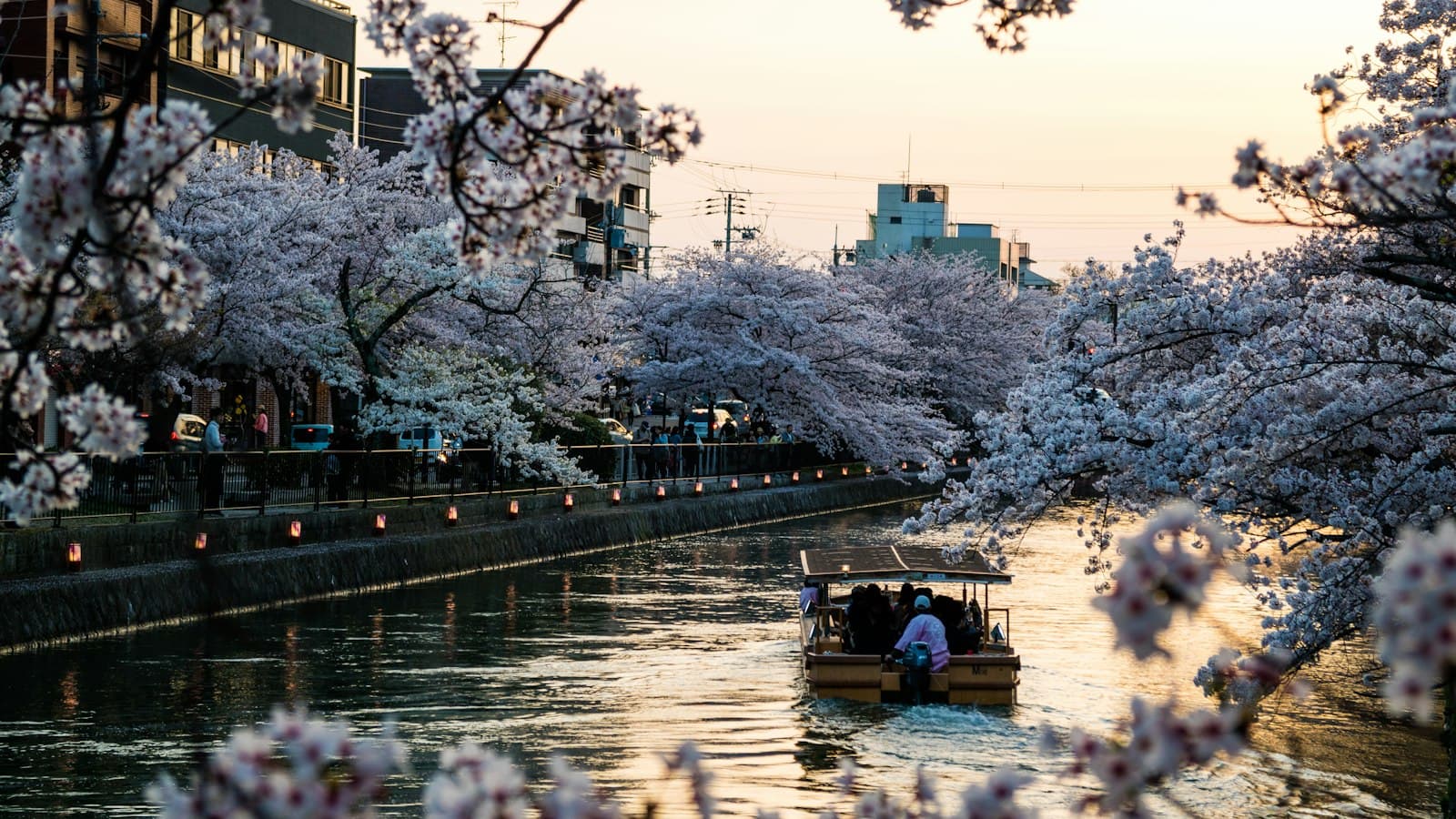
From hanami under lantern-lit cherry trees in Kyoto to a tide-timed walk to Miyajima's floating torii gate, here are the eight spring experiences in Japan worth building a trip around.
My Spring in Japan: A Travel Story
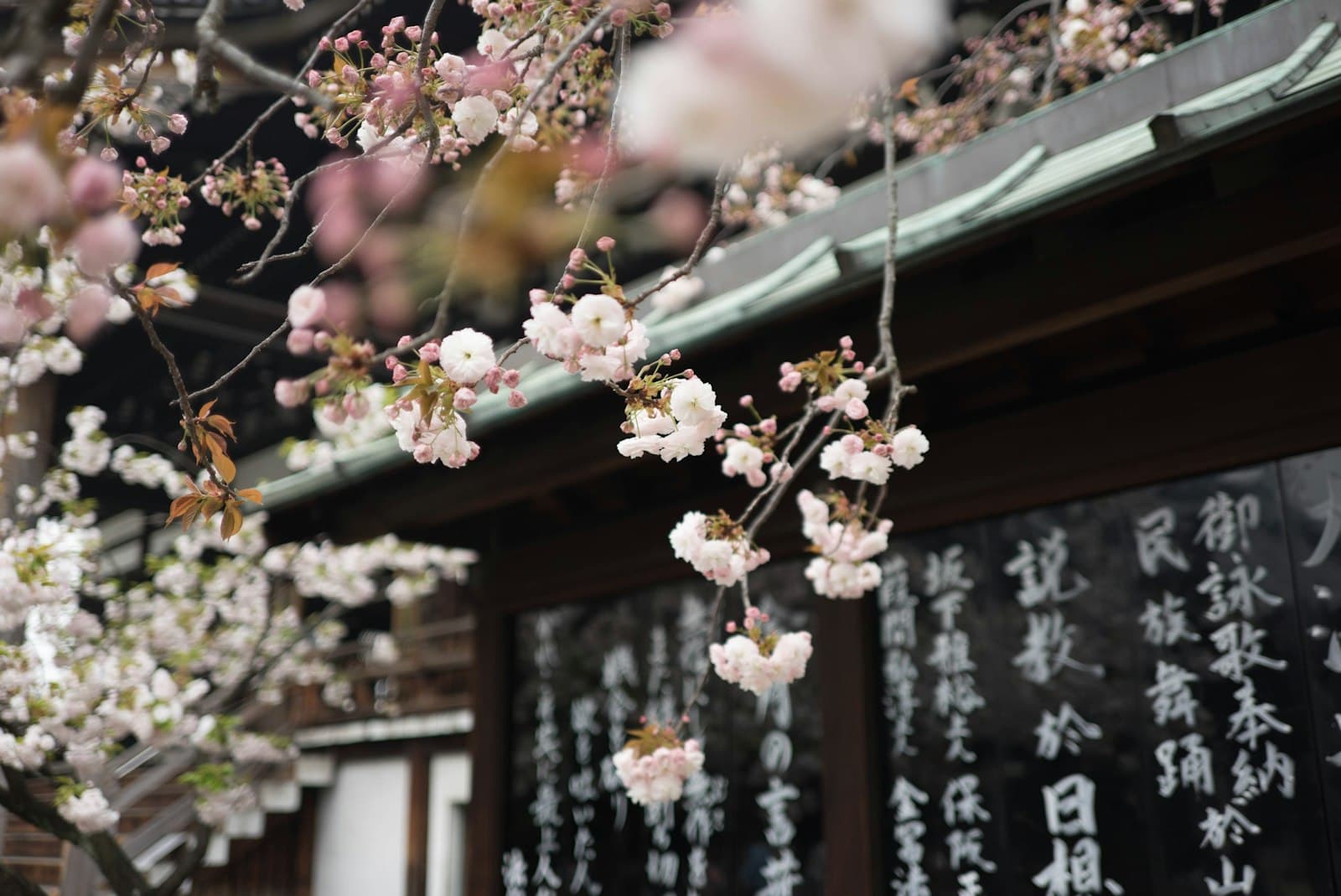
A first-person account of a spring gamble in Japan: chasing cherry blossoms between a rain-soaked Tokyo and a slower-blooming Kyoto, and what got rebuilt along the way.

Japan Quick Guide: Everything You Need to Know
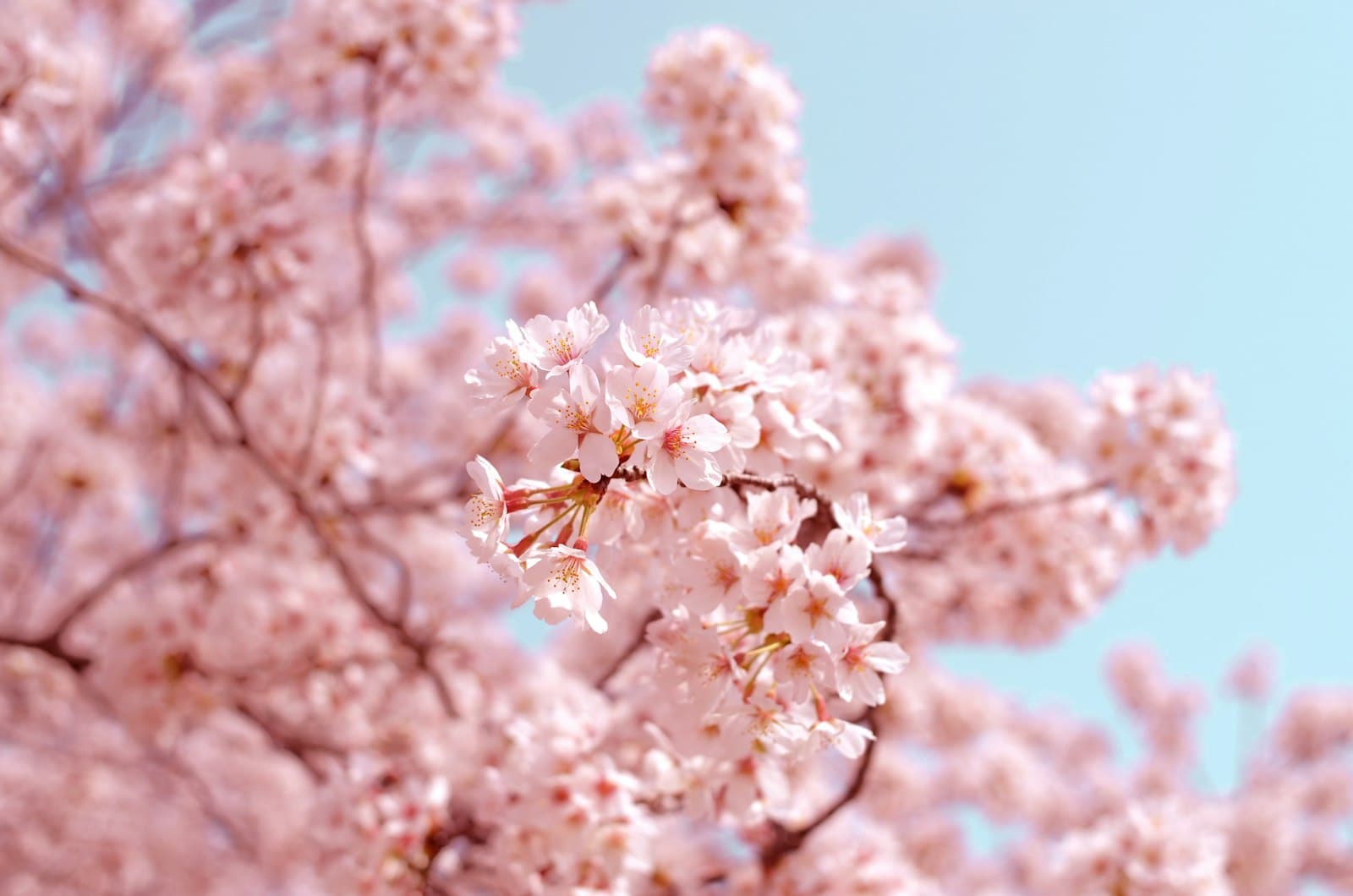
Japan in spring demands early booking and timing precision, but rewards visitors with cherry blossoms, walkable cities, and temperatures that make travel with children and elderly family realistic.