
Japan Quick Guide: Everything You Need to Know

Key Facts
Why Spring in Japan Rewards the Planner
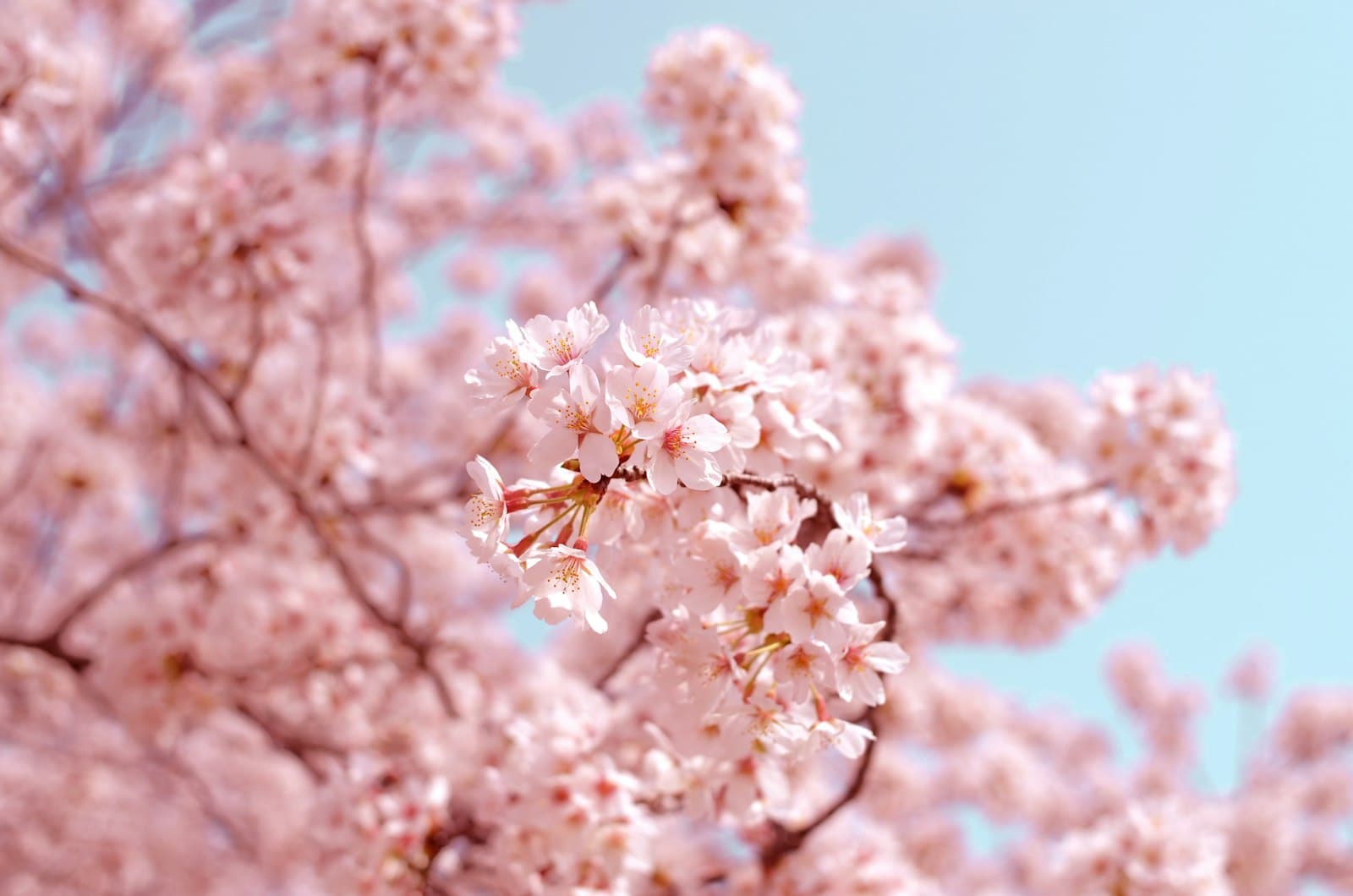
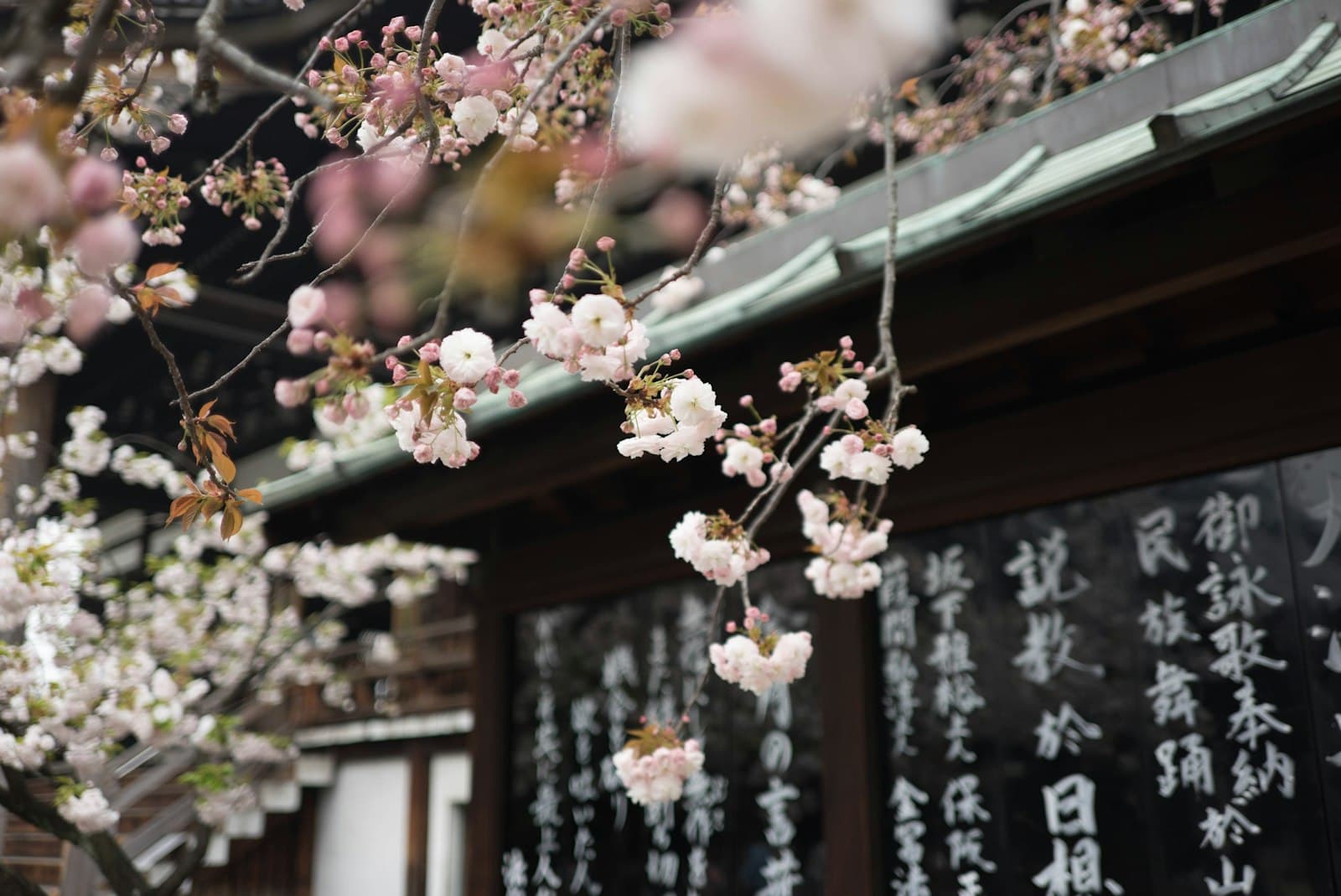
Japan in spring is a destination that demands attention to detail but repays it thoroughly. Late March through April brings cherry blossoms that remake the country's streetscapes for roughly two weeks, but the bloom follows no calendar—it traces north from Kyushu toward Hokkaido, arriving in Tokyo around late March and in northern regions a full month later. Crowds are heaviest at the peak, when entire neighbourhoods in Kyoto and Tokyo fill with visitors from dawn until after dark. Yet spring offers something beyond the blossoms: mild weather, reliable transport, and crowds that, while significant, remain navigable if you know when and where to position yourself. The temperature ranges from 10–20°C depending on region, meaning layers matter more than weight. This is when Japan becomes genuinely walkable with children, elderly relatives, or anyone for whom summer heat and winter cold pose real friction.

Geography and Motion: How to Think About Distance
Japan spans 1,800 kilometres from north to south, but its railways eliminate most of the friction that distance usually creates. The Shinkansen (bullet train) connects Tokyo, Kyoto, and Osaka at speeds that make them feel closer than their maps suggest. Tokyo to Kyoto takes 2 hours 15 minutes on the Tokaido Shinkansen; a reserved seat costs roughly 13,000–15,000 JPY one-way. The train journey from Kyoto to Osaka typically takes 15–50 minutes and costs around 410–1,450 JPY one way, depending on the line and train type. Inside cities, subway systems are extensive and intuitive—Tokyo's fourteen lines and Kyoto's two carry most visitors effectively. Walking remains the primary mode in historic districts; Kyoto's Gion and Higashiyama neighbourhoods are best explored on foot, though rain becomes relevant in spring and stroller-friendliness depends on which streets you choose. Many sights sit 20–30 minutes apart on foot, which matters if you are travelling with young children or prefer smaller movements.
Buses run extensively but require navigation—stops announce themselves in Japanese and English, but route planning works best through local transit apps like Google Maps or Hyperdia. Taxis are reliable and metered but expensive: a 3-kilometre ride in Tokyo runs 1,000–1,500 JPY depending on traffic. A JR Pass (Japan Rail Pass) makes sense only for visitors planning multiple long-distance Shinkansen journeys in a two-week window; a seven-day pass costs roughly 29,000–32,000 JPY. For most spring trips, buying individual tickets is simpler and cheaper.
Sakura bloom moves from south to north over four to six weeks. Kyushu peaks in late March, Tokyo in late March to early April, Kyoto mid-April, and Hokkaido not until late April or early May. A two-week spring trip can catch the bloom in multiple regions if timed intentionally—but last-minute pivots become necessary if weather changes the schedule.
What Costs What, and When Prices Spike
Japan is not uniformly expensive, but spring is peak season and accommodation prices reflect it. Mid-range hotels in Tokyo run 10,000–20,000 JPY per night during cherry blossom season; in Kyoto, the same tier costs 12,000–25,000 JPY. Outside the bloom window or in smaller cities like Kanazawa or Hiroshima, expect to pay 30–40% less. Booking accommodation three to four months in advance is essential if you want cherry blossom timing paired with reasonable rates. Last-minute searches in April yield either very expensive rooms or very limited availability.
Food remains affordable in most contexts. Ramen or udon bowls cost 700–1,200 JPY; a convenience-store meal costs 500–1,500 JPY; a seated dinner at an izakaya (casual restaurant) runs 2,000–5,000 JPY per person. Sushi restaurants range from 3,000 JPY standing at the counter to 15,000+ JPY at upmarket venues. Temple entry fees run 300–1,500 JPY each; major sights like Kinkaku-ji in Kyoto charge around 400 JPY. Purchasing a Kyoto sightseeing pass (usually around 2,000–3,000 JPY) makes sense only if visiting four or more paid sights in a single day.
Domestic flights from Tokyo to Sapporo or Fukuoka, if booked two to three weeks ahead, run 5,000–10,000 JPY. Last-minute flights cost double or triple that. The Shinkansen is almost always worth comparing against flying, since station proximity and travel time favour rail.
Practical Spring Realities: Rain, Crowds, and Rhythm
Spring rain arrives frequently—expect at least a few rainy days in any two-week trip. This matters because wet streets and puddles are harder to navigate with strollers or elderly companions, and popular sights become less pleasant when packed and damp. Pack a compact umbrella and waterproof layer regardless of the forecast; convenience stores sell both cheaply if you forget. Rainfall usually arrives in brief bursts rather than all-day deluges, so planning indoor activities (museums, temples with covered halls, covered shopping areas like Takashimaya in Kyoto) around rainy hours is practical.
Cherry blossom season compresses demand into a small window, which means popular sites like Fushimi Inari shrine in Kyoto, Ueno Park in Tokyo, and Osaka Castle can feel overwhelming between 11:00 and 17:00. Visiting these sites by 08:00 or after 18:00 dramatically improves the experience. Evening viewing parties (hanami parties) are traditional and fun, but they also mean crowds and noise late into the night; smaller parks and temple grounds often offer the same blooms with less performance around them.
Temperature variation between regions matters in spring. Hokkaido in late April can still be cool (5–15°C in the morning), while Okinawa in March is already warm (20–25°C). Layering is essential; merino or lightweight fleece works better than heavy coats because you will remove layers by midday in most places. Comfortable walking shoes are non-negotiable—Japanese cities are walkable but not in uncomfortable footwear, and temple grounds often require shoes you can slip off quickly.
Getting the Timing Right Without Overpaying
Early March and late April offer cheaper accommodation than peak bloom, with significantly fewer crowds but fewer blossoms too. Most early-March visitors see buds rather than flowers; late April offers blooms in northern regions but not in Tokyo or Kyoto. The compromise is often mid-April, when Kyoto's blooms peak and Tokyo's are fading—travel between them during the same trip and you see quantity, though peak prices apply to both locations during this window.
Weekday travel costs less than weekends and feels less crowded. Booking trains and hotels for Monday to Thursday rather than Friday to Sunday saves 10–20% on accommodation and makes popular sights much more navigable. This matters if your schedule permits flexibility.
Getting to Japan itself requires advance planning. International flights from North America or Europe in spring run 1,000–2,500 USD return depending on routing and how far ahead you book. Budget airlines like Peach and Jetstar offer cheaper regional flights once you are in the country, but check luggage allowances before booking. Most visitors arrive at Narita or Haneda (Tokyo) and either stay there or take the Shinkansen to Kyoto or Osaka on their first or second day. The Narita Express train costs 3,000 JPY and takes 60 minutes to central Tokyo; airport limousine buses run 3,000–3,100 JPY and take 90 minutes but reach more hotels directly.
What You Actually Need to Prepare
Visa paperwork is minimal for most nationalities—no advance application required, just a completed arrival card and passport stamp on entry. SIM cards and prepaid data plans are worth purchasing at the airport or convenience stores; unlimited mobile data SIM cards run 2,000–3,000 JPY for ten days. This is far cheaper than roaming and makes navigation infinitely simpler. Suica or Pasmo cards (rechargeable transit cards) cost around 2,000 JPY, include 1,500 JPY usable credit, and work across nearly all train systems, subways, and convenience stores. Buy one at the airport or any train station before taking transit.
Pocket WiFi rental is another option: small devices that broadcast WiFi for your group, rented for roughly 1,000–1,500 JPY per day. They are useful for group travel or if you prefer not managing SIM cards, but a SIM usually offers better speed and less hassle.
Most restaurants outside tourist zones do not have English menus. Translation apps like Google Translate help, but learning ten food-related words before arrival pays dividends. 'Oishii' (delicious), 'goshisousama' (thank you for the meal), and 'kudasai' (please) are the practical minimums. Many restaurants outside major cities take only cash; ATMs in convenience stores (7-Eleven, Lawson, FamilyMart) accept international cards and are ubiquitous.
Spring accommodation in Kyoto and Tokyo fills three to four months ahead. Hotels outside cherry blossom dates have availability well into April, but peak-bloom dates (March 25 to April 10 in Tokyo; April 5 to April 15 in Kyoto) sell out entirely by early December of the prior year. Reserve early or be flexible on location.
Where to Go Beyond the Tourist Spine
Tokyo, Kyoto, and Osaka absorb most international visitors, but spring makes smaller regions genuinely worth visiting. Kanazawa (on the west coast, 2 hours by express train from Tokyo; about 10,000 JPY one-way) offers Kenroku-en, one of Japan's three great gardens, with cherry blooms mid-April and far fewer crowds than Kyoto's temples. Nakanojo (in Gunma Prefecture, 90 minutes north of Tokyo, roughly 1,000 JPY by local train) has cherry orchards that bloom for two weeks and feel entirely local—no English signage, no queues, and restaurants that serve seasonal sashimi and soba. Hiroshima's Peace Memorial Park blooms in late March and has genuine historical weight; the city is 4 hours from Tokyo by Shinkansen (about 17,000 JPY).
Visiting a smaller city requires accepting that English support disappears but discovery increases. Small railway stations have English signage and staff often speak English—it is tourist infrastructure inside cities that gives way to Japanese-only once you leave the main drags. This matters if you travel with family members who cannot read Japanese or if this is your first trip to Japan.
For a first visit, two weeks split roughly as five days in Tokyo, five in Kyoto, and four in a secondary location (Kanazawa, Osaka, or Hiroshima) leaves margins for weather delays, pacing, and rest. Fewer moves mean less logistical friction; more than three base cities in two weeks becomes exhausting, especially if travelling with children or travelling slowly to absorb detail.
Spring Means Different Things by Region
Tokyo in spring is urban and crowded. Parks fill by afternoon; temples require early visits; restaurants are booked weeks ahead during peak bloom. But the city's food scene—which includes Michelin-starred restaurants running seven-course counter meals for 15,000–25,000 JPY—is unmatched, and museums, galleries, and live music venues offer escape from crowds when outdoor sightseeing feels overwhelming. Shibuya and Shinjuku are best visited off-peak; the Imperial Palace East Gardens are free and offer cherry blooms with less crowding than Ueno Park.
Kyoto in spring is about temples and gardens. Over 2,000 temples dot the city; Kinkaku-ji (the Golden Pavilion) is the most famous but also the most crowded. Kiyomizu-dera, Ryoan-ji, and Arashiyama's bamboo grove are easier to navigate if visited by 07:30 or after 17:00. The city is smaller than Tokyo (roughly 1.5 million residents) and distances between sights are very walkable, which means a stroller-friendly itinerary is realistic. Spring water runs cold, so soaking in onsen (hot springs) feels less relevant than in autumn or winter.
Okinawa in spring is subtropical and warm (20–25°C). The island prefecture blooms a month earlier than Tokyo and focuses on beaches, diving, and Ryukyu history rather than temples. This is the place for families wanting warmth and water, and it is dramatically less crowded than Tokyo and Kyoto during the same period.
Cordelie travel advisors
Planning Japan? Go with someone who knows
The right suite, the right season, the reservations that never appear online — your Cordelie advisor knows them, and holds them for you.
Plan with a Cordelie advisorFree to ask. Cordelie Travel Services · IATA/ARC 06649064
Making Spring Work With Your Travel Party
Japan in spring is genuinely stroller-friendly if you plan for it. Most Shinkansen trains have wheelchair spaces and luggage racks; subways in Tokyo and Kyoto have elevators at most stations (though not all); and streets in historic districts are paved but often uneven. Cobblestones in Gion look beautiful and are nightmare-inducing with a stroller—plan your route around main streets if you are wheeling anything. Hotels and ryokans (traditional inns) have stairs as standard; if mobility matters, book hotels over ryokans and check for elevators.
Elderly relatives often navigate Japan well because transport is efficient and distances manageable if planned. The Shinkansen is comfortable for 2-3 hour journeys; subway seats are prioritized for seniors; and Japanese culture includes deep respect for older travellers. That said, spring crowds mean standing room on trains during peak times (09:00–10:00 and 17:00–19:00 on weekdays). Reserved seating costs extra but is worth it if crowds trigger discomfort.
Children under six eat free or nearly free in most restaurants; kids' menus are standard in family-oriented establishments. However, restaurants serving only kaiseki (high-end multi-course meals) often require advance reservations and expect formal behaviour. Ramen shops, convenience stores, and casual izakayas are far more forgiving of children and typically offer warm welcome.
What Spring Demands That Summer and Winter Do Not
Cherry blossom season requires flexibility. Blooms depend on temperature and rainfall during the two weeks before peak; unexpected cold delays them by a week or more, and unexpected warm weather accelerates them. Travel apps and local news outlets track bloom percentages daily, and changing accommodation or train dates mid-trip is sometimes the right call. Travel insurance that includes trip interruption coverage costs roughly 50–150 USD for a two-week trip and covers this scenario if you need to reschedule due to bloom timing misses.
Booking flexibility matters more in spring than any other season. If you fix every hotel and train in advance, you lock yourself into dates that may not match where the blooms actually are. A balance—booking core accommodation and Shinkansen journeys two to three months ahead, but leaving secondary hotels and regional trains flexible until one to two weeks before—works better.
Spring is also when you need to embrace unfamiliar foods and cultural rhythms most. Cherry blossom tourism attracts visitors from everywhere; English signage, translated menus, and international staff peak in spring, so navigating Japan is easier. But this also means the Japan you experience is more curated for visitors and less authentic. If you want to see Japan as it actually functions rather than as a destination, autumn or winter offers more local-feeling experiences.
Spring planning requires timing precision that most online tools cannot handle—matching flight dates with bloom windows, balancing crowds across regions, and booking accommodation before peak demand hits. A Cordelie advisor can craft your itinerary around the actual bloom timeline in your travel weeks, secure accommodation in less-known sights that offer the same blossoms as famous parks with half the visitors, and manage the flexibility to pivot if weather changes the bloom schedule. They can also arrange private guides for temple visits timed outside peak hours—a small investment that transforms Kyoto from crowded to transcendent.
The Bare-Minimum Spring Timeline
If you are considering Japan but hesitant about commitment, spring is the right time to go—but you need ten days minimum, not five. Five days leaves only time to land, recover from jet lag, and see major sights without rest or nuance. Ten days (Tokyo four days, Kyoto four days, one day transit or smaller city) is realistic and leaves breathing room. This costs roughly 2,500–4,000 USD per person including flights from North America, mid-range hotels, Shinkansen, food, and sightseeing. Cheaper is possible if you share accommodation or eat only at casual restaurants; more expensive if you choose high-end hotels or fine dining every night.
Spring is when Japan is most celebrated, most crowded, and most expensive. It is also when the country is most forgiving for first-time visitors. Book early, build flexibility into your itinerary, and accept that you will share cherry blossom viewing with thousands of others. But if you move before dawn or after dusk, eat at unmarked restaurants, and wander small streets, you will find moments of profound solitude inside the chaos. That is when spring in Japan stops being a tourist destination and becomes a lived experience.
Last checked for accuracy: . How we check

Jenna Collins has spent eleven years testing whether a destination works with a four-year-old, a teenager and a grandparent in the same party. She writes the version of the guide that accounts for nap times and still gets you to the good stuff, and travels from Toronto with a carry-on she can pack in nine minutes.
Related Articles
Japan Quick Guide: Everything You Need to Know
Plan your spring trip to Japan: navigate high-speed trains, cherry blossom crowds, and temple-hopping with practical timing, costs, and neighborhoods that work for families and solo travelers.
The Best Things to Do in Japan
From hanami under lantern-lit cherry trees in Kyoto to a tide-timed walk to Miyajima's floating torii gate, here are the eight spring experiences in Japan worth building a trip around.
My Spring in Japan: A Travel Story
A first-person account of a spring gamble in Japan: chasing cherry blossoms between a rain-soaked Tokyo and a slower-blooming Kyoto, and what got rebuilt along the way.