
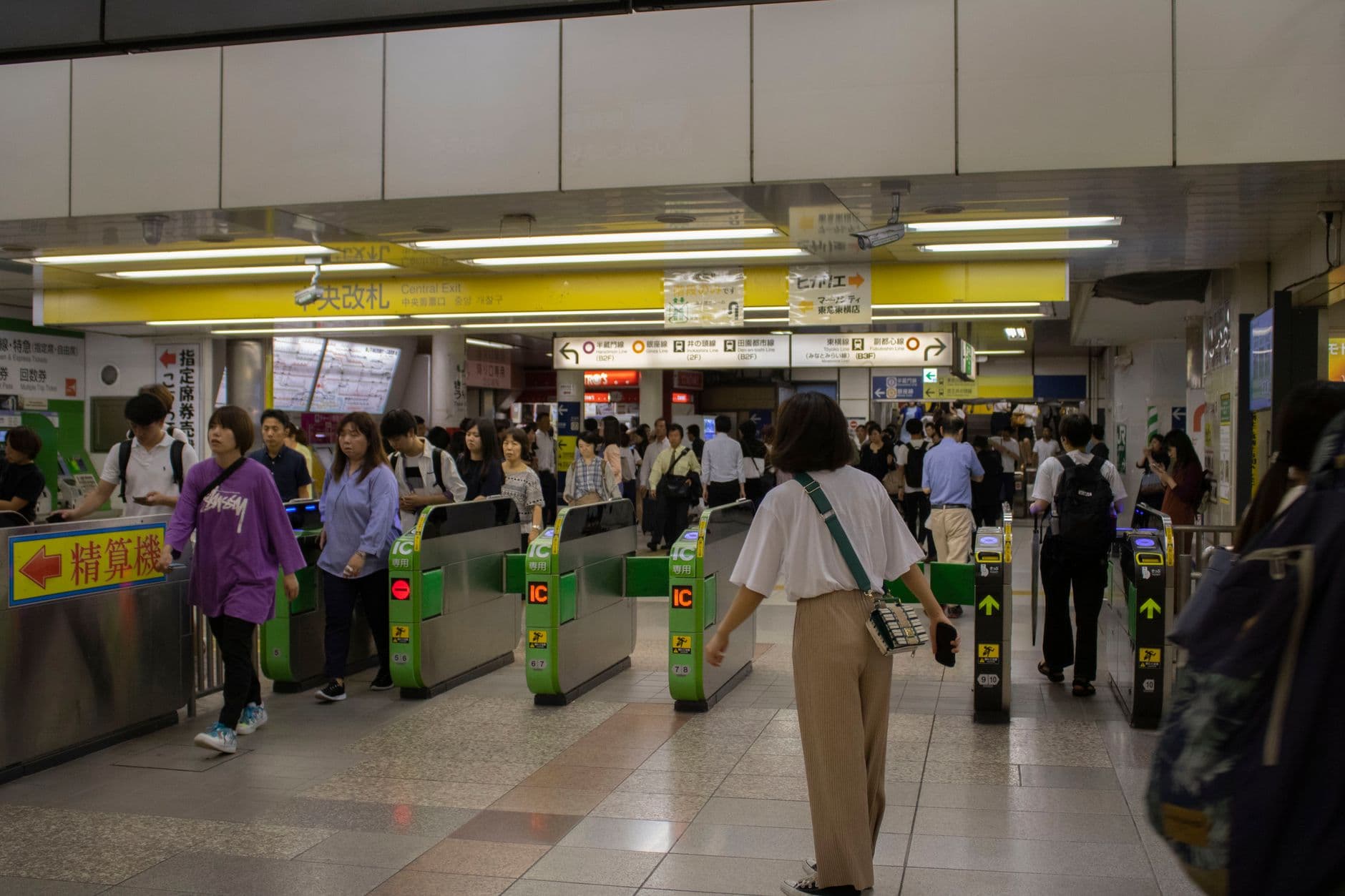
Essential Tips for Traveling in Japan

Why First-Time Visitors to Japan Get Overwhelmed Before They Even Reach the Hotel
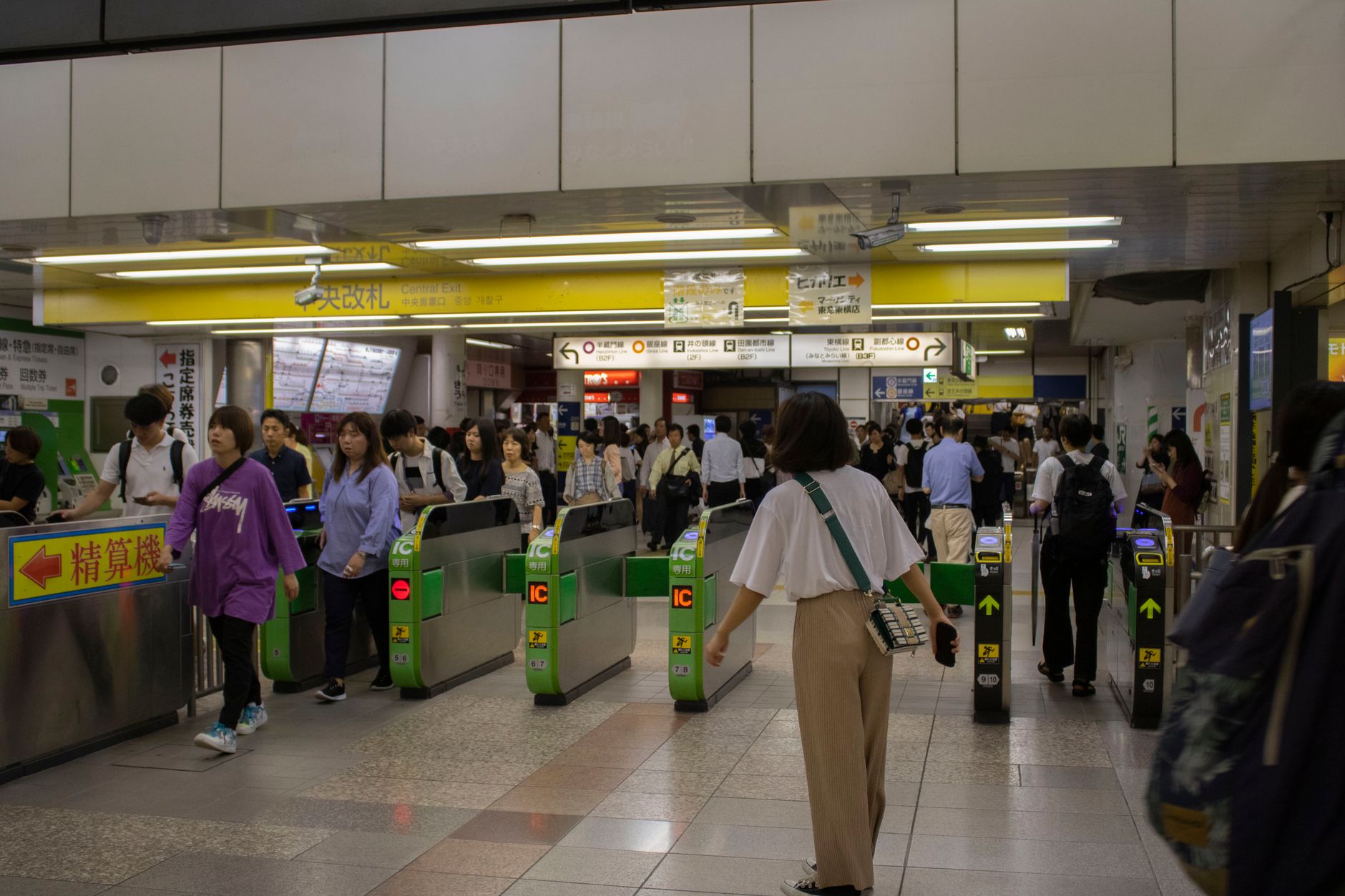
You land at Narita or Haneda after a twelve-hour flight, half asleep, and the ticket machine screen is entirely in kanji. The IC card counter line stretches back thirty deep. Your phone has no signal because you forgot to activate the eSIM you bought weeks ago. None of this is dangerous, but it eats the first three hours of a trip you paid a lot to take.
Japan rewards preparation more than almost any destination I write about. It isn't unfriendly to visitors; it simply runs on systems — train reservations, cash-based payments, recycling rules — that assume you already know them. Small missteps compound fast: miss a Shinkansen reservation window during Golden Week and you're standing for two hours instead of sitting for two hours. Get this right before you go, though, and Japan is one of the smoothest countries in the world to travel through.
Even in a country famous for bullet trains and vending machines that dispense hot coffee, a huge number of ramen counters, shrine gift shops, and rural inns still take cash only. Convenience store ATMs at 7-Eleven, Lawson, and FamilyMart accept most foreign cards around the clock, so the fix is easy — but only if you know to look for it before your wallet runs dry.
Seven Things to Sort Out Before You Board Your Flight to Japan
1. Get an IC Card the Moment You Land
Suica, Pasmo, and Icoca cards work interchangeably on trains, buses, and subways across most of Japan, from Tokyo's Yamanote Line to Osaka's Midosuji Line and Kyoto's city buses. Load one at any airport station machine — plan on roughly ¥3,000 to ¥5,000 to start — and you can also tap it at convenience stores and station vending machines. It saves you from decoding fare charts at every single ticket machine.
2. Reserve Your Shinkansen Seats Before You Leave Home
The Smart EX app lets you book reserved Shinkansen seats in English and link a credit card, which matters most during Golden Week in early May and the Obon holiday in mid-August, when domestic travelers pack every train. If your itinerary includes Tokyo to Kyoto or Kyoto to Hiroshima, book those legs at least a few weeks out during peak season. Unreserved cars exist, but you may be standing for the full two-and-a-half-hour run from Tokyo to Kyoto.
3. Carry More Cash Than You Think You'll Need
Keep ¥10,000 to ¥20,000 in cash on hand at any time, especially outside major cities. Temples like Kiyomizu-dera in Kyoto often charge a small cash-only entry fee, roughly ¥400 to ¥500, and smaller family-run izakayas may still be cash-only, though card and QR payments are now common. 7-Eleven ATMs are the most reliable for foreign cards nationwide, and they're open 24 hours in nearly every location.
4. Pack a Small Bag for Your Trash
Public trash cans are genuinely rare in Japanese cities, a legacy of security measures after subway incidents decades ago. Convenience stores usually have bins near the entrance for items you bought there, but street bins are mostly gone. A folded plastic bag in your daypack solves this instantly and keeps you from wandering three blocks looking for somewhere to toss a coffee cup.
5. Book Ahead for Cherry Blossom and Autumn Foliage Season
Cherry blossoms typically peak in Tokyo and Kyoto between late March and early April, and autumn foliage colors up around mid-to-late November in the Kansai region. Ryokan in Kyoto's Higashiyama district and hotels near Tokyo's Nakameguro canal can sell out months ahead for these windows. If either season is part of your plan, lock in lodging as early as you'd book a Christmas trip to New York.
6. Learn Onsen Etiquette Before You Soak
Wash and rinse thoroughly at the low stools before entering a hot spring bath — soap in the water itself is a real faux pas. Many traditional onsen, including several in the hot spring town of Kinosaki in Hyogo Prefecture, still ask guests with visible tattoos to cover them with a waterproof patch or book a private bath instead. Bathing is typically separated by gender, and swimsuits generally aren't worn in the communal baths.
7. Set Up Pocket Wifi or an eSIM Before Departure
Providers like Ubigi and Airalo sell Japan eSIM data plans you can activate the moment you land, usually running somewhere in the range of a few dollars a day depending on data allowance. If you'd rather have a physical device, pocket wifi rental counters at Narita and Haneda let you reserve online and pick up at arrival, with return via a postage envelope at your last hotel or the departure airport.
Cordelie travel advisors
Planning Japan? Go with someone who knows
The right suite, the right season, the reservations that never appear online — your Cordelie advisor knows them, and holds them for you.
Plan with a Cordelie advisorFree to ask. Cordelie Travel Services · IATA/ARC 06649064
The Etiquette Slip-Ups That Turn Heads on Tokyo's Trains
Most mistakes travelers make in Japan aren't about breaking a rule so much as missing an unwritten one. None of them will get you thrown out of the country, but they'll draw the kind of quiet, polite discomfort that Japan does so well — and they're all avoidable once you know what to watch for.
Do This, Not That, on Your First Trip to Japan
Pros
- ✓Do stand on the correct side of the escalator — left in Tokyo, right in Osaka — and leave the other side clear for people walking.
- ✓Do use both hands when receiving change, a business card, or a gift, and a small bow when thanking a shopkeeper.
- ✓Do carry a small hand towel or tissue pack, since many public restrooms don't supply paper towels.
- ✓Do queue at the marked floor positions on train platforms rather than clustering near the doors.
- ✓Do check konbini and station lockers for luggage storage if your hotel check-in isn't until 3pm.
Cons
- ✗Don't eat or drink while walking through busy areas like Shibuya Crossing — food is generally consumed standing still or seated.
- ✗Don't take phone calls or talk loudly on trains, especially in the quieter cars near the front.
- ✗Don't tip at restaurants, taxis, or hotels; it isn't expected and can genuinely confuse staff.
- ✗Don't stick chopsticks upright in a rice bowl or pass food chopstick-to-chopstick — both echo funeral rites.
- ✗Don't assume every restaurant takes cards; look for a card logo by the door or ask before you sit down.
What a Japan Specialist Knows That a Guidebook Doesn't
A guidebook can tell you where the shrines are. It can't tell you that a private tea ceremony in a Gion machiya opens up two weeks before departure because a group canceled, or that a certain ryokan in Hakone holds back a handful of rooms for direct bookings its front desk answers in English. That kind of access is exactly where a Japan specialist earns their keep.
The trips that go sideways in Japan are almost always about timing — a sold-out Studio Ghibli Museum slot in Mitaka, a fully booked kaiseki dinner in Kyoto, a JR Pass that no longer makes financial sense for your route since regional pass options changed. A Cordelie travel advisor who works Japan regularly can map your route against peak-season crowding, secure ryokan reservations that don't show up on booking sites, and build in the buffer day you'll want after the flight over.
If cherry blossom or autumn foliage timing matters to your trip, that's the single best reason to start planning with an advisor four to six months out rather than four to six weeks.
Your Pre-Departure Japan Checklist, at a Glance
Print this or screenshot it. Every item here solves a problem that has stranded a jet-lagged traveler at a ticket machine at some point, including me.
Before You Fly to Japan
Last checked for accuracy: . How we check

Sarah Chen has covered Asia for twelve years, first as a wire reporter in Jakarta and now from Singapore, where she keeps a standing list of the region's most misunderstood destinations. She writes about the distance between what a place is famous for and what it is actually like to spend a week in — and is happiest on an overnight train with a bad seat and a good view.
Related Articles
Japan Quick Guide: Everything You Need to Know
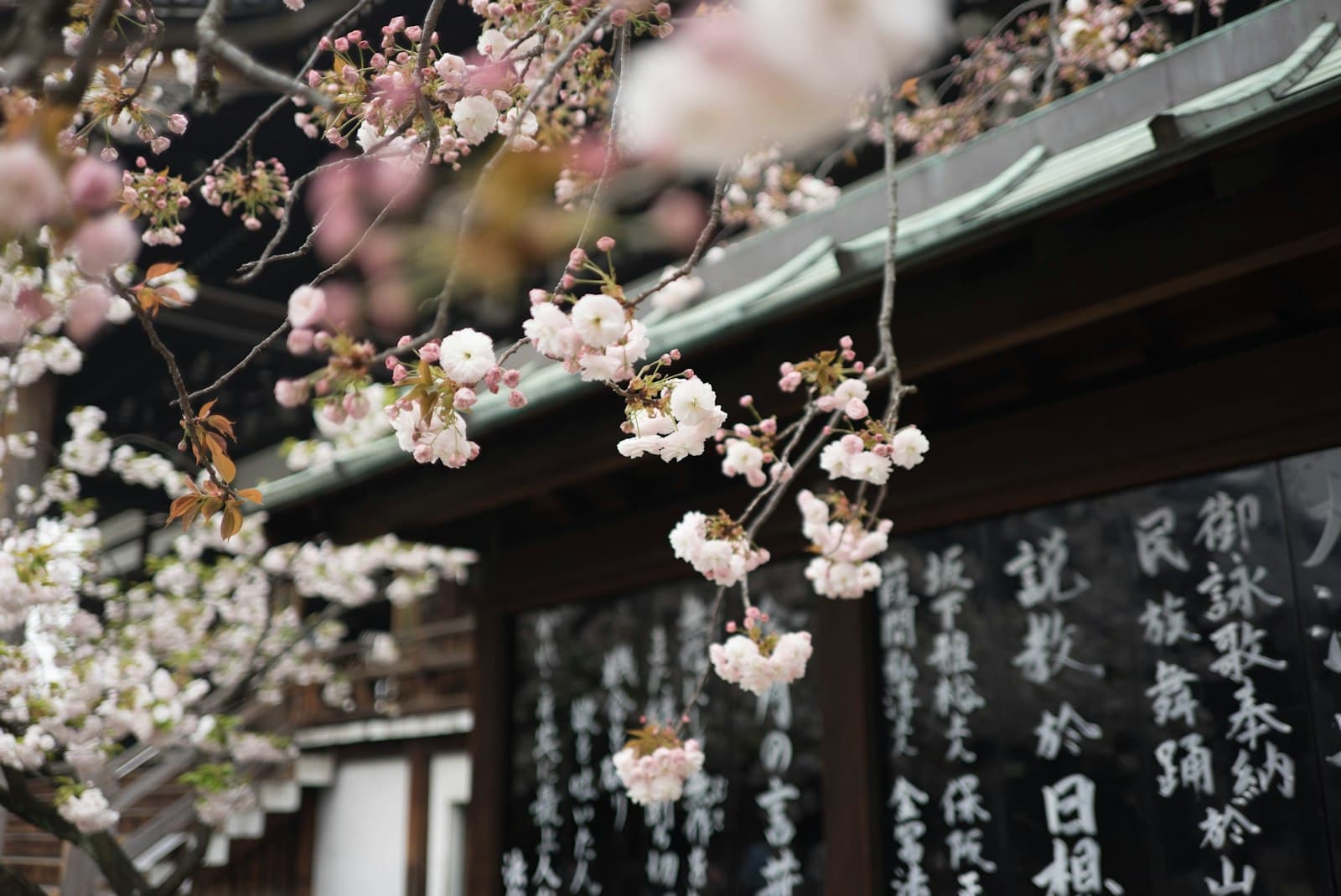
Plan your spring trip to Japan: navigate high-speed trains, cherry blossom crowds, and temple-hopping with practical timing, costs, and neighborhoods that work for families and solo travelers.

My Spring in Japan: A Travel Story
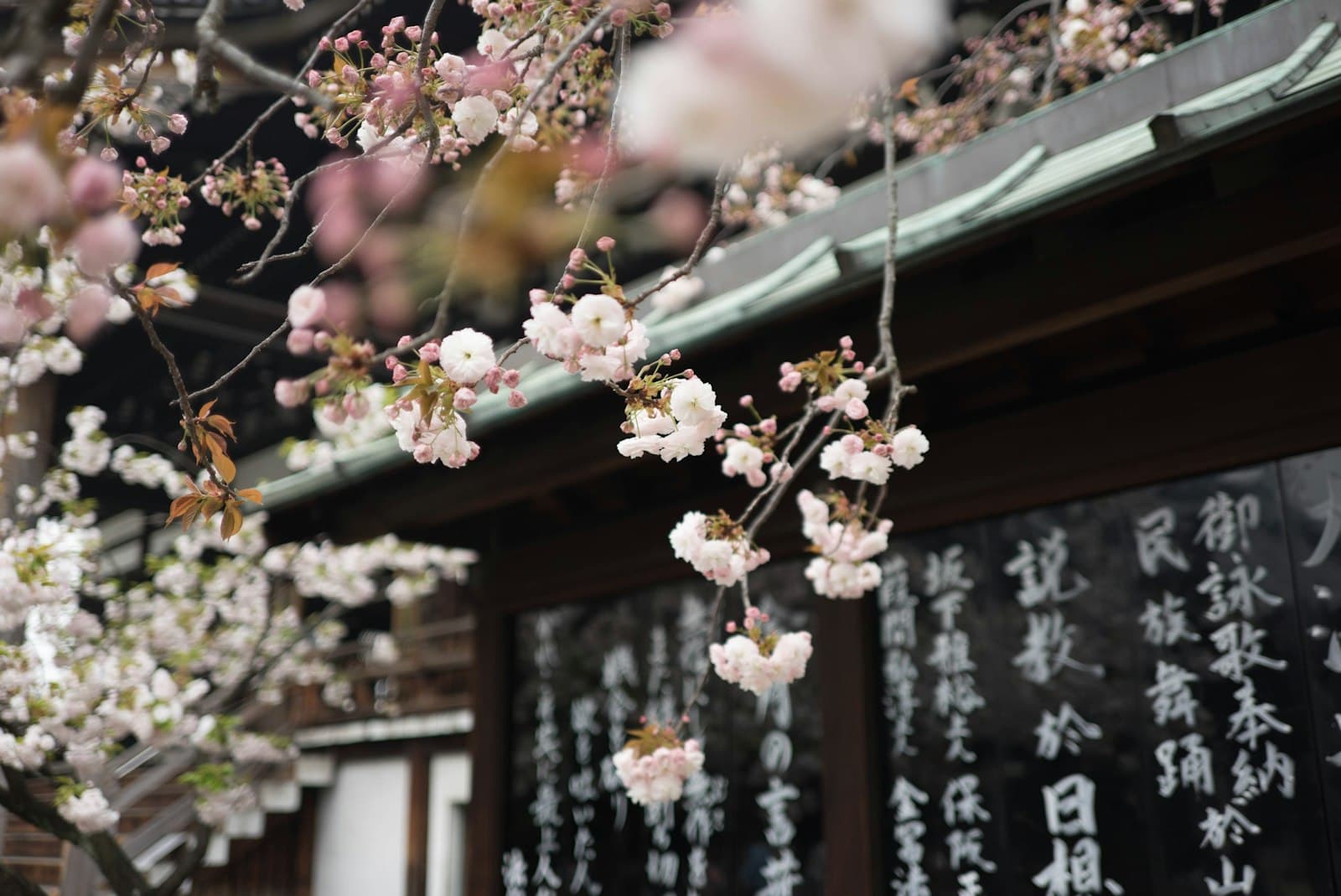
A first-person account of a spring gamble in Japan: chasing cherry blossoms between a rain-soaked Tokyo and a slower-blooming Kyoto, and what got rebuilt along the way.

The Ultimate Guide to Tokyo: Beyond the Neon Lights
Discover the hidden side of Tokyo — from serene temple gardens to underground jazz bars and neighborhood sushi counters that locals swear by.