
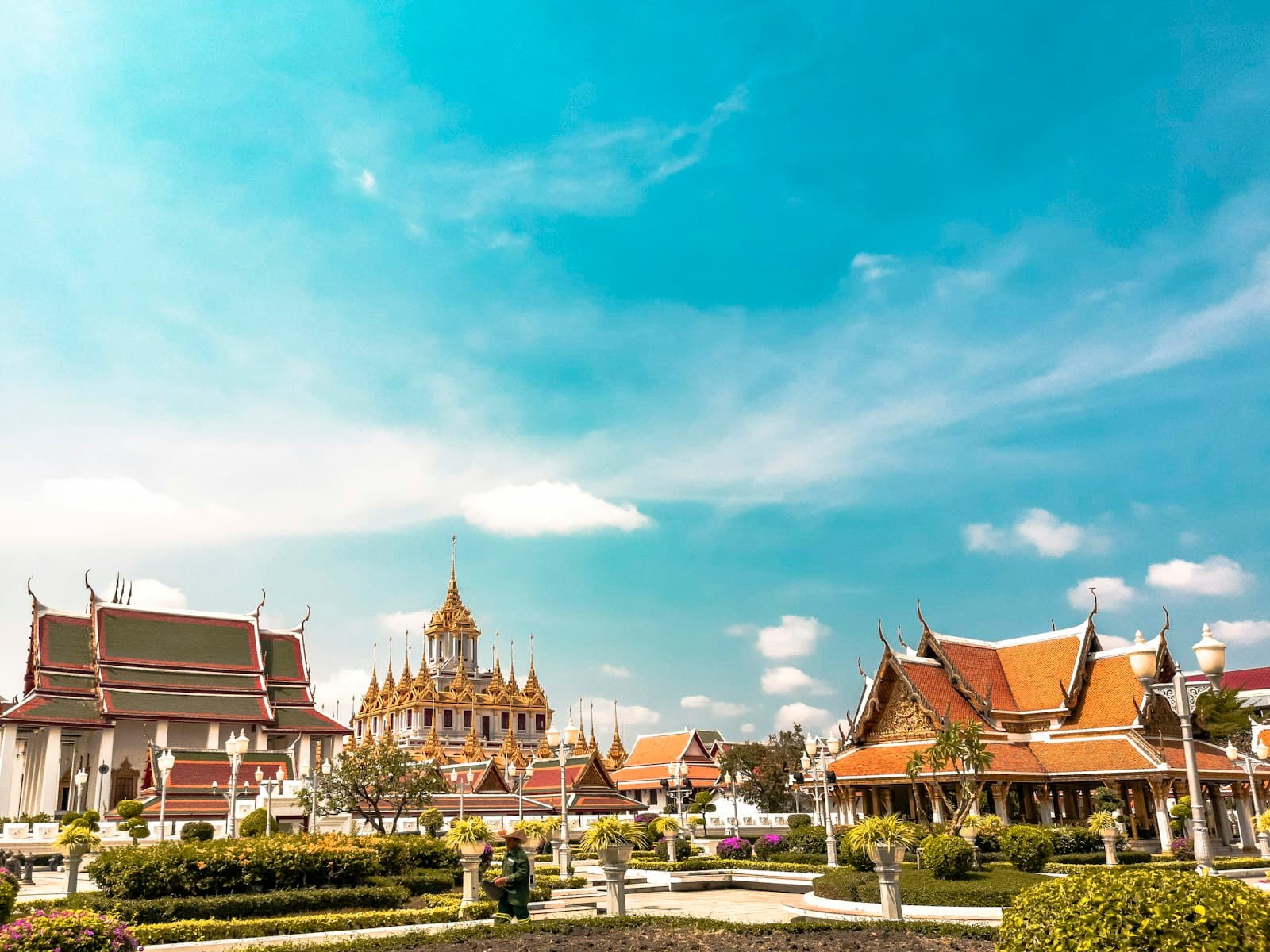
Why Bangkok Is Perfect for Spring Travel
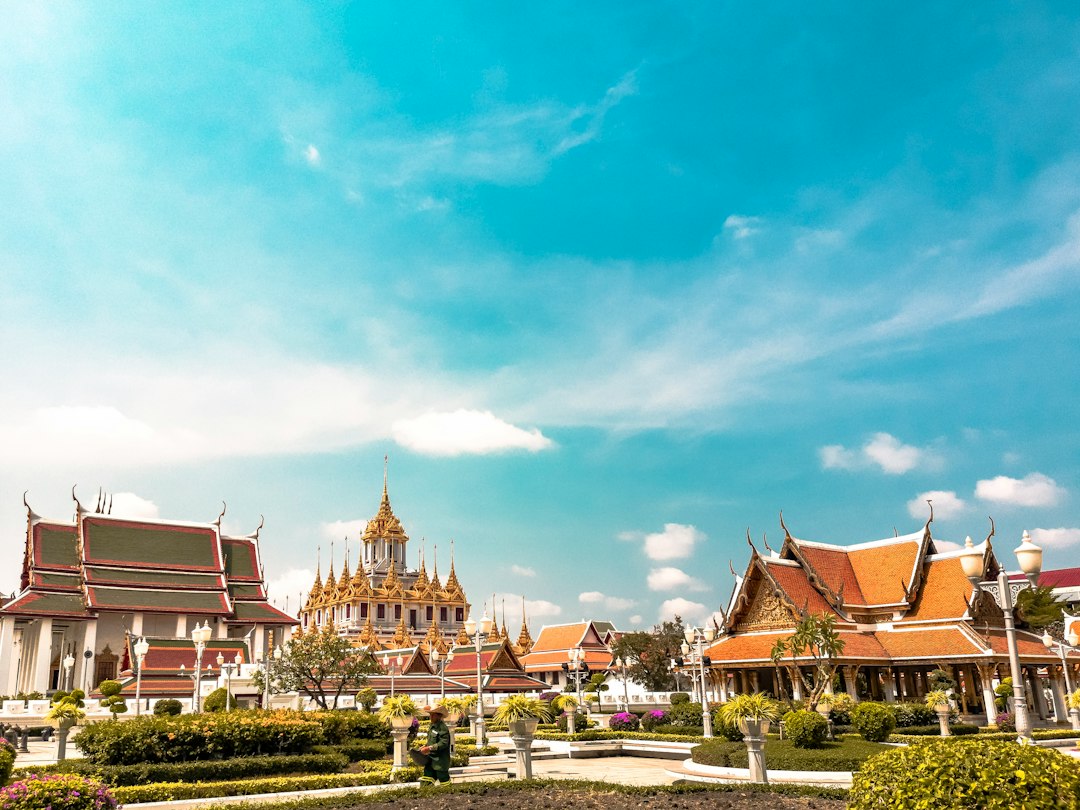
Spring in Bangkok: When the Heat and Crowds Find Their Balance
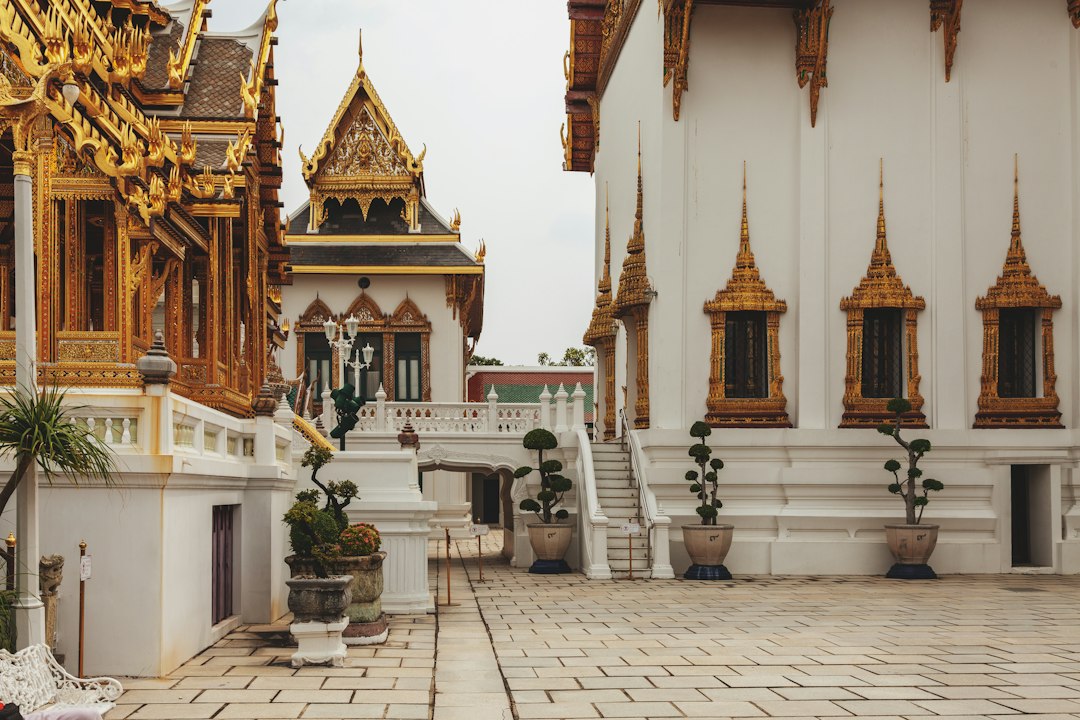
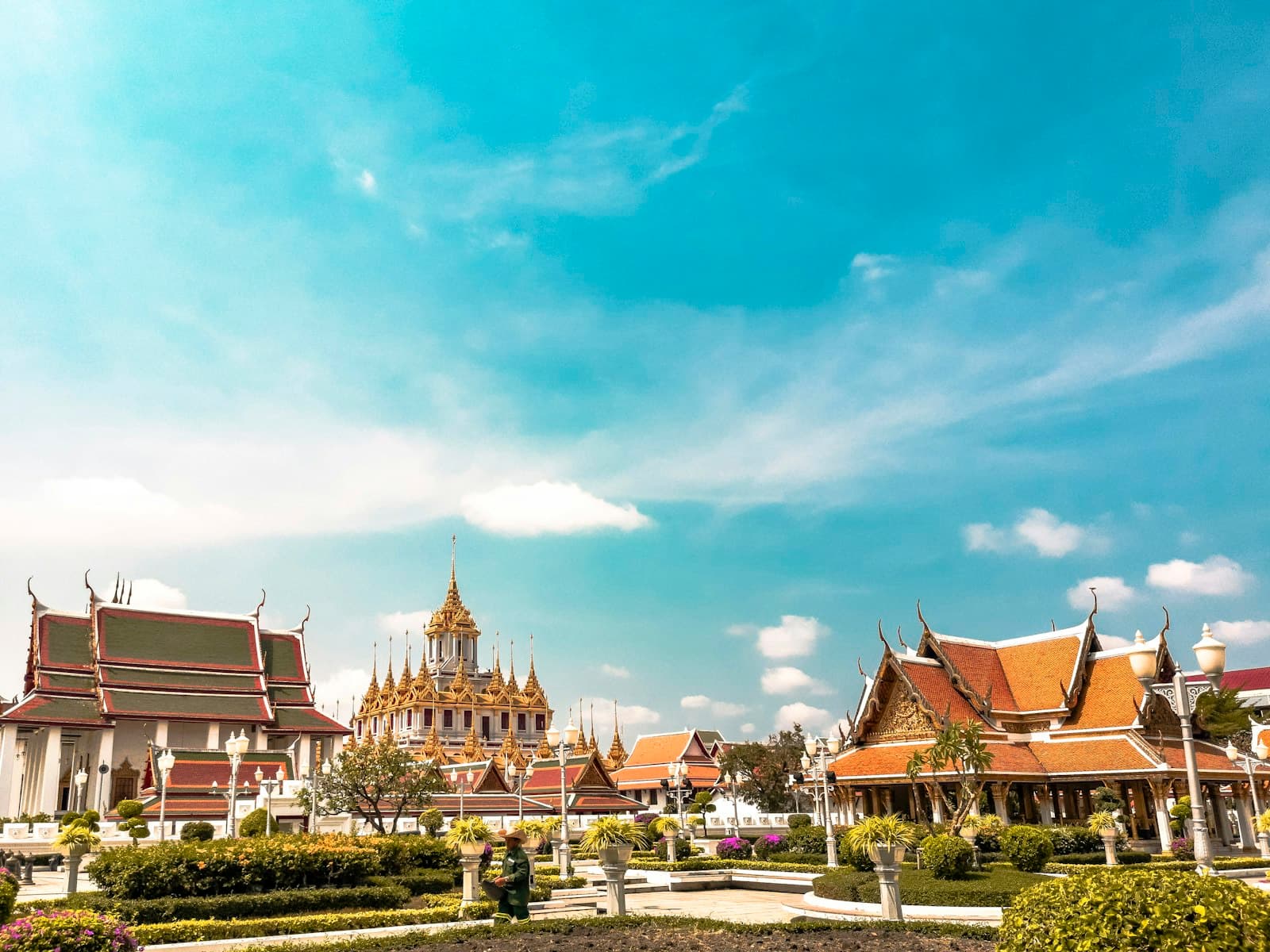
Bangkok in spring—late February through early April—sits in a narrow window where the city becomes genuinely livable. The monsoon rains have stopped, but the brutal midyear heat has not yet begun. You can walk outdoors for more than five minutes without returning to your hotel a wrung-out dishrag. This is when locals reclaim the city from the haze, when the Grand Palace's gilt catches actual light, and when you can spend an afternoon navigating the floating markets without feeling like you are melting into the longboat.
The catch is that spring is brief and increasingly crowded. By late March, families on school breaks have begun arriving, and prices creep upward. Mid-March through early April is school holiday season across the region, which means the Erawan Museum, Jim Thompson House, and the night markets grow shoulder-to-shoulder by evening. But hit it right—late February or the first two weeks of March—and you get the weather without the crush.
Where Spring Reveals Bangkok's Best Neighborhoods
Thonburi's Riverside Canals
Working waterways where a clear spring morning changes everything
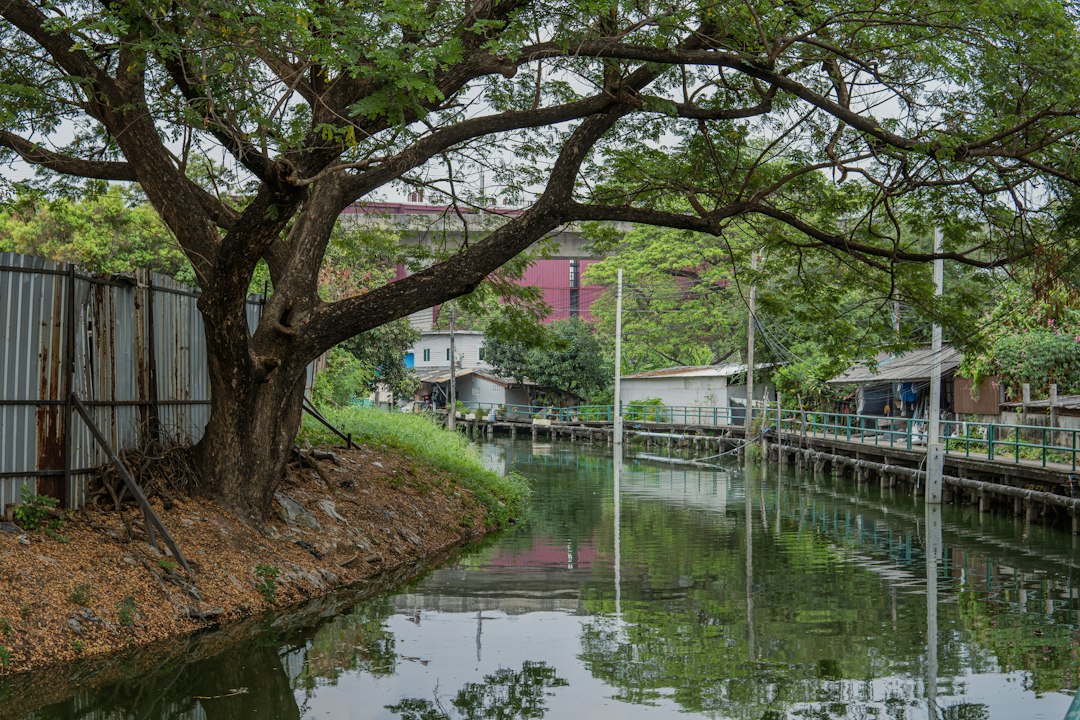
Thonburi, the district across the Chao Phraya from the Grand Palace, is where most travelers never venture, which is exactly why you should spend a morning there when spring light is clean and sharp. The canals—called khlongs—are still working waterways, lined with homes, small shops, and temples that have been there for centuries. In spring, when the light cuts through without the haze of high season, the reflections are remarkable.
Hire a longtail boat from the Khlong Bangkok Noi pier (accessible by the Saphan Taksin BTS station, about 15–20 minutes from the city center depending on traffic). Most drivers will negotiate a two-hour tour for around 600–800 Thai baht per person (roughly $17–23 USD). Start before 08:00 if you can; the earlier you go, the fewer other boats you will see and the cooler it is. You will pass the Wat Arun temple complex from the water side, see fruit sellers loading their boats, and smell the mix of breakfast cooking and diesel fuel that is somehow not unpleasant at that hour.
The Chao Phraya Night Market (Talad Rod Fai Market)
Chaotic, sensory, and manageable in spring's cooler evenings
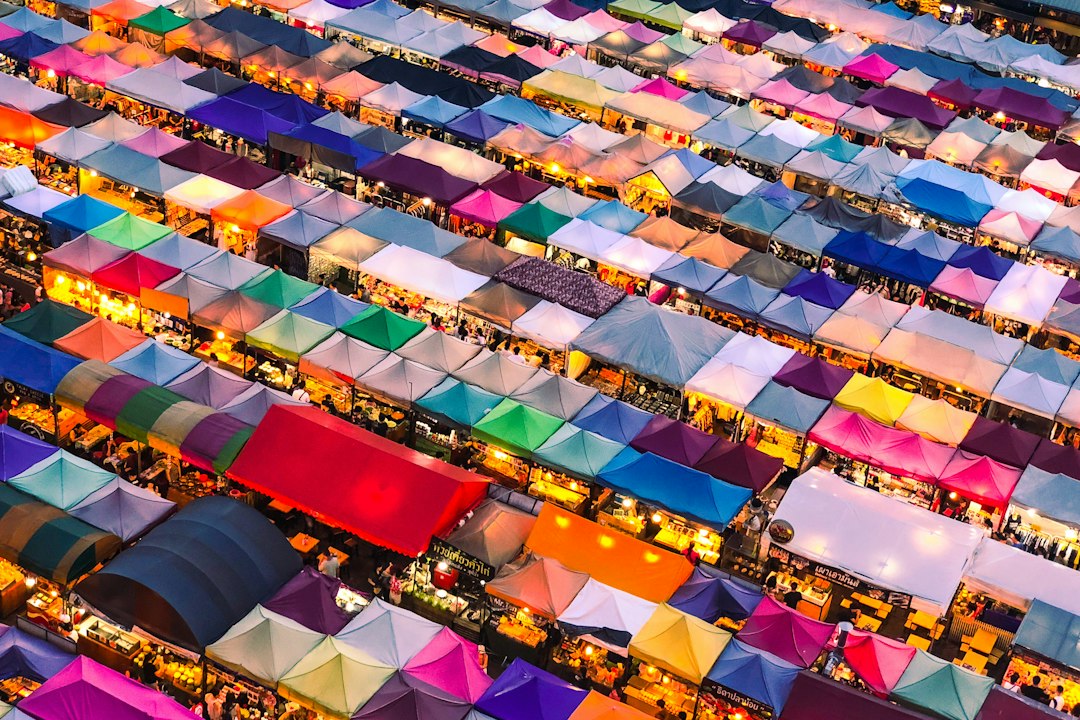
The Chao Phraya Night Market—more commonly called Talad Rod Fai—sits in a converted railway yard on the eastern bank of the river. It is one of Bangkok's largest night markets, sprawling across roughly 5 hectares, and in spring's milder evenings it is actually walkable without the exhaustion that comes from high-summer heat.
The market operates Friday through Sunday evenings, roughly 17:00 to midnight, though vendors begin setting up earlier and closing earlier or later depending on crowds. Spring Fridays are better than spring Saturdays; the school holidays have not yet hit, so the masses are fewer. Budget 2–3 hours to wander. Food stalls sell grilled seafood, pad thai, fresh coconut, and sweets you cannot identify until you ask. Vintage dealers, knockoff designers, and antique furniture fill the rest. The entrance is on Soi Wanit 1, a short taxi ride from Saphan Taksin BTS, or a longer walk if you enjoy that kind of thing.
A practical note: the market has a maze-like layout, no clear sections, and minimal signage in English. Your phone will have spotty data. Go with patience, wear comfortable shoes, and plan to get slightly lost—that is where you find the best stalls, usually clustered around a vendor who has been there for thirty years and knows all the other regulars by name.
Wat Pho and the Grand Palace District
Tourist heartland that makes sense to visit before the summer crush
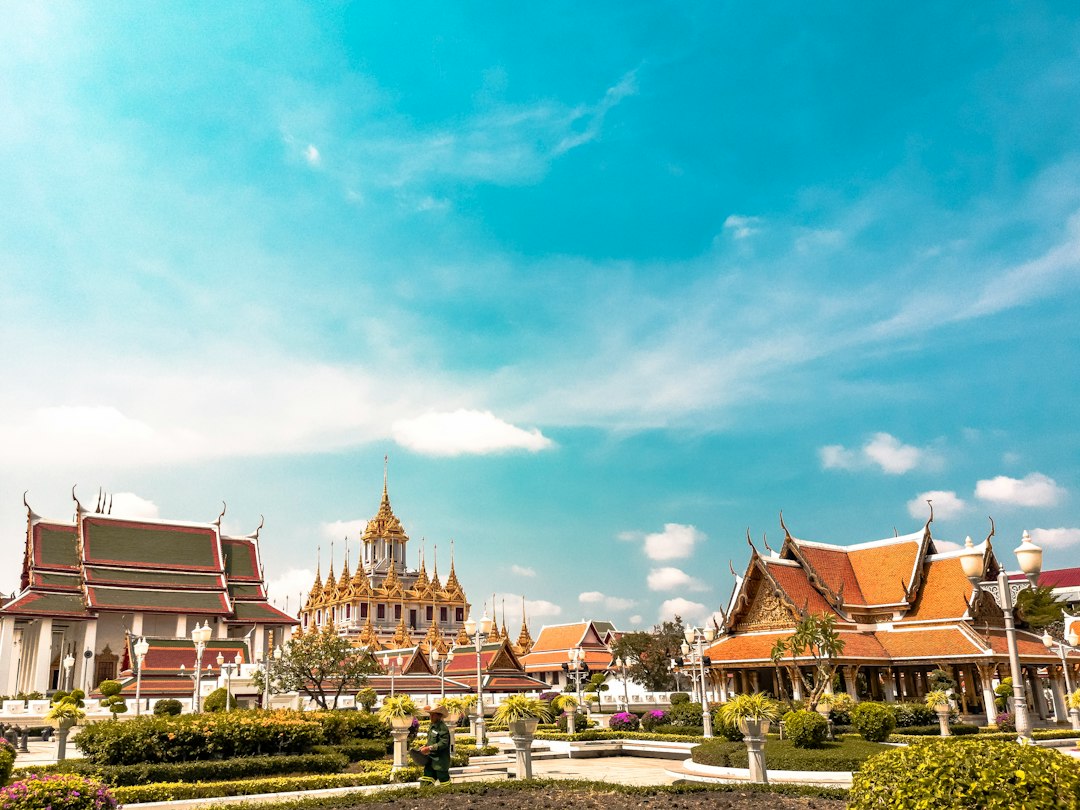
You cannot write about spring in Bangkok without acknowledging that Wat Pho and the Grand Palace complex will be busy. They always are. But spring is genuinely better than summer or the winter peak season—the heat is manageable enough that you can actually spend time inside the temples rather than simply rushing through them.
Wat Pho opens at 08:00 and closes at 18:00 daily, with admission at 300 Thai baht (roughly $8.50 USD). Go early—before 09:30—and you will get thirty to forty minutes of relative quiet before the tour groups overwhelm the courtyards. The Reclining Buddha, 46 meters long and covered in gold leaf, sits in its own gallery; the craftsmanship and scale are genuinely moving, and spring mornings are when you can actually stand and look at it instead of shuffle past. The grounds include dozens of smaller stupas and Buddha images; plan at least 90 minutes to 2 hours.
The Grand Palace, visible across the street, requires a ticket of 500 Thai baht (roughly $14 USD), which includes access to Wat Phra Kaew and on-site museums. and stricter dress codes—covered shoulders and knees, closed shoes. The palace itself is stunning, especially the Emerald Buddha in the inner sanctuary. But the crowds are heavier and the interior spaces are hotter. If you have limited time in that district, Wat Pho alone is more rewarding.
Lumphini Park
A slice of green where Bangkok's residents actually spend their spring mornings
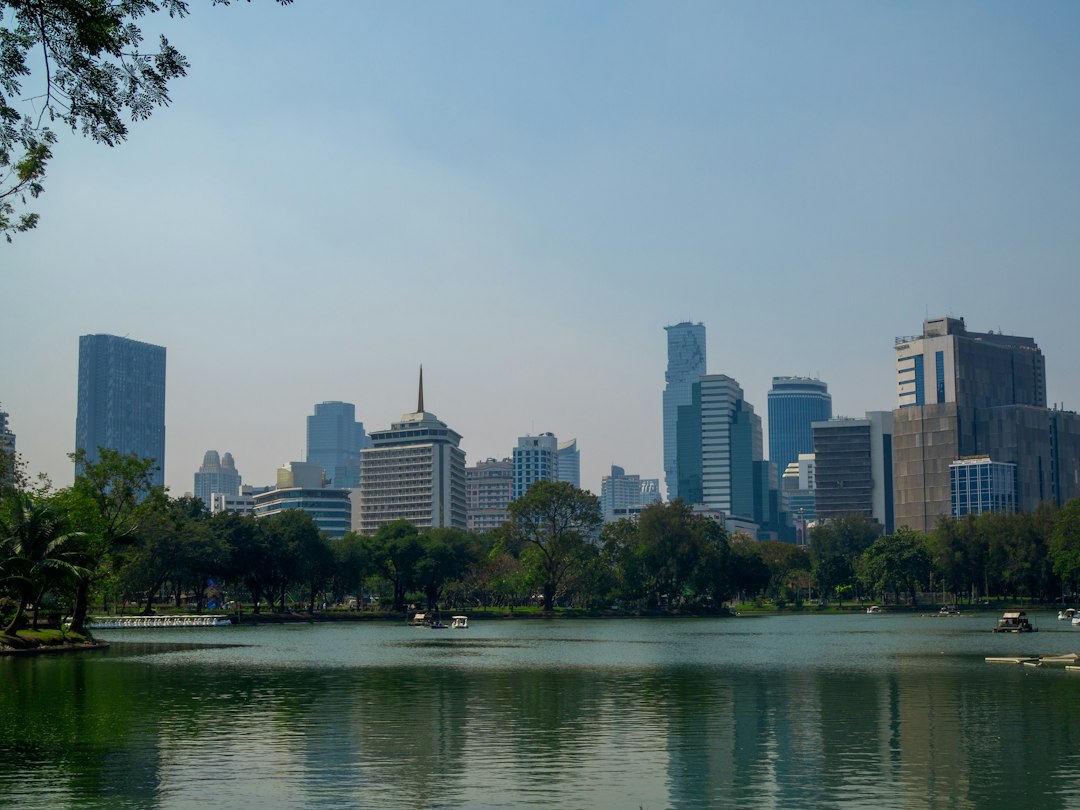
Lumphini Park is where locals go to remember that Bangkok is not just khao soi stands and tuk-tuks. The park is 58 hectares of lake, open grass, and shaded paths in the heart of the business district. In spring, mornings are cool enough that the park fills with joggers, tai chi practitioners, and dog walkers from roughly 06:00 onward. It is one of the few places in central Bangkok where you can actually sit quietly and breathe.
Admission is free. The park borders are marked by Rama IV Road on the north and Wireless Road on the south; the closest BTS stops are Lumphini on the Silom Line or Saladaeng on the Sukhumvit Line, both roughly 5–10 minutes' walk from the main entrances. If you are staying in Silom or the Sukhumvit area, a morning or early evening walk here is worth an hour. The lake is stocked with monitor lizards—harmless to humans—and you may see them basking near the water's edge. Birds are plentiful, especially in spring when migrating species pass through. There is a small café inside the park that opens around 07:00 and serves coffee and simple Thai breakfast.
The park is safest and most pleasant during daylight hours, especially in the early morning before the city's heat buildup.
Chatuchak Weekend Market
Vast, sprawling, and tolerable in spring's cooler temperatures
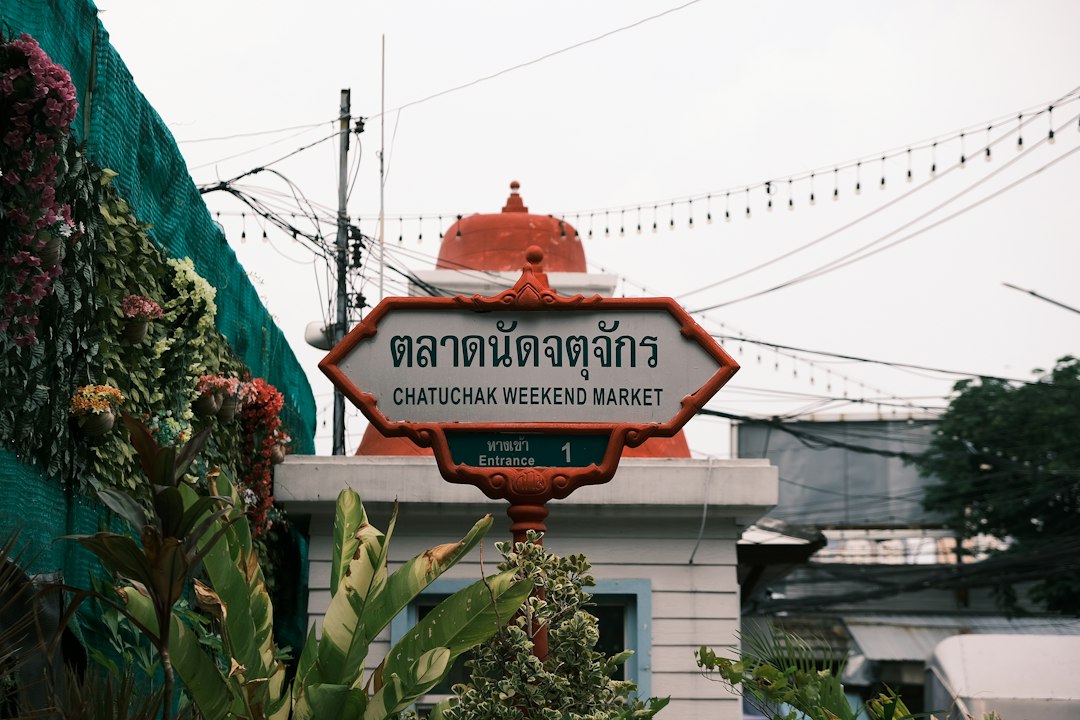
Chatuchak is the world's largest weekend market—over 15,000 stalls spread across roughly 27 acres. In the heat of summer, it is a claustrophobic haze. In spring, it is still chaotic but actually navigable without the grinding exhaustion that midyear heat brings.
The market opens Saturday and Sunday from roughly 09:00 to 18:00. Spring Saturday mornings, before 11:00, are your best window. Arrive early, bring a small backpack, wear comfortable shoes, and understand that you will not see everything. The market is divided into numbered sections; Section 1–26 cover everything from antiques and vintage furniture to live plants, clothing, and food. Section 27 is dedicated to food vendors. Most visitors do best with a loose plan—decide whether you want clothes, antiques, or plants, head to those sections, and allow the rest to be random discovery.
Entrance fees vary by gate but are typically around 20–50 Thai baht (less than $2 USD). The Chatuchak Park BTS station is literally at the market entrance. Food inside is cheap and abundant—expect to pay 40–80 Thai baht (roughly $1.50–2.50 USD) for a full meal from a stall vendor.
Cordelie travel advisors
Planning Bangkok? Go with someone who knows
The right suite, the right season, the reservations that never appear online — your Cordelie advisor knows them, and holds them for you.
Plan with a Cordelie advisorFree to ask. Cordelie Travel Services · IATA/ARC 06649064
Spring Events and Activities That Define Bangkok's Season
Spring in Bangkok does not have the festival calendar of other Southeast Asian destinations. There is no Songkran water festival in spring (that is in mid-April and marks the Thai New Year—by then heat is rising). But the season has its own activities and opportunities that winter does not offer.
The most significant is that schools across Thailand break for Songkran in mid-March through early April, which means family activities are in high visibility: the Siam Ocean World aquarium stays open late, the Science Museum runs special exhibitions, and the various theme parks are operating at full capacity. If you are traveling with children, this is when you have the most options, though it is also when those venues are most crowded. The Bangkok Art and Culture Centre, near the National Stadium BTS, runs year-round but is less packed in spring than in the cooler months. Entry is free, though individual exhibitions may charge 200–300 Thai baht (roughly $6–9 USD). The building itself—all white concrete and glass—is worth a visit for the interior design alone.
Sunrise and sunset viewing becomes genuinely pleasant in spring. The haze that blankets Bangkok most of the year is thinner in February and early March, so sunrise from the rooftop of your hotel or sunset from the deck of a dinner cruise along the Chao Phraya actually delivers what you came for. A private dinner cruise—which typically includes transport from your hotel, food, and a two-hour river journey—costs roughly 2,000–4,000 Thai baht per person (approximately $55–110 USD, depending on which company and menu level). Spring is ideal for this; the breeze is pleasant, the temperature is bearable, and the light is clean. Book through your hotel concierge or a travel advisor to ensure the operator is reliable and the menu is worth the price.
Spring in Bangkok: Moments Worth Planning For
Spring in Bangkok is eight weeks, not eight months. The sweet spot—late February through early March—is when temperatures stay below 32°C (90°F) and crowds are lighter than peak winter but not yet surged by school holidays. If you are trying to pack in the full city experience—early temple visits, evening markets, walking neighborhoods, a private boat tour—the margin is real. A Cordelie advisor can time your arrival to hit that window, negotiate direct bookings with hotels that offer better rates in shoulder season, and arrange vehicles and guides that will actually elevate the experience rather than simply checking boxes. The difference between arriving in early March and arriving in mid-April is not just comfort; it changes what the city feels like.
Practical Logistics for Spring Travel to Bangkok
Getting there: Most visitors arrive by air. Bangkok's Suvarnabhumi Airport, about 25 kilometers east of central Bangkok, is the main international hub. Depending on where you are flying from, journey times range from 11 to 20+ hours with connections. If you have the flexibility, aim for flights arriving in early morning (06:00–10:00) so that you can check into your hotel mid-afternoon or late afternoon, rest, and emerge ready to move by evening. This timing helps with jet lag and means you get one full spring day rather than losing one to grogginess.
Getting around: The BTS Skytrain and MRT subway are fast, cheap, and reliable. Fares depend on distance but typically run 15–65 Thai baht (roughly $0.50–2 USD) per trip. Single-journey cards are available at every station. A rechargeable card, called the Rabbit Card, works on both systems and is worth buying if you plan to take more than three trips. Taxis are abundant and meters are usually honest; typical rides within the city run 50–200 Thai baht (roughly $1.50–6 USD), though traffic can add time during rush hours (roughly 07:00–10:00 and 17:00–20:00). Grab, the ride-share app, is popular and available in Bangkok; prices are similar to taxis but transparent upfront.
Where to stay: Your choice of neighborhood shapes your experience. Silom is central, close to business, dining, and the BTS. Sukhumvit is larger, with hotels ranging from budget to luxury, and is close to shopping and restaurants. Both are warm, walkable in spring, and well-connected. Thonburi and the Old City (around the Grand Palace) are more atmospheric but less convenient for moving around; if you stay there, expect to rely more on taxis or longtail boats. Hotels range from basic guesthouses (roughly 400–800 Thai baht per night, or $12–24 USD) to mid-range properties (roughly 1,500–3,500 Thai baht, or $45–105 USD) to luxury. Spring is not peak season but it is busy enough that booking two to three weeks ahead is sensible.
What to pack: Spring heat is real but not tropical-downpour humid. Light, breathable clothing, a light cardigan for aggressively air-conditioned restaurants, and comfortable walking shoes are essential. Sunscreen is non-negotiable—the UV index is high even when temperatures feel mild. A hat and sunglasses protect you during temple visits and market walks. Modest clothing is important if you plan to enter temples; covered shoulders and knees are required at major sites. A small daypack with a water bottle is useful for market days; tap water is not safe to drink, but bottled water is everywhere and costs 10–20 Thai baht (less than $1 USD) per liter.
Thai baht exchange rates fluctuate but have held roughly in the range of 30–35 Thai baht per US dollar in recent years. ATMs are everywhere; your home bank may charge a small fee per withdrawal, so taking out a reasonable sum at once—rather than daily—saves money. Credit cards are accepted widely in hotels, restaurants, and larger shops, but small vendors and markets are cash-only. A travel advisor can arrange hotel transfers, book restaurants in advance, and ensure that your phone plan includes data and texting—small details that become unexpectedly important when you are navigating unfamiliar streets.
Spring in Bangkok: The Takeaway
Spring is Bangkok's most underrated season—warm enough to feel tropical, cool enough to actually move through the city without misery. Plan for late February to early March to avoid summer heat and school-holiday crowds.
Best time to visit: Late February through early March, before school holidays surge.
Weather: Daytime temperatures 28–32°C (82–90°F), minimal rain, manageable humidity.
Main neighborhoods: Thonburi's canals, the Old City temples, Silom, Sukhumvit.
Must-do experiences: Early-morning temple visits, longtail boat tours, night markets on cooler evenings.
Hotel options: Budget to mid-range, 400–3,500 Thai baht per night depending on area and comfort level.
Transportation: BTS Skytrain, MRT subway, and taxis are fast and cheap; total cost roughly 50–100 Thai baht (under $3 USD) per journey within the city.
Food budget: Street meals and casual vendors, 40–150 Thai baht (roughly $1–4 USD); mid-range restaurants, 300–800 Thai baht (roughly $9–24 USD) per meal.
Spring in Bangkok is not revolutionary—it is not Chiang Mai in November or Bali in July. But it is competent travel weather wrapped around one of the world's most alive cities. You can visit temples without feeling cooked. You can walk neighborhoods without needing a hotel room and AC recovery every two hours. You can eat street food while standing still instead of seeking shade. For families with children, the lighter crowds before school holidays are a genuine relief. For solo travelers, the cooler temperatures mean longer days and more ground covered. If you are undecided about whether to visit Bangkok in spring, the answer is yes—the season works, the city is spectacular, and the only real question is how to make the most of the eight weeks before the heat truly arrives.
Last checked for accuracy: . How we check

Priya Raman has spent eleven years testing whether a destination works with a four-year-old, a teenager and a grandparent in the same party. She writes the version of the guide that accounts for nap times and still gets you to the good stuff, and travels from Toronto with a carry-on she can pack in nine minutes.
Related Articles
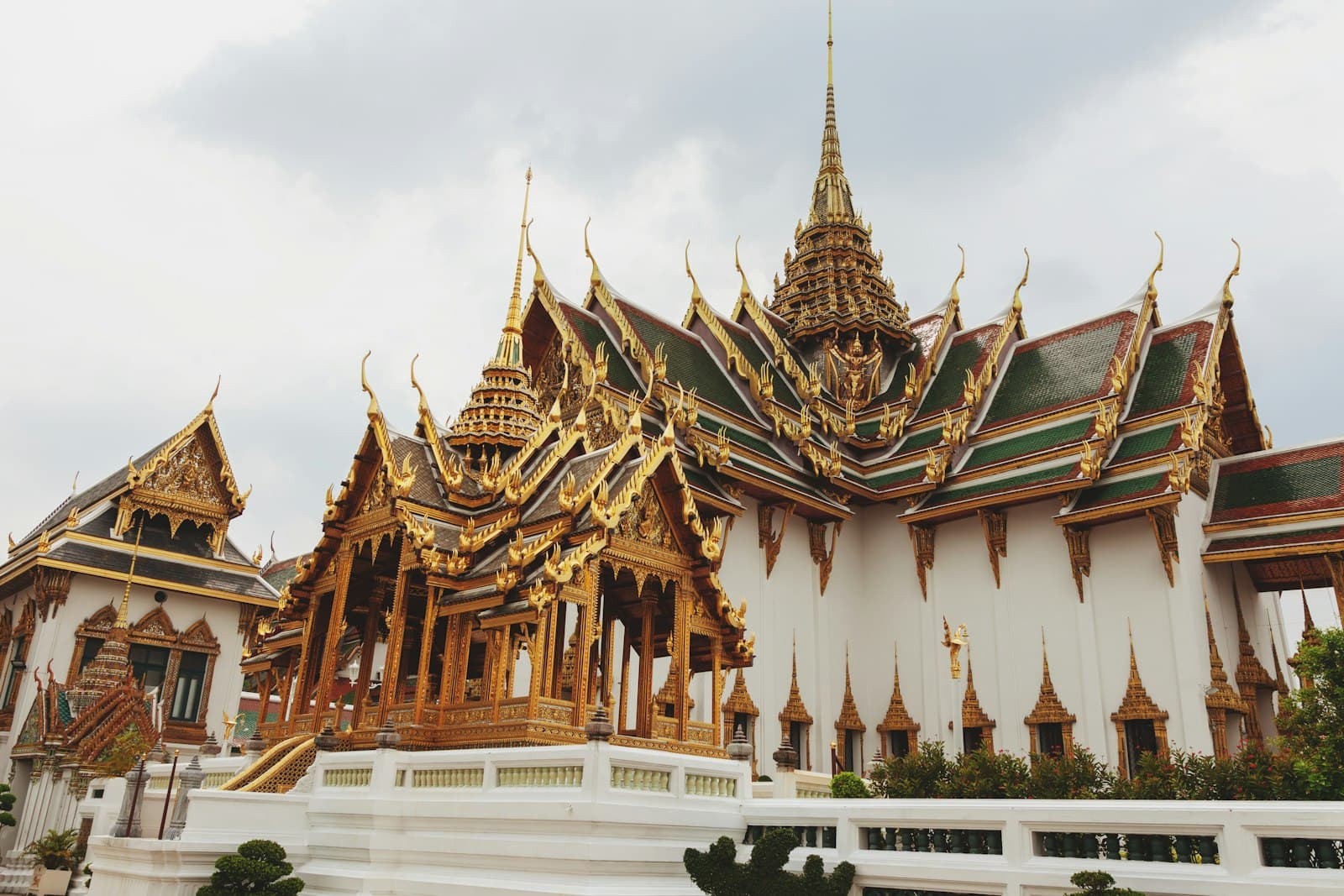
The Complete Guide to Bangkok: What to See, Do & Eat
Bangkok's gilded temples, river ferries, and legendary street food come with a real demand: heat, traffic, and timing that rewards planning. Here's how to see it properly.
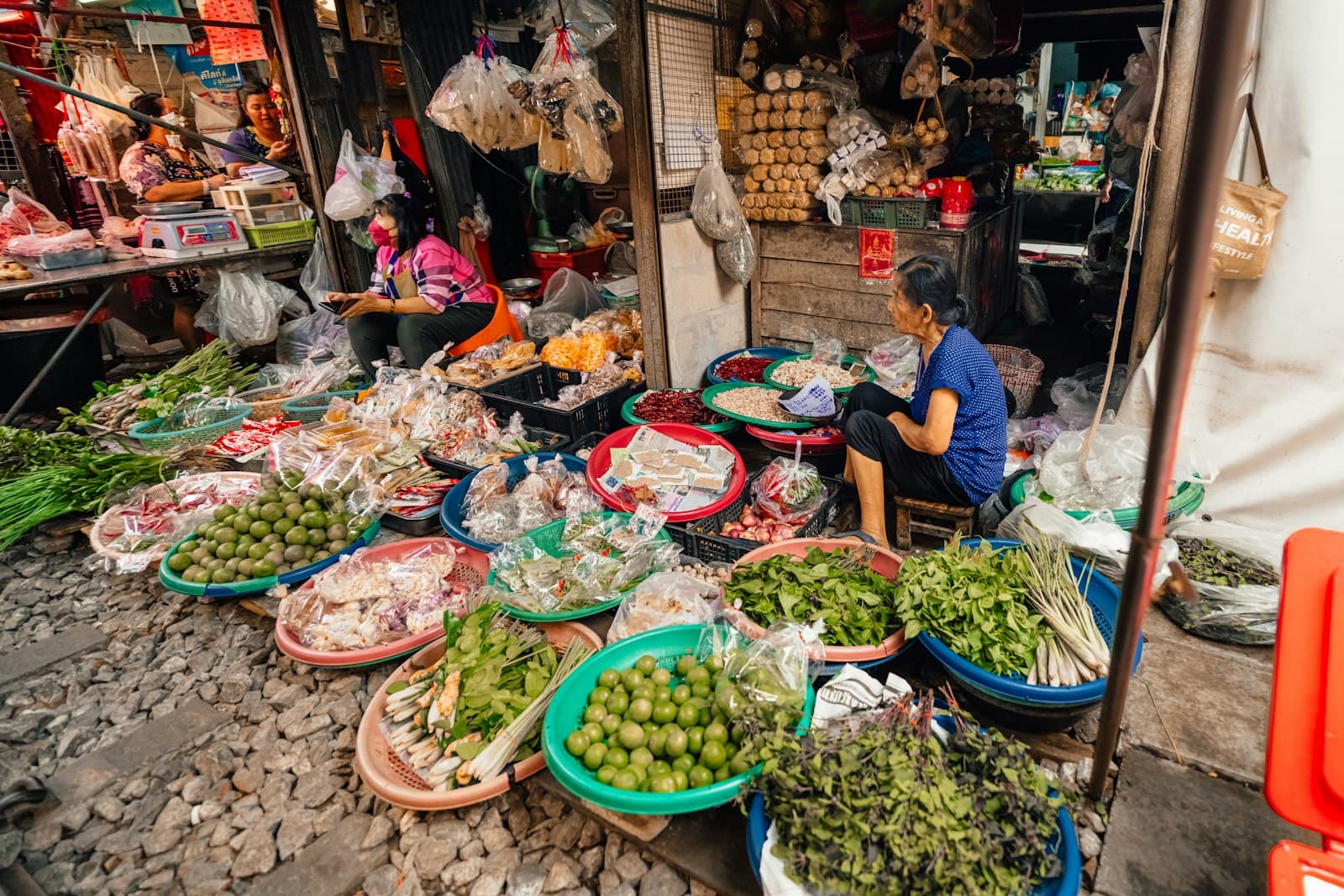
The Complete Guide to Bangkok: What to See, Do & Eat
A complete, practical guide to Bangkok's temples, street food, and river life — with real prices, timing, and a three-day itinerary built for spring's heat.
Bangkok Quick Guide: Everything You Need to Know
Bangkok in spring is brutally hot, hazy, and surprisingly affordable. If you can handle 35°C heat, you'll find temples quieter and hotels cheaper than any other season.