
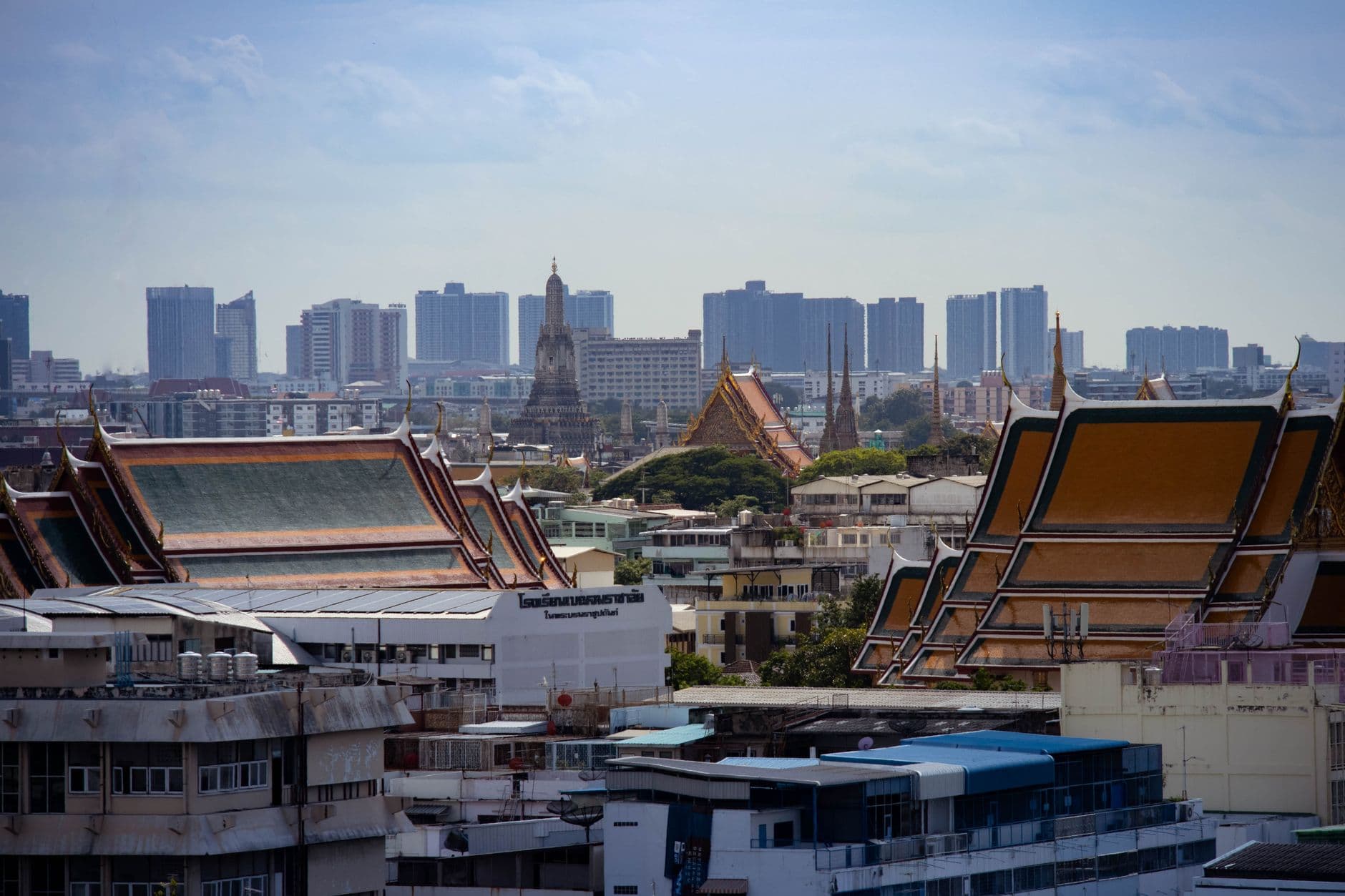
My Winter in Bangkok: A Travel Story
Landing in Bangkok in December, When the City Finally Exhales
The plane door opens onto air that doesn't slap you the way it does in April. It's late December, close to 9pm, and the humidity that usually presses down on Suvarnabhumi Airport like a wet towel has eased into something almost pleasant — around 24°C (75°F), maybe cooler. I'm traveling with my sister and her six-year-old, and the first small mercy of a Bangkok winter is that nobody's shirt is soaked through before we've found the taxi queue outside Terminal 1's arrivals hall.
We'd arranged a car through the hotel rather than the metered taxi rank, worth the extra 200-300 baht (about USD 6-9) for a driver holding a sign with your name on it after a twelve-hour flight. The drive into the city takes 45 minutes to an hour on the Sirat Expressway, depending on traffic, and even at that hour the toll booths and neon signage along the way make it obvious you've landed somewhere that never quite switches off.
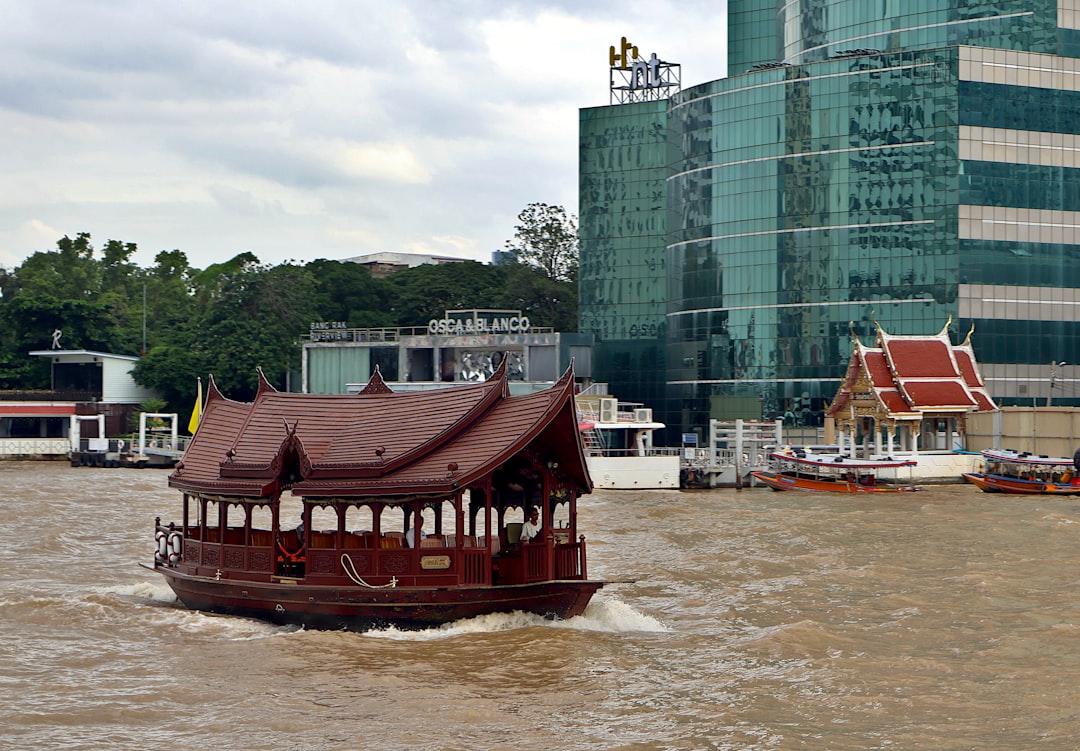
By the time we check into the Mandarin Oriental Bangkok on the river's eastern bank, it's past 10pm. The Chao Phraya is doing that thing it does at night — long-tail boats trailing lantern light, the dome of Wat Arun lit gold on the far shore. My niece presses her face to the window of our room and doesn't say anything for a full minute. Neither do I.
“Bangkok in December doesn't ask you to endure it. That, more than any temple or market, is the thing I hadn't expected.”
Four Days Along the River, Through the Old City, and Into Chinatown After Dark
Settling Into the River Rhythm
Our first full day starts slow, on purpose, because everyone's clock is still six or seven hours off. Breakfast is at the hotel's Riverside Terrace around 8am, buffet running until 10:30am, with a kids' station of rice porridge and fresh fruit so nobody has to negotiate with a six-year-old over what's on her plate.
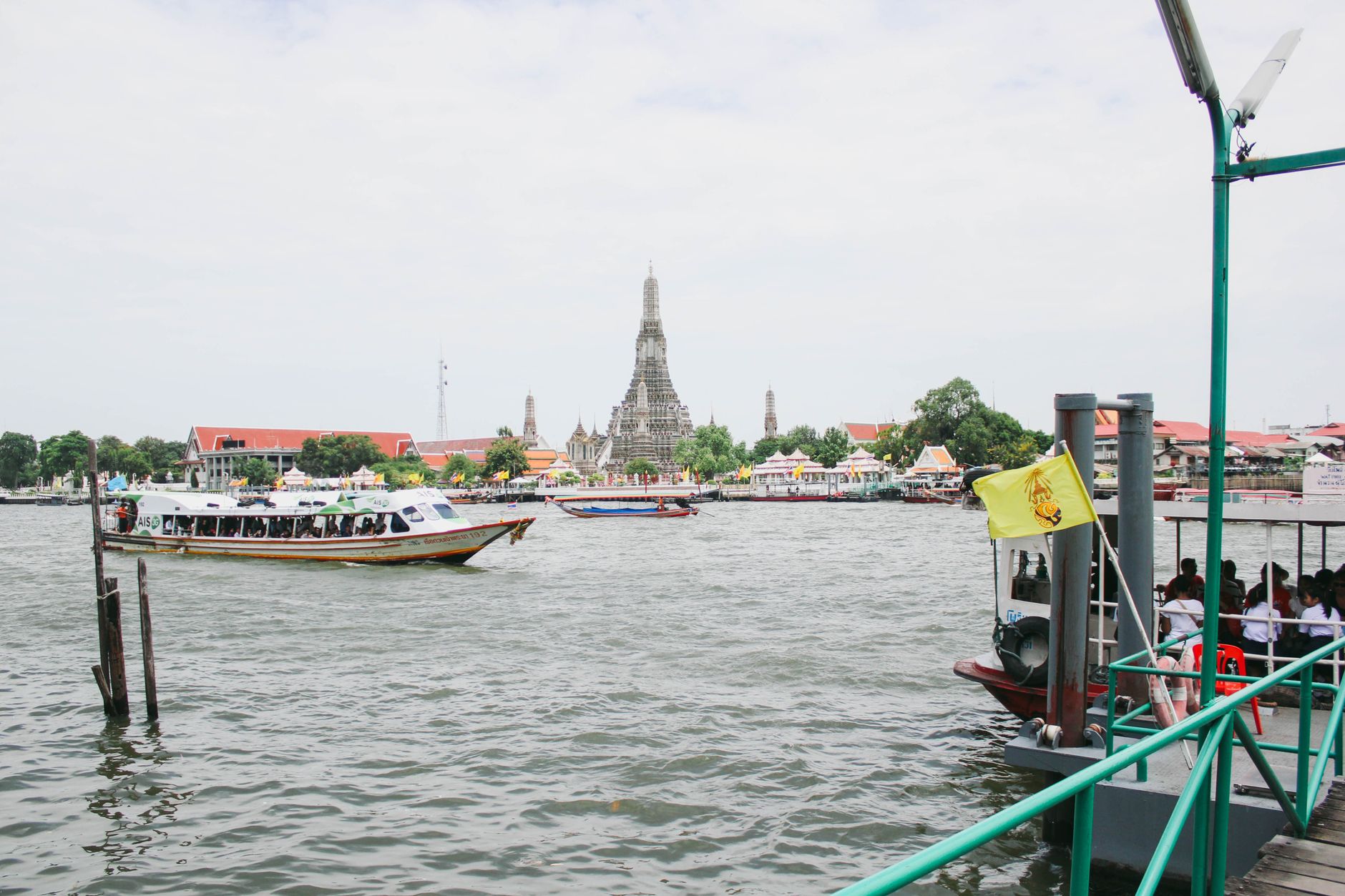
Mid-morning we take the hotel's free shuttle boat across to Sathorn pier and pick up the Chao Phraya Express Boat — the orange-flag line runs roughly every 15-20 minutes and costs about 16 baht (USD 0.45) a ride. It's the cheapest sightseeing tour in Bangkok and arguably the best, gliding past the Grand Palace's white walls and Wat Arun's glinting spires with no tour guide's commentary at all.
We get off at Tha Tien pier, wander the lanes near Wat Pho with no fixed plan, and end up eating khao soi at a shopfront with four plastic tables and no English menu, which works out fine because pointing usually does.
By late afternoon the light turns soft and gold over the water, and we're back on a boat, watching commuters and schoolkids pile onto the public ferries the way New Yorkers pile onto the subway at rush hour.
The Grand Palace and Wat Pho Before the Coach Buses Arrive
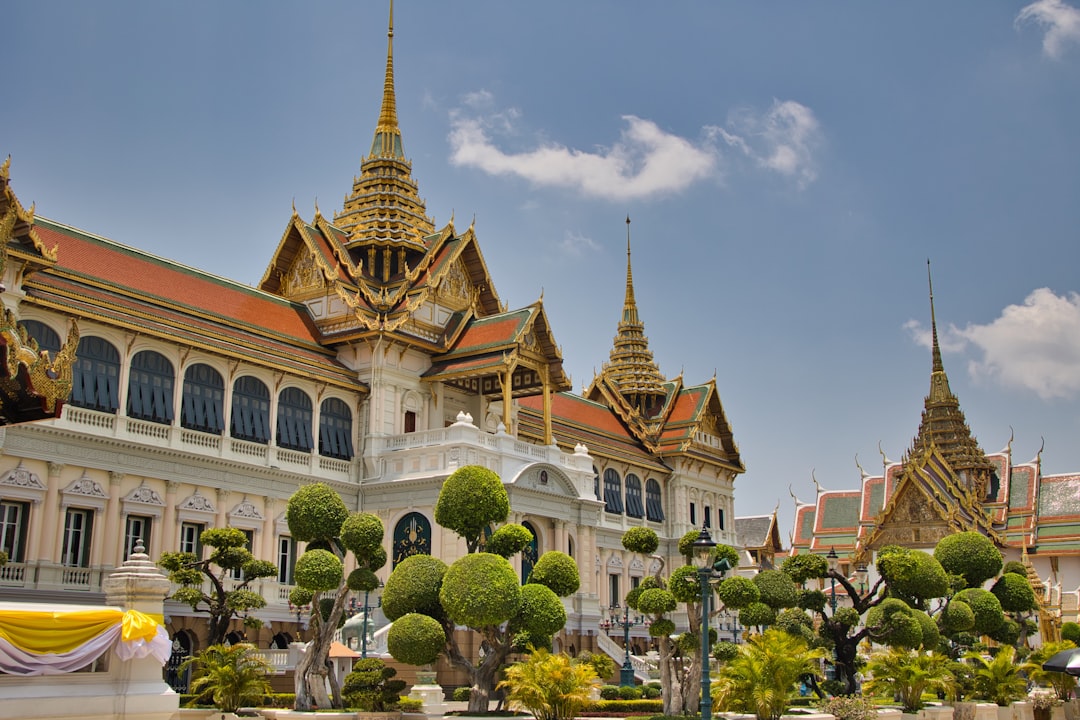
Winter is the season to do the Grand Palace and Wat Pho early — not for the heat exactly, but because by 10am the courtyards fill with coach groups and the queue for the Emerald Buddha's hall backs up along the cloister. We're through the gate by 8:15am, twenty minutes after opening, and the marble underfoot is still cool.
The Grand Palace complex costs around 500 baht (about USD 14) for foreign visitors as of late 2024, and that same ticket covers Wat Pho next door if you keep the stub and go the same day. Dress code is enforced at the gate — covered shoulders and knees, no exceptions — and staff will lend you a wrap-around sarong if you show up in shorts.
Wat Pho's reclining Buddha, gilded and roughly 46 meters long, photographs badly and impresses in person anyway; the viewing hall is narrow enough that you're never more than a few meters from the gold leaf. We spend twenty minutes there and another hour in the temple grounds, where my niece drops coins into the long row of monks' offering bowls, one baht at a time, counting out loud.
Lunch is at Supanniga Eating Room's Tha Tien branch, ten minutes' walk from the palace gates, for southern and northeastern Thai dishes served without concession to tourists. The stir-fried morning glory and the crab fried rice both arrive fast, around 180-260 baht (USD 5-7) a plate.
Klong Boats Through Thonburi and an Afternoon at Chatuchak
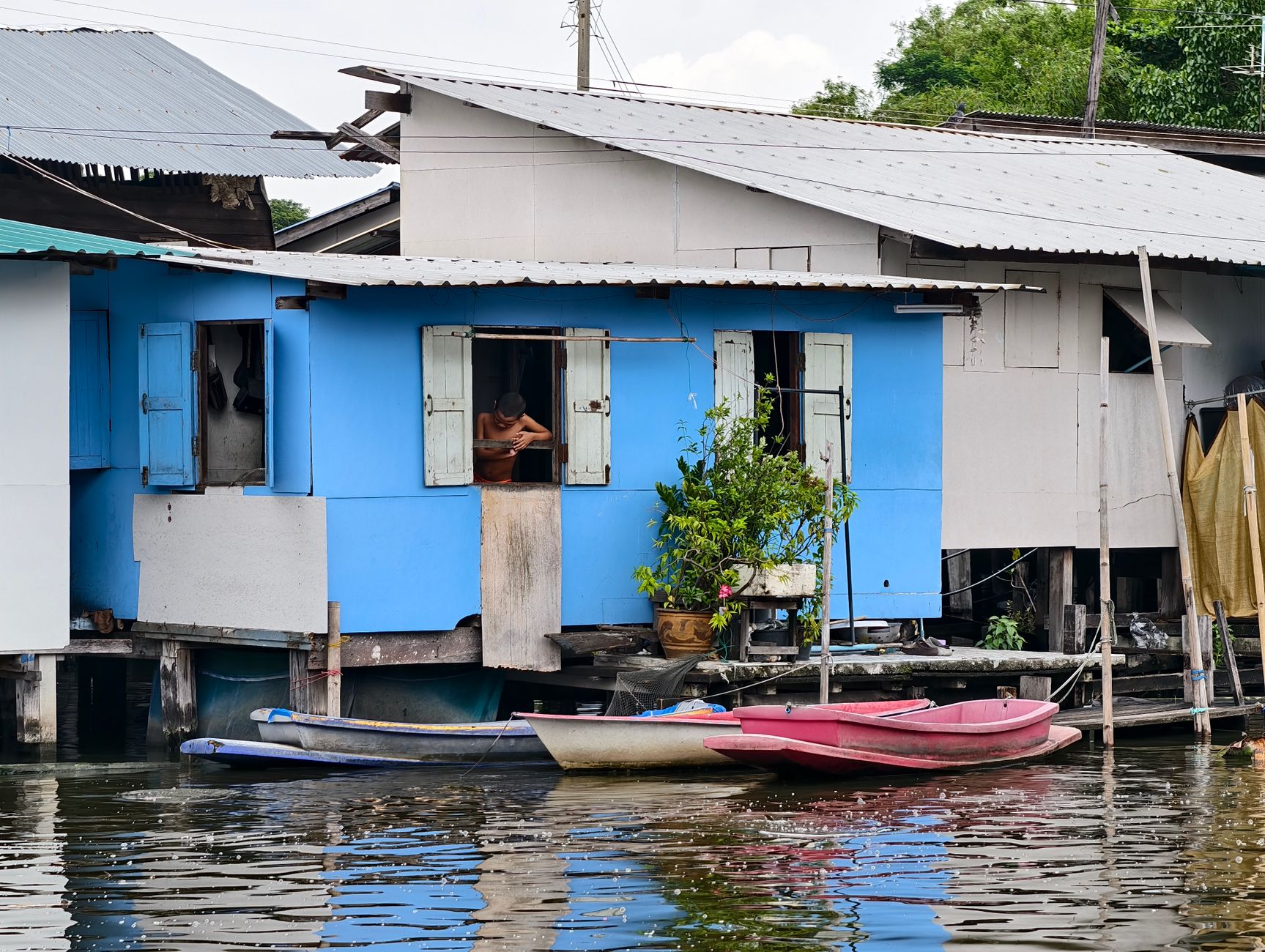
We book a longtail boat through the hotel concierge rather than haggling at a public pier — about 1,000-1,500 baht (USD 28-42) for ninety minutes, split three ways, and worth it for a route almost no ferry touches. The boat threads through the narrower canals off Khlong Bangkok Yai into Thonburi, past wooden houses on stilts, orchid nurseries, and a floating noodle vendor who pulls alongside without us asking.
It's a genuinely different Bangkok back there — quieter, slower, closer to how the city looked before the expressways went in. My sister, who's done this trip twice before with different guides, says the water and the greenery are noticeably better in December than in the wetter months, when the canals can run brown after heavy rain.
We save Chatuchak Weekend Market for the afternoon, arriving around 2pm when the worst of the crowds hasn't built yet and there's still shade along the covered lanes. It runs Saturdays and Sundays roughly 9am to 6pm, and with thousands of stalls spread across the site, there's no realistic way to see it all — we pick vintage clothing and homeware and let the rest go.
By early evening we're footsore enough to skip a sit-down dinner, grazing the stalls outside the market instead: grilled pork skewers, moo ping, at about 10-15 baht each, and fresh coconut ice cream served in the shell.
Yaowarat Road After Dark and the Golden Buddha at Wat Traimit
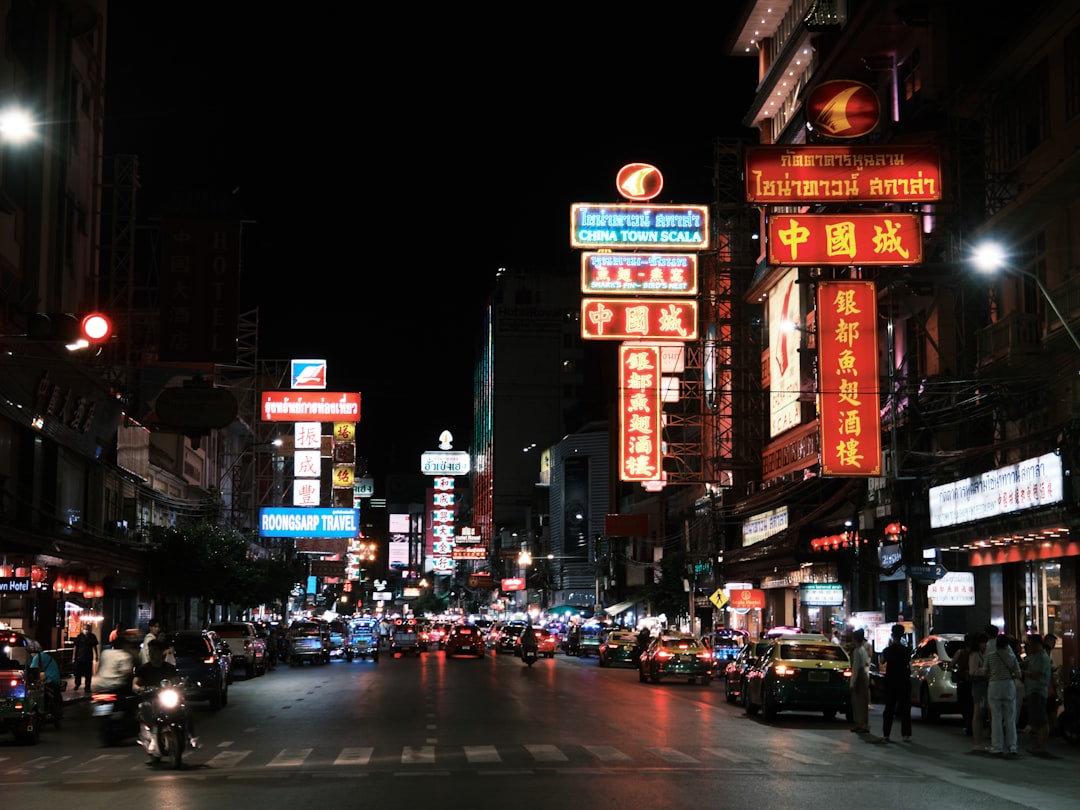
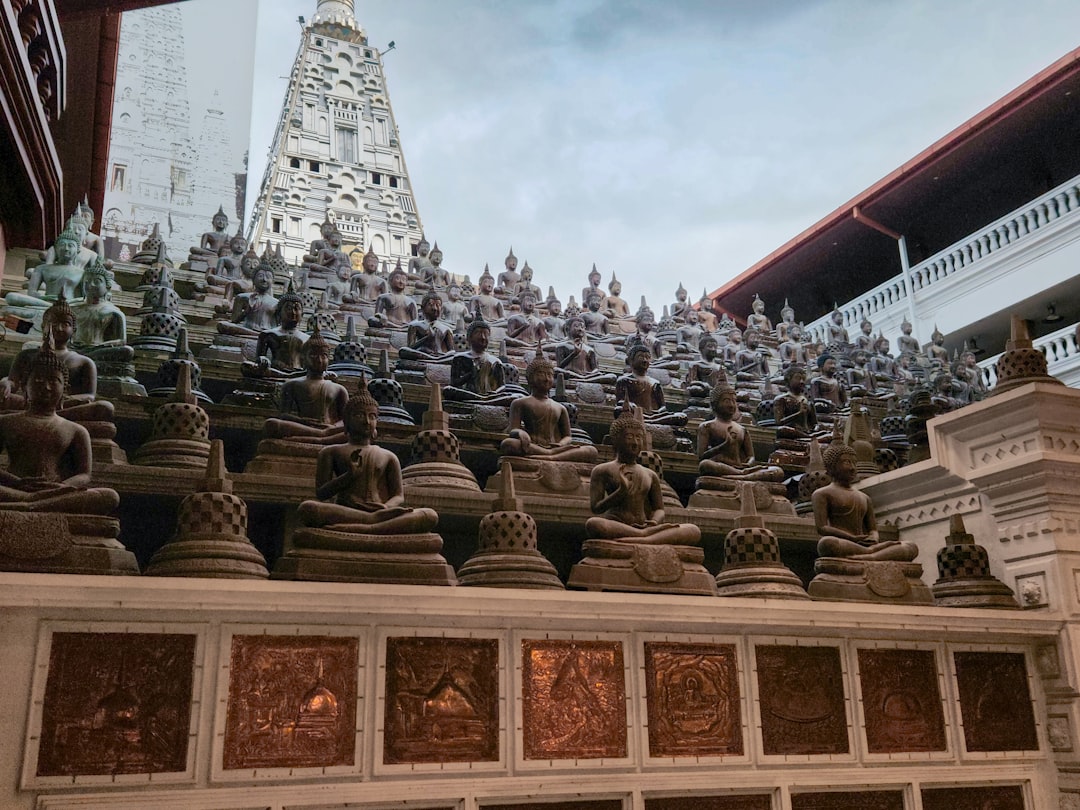
Chinatown by day is a hardware-and-gold-shop kind of street. Chinatown after 6pm, when the food stalls light their gas burners along Yaowarat Road, is something else entirely. We start at Wat Traimit around 4:30pm, before the evening rush, to see the seated Golden Buddha — nearly three meters tall, cast in solid gold, and discovered by accident in the 1950s when a plaster casing cracked during a move. Entry is about 100 baht (USD 3), and the small upstairs exhibition on the statue's history is worth the extra ten minutes.
From there it's a fifteen-minute walk down to Yaowarat itself, where by 7pm the road closes to through traffic and fills with stalls selling grilled scallops, oyster omelets, and bird's nest soup under a canopy of red neon that makes every photo look slightly overexposed.
We eat standing up at three different stalls rather than sitting at one, which feels like the right way to do it — pad see ew here, a bowl of boat noodles there for maybe 40-60 baht (USD 1-2), shrimp dumplings from a stall with a queue long enough that we almost skip it and are glad we didn't.
My niece, six hours past her bedtime by European standards, falls asleep in the taxi before we've crossed the river, which is its own small verdict on how the day went.
Moments from Four Days Around the River and the Old City
Cordelie travel advisors
Planning Bangkok? Go with someone who knows
The right suite, the right season, the reservations that never appear online — your Cordelie advisor knows them, and holds them for you.
Plan with a Cordelie advisorFree to ask. Cordelie Travel Services · IATA/ARC 06649064
What Stayed With Me Longer Than the Temples Did
The temples are the reason people first book Bangkok, and they earn it. But what I keep coming back to, weeks later, is smaller than that. It's the 7am stillness in Lumphini Park, where retirees do slow-motion tai chi under the tamarind trees before the joggers and monitor lizards take over the paths. It's the noodle vendor on the canal who pulled her boat alongside ours without a word, ladled out two bowls, and pushed off again before we'd worked out the baht.
It's also, honestly, the cool evenings — a rooftop drink at 8pm without the shirt sticking to the chair, a walk back from dinner that doesn't end in a shower the second you're through the door. December and January are Bangkok's dry season, with daytime highs typically in the low 30s Celsius (upper 80s to low 90s Fahrenheit) and evenings dropping into the low-to-mid 20s. It's not cold by any measure, but after the wet season's swelter, it reads as a genuine reprieve, and it's the difference between a day that ends at 3pm because everyone's wilted and a day that keeps going.
From a Plastic Stool on Yaowarat to a Waitlist Two Weeks Long
Bangkok's food scene works on two clocks, and the trick is doing both without letting one crowd out the other. On the street side, Thip Samai near the Golden Mount has been frying pad thai over charcoal since the 1960s and stays open until around 2am some nights, with a plate running roughly 80-150 baht (USD 2-4). Kor Panich, tucked near Tha Tien, sells little else besides mango sticky rice, and it's usually sold out by mid-afternoon.
On the other clock sits Jay Fai, the crab omelet stall turned Michelin-recognized institution on Maha Chai Road, where a plate runs 800-1,000 baht (USD 22-28) and the queue can mean a two-to-three-hour wait if you show up without a reservation slot, which changes and is worth checking ahead rather than assuming. We didn't manage it this trip and ate well anyway, which is the honest lesson: Bangkok doesn't punish you for missing one restaurant when the street stall two corners over is nearly as good and costs a tenth as much.
For a quieter evening, Issaya Siamese Club in a converted 1920s villa off Sathorn serves refined Thai dishes in a garden setting, tasting menus running roughly 1,800-2,600 baht (USD 50-72) per person, a fair trade for air conditioning and table service after two days of street eating. Book that one a few days ahead, especially on weekends.
A Cordelie advisor can arrange a private early entry to the Grand Palace before the public gates open, ahead of the coach groups, and pair it with a guide who knows which side chapel at Wat Pho the tour groups skip.
They can also secure a river-view suite at the Mandarin Oriental with a private breakfast on the terrace, hold a table at a restaurant like Jay Fai without the multi-hour wait, and put you on a canal boat led by a Thonburi local rather than a pier tout — the kind of Bangkok that's genuinely hard to find on your own, curated end to end.
Winter in Bangkok: Was It Worth the Trip?
Yes, especially for travelers bringing kids, older relatives, or anyone who wants a city that's genuinely walkable — provided the pace stays slow and the river does most of the heavy lifting.
Four days between the river, the old city, and Chinatown was enough to feel the shape of Bangkok without exhausting anyone, six-year-old included. December's cooler evenings and dry skies make outdoor time — canal boats, temple courtyards, night markets — far easier than the wetter, hotter months.
This trip suits families traveling with young children or grandparents, first-time visitors who want the classic sights without a punishing schedule, and anyone who'd rather move by boat than sit in Bangkok's famously slow traffic. It suits less well the traveler chasing nightlife or a fast city-break pace — Bangkok in winter rewards mornings that start at 8am and afternoons that end with a nap, not a itinerary crammed edge to edge.
Last checked for accuracy: . How we check

Priya Raman has spent eleven years testing whether a destination works with a four-year-old, a teenager and a grandparent in the same party. She writes the version of the guide that accounts for nap times and still gets you to the good stuff, and travels from Toronto with a carry-on she can pack in nine minutes.
Related Articles
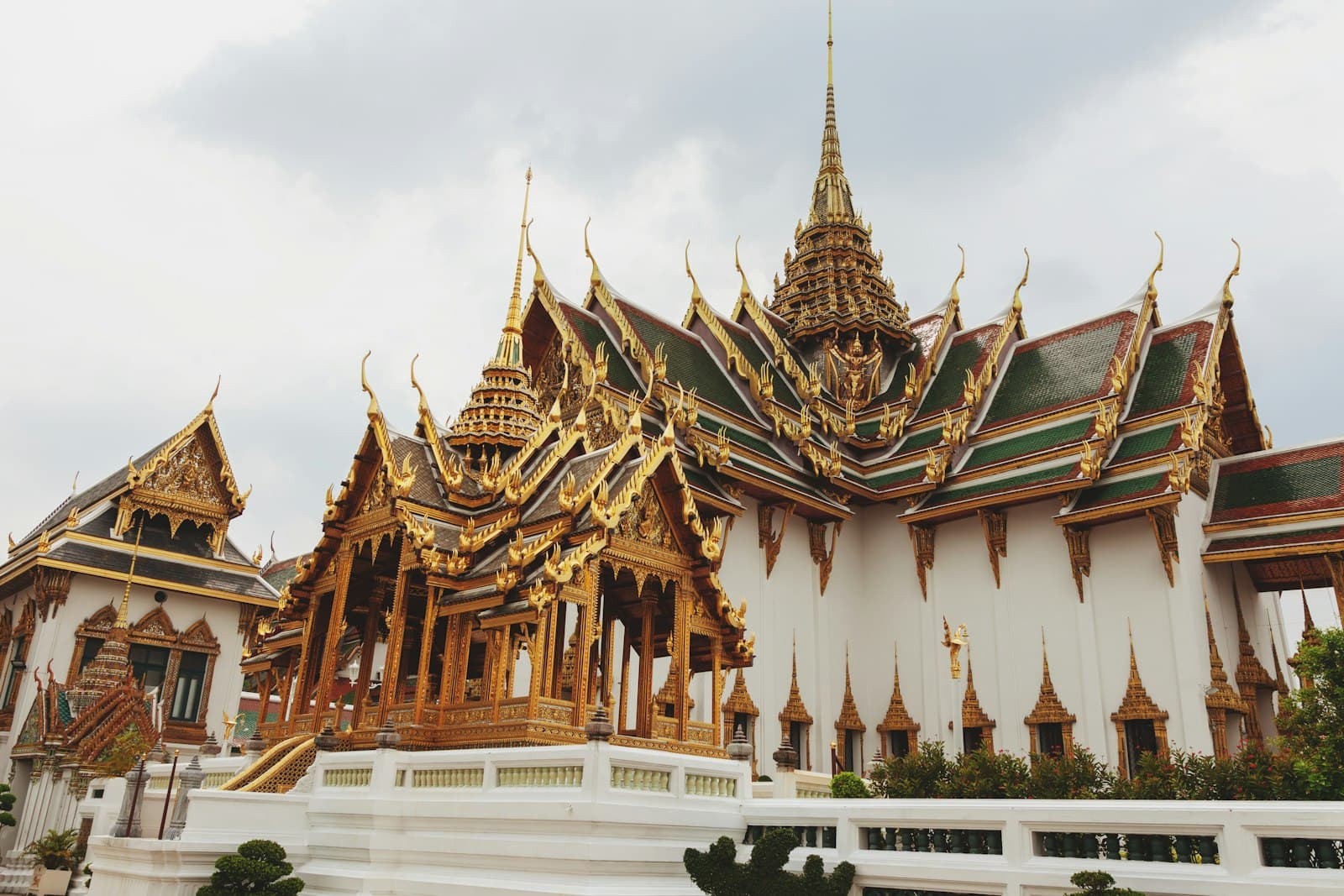
The Complete Guide to Bangkok: What to See, Do & Eat
Bangkok's gilded temples, river ferries, and legendary street food come with a real demand: heat, traffic, and timing that rewards planning. Here's how to see it properly.
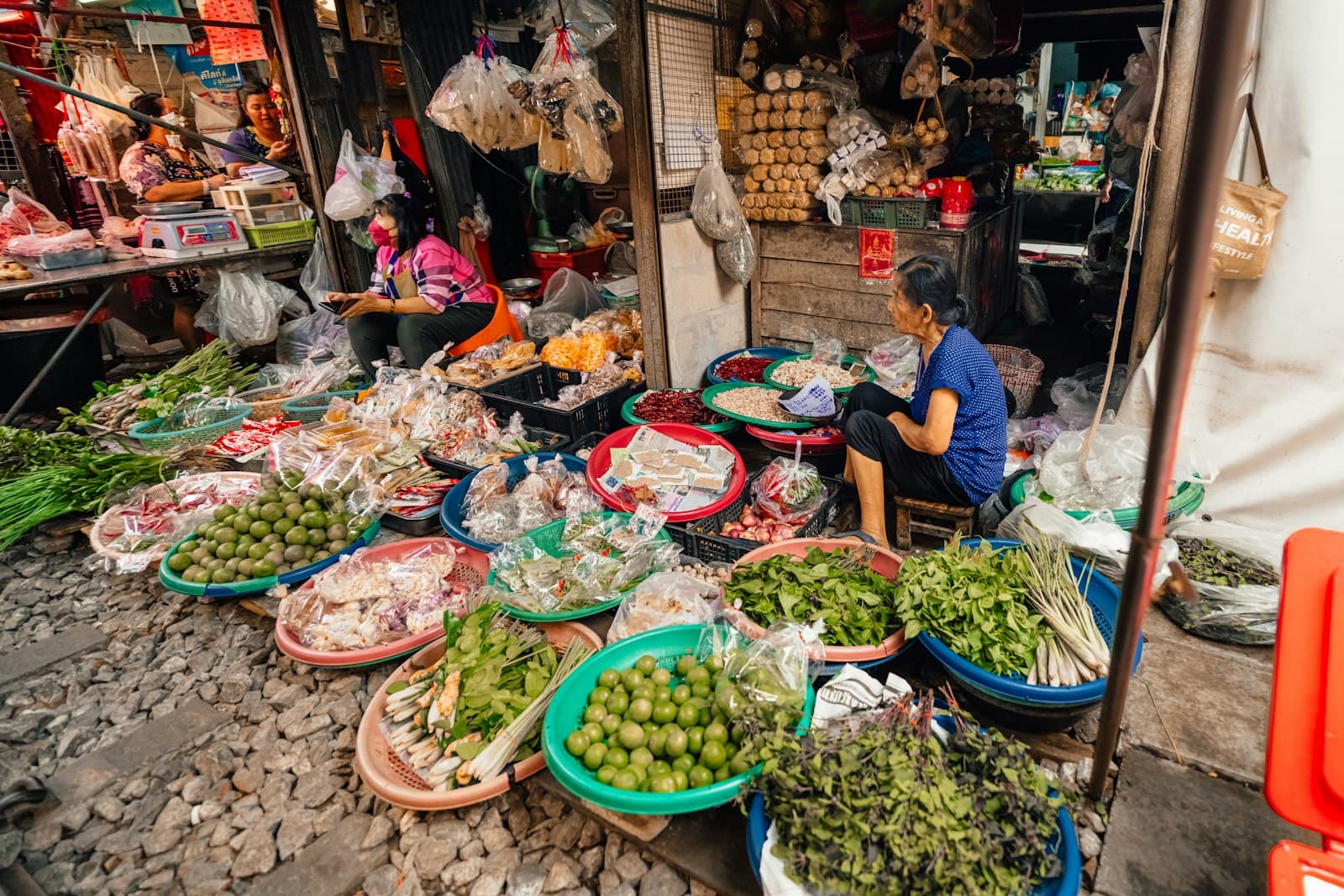
The Complete Guide to Bangkok: What to See, Do & Eat
A complete, practical guide to Bangkok's temples, street food, and river life — with real prices, timing, and a three-day itinerary built for spring's heat.
Bangkok Quick Guide: Everything You Need to Know
Bangkok in spring is brutally hot, hazy, and surprisingly affordable. If you can handle 35°C heat, you'll find temples quieter and hotels cheaper than any other season.