
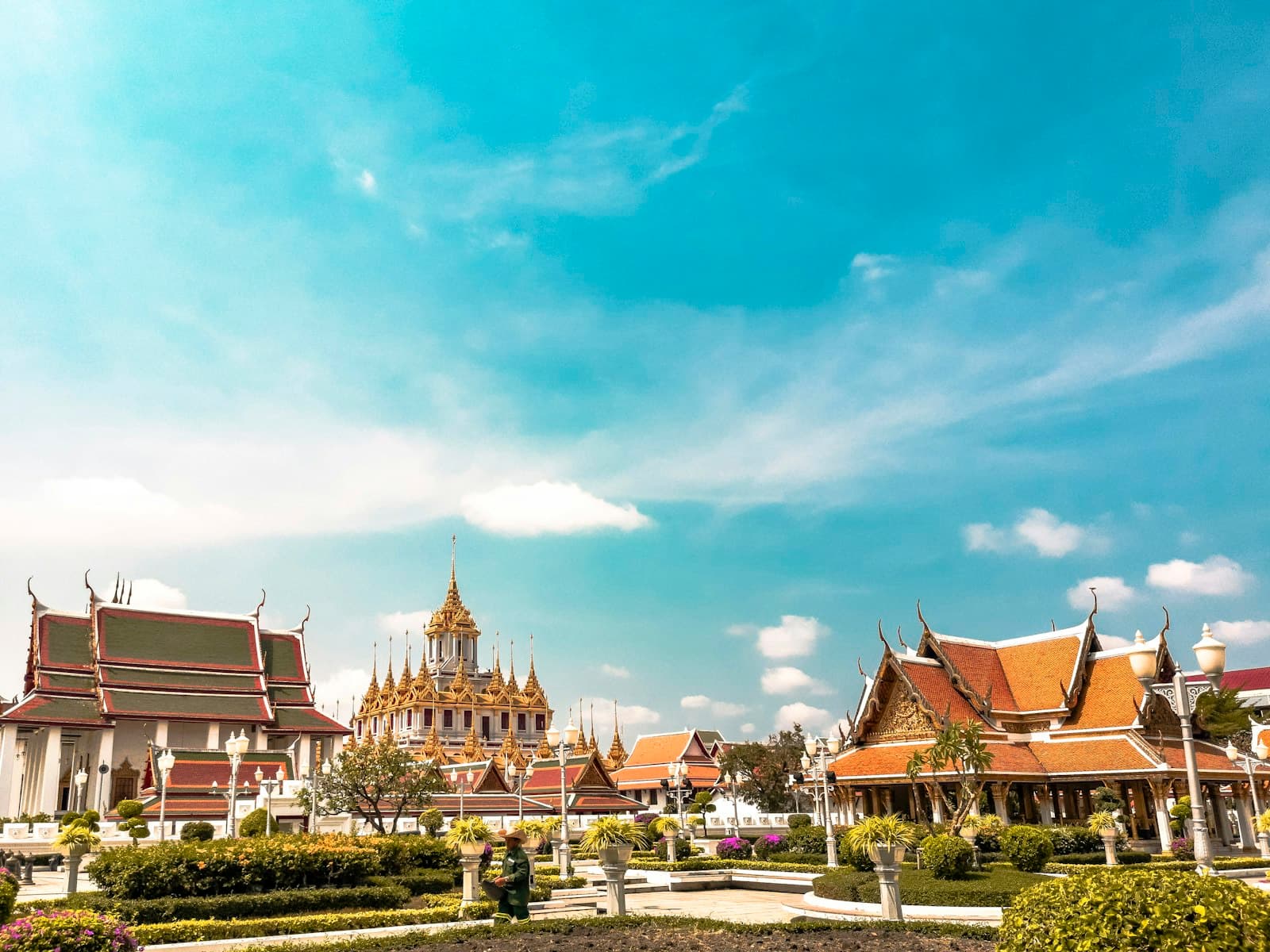
Bangkok Quick Guide: Everything You Need to Know
Key Facts
Bangkok in Spring: Heat, Crowds, and When to Go
Spring in Bangkok is not a retreat—it is a test. From March through May, the city broils under temperatures that regularly climb past 35°C (95°F), humidity sits above 70%, and the air carries the tang of smoke from agricultural burning in neighboring provinces. This is the dry season's tail end, and it is punishing. That said, it is also the cheapest time to visit. Hotel rates drop by 30–40% compared to winter, restaurants and temples are less mobbed than they are November through February, and the rains have not yet begun. If you can tolerate the heat and do most of your exploring in early morning or evening, spring offers a Bangkok that feels less like a resort destination and more like an actual city.
What Spring Weather Means for Your Plans
The central fact: heat is relentless. By 11:00 AM, outdoor activity becomes uncomfortable. The Grand Palace, Wat Pho, and the temples of Rattanakosin Island are best visited between 6:00 AM and 8:30 AM, or after 5:00 PM when the stones have cooled and afternoon light slants gold across the courtyards. Many visitors skip midday entirely and return to their hotel or find an air-conditioned café—a wise move. The BTS Skytrain and MRT subway are your allies during peak heat; both are heavily air-conditioned, and a day exploring the city's elevated rail network and underground passages means fewer minutes in direct sun.
Haze is the second challenge. Crop burning in northern Thailand and Laos typically peaks in March and early April, and particulate matter settles over Bangkok, reducing visibility and air quality. The US Embassy air quality monitor tracks readings in real time; anything above 100 on the Air Quality Index (AQI) is considered unhealthy for sensitive groups. Many travelers invest in N95 masks for walking outdoors during high-haze days, or simply shift their plans toward indoor activities—the Grand Palace, the National Museum, Erawan Museum, or the Jim Thompson House are all worthy options and all air-conditioned.
Songkran, the Thai New Year water festival, typically falls on April 13–15. If your spring trip coincides with these dates, expect the city to transform into a water-throwing celebration and water-gun battles in the streets. Hotels and major intersections become focal points for the festivities. Most temples hold three-day celebrations with merit-making ceremonies and water splashing. It is boisterous, joyful, and genuinely disruptive to normal tourism—restaurants may close, transport becomes chaotic, and entire neighborhoods are drenched. Plan accordingly: either embrace it fully or book flights to arrive after the 15th.
Getting In and Moving Around
Most international visitors fly into Suvarnabhumi Airport (BKK), roughly 25 km east of central Bangkok. The Airport Rail Link train runs directly to Phaya Thai Station in central Bangkok in about 15 minutes and costs approximately 45–90 baht (USD 1.30–2.50) depending on the stop. Taxis from the airport are metered and charge the metered fare plus a 50-baht surcharge and any expressway tolls, typically totaling around 400–650 baht (USD 11–19) depending on traffic, with journeys taking roughly 30–45 minutes. Ride-hailing apps like Grab are also available; fares are comparable to taxis but traffic conditions sometimes apply surge pricing during peak hours.
Once in the city, avoid renting a car. Bangkok traffic is complex, navigation in Thai script is demanding, and parking is difficult. The BTS Skytrain is the cleanest, fastest option for getting around the central business district and popular tourist areas. A single journey card costs 15–65 baht (USD 0.40–1.80) depending on distance; day passes (unlimited travel on the BTS for one day) cost around 140 baht (USD 4). The MRT subway complements the BTS, covering different zones. Tuk-tuks—three-wheeled taxis—are iconic but significantly slower than rail and prone to overcharging tourists; agree on a price before boarding or use a metered taxi. Buses are cheap (3.50–25 baht per journey) but routes are posted in Thai, and delays are common. For most visitors, the BTS Skytrain alone covers 80% of tourist destinations.
Where to Stay and How Much It Costs
Bangkok accommodations range from guesthouses around the Khao San Road area (budget backpacker zone, 250–600 baht or USD 7–17 per night) to five-star hotels on Sukhumvit and near the Chao Phraya (5,000–15,000+ baht or USD 140–430+ per night). Mid-range options in areas like Silom, Thonglor, and On Nut offer good value: a three-star hotel with clean rooms, reliable WiFi, and a gym typically runs 1,200–2,500 baht (USD 34–71 per night). In spring, these mid-range rates often drop 20–30% below their winter peak. Most hotels include breakfast and some offer airport shuttle service for a modest fee.
Sukhumvit Road is the most tourist-heavy area and best for those wanting shopping, nightlife, and international dining within walking distance. Silom is central, near the MRT, and offers a mix of corporate hotels and local dining. The Chao Phraya riverside—around Rattanakosin Island and the old city—is quieter, closer to temples, and often more atmospheric, though fewer English-language services. Book accommodations early if visiting around Songkran (mid-April), as availability drops and prices temporarily rise even in shoulder season.
What to Eat and Where
Bangkok's food scene is its greatest strength. Street food—pad thai, mango sticky rice, satay, khao soi—is exceptional and costs 30–80 baht (USD 0.85–2.30) for a full meal from a cart or small shop. The central food courts in malls like CentralWorld and Emporium have dozens of stalls under one roof with English menus, AC, and seating. For sit-down dining, expect 150–400 baht (USD 4.30–11.40) at casual local restaurants, and 600–1,500 baht (USD 17–43) at mid-range establishments. High-end dining (fine dining Thai or international) runs 1,500–3,500+ baht (USD 43–100+) per person. Street food is genuinely safe if you choose busy stalls with high turnover; the cook is right in front of you and the hygiene is visible. For a deeper dive into Bangkok's street food scene, consult dedicated guides that map neighborhoods and specific dishes.
Top Sites and Timing
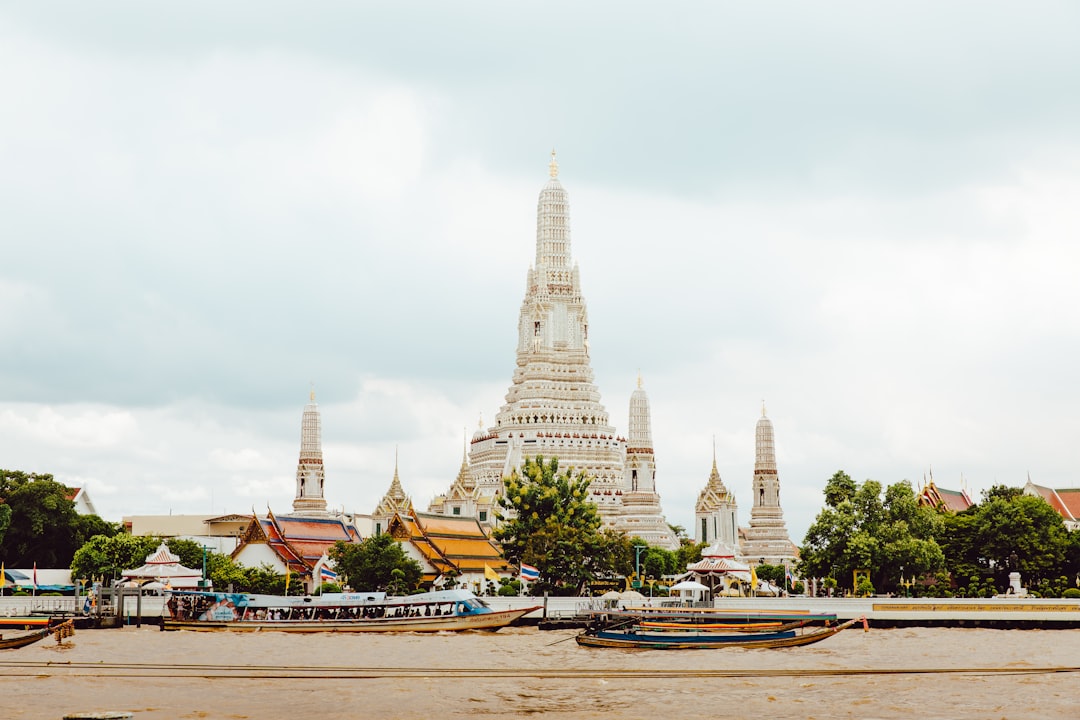
The Grand Palace and Wat Phra Kaew (Temple of the Emerald Buddha) dominate most itineraries. Entry is around 500 baht (USD 14) and you must wear long pants or skirts and closed-toe shoes; wrapped sarongs are sold at the entrance for about 100 baht (USD 2.85) if needed. Arrive by 6:00 AM or after 4:00 PM to avoid crowds and heat. Wat Pho, adjacent, houses the reclining Buddha and charges 100 baht (USD 2.85); it is less crowded but still hot. The Chao Phraya itself is worth exploring—express boats run from dawn to early evening; a full-day pass costs around 150 baht (USD 4.30) and gives access to multiple piers including the Grand Palace, Wat Arun (the Temple of Dawn, across the river, 50 baht entry), and the floating markets at Damnoen Saduak and Amphawa (each roughly 1–2 hours outside central Bangkok by bus or guided tour, 400–800 baht or USD 11–23).
Lumphini Park, in the heart of Silom, is a green refuge and costs nothing to enter. It opens at 4:30 AM for early risers and runners; by 8:00 AM locals are already thinning out and heat builds. Monitor lizards sun themselves on the lawns, and if you walk along the southern lake at dusk (around 5:30–6:30 PM), you may see them hunting. The Jim Thompson House, a few blocks north in the old city, offers guided tours every 20–30 minutes and charges around 100–150 baht (USD 2.85–4.30); the house is an architectural gem and the history is compelling, but tours are a fixed length and English-language slots fill early. Book ahead during peak season. Most major museums (the National Museum, Bangkok National Museum, Siam Museum) charge 200–400 baht (USD 5.70–11.40) and are quieter in spring than winter.
Spring-Specific Logistics
Hydration is essential. Water is safe to drink from the tap in hotels but many locals and visitors stick to bottled water (5–10 baht or USD 0.14–0.29 from a 7-Eleven). Electrolyte drinks and coconut water are everywhere and cost similarly. Sunscreen is critical; reapply every two hours if outdoors. Long sleeves and breathable fabrics are more comfortable than you might think—locals dress in light layers to block sun and air-conditioning.
If haze is heavy (AQI above 150), postpone outdoor temple visits to early morning or shift to indoor activities. The embassy's air quality page updates hourly. Wear an N95 mask if you have respiratory concerns; they are sold in pharmacies (50–100 baht or USD 1.40–2.85 for a pack of five) and at convenience stores. Spring also means fewer tourists, which translates to shorter queues at major sites, but many smaller museums and private attractions have reduced hours or may close on certain days; verify before visiting.
Practical Tips for Your Visit
Start your day before 9:00 AM. Temples and outdoor sites are markedly cooler and less crowded in early morning. Many Thai restaurants open by 6:00 AM and serve breakfast (jok, a rice porridge, is ubiquitous and excellent). Lunch is typically 11:00 AM–1:00 PM; dinner starts around 5:00 PM and peaks between 6:30–8:00 PM. Plan your major walking for these windows or defer to air-conditioned spaces during midday.
Respect temple dress codes: shoulders and knees covered, no hats. Many temples rent sarongs at the gate for a small fee if you are underdressed. Remove shoes before entering any sacred space. Photography is generally allowed inside temples but ask locals if unsure; some inner sanctums prohibit cameras.
Cash is essential. Many small shops, markets, and tuk-tuks do not accept cards. ATMs are ubiquitous (you can find one every few blocks in central areas) and typically charge a withdrawal fee of 150–220 baht (USD 4.30–6.30) per transaction to foreigners; withdraw larger amounts less frequently to minimize fees. Credit cards are accepted at hotels, malls, and upscale restaurants.
Download offline maps (Google Maps works but can be slow; maps.me is faster). The BTS and MRT systems have signage in English and Thai, but station names help tremendously. Learn which BTS line reaches your hotel before you arrive. Most hotels provide written directions in Thai that you can show taxi drivers.
Spring travel requires flexibility. If haze is severe or heat becomes unbearable, pivot indoor. The MBK Center (a sprawling indoor mall with clothing, electronics, and food stalls) and CentralWorld can easily consume a full day. Thai massage parlors (200–400 baht or USD 5.70–11.40 per hour) are air-conditioned refuges and genuinely relaxing; book via Google Maps or ask your hotel for a recommendation.
Spring is when Bangkok reveals itself to travelers willing to move outside the holiday-season script. A Cordelie travel advisor can craft an itinerary that embraces early mornings, places you in neighborhoods where locals actually gather, and builds in recovery time during the heat—not by cramming activities in despite the weather, but by orchestrating your days around it. That means reservations at restaurants that open for breakfast and aren't in guidebooks, early-morning private temple tours before crowds, and transitions to experiences like spa treatments or museum hours that flow with the season rather than fight it. It is the difference between enduring Bangkok in spring and discovering it.
Last checked for accuracy: . How we check

Isaac Reid has spent fourteen years on ships and on foot in the places weather still decides. He sailed his first Drake Passage as an expedition assistant and has since made the crossing more than thirty times, between seasons trekking in Nepal and Patagonia. He writes about what these trips actually ask of a traveller — the days that get cancelled, the kit that matters, the difference between a landing and a cruise-by — and thinks the honest version sells them better than the brochure does.
Related Articles
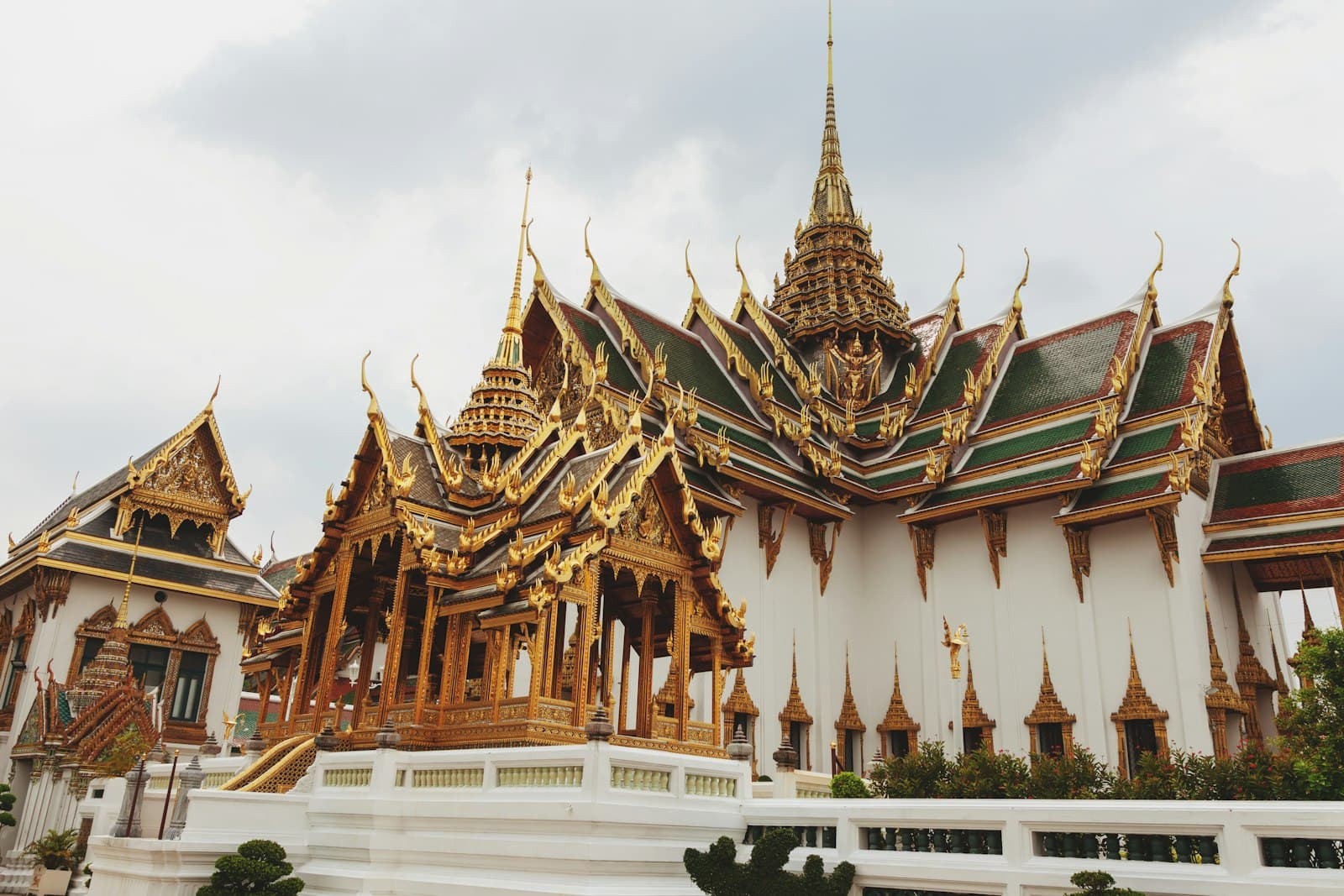
The Complete Guide to Bangkok: What to See, Do & Eat
Bangkok's gilded temples, river ferries, and legendary street food come with a real demand: heat, traffic, and timing that rewards planning. Here's how to see it properly.
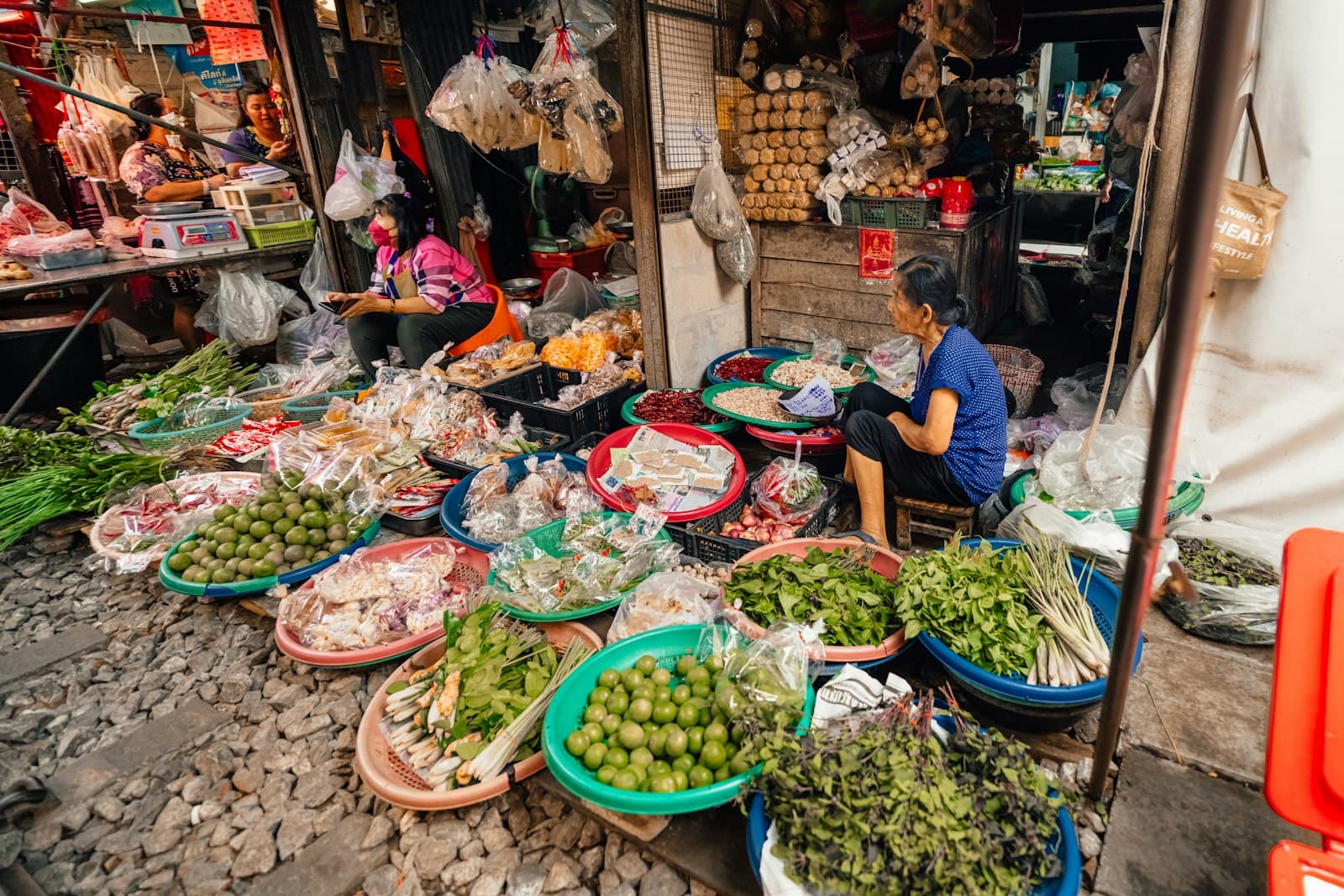
The Complete Guide to Bangkok: What to See, Do & Eat
A complete, practical guide to Bangkok's temples, street food, and river life — with real prices, timing, and a three-day itinerary built for spring's heat.
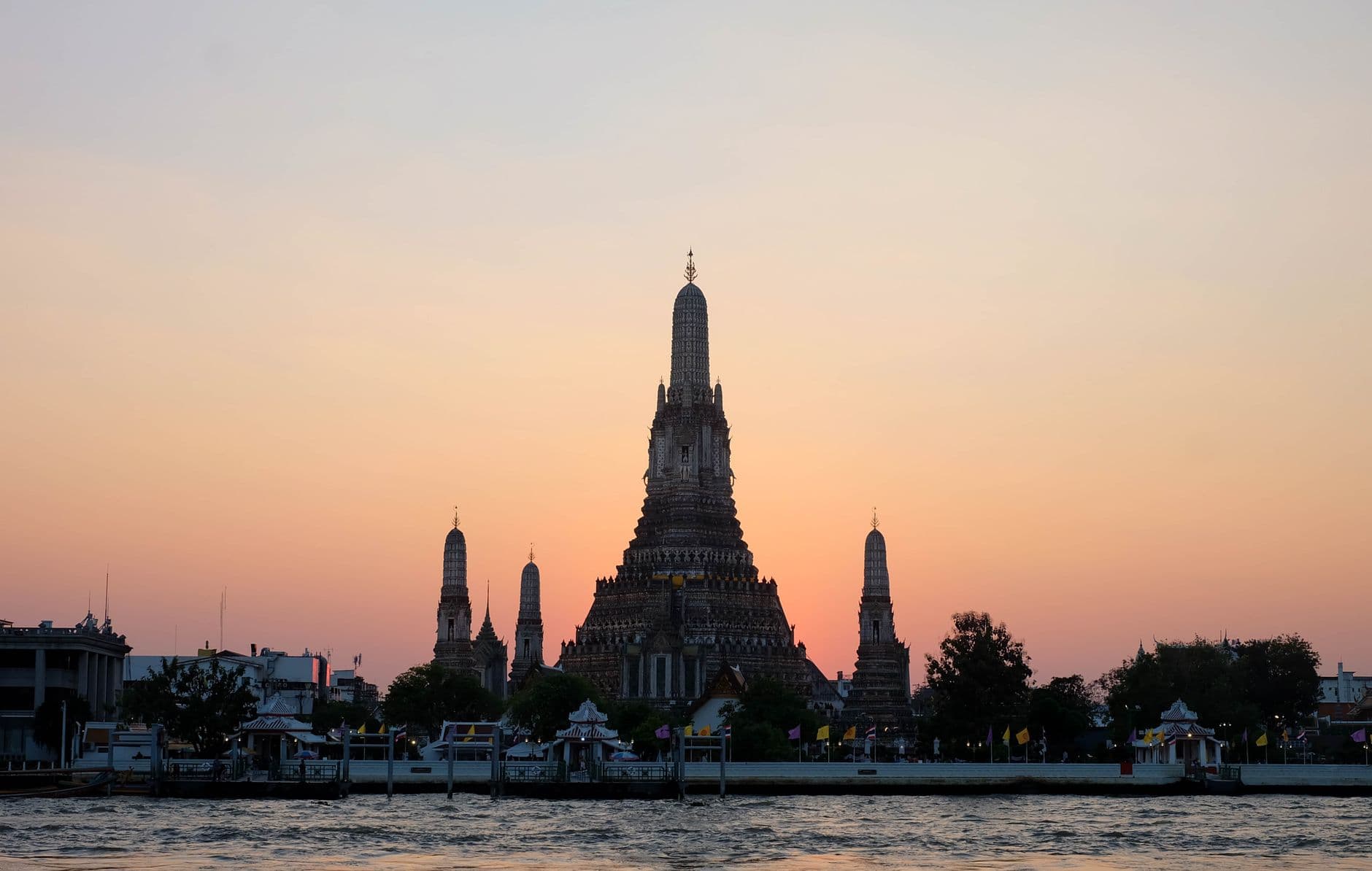
The Best Things to Do in Bangkok
From a sunrise climb up Wat Arun to a longtail through Thonburi's canals, here's a ranked case for slowing down in Bangkok — with the timing, prices, and detours that make each stop worth the extra hour.