The Complete Guide to Bangkok: What to See, Do & Eat
Bangkok in the Heat: Temples, Tuk-Tuks, and a City That Refuses to Idle
Bangkok does not ease you in. Step off the BTS at Saphan Taksin and you're immediately negotiating a river pier, a noodle cart, and a monk collecting alms, all within about 50 meters of each other. This is a city of roughly 10 million people stacked into a grid of khlongs, expressways, and soi (side streets) that seem to fold back on themselves, and it rewards travelers who move fast and eat often. Between the gold-leafed spires of the Grand Palace and the neon churn of Sukhumvit, Bangkok packs more contrast per square kilometer than almost anywhere else in Southeast Asia.
Bangkok Quick Facts
Mango Season and Monsoon Countdown: Bangkok's Spring Weather
Spring in Bangkok is not the gentle season the word implies elsewhere. From March through May, daytime temperatures typically climb to 34-38°C (93-100°F), and humidity makes the air feel a few degrees hotter still. This is officially the hot season, and it's also mango season, when street stalls pile up ripe fruit for khao niew mamuang, the classic mango sticky rice dessert.
Mid-April brings Songkran, Thailand's water festival marking the traditional New Year, typically held April 13-15. Streets around Khao San Road and Silom turn into citywide water fights, and many shops and government offices close for part of the holiday, so plan around it rather than through it if you need banks or embassies open. By late April and into May, afternoon thunderstorms start rolling in, usually between 3pm and 6pm, cooling the air briefly before the humidity returns. Early starts — museums and temples by 8am, indoor malls or a pool by 1pm — are the only realistic way to handle the heat, and light, breathable layers matter more here than almost any other packing decision; the guide to essential packing for Southeast Asia covers what actually holds up in this climate.
Cordelie travel advisors
Planning Bangkok? Go with someone who knows
The right suite, the right season, the reservations that never appear online — your Cordelie advisor knows them, and holds them for you.
Plan with a Cordelie advisorFree to ask. Cordelie Travel Services · IATA/ARC 06649064
From the Grand Palace to Rooftop Sunsets: What to Actually Do in Bangkok
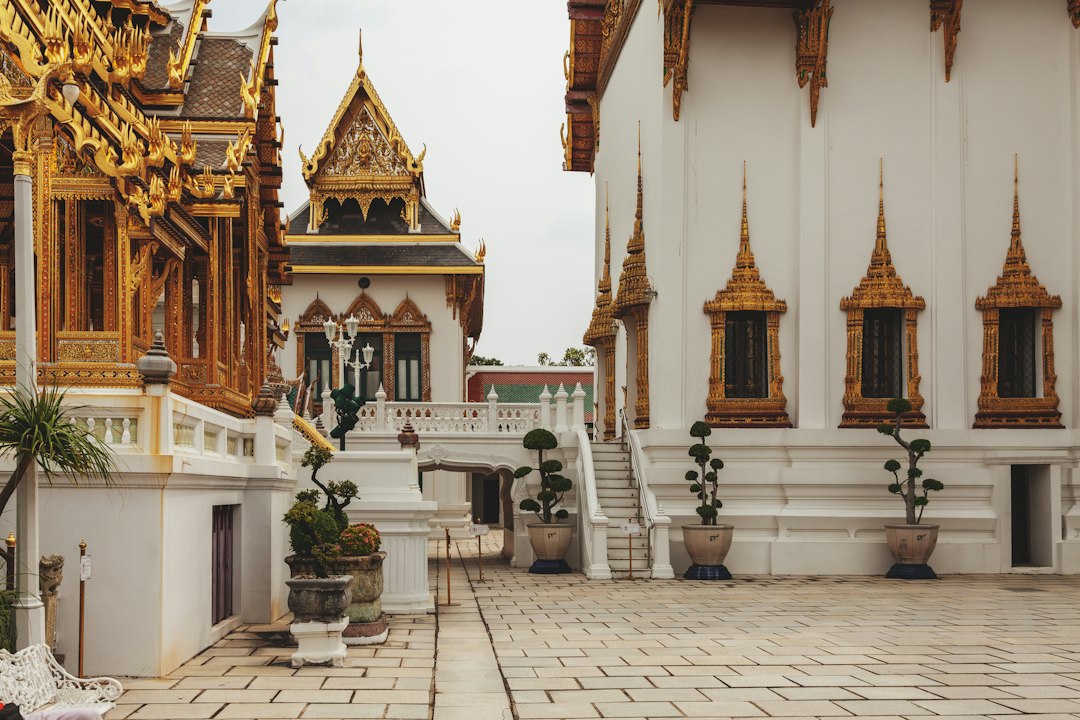
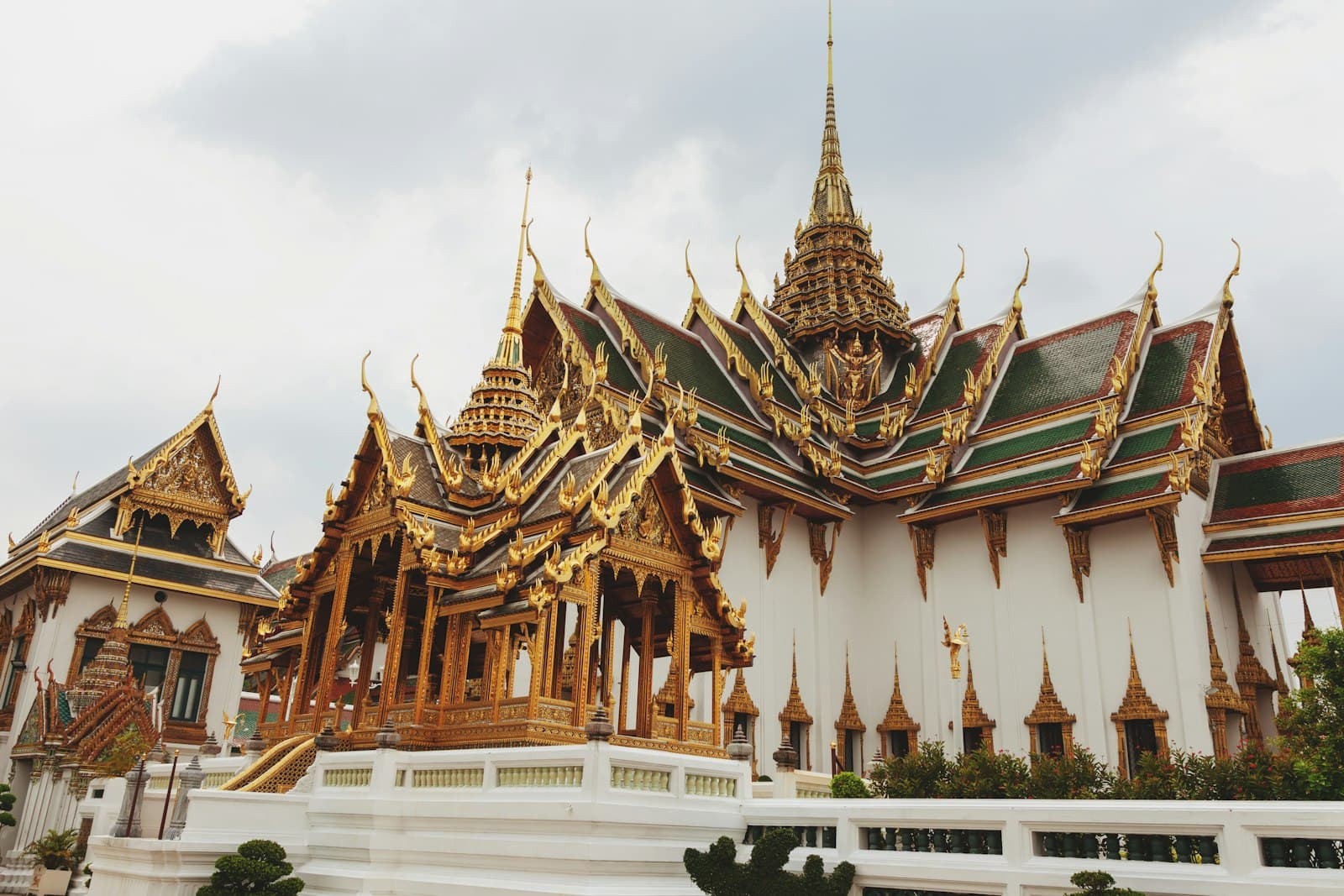
The Grand Palace and its adjoining temple, Wat Phra Kaew — home to the revered Emerald Buddha — open daily from 8:30am to 4:30pm, with ticket sales and last entry at 3:30pm. Entry runs around 500 THB, and the dress code is strict: covered shoulders, no shorts, no flip-flops. Arrive by 8am if you want photos without a wall of tour groups; by 10am the courtyards are packed.
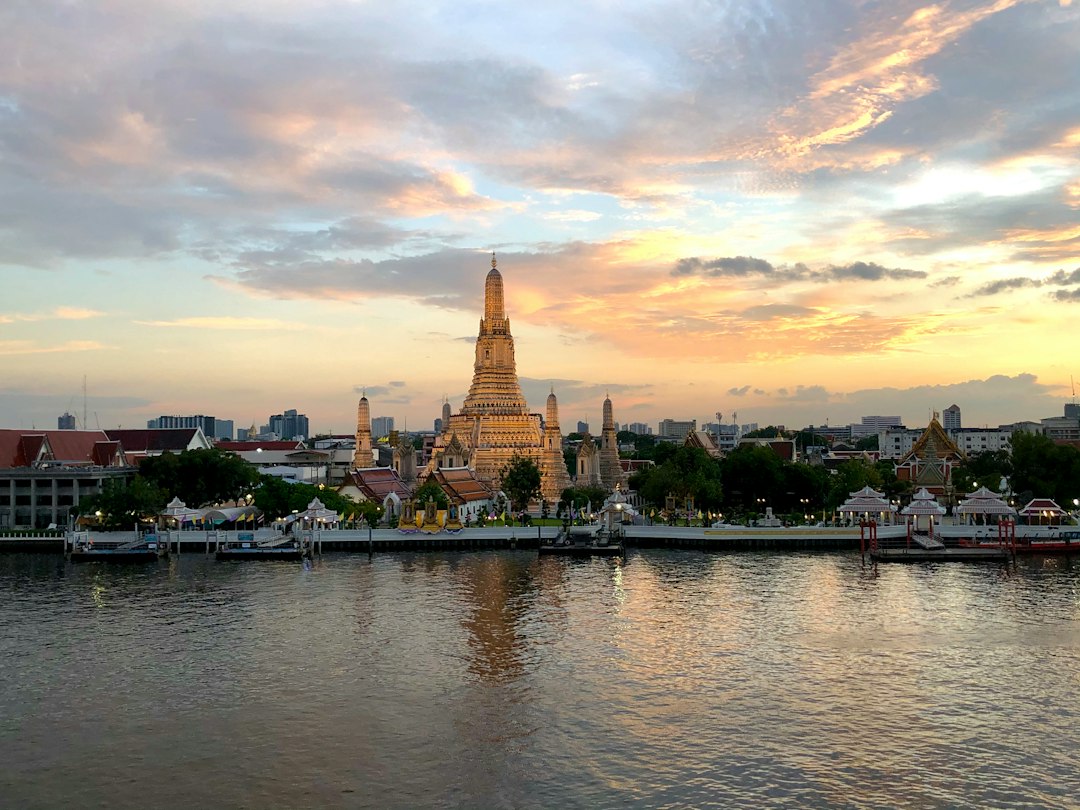
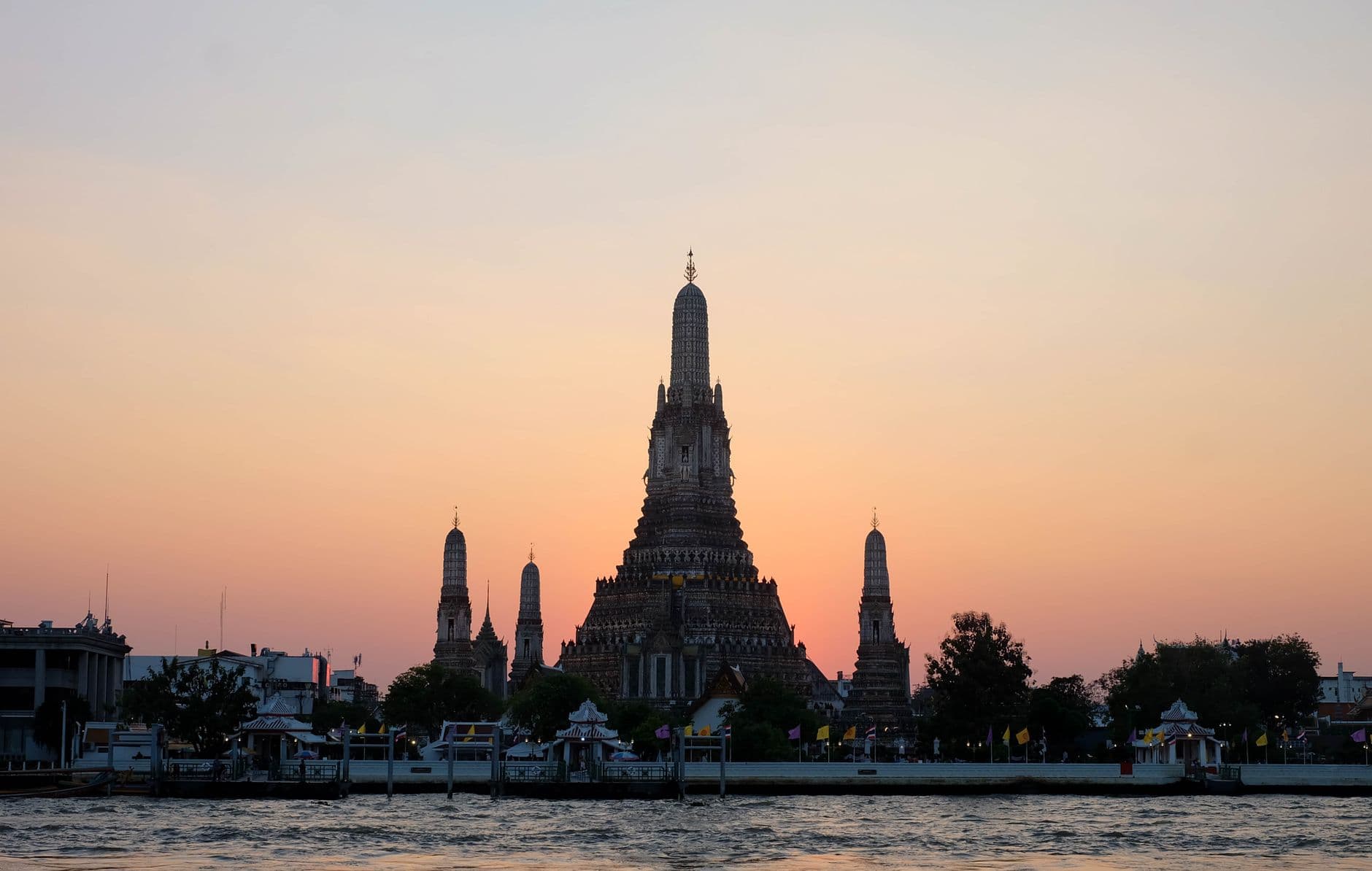
Just south, Wat Pho houses the 46-meter reclining Buddha (entry around 300 THB), and across the river, Wat Arun's ceramic-encrusted spires are worth the short ferry hop from Tha Tien pier — the crossing costs a few baht and takes about two minutes. Weekends belong to Chatuchak Market, a sprawling maze of stalls open Saturday and Sunday mornings through early evening; wear closed shoes and budget at least three hours if you want to see more than a fraction of it. As evening settles, Chinatown's Yaowarat Road turns into an open-air kitchen of grilled seafood and stir-fried noodles, and the rooftop bars at Lebua State Tower and Banyan Tree Bangkok offer sweeping views for a sunset cocktail, though most enforce a smart-casual dress code and a minimum spend. For a fuller rundown of what's worth your limited hours, the best things to do in Bangkok breaks down priorities by neighborhood.
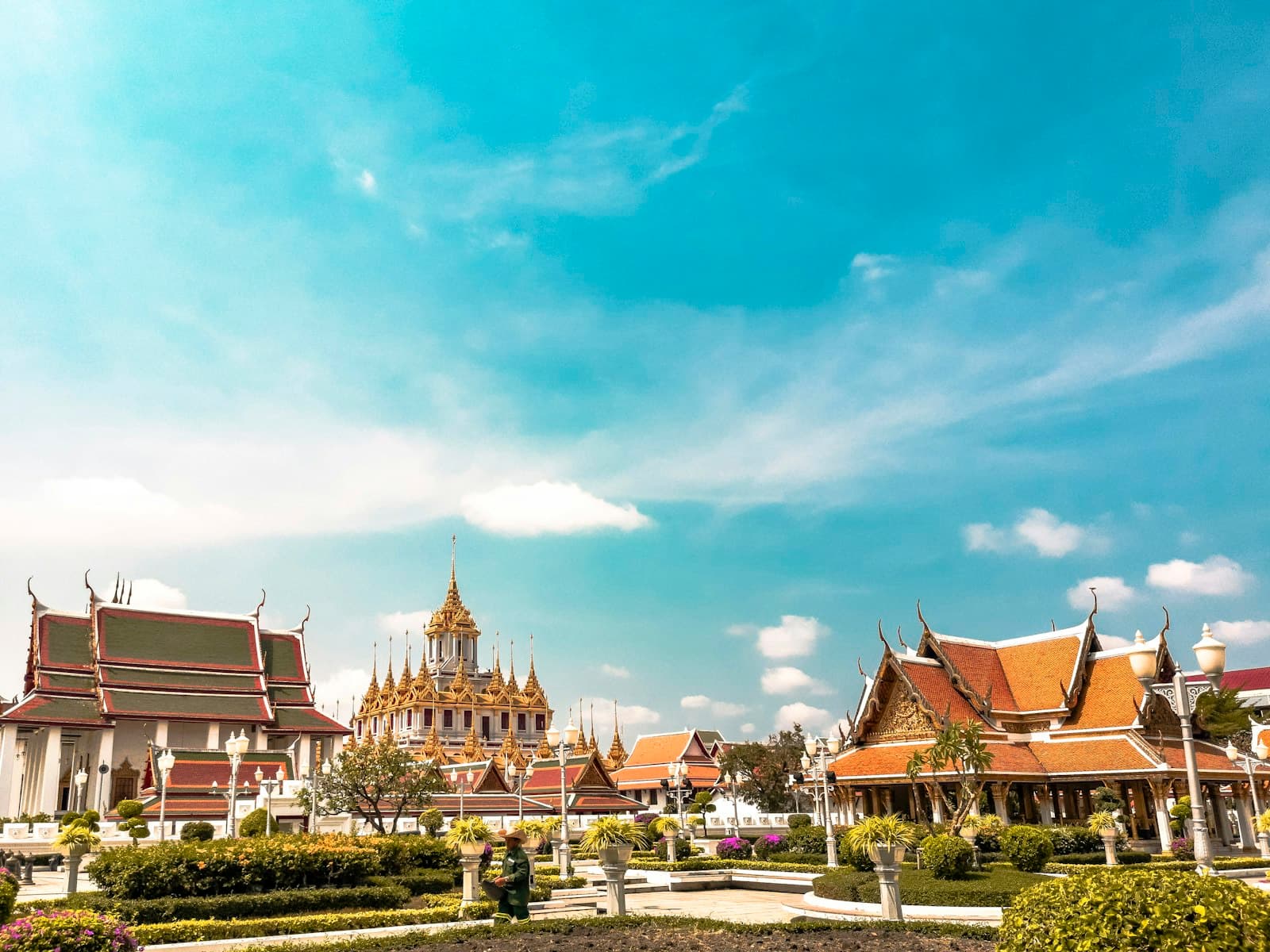
Bangkok's Landmarks in Focus
Riverside Luxury to Backpacker Sois: Choosing Your Bangkok Base
Budget travelers gravitate toward the Old City and Sukhumvit, where hostels like Lub d Bangkok Siam and Sam Sen Street run dorm beds from roughly $12-20 a night and private rooms from about $35. Mid-range travelers often do better on the river: the Riva Surya Bangkok sits a short walk from Wat Arun's ferry pier, with rooms typically $80-140 a night, giving you temple access without a single tuk-tuk ride.
For a base with nightlife and shopping at the door, Sukhumvit's stretch between Asok and Thonglor puts you steps from BTS stations and Thai restaurants that don't cater to tour buses. At the top end, the Mandarin Oriental Bangkok and The Peninsula Bangkok both sit directly on the Chao Phraya, with rooms generally starting around $350-500 a night and private longtail boat transfers included — a genuine advantage in a city where river traffic often beats road traffic.
Pad Thai, Papaya Salad, and the Etiquette Behind the Thai Table
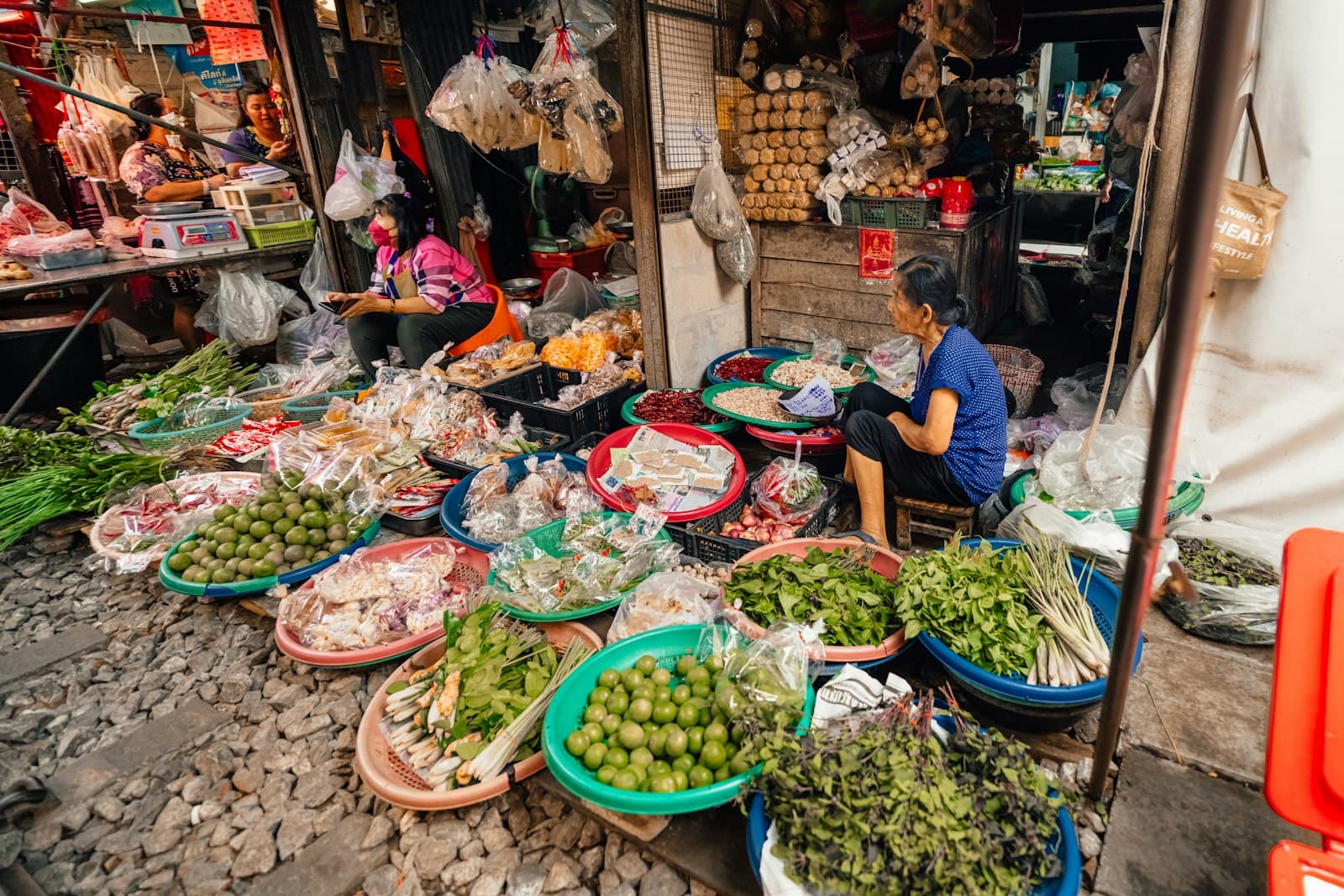
Eating in Bangkok is less about restaurants and more about knowing which stall to queue for. Thipsamai on Maha Chai Road has served pad thai wrapped in a thin egg omelet since the 1960s and still draws a line most evenings; expect to pay 60-100 THB a plate. Krua Apsorn near the Old City is a lunchtime favorite for crab curry and stir-fried morning glory, while Jay Fai, the Michelin-starred street stall famous for her crab omelette, charges upward of 1,000 THB a dish and typically has a queue forming well before opening — go early or accept the wait.
For a wider tour of what to order beyond the obvious, the guide to Bangkok street food runs through fifteen dishes worth hunting down, from boat noodles to grilled banana leaf-wrapped fish. At temples, remove shoes before entering any building, keep shoulders and knees covered, and never point your feet toward a Buddha image or a monk. The traditional Thai greeting — palms together at chest height in a slight bow, called a wai — is worth returning, especially with hotel staff and elders, and it costs you nothing but a moment's attention.
“Mai pen rai — it's alright, don't worry about it — is less a phrase than the operating philosophy of the whole city.”
Skytrain, River Boats, and Grab: Moving Through Bangkok Without Losing Your Afternoon
Bangkok's BTS Skytrain and MRT subway cover most tourist territory and cost between 17 and 62 THB per ride depending on distance; a one-day BTS pass runs around 150 THB and pays for itself after four or five rides. The Chao Phraya Express Boat, marked by colored pier flags, charges roughly 15-40 THB and often beats road traffic between the Old City and Sathorn, especially during the afternoon rain that arrives most days from late April onward.
Tuk-tuks are more theater than transport at this point — agree a price before you climb in, expect 100-300 THB for a short hop, and know that a metered taxi via the Grab app is usually cheaper for the same distance. Traffic on the road network can turn a 3-kilometer trip into a 40-minute ordeal, so building your day around BTS stations and river piers, rather than street addresses, will save you real time. Given the heat, pack accordingly — the packing tips for Southeast Asia guide has specific advice on fabrics and footwear that survive both the humidity and the temple dress codes.
Three Days, Three Faces of Bangkok: A Sample Itinerary
Old City Temples and Chinatown by Night
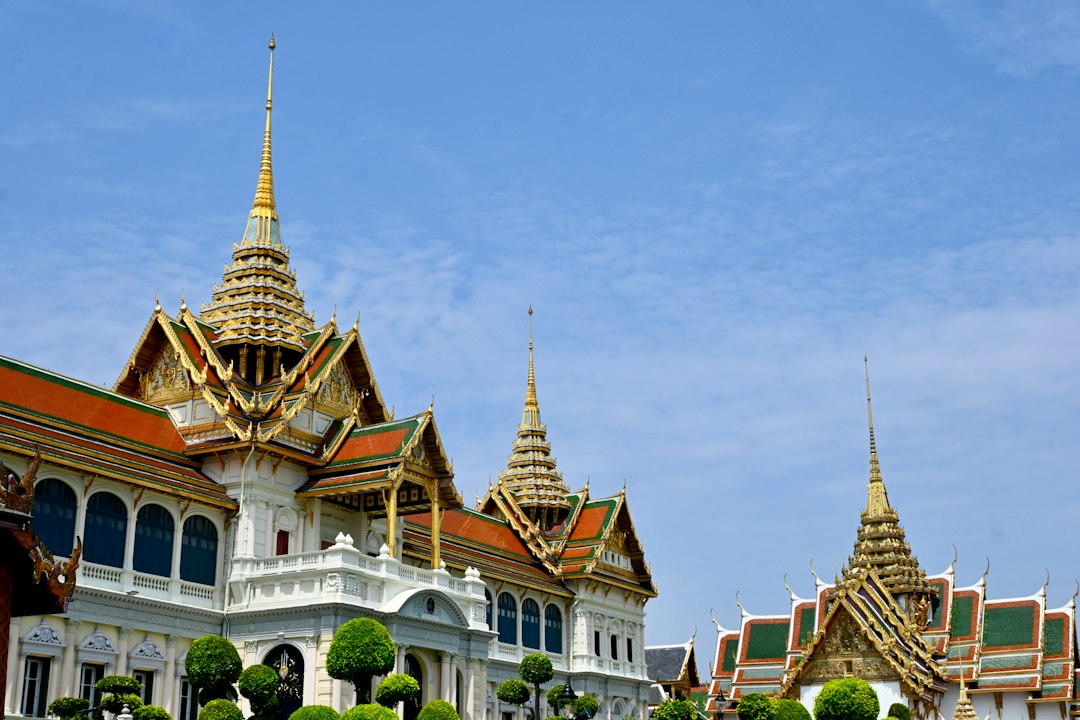
Start at the Grand Palace by 8am, before the heat and the tour buses build; budget two hours for the palace grounds and Wat Phra Kaew. Walk ten minutes to Wat Pho for the reclining Buddha, then take the ferry from Tha Tien pier across to Wat Arun for close-up views of the mosaic-covered prang.
Break for lunch at Krua Apsorn before the midday sun peaks, then rest indoors through the hottest hours. As evening falls, head to Yaowarat Road in Chinatown for grilled seafood, roast duck, and mango sticky rice stalls that stay busy until around 11pm.
Canals, Markets, and a Skyline Sunset
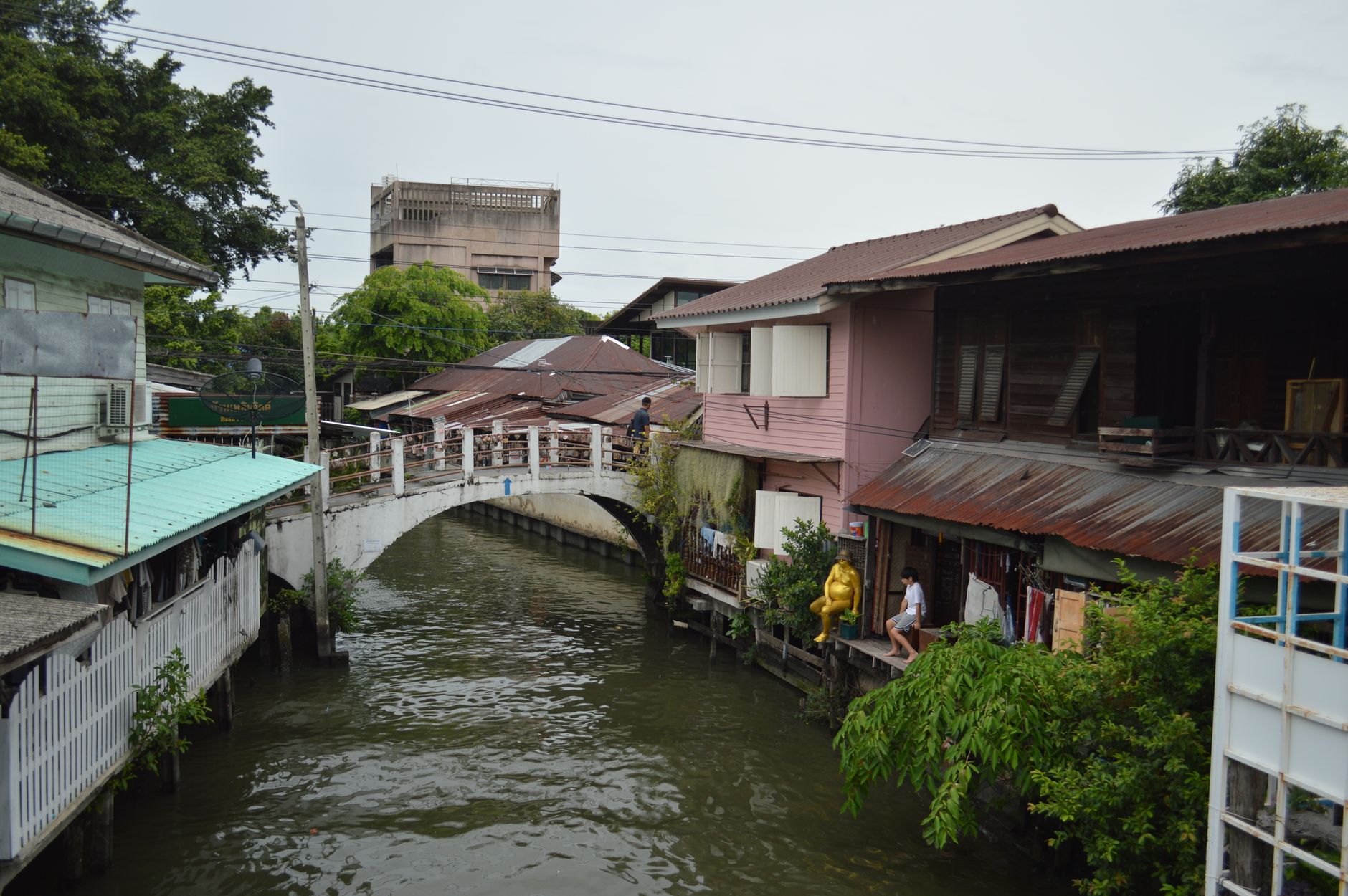
Book a morning longtail boat tour into the Thonburi canals — most operators run two-hour trips from around 1,000-1,500 THB per boat, passing wooden stilt houses and a floating market stop. If it falls on a weekend, swap the boat for Chatuchak Market instead, timing your visit for morning before the heat and crowds peak.
In the afternoon, cool off at ICONSIAM on the riverfront, then ride the free shuttle boat back toward Sathorn. Close the day with a sunset drink at a rooftop bar such as Lebua's Sky Bar, where the view stretches over the bend of the Chao Phraya.
Local Rhythms: Parks, Silk, and a Farewell River Dinner
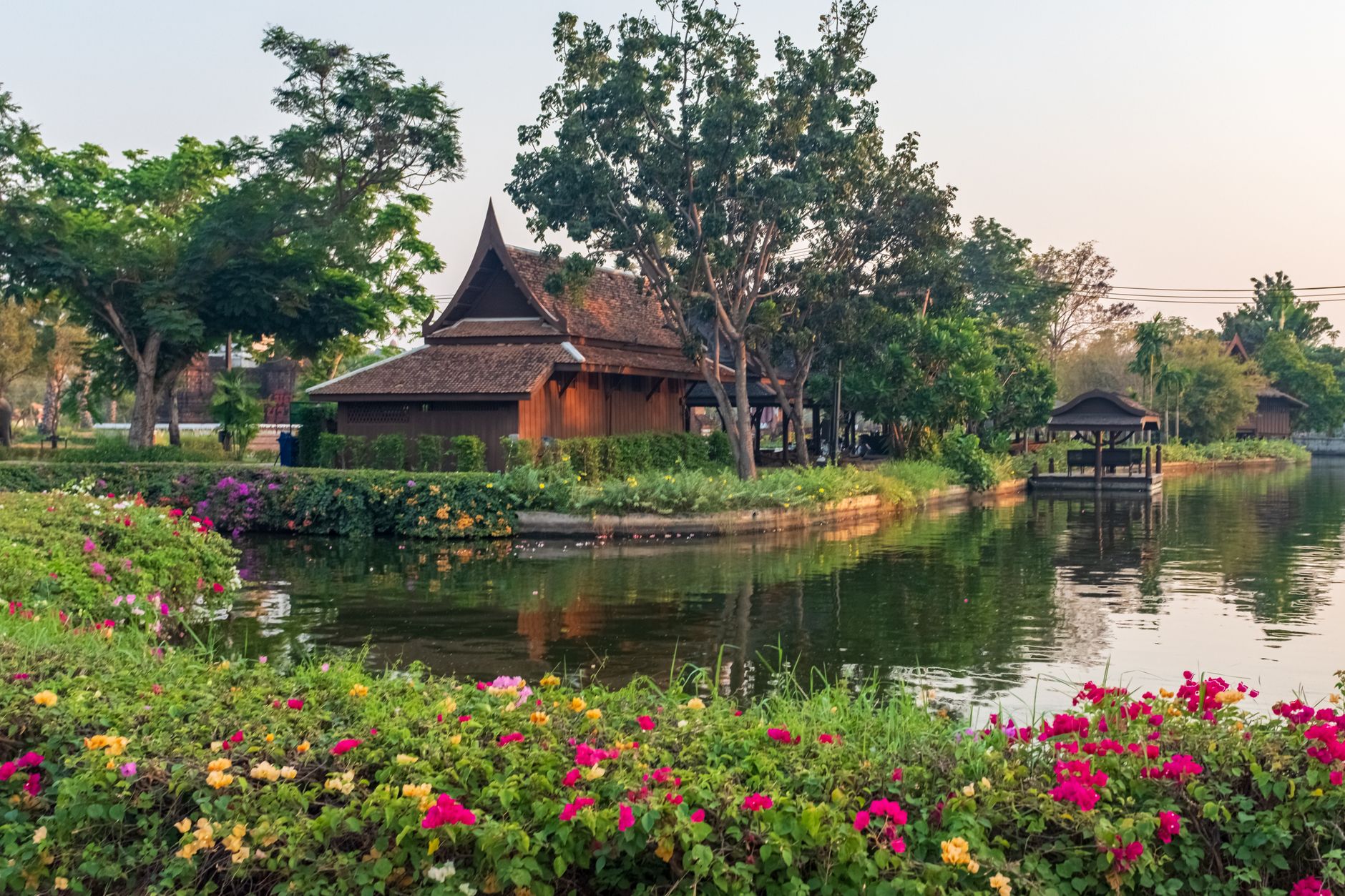
Beat the heat with an early walk through Lumpini Park, where locals practice tai chi and joggers loop the lake before 8am. From there, visit the Jim Thompson House, a teak silk merchant's home turned museum, with guided tours roughly every 30 minutes for around 200 THB.
Spend the afternoon at a hands-on Thai cooking class — several operate out of Sukhumvit and typically run three to four hours for $35-55 including a market visit. Finish with a dinner cruise along the Chao Phraya, watching the illuminated temples slide past as your trip in the city winds down.
A well-timed Bangkok itinerary is less about seeing more and more about seeing the right things before the crowds and the heat arrive. A Cordelie travel advisor can arrange early, small-group access to the Grand Palace ahead of public opening, secure a private longtail boat through the Thonburi canals timed around the tides, and build in a riverside suite with the kind of transfer service that turns Bangkok's traffic into someone else's problem.
Let a Cordelie advisor craft your perfect Bangkok trip — one shaped around the season you're traveling in, the pace you actually want, and the details that only come from having done it before.
Bangkok At a Glance
An intense, rewarding city best tackled in short, well-timed bursts rather than long midday marches.
Bangkok delivers on scale: temples, food, and river life within a compact, if traffic-choked, footprint. Spring visitors get mango season and Songkran but trade it for serious heat, so plan around the mornings and evenings.
Two to four days is enough to hit the highlights properly; longer stays reward those who venture into Thonburi's canals and Chinatown's back streets rather than sticking to the malls.
Last checked for accuracy: . How we check

Marcus Rivera has spent fifteen years writing about places you have to walk into. He has guided in Patagonia, reported from Kilimanjaro's quieter routes, and has strong opinions about which of them are worth the airfare. He is based in Boulder, mostly so he can leave it.
Related Articles
The Complete Guide to Bangkok: What to See, Do & Eat
Bangkok's gilded temples, river ferries, and legendary street food come with a real demand: heat, traffic, and timing that rewards planning. Here's how to see it properly.
Bangkok Quick Guide: Everything You Need to Know
Bangkok in spring is brutally hot, hazy, and surprisingly affordable. If you can handle 35°C heat, you'll find temples quieter and hotels cheaper than any other season.
The Best Things to Do in Bangkok
From a sunrise climb up Wat Arun to a longtail through Thonburi's canals, here's a ranked case for slowing down in Bangkok — with the timing, prices, and detours that make each stop worth the extra hour.