
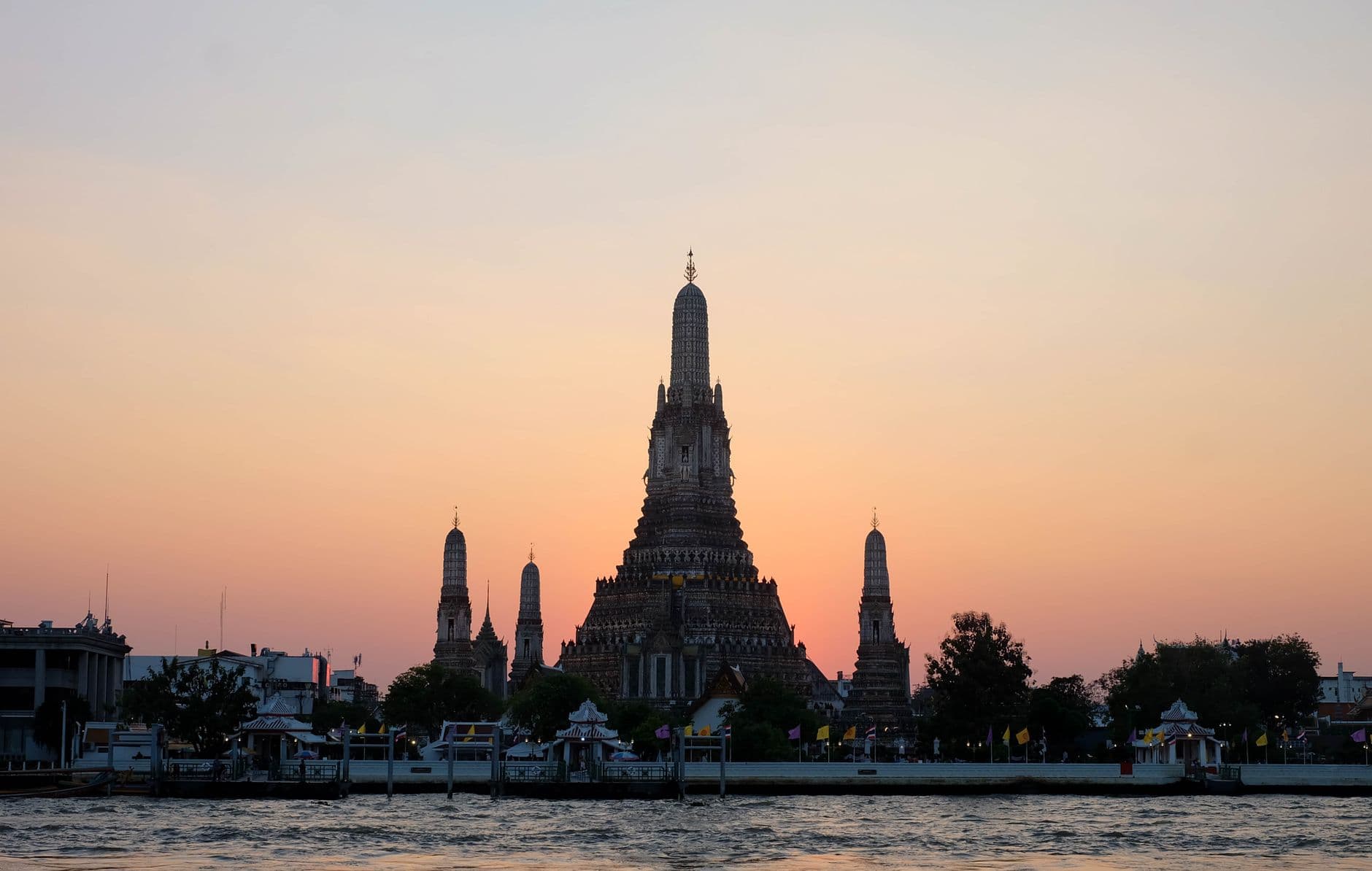
The Best Things to Do in Bangkok
The Best Things to Do in Bangkok, From the River at Dawn to the Streets After Dark
Bangkok rewards the traveler who slows down. Most visitors arrive with a checklist — Grand Palace, floating market, rooftop bar, repeat — and leave having seen the city through a taxi window. This list is built the other way: fewer stops, longer stays at each, timed to the hours when Bangkok actually shows itself. Spring here means hot season, roughly March through May, with temperatures climbing into the mid-30s Celsius by midday and the Songkran water festival breaking the heat around April 13-15. That single fact should shape your itinerary more than any guidebook ranking does.
If this is your first pass through the city, it's worth reading a general primer before you land — our
Every entry here was chosen for what it offers a visitor who has more than a single afternoon to give it — not for photogenic potential alone, but for the experience of arriving early, staying late, or returning a second time.
We weighted places where timing changes everything: a temple that transforms at sunrise, a market that only makes sense on the weekend it runs, a canal that turns golden for twenty minutes and then doesn't. Convenience mattered less than payoff.
Prices and hours below are accurate as of late 2025 hot-season conditions; always check same-day if your trip lands near a public holiday, since several sites close or shorten hours around Songkran and royal ceremonies.
Wat Arun at First Light
Thonburi's riverside spire, best seen before the crowds cross the river
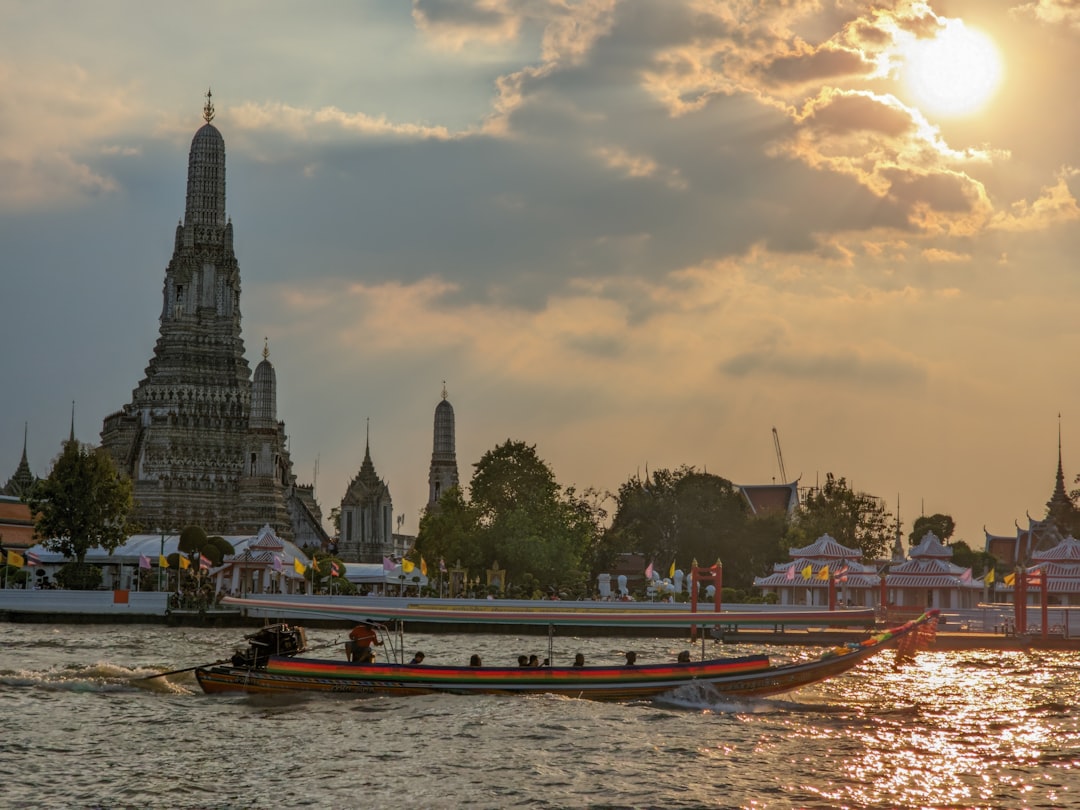
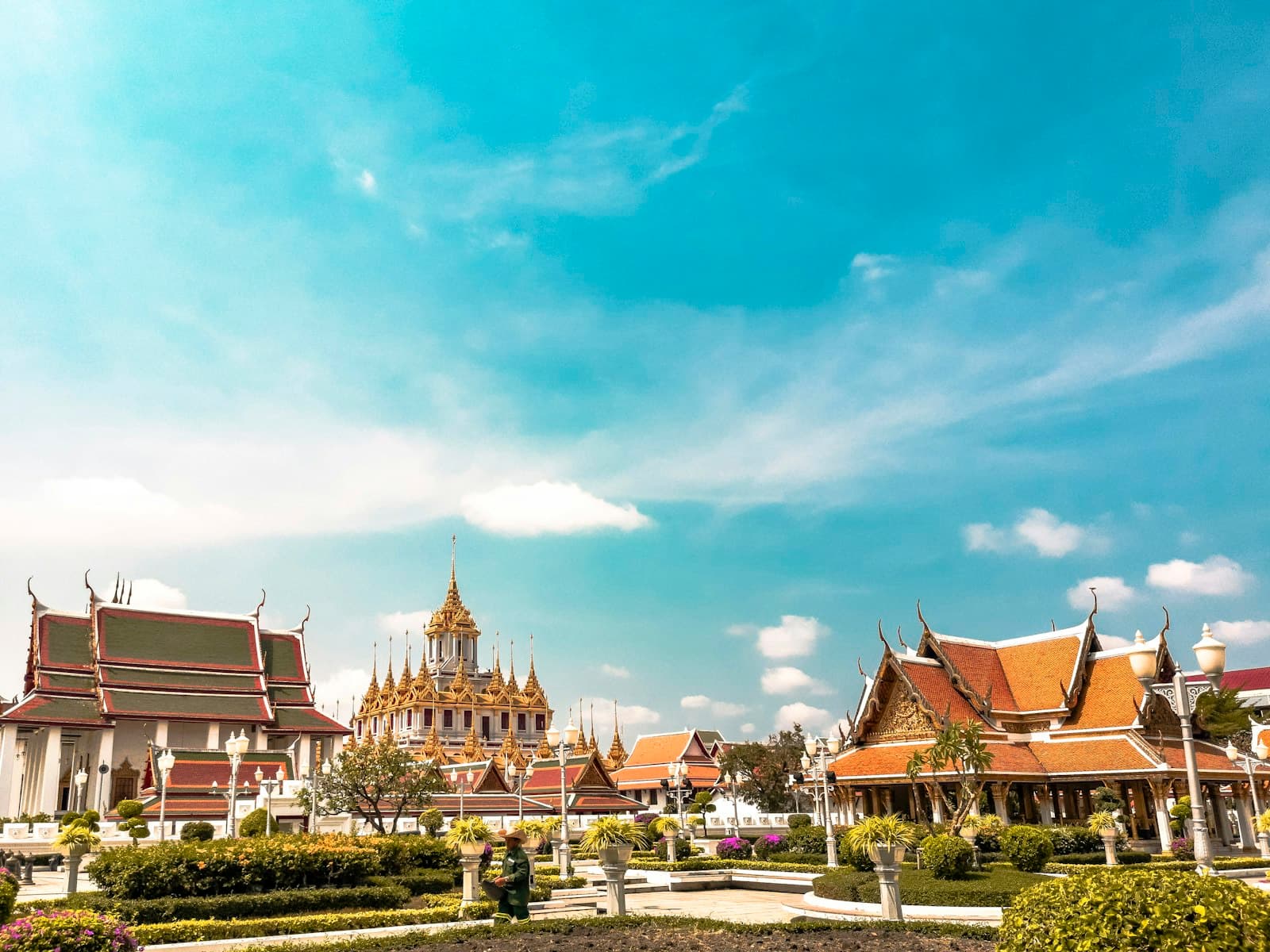
Wat Arun sits on the Thonburi side of the Chao Phraya River, directly across from the Grand Palace district, and it is the one Bangkok landmark that genuinely changes character with the hour. Arrive by 07:00, when the gates open, and you'll have the porcelain-encrusted prang almost to yourself, with the river mist still sitting low over the water.
The central spire rises about 70 meters and is covered in fragments of Chinese porcelain, a decorative technique that dates to the temple's major renovation under King Rama II and Rama III in the early 19th century. You can climb partway up steep steps to a mid-level terrace for a river view that most day-trippers never get, since the heat and crowds by 10:00 push most visitors back toward the cross-river ferry before they try.
Cross from Tha Tien pier on the Grand Palace side for about 5 baht (a few minutes by longtail ferry) rather than looping around by road — it's faster and it's the same crossing locals use for the morning commute.
A Full Weekend Morning at Chatuchak Market
Fifteen thousand stalls, and no way to see them all in one visit
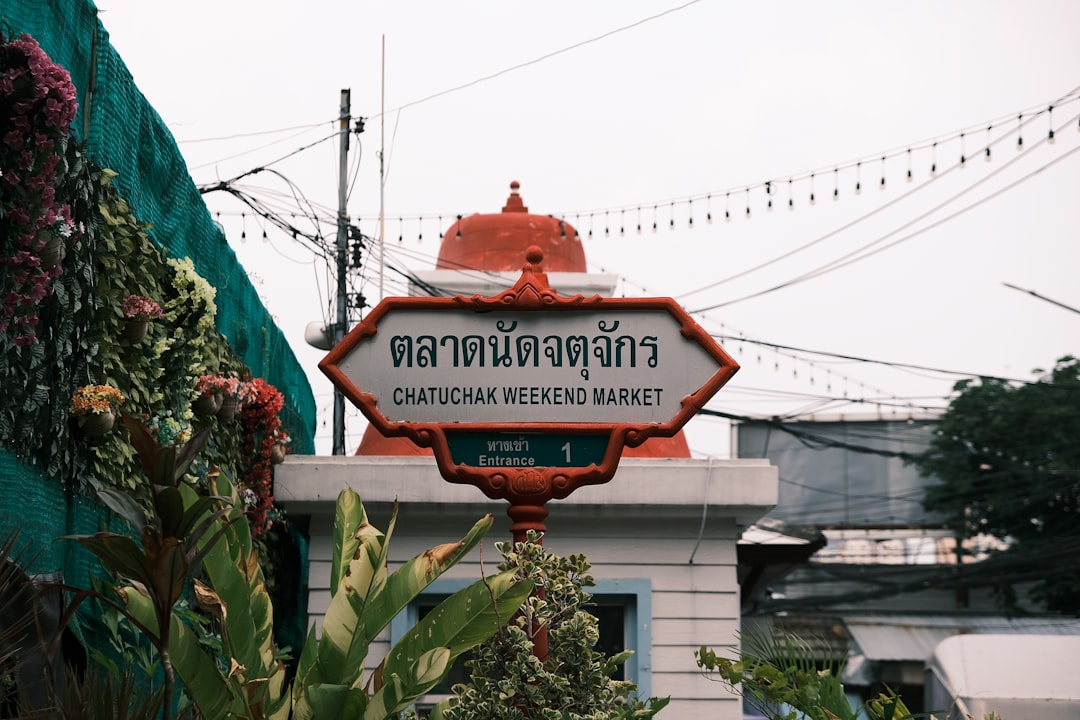
Chatuchak, in northern Bangkok near the Mo Chit BTS and Kamphaeng Phet MRT stations, only runs Saturdays and Sundays, roughly 09:00 to 18:00, and treating it as a two-hour stop is the most common mistake visitors make. The market sprawls across numbered sections selling everything from vintage Thai film posters to teak furniture to secondhand Levi's, and it genuinely takes the better part of a morning to get your bearings.
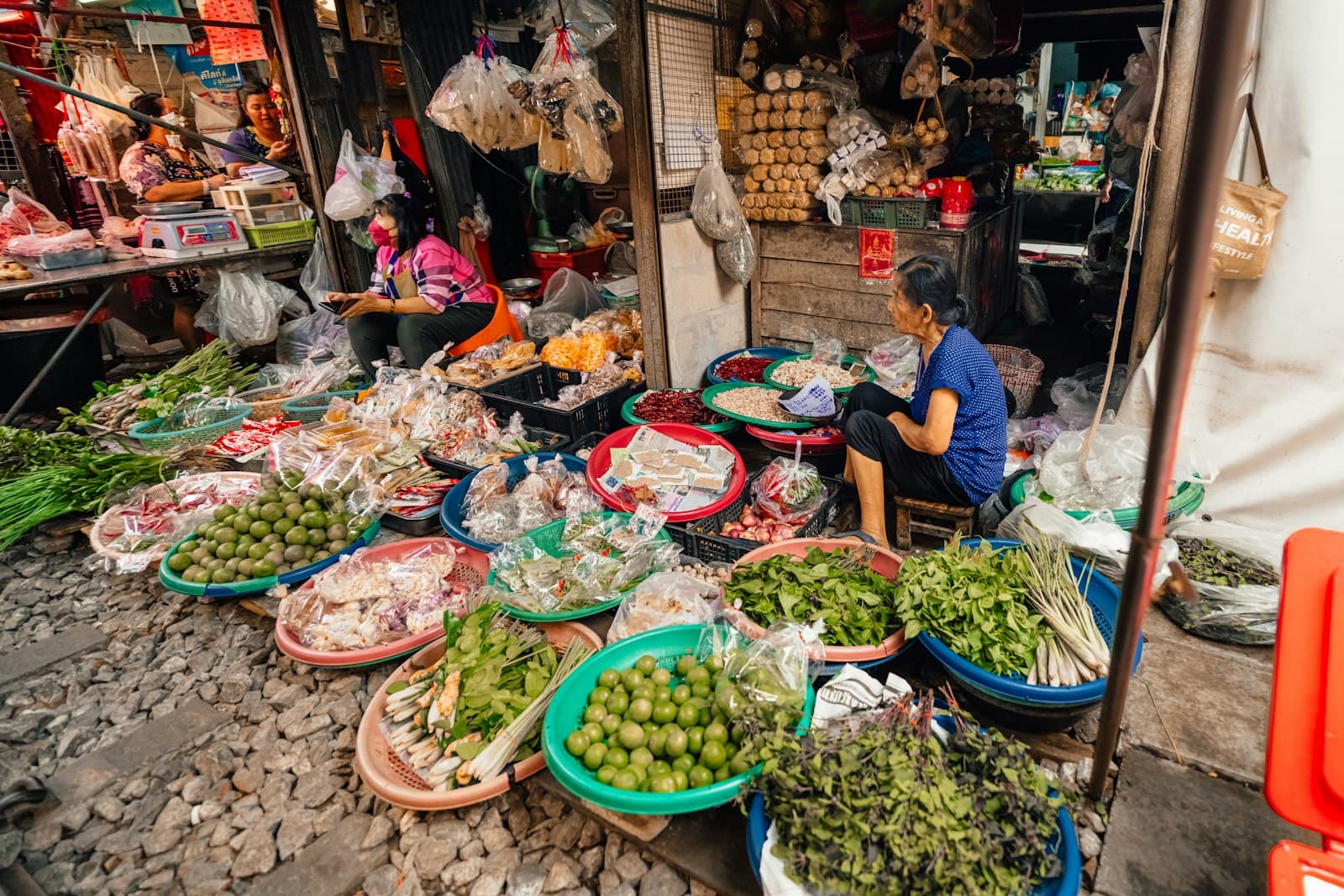
Go early, before 10:00, both for the temperature and because vendors are still setting up and happy to talk. Section 7 and 8 are strongest for handmade crafts and ceramics; Section 2 leans toward home décor; the food stalls scattered throughout sell some of the best mango sticky rice in the city for 50-80 baht a plate.
Budget at least three hours, ideally with a break at one of the market's air-conditioned cafés around midday when the heat peaks — this is hot season, and the covered walkways only help so much.
The Grand Palace and Wat Phra Kaew, Timed Right
Bangkok's ceremonial heart, best tackled at opening
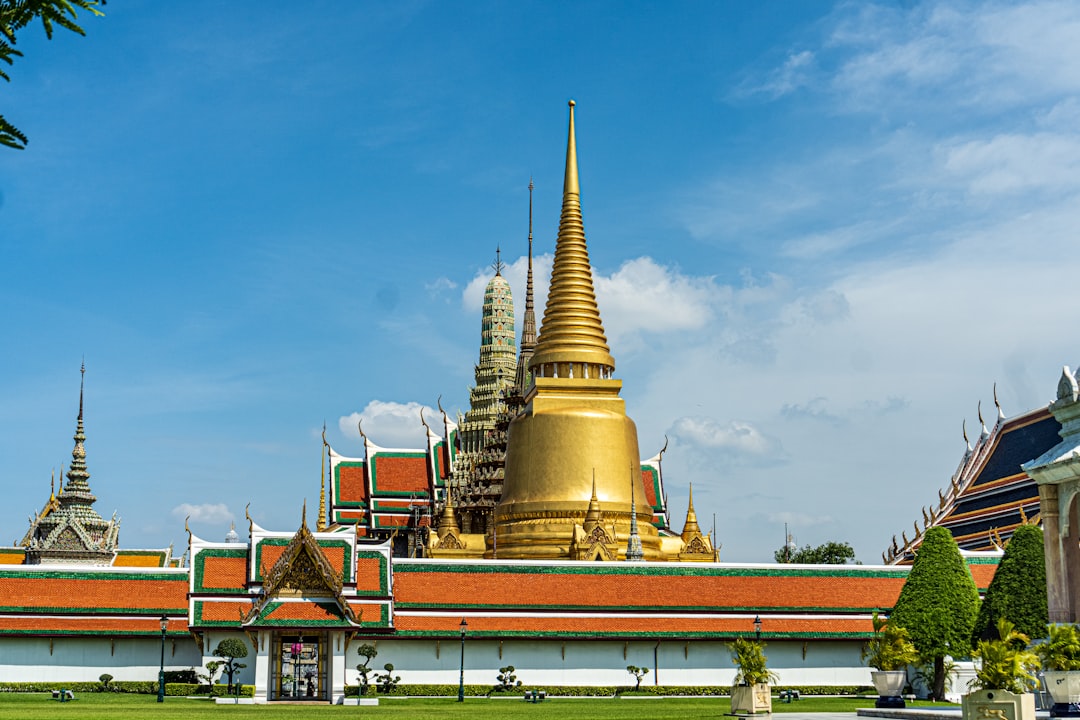
The Grand Palace complex, on Na Phra Lan Road facing the river, has served as the official residence of Thai kings since 1782 and still hosts state ceremonies, which is why parts close without notice on royal occasions. Inside its walls sits Wat Phra Kaew, the Temple of the Emerald Buddha — the small, jade-green figure enshrined here is Thailand's most sacred Buddha image, and photography of the statue itself isn't permitted.
Doors open at 08:30 and the site gets genuinely uncomfortable by midday in hot season, both from heat and from tour-bus volume, so arriving right at opening is the single best piece of advice anyone can give you. Dress rules are strict and enforced at the gate: covered shoulders and knees for everyone, no sandals with no back strap. Sarongs are available to borrow at the entrance if you arrive underdressed, but it costs you time in line.
Entry runs about 500 baht (late 2025), and that ticket also covers a couple of nearby attractions, including the Coin and Decorations Museum inside the same grounds.
A Longtail Boat Through the Thonburi Khlongs
The Bangkok that predates the skyscrapers, still running on canal time
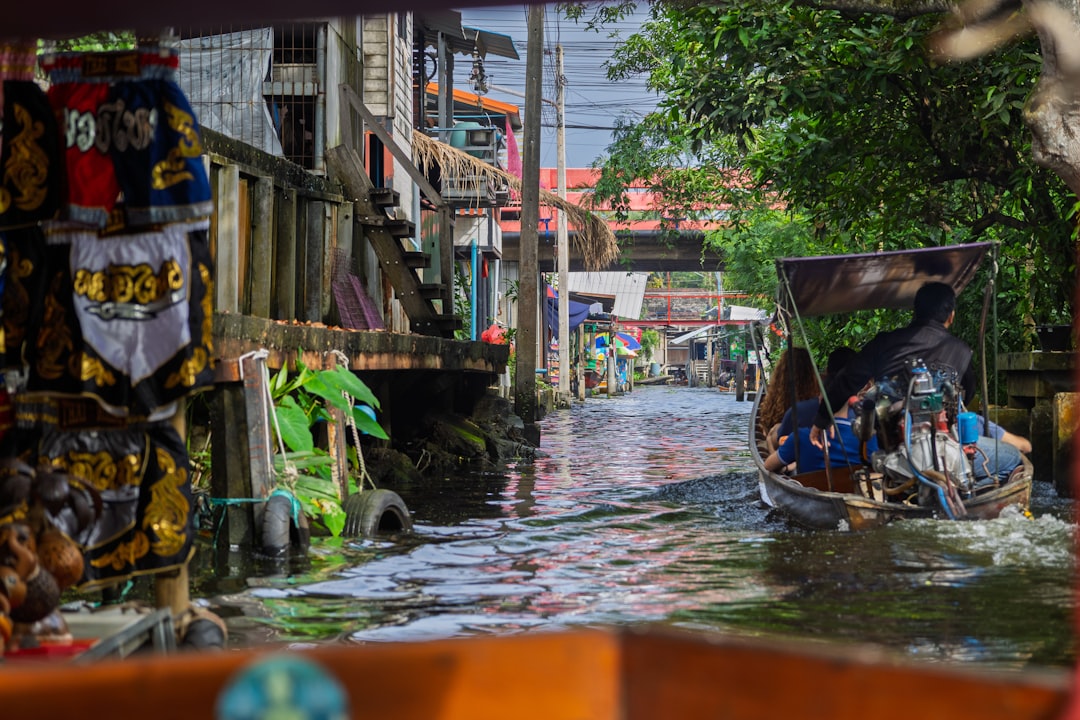
Before Bangkok built roads, it moved by water, and the khlongs — canals — on the Thonburi side still carry that older city intact. Hire a longtail boat from a pier near Wat Arun or Tha Tien, split the cost among three or four people, and spend 60-90 minutes weaving past wooden stilt houses, small canal-side temples, and the occasional monk collecting morning alms by boat.
Khlong Bangkok Noi and Khlong Mon are the two routes most operators run, and both pass Wat Sai and quieter residential stretches that feel a world away from Sukhumvit or Silom. Expect to pay roughly 1,000-1,500 baht for a private boat for up to six people for an hour, negotiated at the pier rather than booked online — this is one of the few Bangkok experiences still priced by conversation.
Go mid-morning rather than midday; the light on the water is better and the heat hasn't yet made an open boat unbearable.
Jim Thompson House and the Story of Thai Silk
A teak compound, a vanished American, and one of Bangkok's best small museums
Jim Thompson House, tucked down a lane off Rama I Road near the National Stadium BTS station, is six traditional teak buildings that the American businessman assembled from around Thailand in the 1950s and joined into a single home. Thompson is credited with reviving the Thai silk industry into an internationally recognized export, and then, in 1967, disappeared without explanation on a walk in Malaysia's Cameron Highlands — a mystery the museum doesn't try to resolve for you.
The compound sits on a canal opposite what was once a weaving community, and the guided tour (included in the ticket, running every 20-30 minutes) covers Thompson's Asian art collection, the house's construction, and the silk trade itself. It takes about 45 minutes to an hour, and the garden alone is worth lingering in afterward — dense, shaded, and quiet in a way that's rare this close to Bangkok's traffic.
Entry runs about 200 baht for adults, and there's a solid on-site café for a break before you head back into the heat.
Cordelie travel advisors
Planning Bangkok? Go with someone who knows
The right suite, the right season, the reservations that never appear online — your Cordelie advisor knows them, and holds them for you.
Plan with a Cordelie advisorFree to ask. Cordelie Travel Services · IATA/ARC 06649064
A Night Crawl Through Yaowarat, Bangkok's Chinatown
Where dinner happens on the sidewalk, from dusk until well past midnight
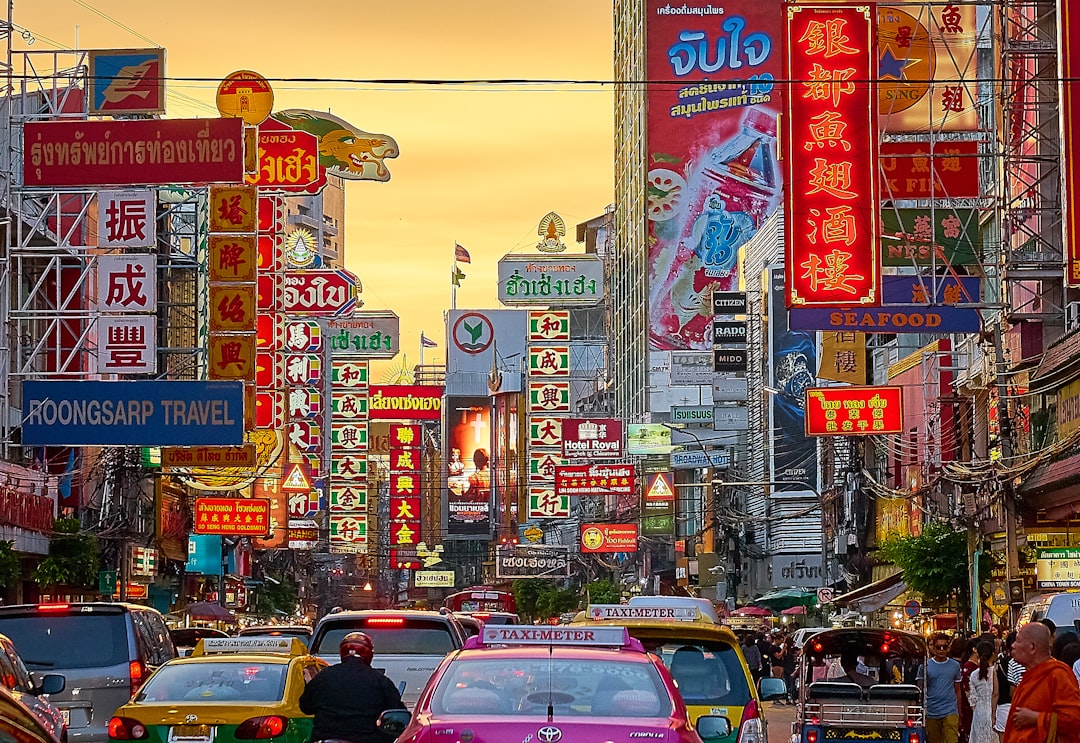
Yaowarat Road lights up around 18:00 and doesn't really stop until 02:00, when the last noodle carts finally pack up. This is Bangkok's Chinatown, dense with gold shops, Chinese medicine halls, and, above all, food stalls that have been run by the same families for generations. Skip the sit-down restaurants along the main strip and follow the side alleys instead — Soi Texas, off the main road near the Odeon Circle roundabout, is where the grilled seafood stalls cluster.
T&K Seafood, on the corner facing the Odeon arch, is the best-known stop and gets a queue by 19:00, but the crab and prawns are worth the 20-minute wait. For something quieter, Nay Hong on Soi Phadungdao does a single dish — stir-fried mussels in a crispy egg batter — that's been the neighborhood's late-night fixture for decades.
If you want the full landscape of what to order before you go, our guide to Bangkok's essential street food dishes is worth reading on the flight over, since Yaowarat is where several of those dishes originate.
Wat Pho's Reclining Buddha, Followed by a Real Thai Massage
The temple that trained the country's massage tradition, still teaching it
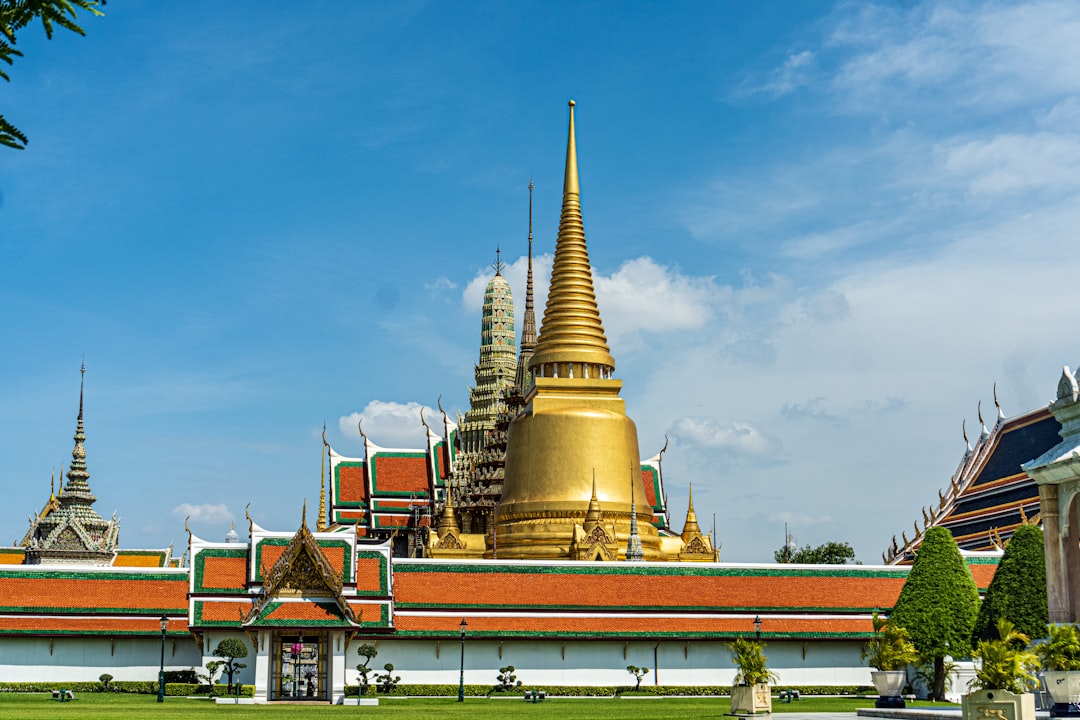
Wat Pho, a short walk south of the Grand Palace, houses a reclining Buddha statue 46 meters long and 15 meters high, covered in gold leaf, with mother-of-pearl inlay on the soles of its feet depicting 108 auspicious symbols. The scale is disorienting in the low-ceilinged hall built specifically to contain it — you end up walking its length rather than viewing it as a single frame.
What makes Wat Pho more than a photo stop is that it's also the traditional home of Thai massage instruction; the temple has trained practitioners here for generations, and its on-site massage school still runs public treatments in a separate pavilion within the grounds. A one-hour traditional Thai massage runs roughly 480-500 baht, foot massage a bit less, and booking a slot after your temple visit rather than before means you leave relaxed rather than rushing off to the next stop.
Entry to the temple grounds is about 200 baht and includes a bottle of water — a small, practical touch that matters more than it sounds like in hot season.
Sunset from a Rooftop Bar Over the Chao Phraya
The skyline view that photographs poorly and feels magnificent in person
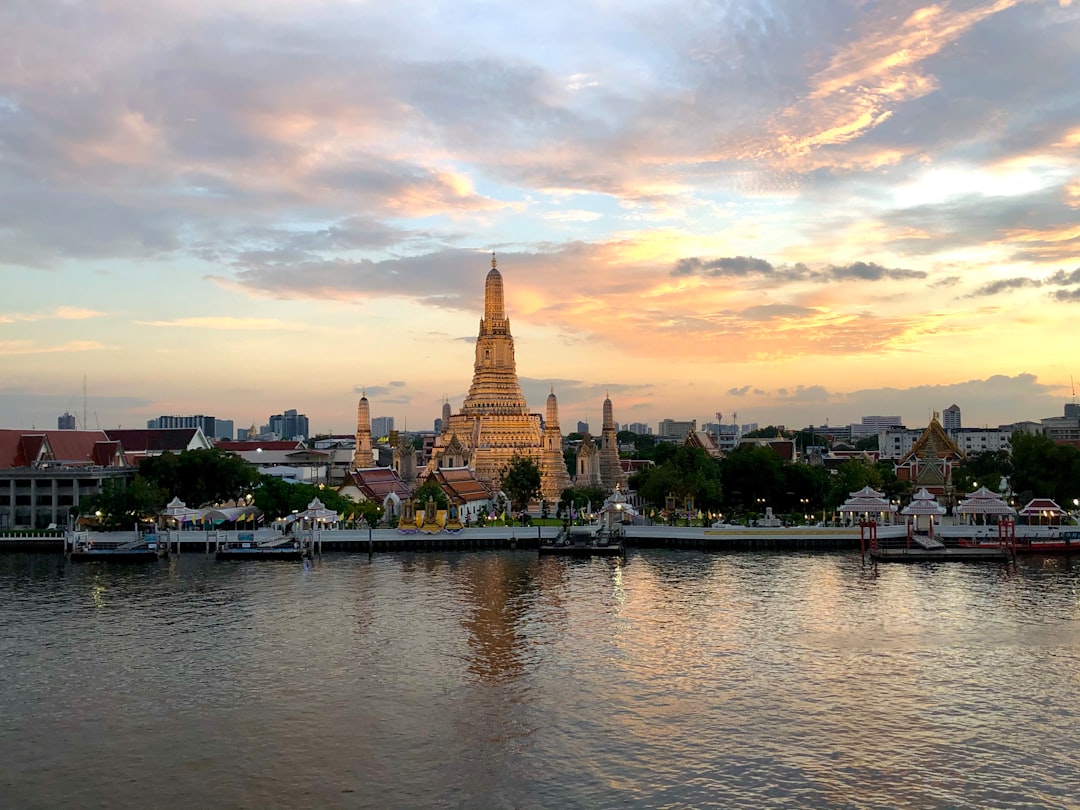
Bangkok's rooftop bars get mocked for being overpriced and over-photographed, and some are — but the view itself, of the river bending through a city of mismatched towers with almost no height limit downtown, is genuinely one of the best urban skylines in Southeast Asia. Lebua's Sky Bar, on the 63rd floor, is the famous one; go for the view rather than the cocktails, which run 500-600 baht and are priced for the location rather than the mixing.
For something with fewer tour groups, Above Riva at the Riva Surya hotel in Banglamphu, or Yao Rooftop at the Sathorn Vista, both offer river views at a lower elevation and a fraction of the noise. Arrive 30-40 minutes before sunset, which lands around 18:15-18:30 in hot season, to get a rail-side table before the after-work crowd arrives.
Smart-casual dress is enforced at most of the higher-end venues — no shorts, no flip-flops — so plan your outfit for the day around your evening if a rooftop is on the list.
Three More Bangkok Detours Worth Your Time If You're Staying Past a Long Weekend
The Bangkok Art and Culture Centre (BACC), across from the National Stadium BTS station, is a free, spiraling contemporary art space that most visitors walk past on their way to MBK Center next door — it's worth the detour, especially for a rotating photography exhibition or a rainy-afternoon break from temple-hopping. Erawan Shrine, at the Ratchaprasong intersection near CentralWorld, is a small Hindu shrine that draws a constant stream of Thai worshippers rather than tourists, and the traditional dance performances staged there throughout the day are free to watch.
If you have a full extra day, Ayutthaya — the former Siamese capital, about 80 kilometers and 60-90 minutes north of Bangkok by train or car — makes a genuinely worthwhile day trip to see the brick temple ruins that predate modern Bangkok entirely. It didn't make the main list only because it deserves its own dedicated piece rather than a rushed afternoon squeezed between market visits.
Wat Arun before the crowds, a private longtail through the khlongs, a table already held at T&K Seafood on a Friday night — the difference between reading about these moments and living them often comes down to sequencing, and to knowing which door opens quietly for the right person at the right hour.
A Cordelie advisor builds your Bangkok days around light, tide, and temperature rather than a generic checklist, and can arrange private access to spaces — a quiet hour at the Jim Thompson House, a sunrise boat before the palace opens — that aren't available to a walk-up visitor.
If Bangkok is one stop on a longer Southeast Asia itinerary, they'll also thread it against Chiang Mai, the islands, or Angkor with a timetable that actually accounts for flight schedules and monsoon patterns rather than assuming everywhere is reachable on a whim.
The One Thing to Do in Bangkok If You Only Have One Morning
Wat Arun at sunrise, followed by the cross-river ferry to Wat Pho — two of Bangkok's most significant temples, seen before the heat and the crowds arrive.
If this whole list collapses down to a single recommendation, it's this: be at Wat Arun by 07:00, climb its terraces while the river is still quiet, then cross by longtail ferry to Wat Pho for the reclining Buddha and a proper Thai massage before lunch.
It's a half-day itinerary that costs under 1,000 baht per person including entry fees and the massage, and it captures more of what makes Bangkok worth visiting — the river, the gold, the unhurried pace of a city before 10am — than any single landmark could on its own.
Everything else on this list rewards a longer stay, but this pairing is the one to build your first morning around, whatever else fills the rest of your trip.
Last checked for accuracy: . How we check

Alex Moreau writes about going slowly. Nine years of reporting from trains, river boats and towns nobody has a hashtag for, mostly across Europe and North Africa. They live in Lisbon, keep a running list of the continent's best two-hour lunches, and believe most itineraries would improve if you deleted a city.
Related Articles
The Complete Guide to Bangkok: What to See, Do & Eat
Bangkok's gilded temples, river ferries, and legendary street food come with a real demand: heat, traffic, and timing that rewards planning. Here's how to see it properly.
The Complete Guide to Bangkok: What to See, Do & Eat
A complete, practical guide to Bangkok's temples, street food, and river life — with real prices, timing, and a three-day itinerary built for spring's heat.
Bangkok Quick Guide: Everything You Need to Know
Bangkok in spring is brutally hot, hazy, and surprisingly affordable. If you can handle 35°C heat, you'll find temples quieter and hotels cheaper than any other season.