The Complete Guide to Bangkok: What to See, Do & Eat
Why Bangkok Rewards Travelers Willing to Sweat for It
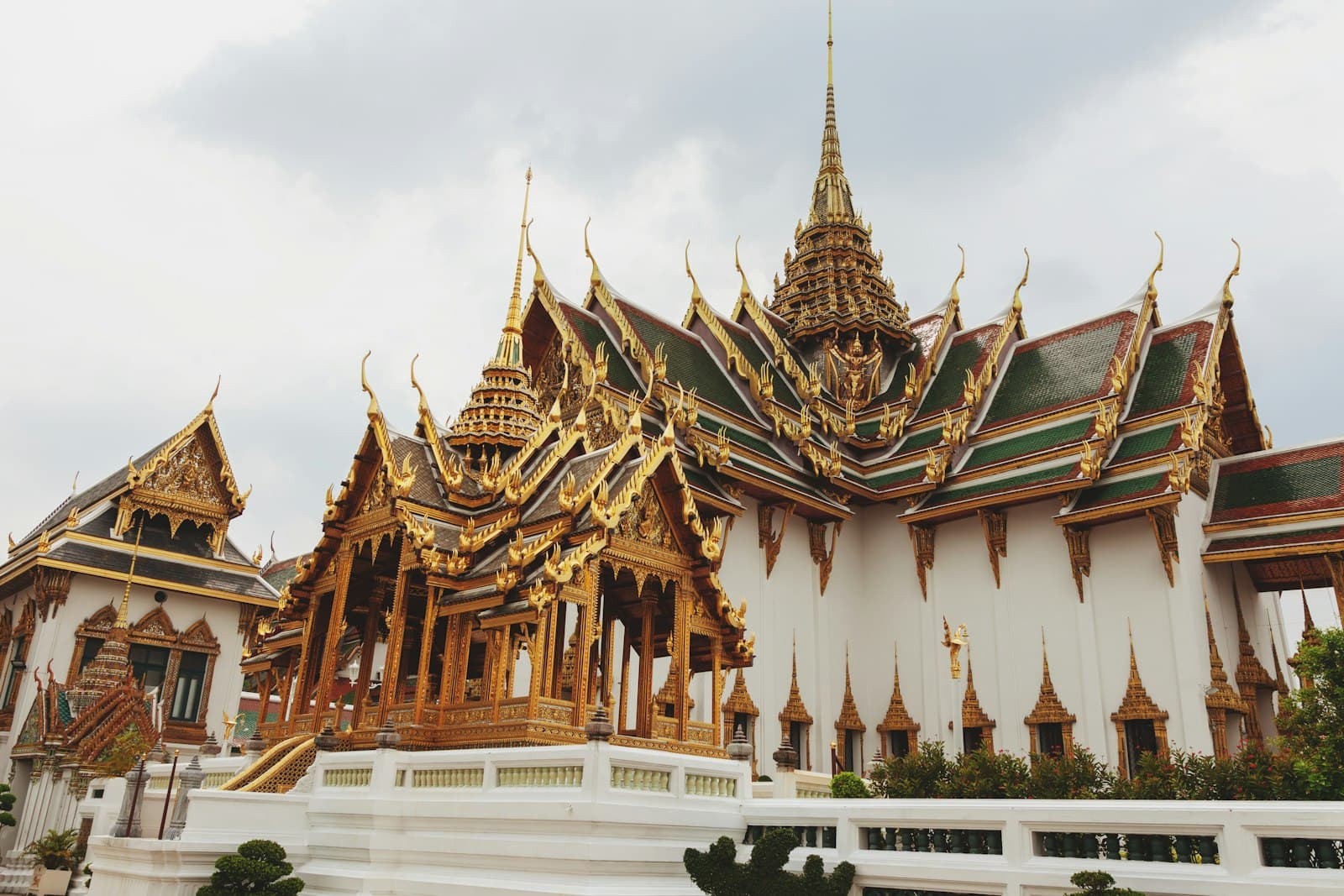
Bangkok doesn't ease you in. Step off the Skytrain at Siam station and the heat arrives first — a wet, engine-oil warmth that clings until well after sunset for most of the year. This is a capital built in layers: gilded temple spires beside glass office towers, canal-side wooden houses two streets back from eight-lane highways, a Michelin-starred street cart parked outside a 7-Eleven. Before you book, it's worth skimming the basics of what you're walking into, because this is not a city that softens its demands for first-time visitors. The reward for tolerating the heat, the traffic, and the occasional chaos is a place that rarely repeats itself: one afternoon you're barefoot inside Wat Pho's reclining Buddha hall, and by evening you're on a rooftop sixty storeys up watching the Chao Phraya River thread silver through the skyline below.
Bangkok Quick Facts
April's Heat Wave and the Short Cool Season Everyone Chases
Spring in Bangkok means one thing: heat. March through May is hot season, when daytime temperatures regularly climb past 35°C (95°F) and humidity sits above 70%, turning a ten-minute walk between temples into a reason to duck into a 7-Eleven for a cold drink. April is the peak of it, and it's also when Songkran, Thailand's water festival, takes over the streets from the 13th to the 15th — a joyful, soaking free-for-all along Silom and Khao San Roads, but one that shuts down a lot of normal sightseeing and pushes old-city hotel rates up for the week. If you're traveling in this window, build your day around the heat rather than the itinerary: temples and markets before 10am or after 4pm, with the afternoon treated as recovery time, not sightseeing time. Pack accordingly — lightweight, quick-dry clothing and a dedicated rain layer earn their space in the bag here. The genuinely comfortable stretch is November through February, when highs ease into the high 20s and the sky actually clears. June through October brings the rains — usually a hard, hour-long downpour most afternoons rather than all-day gray, but enough to flood a few low streets in Chinatown and Sukhumvit.
Cordelie travel advisors
Planning Bangkok? Go with someone who knows
The right suite, the right season, the reservations that never appear online — your Cordelie advisor knows them, and holds them for you.
Plan with a Cordelie advisorFree to ask. Cordelie Travel Services · IATA/ARC 06649064
Three Temples, One Market, and a River That Does the Sightseeing for You
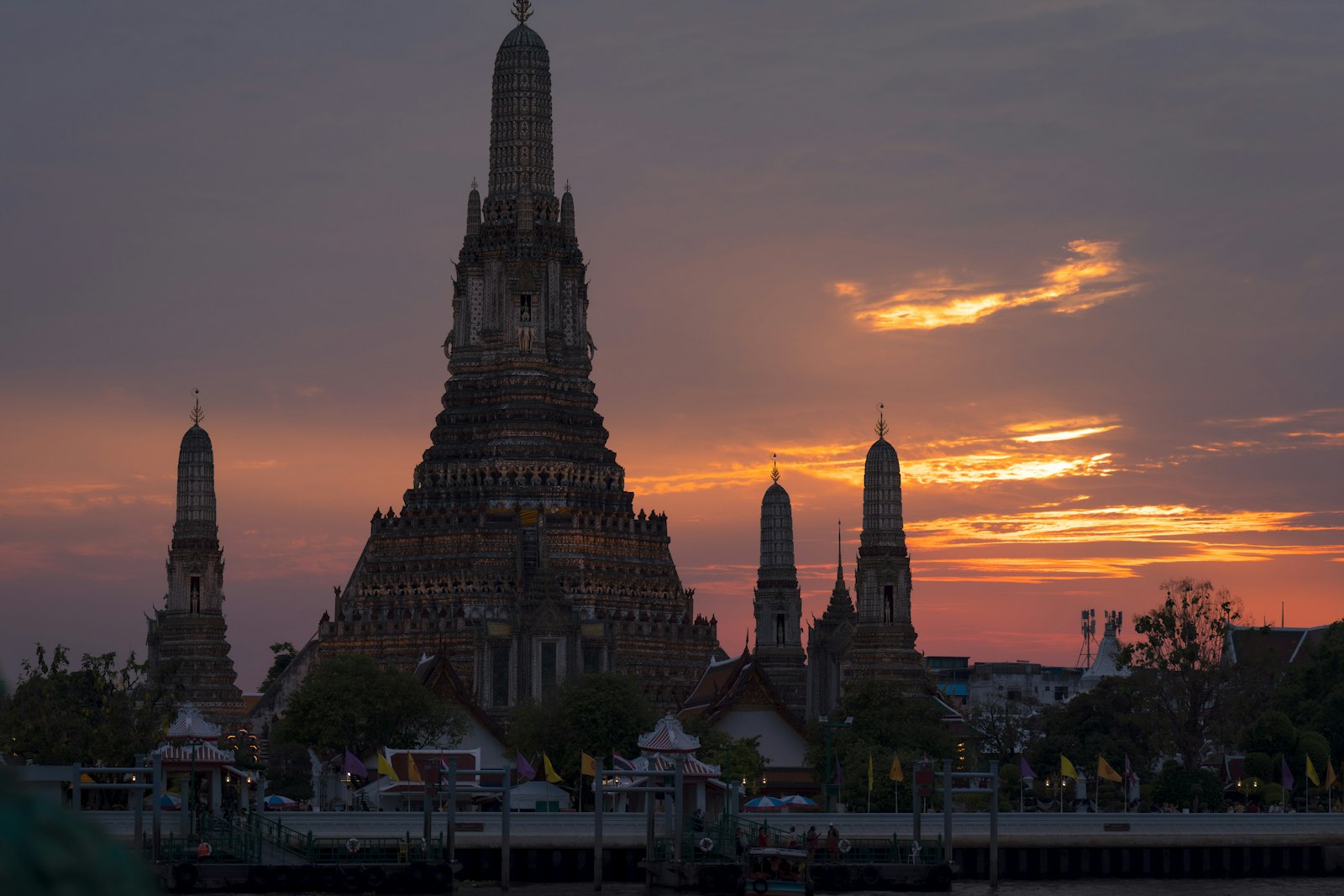
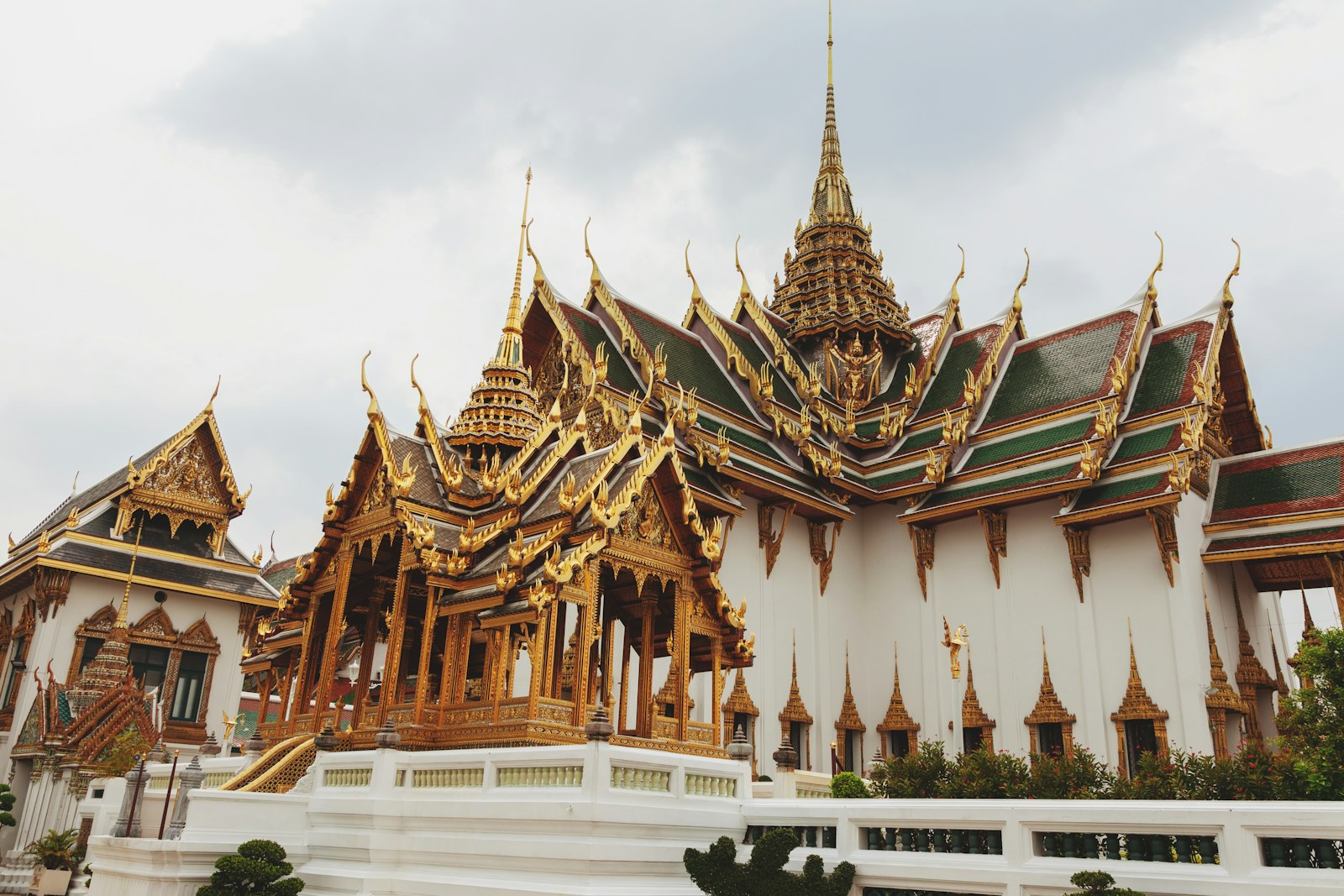
Start with the old city. The Grand Palace and its temple, Wat Phra Kaew, open daily from 8:30am to 4:30pm (tickets sold until 3:30pm), with admission of 500 THB for foreign visitors., and the dress code is enforced at the gate — covered shoulders and knees, no flip-flops, sarongs available on loan if you forget. Wat Pho sits a short walk south, home to a 46-metre reclining Buddha covered in gold leaf; admission is around 200 THB and it's open until about 6:30pm, later than the Palace, which makes it the better late-afternoon stop. Cross the river by the small ferry from Tha Tien pier (a few baht, cash only) to reach Wat Arun, the Temple of Dawn, best photographed in late-afternoon light before you climb its steep central prang. For a fuller rundown of where to spend your time, this guide to Bangkok's top things to do is worth a read before you lock in a schedule. Chatuchak Weekend Market, open Saturdays and Sundays from roughly 8am to 6pm, is a maze of thousands of stalls selling everything from vintage denim to orchids — go in the first two hours before the heat and the crowds both peak.
Bangkok's Essential Sights
Riverside Suites, Sukhumvit Convenience, or Old-City Character
For a luxury base, the Mandarin Oriental Bangkok sits directly on the river near Saphan Taksin, with rates typically from around $350-500 a night and a free hotel shuttle boat to the BTS pier. The Siam, a smaller riverside property near Dusit, runs a touch higher and leans into Art Deco interiors and a private pool villa feel. Across the water in Khlong San, the Peninsula Bangkok offers similar river views at a quieter remove from the tourist crush. For convenience without the price tag, hotels along Sukhumvit Soi 11 through 24, near the Asok or Nana BTS stations, run roughly $60-120 a night and put you walking distance from malls, rooftop bars, and late-night food streets. If you want to wake up to temple bells rather than traffic, boutique guesthouses like Sala Rattanakosin or Riva Arun sit directly across from Wat Arun, from around $80-150 a night, and let you reach the Grand Palace before the tour buses arrive. Budget travelers cluster around Khao San Road, where guesthouses and hostels run $10-25 a night — loud, central, and unmistakably backpacker in character.
Jay Fai's Crab Omelet, Temple Etiquette, and the Wai That Opens Doors
Bangkok's food scene runs from folding-table street carts to Michelin stars, often on the same block. For a proper breakdown of what to order and where, the street food guide covers the essentials — but a few places deserve a direct mention. Thip Samai on Thanon Mahachai serves what many locals consider the city's benchmark pad thai, wrapped in a thin egg crepe, open evenings until around 2am. Boat noodle stalls near Victory Monument sell small, intensely flavored bowls for roughly 15-25 THB each, meant to be ordered three or four at a time. Jay Fai, the Michelin-starred crab omelet stall in Phra Nakhon, is cash only, closed Sunday and Monday, and the wait regularly runs past an hour — the omelet alone can cost 1,000-1,500 THB, high by street-food standards but it's cooked to order over a charcoal flame you can watch from the sidewalk. Inside any temple, cover shoulders and knees, remove your shoes before entering a building, and never point your feet at a Buddha image. The wai — palms together, a slight bow — matters more than any phrase you could learn, and it's worth offering first to monks and elders. Conversation about the Thai monarchy is best avoided entirely; it's treated as a legal matter here, not a casual topic.
“Bangkok makes you choose: the temple's hush at dawn, or the night market's roar. You rarely get both in the same hour.”
Skytrain Covers the New City, Boats Cover the Old One
The BTS Skytrain and MRT subway handle Siam, Sukhumvit, and Silom efficiently, with single fares running roughly 16-62 THB depending on distance — but neither line reaches the old city around the Grand Palace and Wat Arun. For that stretch, use the Chao Phraya Express Boat from the Sathorn or Saphan Taksin pier: local boats cost about 15-20 THB a ride, or buy a tourist day pass for around 60 THB if you're hopping on and off repeatedly. Grab, the regional ride-hailing app, is the easiest way to book a taxi or tuk-tuk without haggling, and a metered taxi's flag fare starts around 35 THB. Traffic is genuinely bad between 7-9am and again 5-8pm, so budget 45-60 minutes for a trip that looks like 15 minutes on a map. Skip the unmetered street tuk-tuks offering a suspiciously cheap city tour — it's a well-worn route that ends at a gem shop, not a temple.
Three Days That Cover the Old City, the Market, and the River
Temples and the River Crossing
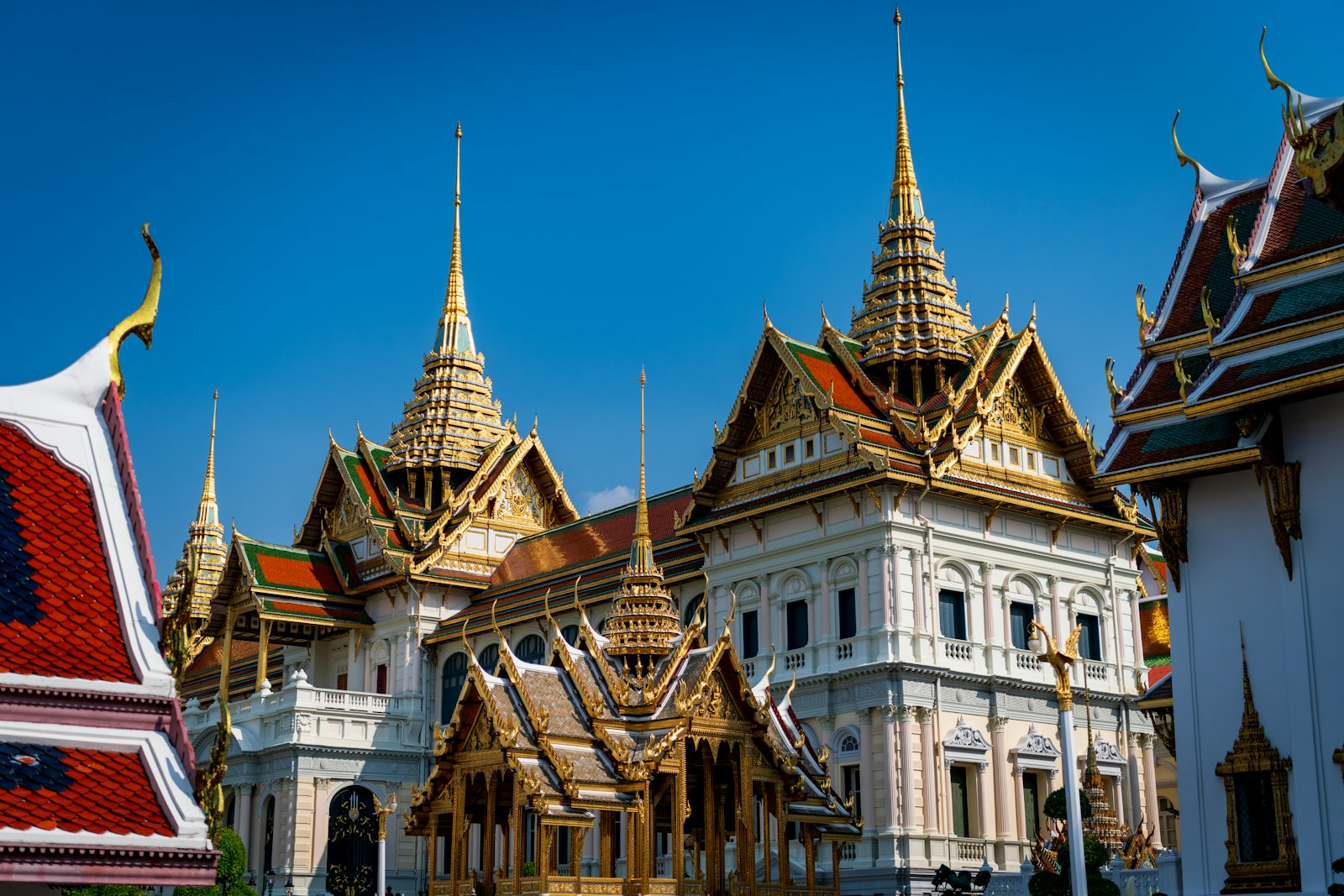
Start at the Grand Palace by 8:30am, before the midday sun and the tour groups both arrive — plan on two hours inside, dressed to the dress code. Walk ten minutes to Wat Pho for the reclining Buddha and, if your legs can take it, a traditional Thai massage at the temple's own school (sessions typically run 30-60 minutes, 300-500 THB). Take the small cross-river ferry from Tha Tien to Wat Arun for the late afternoon light, then head into Chinatown (Yaowarat) by early evening for street-side seafood and a bowl of boat noodles before the lights come on along the main strip.
Market Morning and a Rooftop Night
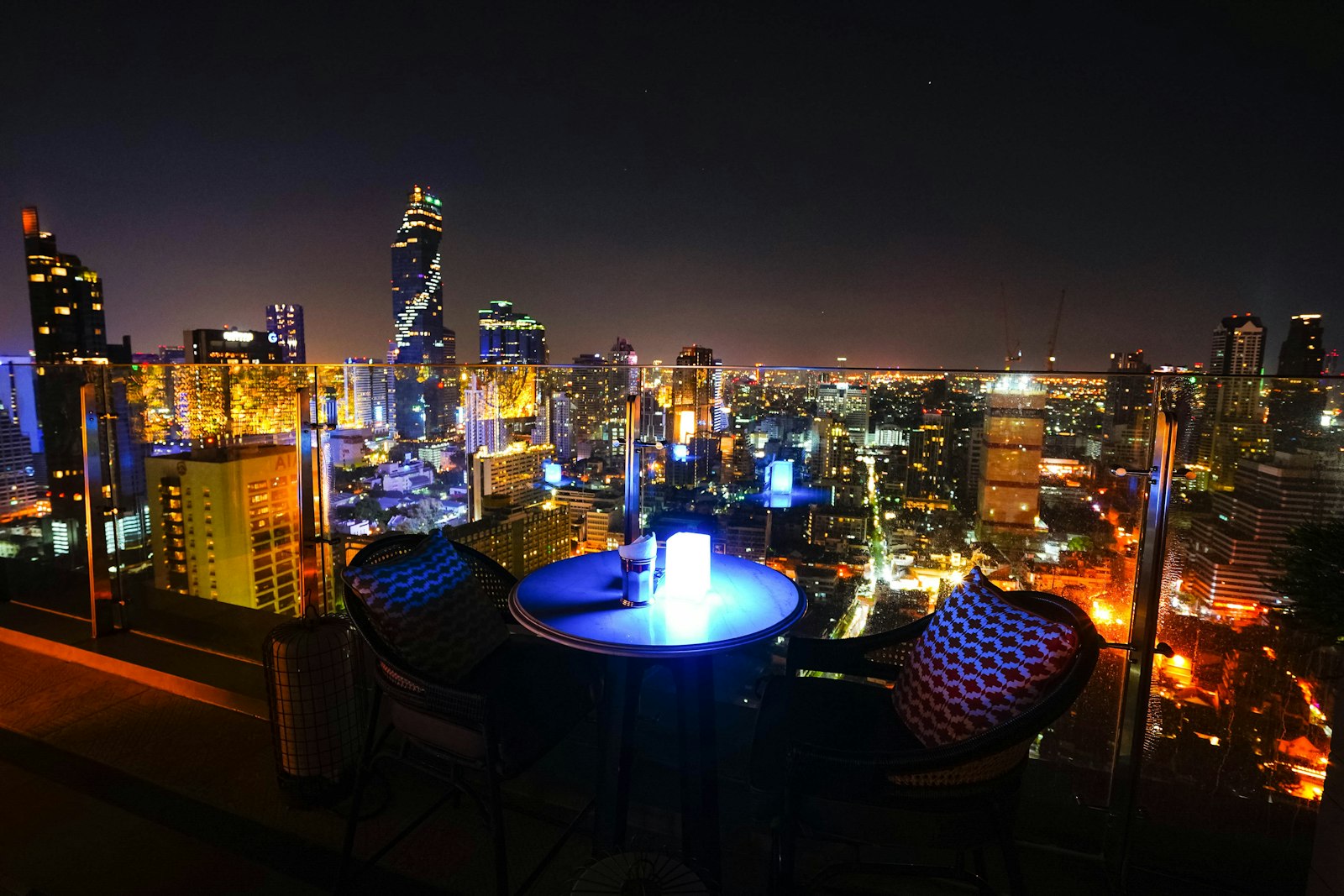
Arrive at Chatuchak Weekend Market by 8:30-9am (Saturday or Sunday only) to shop before both the heat and the crowds build; set aside at least three hours, since the market's lanes genuinely swallow time. In the afternoon, visit Jim Thompson House, a teak silk merchant's home turned museum, for a cooler, quieter contrast — entry runs around 200 THB with a guided tour included. Close the day on a rooftop: Vertigo and Moon Bar at the Banyan Tree, or Lebua's Sky Bar made famous by the film The Hangover Part II, both open from early evening with a dress code and a minimum spend worth checking in advance.
River Cruise and an Easy Last Day
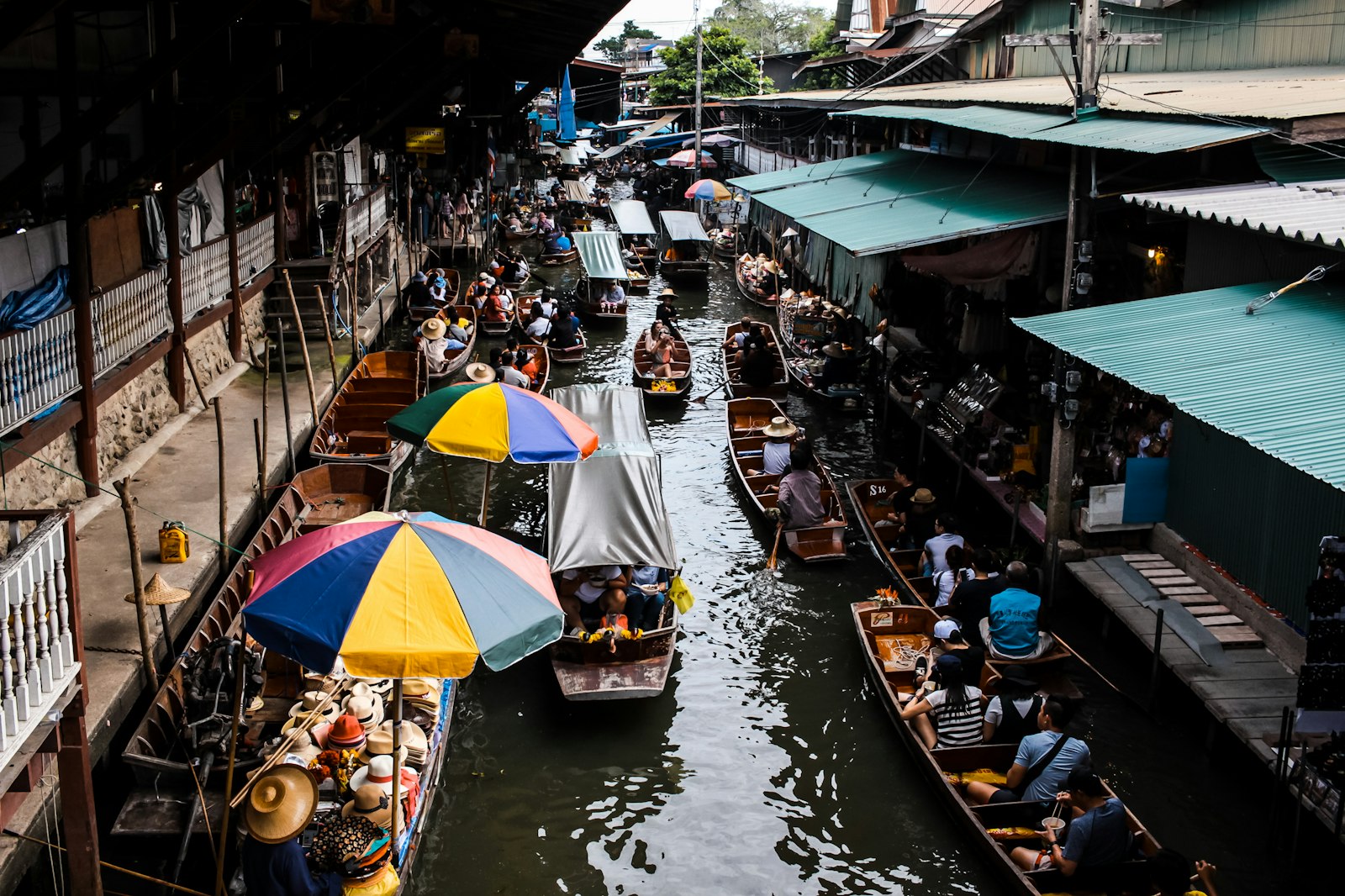
Spend the morning at Lumphini Park while it's still cool — Bangkok residents do their tai chi and jogging here between 6 and 8am, and it's one of the few genuinely quiet green spaces in the center. In the afternoon, take the Chao Phraya ferry or a hotel shuttle down to Asiatique The Riverfront, a converted warehouse market good for last-minute shopping and an open-air dinner on the water. Book a foot or Thai massage before you fly — an hour typically costs 300-500 THB and is the best use of a spare afternoon in a city this physically demanding.
The best version of the Grand Palace happens before the gates officially open to the general queue, and the best version of the river happens on a boat that isn't shared with forty strangers. A Cordelie advisor can arrange early, guided access to the old-city temples, a private longtail charter at golden hour, and a riverside suite timed to avoid the worst of the April heat or the Songkran closures altogether — the kind of access and sequencing that's genuinely difficult to piece together from a hotel concierge desk alone.
Bangkok at a Glance
A rewarding, demanding city best tackled in the cool months — magnificent temples and food, but April heat and traffic are real constraints, not footnotes.
Bangkok delivers on atmosphere and food at a pace few cities match, but it asks something of you first: heat for much of the year, serious traffic at rush hour, and a layout that mixes glass towers with centuries-old temples in a way that takes a day or two to read properly.
Travel in November through February if your dates are flexible, build April or May around the heat rather than against it, and let the river — not just the Skytrain — be part of how you get around. Three to five days is enough to cover the highlights properly without rushing the temples.
Last checked for accuracy: . How we check

Isaac Reid has spent fourteen years on ships and on foot in the places weather still decides. He sailed his first Drake Passage as an expedition assistant and has since made the crossing more than thirty times, between seasons trekking in Nepal and Patagonia. He writes about what these trips actually ask of a traveller — the days that get cancelled, the kit that matters, the difference between a landing and a cruise-by — and thinks the honest version sells them better than the brochure does.
Related Articles
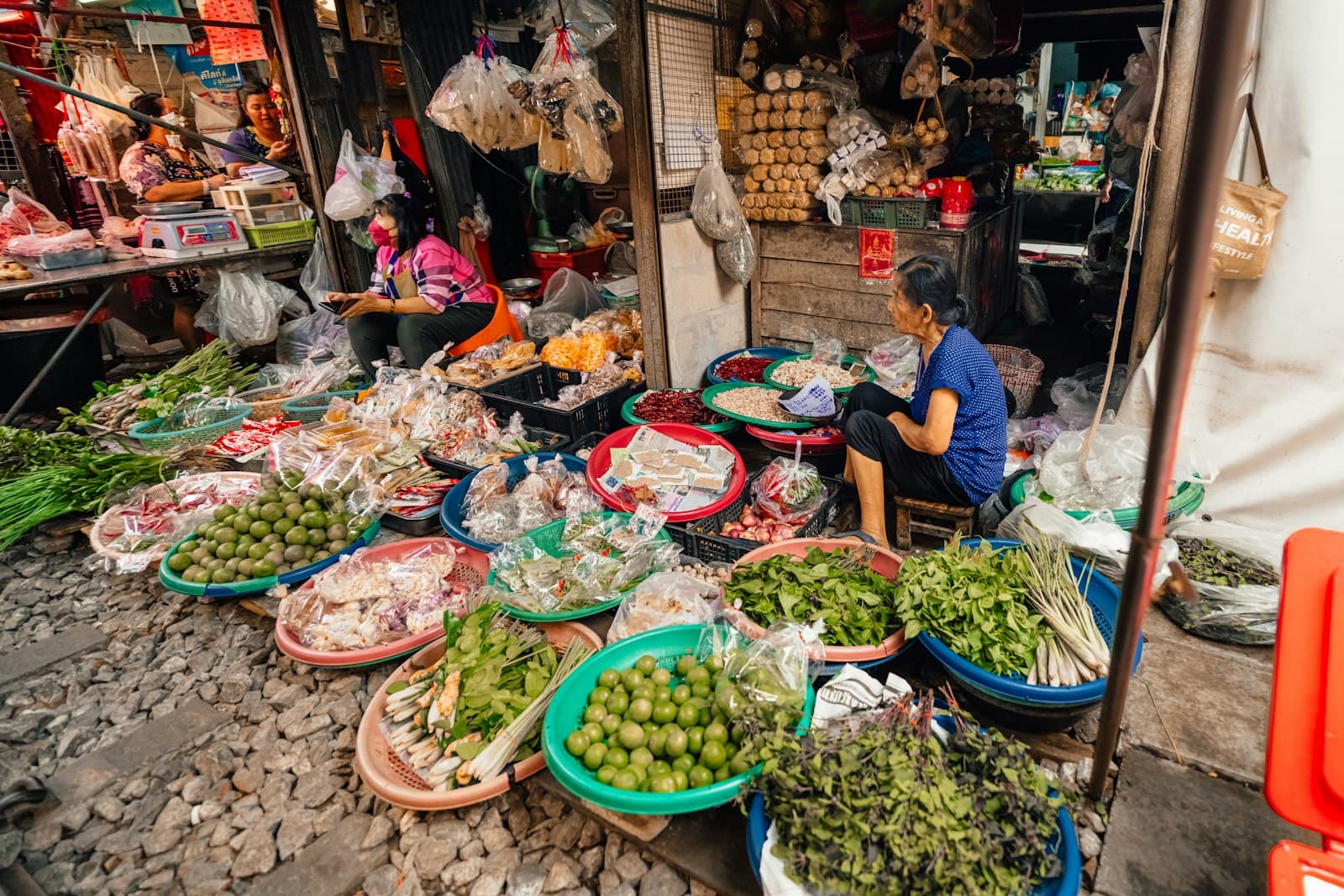
The Complete Guide to Bangkok: What to See, Do & Eat
A complete, practical guide to Bangkok's temples, street food, and river life — with real prices, timing, and a three-day itinerary built for spring's heat.
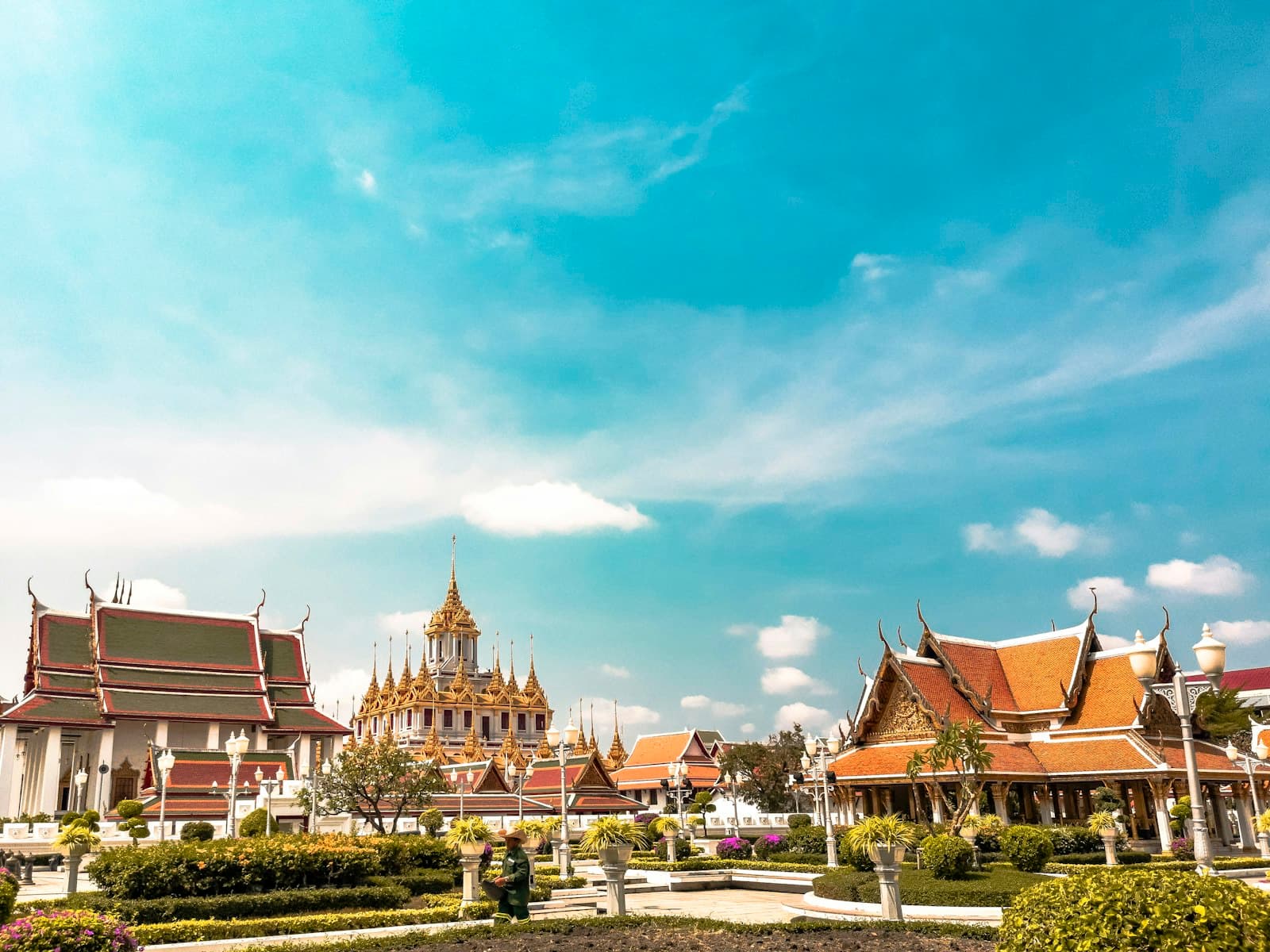
Bangkok Quick Guide: Everything You Need to Know
Bangkok in spring is brutally hot, hazy, and surprisingly affordable. If you can handle 35°C heat, you'll find temples quieter and hotels cheaper than any other season.
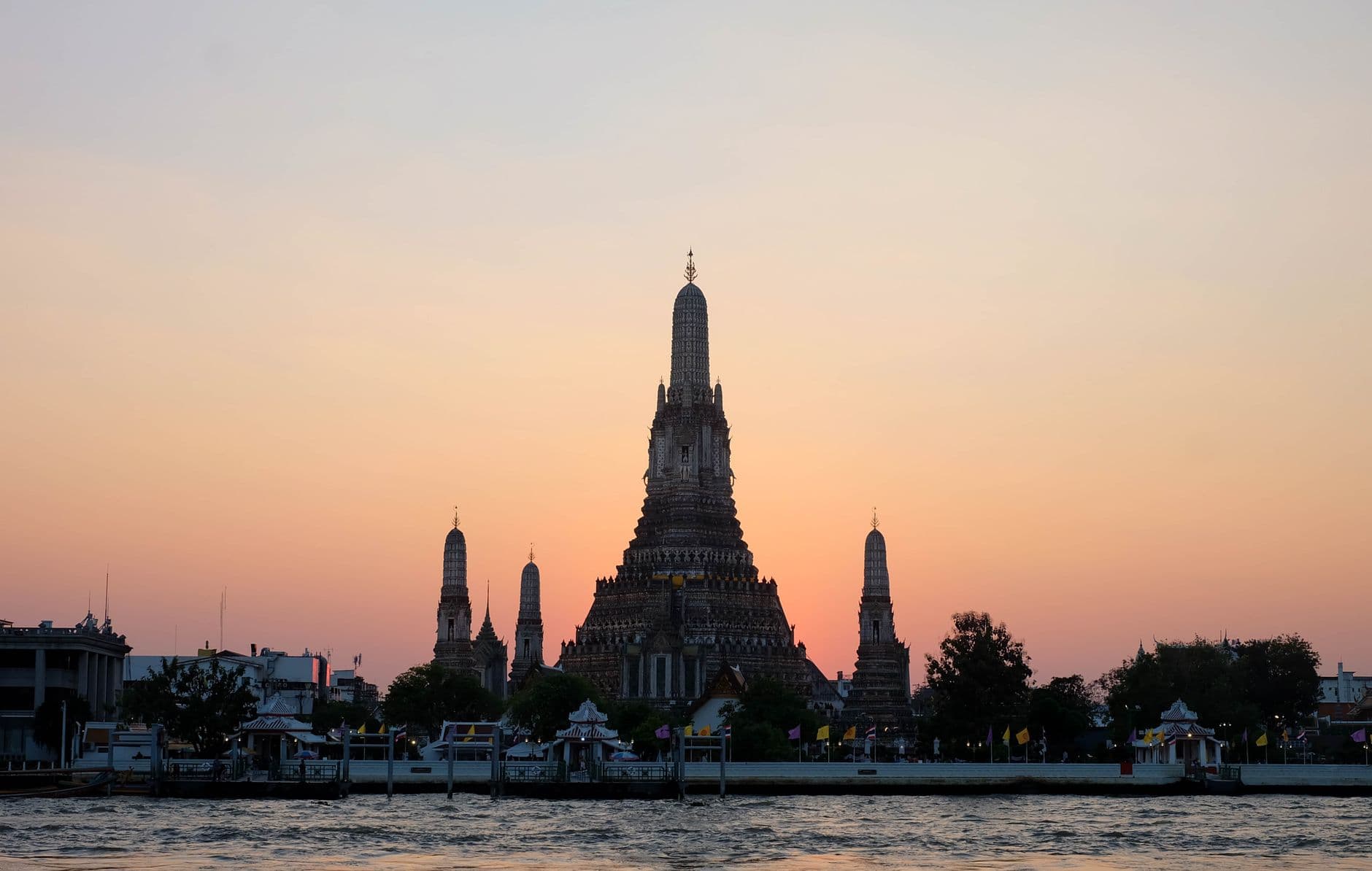
The Best Things to Do in Bangkok
From a sunrise climb up Wat Arun to a longtail through Thonburi's canals, here's a ranked case for slowing down in Bangkok — with the timing, prices, and detours that make each stop worth the extra hour.