
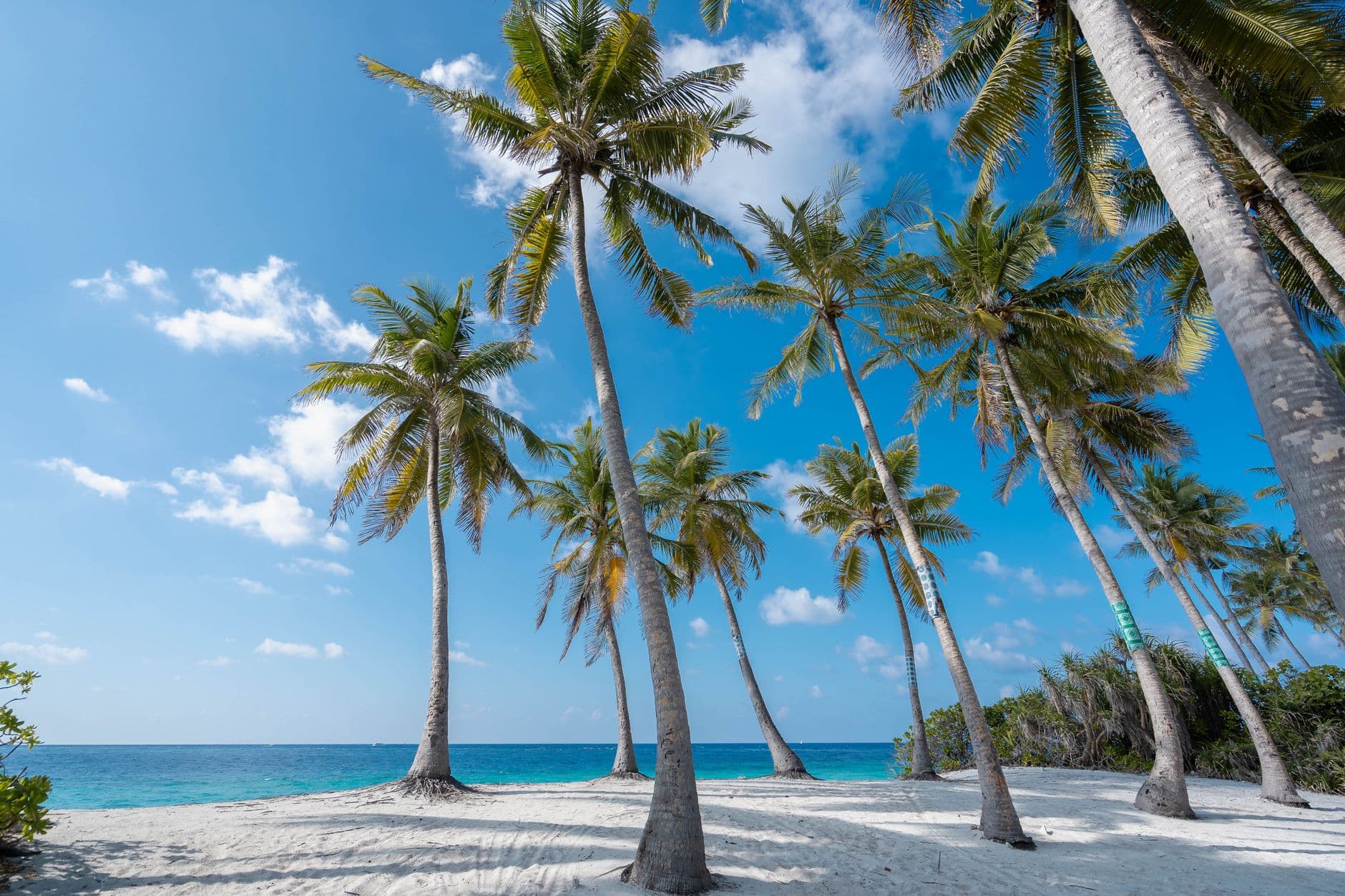
Why the Maldives Is Perfect for Winter Travel

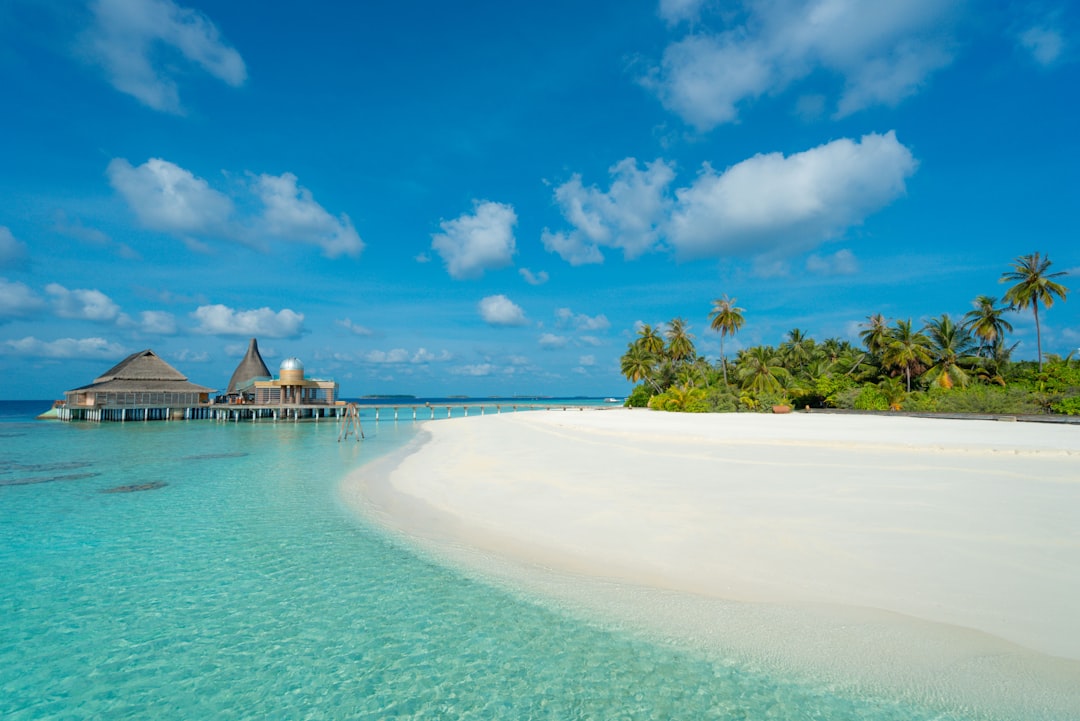
Why December to March Is Peak Season in the Maldives
While most of the Northern Hemisphere shivers through winter, the Maldives exists in a different rhythm altogether. From December through March, the archipelago's dry season arrives with uninterrupted sunshine, calm waters, and humidity that finally becomes manageable. This is not a shoulder season or a secondary choice—it is the window when the islands genuinely become what postcards promise. If you have spent November hearing about monsoon rains and rough seas, you have heard the reason why spring break crowds and winter-escape travelers converge here during these four months. The weather is not simply better; it is transformative. The trade winds keep the air fresh without being fierce. The lagoons stay glassy enough for snorkeling at dawn. Dive sites that scatter in other months cluster predictably offshore. For families traveling with children, for divers chasing visibility, for anyone whose tolerance for rain is finite, this season simply works.
Where to Stay: Four Islands and Atolls Worth Your Winter
North Malé Atoll
Closest to the capital; suited for first-time visitors and families
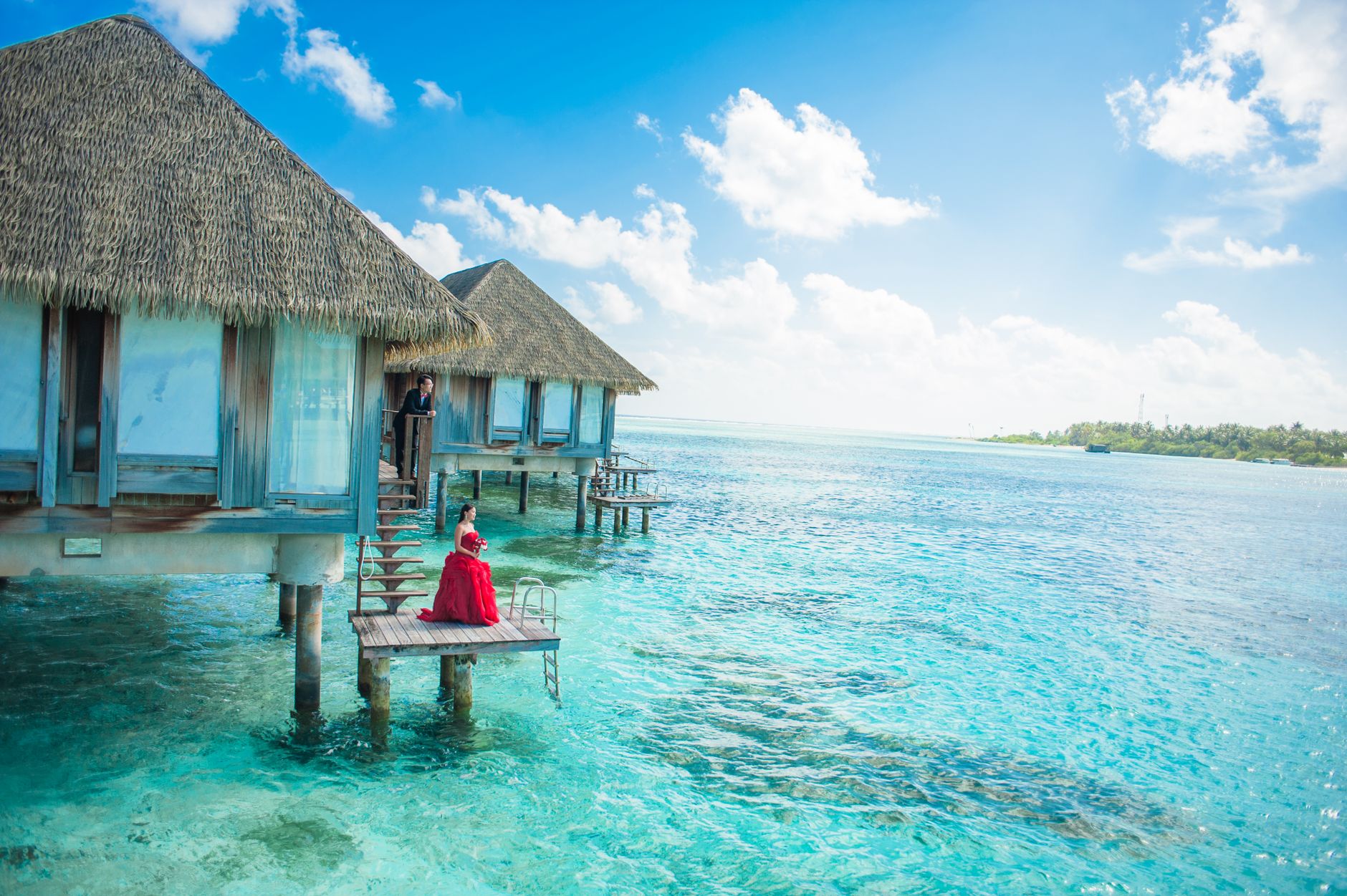
North Malé Atoll sits closest to the international airport in the capital, roughly 20-40 minutes away by speedboat depending on which resort you choose. For travelers with young children or anyone reluctant to spend half a day in transit, this matters enormously. The atoll has more resort options than any other, ranging from budget-conscious properties under USD 300 per night to ultra-luxury compounds exceeding USD 1,500 nightly. December and January book months in advance here; February and March offer slightly more flexibility and lower rates, often USD 100-200 less per night than peak December.
The reef surrounding North Malé Atoll teems with clownfish, grouper, and reef sharks. Visibility during dry season reaches 20-40 meters regularly. If you are traveling with children aged 8 and up, resorts here typically offer family-friendly snorkeling tours from the house reef—a 5- to 15-minute swim from your bungalow—without the expense of speedboat excursions.
South Malé Atoll
Slightly farther, fewer crowds, dramatic reef walls
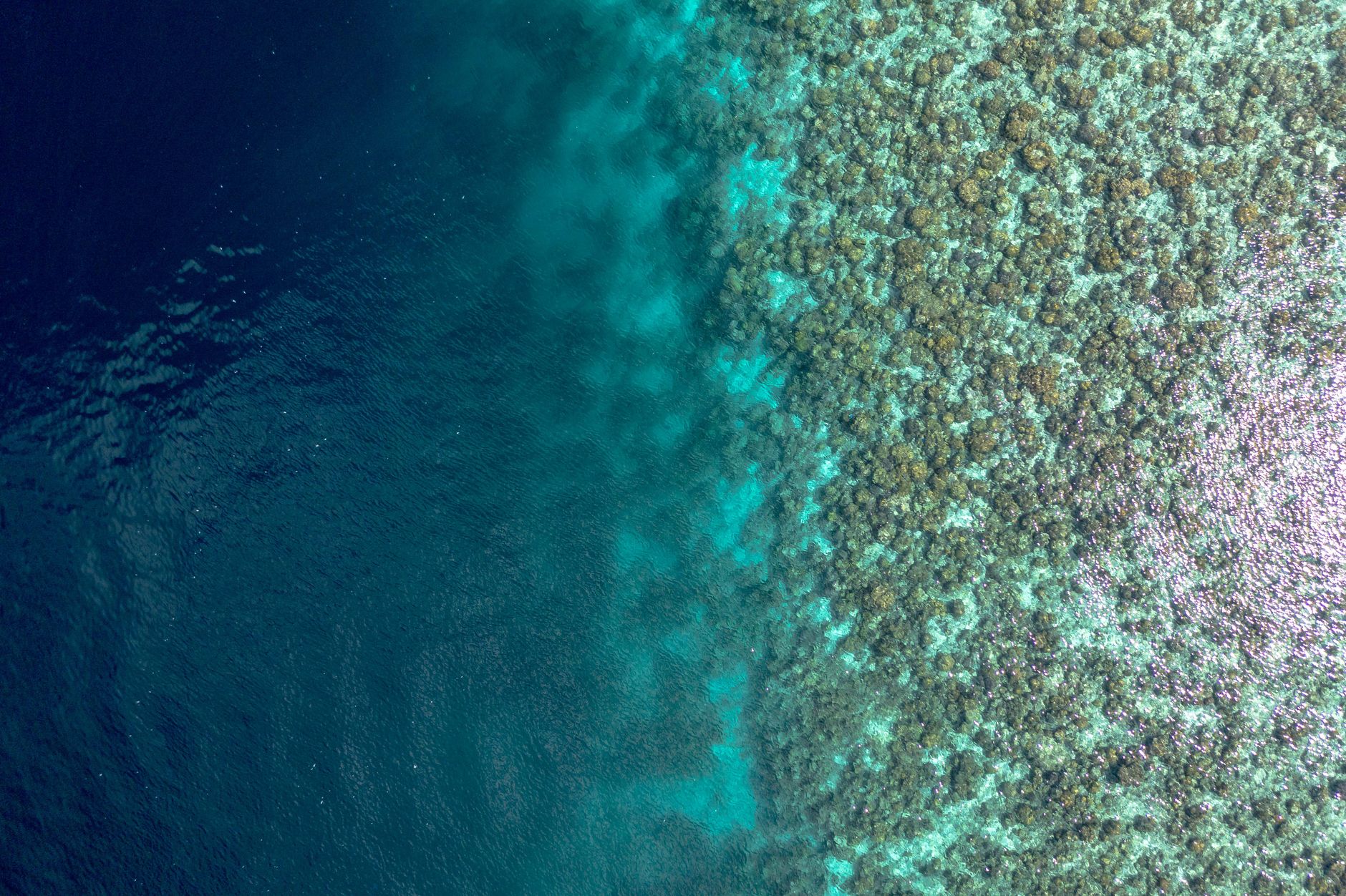
South Malé Atoll lies 45-60 minutes from Male airport by speedboat, far enough to deter casual day-trippers yet close enough to stay accessible. The atoll draws divers seeking vertical drops and bigger pelagics. The reef walls here descend abruptly to 800 meters, attracting mantas and reef sharks that rarely venture into the shallower channels of North Malé. Winter visibility reaches 40-50 meters regularly on the outer atolls, transforming a dive trip into something genuinely memorable.
Resorts here tend to be mid-range to luxury, with fewer ultra-budget options than North Malé. A family or group might find private villa resorts at USD 400-700 per night, representing better value than comparably positioned North Malé properties once you factor in the less crowded experience. December pricing can spike 20-30% higher than February or March for equivalent properties.
Baa Atoll
Northern atolls; renowned for manta rays and pristine reef
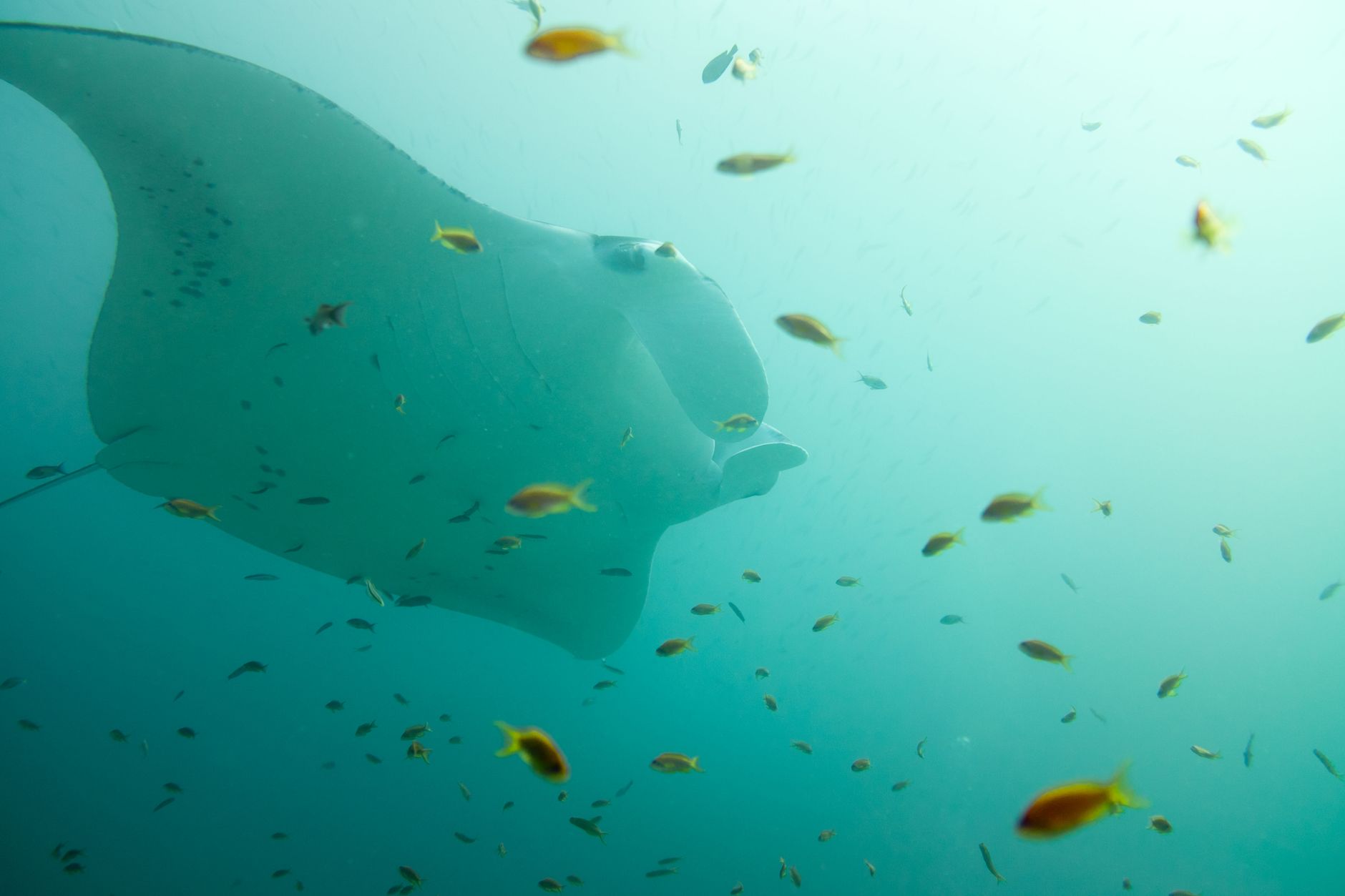
Baa Atoll, roughly 80-90 minutes north by speedboat, harbors the Hanifaru Bay—a UNESCO Biosphere Reserve where manta rays congregate between November and March. During winter months, snorkeling or diving in the bay can put 10-20 mantas in view within a single hour, though sightings are never guaranteed. The bay has strict visitor quotas; resorts manage bookings, and you may need to reserve months ahead for December slots.
The broader atoll offers exceptional reef diving and pristine house reefs at most resorts. Prices here typically range from USD 350-600 per night mid-range to USD 800-1,200 for luxury properties, though January and December command premiums. The longer journey means fewer impulse visitors, and the landscape feels quieter and less resort-dense than the atolls nearer Male.
Addu Atoll
Southern frontier; uncrowded and culturally distinct
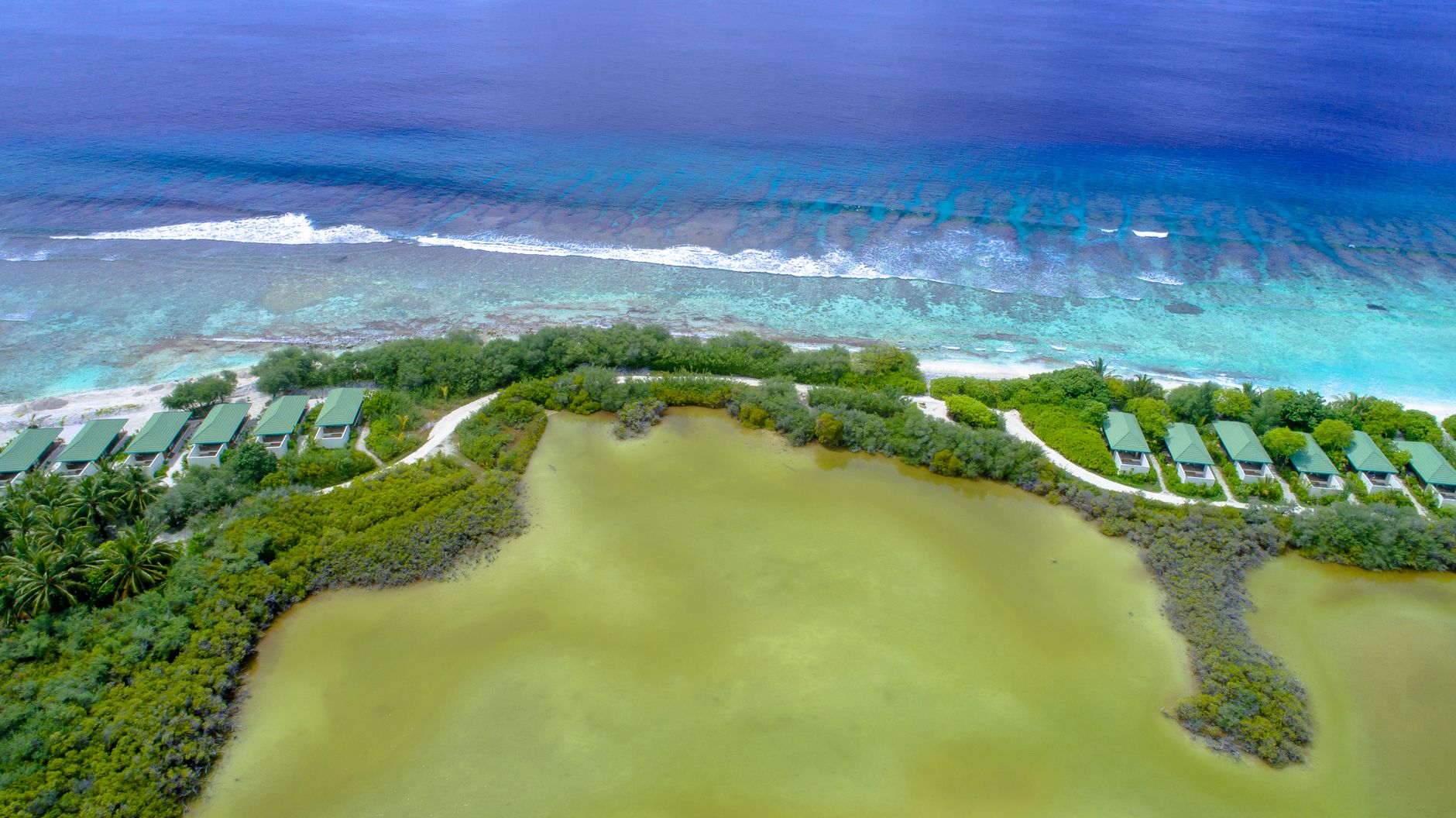
Addu Atoll, located in the far south, requires either a 50-minute domestic flight from Male or a speedboat journey of 5+ hours. Few casual tourists make the trek, which is precisely the appeal. The atoll retains a distinctly Maldivian character, with populated local islands and fishing traditions you encounter rarely in the heavily touristed northern atolls. Resorts here are fewer and smaller, often family-run. Accommodation runs USD 200-500 per night at mid-range properties, and even luxury options stay below USD 800 nightly.
Diving and snorkeling in Addu rival the north for quality reef and macro life, with visibility regularly exceeding 30 meters in winter. The atoll sits outside the main manta circuit, so December mantas are rarer, but the broader marine life—turtles, rays, schooling fish—compensates. A journey here feels like traveling genuinely off-grid while staying within the Maldives' comfort infrastructure.
Cordelie travel advisors
Planning Maldives? Go with someone who knows
The right suite, the right season, the reservations that never appear online — your Cordelie advisor knows them, and holds them for you.
Plan with a Cordelie advisorFree to ask. Cordelie Travel Services · IATA/ARC 06649064
What to Do: Winter Water and Culinary Pursuits
The dry season's stable water conditions unlock activities impossible or unpleasant in other months. Snorkeling becomes viable directly from your resort's house reef, not an ordeal requiring motion-sickness precautions. Sunrise dives start calmly and stay calm. Dolphin-watching speedboat excursions actually encounter dolphins because the seas cooperate. But winter in the Maldives extends beyond the reef.
Most resorts operate multiple restaurants, with international menus tailored to package tourists and local seafood showcases aimed at divers and repeat visitors. Expect to spend USD 40-80 per person for dinner at mid-range resort restaurants, USD 80-150 at luxury properties. Breakfast and lunch are typically included in all-inclusive packages but cost USD 25-45 à la carte at casual outlets. The coffee is surprisingly good at most resort cafés, and local tuna curries and fish preparations justify the price. Fresh catch arrives daily in resorts near fishing grounds; ask your resort which restaurants feature the previous day's boats.
Diving is structured around two daily excursions. Morning dives depart around 07:00-08:00 and return by 12:00. Afternoon dives leave around 14:00-15:00 and conclude by 17:30-18:00. Most resorts charge USD 60-100 per dive for certified divers, including equipment rental, and USD 80-120 for resort certification courses. Certification takes two to four days and runs USD 300-500 depending on the operator. Snorkeling expeditions, guided or unguided, typically cost USD 30-60 if organized through the resort, or nothing if you venture onto the house reef independently—though guided snorkeling offers better marine education and wildlife-spotting odds.
Spa treatments are widespread and often surprisingly affordable. Traditional Ayurvedic massage, common in Maldivian resorts, runs USD 50-100 for 60 minutes at mid-range resorts, USD 100-180 at luxury properties. Book ahead; the most popular therapists fill weeks in advance during peak season.
Planning Around Weather, Crowds, and Logistics
December and early January are peak season peak—fully booked, fully priced. If you travel during these weeks, expect to pay top rates and encounter other visitors at every sunset viewpoint and snorkel spot. However, December offers the most reliable sunshine and calmest seas of the entire dry season. For families traveling during school holidays or those unwilling to risk a single rainy day, December's premium cost justifies itself.
February and March offer the same reliable weather with noticeably fewer visitors and 15-25% lower nightly rates at most resorts. Rain remains rare—you might see a brief shower once every 10-14 days, usually passing within an hour. Visibility stays above 25 meters. Winds remain calm. If flexibility around school calendars exists, these months deliver superior value. Book three to four months ahead rather than six months; the difference in price is substantial, and availability is better than during peak December madness.
Getting there requires an international flight to Malé International Airport (MLE). Direct flights operate from North America, Europe, and Asia; journey times vary from 15 hours (Middle East connections) to 20+ hours (direct from US coasts). Speedboat transfers from the airport to your resort take 20 minutes to 90 minutes depending on location. Private speedboat transfers cost USD 250-600 for up to six passengers; shared speedboat transfers run USD 50-100 per person. Most luxury resorts include transfers in their nightly rate. Budget properties typically charge à la carte.
Bring reef-safe sunscreen only. The Maldives banned reef-harming UV filters in 2018. Your resort will confiscate non-compliant sunscreen at check-in, so purchase SPF 30+ reef-safe options before arrival or buy imported brands in Malé. Resort shops sell reef-safe alternatives at 2-3× the mainland price.
Winter in the Maldives: A Visual Journey
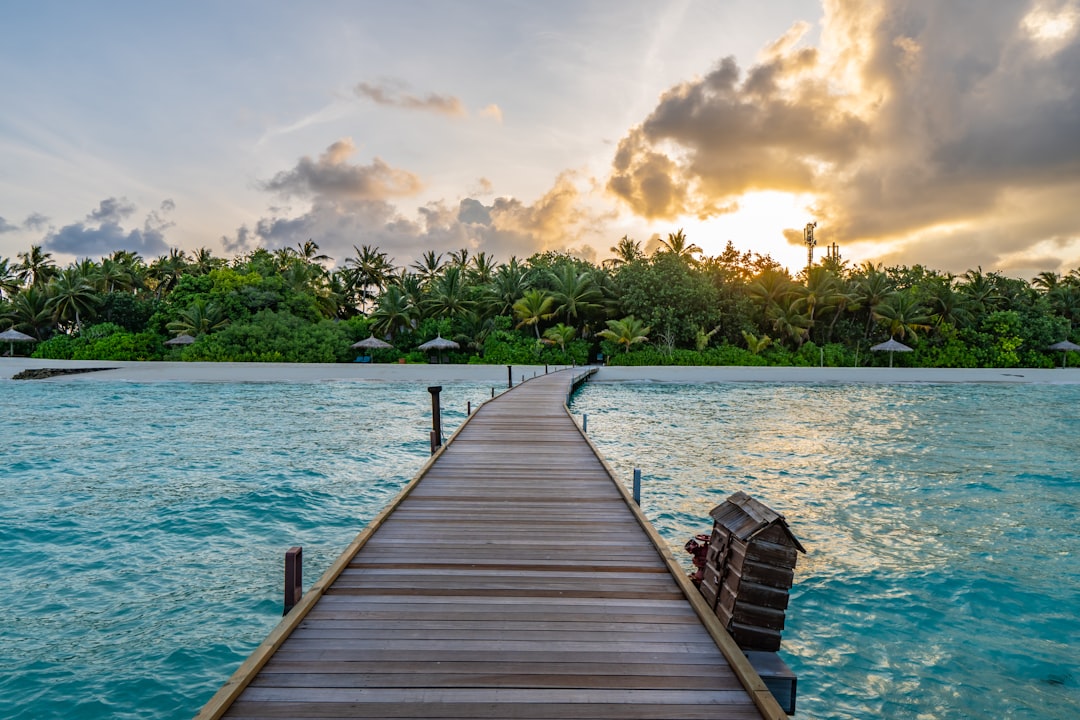
The Maldives in winter demands more coordination than it appears: choosing between atolls based on your skill level and interests, timing flights to capture dry-season certainty without peak pricing, booking dive sites and spa appointments that fill weeks ahead, and arranging transfers that actually connect to your flight times rather than leaving you stranded at the airport.
A Cordelie advisor understands which resorts truly deliver for families with young children, which dive operators run the tightest ships, and which months and atolls align with your specific interests—whether you came for mantas, culture, or simple rest. They can lock in February rates months ahead, arrange seamless transfers, and build an itinerary that feels effortless rather than coordinated. Let a Cordelie advisor craft your perfect winter escape to the Maldives.
Why Winter Works: The Maldives December Through March
The dry season transforms the Maldives into its most visually stunning and functionally accessible version. For divers, families, and anyone seeking guaranteed sunshine, these four months are incomparable.
Best For: Divers seeking 40+ meter visibility, families with young children, anyone prioritizing reliable sunshine and calm seas.
Peak Window: December and January (fully booked, peak pricing); February and March (equally good weather, notably fewer visitors, 15-25% lower prices).
Closest Atolls: North Malé (20-40 minutes, most options), South Malé (45-60 minutes, fewer crowds), Baa (manta rays, 80-90 minutes).
Budget Range: USD 150-200 per night (budget accommodations, February-March), USD 300-700 mid-range, USD 800-1,500+ ultra-luxury.
Practical Checklist: Book three to four months ahead for February-March, six months for December; bring reef-safe sunscreen; book dives or spa treatments on arrival to avoid sellouts; allow 4-6 hours total travel time from airport to resort.
For detailed planning and expert guidance, consult a Cordelie travel advisor who specializes in Maldives logistics and resort selection.
Last checked for accuracy: . How we check

Priya Raman has spent eleven years testing whether a destination works with a four-year-old, a teenager and a grandparent in the same party. She writes the version of the guide that accounts for nap times and still gets you to the good stuff, and travels from Toronto with a carry-on she can pack in nine minutes.
Related Articles
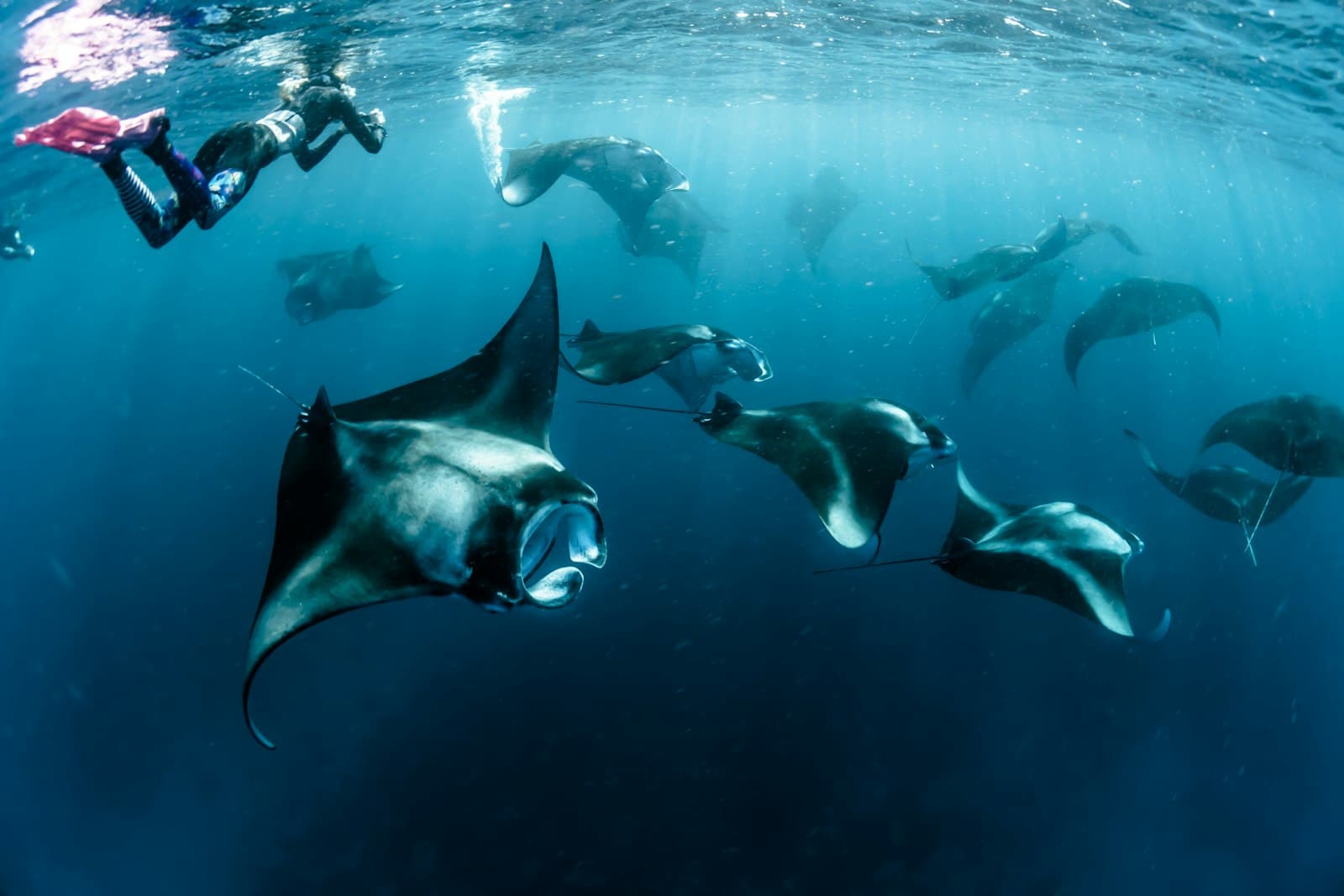
The Best Things to Do in the Maldives
Manta rays, an underwater restaurant, glowing plankton beaches, and the local island most tourists never see — ranked for a spring trip to the Maldives.

My Spring in the Maldives: A Travel Story
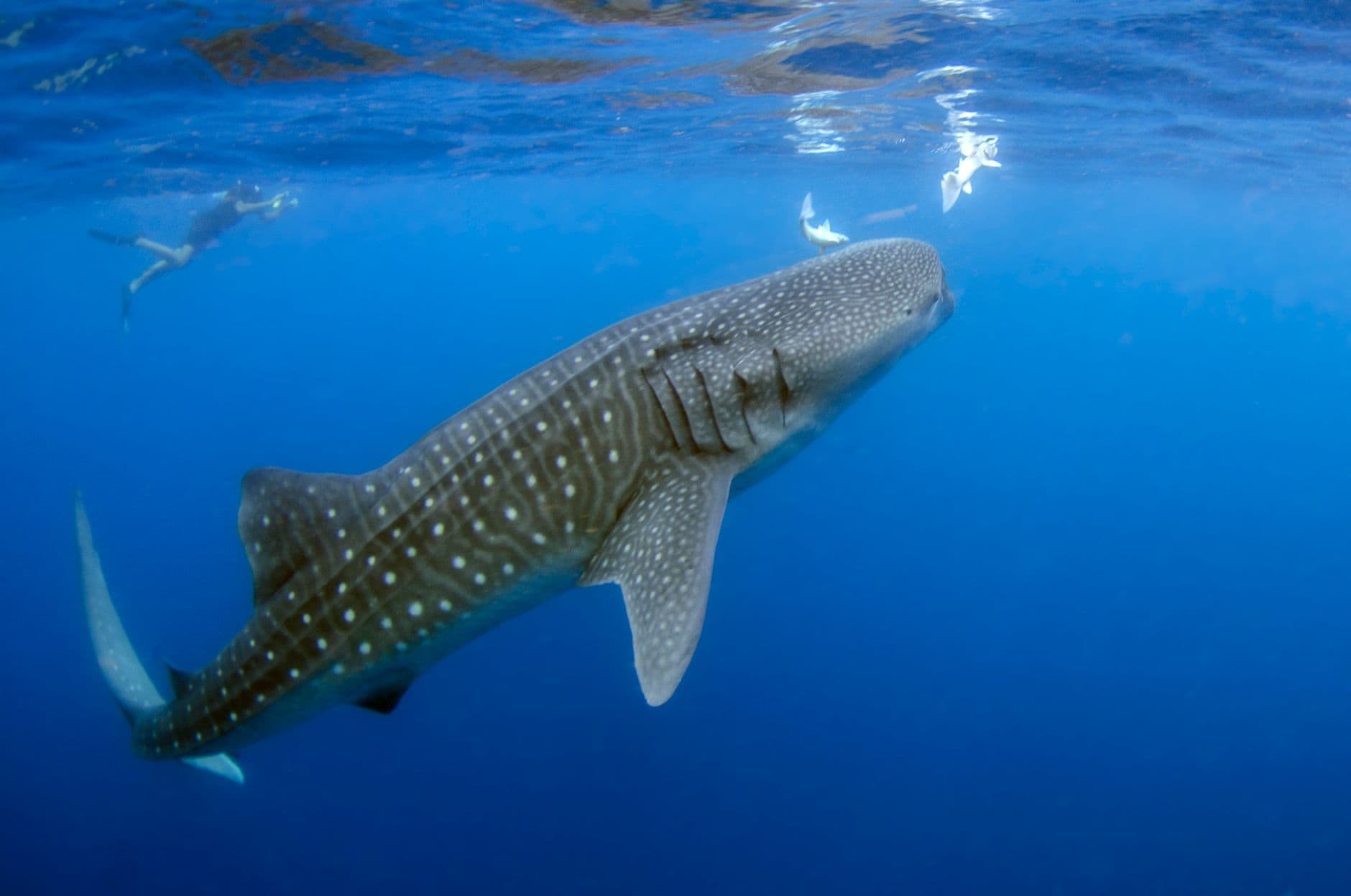
Five days across a Maldives local island and an Ari Atoll resort: whale sharks, drift dives, sandbank picnics, and the food that fueled all of it.

Essential Tips for Traveling to the Maldives
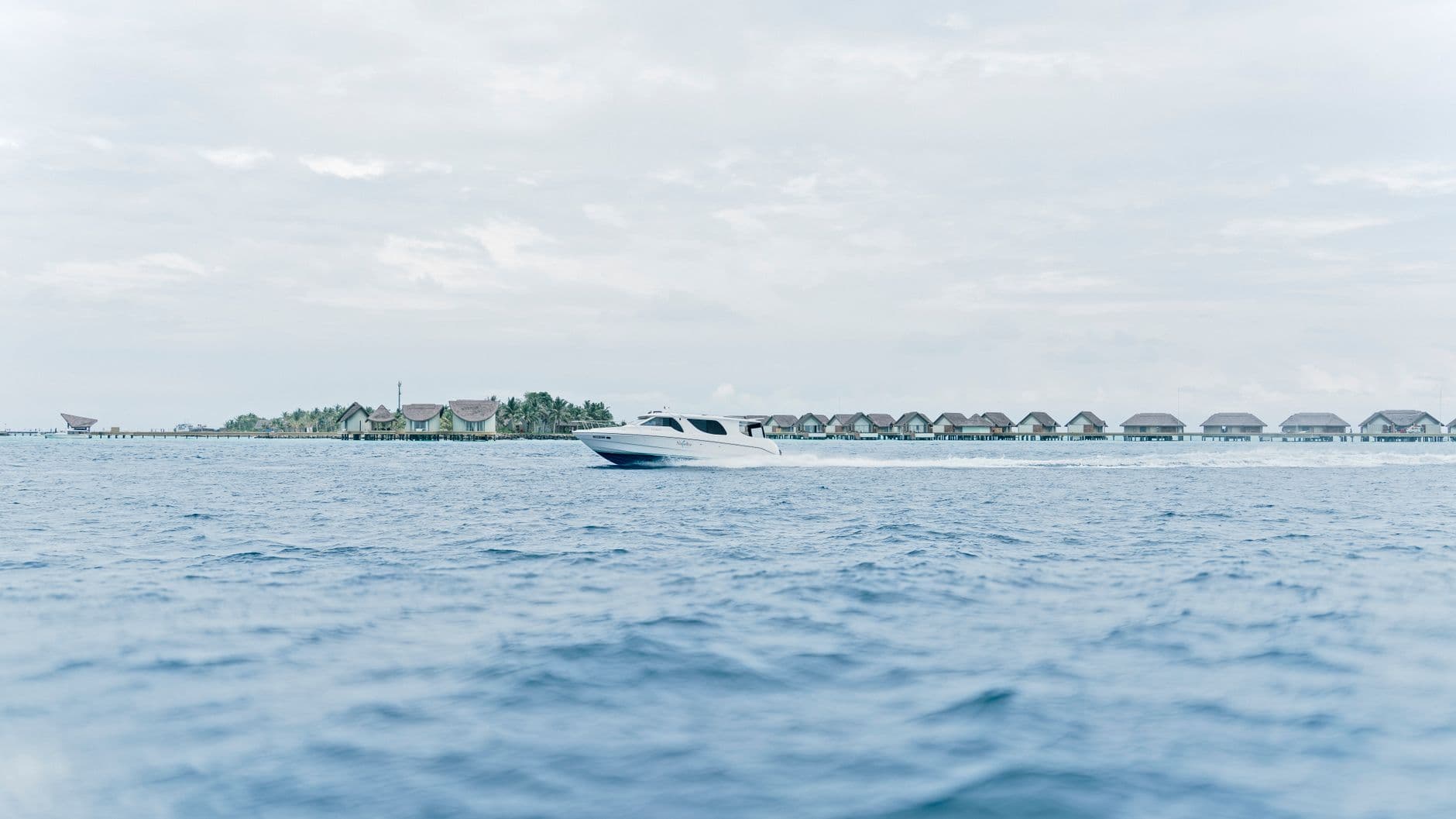
The Maldives looks effortless in photos, but a single-airport, multi-transfer nation punishes bad timing. Here's what to get right before you fly this winter.