
My Spring in the Maldives: A Travel Story

Sunrise Over Velana: My First Morning in the Maldives
I landed at Velana International Airport just after 11:00, sweat prickling before I'd even cleared immigration, and I did the thing every arriving flight does: pressed my face to the terminal glass to check the water was real. It was. Not postcard-real, but the unsettling, almost chemical turquoise you only half-believe until you're standing in it, the reef shelf dropping from pale to navy in a line you could trace with your finger from the plane window.
My plan for the next five days was deliberately lopsided: three nights on Maafushi, a local island in South Malé Atoll where guesthouses run USD 60-100 a night and every second building is a dive shop, then a jump north to a resort in Ari Atoll for the kind of overwater-villa quiet that Maafushi doesn't sell. Spring in the Maldives means the dry, northeast monsoon season is winding down, seas are generally calmer, and visibility on the reefs was running 20-25 meters most days I was in the water. That's the trade I was chasing: grit first, then glide.
“The ocean here doesn't wait for you to be ready. It starts right at the end of the runway, and it doesn't stop until it's the only thing you're thinking about.”
Five Days, Two Islands, and the Line Between Local Life and Luxury
Malé to Maafushi: A 90-Minute Ferry Into a Slower Maldives
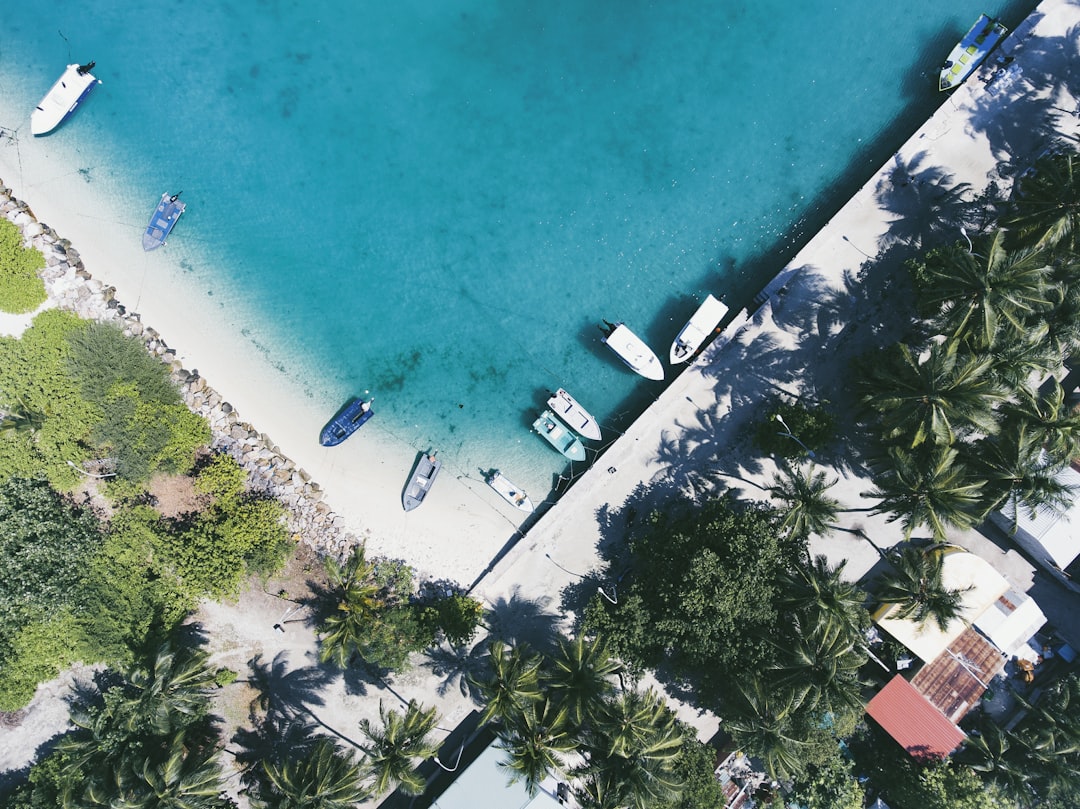
The public ferry from Villingili terminal in Malé to Maafushi runs a handful of times a day, costs around USD 2-3, and takes about 90 minutes with a stop or two along the way. I could have paid USD 25-40 for a speedboat transfer and cut that to 35 minutes, but I wanted the slow version first — the one where the captain's radio plays Dhivehi pop and everyone on board is a local commuting home, not a tourist.
Arena Beach Hotel, my guesthouse for the next three nights, sat two minutes' walk from Bikini Beach, the roped-off stretch of sand where swimwear is permitted (elsewhere on the island, modest dress is expected, per local custom on inhabited islands). A double room ran roughly USD 70-90 a night with breakfast, fan-cooled with air-con as an option, nothing plush, everything functional.
I spent the first evening doing the least athletic thing possible: walking the entire perimeter of Maafushi in about 40 minutes, watching fishermen unload the day's catch at the harbor, and eating my first mas huni — shredded tuna, grated coconut, onion, and chili, scooped up with roshi flatbread — at a tiny café for under USD 5.
Diving Guraidhoo Kandu and a Sandbank Picnic
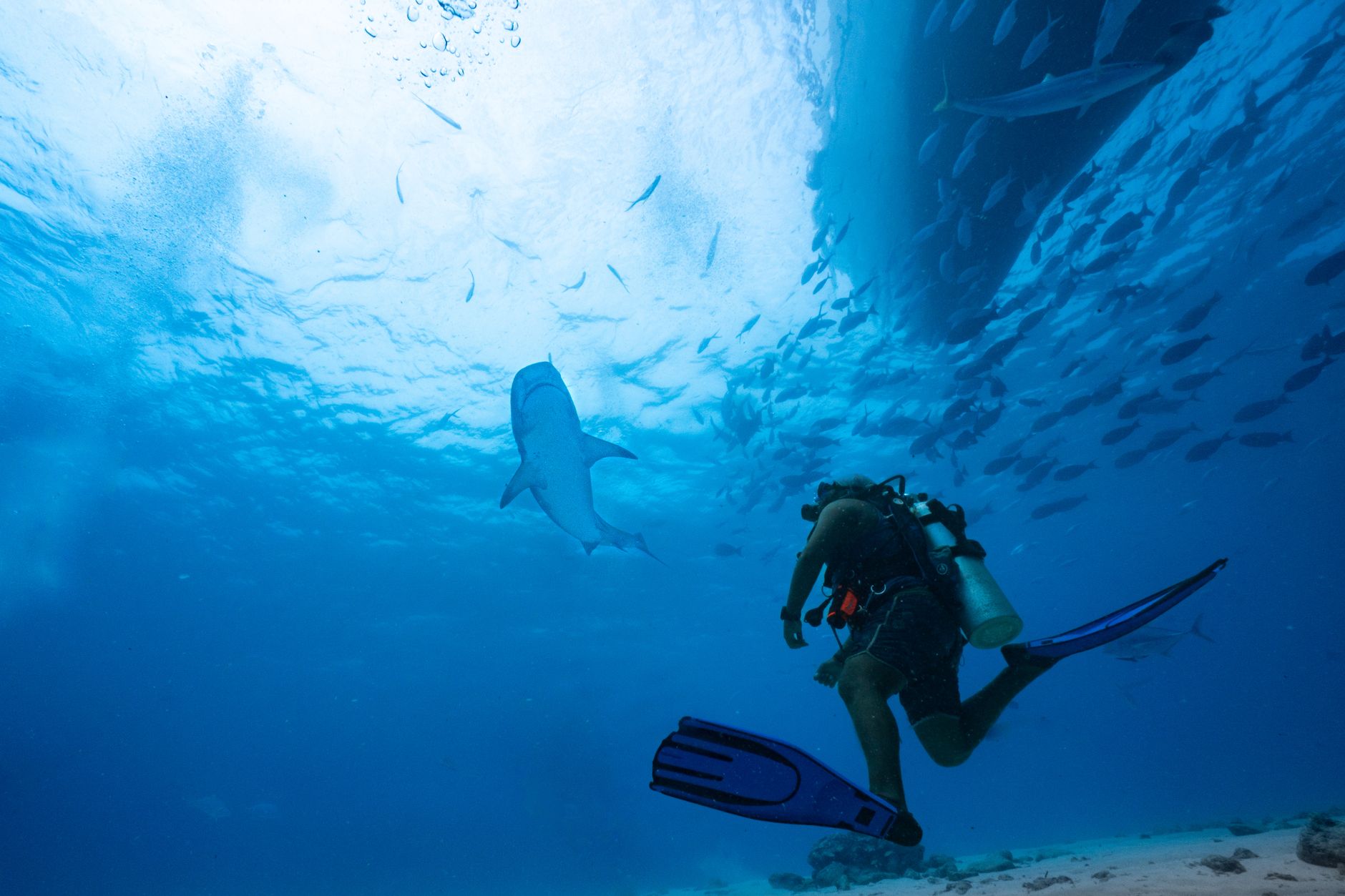
This is the day I'll be honest about difficulty. Guraidhoo Kandu is a channel dive, and channel dives here mean current — sometimes gentle, sometimes the kind that turns a leisurely fin kick into a full drift you can't fight. My dive guide called it a moderate-to-advanced dive depending on the tide, and he wasn't overselling it. We descended to about 18-20 meters, hooked briefly at a coral bommie to watch a handful of grey reef sharks work the current, then let the drift carry us the rest of the way. Bring a reef hook if you dive current sites regularly; I hadn't packed one and regretted it.
Two tanks, a guide, and gear rental through one of Maafushi's dive centers ran about USD 90-130 for the day, certification card required — most shops want to see a PADI Open Water card or equivalent before they'll take you past the house reef.
The afternoon was the reward for the morning's current-fighting: a sandbank trip on a tiny, uninhabited spit of sand maybe 20 minutes out by dhoni, where the boat crew grilled reef fish over a driftwood fire and I did nothing more strenuous than reapply reef-safe sunscreen.
Crossing to Ari Atoll: Speedboat, Seaplane, and My First Whale Shark
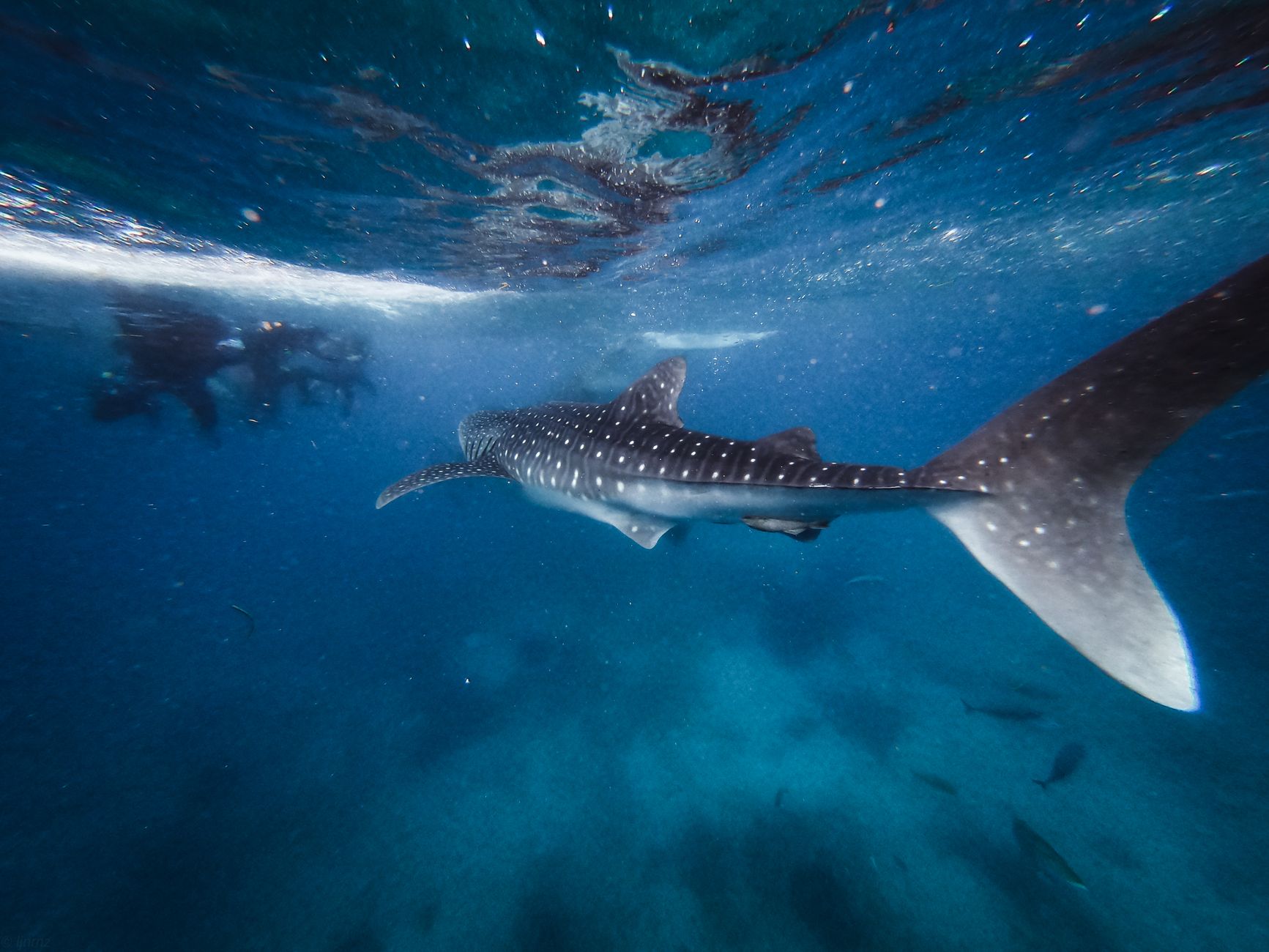
Leaving Maafushi meant a speedboat back to Malé, then a resort transfer — some Ari Atoll properties use seaplane, others a longer speedboat run, and mine was the latter, roughly 45-60 minutes across open water to reach a resort in the South Ari Atoll Marine Protected Area. The MPA is the reason people fly this far south: it's one of the few places on earth where whale sharks are reliably present year-round, not migratory visitors.
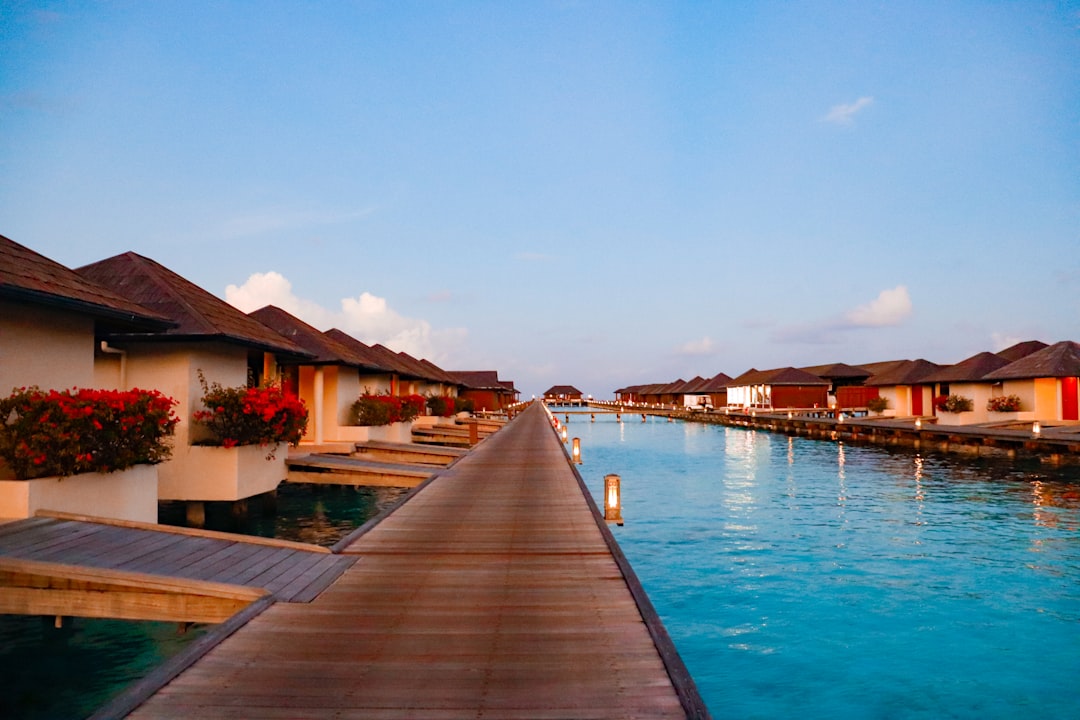
By mid-afternoon, less than four hours after checking out of a fan-cooled guesthouse room, I was in an overwater villa with a glass floor panel over the lagoon. The gear shift was almost funny.
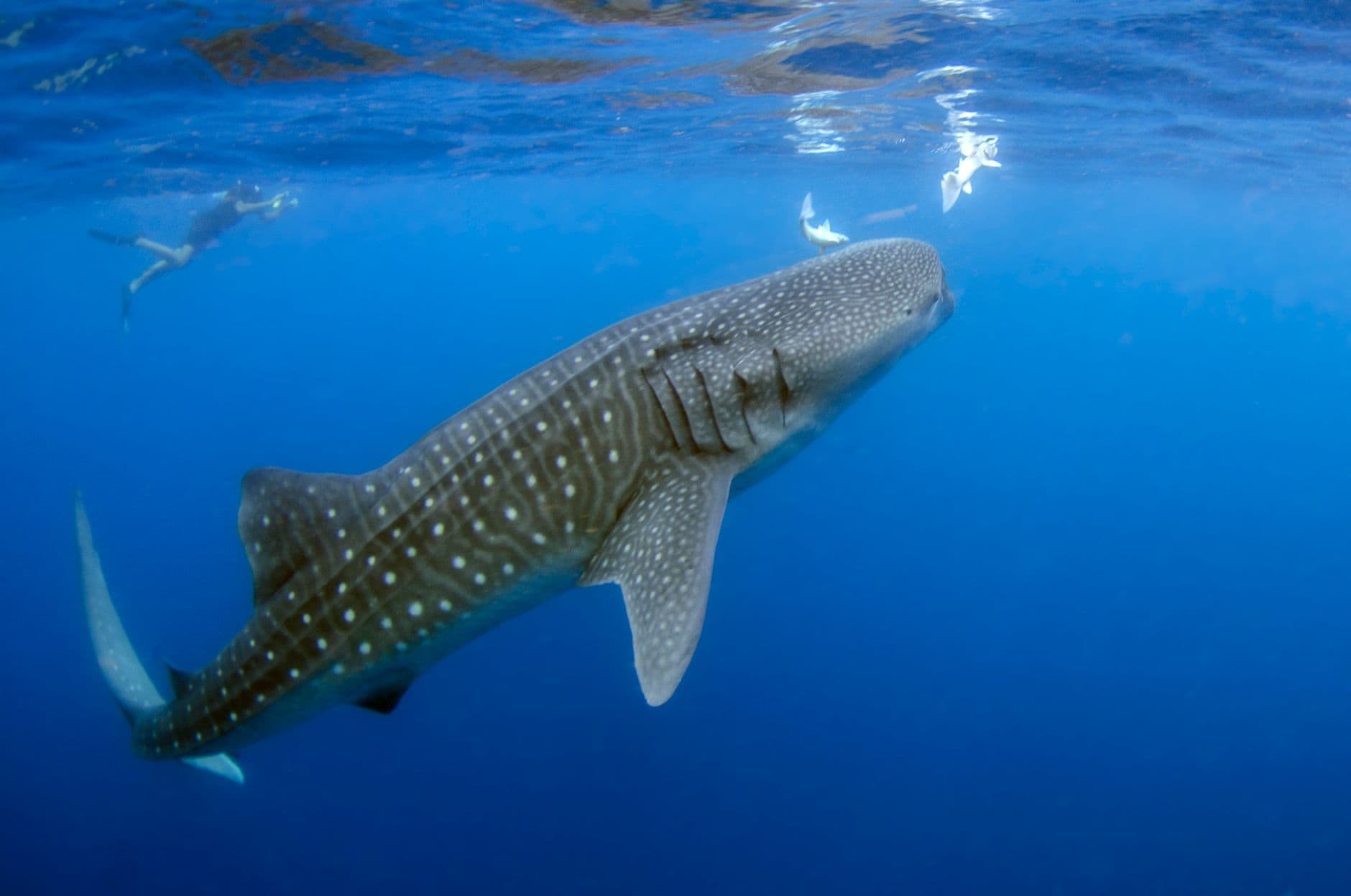
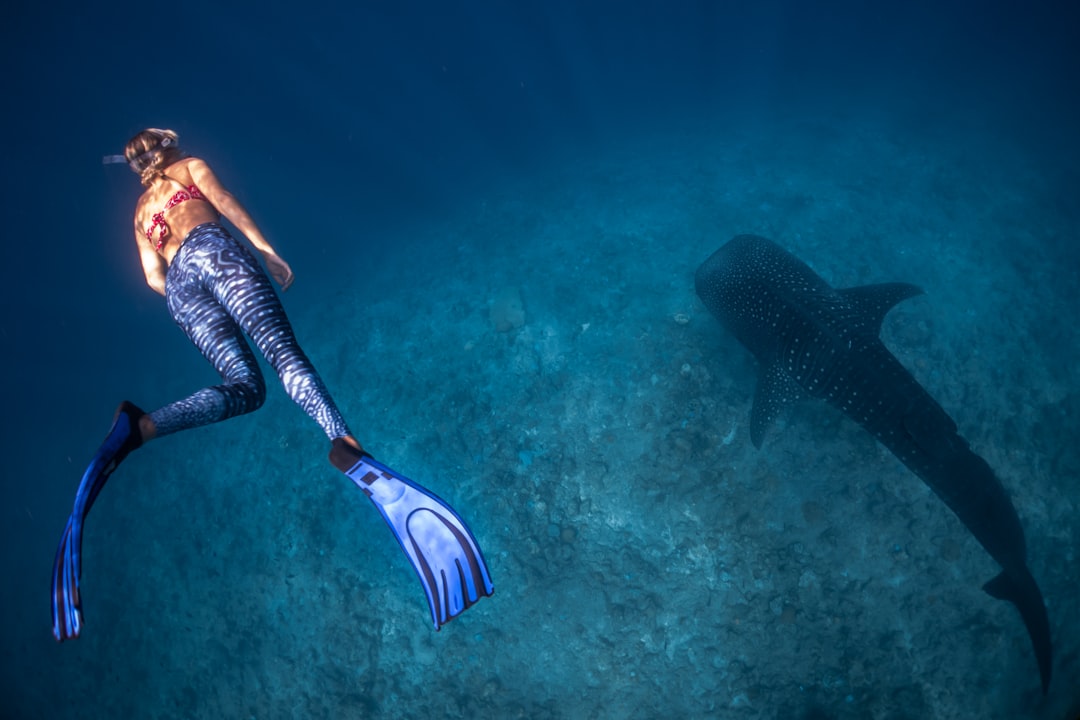
The whale shark came on the sunset snorkel excursion, spotted by a marine biologist on staff who radios the boat the second a shadow that size shows up. Snorkeling alongside something 6-8 meters long, unhurried and utterly indifferent to me, was the single moment of the trip I'd been chasing without quite admitting it.
Manta Point at Dawn and a Sunset With Dolphins
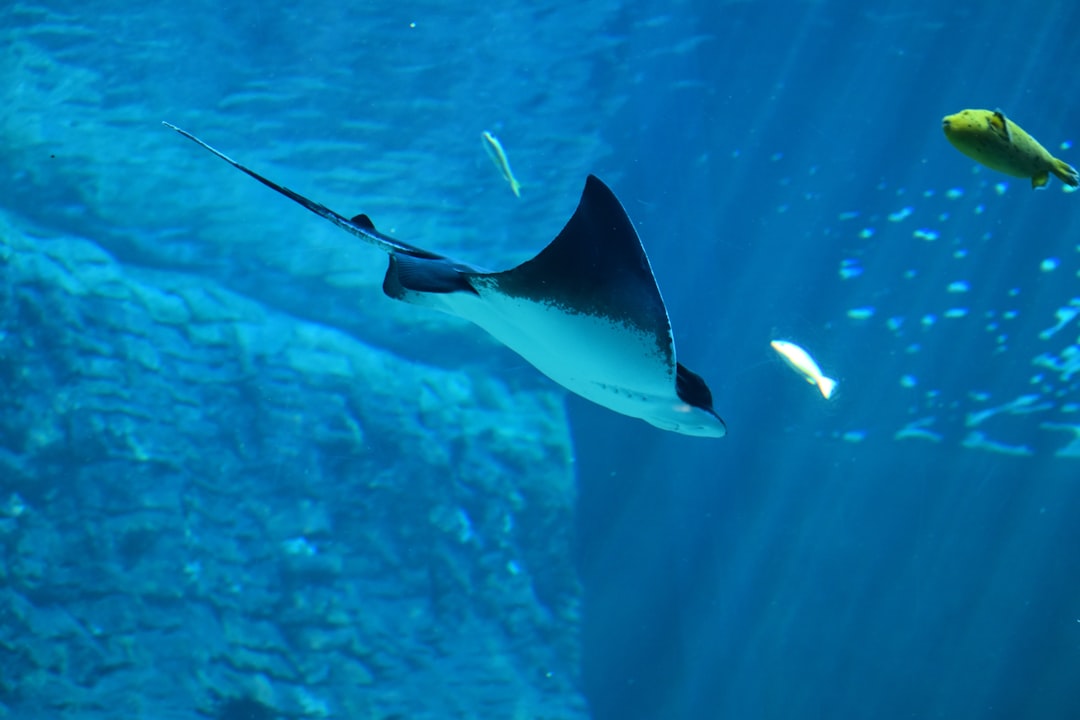
Manta season shifts around depending on which side of the atoll the current is favoring, so I got lucky: a dawn snorkel trip to a cleaning station where two mantas circled a coral bommie for a good 15 minutes while smaller fish picked at their undersides. No difficulty rating needed here — it's a shallow, current-light site, easy for anyone comfortable in open water.
The afternoon was villa time: hammock, book, the glass floor panel again, and a spa treatment built around local coconut oil that ran about USD 120-160 for 60 minutes. I'm not usually a spa person, but jetlag and two dive days had caught up with me.
The evening dolphin cruise leaves most resorts around 17:30-18:00, timed to catch spinner dolphins that ride the boat's bow wave in pods that can run into the dozens. I put my phone away for that one on purpose and haven't regretted it since.
One Last Reef, Then the Long Way Home
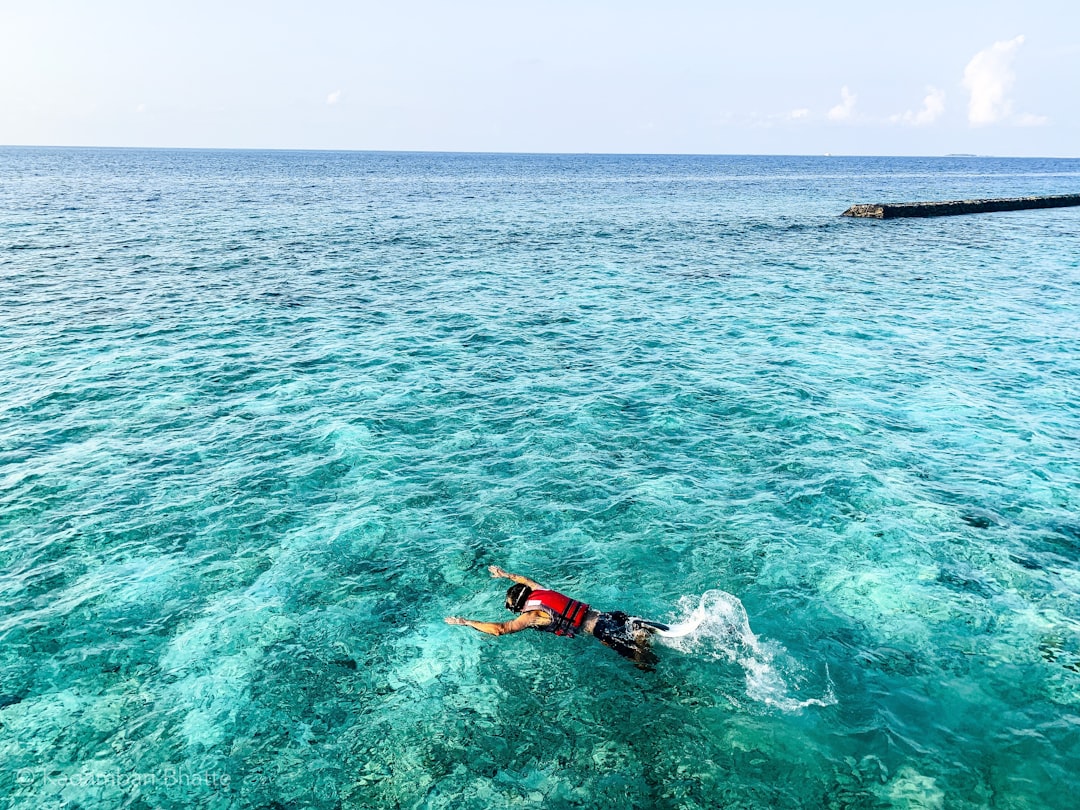
My last morning was a single house-reef snorkel, no boat needed, straight off the beach in front of the villa — parrotfish, a reef octopus tucked into a crevice, and a turtle that surfaced twice for air about ten meters from me. It cost nothing and needed no gear beyond what I already had strapped to my face.
The return transfer worked in reverse: speedboat to Malé, roughly an hour, timed against my evening flight out of Velana International Airport with about three hours of buffer, which I'd recommend building in — sea conditions can push a transfer later than scheduled, and nobody wants that stress against a flight window.
The Trip in Six Frames
Cordelie travel advisors
Planning Maldives? Go with someone who knows
The right suite, the right season, the reservations that never appear online — your Cordelie advisor knows them, and holds them for you.
Plan with a Cordelie advisorFree to ask. Cordelie Travel Services · IATA/ARC 06649064
The Whale Shark That Reset What Snorkeling Meant to Me
It's easy to write a trip like this as a list of sites, but two encounters stayed with me longer than the rest. The whale shark on Day 3 was the obvious one — that specific, silent scale of animal doesn't fit into a normal frame of reference. Less obvious was the manta cleaning station, where the mantas kept returning to the same coral head for cleaning fish, patient in a way that made the whole thing feel less like a wildlife encounter and more like watching a routine I'd been let in on. If you want a longer list of dive and snorkel sites beyond what I managed in five days, this rundown of the best things to do in the Maldives covers ground I never reached, including some of the northern atolls.
The unexpected standout, though, was the contrast itself. Nobody had told me how strange it would feel to go from a fan-cooled guesthouse room and a USD 5 plate of mas huni to a glass-floored villa in under four hours. It reframed the whole idea of what a Maldives trip is: not one experience, but two very different countries occupying the same ocean, and both worth the time.
Mas Huni Mornings and Reef Fish Curry Nights
Food on Maafushi was cheap, unfussy, and better than I expected from a budget stretch of the trip. Breakfast most mornings was mas huni — that same tuna, coconut, onion, and chili mix from Day 1 — paired with roshi and black tea, usually under USD 5 total at the small local cafes lining the harbor road. Dinner one night was garudhiya, a clear, peppery fish broth served with rice, lime, and chili on the side, the closest thing the Maldives has to a national comfort dish.
At the resort in Ari Atoll, the register shifted entirely: a beachfront grill restaurant serving reef fish and reef lobster caught that same day, a breakfast buffet with fresh coconut cracked to order, and a dinner of seared tuna loin that cost more on its own than an entire day of eating on Maafushi. Neither approach is the right one — they're just different budgets telling different stories. For a broader sense of what's on the table across the islands, including resort dining and local-island street food, this complete guide to the Maldives is worth reading before you land.
Splitting a trip between a local island and a resort atoll sounds simple until you're actually pricing seaplane slots, timing a whale shark excursion against tide and season, and matching a dive shop's certification requirements to your own logbook. A Cordelie advisor builds that itinerary around exactly the balance of grit and glide you want — which atoll to base the resort leg in for the mantas or whale sharks you're chasing, which local island suits your comfort level, and which transfer routes actually connect on the day you're flying.
The result is a trip where every crossing lands exactly when it should, and every day in the water is the one you came for.
Is a Split Maldives Trip Like This the Right Call for You?
Best for travelers who want real diving and a genuine cultural contrast, not just a lagoon to float in.
This five-day shape rewards anyone with at least an Open Water certification and a willingness to spend a couple of days somewhere unpolished before the resort leg. If drift diving in current-swept channels sounds like a hard no, skip the Guraidhoo Kandu-style dives and stick to the calmer house reefs and manta cleaning stations instead.
Budget-wise, expect the Maafushi stretch to run far cheaper than the resort nights — a useful way to stretch a trip that would otherwise be entirely resort-priced. For trip planning basics, visas, and seasonal timing before you book either leg, it's worth reading a general primer on the essentials of traveling here.
Last checked for accuracy: . How we check

Marcus Rivera has spent fifteen years writing about places you have to walk into. He has guided in Patagonia, reported from Kilimanjaro's quieter routes, and has strong opinions about which of them are worth the airfare. He is based in Boulder, mostly so he can leave it.
Related Articles
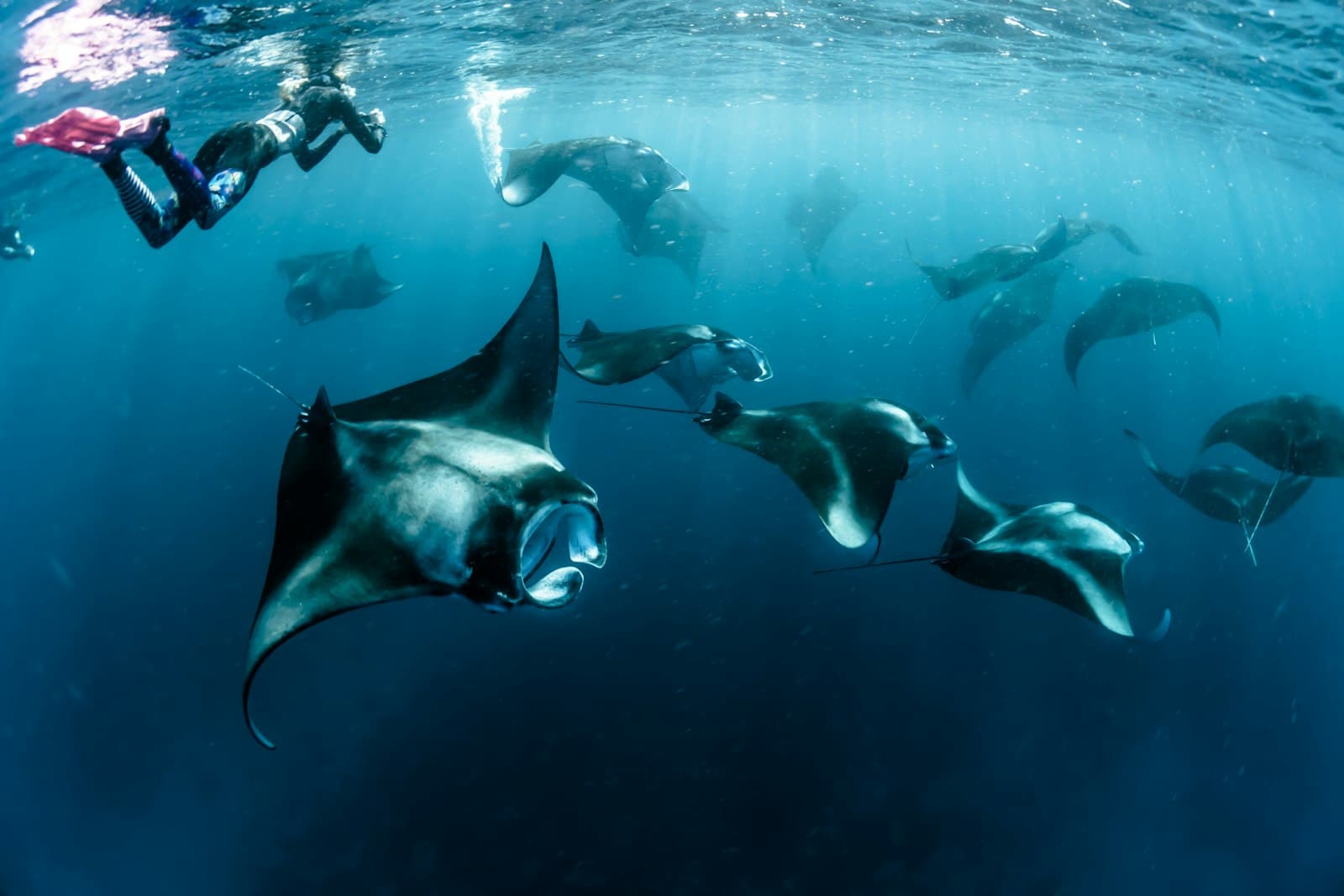
The Best Things to Do in the Maldives
Manta rays, an underwater restaurant, glowing plankton beaches, and the local island most tourists never see — ranked for a spring trip to the Maldives.

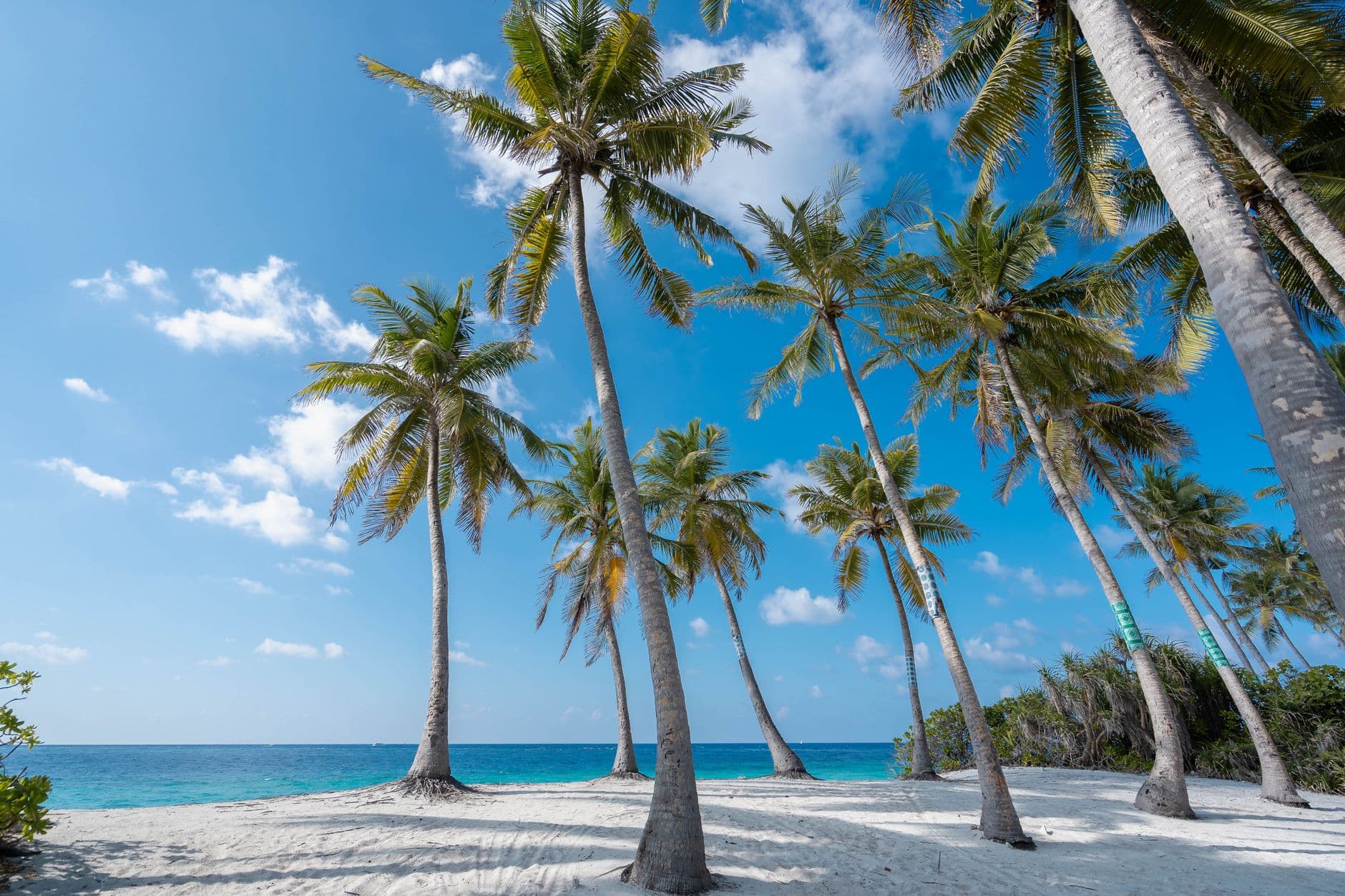
Why the Maldives Is Perfect for Winter Travel
December through March brings perfect weather, calm seas, and reliable sunshine to the Maldives. Here's how to navigate peak season smartly.

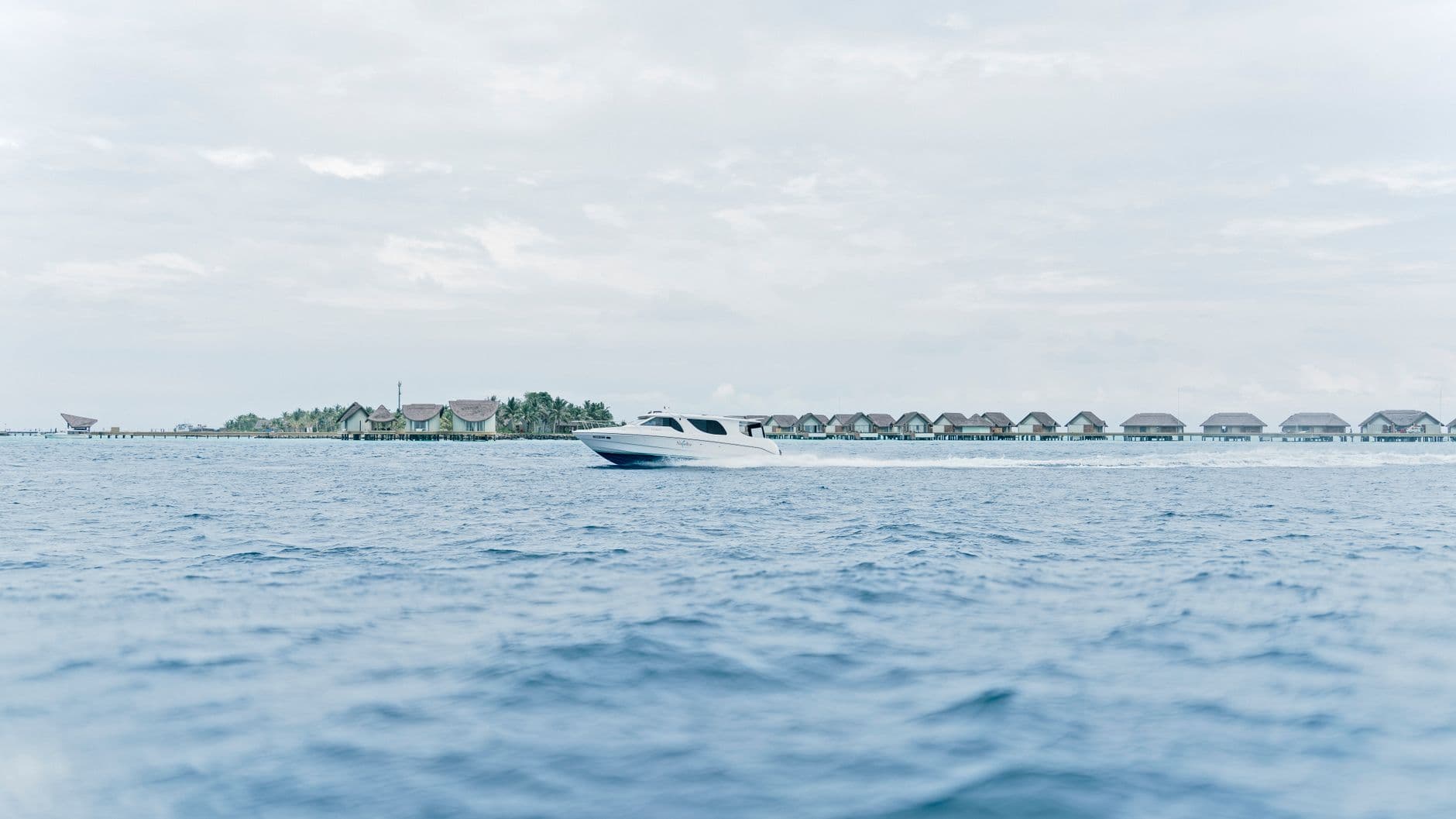
Essential Tips for Traveling to the Maldives
The Maldives looks effortless in photos, but a single-airport, multi-transfer nation punishes bad timing. Here's what to get right before you fly this winter.