
The Complete Guide to the Maldives: What to See, Do & Eat

Impossibly Beautiful Islands & Intimate Tropical Escape
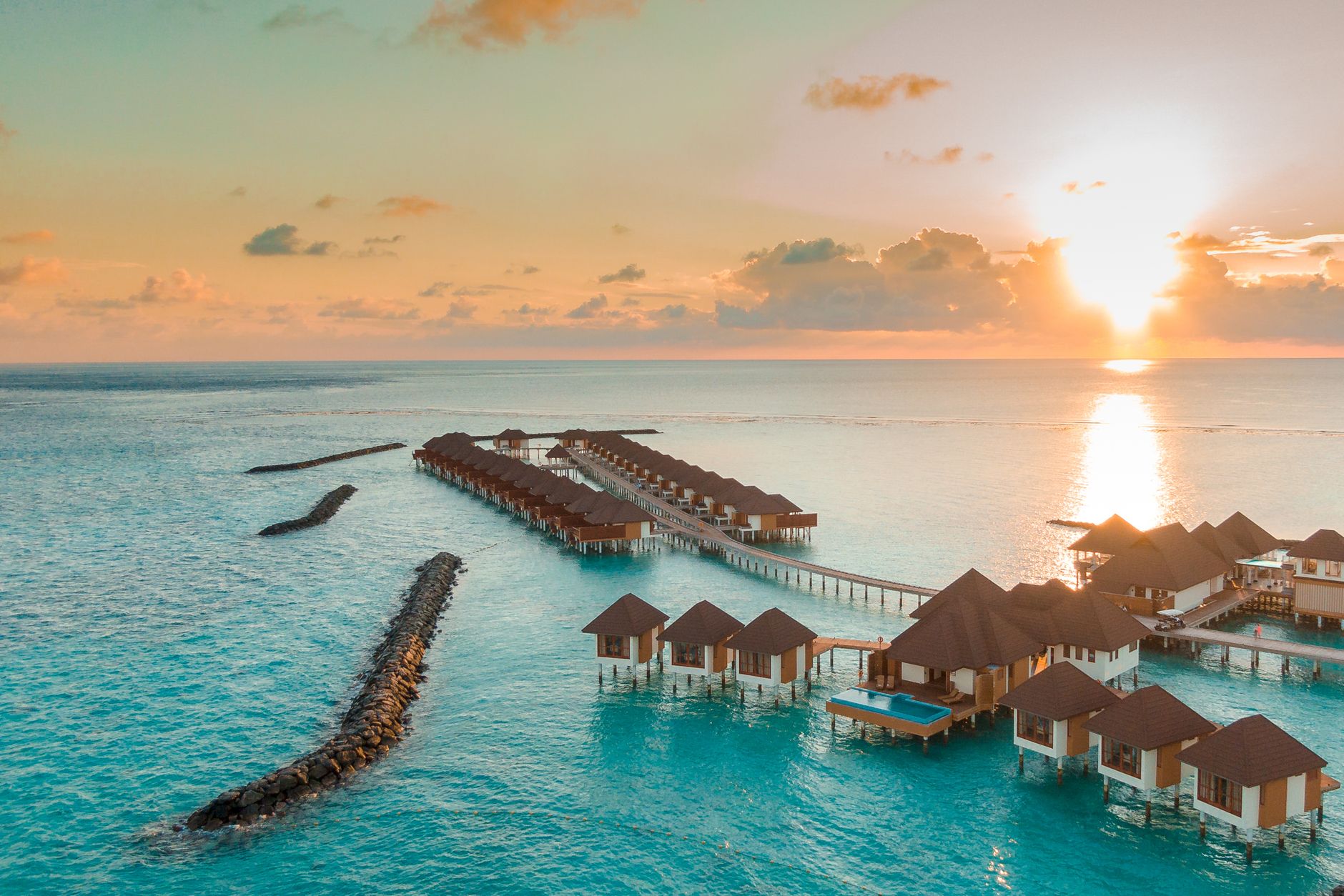
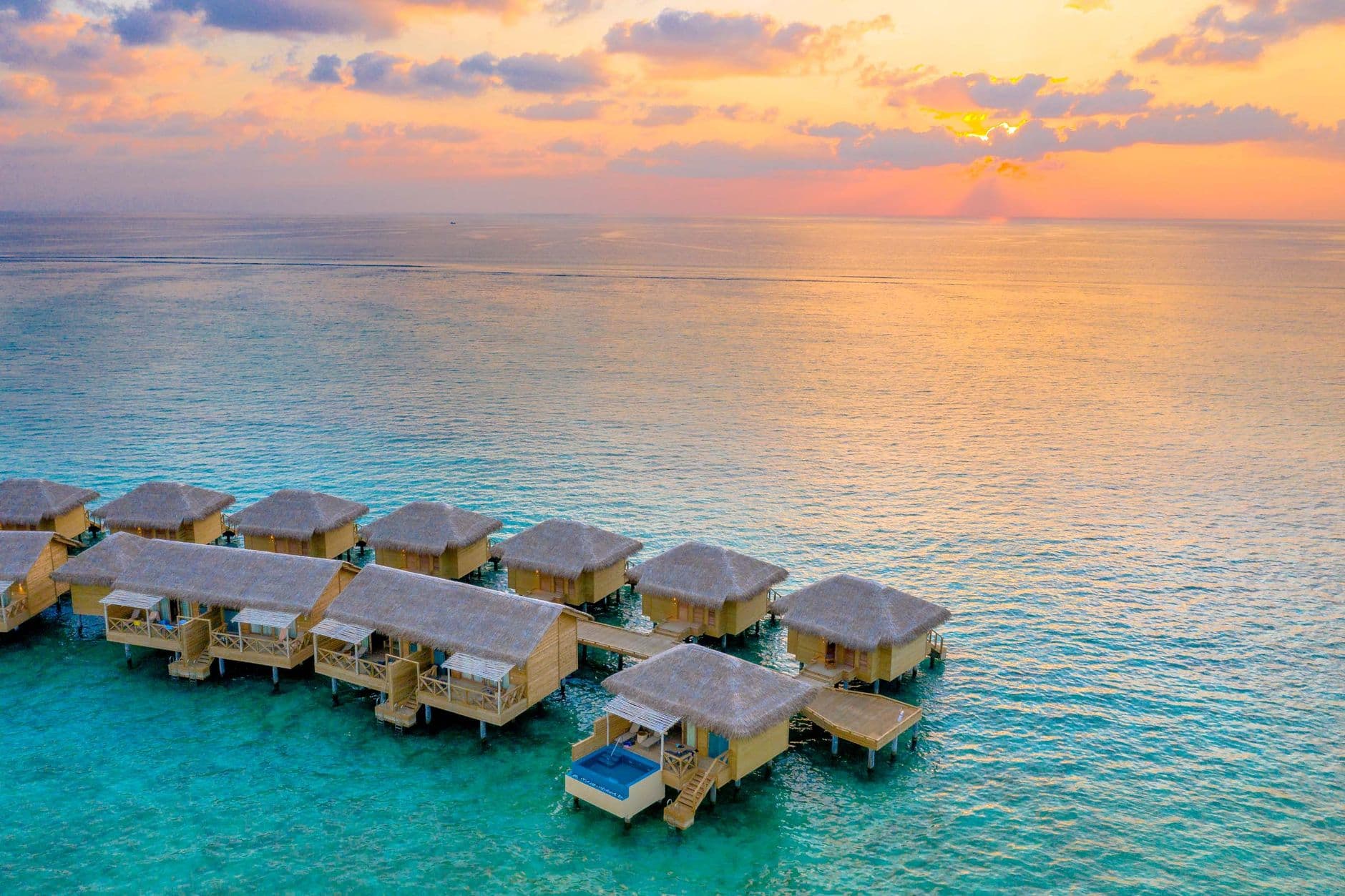
There are places that photograph well, and then there is the Maldives, a nation so improbably beautiful that the reality somehow outpaces the postcard. Scattered across the equator like a broken strand of pearls, its 1,192 coral islands rise barely a meter above an ocean that shifts through an entire spectrum of blue before breakfast is served. This is a destination built for slowing down: for private sandbanks reachable only by dhoni, for reef sharks gliding beneath your overwater deck, for dinners plated by candlelight on a stretch of sand that belongs, for one evening, entirely to you.
What sets the Maldives apart from other tropical escapes is the sheer intimacy of the experience. Each resort typically occupies its own private island, meaning there is no crowding, no competing music from the next beach chair, no queue for the best snorkeling spot. Instead, there is a coral reef just steps from your villa, a spa treatment room suspended over the lagoon, and a level of service so attentive it borders on telepathic. For couples, honeymooners, and travelers who consider silence a luxury, the Maldives remains the gold standard against which every other beach destination is measured.
Maldives Quick Facts
Best Season: November to April Dry Monsoon
The Maldives sits close enough to the equator that temperatures barely fluctuate year-round, hovering between 82°F and 88°F (28°C to 31°C). What changes dramatically is the monsoon pattern, and it dictates everything from sea conditions to underwater visibility. The dry northeast monsoon, known locally as Iruvai, runs roughly from November through April and brings the postcard weather most travelers picture: low humidity, minimal rainfall, and glassy seas ideal for snorkeling, diving, and sandbank picnics. This is peak season, and rates at top resorts climb accordingly, particularly around the Christmas and New Year period, when villas at properties like Soneva Fushi or One&Only Reethi Rah can be booked out six to nine months in advance.
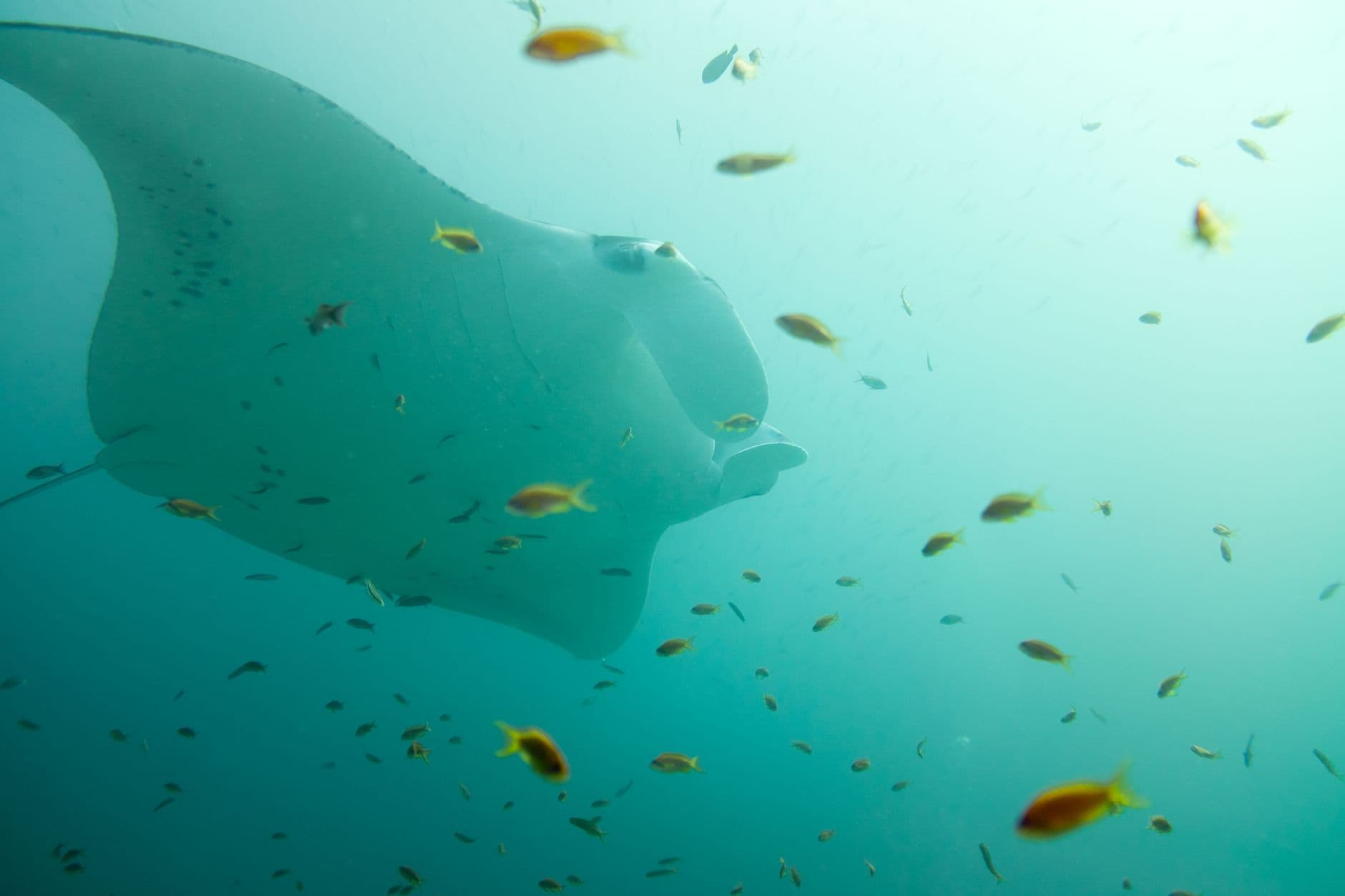
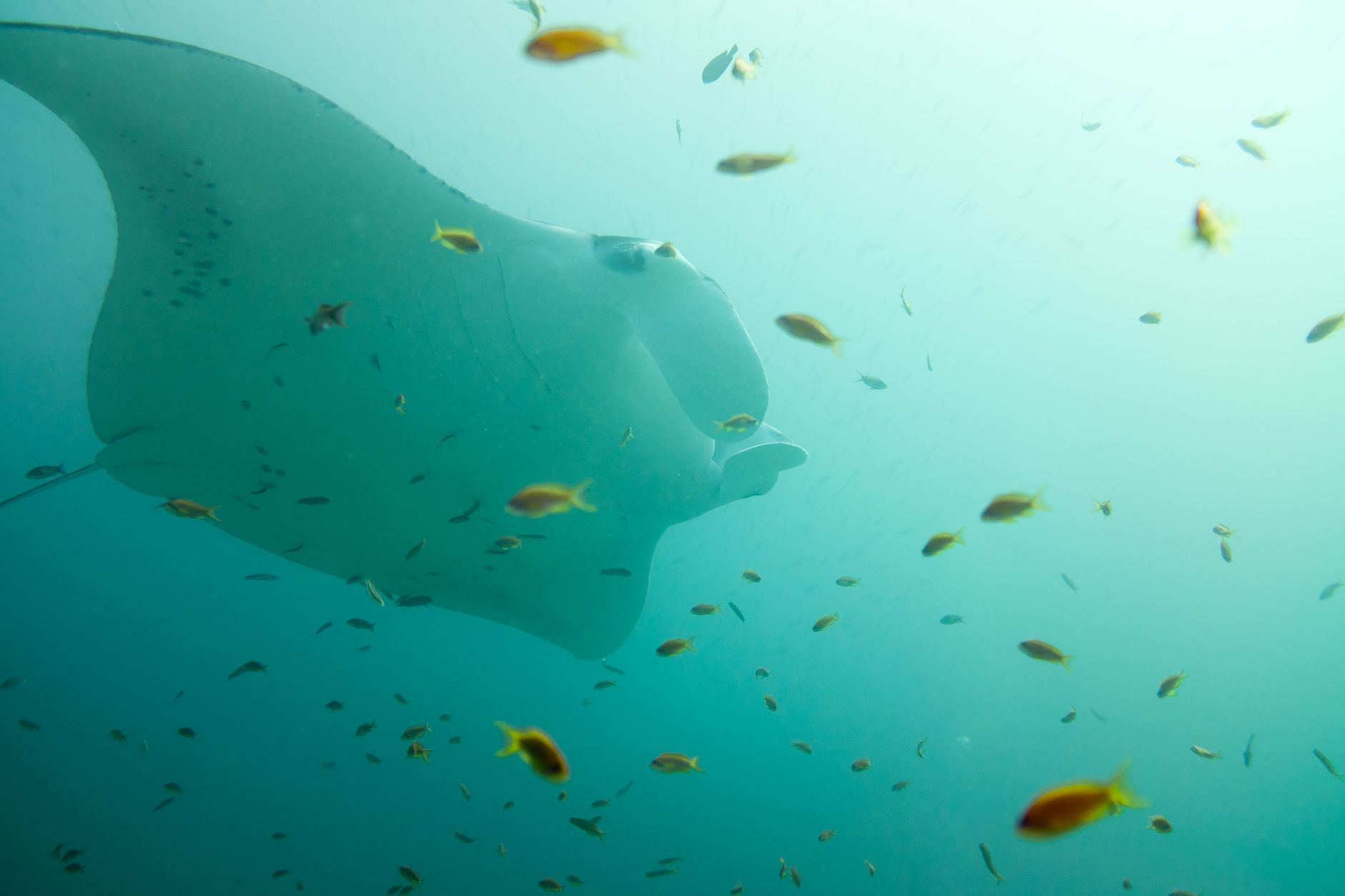
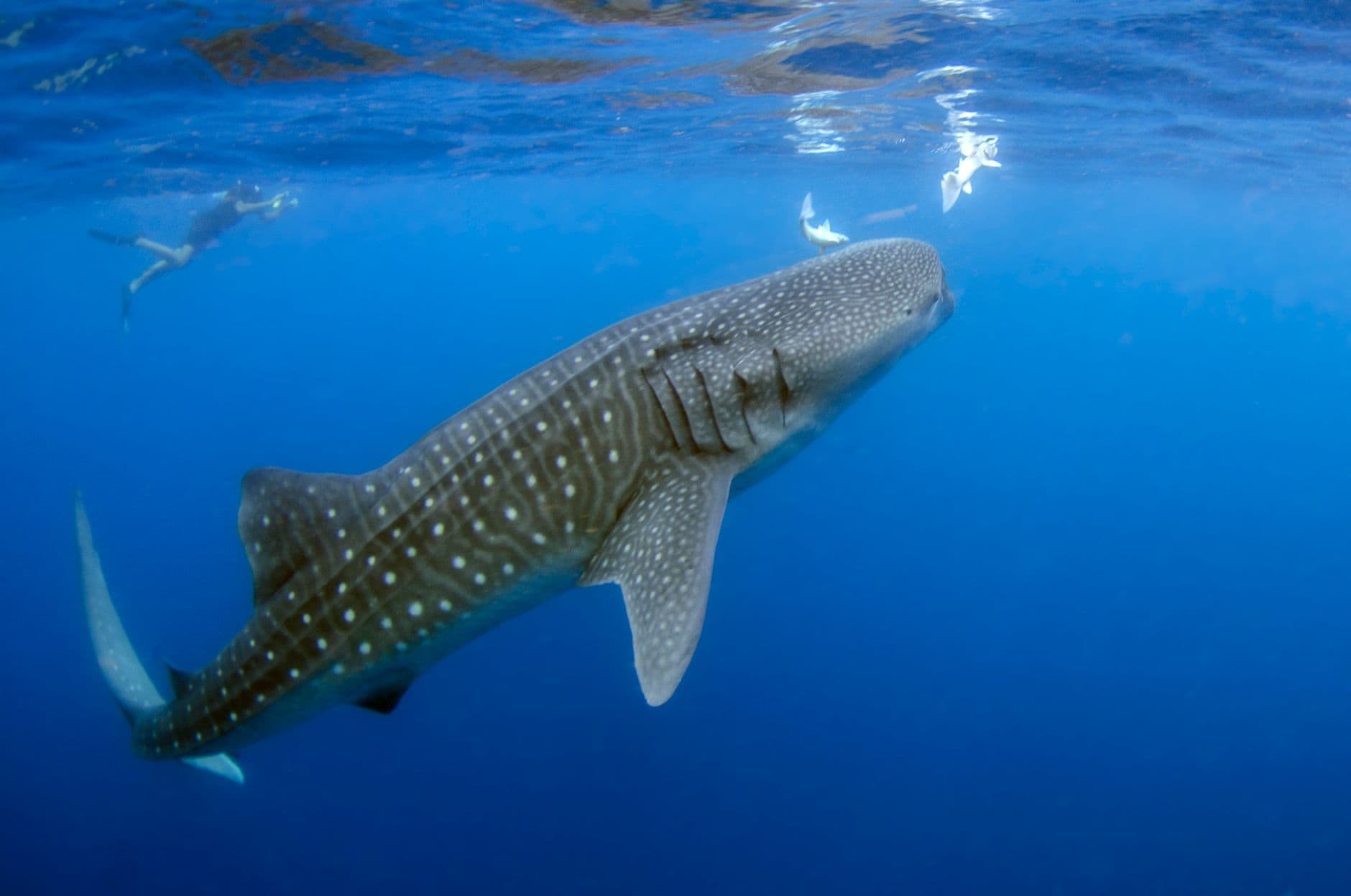
Autumn, the season in which this guide is being written, occupies a sweet spot many seasoned travelers quietly prefer. September through November falls within the tail end of the southwest monsoon (Hulhangu), which means slightly more rain and wind than the dry season, but also thinner crowds, lower rates, and some of the best big-fish encounters of the year. Manta ray season peaks around Hanifaru Bay in Baa Atoll from June through November, and whale sharks are regularly spotted off South Ari Atoll throughout the fall. Rain tends to arrive in short, dramatic bursts rather than settling in for days, so a five-minute downpour followed by full sun is a common autumn rhythm. Divers, in particular, should note that October and November often bring the clearest underwater visibility of the entire year, making this an underrated window for those chasing that perfect reef photograph without the December price surge.
Cordelie travel advisors
Planning Maldives? Go with someone who knows
The right suite, the right season, the reservations that never appear online — your Cordelie advisor knows them, and holds them for you.
Plan with a Cordelie advisorFree to ask. Cordelie Travel Services · IATA/ARC 06649064
Snorkeling, Manta Rays & Private Sandbanks
Snorkeling directly off your villa's private deck is, for most first-time visitors, the moment the Maldives fully reveals itself. House reefs at resorts like Milaidhoo in Baa Atoll or Vakkaru Maldives teem with parrotfish, moray eels, and the occasional hawksbill turtle, all visible within minutes of stepping into the water. For a more immersive underwater experience, book a dive to Manta Point in the South Ari Atoll or Hanifaru Bay during manta season, when dozens of these gentle giants gather to feed in a natural plankton bloom — a spectacle that regularly ranks among the best snorkeling encounters on the planet.
Sandbank excursions deserve a full afternoon of your itinerary. Most resorts will arrange a private speedboat trip to an uninhabited sandbank, complete with a floating breakfast setup or a champagne picnic as the tide creeps in around your ankles. Dolphin cruises at dusk are another highlight, particularly in the North Malé Atoll, where spinner dolphins frequently surface alongside the boat in pods of twenty or more. For a cultural counterpoint to the resort bubble, a day trip to a local island such as Maafushi offers a glimpse of everyday Maldivian life, including modest guesthouses, local cafés serving mas huni (a tuna and coconut breakfast dish), and a noticeably more conservative dress code that travelers should respect by covering shoulders and knees.
No visit is complete without at least one spa treatment suspended over the water. Properties like COMO Cocoa Island and Gili Lankanfushi built entire treatment pavilions on stilts, where the sound of waves beneath a glass floor becomes part of the massage itself. Sunset fishing trips, traditional Bodu Beru drumming performances, and stargazing sessions with resident marine biologists round out an itinerary that rewards travelers who resist the urge to overschedule.
Maldives Highlights
Ultra-Luxury to Upper-Mid Range Overwater Villas
The Maldives resort landscape spans an extraordinary range, though the term budget is relative here. At the ultra-luxury end, Soneva Fushi in the Baa Atoll UNESCO Biosphere Reserve remains a benchmark for barefoot indulgence, with beachfront villas starting around $1,800 per night and an observatory offering nightly stargazing sessions with a resident astronomer. Gili Lankanfushi, accessible only by boat with no cars or bicycles permitted on the island, offers Robinson Crusoe-style overwater villas from roughly $2,000 per night, each with a private slide directly into the lagoon.
In the upper-mid range, Milaidhoo Island in Baa Atoll delivers exceptional value at approximately $1,100 to $1,600 per night, with a house reef consistently rated among the best for snorkeling directly from the villa. Kandolhu Maldives in the North Malé Atoll, a boutique 30-villa property, offers similarly elevated service starting near $900 per night in shoulder season. For travelers seeking strong value without sacrificing atmosphere, Kuramathi Island Resort in Rasdhoo Atoll runs beach villas from around $450 per night and includes a full-board dining plan, making it one of the more approachable entry points into Maldivian luxury.
Budget-conscious travelers increasingly opt for local island guesthouses, particularly on Maafushi or Thulusdhoo, where simple air-conditioned rooms run $60 to $120 per night and excursions like snorkeling trips or surf lessons can be booked à la carte. This approach trades private-island seclusion for significantly lower costs and closer contact with Maldivian culture, and pairs well with a shorter add-on stay at a resort for the classic overwater experience. Whichever category you choose, booking through a travel advisor familiar with current resort promotions can meaningfully affect the final price, since many properties quietly offer fourth-night-free or honeymoon upgrade packages that rarely appear on public booking sites.
Ocean-Focused Cuisine & Resort International Dining
Maldivian cuisine draws heavily on the ocean surrounding it, with fresh tuna, coconut, and chili forming the backbone of most traditional dishes. Garudhiya, a clear fish broth served with rice, lime, and chili, is the closest thing the islands have to a national dish, while mas huni, a breakfast staple of shredded smoked tuna mixed with grated coconut, onion, and chili, is typically eaten with roshi, a thin unleavened flatbread. Resort dining tends to lean international, with Japanese teppanyaki, Italian trattoria-style restaurants, and beachfront grills common at five-star properties, but many now feature at least one venue dedicated to authentic Maldivian fare, often set within a fisherman's hut aesthetic overlooking the lagoon.
Culturally, the Maldives is a conservative Sunni Muslim nation, and while resort islands operate under relaxed rules permitting alcohol, swimwear, and Western dress, local islands like Maafushi and the capital Malé maintain stricter norms. Alcohol is prohibited entirely outside resort and liveaboard settings, and modest dress covering shoulders and knees is expected when visiting mosques, markets, or residential areas. Friday is the primary day of prayer and rest, and many shops and government offices in Malé close or operate on reduced hours. Visitors who take the time to visit a local island, even briefly, often come away with a far richer understanding of Maldivian life beyond the resort gates, from the call to prayer echoing over quiet lanes to the warmth of small-town hospitality that predates the tourism boom by centuries.
“The sea is not scenery here; it is the front door, the dining room, and the horizon all at once.”
Speedboats & Seaplanes from Velana Airport
All international flights arrive at Velana International Airport (MLE), situated on Hulhulé Island just a short ferry or bridge ride from the capital, Malé. From there, transfers to your resort depend entirely on distance: islands in the North and South Malé Atolls are typically reached by speedboat in 20 to 45 minutes, while more remote atolls like Baa, Raa, or Addu require a domestic seaplane transfer, which can take 30 to 60 minutes and offers spectacular aerial views of the reef systems below. Seaplane transfers do not operate after dark, so travelers arriving on late-night flights should expect an overnight stay near the airport before continuing to more distant resorts the following morning.
Once on-island, movement is refreshingly simple, since most resorts are compact enough to explore entirely on foot or by bicycle within ten to fifteen minutes. Many properties provide complimentary bicycles, and some, including Soneva Fushi, encourage barefoot walking as part of the overall ethos. Inter-island exploration, whether for a sandbank excursion, dolphin cruise, or day trip to a local island, is arranged through the resort's own speedboat fleet or a chartered dhoni, the traditional wooden Maldivian vessel still used for fishing and inter-atoll transport. Independent travelers based in guesthouses on local islands typically rely on public ferries, which are inexpensive but infrequent, making a printed schedule or advance planning essential.
First Day: Arrival, Villa Orientation & Beach Settling
Arrival and Settling Into Island Rhythm
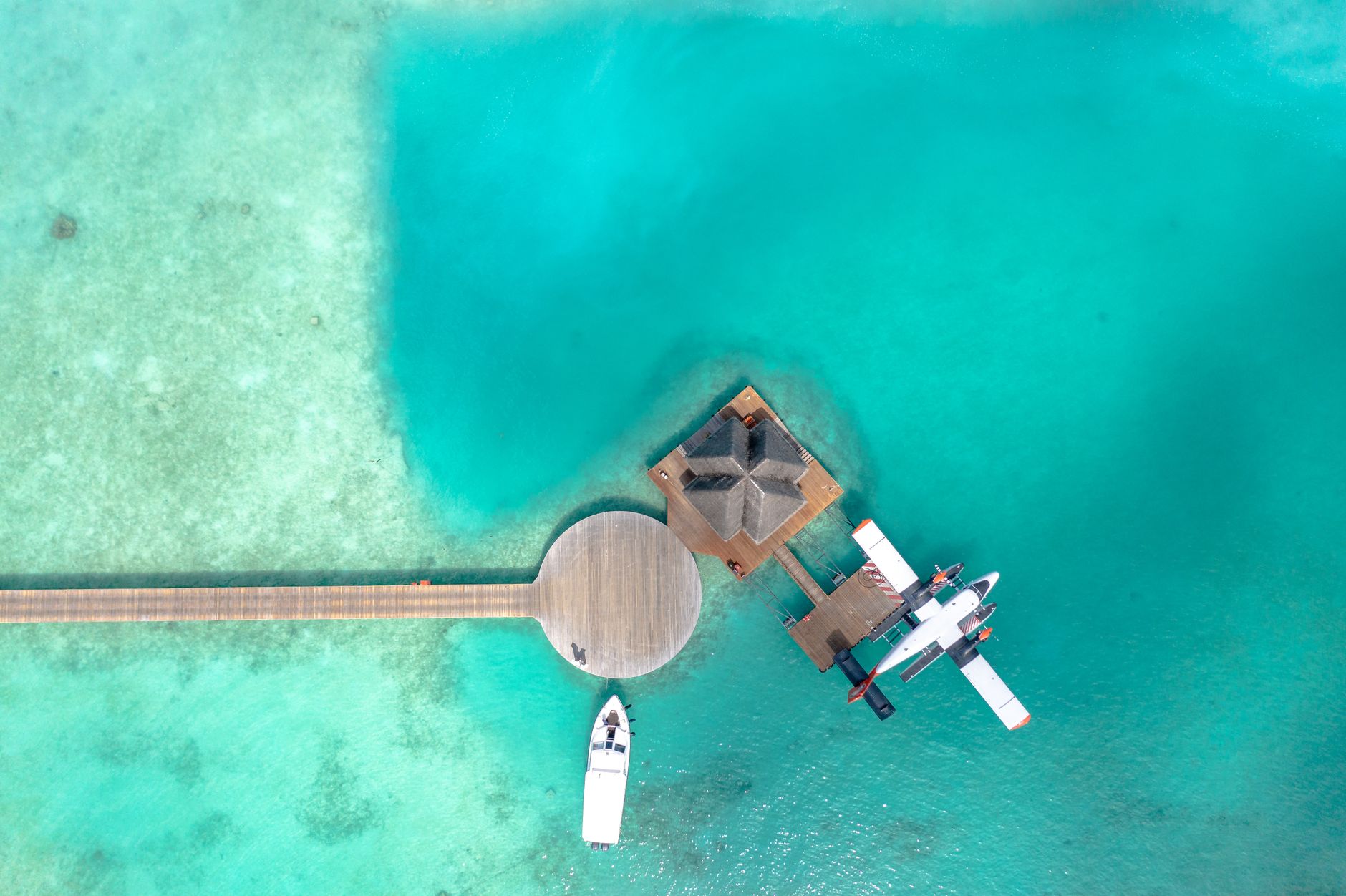
Arrive at Velana International Airport and transfer via speedboat or seaplane to your resort, depending on atoll distance. Most properties offer a welcome drink and cool towel upon arrival, followed by a villa orientation covering everything from house reef access points to turndown service preferences.
Spend the remainder of the afternoon adjusting to island time: a swim off your private deck, a walk along the beach to get your bearings, and an early dinner at the resort's signature restaurant. Ask your butler or host about tide schedules for the following days, since low tide often reveals the best snorkeling directly off the house reef.
Reef Exploration and Sandbank Picnic
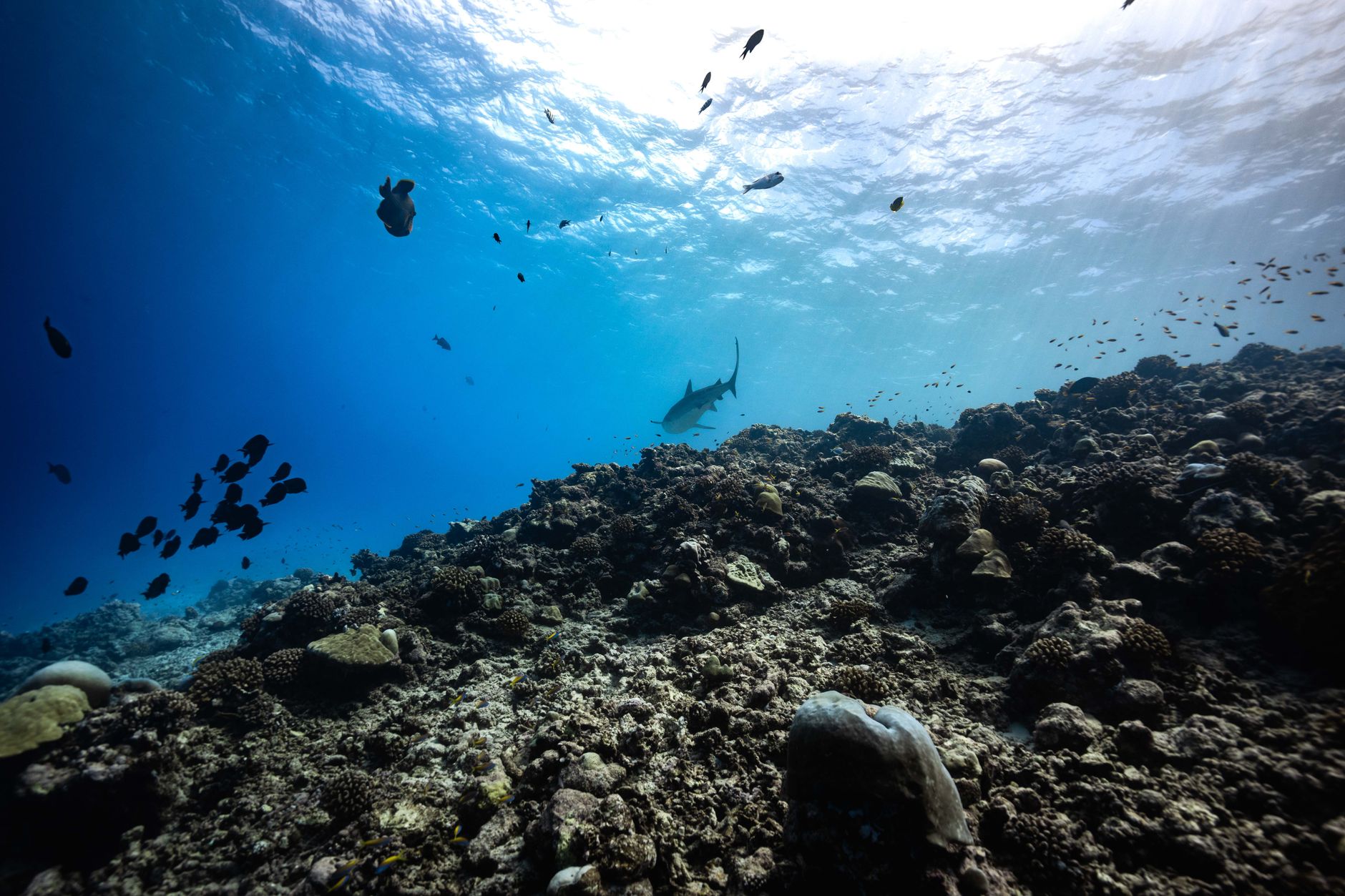
Begin the day with an early snorkel on the house reef, when visibility is typically at its clearest and marine activity is highest. Follow with a resort-arranged dive or snorkeling excursion to a nearby reef system, where reef sharks, eagle rays, and vibrant coral formations are common sightings depending on your atoll.
In the afternoon, take a private speedboat to an uninhabited sandbank for a champagne picnic or floating breakfast setup, a signature Maldivian experience best enjoyed as the tide slowly reclaims the sand around you. Return to the resort in time for a spa treatment in an overwater pavilion before a candlelit dinner on the beach.
Local Culture and Dolphin Cruise
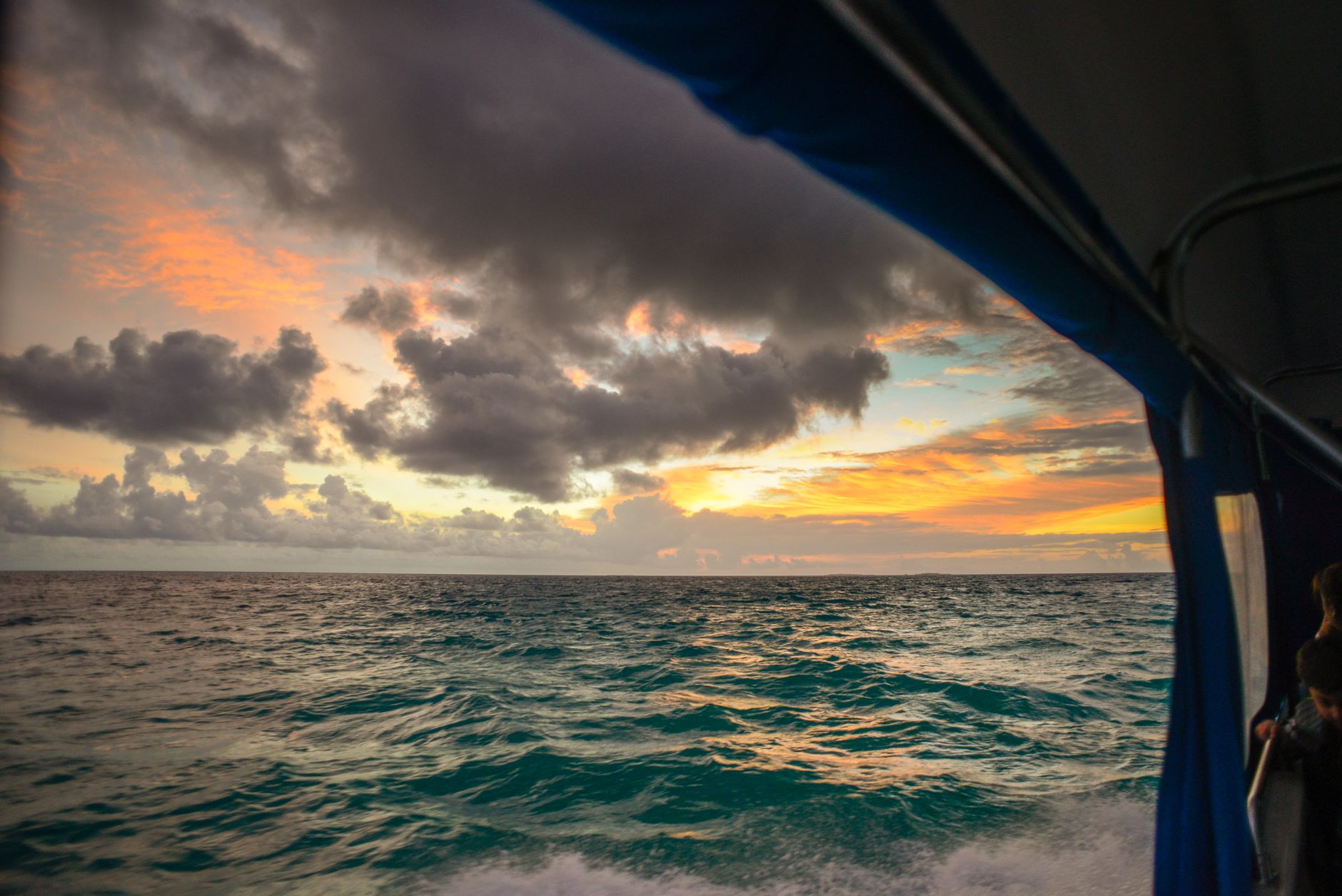
Take a half-day excursion to a nearby local island, such as Maafushi or Dharavandhoo, to experience daily Maldivian life outside the resort bubble. Sample mas huni and fresh roshi at a local café, browse handicraft stalls, and observe the more conservative dress norms as a sign of respect.
Return to the resort by early afternoon for downtime, then join a sunset dolphin cruise, when spinner dolphins frequently surface alongside the boat in the calm evening waters. Close the trip with a final dinner featuring the resort's Maldivian-inspired tasting menu, often served on the beach or within a traditional fisherman's hut setting.
The single biggest mistake we see travelers make in the Maldives is booking the wrong atoll for their priorities. If manta rays and whale sharks are the goal, Baa and South Ari Atolls should top your shortlist over the more convenient North Malé properties. If minimizing transfer time and cost matters more, staying closer to Malé can save several hundred dollars in seaplane fees per person.
Our advisors track real-time resort promotions, honeymoon upgrades, and fourth-night-free packages that rarely surface on public booking sites, and can match your travel dates to the atolls with the calmest seas and clearest visibility for that specific window. A short planning call often pays for itself many times over in the value of the final itinerary.
Maldives At a Glance
An unmatched luxury escape for travelers seeking privacy, world-class marine life, and genuine barefoot indulgence, with autumn offering some of the best diving visibility and quietest resorts of the year.
Best for: honeymooners, divers and snorkelers, travelers seeking complete privacy and disconnection.
Budget for: at least $450–$900 per night at accessible resorts, with luxury properties starting near $1,800 per night.
Ideal trip length: five to seven nights, allowing time to settle into island rhythm without rushing excursions.
Don't skip: a sandbank picnic, a house reef snorkel at low tide, and if timing allows, a manta ray encounter in Baa Atoll.
Last checked for accuracy: . How we check

Alex Moreau writes about going slowly. Nine years of reporting from trains, river boats and towns nobody has a hashtag for, mostly across Europe and North Africa. They live in Lisbon, keep a running list of the continent's best two-hour lunches, and believe most itineraries would improve if you deleted a city.
Related Articles
The Best Things to Do in the Maldives
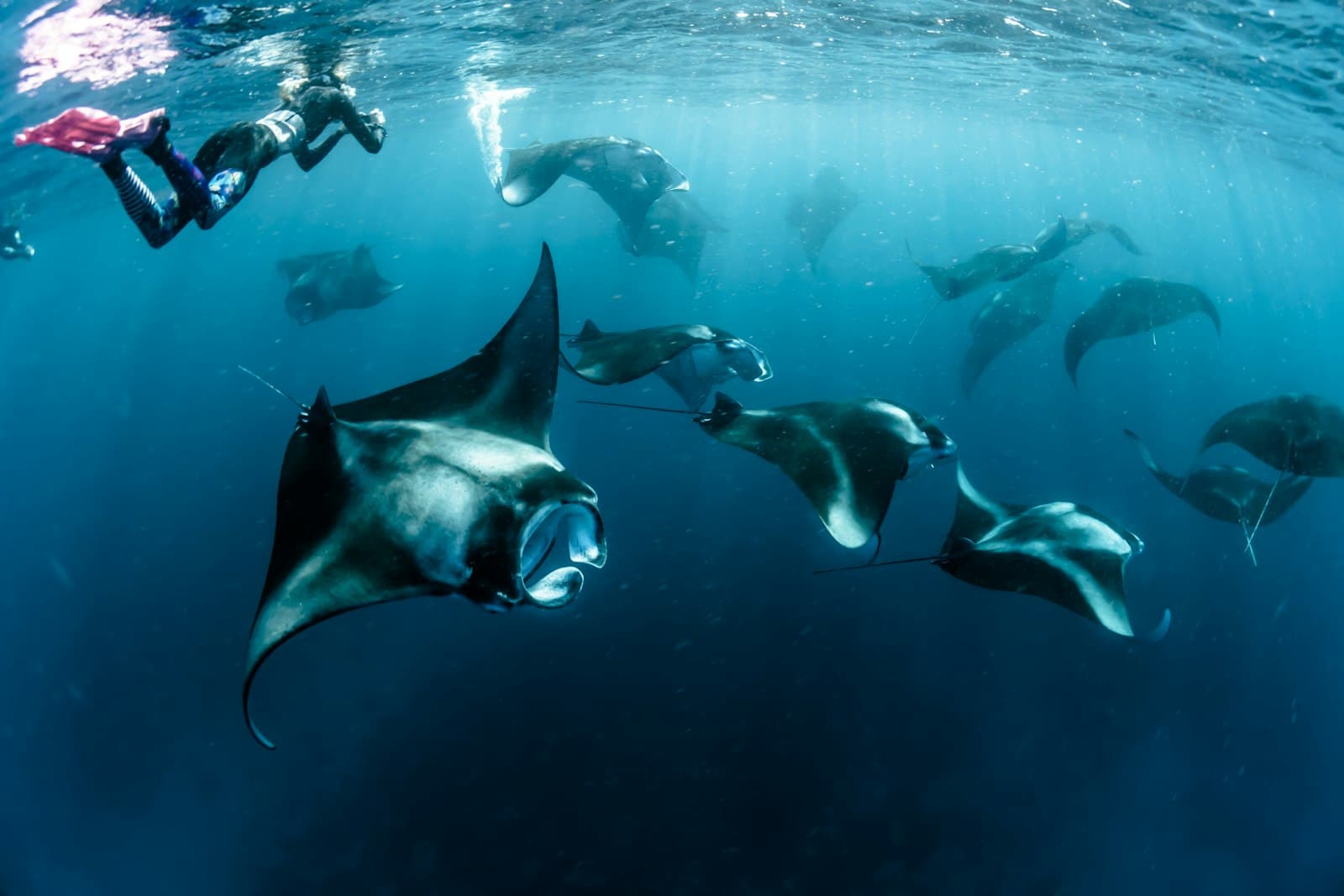
Manta rays, an underwater restaurant, glowing plankton beaches, and the local island most tourists never see — ranked for a spring trip to the Maldives.
My Spring in the Maldives: A Travel Story
Five days across a Maldives local island and an Ari Atoll resort: whale sharks, drift dives, sandbank picnics, and the food that fueled all of it.

Best Maldives Travel Deals This Winter
Soneva Jani's 20% winter discount cuts villa rates to $3,200–$4,100/night, with $300–$400 spa credit and daily breakfast included through January.