Maldives Quick Guide: Everything You Need to Know
Key Facts
Island Nation with Culture Beyond Resorts
The Maldives is a 26-atoll archipelago of 1,190 coral islands scattered across the Indian Ocean, with only 200 inhabited. This tropical nation is synonymous with powder-white beaches, impossibly turquoise lagoons, and world-class diving, but it is far more than a luxury-resort destination. The Maldives is a living, breathing Islamic society with a rich maritime heritage, a distinctive Dhivehi culture rooted in centuries of Arab, South Asian, and African influence, and local island communities that maintain traditional fishing practices and crafts alongside rapid modernization. Fall is an ideal time to visit—September through November brings lower prices, fewer tourists, and still-excellent weather, though the possibility of brief afternoon showers means flexibility is essential.
Geography, Transport & Local Island Life
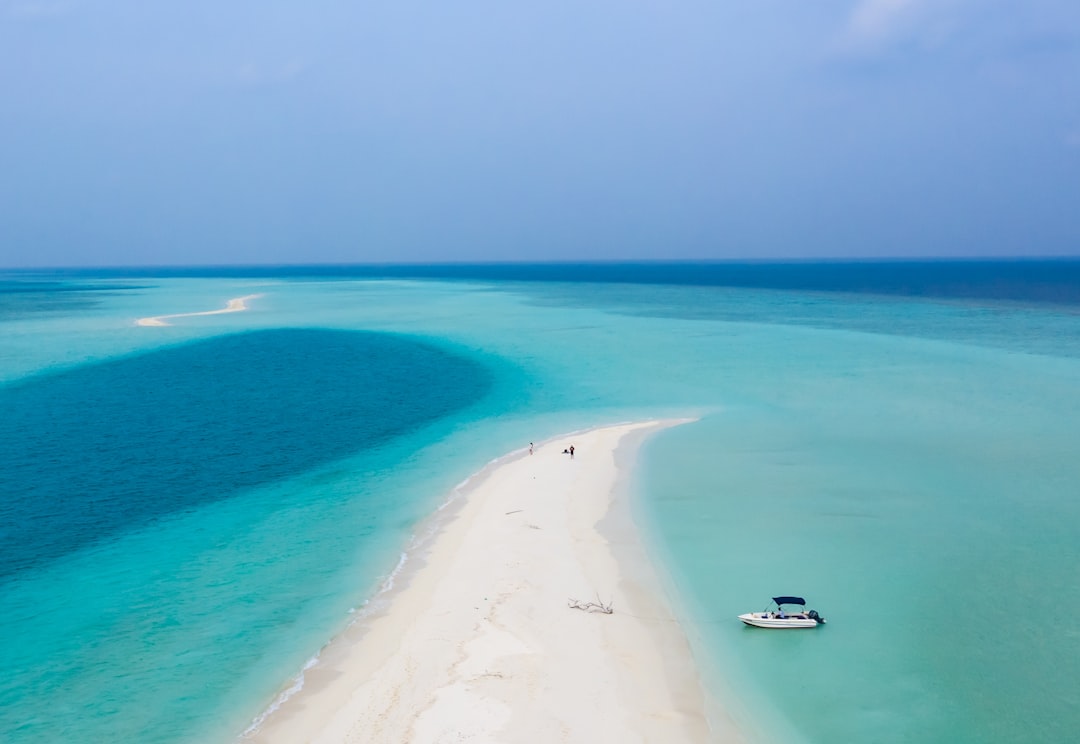
The Maldives is geographically unique: no island rises more than 2.4 meters above sea level, making it the world's lowest-lying country. This has profound implications for travel—inter-island transport is by speedboat, ferry, or seaplane, not car. Most tourists stay in resort islands or guest houses on local islands (an increasingly popular alternative). The capital, Malé, is compact, chaotic, and worth 1–2 days; it's where you'll find the Maldives National University, fish markets, and the stunning turquoise-domed Islamic Centre. Local islands like Thulusdhoo, Guraidhoo, and Maafushi retain authentic Maldivian life: fishing nets drying on beaches, family-run shops selling coconuts and dried fish, and mosques at the heart of each village. Friday is the Islamic sabbath; businesses close during Friday prayer (typically noon–1:30 PM), and modest dress is expected on local islands. The night of the full moon is culturally significant; many locals observe it with quiet reverence.
Islam permeates daily life. Alcohol is forbidden on local islands and in public spaces, but resorts operate as self-contained bubbles with their own bars, restaurants, and rules. Outside resorts, dress conservatively—women should cover shoulders and knees, and men should avoid sleeveless shirts. Ramadan (the Islamic holy month) arrives in March 2025 and September 2025; during daylight hours, eating, drinking, and smoking in public is culturally disrespectful. However, this period offers spiritual depth: evening iftaar (sunset meal) gatherings are joyful, communal experiences, and tourism slows significantly, meaning lower prices and fewer crowds. The Maldivian people are warm and welcoming; Dhivehi hospitality traditions emphasize generosity and kindness to visitors.
Dhivehi cuisine reflects the archipelago's isolation and maritime bounty. Garudhiya (a simple fish broth served with rice, lime, and chili) is the national comfort food; Mas huni (shredded tuna mixed with grated coconut and onion, eaten with flatbread for breakfast) is beloved and widely available. Fihunu mas (grilled fish with chili and lime) is a staple at local restaurants. Coconut, chilies, and tropical fruits dominate the flavor profile. Hedhika (snacks) include bajiya (fried pastries filled with tuna) and kulhiboava (sweet coconut balls). Imported ingredients are expensive; outside resorts, meals are simple and delicious. Local restaurants in Malé and island guesthouses serve authentic cuisine at a fraction of resort prices. Try Jade Café in Malé (fresh tuna curry, BD 40–60) or dine at your guesthouse owner's family table on islands like Maafushi, where a home-cooked meal costs USD 8–12.
The Maldives is the world's most threatened nation due to rising sea levels. The government has invested in a 3-kilometer-long sea wall around Malé, launched an ambitious reef-restoration program, and even purchased land in Sri Lanka as a backup. Many resorts now implement strict environmental protocols: no single-use plastics, coral-safe sunscreen, sustainable seafood sourcing, and marine-protected areas. Visiting responsibly—choosing eco-certified resorts, using reef-safe sunscreen (zinc oxide or titanium dioxide, never oxybenzone or octinoxate), and participating in reef cleanups—directly supports conservation efforts.
Practical Essentials
Visas are straightforward: most nationalities receive a 30-day tourist visa on arrival at Velana International Airport (formerly Ibrahim Nasir), free of charge. Your passport needs a machine-readable zone and at least one month's validity — not the six months many destinations ask for. Vaccinations are not mandatory for most travelers, but hepatitis A and typhoid are recommended; yellow fever vaccination is required only if arriving from endemic countries. Malaria prophylaxis is not typically necessary in the atolls, though consult your doctor.
Currency is the Maldivian Rufiyaa (MVR). Exchange rates hover around 1 USD = 15–16 MVR. US dollars are accepted everywhere and often preferred; ATMs in Malé and resort islands dispense MVR and USD. Credit cards are accepted in resorts and larger establishments, but local islands and markets operate on cash. Budget wisely: resorts charge premium prices (a main course USD 25–40), while local restaurants and guesthouses offer meals for USD 5–12. Inter-island speedboat transfers cost USD 25–40 per person; seaplane transfers from Malé to distant atolls range from USD 250–450 per person, one-way.
Internet is reliable in resorts and urban areas; mobile data is expensive but available through Dhiraagu and Ooredoo. Both offer prepaid SIM cards (USD 10–20 for data bundles). Health facilities in Malé are modern (Indira Gandhi Memorial Hospital is the national center), but remote atolls have basic clinics; serious medical issues require evacuation to Malé or Sri Lanka. Travel insurance with evacuation coverage is strongly recommended. Pharmacies are well-stocked; bring copies of prescriptions for maintenance medications.
Activities and Experiences
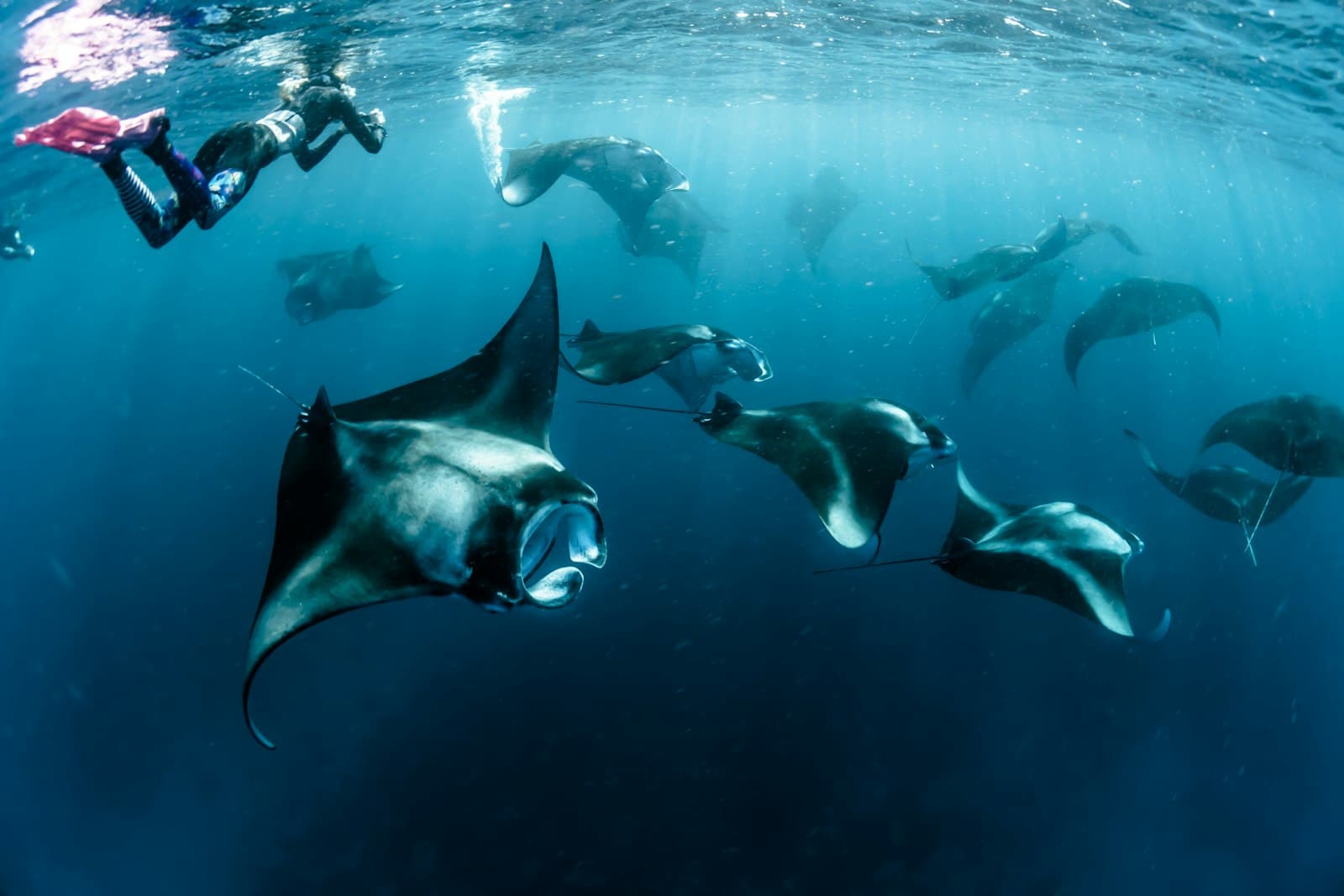
Diving dominates the Maldives experience, and for good reason. The atolls host over 2,000 coral species and vibrant fish stocks. September through November visibility averages 20–30 meters, excellent for spotting reef sharks, manta rays (October–November is prime manta season), giant moray eels, and schooling jacks. Thiladhoo Wreck in Baa Atoll is a dramatic 60-meter freight ship sunk in 1981, teeming with life. Maaya Thila in North Malé Atoll is a legendary pinnacle dive with strong currents and pelagic encounters. Most resorts offer certification courses (PADI Open Water, USD 400–600) and guided dives (USD 60–120 per tank). Local dive operators like Maldives Dive Connection offer smaller-group experiences and competitive pricing.
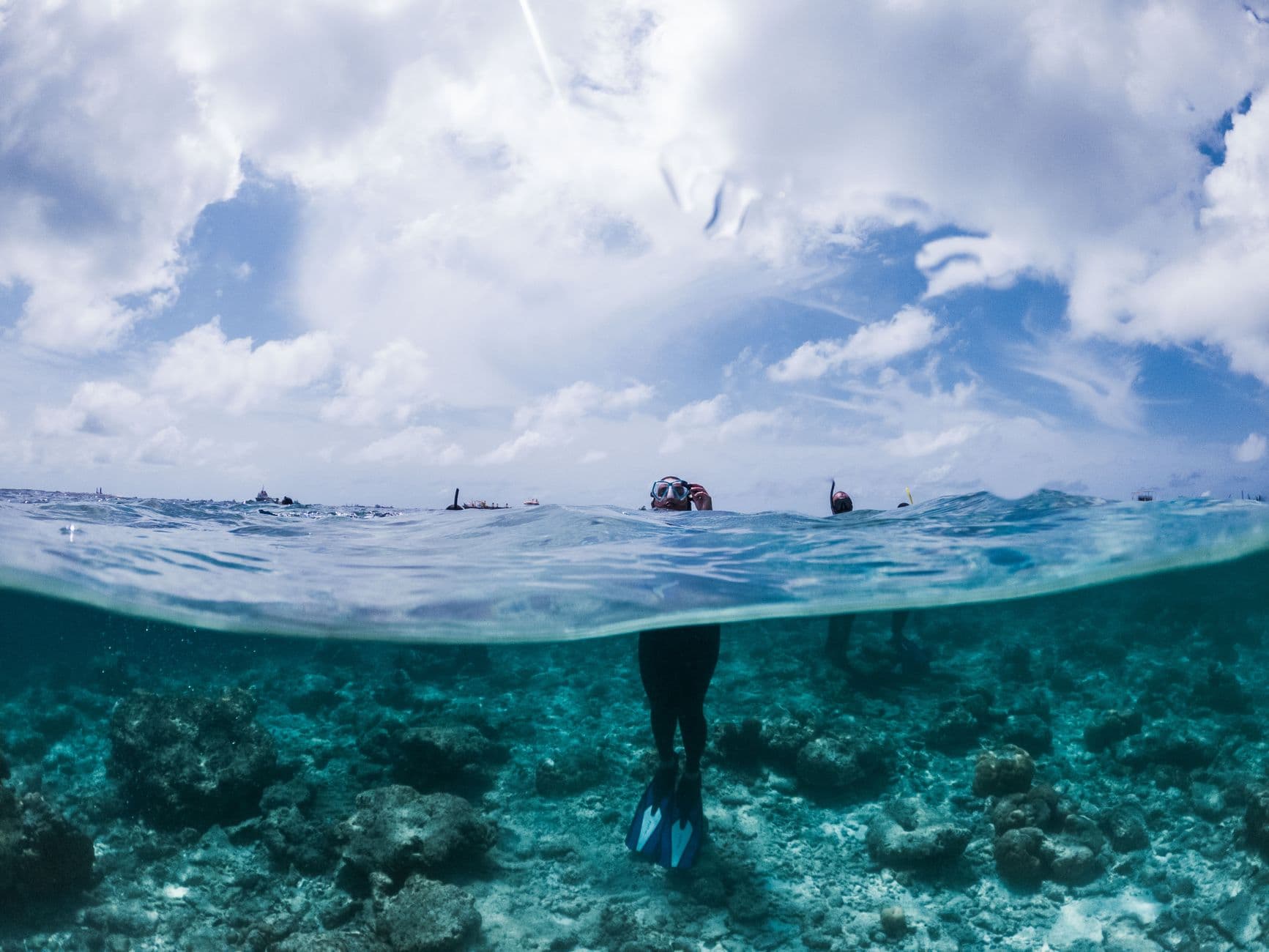
Snorkeling is equally accessible and requires no certification. House reefs—the coral gardens directly offshore from resorts and islands—are teeming with parrotfish, butterflyfish, and triggerfish. Swim out 20 meters and you'll encounter sharks, rays, and sea turtles. Many guesthouses on local islands offer snorkel trips to nearby reefs for USD 25–40. The Maldives has no surfing waves in the traditional sense, but occasional swells arrive in March–October; experienced surfers visit Pasta Point and Pasta Reef in North and South Malé Atolls during the season.
Land-based exploration is a growing alternative to resort isolation. Hiring a speedboat with a local guide (USD 80–150 per half-day) allows you to visit inhabited islands, fish markets, and local mosques. The Grand Friday Mosque in Malé (built 1913, with an ornate golden dome) is open to non-Muslim visitors outside prayer times; remove shoes and dress modestly. Thulusdhoo Fish Market in North Malé Atoll is a visceral morning experience—fishermen auction their catch at 5 AM, and you'll witness the raw foundation of Maldivian life. The Maldives National Centre for Linguistics and Historical Research in Malé preserves manuscripts and artifacts of Dhivehi culture, open weekdays 9 AM–5 PM (closed Friday; entry free).
Water sports beyond diving include parasailing (USD 40–60, common at resorts), jet skiing (USD 80–120 per hour), and fishing trips. Night fishing excursions—where locals use traditional cast nets by boat under starlight—offer genuine cultural immersion (USD 30–50, book through guesthouses). Kayaking through mangrove lagoons reveals nesting birds, juvenile fish, and the ecosystem's quiet drama. Sunset dolphin-watching cruises (USD 30–60) are family-friendly and often successful, particularly in the dry season.
Fall Travel Logistics
September through November is the shoulder season—the Maldives' cool-season tourism picks up in December, but September and October remain quieter and more affordable. Weather is warm and humid (28–30°C), with afternoon rain showers possible 2–3 days per week; these are brief and tropical, rarely disrupting plans. Booking in advance is less critical than in peak season, but popular resorts fill quickly on weekends and public holidays. The Maldives' three public holidays in fall are Islamic Eid holidays (dates vary yearly based on the lunar calendar; in 2025, Eid al-Adha falls July 6–9, outside fall, but Eid al-Fitr 2025 is March 29–30). Pack lightweight rain gear, reef-safe sunscreen, and water shoes for sharp coral.
Resorts, Guesthouses & Accommodation Options
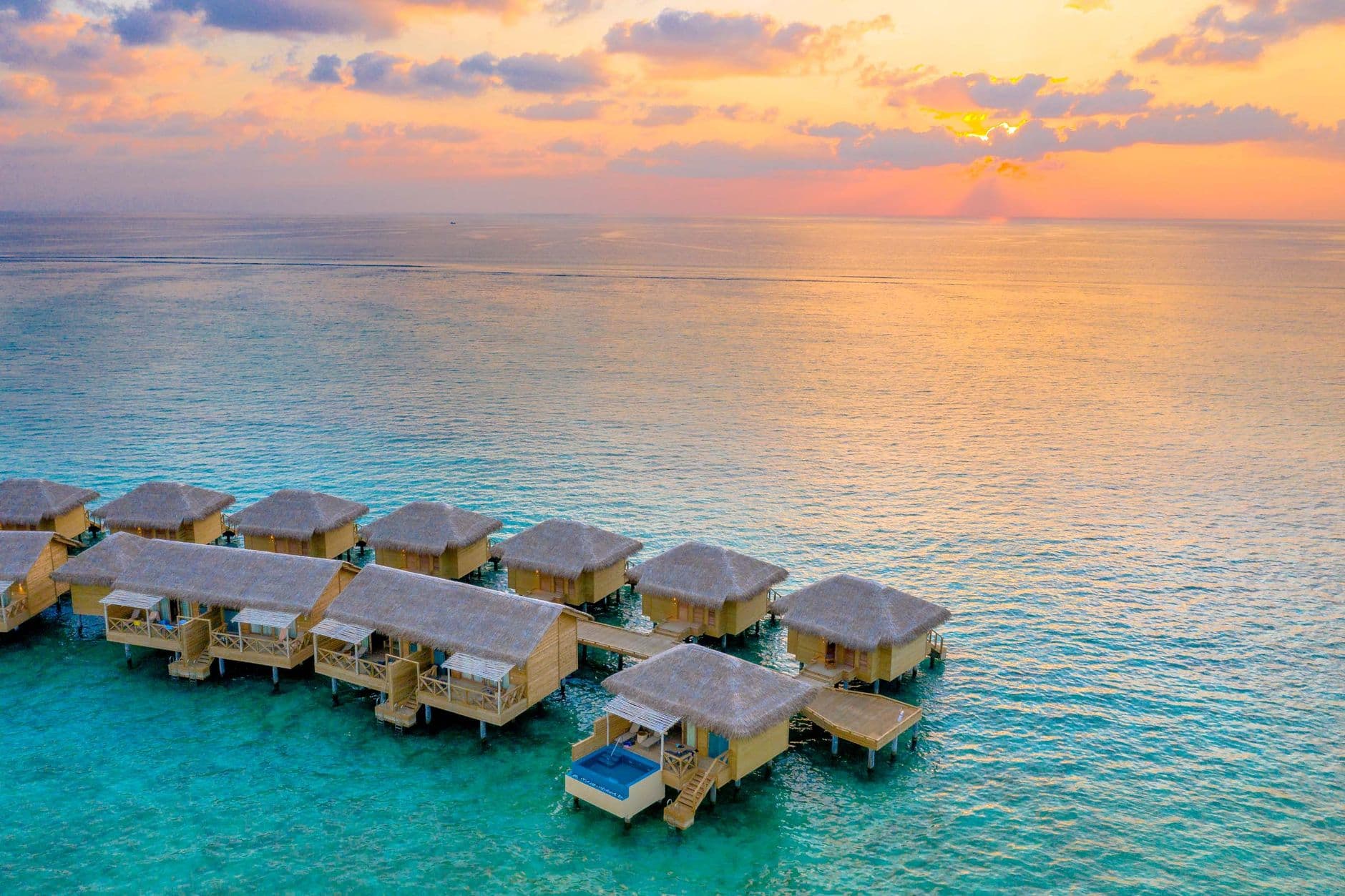
Options range from luxury resorts to boutique guesthouses. Luxury resorts like Soneva Jani (Noonu Atoll) offer overwater villas with retractable roofs, underwater spas, and all-inclusive dining (USD 1,500–3,000+ per night). Mid-range resorts like Centara Ras Fushi (Baa Atoll) provide excellent value with house-reef diving and house-reef snorkeling included (USD 300–700 per night). Boutique guesthouses on local islands like Maafushi, Thulusdhoo, and Guraidhoo cost USD 40–150 per night and embed you in authentic island life. Guesthouses offer home-cooked meals, local staff relationships, and genuine cultural exchange. The trade-off is simpler facilities, but this is where the Maldives' soul reveals itself. Book guesthouses through Booking.com or direct contact; many have WhatsApp numbers and respond quickly.
Practical Advice for Visiting
Arrive in Malé with flexibility; speedboat transfers to resorts can be delayed by weather, so buffer a day if connecting to domestic flights. Buy sunscreen before arrival—resorts and island shops charge 300–500% markups. Respect prayer times; mosques are off-limits during the five daily prayers (Fajr before dawn, Dhuhr around noon, Asr mid-afternoon, Maghrib sunset, Isha evening). Learn a few Dhivehi phrases (Assalam alaikum = hello; Dhanyavaad = thank you; Kiyavala? = how are you?)—locals appreciate the effort. Tipping is not mandatory but appreciated; round up restaurant bills or add 10% at resorts. Haggling is not customary in shops, but boat operators and informal guesthouses may offer discounts for multi-day bookings or cash payment. Bring a waterproof phone case and an underwater camera; the coral and fish justify the investment. Don't touch, stand on, or collect coral; the fine is USD 50–500 and harm is permanent.
A Cordelie Travel advisor can craft a hybrid itinerary that balances resort luxury with local-island immersion—perhaps three nights in a mid-range resort for house-reef diving, followed by three nights in a guesthouse on Maafushi for market visits, fishing trips, and authentic meals. This approach costs less than staying resort-only, yields richer memories, and supports local communities directly. Advisors also navigate logistics: they know which resorts have sealed deals in fall, which local islands are tourist-friendly yet unspoiled, and how to coordinate speedboat transfers to avoid costly delays. Let a Cordelie advisor handle the complexity—you focus on experiencing the Maldives authentically.
Last checked for accuracy: . How we check

Alex Moreau writes about going slowly. Nine years of reporting from trains, river boats and towns nobody has a hashtag for, mostly across Europe and North Africa. They live in Lisbon, keep a running list of the continent's best two-hour lunches, and believe most itineraries would improve if you deleted a city.
Related Articles
The Best Things to Do in the Maldives
Manta rays, an underwater restaurant, glowing plankton beaches, and the local island most tourists never see — ranked for a spring trip to the Maldives.
My Spring in the Maldives: A Travel Story
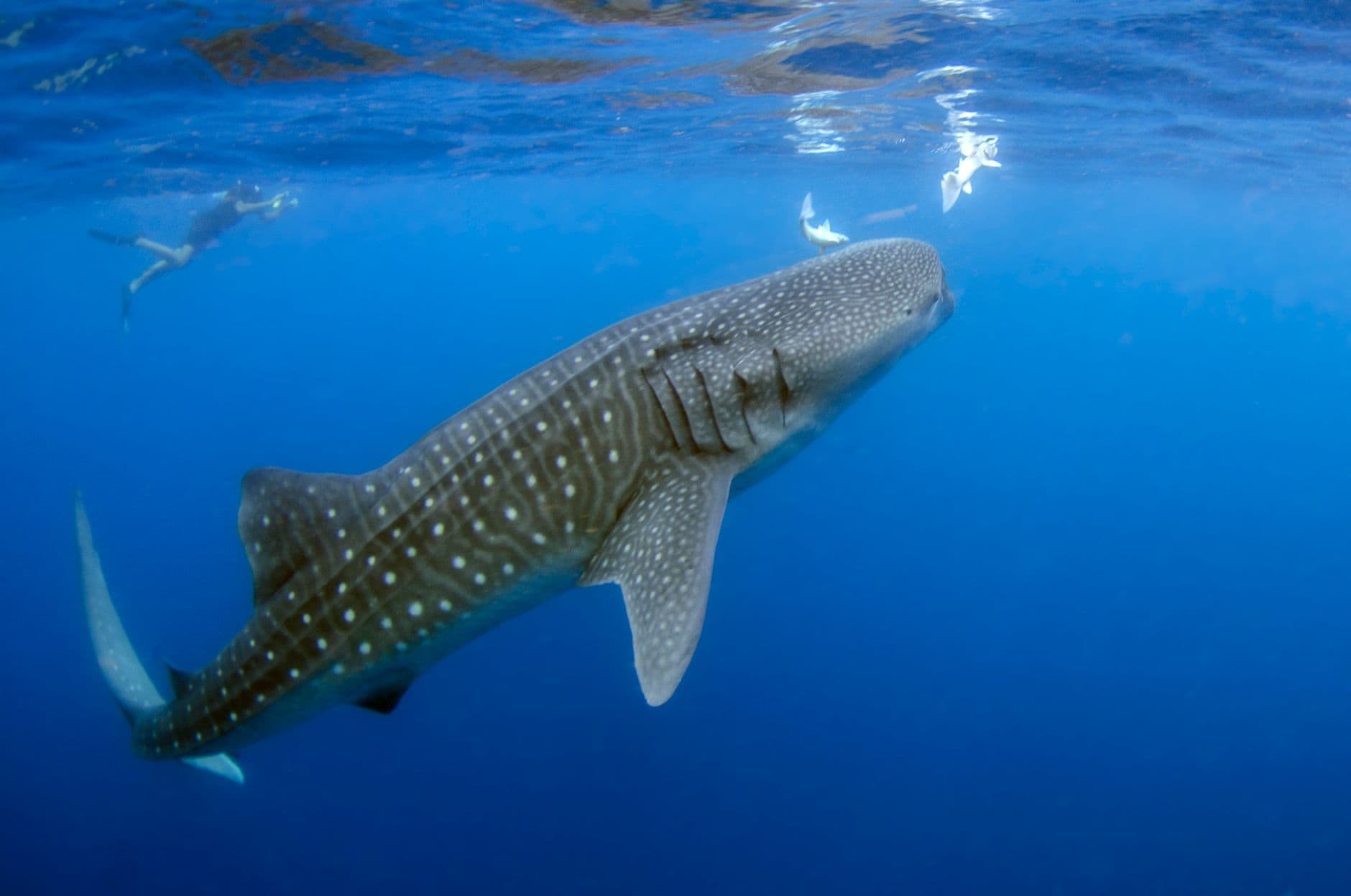
Five days across a Maldives local island and an Ari Atoll resort: whale sharks, drift dives, sandbank picnics, and the food that fueled all of it.
Best Maldives Travel Deals This Winter
Soneva Jani's 20% winter discount cuts villa rates to $3,200–$4,100/night, with $300–$400 spa credit and daily breakfast included through January.