The Best Things to Do in the Maldives

Why December Through March Is the Time to Book the Maldives — And What to Do Once You're There
The Maldives doesn't reward a checklist mentality, and this list resists being one. Between December and March, the northeast monsoon settles the seas, the sandbanks stay dry underfoot, and the resorts run at their most reliable — which makes this the season to pick one or two atolls and stay put, rather than skimming across the archipelago chasing every experience at once.
What follows isn't an exhaustive tour of 1,192 islands. It's a shortlist built around what actually justifies the flight time and the transfer cost: encounters you can't get on a day trip from a beach elsewhere, meals and stays worth the extra night, and a couple of local-island detours that put the resort bubble in perspective.
Each entry earned its place on three questions: does it need the Maldives specifically, rather than any warm-water destination; is it reliably available during the December–March dry season, when trade winds are lightest and visibility underwater tends to run clearer; and does it reward a traveler who stays three nights rather than one.
We weighted toward experiences spread across different atolls — North Malé, South Malé, Baa, South Ari — so the list works whether you're based forty minutes from Velana International Airport (MLE) or ninety minutes out by speedboat.
Snorkeling With Whale Sharks in South Ari Atoll
The one encounter present year-round, including right now
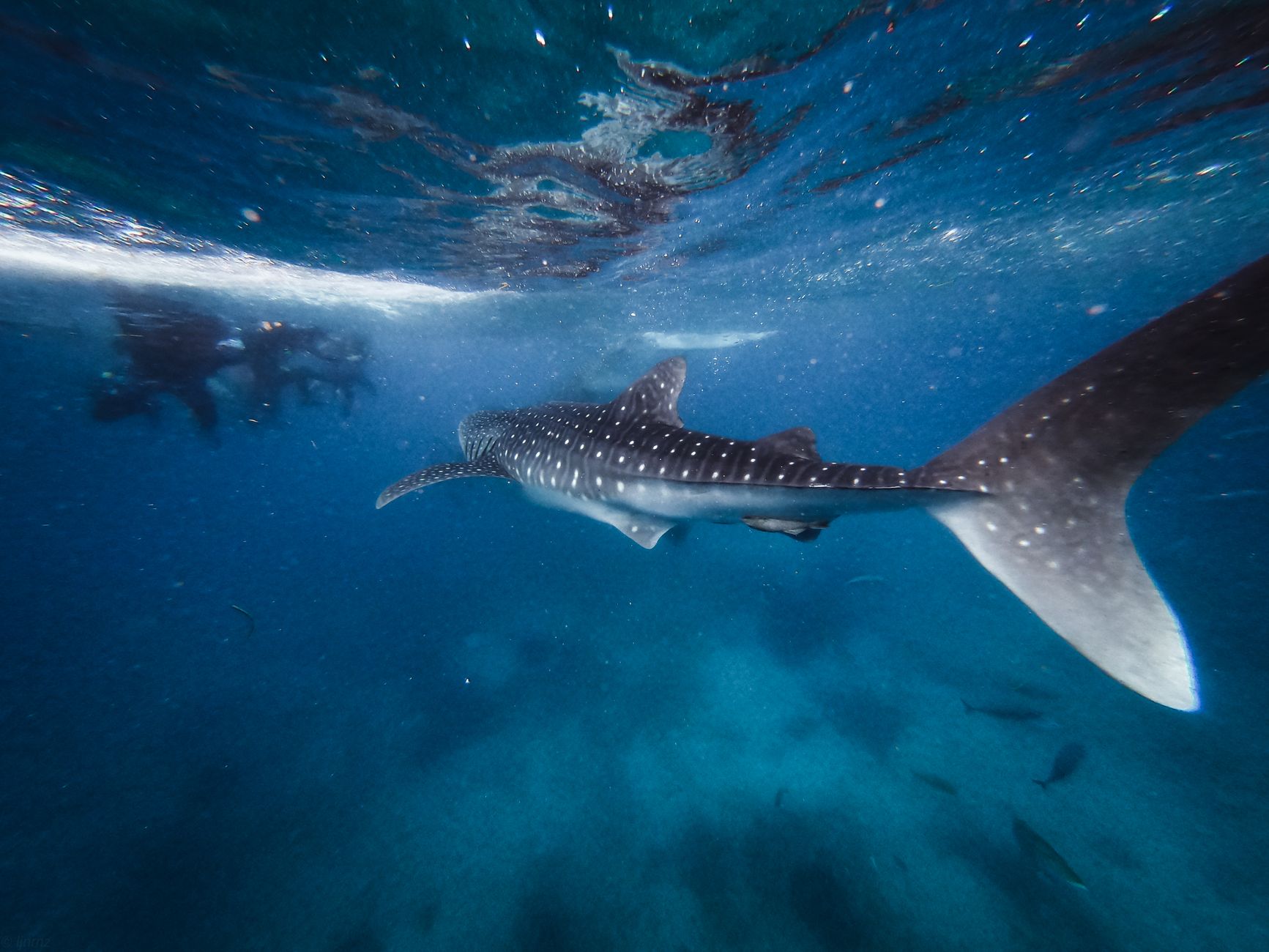
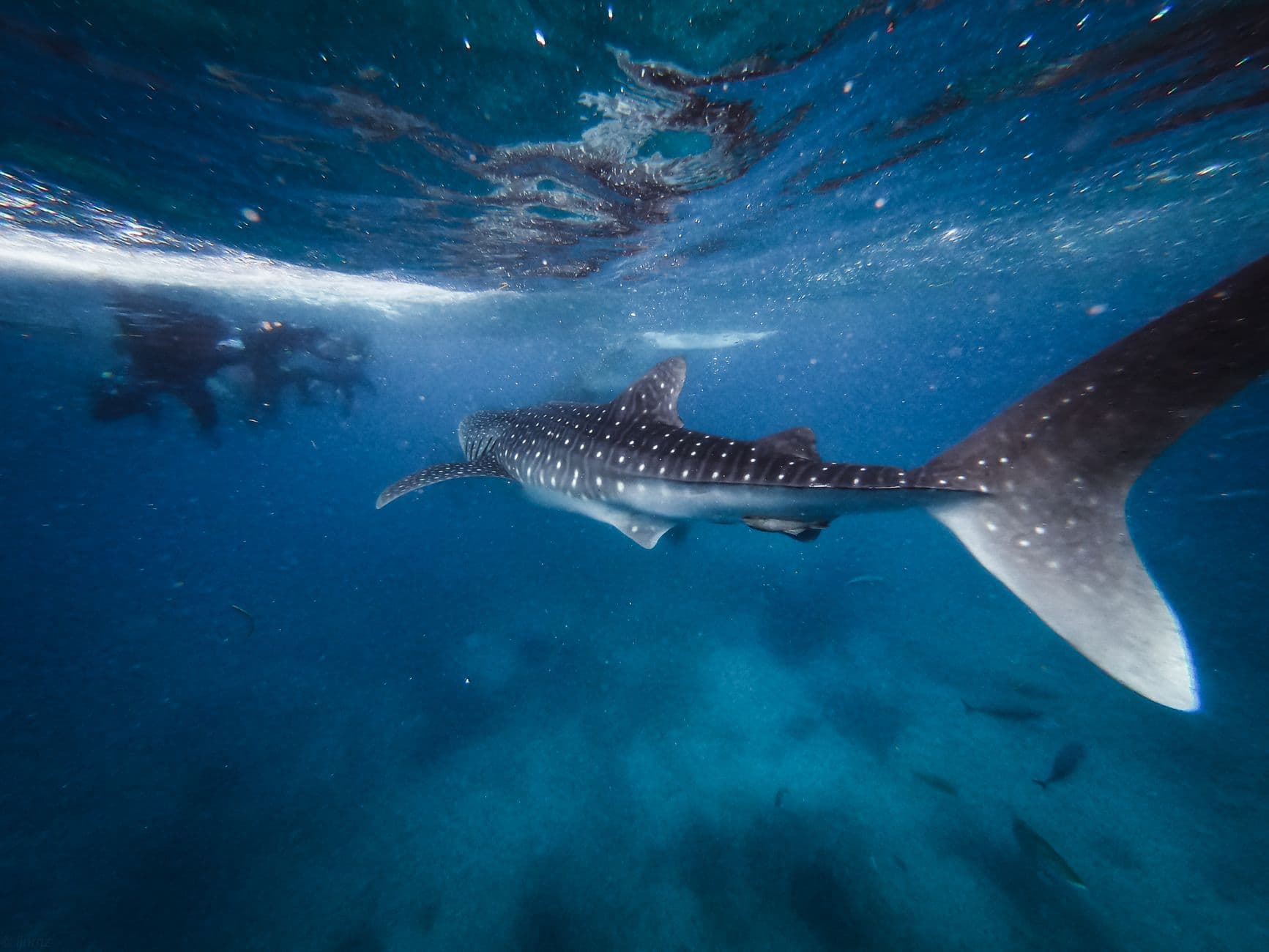
South Ari Atoll is one of the few places on earth where whale sharks show up consistently through the calendar rather than in a narrow seasonal window, which is exactly why it tops this list for a winter trip. Juveniles feed along the atoll's outer reef edge, and licensed operators based around Maamigili and the resorts on Dhigurah and Dhidhoofinolhu run half-day snorkel excursions using spotter boats and drone scouting to find them before the group ever gets in the water.
Access is straightforward: fly into Malé's Velana International Airport (MLE), then take a domestic flight of around 30 minutes to Maamigili Airport (VAM), followed by a resort-arranged speedboat transfer of typically about 5–30 minutes depending on your island. A half-day excursion runs roughly $80–150 per person in late 2025, usually capped at 8–10 snorkelers per sighting to keep pressure on the animal manageable.
Go early. Boats that leave the dock by 8:00 tend to have calmer water and fewer competing groups converging on the same shark.
Sleeping Over Water at Soneva Fushi
Baa Atoll's original overwater villa done at full scale
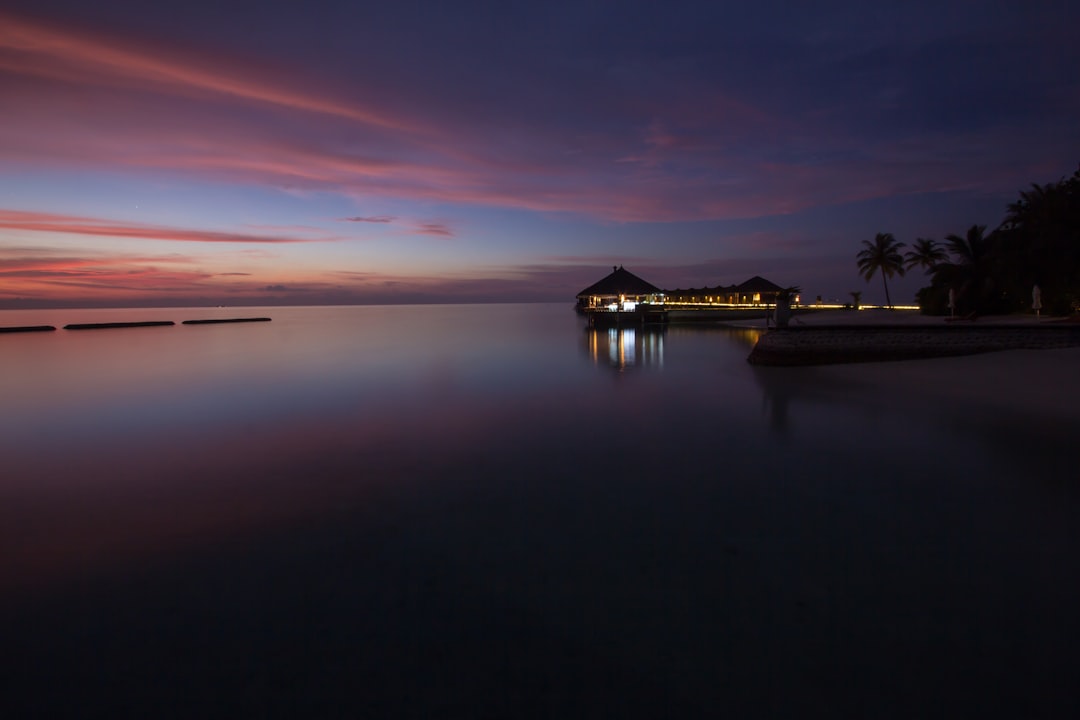
There are newer overwater properties in the Maldives, and flashier ones, but Soneva Fushi on Kunfunadhoo Island in Baa Atoll is where the idea of a barefoot-luxury Maldives resort was worked out in the first place, and it still runs the format better than most of its imitators. Villas sit on stilts above the lagoon with private decks that drop straight into the water, and the resort's own observatory runs stargazing sessions most clear nights — a genuine advantage during the dry winter months, when cloud cover is thin.
Overwater villas run roughly $1,800–3,200 a night depending on configuration and season (late 2025 rates), which puts a floor under who this is for. Getting there means a 30–35 minute seaplane transfer from MLE, landing directly on the resort's own lagoon, or occasionally a domestic flight to Dharavandhoo followed by a short speedboat run.
Book at least three nights. The seaplane transfer alone eats half a day each way, and the point of Baa Atoll is the slow unraveling of a schedule, not a one-night stopover.
Dinner at Ithaa Undersea Restaurant
Five meters below the lagoon at Conrad Maldives Rangali Island
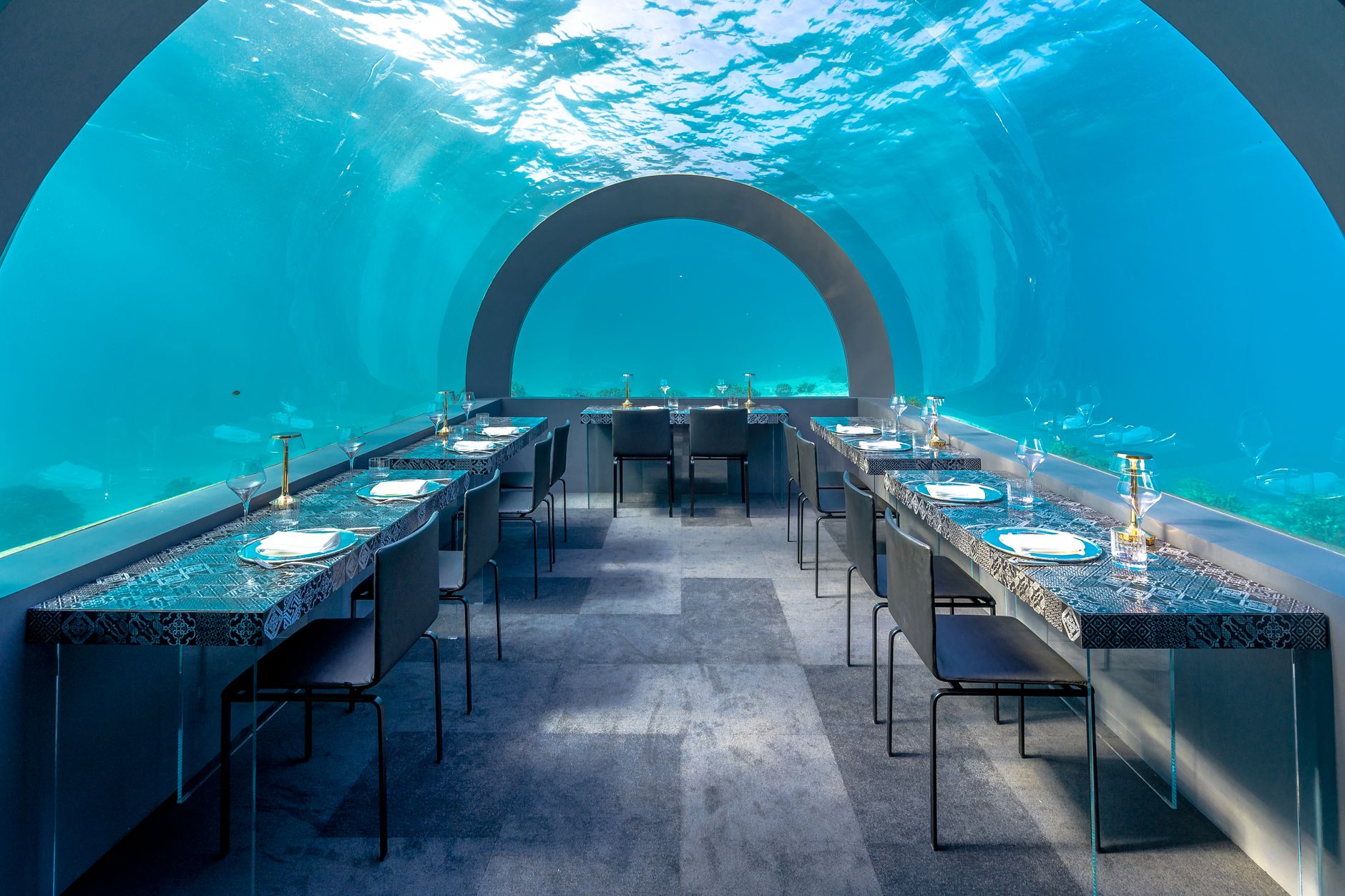
Ithaa, at Conrad Maldives Rangali Island in South Ari Atoll, sits fully submerged beneath the lagoon behind a curved acrylic dome, with reef fish and the occasional passing ray visible over your shoulder through most of the meal. It was among the first restaurants of its kind when it opened in 2005, and the novelty hasn't worn thin because the setting genuinely changes the experience of the food rather than just decorating it.
Tasting menus run roughly $200–320 per person in late 2025, not counting wine pairings, and the restaurant seats a small number of tables per service — reservations should go in weeks ahead if you're staying elsewhere in the atoll and arranging a day visit, since Conrad guests get first priority.
Lunch service, when available, is markedly cheaper than dinner and lets you actually see the reef life outside rather than your own reflection in the glass.
A Sunset Dolphin Cruise Out of North Malé Atoll
The easiest and most underrated evening on this list
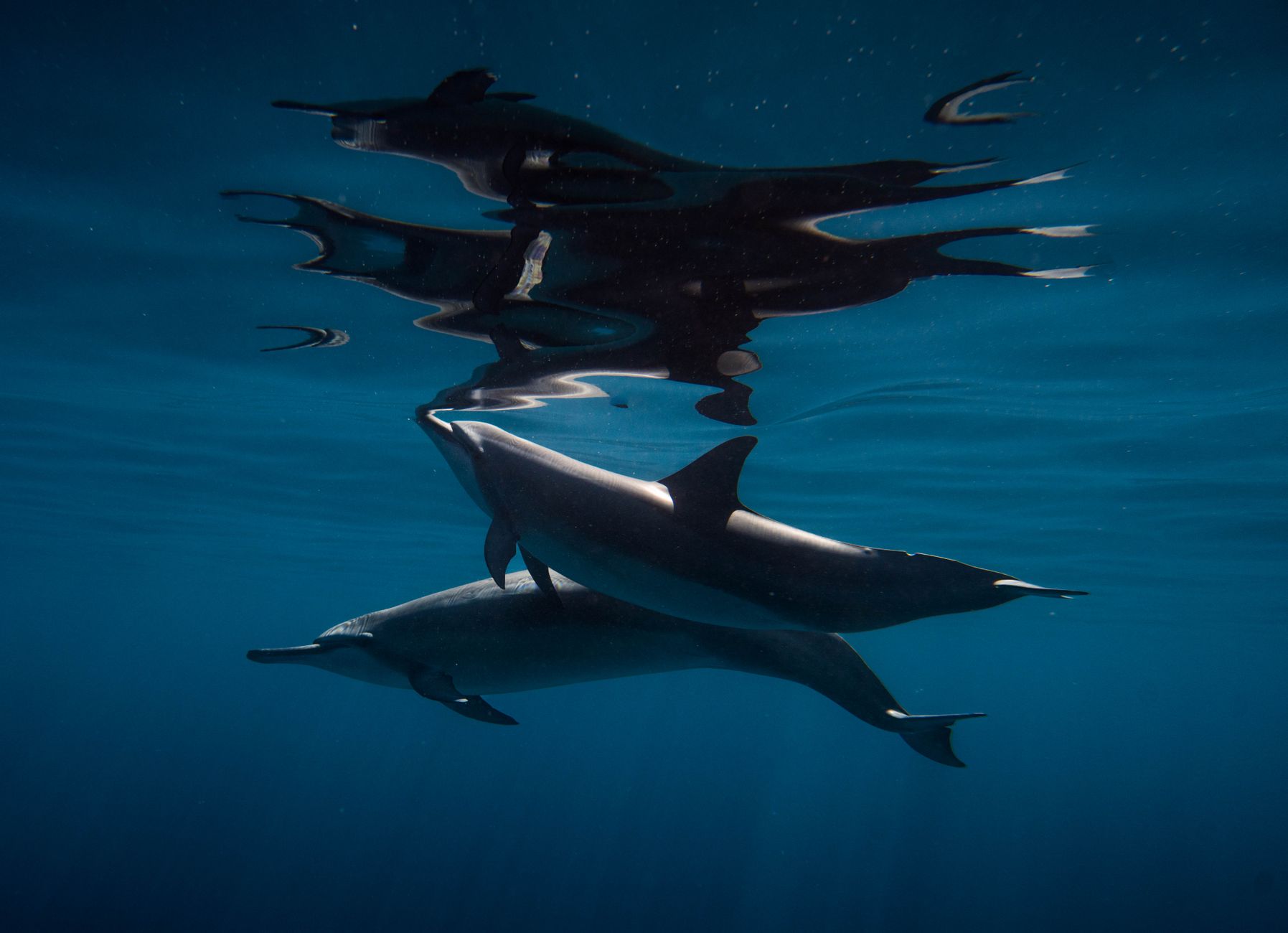
Spinner dolphins move through North Malé Atoll's channels in pods that can number in the dozens, and most resorts within a 20–40 minute boat ride of Malé run sunset cruises timed to catch them feeding as the light drops. It's the least expensive item on this list and arguably the one people underrate most going in.
A typical two-hour cruise costs roughly $60–120 per person and departs around 16:30–17:00, giving you an hour of daylight dolphin-watching followed by a Maldivian sunset that runs deep orange behind the outer reef. Boats often serve a simple sundowner — usually a fruit juice or sparkling wine — on the return leg.
This works even if you're only in Malé for a night before a longer resort stay, which makes it a smart use of an otherwise dead transfer day.
A Day on Maafushi, the Local Island That Isn't a Resort
South Malé Atoll's guesthouse hub, and a useful reality check
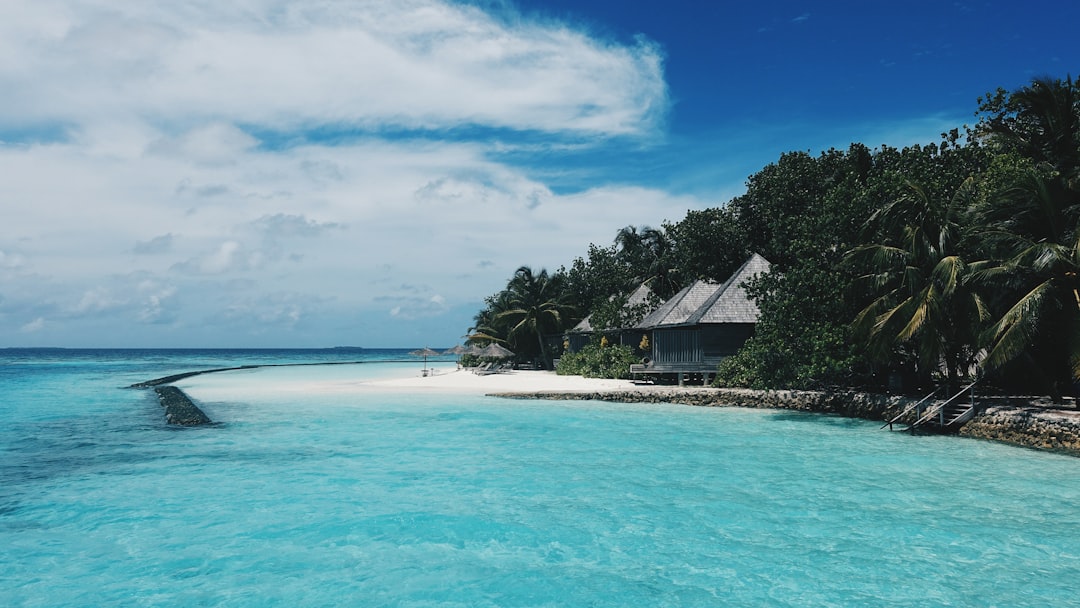
Maafushi, in South Malé Atoll, is where independent travelers who don't want a private-island price tag actually stay, and it's worth a visit even if you're based at a resort elsewhere. Guesthouses here run roughly $35–70 a night, and the island has its own bikini beach, several dive shops, and a strip of cafés that serve considerably cheaper Maldivian food than any resort kitchen will.
Speedboat transfers from Malé take about 35–45 minutes and run on a public ferry schedule as well as private charters, so it's an easy half-day add-on: roughly $20–40 round trip if you're just visiting rather than staying over.
Bring modest swimwear for the public beach areas — Maafushi is a working local community with its own norms, and the designated bikini beach is clearly marked and separate from the rest of the shoreline.
Cordelie travel advisors
Planning Maldives? Go with someone who knows
The right suite, the right season, the reservations that never appear online — your Cordelie advisor knows them, and holds them for you.
Plan with a Cordelie advisorFree to ask. Cordelie Travel Services · IATA/ARC 06649064
Snorkeling Hanifaru Bay, With Honest Timing Caveats
Baa Atoll's manta gathering — better in summer, still worth a look in winter
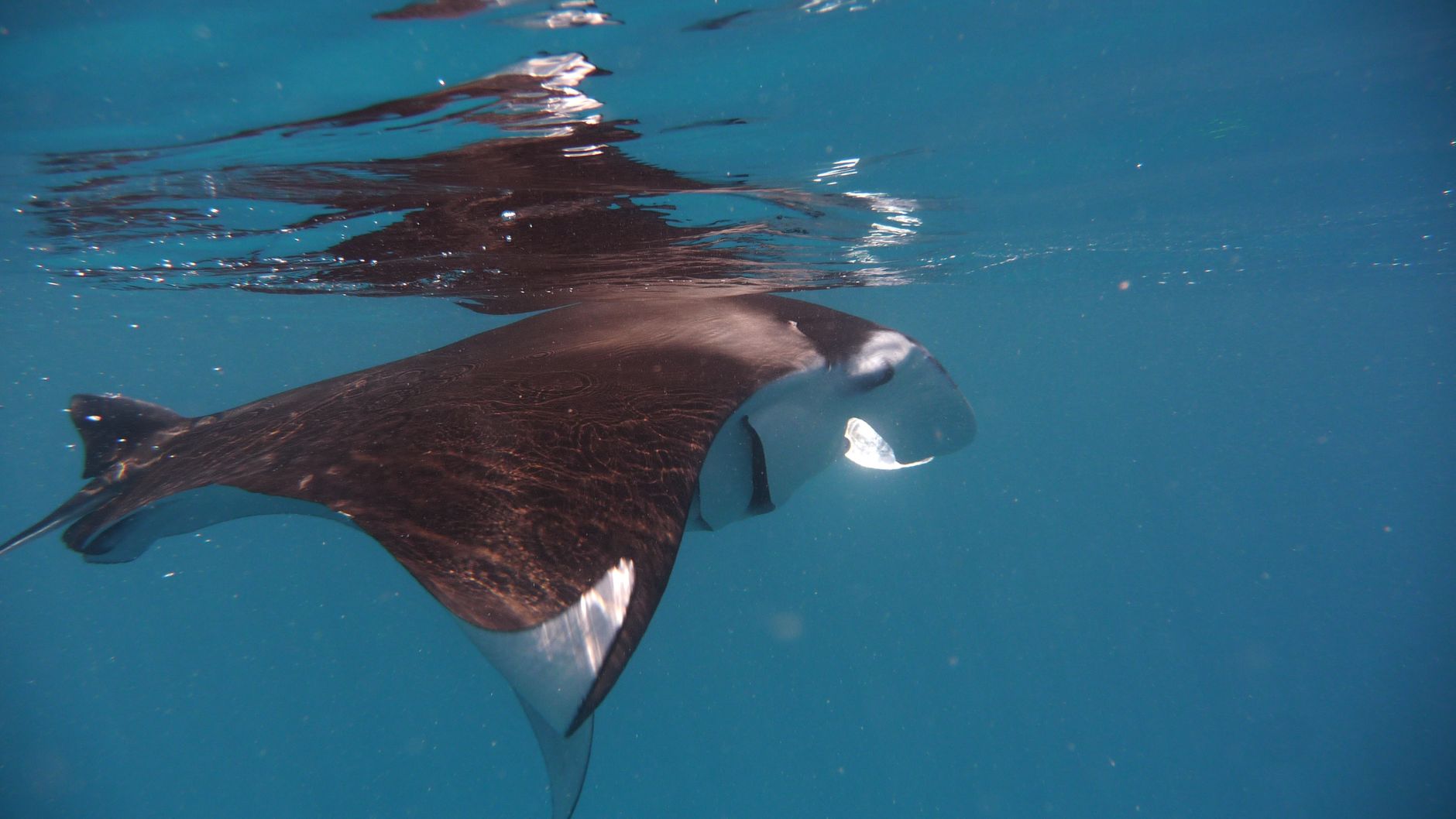
Hanifaru Bay, inside the Baa Atoll UNESCO Biosphere Reserve, is famous for a plankton bloom that draws feeding manta rays and sometimes whale sharks in large numbers — but that congregation peaks roughly May through November, not during the December–March dry season this list is built around. Visiting in winter means calmer seas and fewer other boats, but no guarantee of a big feeding event.
It still earns a spot here because the bay itself is a genuinely striking piece of protected reef, and licensed guides from nearby Baa Atoll resorts run trips year-round at roughly $70–130 per person, with a strict cap on swimmer numbers to protect the site.
If a mass manta gathering is the priority rather than a bonus, plan the trip for later in the year — otherwise, treat this as a quieter, no-guarantees snorkel rather than the headline event.
A Private Sandbank Picnic, Away From the Resort Deck
Small, expensive, and worth doing exactly once per trip
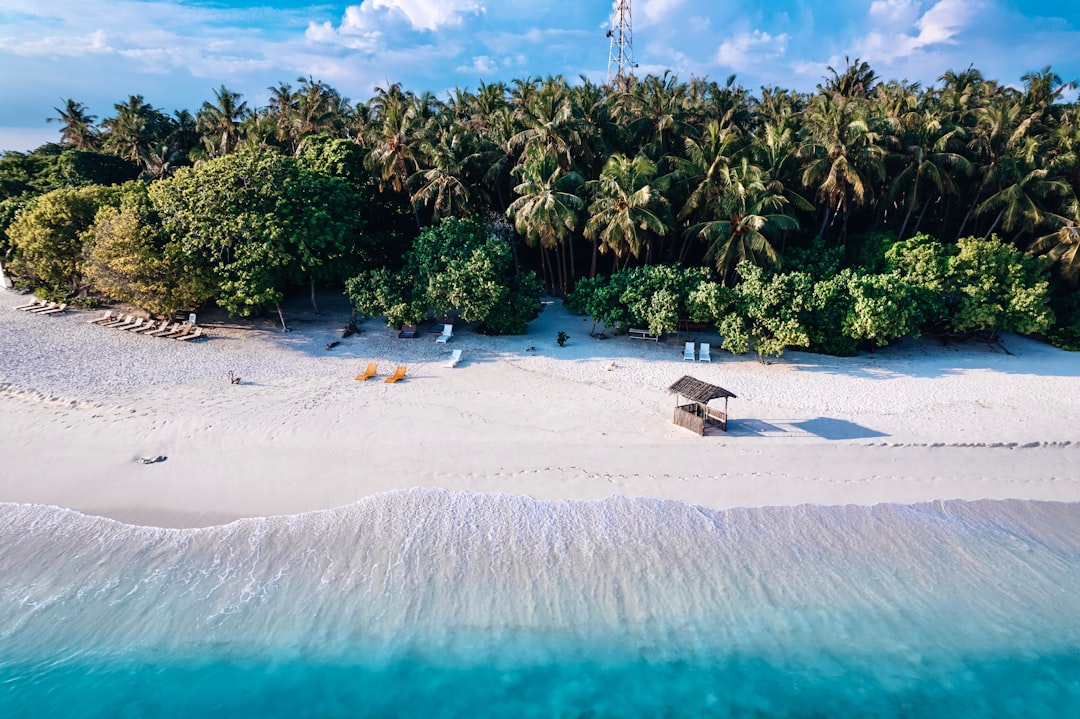
Most resorts will arrange a picnic setup on a nearby uninhabited sandbank — a table and shade tent dropped onto a strip of sand that's often no bigger than a tennis court, with the surrounding lagoon shading from pale turquoise to deep blue within a few meters of the shoreline.
It's a set-piece experience rather than a spontaneous find, and it's priced that way: roughly $150–400 for a couple, including a boat transfer of 15–30 minutes and a set lunch or sundowner menu depending on timing.
Ask for a sandbank on the atoll's outer edge rather than the lagoon side if you want to see the reef drop-off from the beach — the color contrast there is sharper than on interior sandbanks.
An Overwater Spa Treatment at Six Senses Laamu
Laamu Atoll's spa-over-the-reef, for the trip's last full day
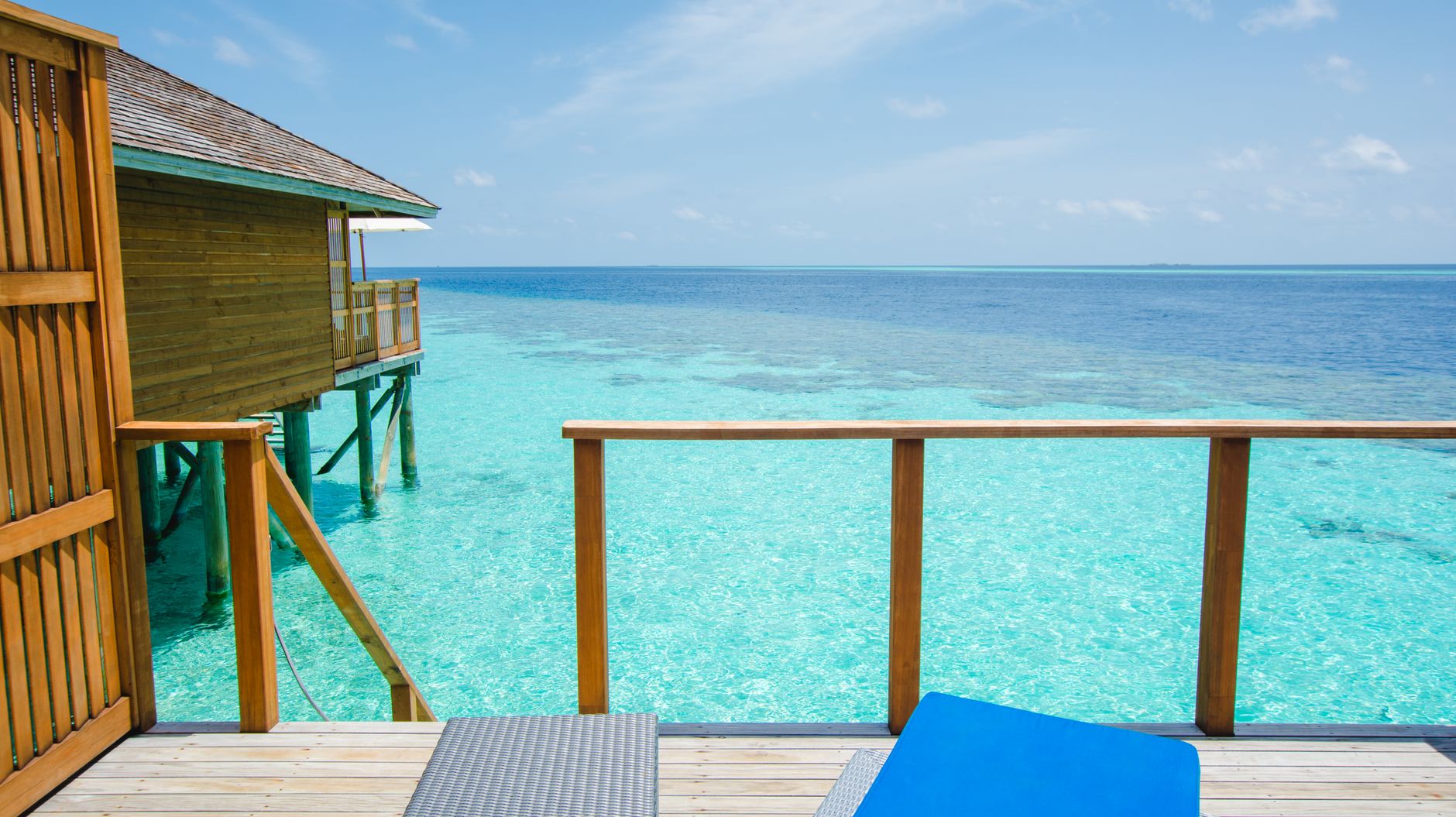
Six Senses Laamu sits further south than most first-time itineraries reach — roughly 40 minutes by domestic flight from MLE to Kadhdhoo, then a short boat transfer — which keeps its reef comparatively undisturbed and its spa treatment rooms genuinely quiet. Several rooms sit directly over the water with glass panels in the floor, so you can watch reef fish move beneath the treatment table.
Treatments run roughly $150–350 depending on length and type, with the resort's signature reef-focused conservation program giving the spa's ocean-facing setting some actual substance behind the marketing.
Slot this in on your last full day rather than your first — jet lag plus a 90-minute massage is a wasted combination.
Three More Maldives Experiences Worth Knowing About
Thulusdhoo, in North Malé Atoll, is the surf hub most itineraries skip — its reef break, known locally as Cokes, produces a fast right-hander that works best on a rising swell between roughly April and October, so treat it as a shoulder-season target rather than a winter one.
Vaadhoo Island, in Raa Atoll, is one of several spots in the Maldives where bioluminescent plankton light up the shoreline on dark, calm nights — visibility is unpredictable and weather-dependent, so ask your resort's marine biologist or excursion desk for the current outlook rather than banking on it.
A night fishing trip out of most North or South Malé resorts is a low-cost, low-key alternative to the pricier excursions above — typically $40–80 per person for a couple of hours with hand lines, and a decent way to see the atoll from the water after dark without the production of a sunset cruise.
Seaplane and domestic flight seats between atolls fill fast in the December–March window, and the good ones book out weeks before the resorts themselves do — a Cordelie advisor can secure those connections alongside villa allocation, rather than leaving you to discover the gap after the resort's already confirmed.
A Cordelie advisor also knows which resorts genuinely run their own Hanifaru Bay, whale shark, or private-island excursions well versus which subcontract them out — the difference shows up in group size, guide quality, and whether the boat leaves on time.
Top Pick: Whale Shark Snorkeling, South Ari Atoll
The one Maldives experience on this list that doesn't ask you to gamble on the calendar.
Everything else here rewards good timing or deep pockets, but South Ari Atoll's whale sharks show up through the winter dry season just as reliably as they do in summer, which makes this the safest big-ticket bet on a December–March itinerary.
Pair a resort stay on Dhigurah or Dhidhoofinolhu with a morning excursion booked for your second or third day — giving the operator's spotter boats a chance to scout before your slot, rather than relying on luck on day one.
Last checked for accuracy: . How we check

Alex Moreau writes about going slowly. Nine years of reporting from trains, river boats and towns nobody has a hashtag for, mostly across Europe and North Africa. They live in Lisbon, keep a running list of the continent's best two-hour lunches, and believe most itineraries would improve if you deleted a city.
Related Articles
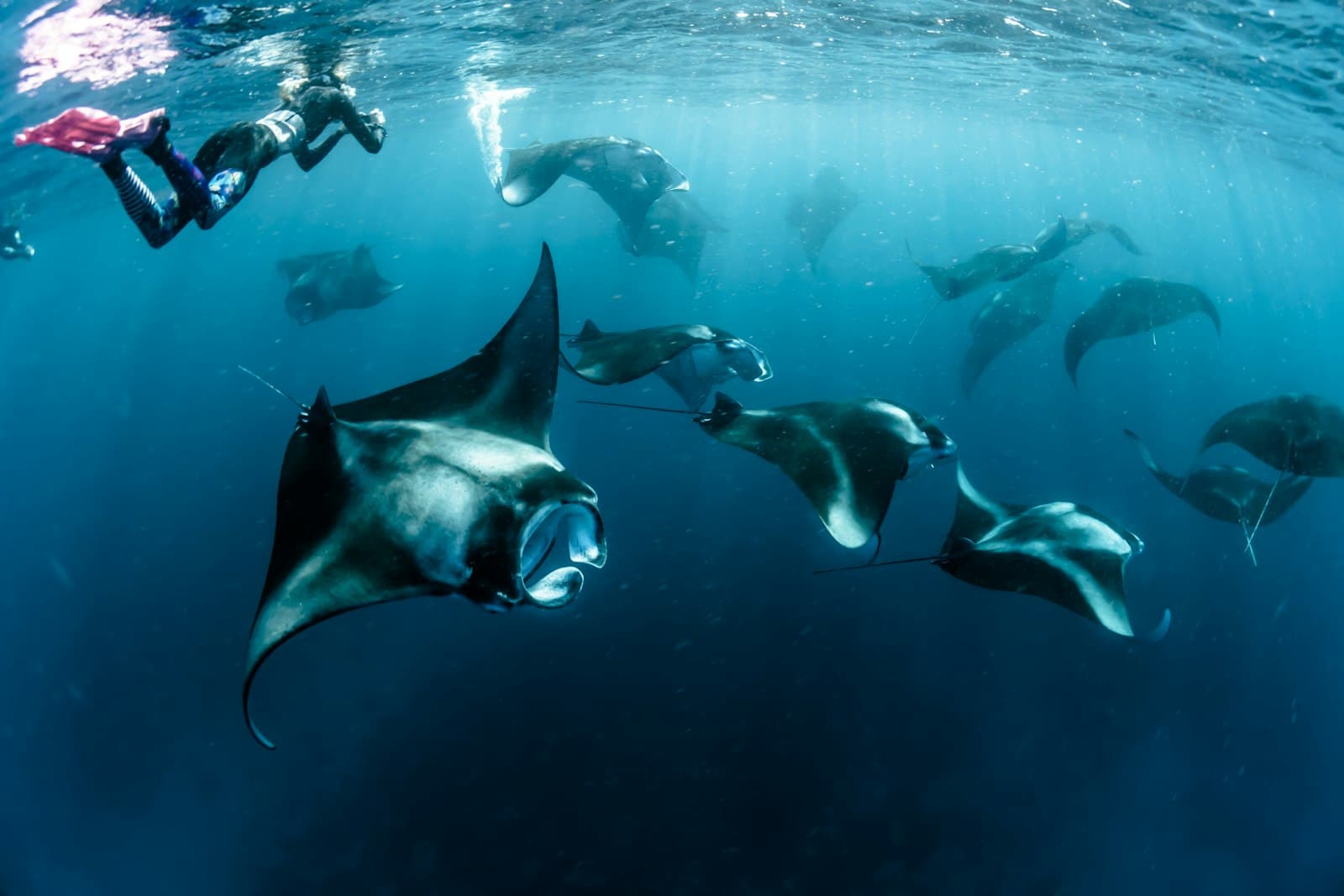
The Best Things to Do in the Maldives
Manta rays, an underwater restaurant, glowing plankton beaches, and the local island most tourists never see — ranked for a spring trip to the Maldives.

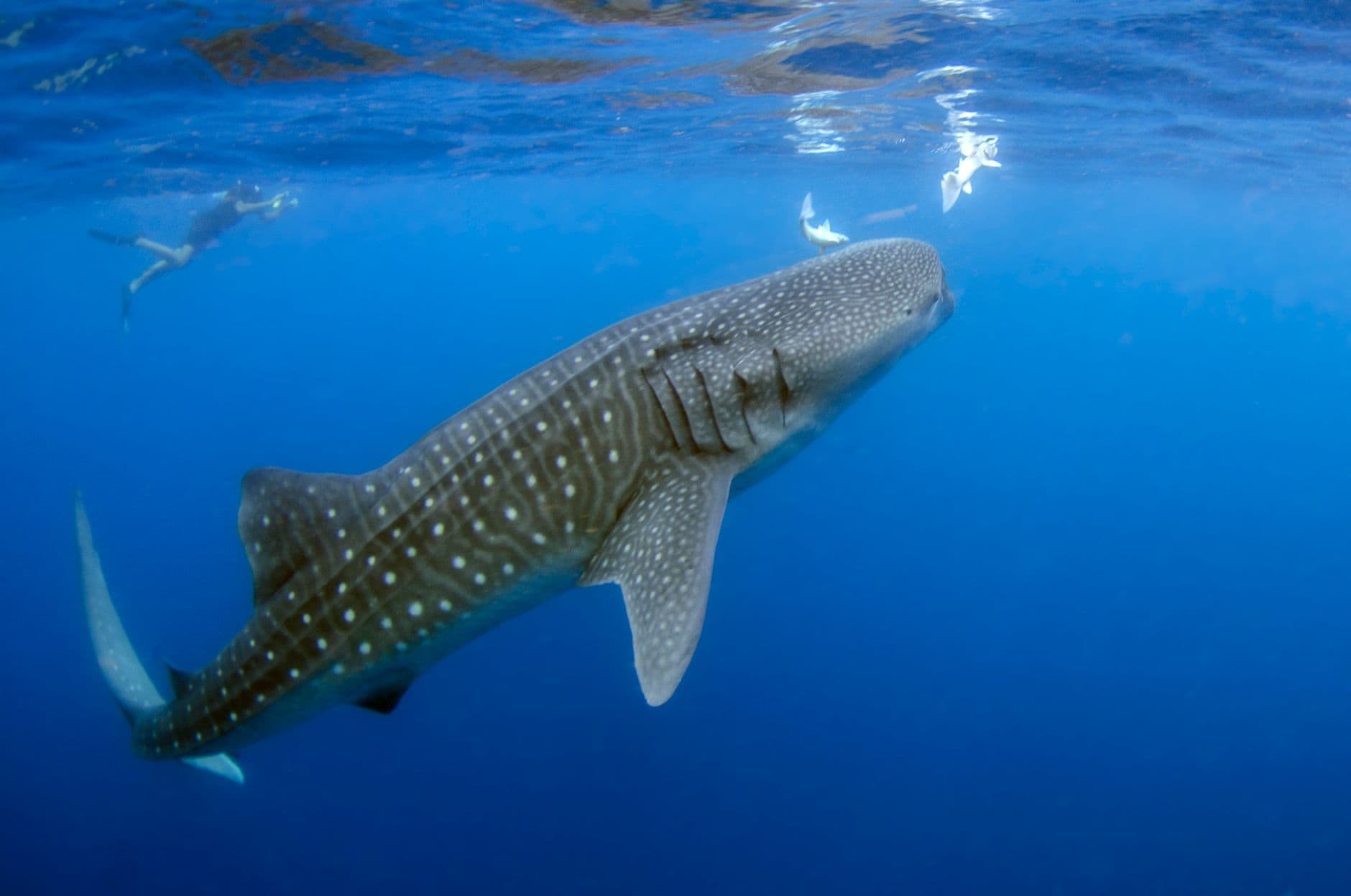
My Spring in the Maldives: A Travel Story
Five days across a Maldives local island and an Ari Atoll resort: whale sharks, drift dives, sandbank picnics, and the food that fueled all of it.

Why the Maldives Is Perfect for Winter Travel
December through March brings perfect weather, calm seas, and reliable sunshine to the Maldives. Here's how to navigate peak season smartly.