
The Complete Guide to Tokyo: What to See, Do & Eat
Tokyo in Winter: Neon Streets, Steaming Ramen Bowls, and Silent Shrines
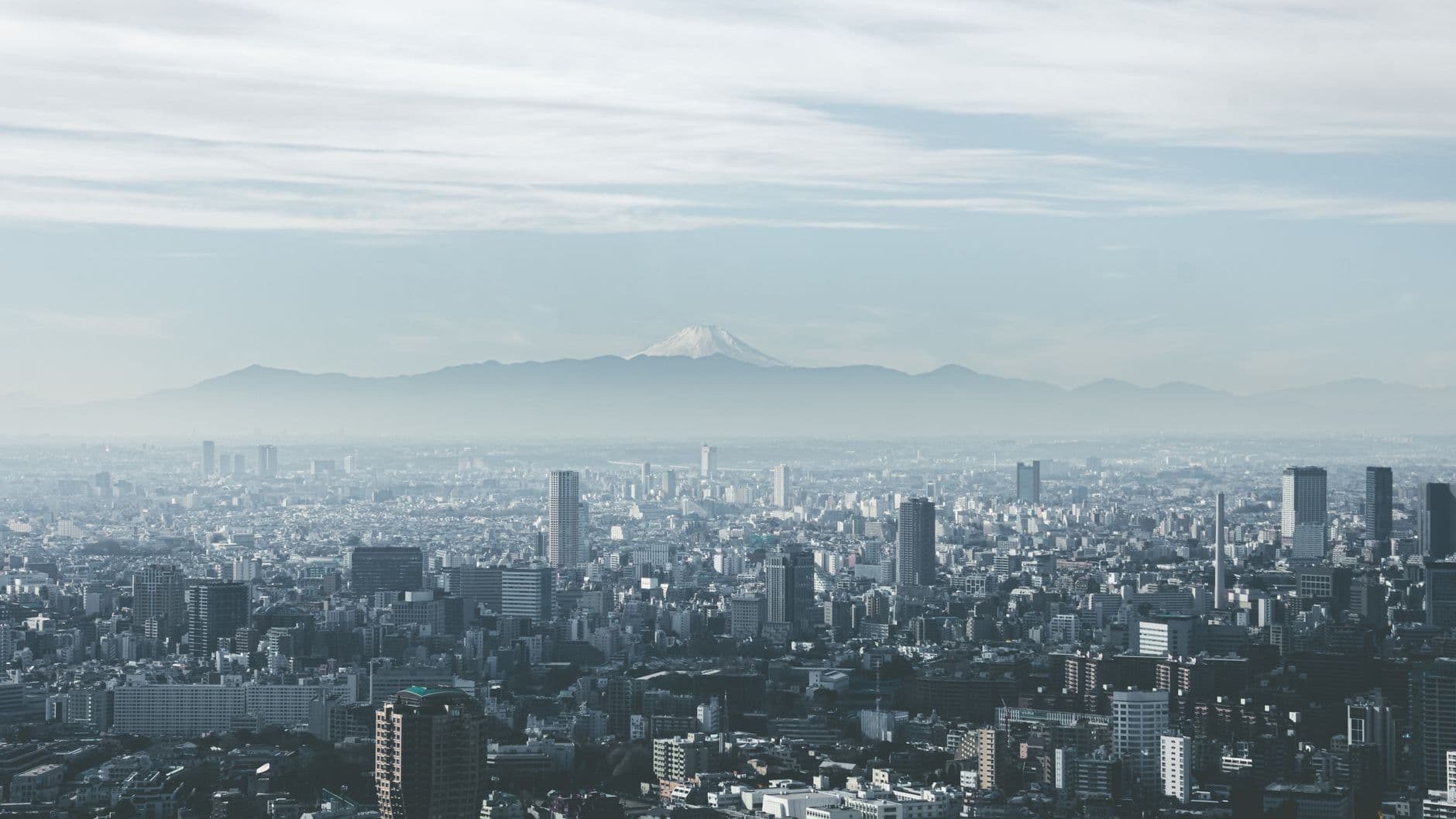
Tokyo does not slow down for winter. It sharpens. The air turns dry and clear enough that Mount Fuji appears on the horizon from the observation deck of Tokyo Skytree, something the summer haze usually hides. Steam rises off ramen bowls in Shinjuku's Omoide Yokocho alleys, department store windows in Ginza glow with illumination displays, and the crowds at Senso-ji thin just enough that you can actually hear the temple bell. This is a city built for contrast: a five-minute walk can take you from a 1,400-year-old Buddhist temple to a robot-themed arcade, from a quiet moss garden to a twelve-story electronics store. Winter simply makes those contrasts feel more vivid, with fewer tourists between you and them.
Tokyo Quick Facts
Why Winter Works: Clear Skies, Illuminations, and Thinner Crowds
December through February is Tokyo's driest, clearest stretch, which is exactly why locals love a winter walk through Shinjuku Gyoen or along the Sumida River. Daytime temperatures usually sit between 8-12°C, dropping toward freezing after dark, so layering matters more than heavy coats. Late November through early January brings the city's illumination season, with Marunouchi's Naka-dori Avenue, Roppongi Hills, and the Yoyogi Park "Blue Cave" lit nightly, typically from dusk until around 22:00 or 23:00, and most displays running through late December or into early January.
New Year is its own event. Hatsumode, the first shrine visit of the year, draws enormous lines at Meiji Jingu near Harajuku from January 1st onward, so go before 9:00 or skip the first three days entirely if crowds aren't your thing. By late February, plum blossoms begin opening at Yushima Tenjin and along the moat at Hama-rikyu Gardens, a quieter preview of the cherry blossom season still six or seven weeks away. Museums and department stores keep normal hours through winter, though some restaurants close for a few days around January 1st-3rd for the New Year holiday, so it's worth confirming ahead if you have a specific meal planned.
Cordelie travel advisors
Planning Tokyo? Go with someone who knows
The right suite, the right season, the reservations that never appear online — your Cordelie advisor knows them, and holds them for you.
Plan with a Cordelie advisorFree to ask. Cordelie Travel Services · IATA/ARC 06649064
From Dawn at Senso-ji to Dusk at Shibuya Sky: The Experiences That Define a Tokyo Trip
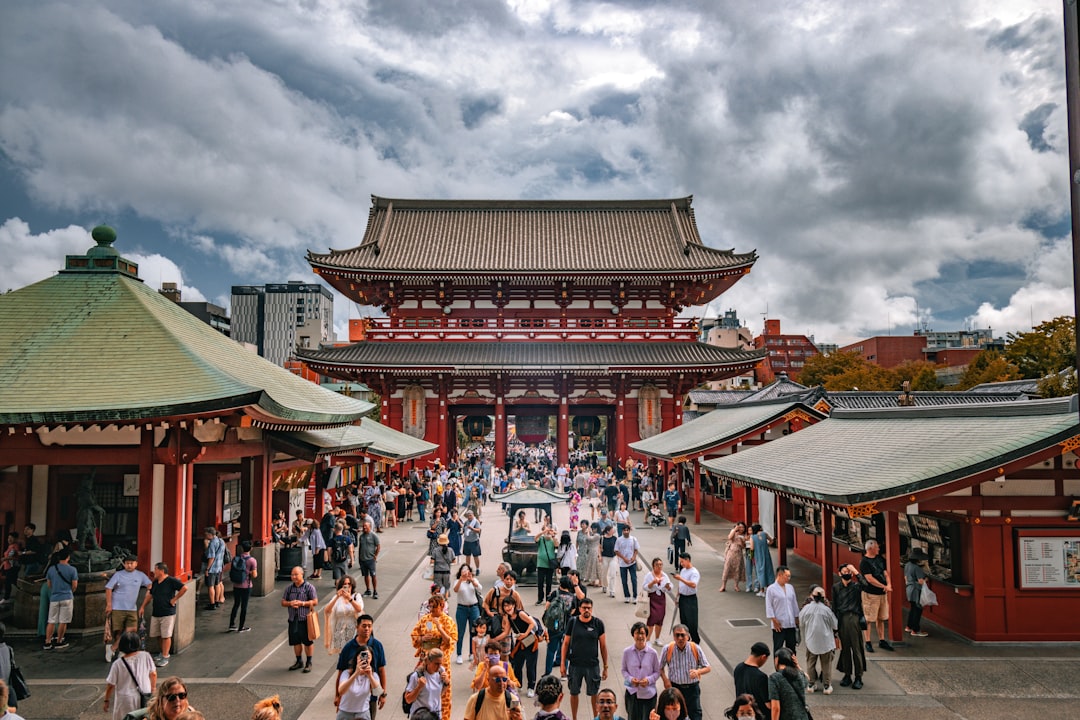
Start at Senso-ji in Asakusa, Tokyo's oldest temple, founded in the 7th century. Arrive by 8:00 and you'll have the Kaminarimon gate and the incense-filled main hall largely to yourself before the Nakamise-dori shopping street fills with day-trippers around 10:00. From there, it's a short walk or a ¥1,400-2,000 river cruise down the Sumida to Odaiba, where teamLab Planets occupies a converted warehouse with immersive digital installations you wade through barefoot; timed tickets run roughly ¥3,800-4,000 and sell out days ahead in peak season, so book online before you land.
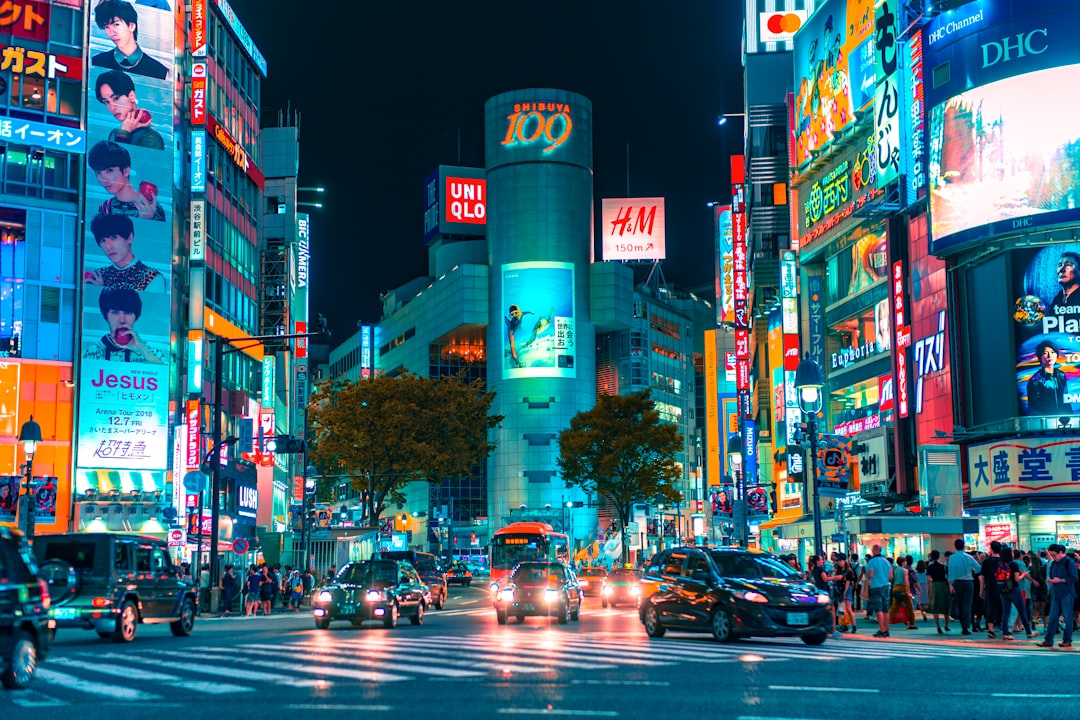
Shibuya Crossing is worth seeing twice: once at street level, jostling with the crowd, and once from above at Shibuya Sky, the rooftop observatory atop Shibuya Scramble Square, is open daily from 10:00 to 22:30 with last admission at 21:20, and standard adult tickets purchased online are ¥2,700 for entry up to 14:59 and ¥3,400 for entry from 15:00. Meiji Jingu, a five-minute walk from Harajuku Station, offers the inverse experience: a gravel path through a forest of some 100,000 trees planted a century ago, leading to a shrine that feels a world away from Takeshita Street's crepe stands just outside the entrance. For a longer day trip, Hakone is roughly 90 minutes from Shinjuku by limited express train and pairs an onsen soak with views of Mount Fuji on a clear winter day.
Tokyo's Essential Sights
Capsule Pods, Ryokan Comfort, and City-View Suites: Choosing Your Tokyo Base
Shinjuku and Shibuya are the most convenient bases, both sitting on the Yamanote Line loop with direct access to most of the city. Budget travelers do well at nine hours Shinjuku-North, a design-forward capsule hotel where pods run roughly ¥4,500-6,500 a night and the shared baths and lockers are cleaner than most conventional budget hotels. One step up, Hotel Gracery Shinjuku, famous for the Godzilla head looming over its facade, puts you steps from Kabukicho and Omoide Yokocho for around ¥18,000-25,000 a night.
For a splurge with a view, the Park Hyatt Tokyo in Shinjuku, the hotel that anchored Lost in Translation, sits on the top floors of a Kenzo Tange tower with rooms from roughly ¥90,000-140,000 in winter and a 52nd-floor bar worth visiting even if you're not staying there. Aman Tokyo, overlooking the Imperial Palace grounds in Otemachi, offers a quieter, more traditional take on luxury, with rooms typically starting around ¥150,000. If a night of onsen bathing appeals, consider spending one night of a Tokyo stay at a ryokan in Hakone instead, roughly 90 minutes away, and treating it as an easy add-on rather than a separate trip.
Ramen Counters, Depachika Food Halls, and the Quiet Etiquette of Eating
Tokyo's food culture rewards wandering into narrow alleys as much as booking ahead. Toyosu Market, which replaced the old Tsukiji wholesale market in 2018, opens its public observation areas and sushi counters early; arrive by 7:00 for a seat at Sushi Dai or Sushi Zanmai without a long wait, expect to pay roughly ¥4,000-6,000 for an omakase breakfast, and know that both close by early afternoon. For ramen, Fuunji in Shinjuku serves a smoky tsukemen dipping noodle worth the 20-30 minute lunchtime queue, while Afuri, with locations in Ebisu and Harajuku, is known for a lighter yuzu-shio broth that's easier to find seats for.
Department store basements, called depachika, are an underrated food experience: Isetan Shinjuku's basement floor packs in dozens of bento, wagashi, and pickle stalls, most open until around 20:00 or 21:00. At an izakaya, it's customary to order a small starter and a drink first rather than jumping straight to the main dishes, and tipping is not expected anywhere in Japan. Slurping noodles loudly is normal and even appreciated; eating while walking is generally frowned upon outside of festival stalls. Winter also brings seasonal specialties like nabe hot pot and fugu (pufferfish), both worth seeking out at a proper izakaya in Nakameguro or Ebisu on a cold night.
“You can spend a week in Tokyo eating nothing but noodles and never have the same bowl twice.”
Mastering the Yamanote Loop: How to Move Through Tokyo Without Losing an Hour
Get a Suica or Pasmo IC card the moment you land, either at a machine in the arrivals area or loaded directly onto your phone if it supports it. Most single subway or JR rides within central Tokyo cost between ¥170-320, and the card works on buses, most vending machines, and even some convenience stores. The Yamanote Line forms a loop around central Tokyo, connecting Shinjuku, Shibuya, Ueno, and Tokyo Station roughly every 3-5 minutes during the day, and it's the single most useful line to understand before anything else.
From Narita Airport, the Narita Express takes about 60 minutes to Tokyo Station for roughly ¥3,250; from Haneda, the Keikyu Line or monorail reaches central Tokyo in 20-40 minutes for around ¥300-500, making Haneda the better choice if your flight allows a choice. Note that the national Japan Rail Pass became noticeably more expensive in October 2023, so for a Tokyo-only trip or a single Hakone day trip, individual tickets or a regional pass usually work out cheaper than the nationwide pass. Taxis are metered, clean, and easy to flag, but a short ride across central Tokyo can run ¥1,500-3,000, so they're best saved for late nights after the trains stop, typically around midnight to 1:00.
Three Days in Tokyo: Asakusa, Shibuya, and a Sushi Breakfast at Toyosu
Old Tokyo: Asakusa, the Sumida River, and Ueno
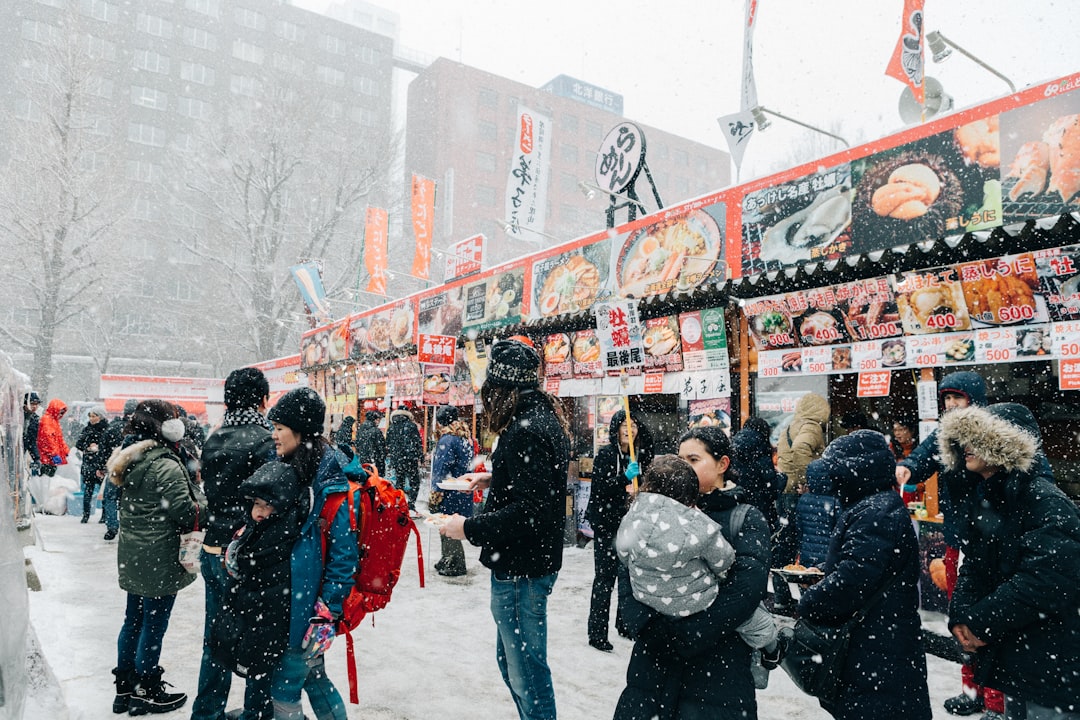
Begin at Senso-ji by 8:00, before the Nakamise-dori stalls fully open, then wander the quieter backstreets of Asakusa for a coffee at a kissaten cafe.
Take a river cruise down the Sumida (roughly ¥1,400-2,000, about 40 minutes) toward Odaiba, or head instead to Tokyo Skytree, a five-minute walk from Asakusa, where the observation decks (from around ¥2,100 for the lower deck) offer city views that stretch to Mount Fuji on clear winter days.
In the afternoon, head to Ueno Park for the Tokyo National Museum, then finish with an early dinner in Ameya-Yokocho, the market street beneath the train tracks, where stalls sell everything from grilled skewers to discounted seafood.
Modern Tokyo: Harajuku, Shibuya, and Shinjuku's Neon
Spend the morning at Meiji Jingu, then walk Takeshita Street in Harajuku for crepe stalls and quirky boutiques before the afternoon crowds arrive.
Cross into Shibuya to experience the scramble crossing at street level, then ride up to Shibuya Sky (standard adult tickets ¥2,700 for daytime entry or ¥3,400 for afternoon/evening, book online in advance) for a rooftop view as the city lights come on.
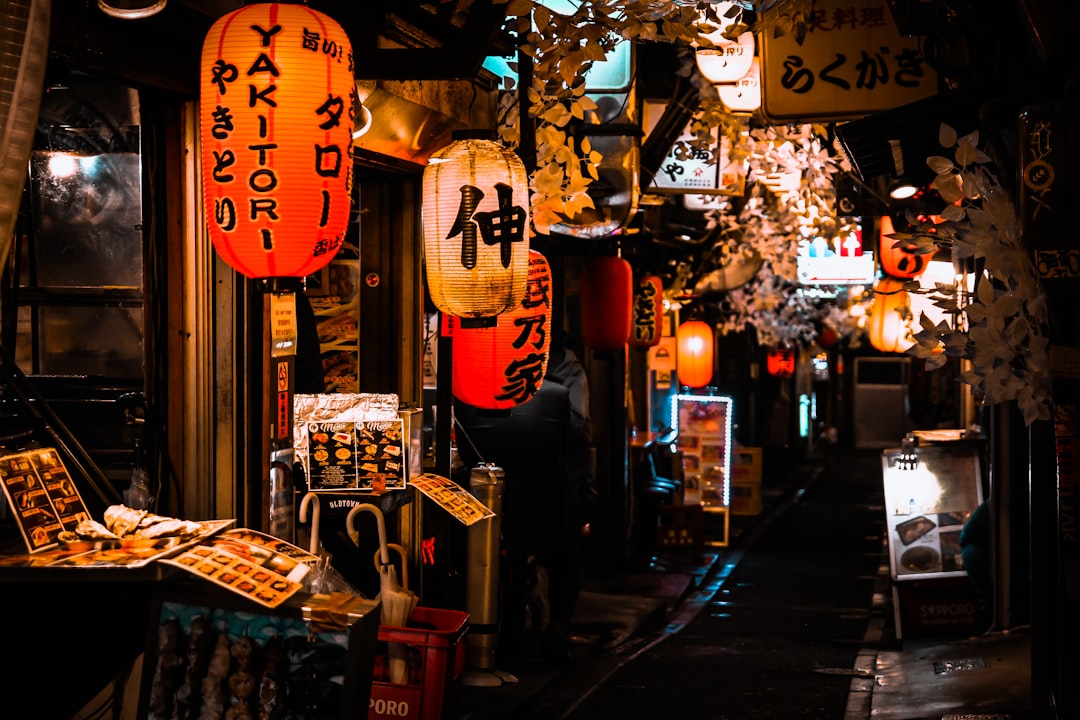
For dinner, head to Omoide Yokocho near Shinjuku Station, a warren of tiny yakitori bars where a full meal with drinks runs roughly ¥2,500-4,000, then walk through Kabukicho's neon before heading back to your hotel.
Toyosu Market, Ginza, and a Digital Art Detour
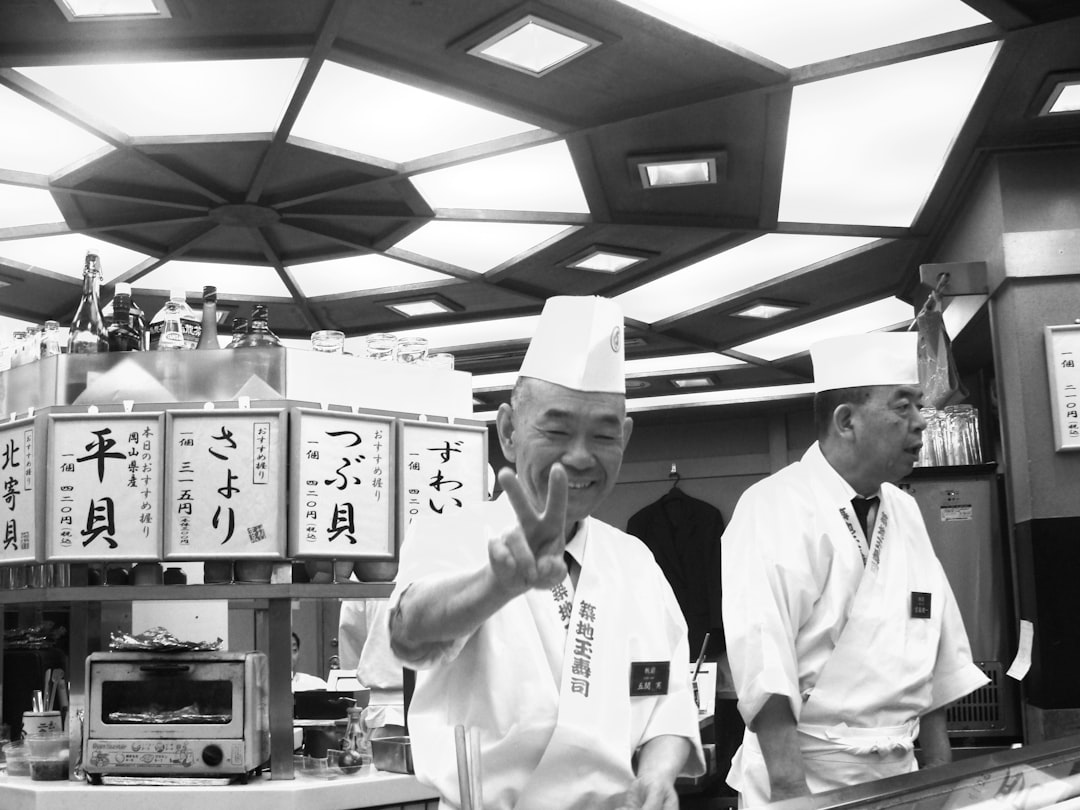
Arrive at Toyosu Market by 7:00-7:30 for a sushi breakfast at Sushi Dai or a similar counter (roughly ¥4,000-6,000 for omakase), then browse the observation deck overlooking the wholesale floors.
Walk or taxi to Hama-rikyu Gardens, a former shogunate garden where the winter plum blossoms begin appearing in late February, then continue into Ginza for department store browsing and a coffee at Ginza Six.
In the afternoon, take the Yurikamome Line to Odaiba for teamLab Planets (book timed entry in advance, roughly ¥3,800-4,000), then return to central Tokyo for a final dinner of your choosing, whether that's another ramen counter or a proper kaiseki set menu.
teamLab Planets tickets, sushi counters at Toyosu, and Hatsumode-season shrine visits all get booked or crowded out weeks ahead, and hotel rates in Shinjuku and Ginza swing widely between now and peak illumination season.
A Cordelie travel advisor can lock in the right room category, slot a Hakone onsen night into your itinerary without wasted travel time, and secure tickets for the experiences that sell out first. Reach out at https://cordelie.com/contact to start planning.
Tokyo in Winter: At a Glance
A clear-skied, uncrowded window into a city that rewards both careful planning and aimless wandering in equal measure.
Tokyo in December through February trades cherry blossoms for clear air, illumination displays, and shorter lines at temples like Senso-ji and Meiji Jingu.
Budget roughly ¥18,000-25,000 a night for a comfortable mid-range hotel in Shinjuku or Shibuya, and set aside an extra day or two for a Hakone or Nikko side trip if your schedule allows.
Come hungry, get a Suica card at the airport, and book teamLab Planets and any sushi counter reservations before you land rather than after.
Last checked for accuracy: . How we check

Sarah Chen has covered Asia for twelve years, first as a wire reporter in Jakarta and now from Singapore, where she keeps a standing list of the region's most misunderstood destinations. She writes about the distance between what a place is famous for and what it is actually like to spend a week in — and is happiest on an overnight train with a bad seat and a good view.
Related Articles
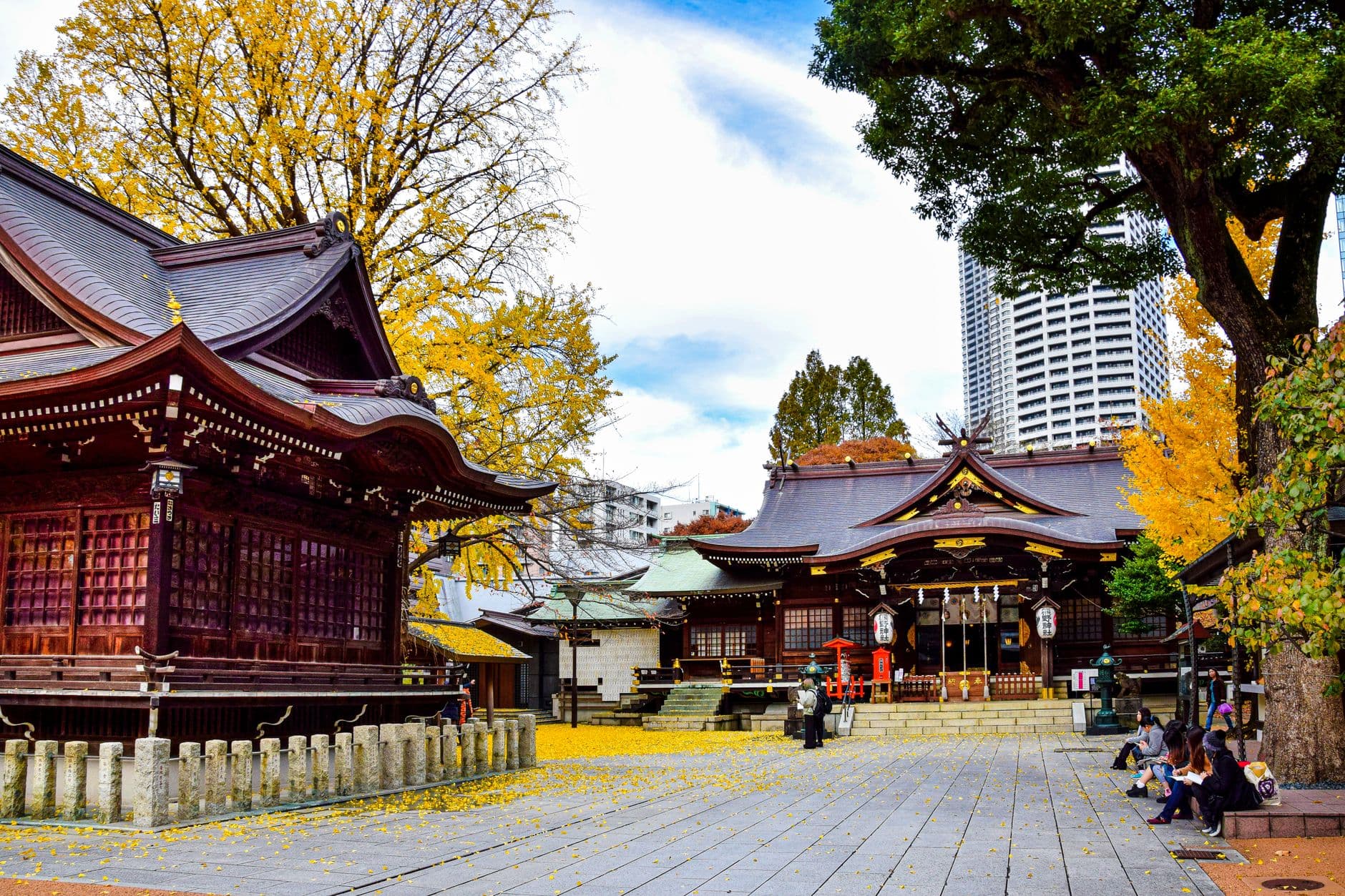
Tokyo Quick Guide: Everything You Need to Know
Tokyo blends ancient temples and cutting-edge modernity across 23 wards and 37 million people. Fall's mild weather and autumn foliage make it an ideal season to navigate the world's largest metro.

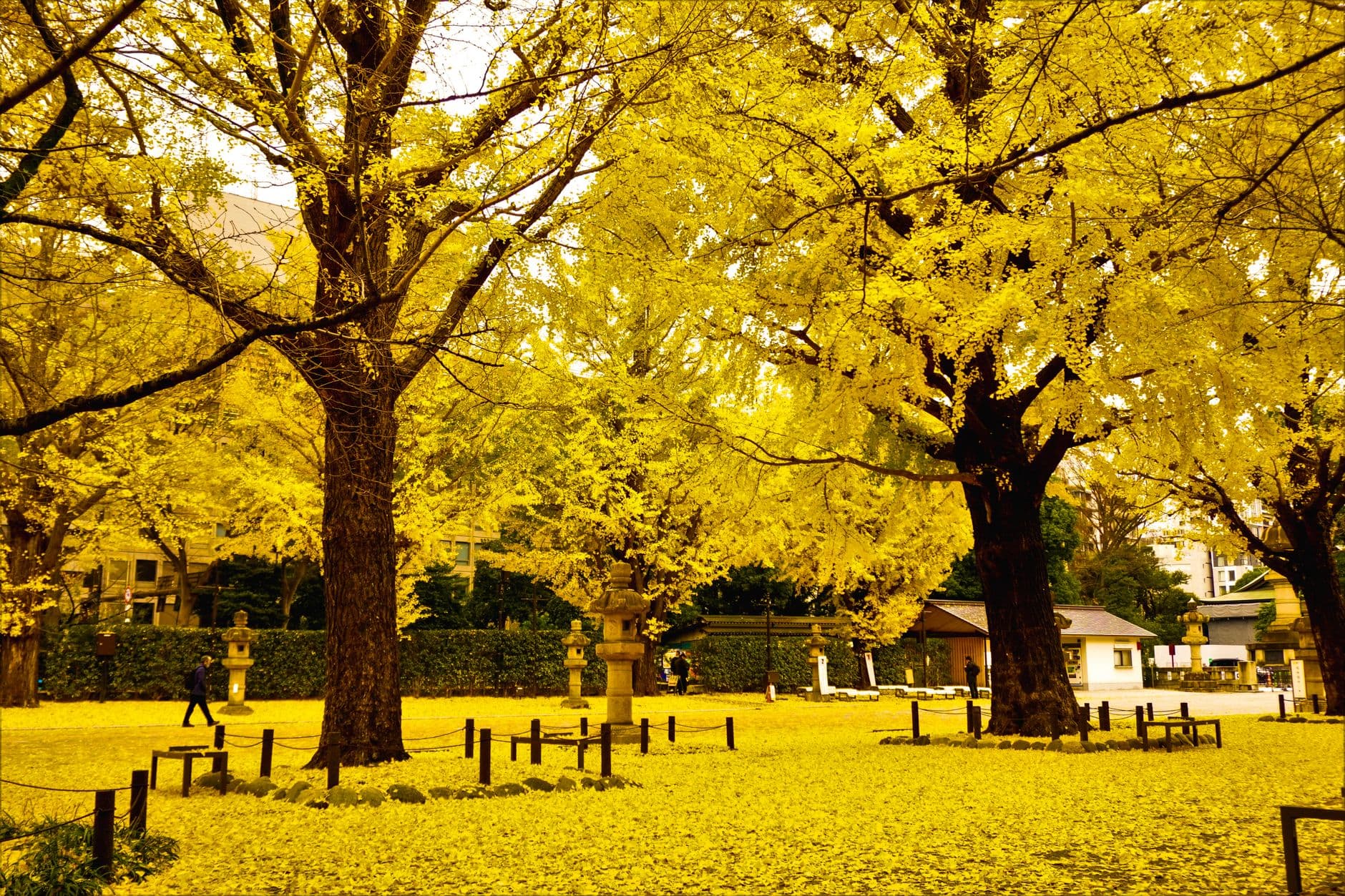
My Fall in Tokyo: A Travel Story
A five-day autumn journey through Tokyo, from a sunrise walk beneath golden ginkgo trees to an illuminated maple garden and an unforgettable seat at Sushi Saito.
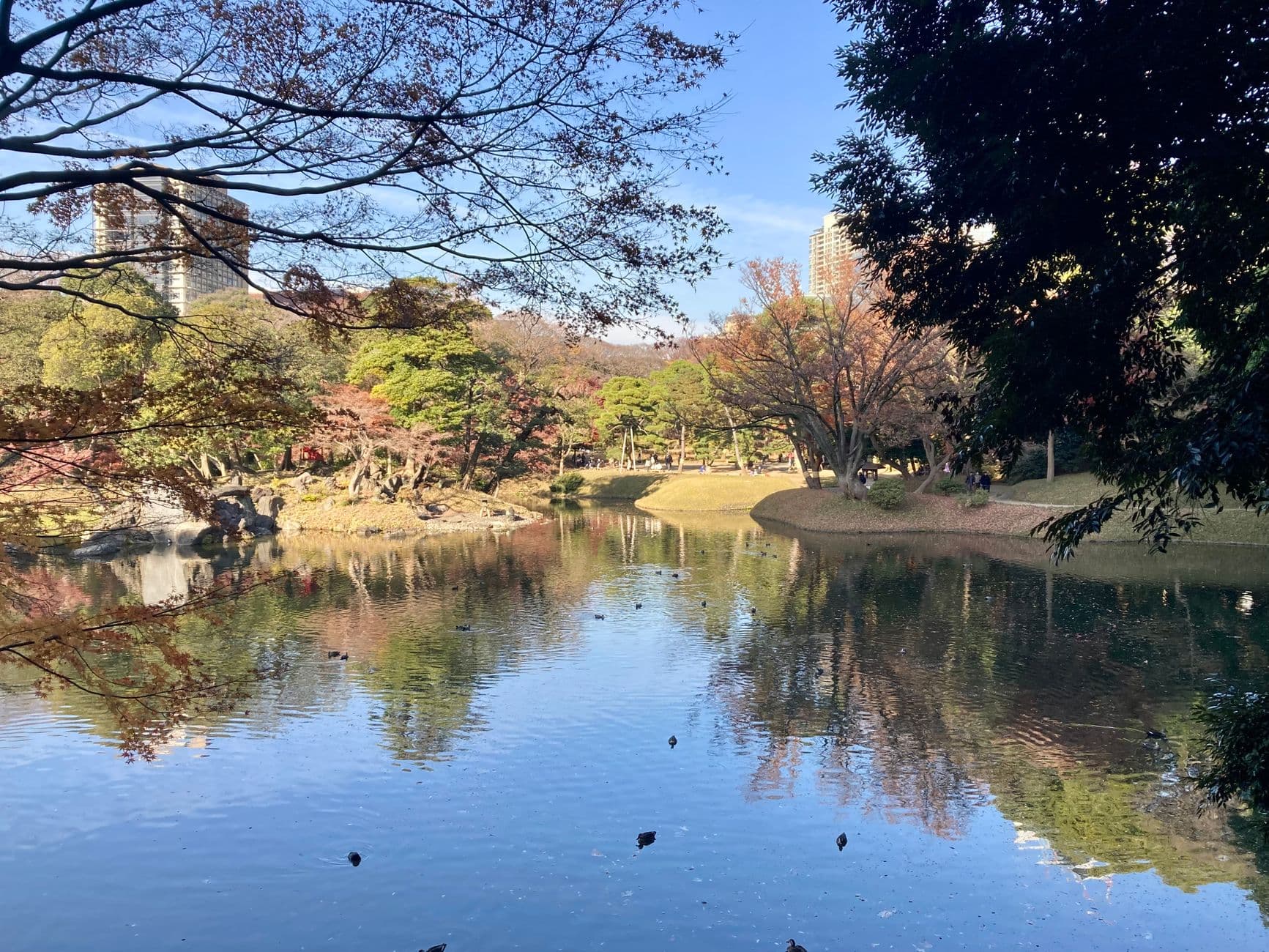
The Best Things to Do in Tokyo
From wading through immersive art installations to hiking Mount Takao's fall foliage, these are the eight most physical, adrenaline-worthy things to do in Tokyo this autumn — ranked and detailed.