My Fall in Tokyo: A Travel Story

Setting the Scene
I landed at Haneda a little past six in the evening, the sky already the color of a bruised plum, and by the time the monorail pulled into Hamamatsucho the city had switched on its lights like it had been waiting for me specifically. I had booked five nights at the Aman Tokyo, a splurge I told myself I would justify later, and when the elevator opened onto the 33rd-floor lobby I understood immediately why people speak of this hotel in hushed, reverent tones. The washi-paper lanterns, the shoji-screened windows framing the Otemachi skyline, the almost total silence broken only by a single ikebana arrangement of dried hydrangea and maple branches near the entrance — it felt less like checking into a hotel and more like being received into someone's private philosophy of stillness.
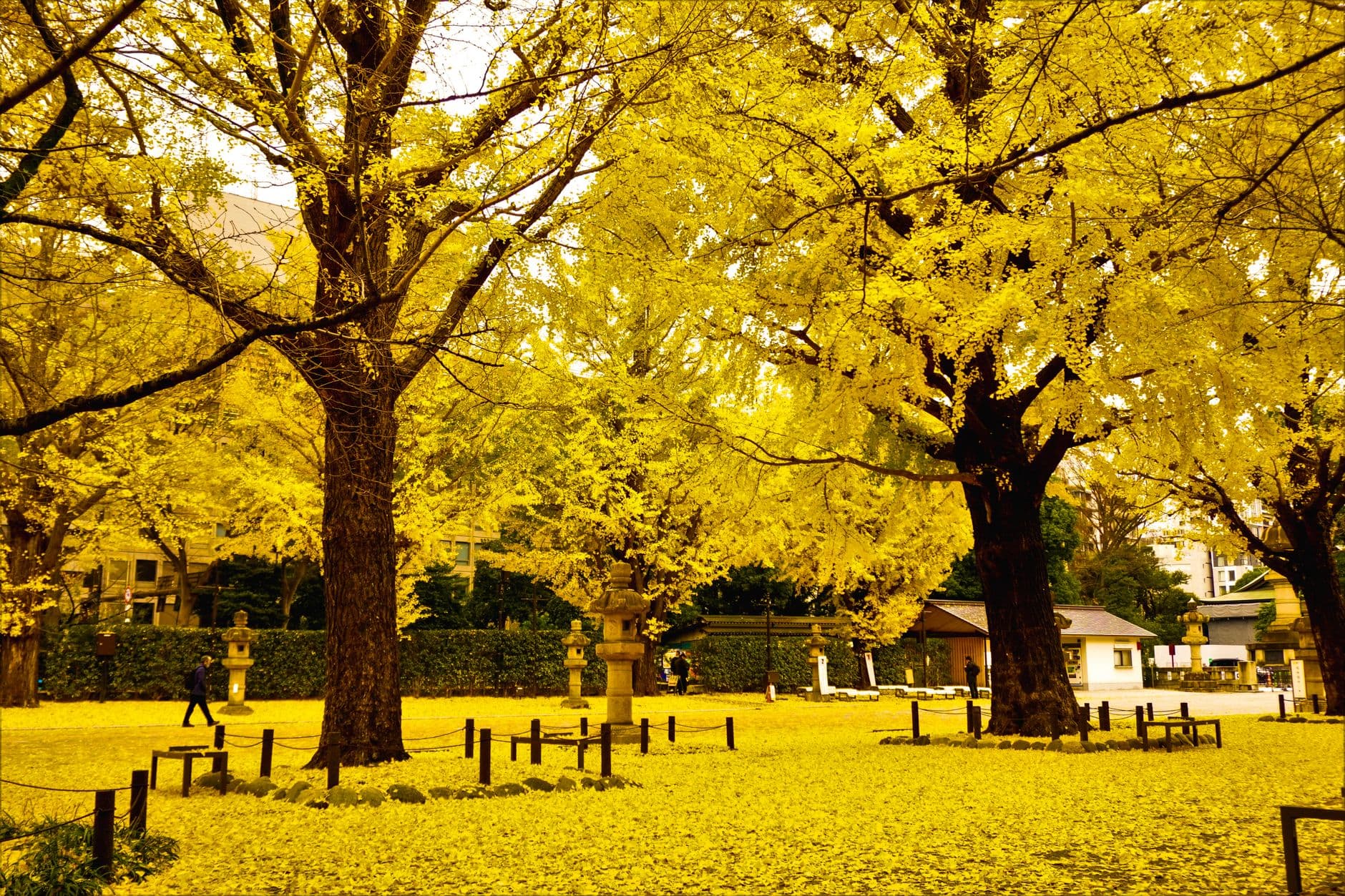
I had come to Tokyo in early November chasing something specific: the narrow window when the ginkgo trees along Omotesando turn a shade of yellow so saturated it looks digitally enhanced, and the maples in the eastern gardens go the color of embers. Friends who had been before warned me that Tokyo's autumn is fleeting and unpredictable, arriving late some years and vanishing within a fortnight. I had five days to catch it, a loose itinerary, and a standing dinner reservation I'd made three months in advance that I was already nervous about.
“Tokyo in autumn doesn't announce itself with fanfare — it arrives quietly, in the smell of roasted chestnuts near Ueno Station and the sudden gold of a single ginkgo tree against a gray November sky.”
Day by Day
Arrival and the Quiet Grandeur of Otemachi
After settling into my room at the Aman Tokyo — a spare, elegant space with a deep stone soaking tub positioned to face the window — I did the thing I always do on arrival night despite the jet lag: I went walking. I crossed toward the Imperial Palace East Gardens, which stay open until dusk in November, and found the moat lined with willows just beginning to yellow, a few early maples already flaming red along the stone walls.
Dinner that first night was intentionally low-key: a seat at the counter of Kanda Matsuya, a century-old soba shop near Kanda Station, where a bowl of seiro soba with duck broth cost me just 1,800 yen and felt like the correct way to reset a jet-lagged body. I was in bed by ten, grateful for the Aman's blackout shoji screens and the total, almost eerie quiet of the 33rd floor.
Ginkgo Gold on Icho Namiki Avenue
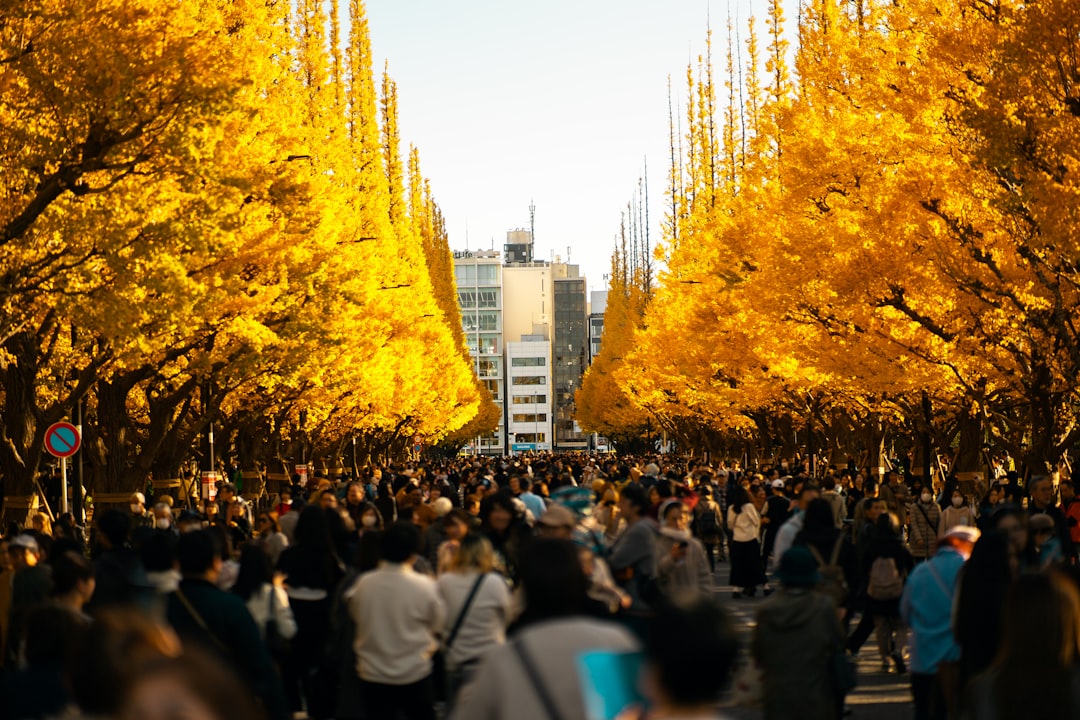
I set an alarm for 7 a.m. to beat the crowds to Icho Namiki, the ginkgo-lined boulevard leading to the Meiji Jingu Gaien sports complex, and it was worth every minute of lost sleep. The avenue's 146 ginkgo trees turn a nearly unbelievable saturated yellow in mid-to-late November, and at that hour I had the whole boulevard practically to myself, save for a few photographers and an elderly couple sharing a thermos of tea on a bench.
From there I took the subway to Meiji Shrine itself, tucked inside 170 acres of forest that somehow muffle all trace of the city beyond its torii gates. By midday I'd made my way to Omotesando, where I had lunch at a small tempura counter, Tempura Tsunahachi, before wandering the side streets of Harajuku's Cat Street, where boutique shops sit beneath their own small canopies of turning maples.
In the evening I treated myself to the reservation I'd been anxious about for months: an 8 p.m. seating at Sushi Saito in Roppongi. It is famously difficult to book — most reservations only happen through a hotel concierge or existing relationship with the chef — and at roughly 40,000 yen for omakase, it is not a casual decision. But watching Chef Takashi Saito work in near silence, each piece of nigiri placed directly onto the small wooden counter without a plate, remains one of the most quietly extraordinary meals of my life.
Eastern Tokyo, Asakusa, and the Maples of Rikugien
Day three took me east, starting with Senso-ji Temple in Asakusa, where I arrived by 8 a.m. to see Nakamise-dori shopping street before the tour buses descended. I bought a box of ningyo-yaki (small castella cakes shaped like temple lanterns) for about 700 yen and ate them slowly on a bench near the five-story pagoda.
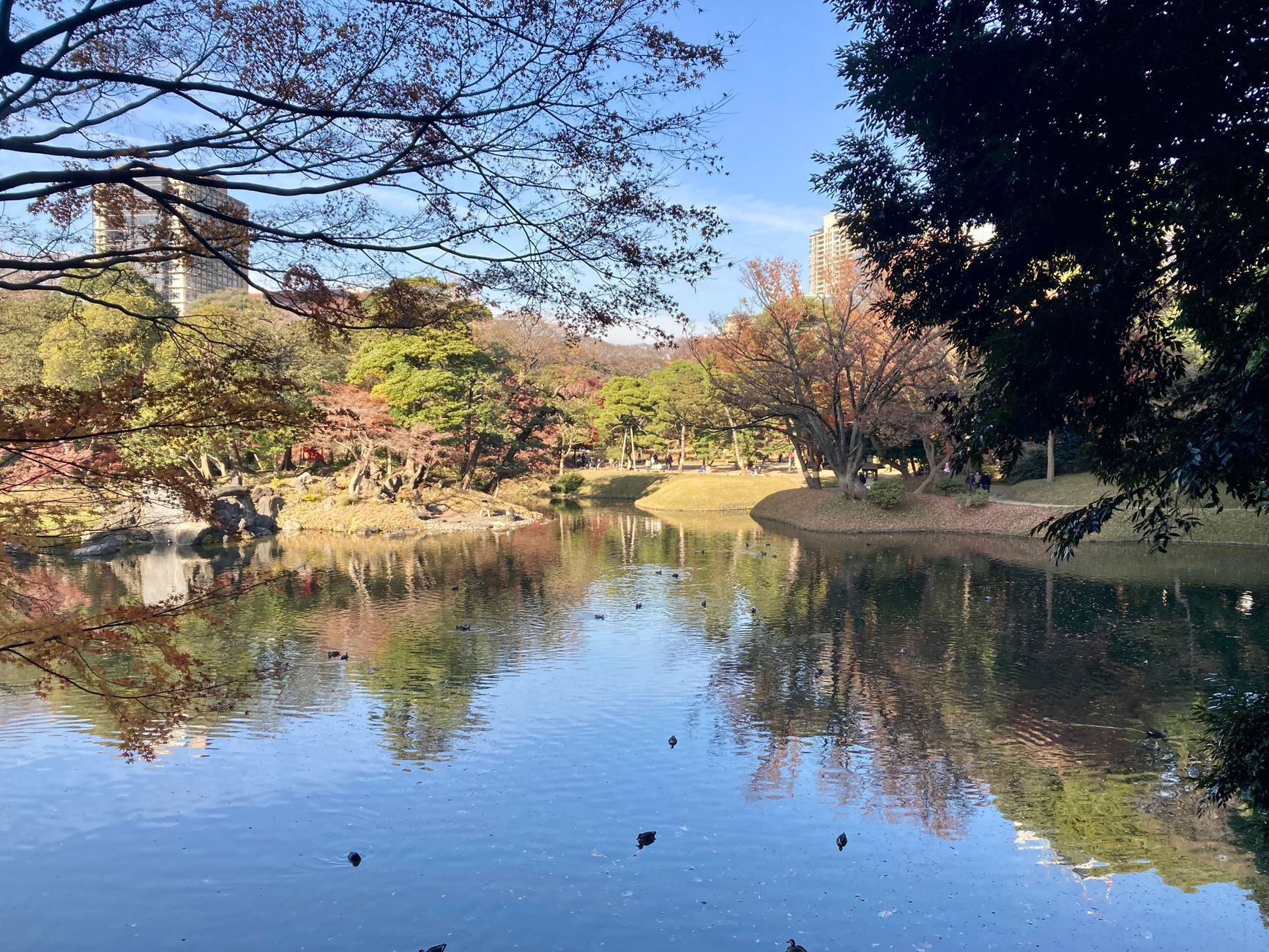
The real reason I'd routed myself east, though, was Rikugien Gardens, a 17th-century strolling garden in Komagome that is famously one of the finest spots in the city for koyo, or autumn foliage viewing. I timed my visit for the special evening illumination, when the maples surrounding the central pond are lit from below against the black water — the garden extends its hours to 9 p.m. during the roughly two-week illumination period in late November, and the 300 yen entry fee felt almost absurdly modest for what I saw.
Dinner was a happy accident: a yakitori counter called Toriyoshi tucked under the JR tracks near Yurakucho, where salarymen packed onto stools eating skewers of chicken thigh, tsukune, and grilled shishito peppers for around 3,500 yen total, washed down with cold Asahi. It was the loudest, most alive meal of the trip, and I loved every minute of it.
Hakone Day Trip and the Fuji View That Almost Didn't Happen
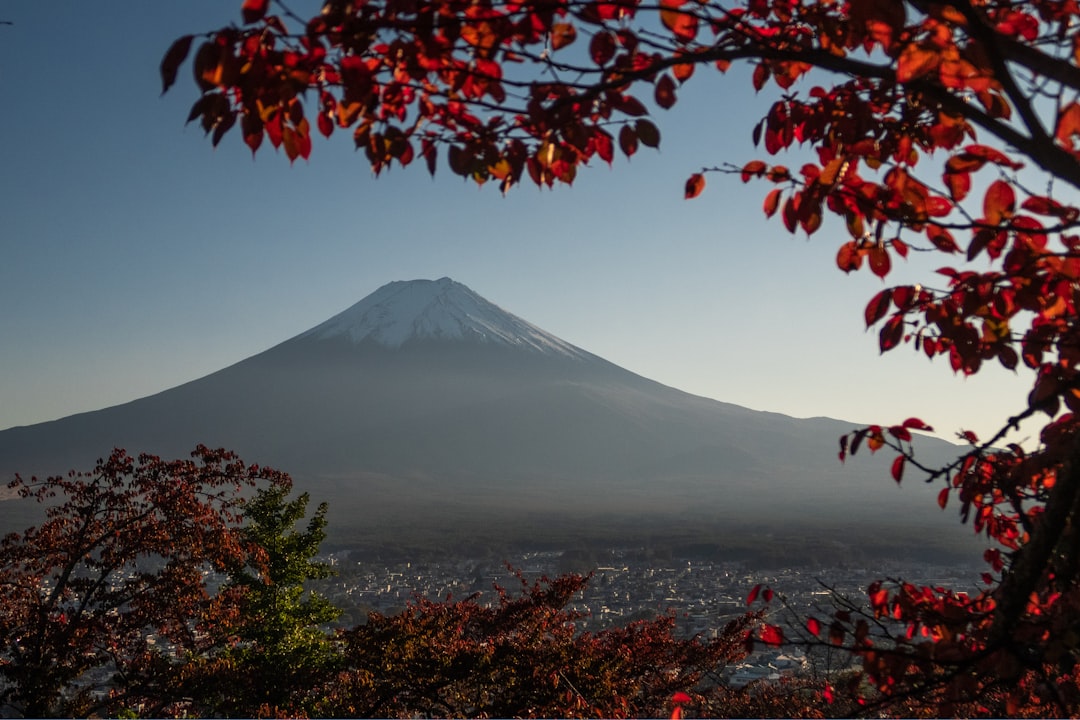
I'd booked a day trip to Hakone through the concierge at Aman Tokyo, using the Odakyu Romancecar, a comfortable direct train from Shinjuku that costs around 2,470 yen each way and gets you to Hakone-Yumoto in roughly 85 minutes. My goal was simple: see Mount Fuji framed by autumn color from the Hakone Ropeway, something that requires a clear morning and a fair amount of luck in November.
The luck held. From the Owakudani station, with its sulfurous volcanic vents still steaming, Fuji appeared clean and white-capped against a sky scrubbed blue by an overnight wind, with the surrounding hillsides gone amber and rust. I spent the afternoon soaking in an open-air onsen at a small day-use bathhouse near Lake Ashi, Tenzan Tohji-kyo, for about 1,300 yen, before catching the last Romancecar back into Shinjuku by early evening.
Exhausted in the best way, I had a simple bowl of katsu curry at a standing counter near Shinjuku Station and called it an early night — the first evening of the trip I didn't push myself to see one more thing, and it felt like exactly the right decision.
A Slow Final Morning and Departure
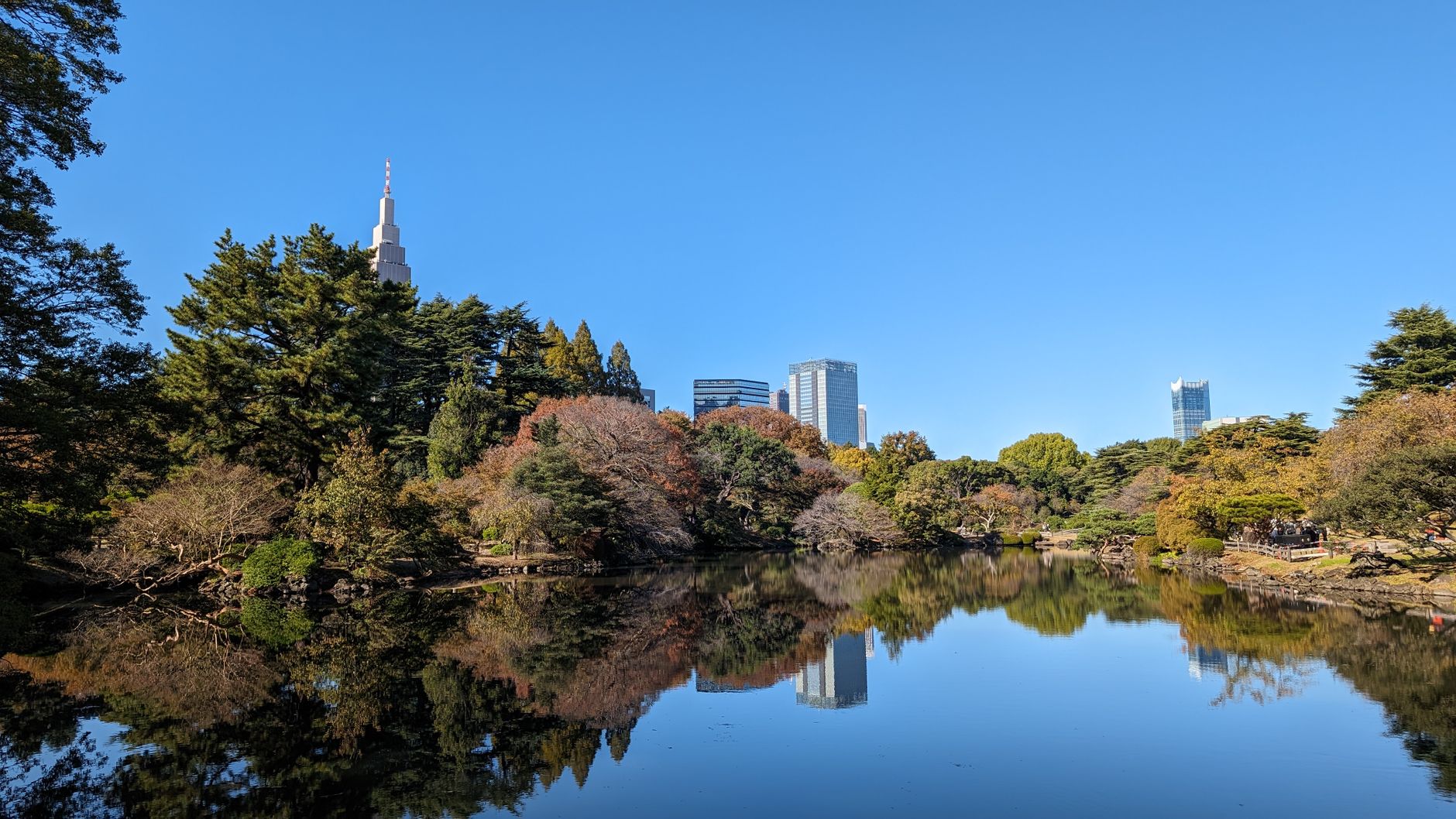
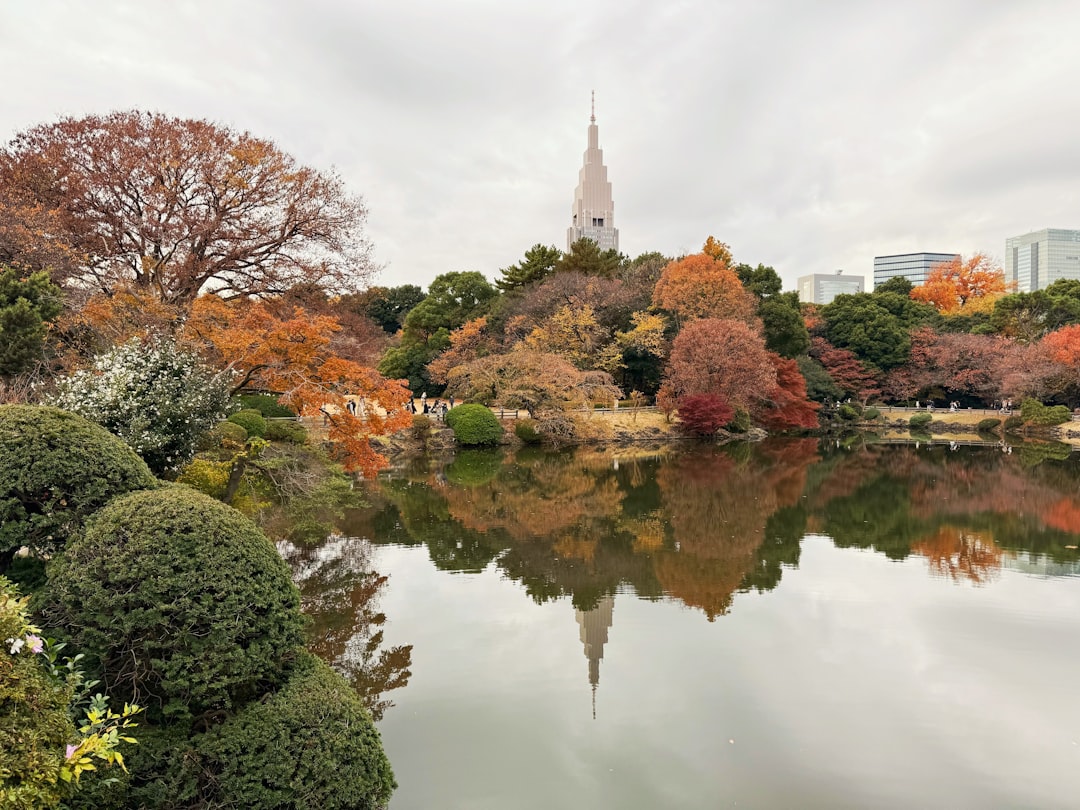
My last morning I deliberately left unstructured. I had a leisurely breakfast at the Aman Tokyo's Arva restaurant, where the buffet spread included fresh tofu made tableside and a small selection of grilled fish that changes daily, before wandering back to Shinjuku Gyoen — my favorite garden of the whole trip — for one final hour among the maples and the last of the chrysanthemum displays that the garden mounts each November.
I sat by the Japanese garden's pond for a long while, watching a heron pick its way along the reeds, and thought about how little of Tokyo I'd actually seen in five days and how much I already wanted to come back for. By early afternoon I was on the Keikyu line to Haneda, watching the city thin out into runways and gray water, already planning where I'd go next time.
Trip Gallery
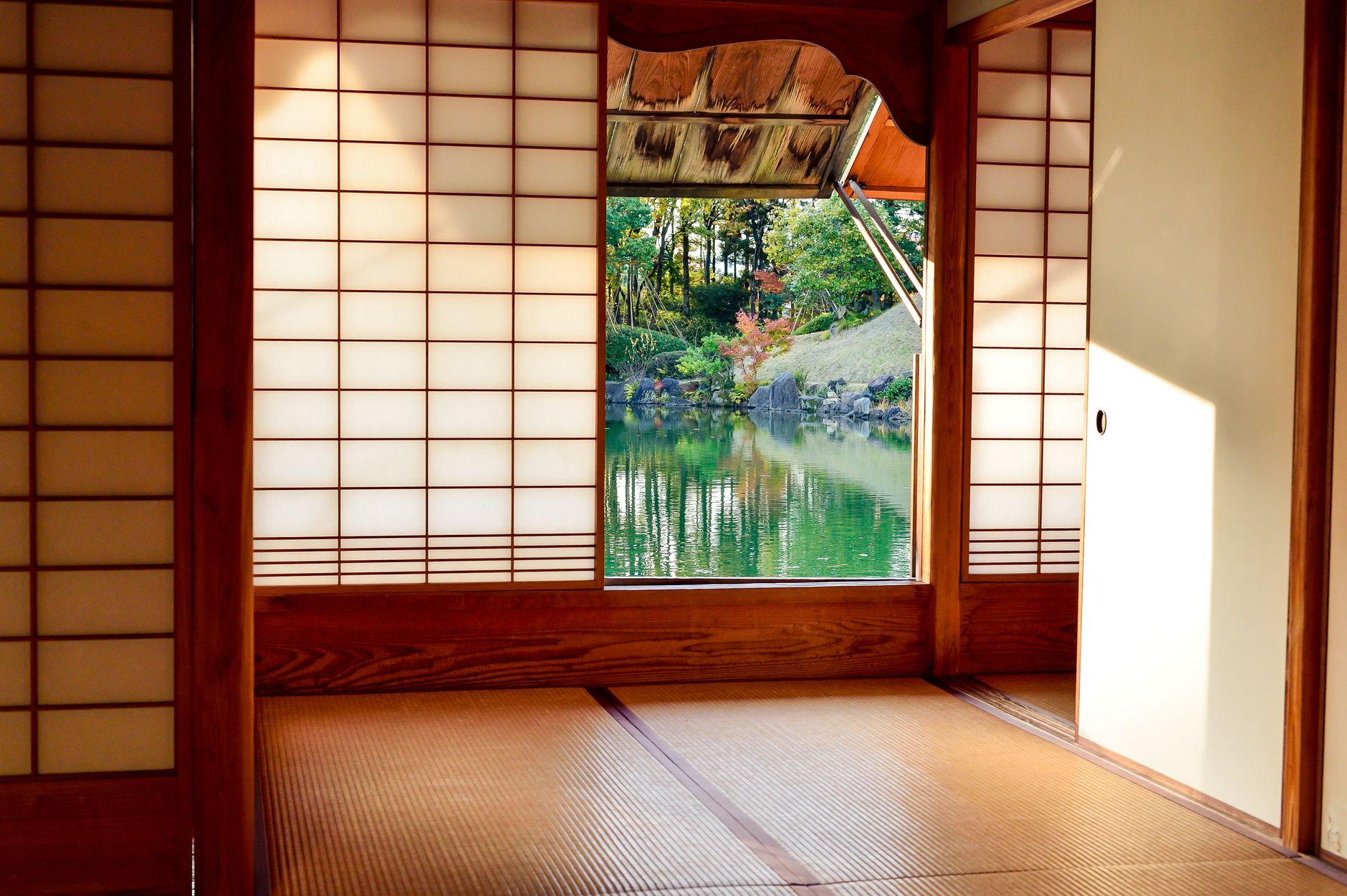
Cordelie travel advisors
Planning Tokyo? Go with someone who knows
The right suite, the right season, the reservations that never appear online — your Cordelie advisor knows them, and holds them for you.
Plan with a Cordelie advisorFree to ask. Cordelie Travel Services · IATA/ARC 06649064
Standout Moments
If I had to name the single moment that justified the entire trip, it would be the illumination at Rikugien Gardens. There is something almost theatrical about seeing maples lit from below against black water at night, the color intensified rather than washed out by the darkness, and the fact that it costs 300 yen to enter makes it one of the great bargains of Tokyo's autumn calendar. I'd rank it above even the more famous Fuji view from Hakone, mostly because it felt like a discovery rather than a checklist item — the crowds were modest, the pacing unhurried, and I never once felt rushed along by a tour group.
The other moment that stayed with me was purely sensory: standing alone on Icho Namiki Avenue at 7:15 in the morning, before the crowds arrived, watching a single ginkgo leaf spiral down and land on the pavement in front of me with an almost audible click. Tokyo is a city of twelve million people and yet it still manages to hand you moments of total, private stillness if you're willing to wake up early enough to receive them.
The Food
Tokyo in autumn brings a specific culinary window worth planning around: matsutake mushrooms, chestnuts, sanma (Pacific saury) grilled whole over charcoal, and the first pressings of new-crop rice all appear on menus in October and November. At Sushi Saito, the omakase leaned into the season with a piece of grilled anago eel and a small bowl of matsutake dobin-mushi (a delicate clear broth steamed in a teapot) that I still think about. At Kanda Matsuya, the soba itself is unremarkable in the best way — simple, clean, exactly what it should be — but the seasonal duck broth variation available only in the cooler months adds a richness that makes the extra few hundred yen entirely worthwhile.
For anyone visiting in fall, I'd also point toward the department store basement food halls, or depachika, particularly the one beneath Isetan in Shinjuku, where seasonal chestnut mont blanc pastries appear in dozens of variations from October through December, priced from about 600 to 1,200 yen each. I bought three different versions from three different counters purely for research purposes and regret nothing. And the yakitori dinner in Yurakucho deserves a special mention not for refinement but for atmosphere — sitting shoulder to shoulder with off-duty office workers under the rattling train tracks, sharing skewers and cold beer for under 4,000 yen, is as essential to understanding Tokyo as any Michelin-starred meal.
Tokyo's autumn foliage window shifts year to year by as much as two to three weeks, and reservations at places like Sushi Saito or seasonal illumination events at gardens like Rikugien and Koishikawa Korakuen can sell out or change hours with little notice. A Cordelie travel advisor can track the current foliage forecasts, secure hard-to-book restaurant reservations through established relationships, and build in flexibility around your Hakone day trip in case weather or timing shifts — the kind of local intelligence that's genuinely difficult to replicate from a hotel room in another country.
Trip Summary
An exceptional five-day autumn itinerary for travelers who want Tokyo's quieter, more contemplative side alongside its famous energy.
This trip works best for travelers who have visited Tokyo once already, or who are comfortable moving at an unhurried pace rather than sprinting through a checklist. The Aman Tokyo, at roughly 150,000 yen and up per night, is a genuine splurge, but its stillness set the emotional tone for the entire visit and is worth considering even for one or two nights bookended by a more moderately priced stay elsewhere in Shinjuku or Ginza.
Budget roughly 350,000 to 450,000 yen per person for five nights covering mid-to-upper-range accommodation, dining including one splurge omakase meal, and the Hakone day trip, excluding international flights. The ideal window for this exact itinerary is early to late November, though savvy planning around real-time foliage forecasts, ideally with an advisor's help, matters more than any fixed calendar date.
Last checked for accuracy: . How we check

Alex Moreau writes about going slowly. Nine years of reporting from trains, river boats and towns nobody has a hashtag for, mostly across Europe and North Africa. They live in Lisbon, keep a running list of the continent's best two-hour lunches, and believe most itineraries would improve if you deleted a city.
Related Articles
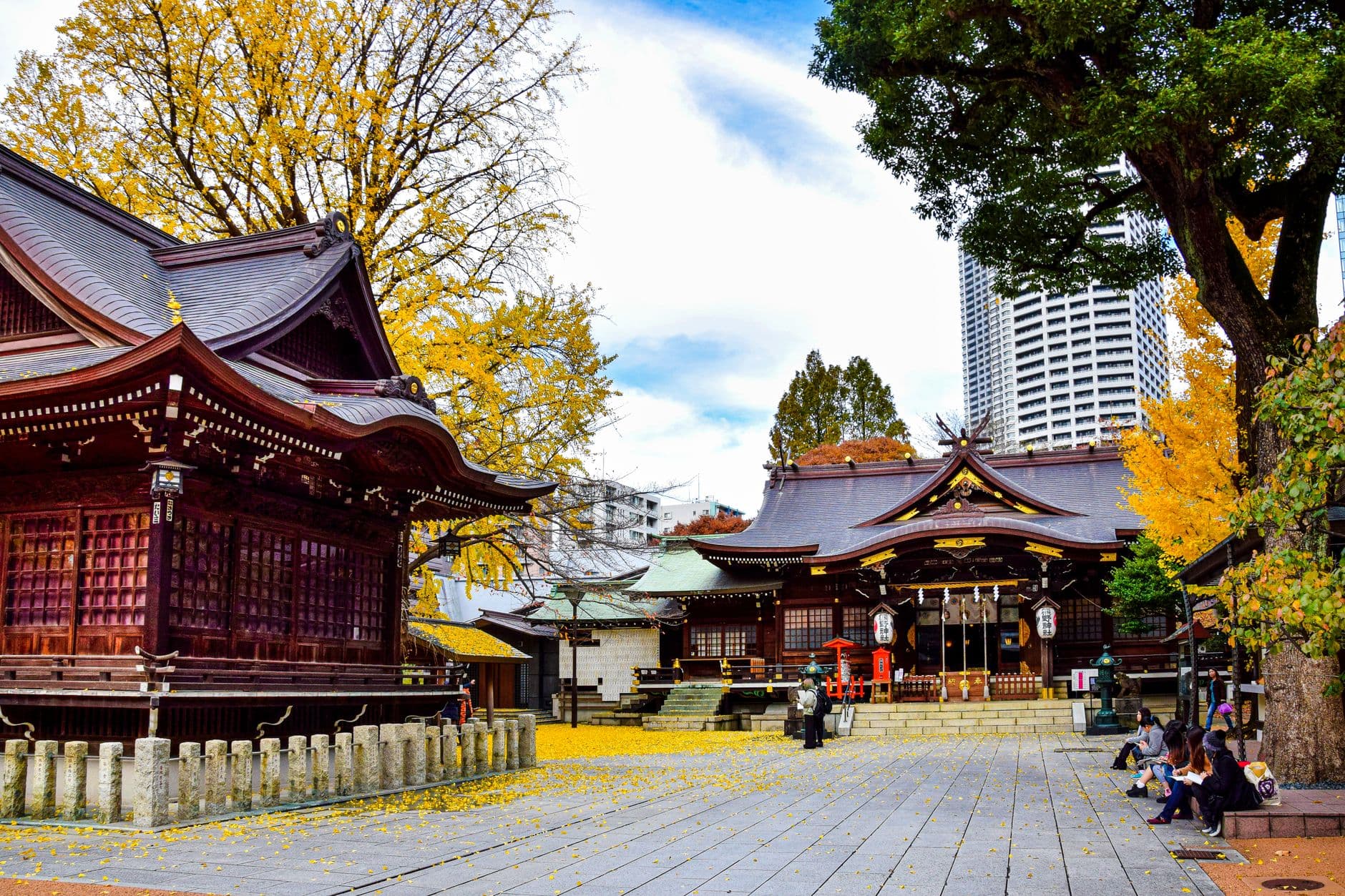
Tokyo Quick Guide: Everything You Need to Know
Tokyo blends ancient temples and cutting-edge modernity across 23 wards and 37 million people. Fall's mild weather and autumn foliage make it an ideal season to navigate the world's largest metro.
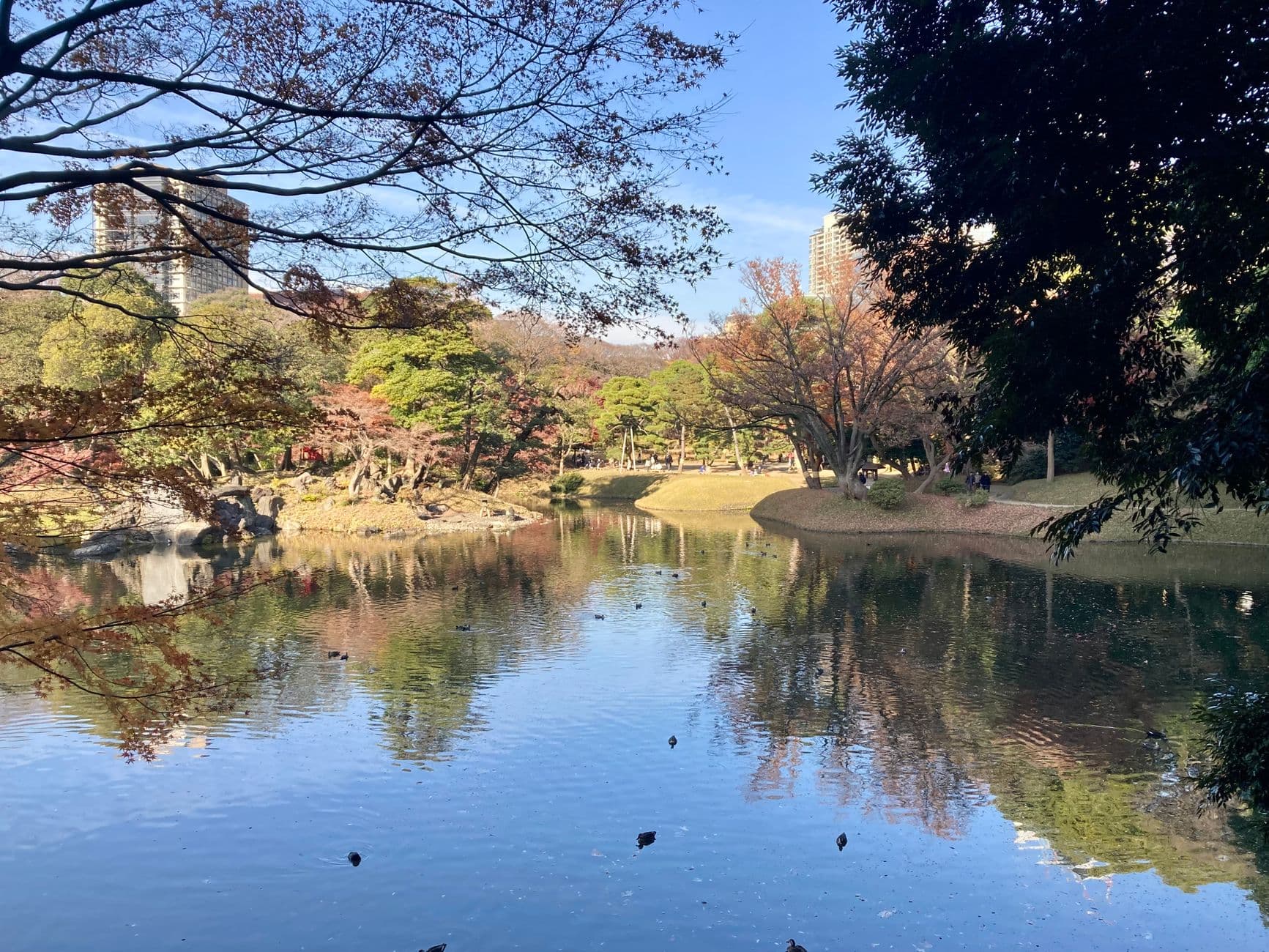
The Best Things to Do in Tokyo
From wading through immersive art installations to hiking Mount Takao's fall foliage, these are the eight most physical, adrenaline-worthy things to do in Tokyo this autumn — ranked and detailed.
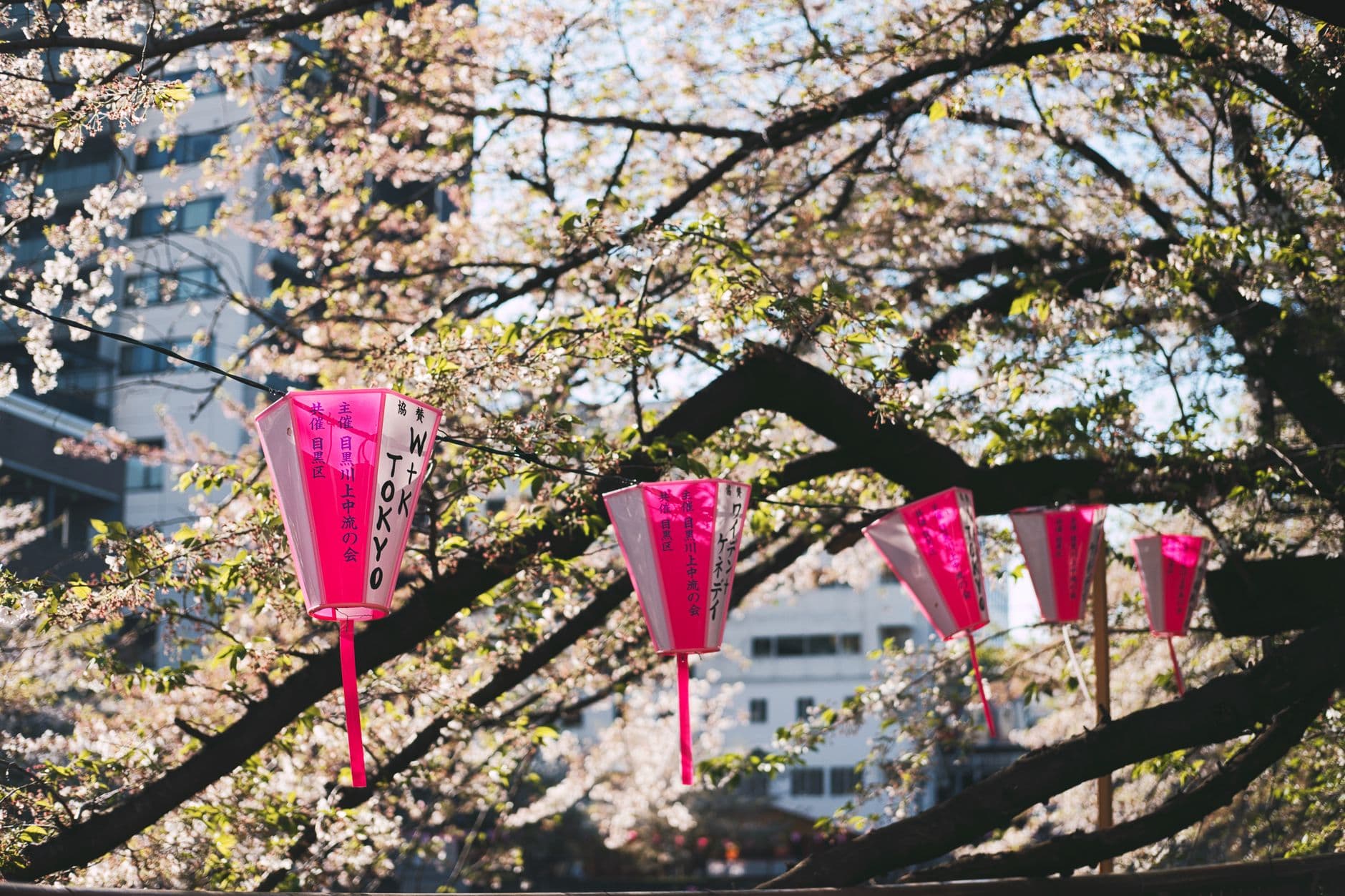
Why Spring in Japan Is the Trip of a Lifetime
Experience Tokyo's magical cherry blossom season with insider access to the best hanami spots, seasonal dining, and exclusive spring experiences in Japan's captivating capital.