Tokyo Quick Guide: Everything You Need to Know

Key Facts
Tradition Meets Modernity in Japan's Capital
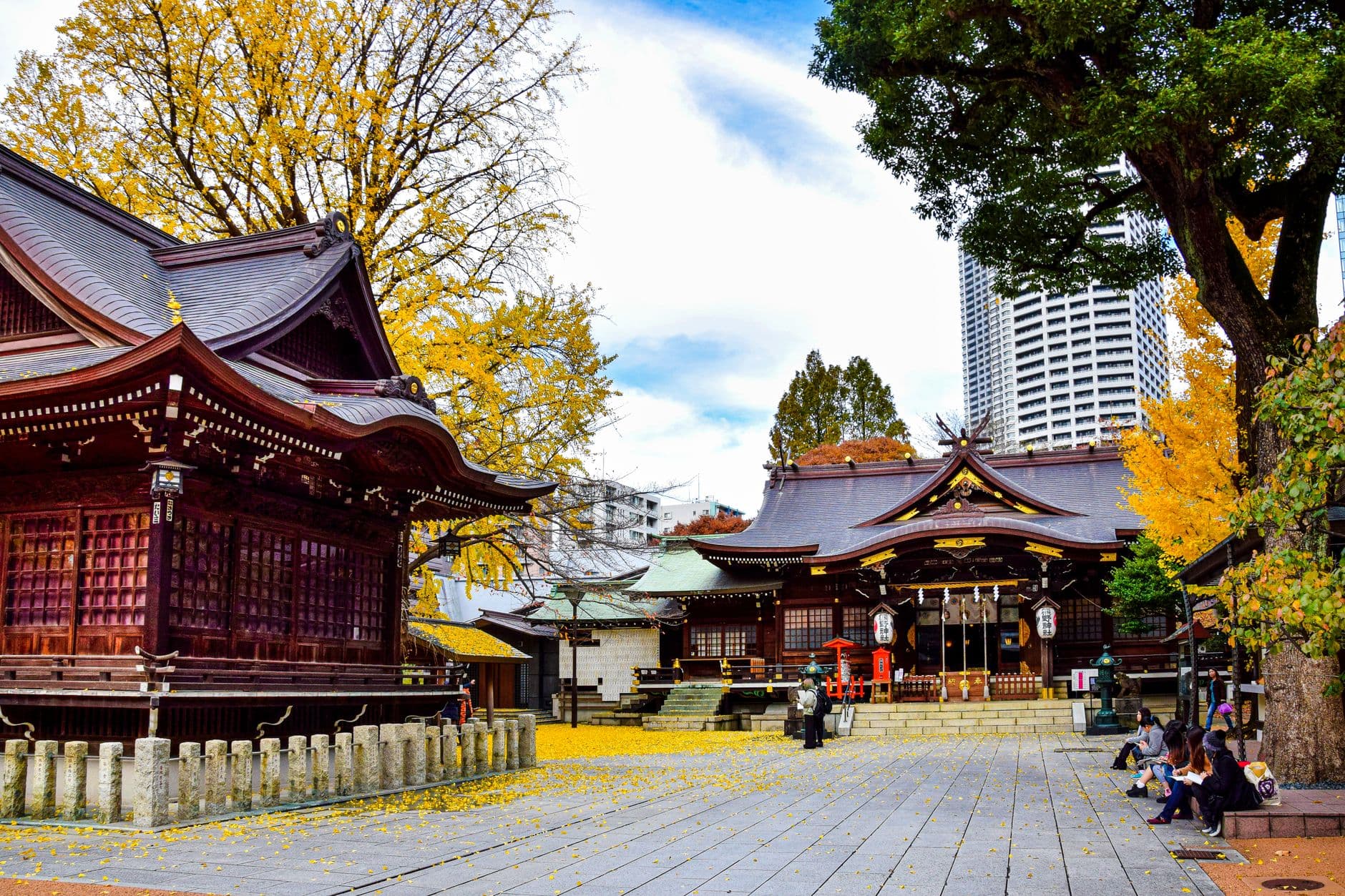
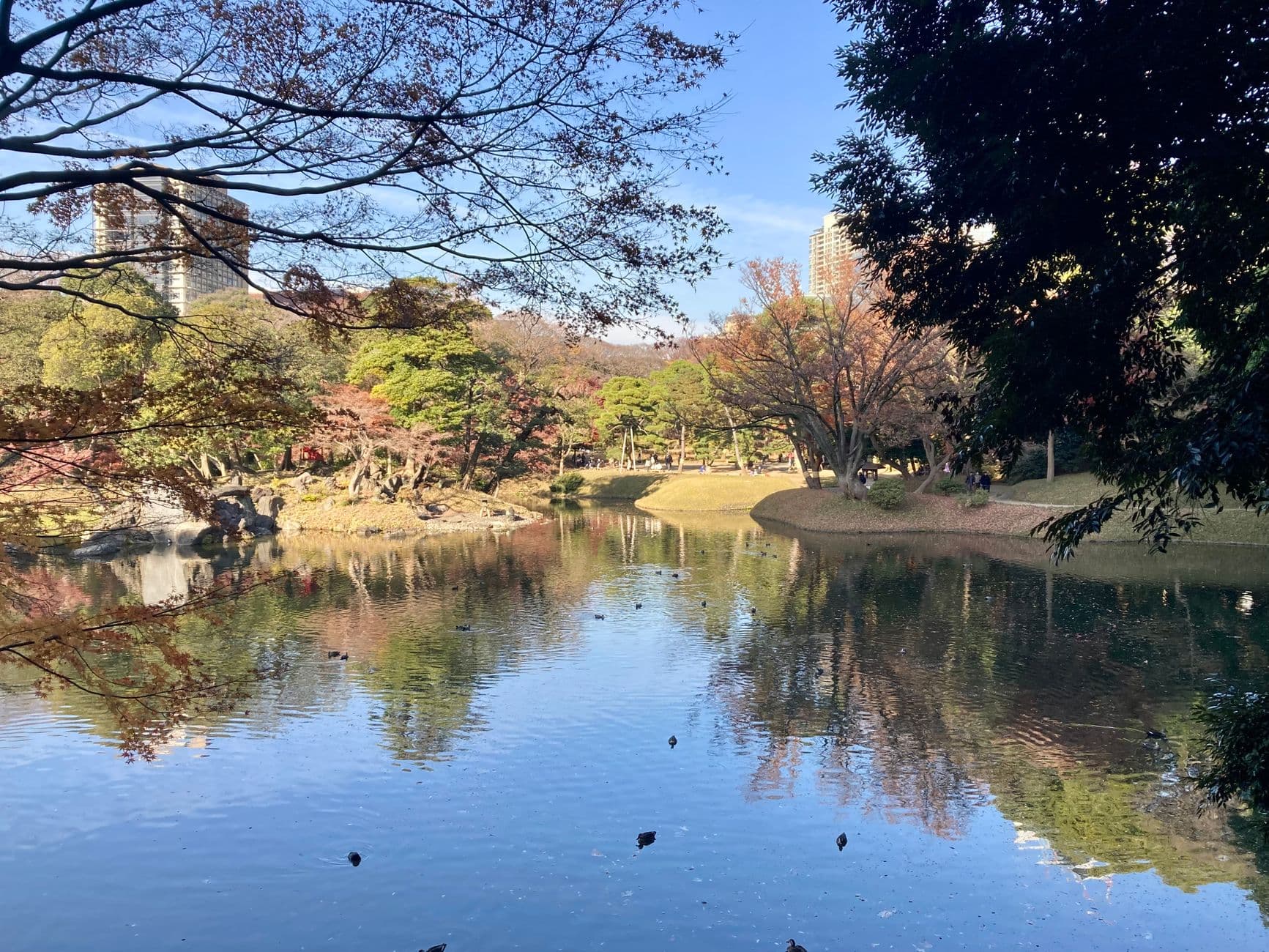
Tokyo is a city of theatrical contrasts—centuries-old temples nestled beside glass towers, bustling salarymen navigating quiet temple gardens, and neighborhoods that shift from serene to electric within a single train stop. As Japan's capital and the world's largest metropolitan economy, the metropolis presents itself as an intricate ecosystem where tradition and cutting-edge modernity coexist without apology. Fall is an exceptional season to experience this balance: the oppressive summer heat has lifted, crowds thin slightly, and the city's parks and temple grounds explode in crimson and gold foliage.
Tokyo's 23 Wards: Luxury, Shrines, and Nightlife
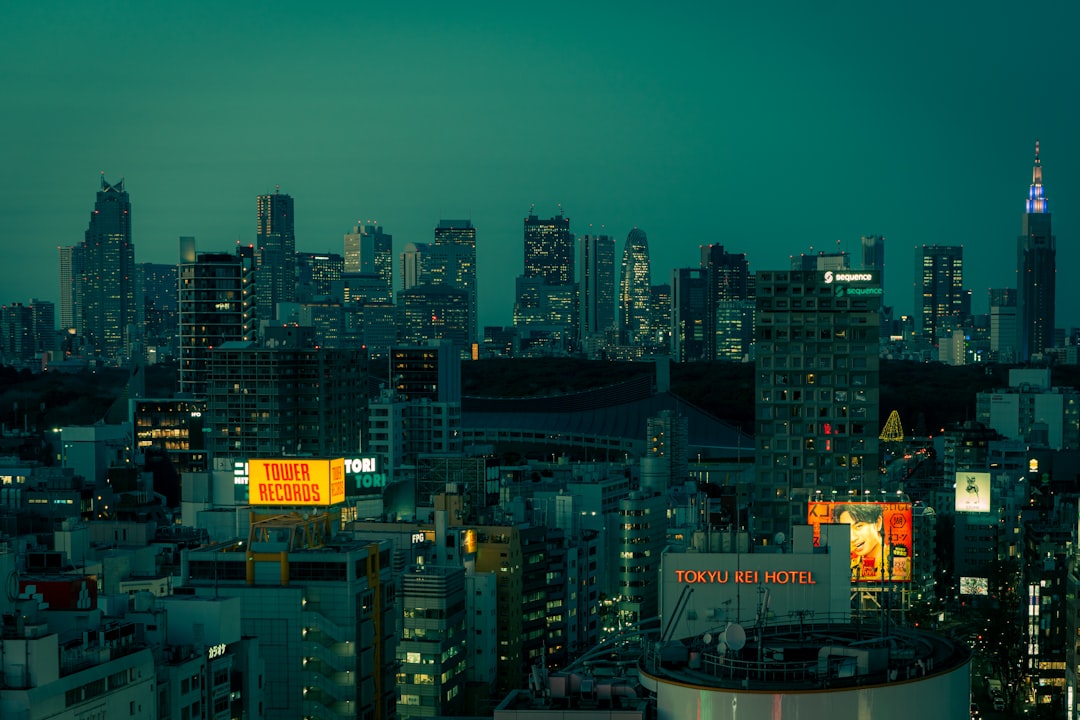
Tokyo spans 23 special wards (the central city), each with distinct character and purpose. Chuo ward, home to the gleaming Ginza district, is Tokyo's luxury retail epicenter—expect department stores like Mitsukoshi and Wako alongside high-end boutiques, with meals at establishments such as Nabezo (casual hot-pot dining, 3,000–5,000 JPY per person) or Michelin-recognized sushi counters reaching 15,000–25,000 JPY. Shibuya ward hosts both the world-famous Shibuya Crossing and the serene Meiji Shrine, a 1920 Shinto temple tucked into a forested enclave that attracts pilgrims and visitors year-round. Minato ward encompasses the elegant Roppongi district (known for nightlife, galleries, and the 333-meter Tokyo Tower with observation decks at 150m and 250m, 1,100 JPY and 1,800 JPY respectively) and Akasaka, favored by business travelers and traditional izakaya enthusiasts.
Transportation runs like clockwork. The Tokyo Metro and Toei Subway network (13 combined lines) connects nearly every neighborhood, with Metro fares from about 180 JPY to 330 JPY and Toei fares reaching about 430 JPY depending on distance. Purchase a rechargeable Suica or Pasmo card at any station (2,000–3,000 JPY with 1,500 JPY balance included); both work on subway, trains, buses, and even convenience stores. Download Google Maps offline or use Hyperdia for train planning—both function reliably even without cellular data, though offline maps require setup before arrival. Taxis are metered and expensive (initial drop of 500 JPY plus 100 JPY per 237 meters), so reserved for late nights or luggage-heavy moments.
Fall weather in Tokyo averages 15–22°C (59–72°F), ideal for walking neighborhoods. Pack layers: lightweight jacket, long sleeves, and comfortable walking shoes. October and November see spectacular ginkgo and maple foliage; Rikugien Garden in Bunkyo ward and Ueno Park in Taito ward are pilgrimages for autumn leaf-viewing (kouyou). Convenience stores—7-Eleven, FamilyMart, Lawson—dot every block, offering acceptable meals (onigiri rice balls 150–200 JPY, ramen cups 300–500 JPY) and emergency supplies 24/7. Tap water is safe to drink; bottled water costs 150–300 JPY.
Tokyo's 23 special wards form the city proper with 14 million residents; the greater metropolitan area reaches 37 million people, making it the world's most populous metro region. Despite this density, neighborhoods feel intentionally designed—each ward has its own visual identity, commercial hub, and cultural anchor, preventing the sprawl from feeling chaotic.
Getting Around, Dining, and Local Etiquette
Arrive at major stations (Shinjuku, Shibuya, Tokyo) 15 minutes early during peak hours (7–9am, 5–7pm weekdays); crowds are genuine but orderly, and platform crowding assists rather than impedes entry. Reserve restaurant seats in advance via Tabelog (Japan's review platform) or through your hotel concierge—walk-ins face waits, particularly at lunch (11:30am–1pm) and dinner (6–8pm). Convenience store toilets are free and consistently clean; department stores offer similar facilities. Tipping is unnecessary and sometimes uncomfortable; service charges are rarely added, making stated prices final. Learn basic phrases in Japanese (arigatou gozaimasu, sumimasen, eigo ga hanasemasu ka) to ease interactions; older business owners and hospitality staff often appreciate the effort even if English communication works. Fall festivals (matsuri) run through November in temples and shrines—check local event calendars for smaller neighborhood celebrations offering authentic experiences away from Shibuya's crowds.
Start mornings in quieter wards. Taito ward's Yanaka neighborhood preserves Edo-period wooden townhouses and quieter temple gardens; a walk through costs nothing, with small galleries and tea shops (matcha and sweets 800–1,500 JPY) tucked into side streets. Spend midday in a major commercial hub (Ginza, Shinjuku, or Harajuku) to absorb energy and shop; expect crowds but also exceptional cuisine. Evenings work well for temple visits and strolls—Meiji Shrine's forest path (free entry, open until sunset) becomes almost meditative by 5pm. Book reservations at mid-range restaurants (10,000–20,000 JPY per person for kaiseki or omakase) at least two days ahead; high-end establishments (Michelin-starred, 20,000–80,000+ JPY) require one to three weeks' notice.
Tokyo's transit, dining, and accommodation options can overwhelm independent planners—particularly for travelers new to Japan or seeking luxury experiences tailored to fall foliage seasons. A Cordelie travel advisor can secure reservations at exclusive kaiseki restaurants weeks in advance, arrange private guides for temple districts, book ryokan stays in nearby Hakone or Kawagoe (day trips from Tokyo) during peak autumn color, and handle visa and rail pass logistics. They'll also navigate seasonal nuances—October sees lighter crowds than November but earlier foliage; November offers deeper color but evening chill and busier tourist sites. Let Cordelie advisors handle the complexity so you experience Tokyo's refined hospitality without logistical friction.
Last checked for accuracy: . How we check

Alex Moreau writes about going slowly. Nine years of reporting from trains, river boats and towns nobody has a hashtag for, mostly across Europe and North Africa. They live in Lisbon, keep a running list of the continent's best two-hour lunches, and believe most itineraries would improve if you deleted a city.
Related Articles
My Fall in Tokyo: A Travel Story
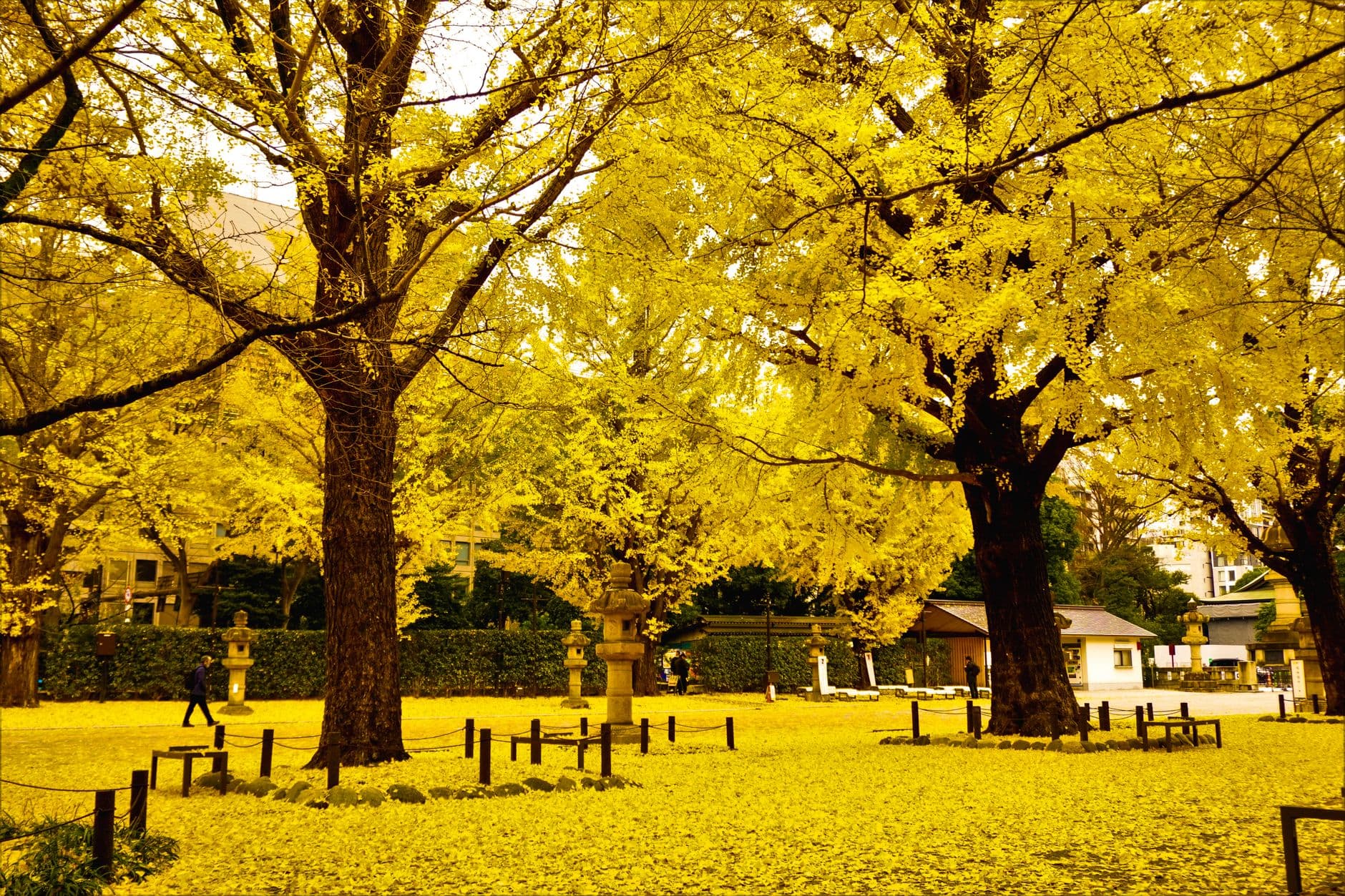
A five-day autumn journey through Tokyo, from a sunrise walk beneath golden ginkgo trees to an illuminated maple garden and an unforgettable seat at Sushi Saito.
The Best Things to Do in Tokyo
From wading through immersive art installations to hiking Mount Takao's fall foliage, these are the eight most physical, adrenaline-worthy things to do in Tokyo this autumn — ranked and detailed.
Why Spring in Japan Is the Trip of a Lifetime
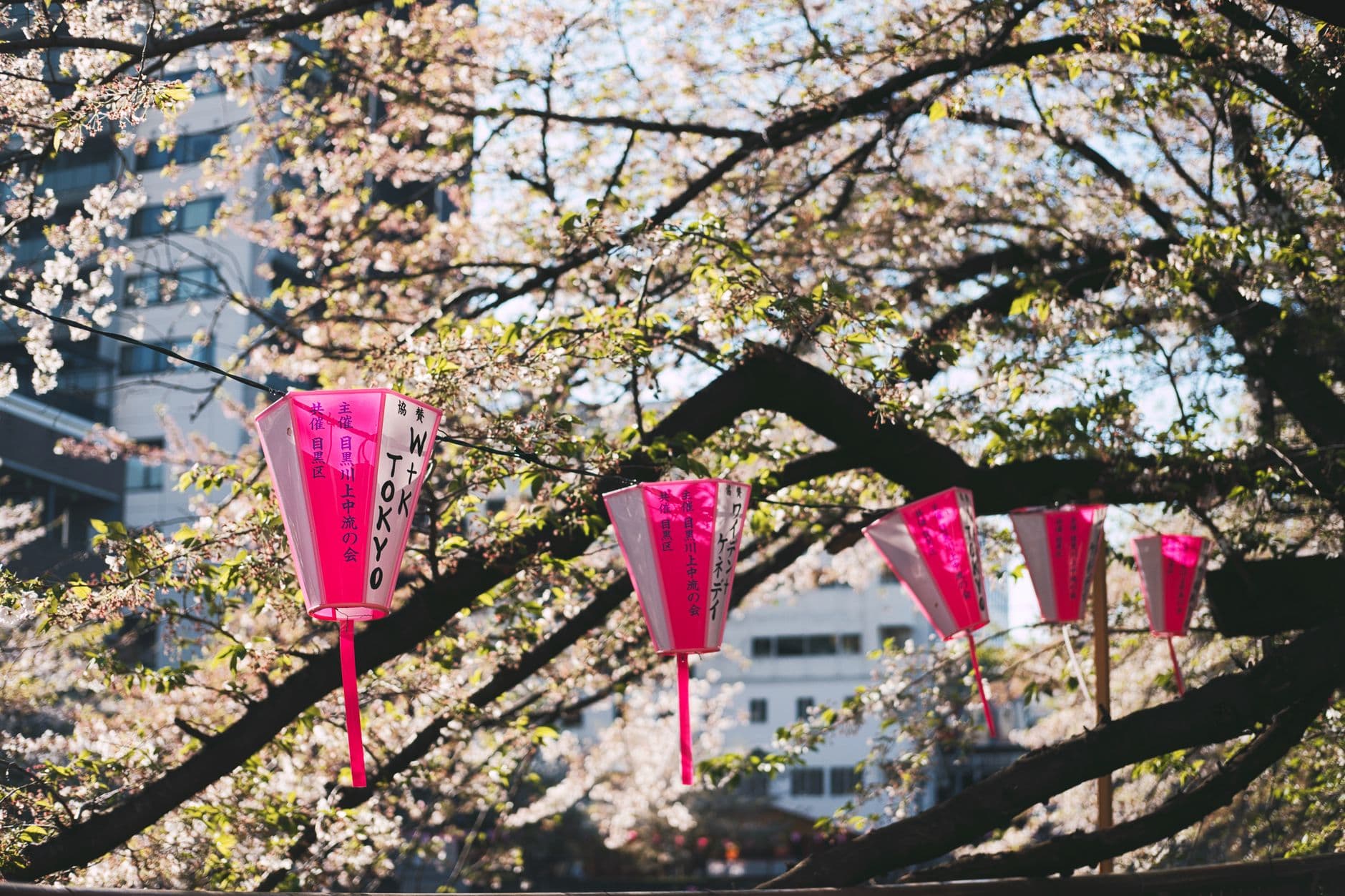
Experience Tokyo's magical cherry blossom season with insider access to the best hanami spots, seasonal dining, and exclusive spring experiences in Japan's captivating capital.