
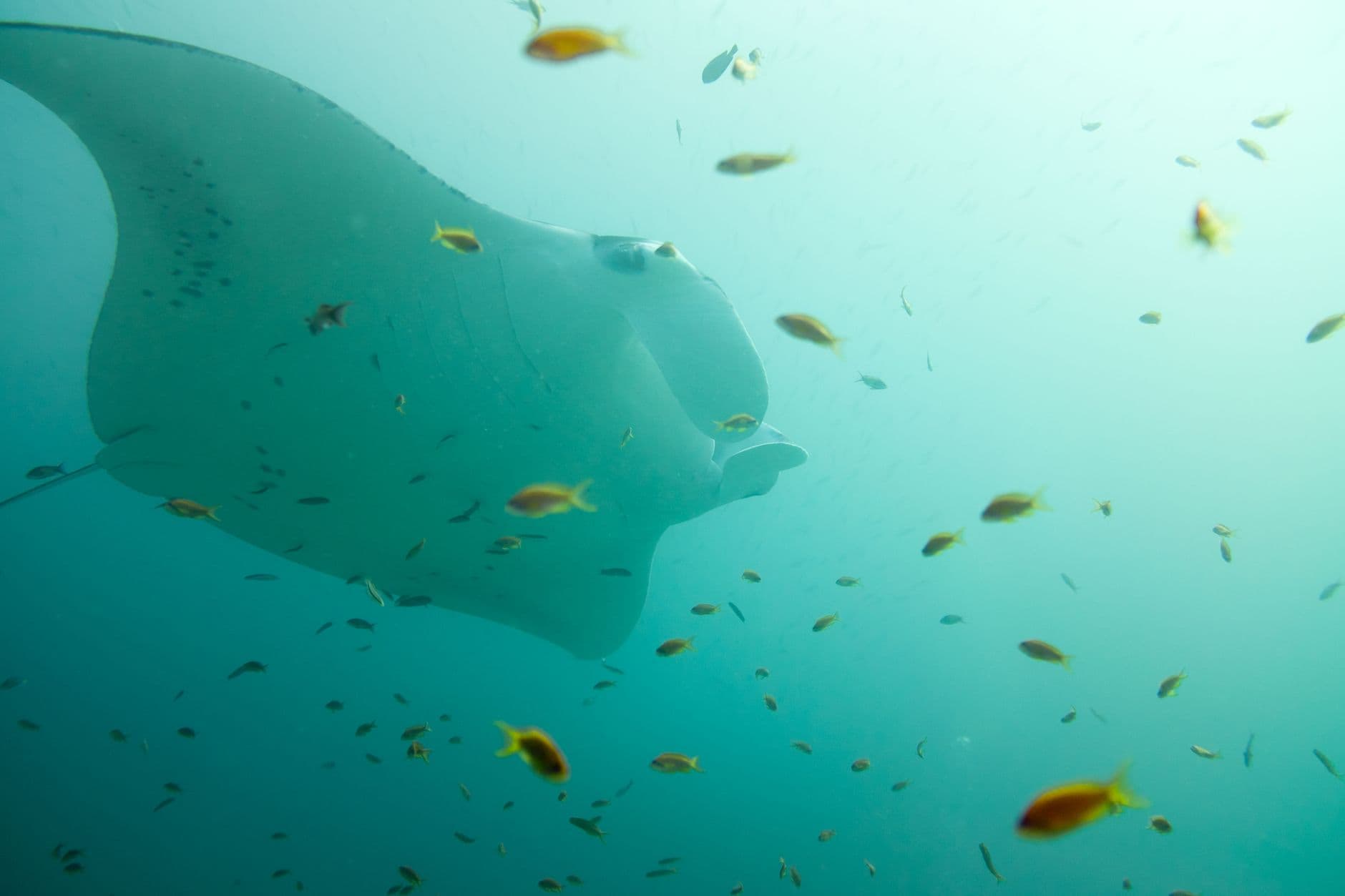
The Best Things to Do in Baa Atoll

Why Baa Atoll Rewards a Slower, Wilder Kind of Maldives Trip
Baa Atoll sits roughly 110-120 km north of Malé, close enough for a same-day arrival and far enough that it still feels uncrowded compared with the resort-dense atolls closer to the capital. It became a UNESCO Biosphere Reserve in 2011, largely on the strength of Hanifaru Bay, and that designation shapes almost everything on this list — from how excursions are permitted to why the reefs here still feel genuinely wild.
This ranking covers the things worth building a winter (December-March) itinerary around: the dry season brings calm seas, clear skies and easy speedboat crossings, even if it isn't the peak month for Hanifaru's famous manta swirls. We've weighted entries toward what's actually bookable and enjoyable in these months, not just what photographs well in July.
We prioritized experiences with genuine seasonal logic for a winter visit — calm-water diving and snorkeling, stargazing under dry-season skies, and local-island encounters that don't depend on monsoon-driven plankton blooms.
We also weighted accessibility: how far each experience sits from the main resort jetties, whether it suits a mixed group with children or older travelers, and whether it needs advance booking through a resort's excursions desk or dive centre.
Snorkel Hanifaru Bay Marine Protected Area
The UNESCO biosphere bay that put Baa Atoll on the map
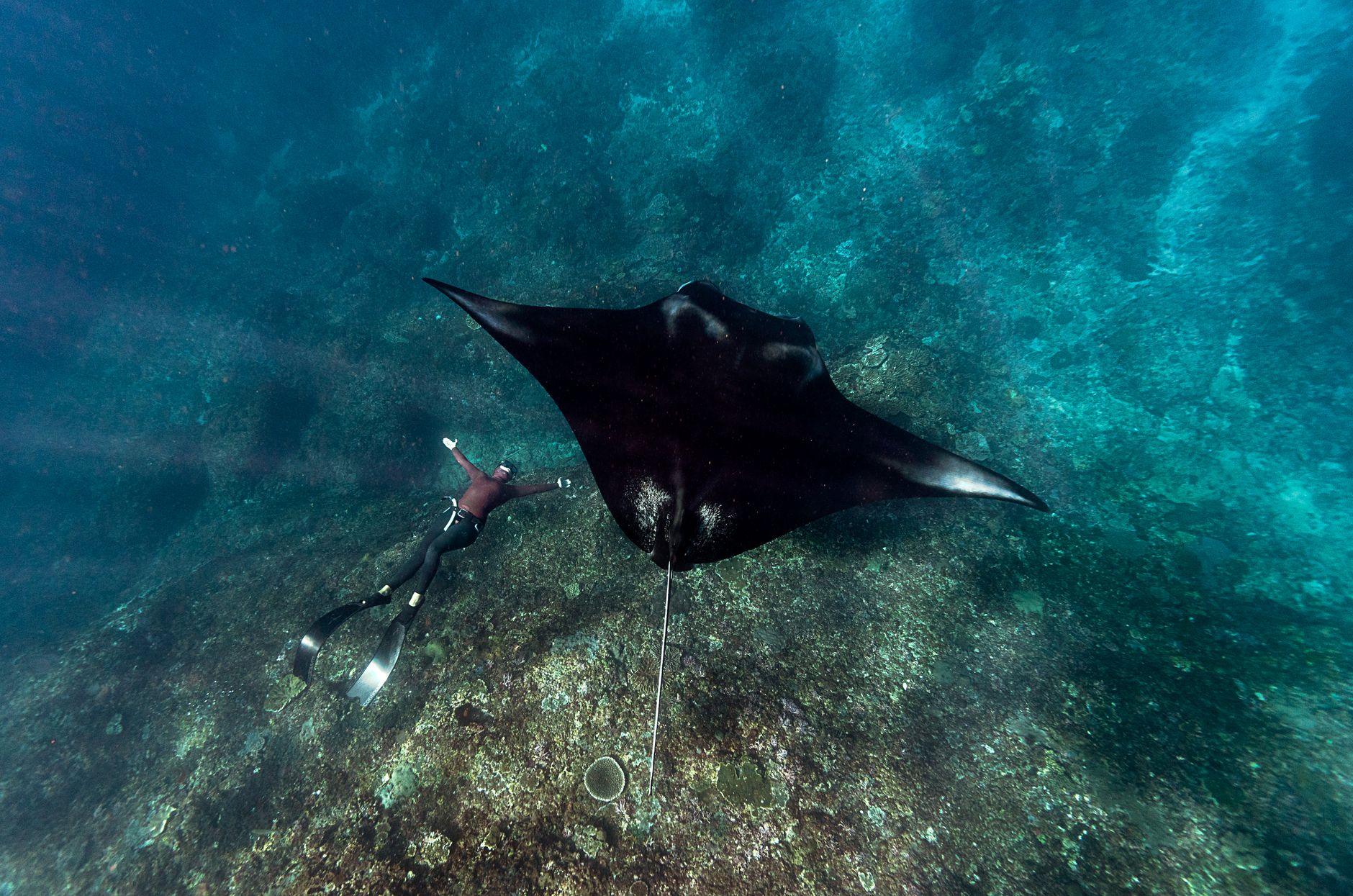
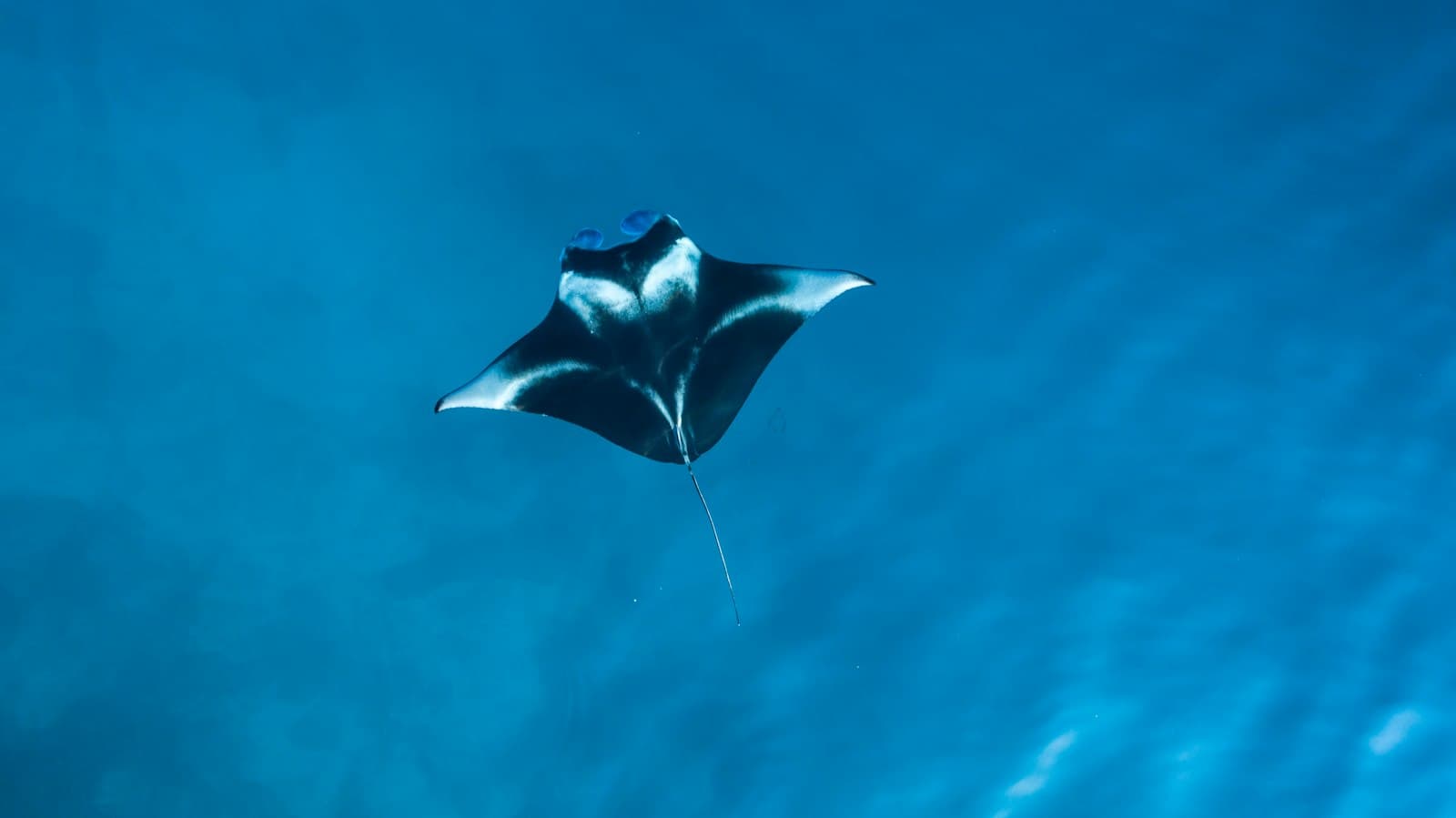
Hanifaru is a shallow, horseshoe-shaped bay off the local island of Dharavandhoo, protected as part of the UNESCO Biosphere Reserve since 2011. Monsoon currents funnel plankton into the bay and, in the right months, draw in dozens of reef manta rays and the occasional whale shark to feed in a churning, snorkel-with-them spectacle that's genuinely unlike anything else in the Maldives.
Here's the honest seasonal note: the big feeding aggregations run roughly May through November, peaking around July and August, so a winter trip won't deliver the manta vortex you've seen in photos. What you do get in December-March is calmer, clearer water for exploring the bay's coral edges, where hawksbill turtles and grey reef sharks are common. Resorts run guided excursions with a permit system in place — expect to pay around $60-100 per person, and book through your resort's marine centre a day or two ahead since slots are capped.
Dive Baa Atoll's Thilas in Dry-Season Calm
Dhonfan Thila and Dhigali Haa reward the winter's flat seas
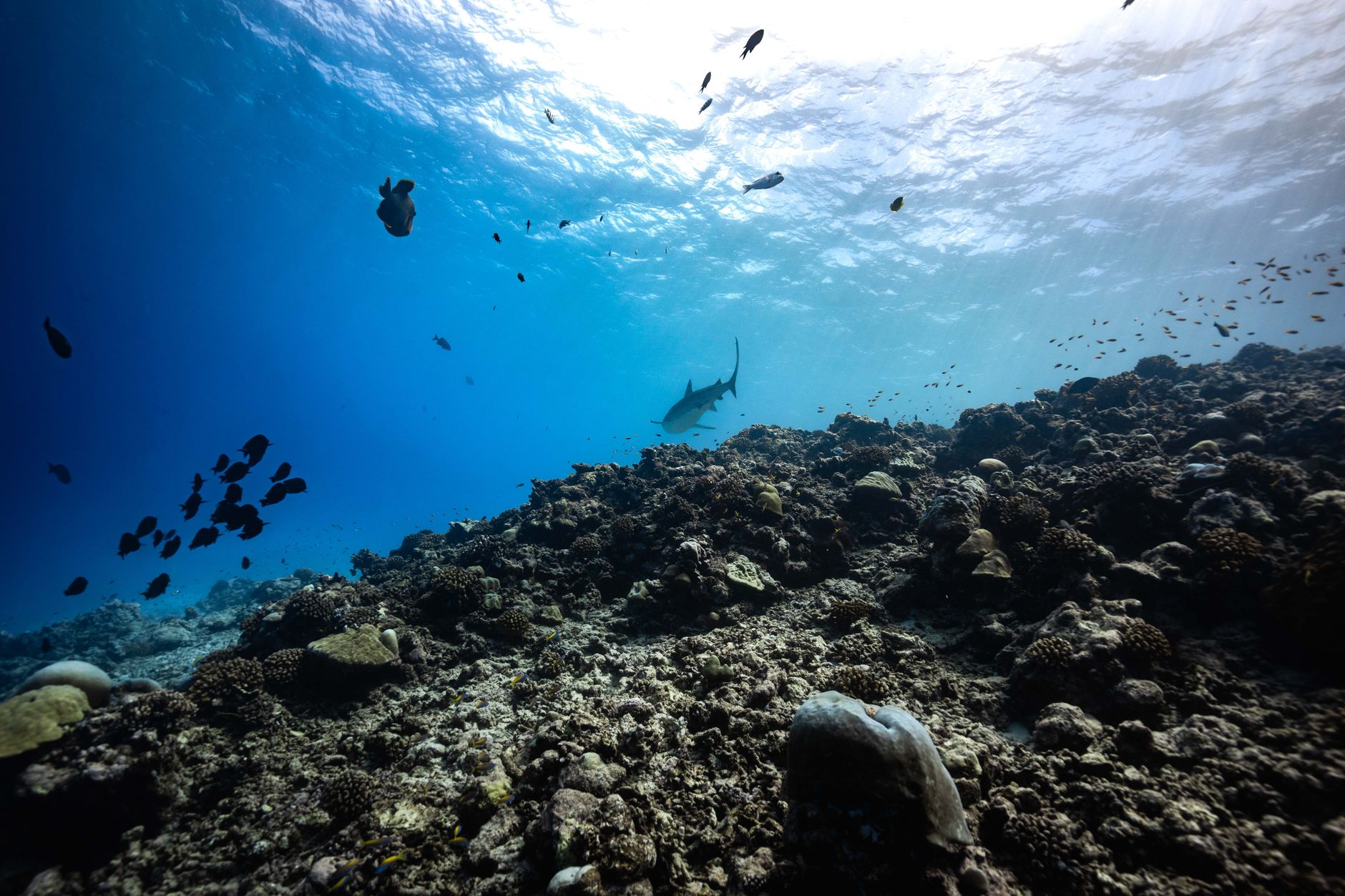
Baa Atoll's dive sites are built around dramatic underwater pinnacles, or thilas, rising from 25-30 metres up to within a few metres of the surface. Dhonfan Thila and Dhigali Haa are two of the better-known sites, both busy with soft coral, eagle rays and reef sharks patrolling the current lines.
December through March, the seas inside the atoll are noticeably calmer than during the southwest monsoon, which makes for gentler drift dives and better visibility — often 15-25 metres on a good day. A two-tank dive with a resort dive centre typically runs $150-220 including gear, and most resorts also offer PADI Open Water courses from around $500-600 if you want to get certified while you're there.
Join the Manta Trust at Four Seasons Landaa Giraavaru
A working marine research base you can actually visit
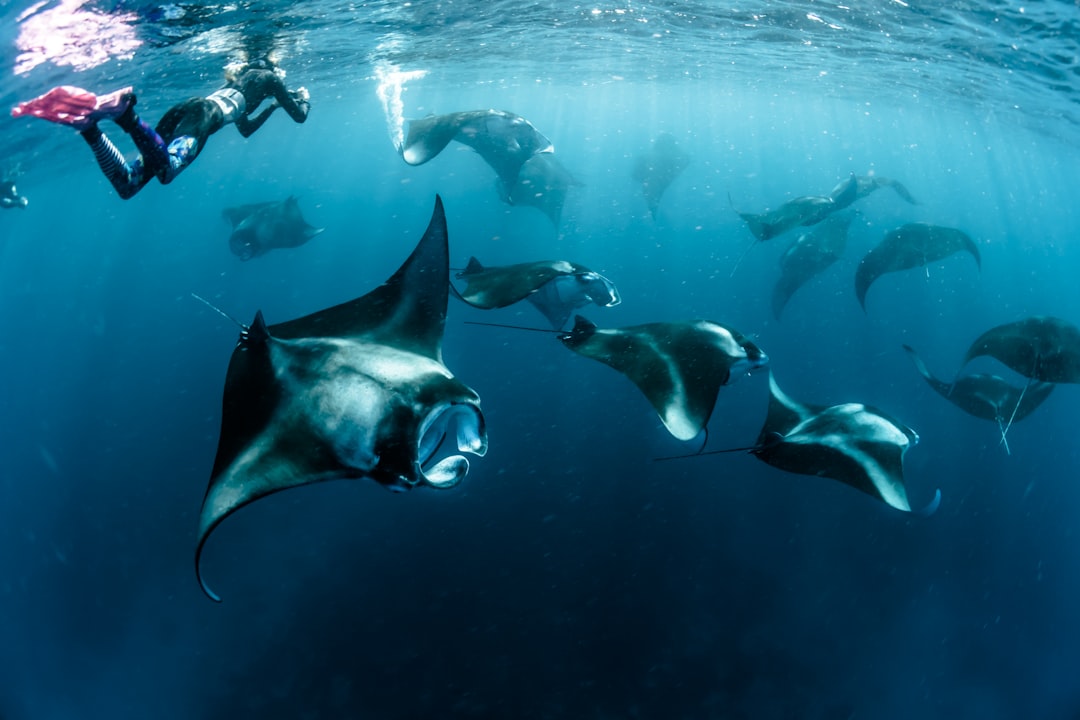
Four Seasons Landaa Giraavaru hosts a Marine Discovery Centre that doubles as a field base for the Manta Trust, the research charity that's spent well over a decade tracking Baa Atoll's manta population through photo identification. Resident marine biologists run evening talks — usually around 18:00, though timings shift seasonally — covering everything from manta ID work to coral restoration.
There's also a rehabilitation pool for injured hawksbill turtles visible from the resort's overwater walkway, and guests can join manta identification excursions with the resident biologist as a guide. It's one of the few places in the Maldives where the marine science isn't a marketing gloss — it's the actual research happening a few metres from your villa.
Stargaze at Soneva Fushi's Observatory
Barefoot luxury pioneer with the atoll's clearest night skies

Soneva Fushi opened on Kunfunadhoo island in the mid-1990s and is widely credited with inventing the Maldives' 'barefoot luxury' template — sandy paths between villas, no shoes required anywhere on the property. Its observatory houses a research-grade telescope, one of the largest in the region, with nightly viewing sessions run by a resident astronomer, generally starting around 20:30-21:30 when skies are clear.
Winter's dry season means far less cloud cover than the monsoon months, so December through March is genuinely one of the better windows for this. Pair it with Cinema Paradiso, the resort's open-air screening room, or the glass-walled wine cellar for an evening that has nothing to do with beaches at all. Access is generally reserved for overnight guests rather than day visitors.
Sandbank Dinner from Milaidhoo Island
An intimate boutique resort built around private sandbar picnics
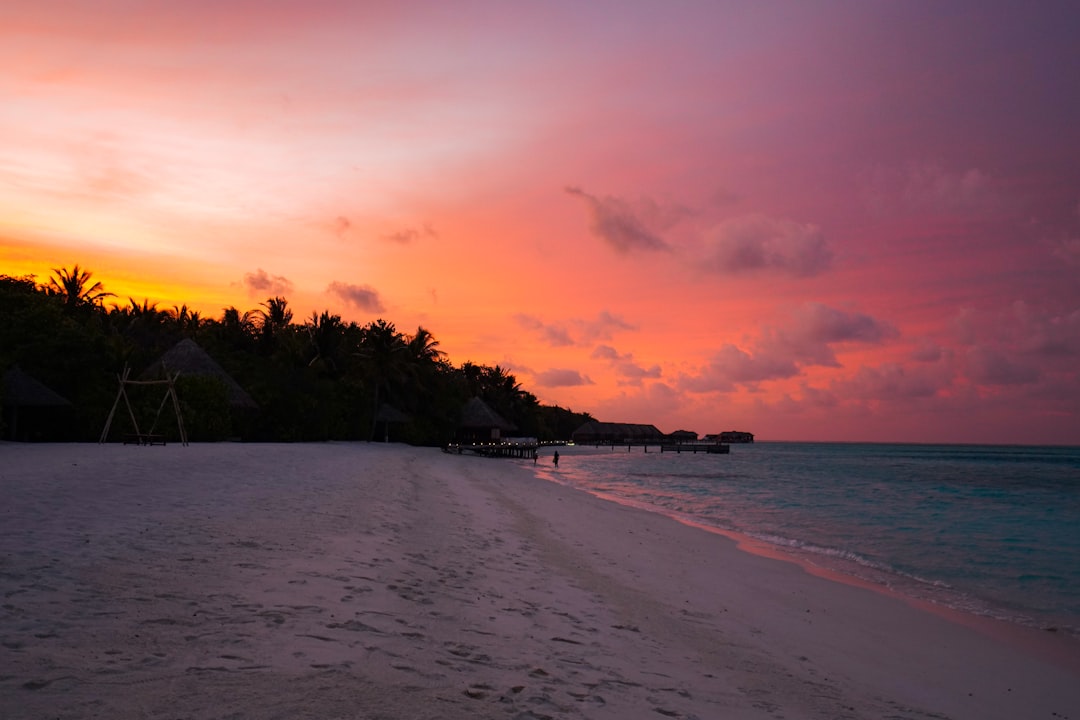
Milaidhoo Island Maldives is a small-scale resort — around 50 villas — which shows in the quality of its personal touches, including a private sandbank a short 10-15 minute boat ride away that's set up for sunset dinners. It's the kind of add-on that sounds like a cliché until you're actually sitting on sand with nothing but water in every direction.
Expect to pay roughly $150-250 per couple for the sandbank dinner as an add-on to your stay, with the spa's overwater treatment rooms as a strong follow-up the next morning. Winter's flat seas make the short crossing to the sandbank comfortable even for guests who get queasy on boats.
Cordelie travel advisors
Planning Baa Atoll? Go with someone who knows
The right suite, the right season, the reservations that never appear online — your Cordelie advisor knows them, and holds them for you.
Plan with a Cordelie advisorFree to ask. Cordelie Travel Services · IATA/ARC 06649064
Sunset Dolphin Cruise Through the Atoll's Channels
Spinner dolphins that live in Baa Atoll year-round
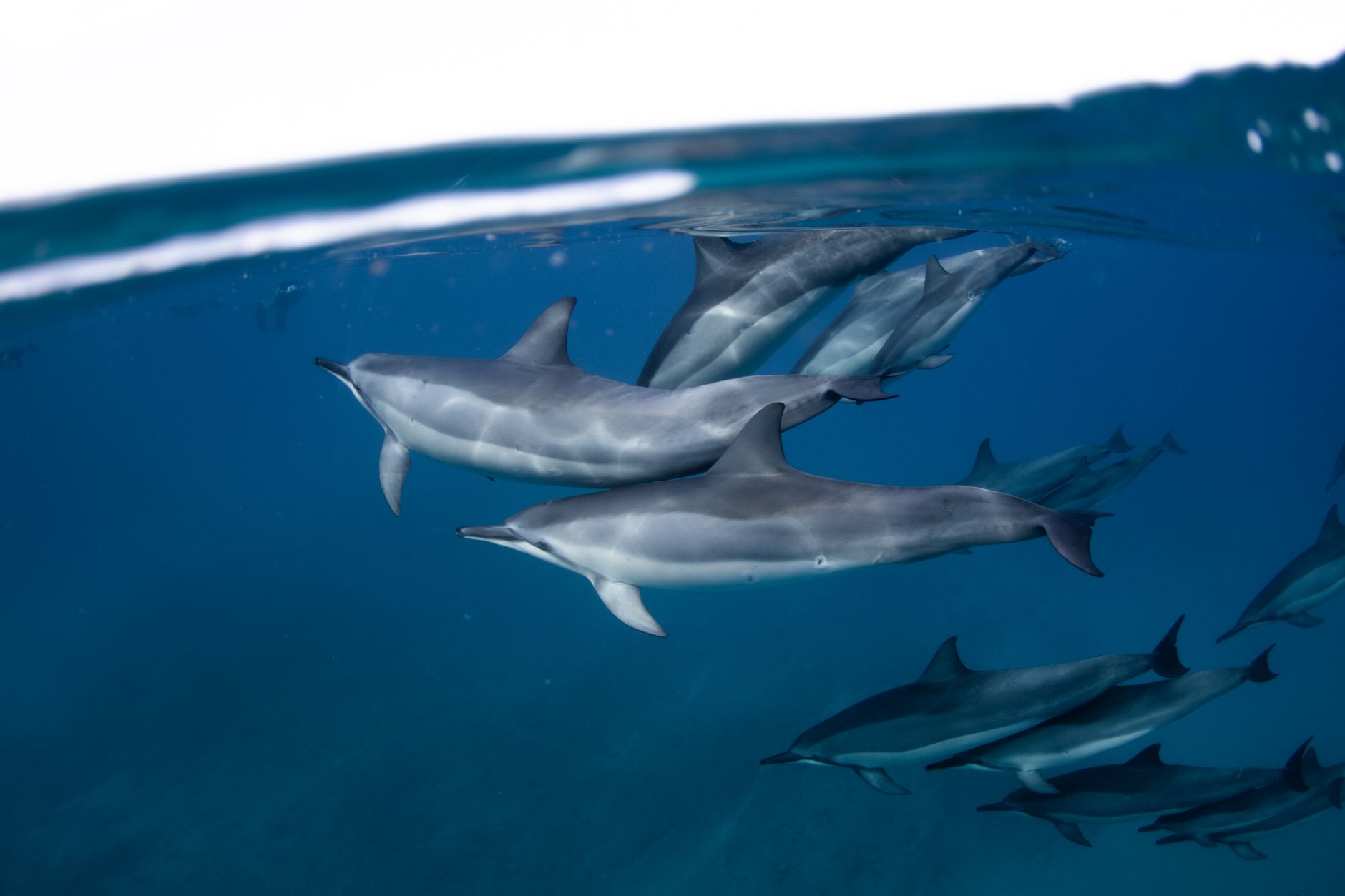
Most resorts run a sunset dolphin cruise, usually leaving the jetty around 17:00-17:30 for a 60-90 minute trip through the channels between islands. Spinner dolphin pods are resident in these waters year-round, so unlike Hanifaru's mantas, this isn't a seasonal gamble — you're very likely to see them regardless of when you visit.
It's also the easiest excursion on this list for mixed groups: you stay seated the whole time, there's no snorkeling required, and most boats serve sundowner drinks as the sky turns pink over the reef flats. Good for grandparents, good for anyone who'd rather not get wet before dinner.
Watch the Lacquer Craft of Thulhaadhoo
A local island famous for centuries-old liyelaa jehun work
Thulhaadhoo is a local inhabited island in Baa Atoll long known as the historic centre of liyelaa jehun, the Maldives' distinctive hand-turned lacquer work, once made for royal ceremonial boxes. A handful of workshops still produce it, with craftsmen turning bowls and boxes on foot-powered lathes and building up layers of lacquer by hand.
Resorts arrange island-hopping excursions here, usually as a half-day trip involving a 20-40 minute speedboat crossing. It's an inhabited, conservative island, so modest dress is expected. Finished pieces sell for roughly $20-80, and cash is generally preferred over cards.
Wander Eydhafushi, the Atoll's Local Capital
A working island with a harbor, a market, and no resort polish
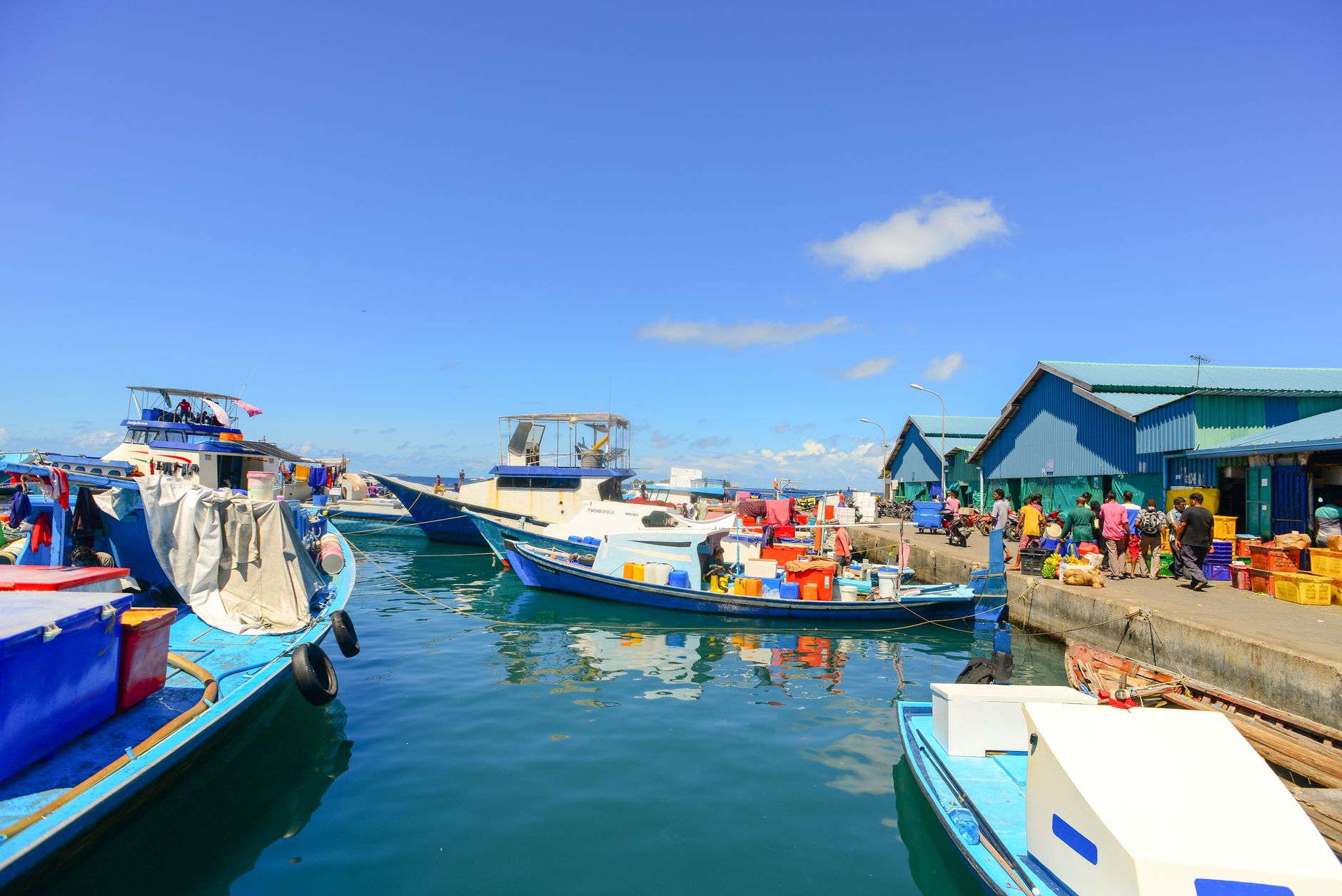
Eydhafushi is Baa Atoll's administrative capital — a modest harbor town with a mosque, a produce market, and small cafés selling short eats rather than anything aimed at tourists. It's not a sight so much as a contrast: after a few days of overwater villas, spending a half-day here gives you a sense of how the atoll actually functions.
Boat transfers from most resorts run 15-30 minutes. There's little formal 'to-do' beyond walking the harbor front and grabbing tea at a local café, which is exactly the point — it's the one entry on this list that isn't performing for visitors.
Three More Baa Atoll Detours Worth the Extra Boat Ride
Kihaa Maldives runs a well-regarded overwater sunset bar built out over the house reef, worth a stop even if you're staying elsewhere and can arrange a resort-hop through your travel advisor. Coco Palm Boodhoo's spa sits in its own overwater pavilion and leans into longer treatment menus — good for a rainy-adjacent afternoon, since even dry season brings the occasional short shower. And Kudarikilu, a shifting sandbank a short boat ride from several resorts, is worth asking about for a barefoot picnic lunch if the sandbank at your own resort feels overused by the time you visit.
The trickiest part of a Baa Atoll trip isn't choosing a resort — it's sequencing the experiences that actually depend on timing: Hanifaru Bay permit slots, evening manta biologist talks at Four Seasons Landaa Giraavaru, a clear-sky night for Soneva Fushi's observatory. A Cordelie advisor builds your itinerary around the nights and tides that matter, not just the resort brochure.
You'll also get the right transfer matched to your group from the outset — seaplane direct to the resort in daylight hours only, versus a domestic flight to Dharavandhoo Airport followed by a speedboat — so nobody's arrival day is spent waiting on a jetty.
Top Pick: Hanifaru Bay Marine Protected Area
The single experience that makes Baa Atoll worth choosing over any other Maldivian atoll — even outside peak manta season.
Nothing else on this list carries the same weight of place. Hanifaru Bay is the reason Baa Atoll became a UNESCO Biosphere Reserve, and even in the quieter winter months, snorkeling its coral edges among turtles and reef sharks in genuinely wild, unenclosed water is worth the trip on its own.
If a manta-swarm encounter is the whole point of your visit, plan for May through November instead — but for a winter trip built around calm seas, clear skies and one unmissable morning in the water, Hanifaru still tops the list.
Last checked for accuracy: . How we check

Priya Raman has spent eleven years testing whether a destination works with a four-year-old, a teenager and a grandparent in the same party. She writes the version of the guide that accounts for nap times and still gets you to the good stuff, and travels from Toronto with a carry-on she can pack in nine minutes.
Related Articles
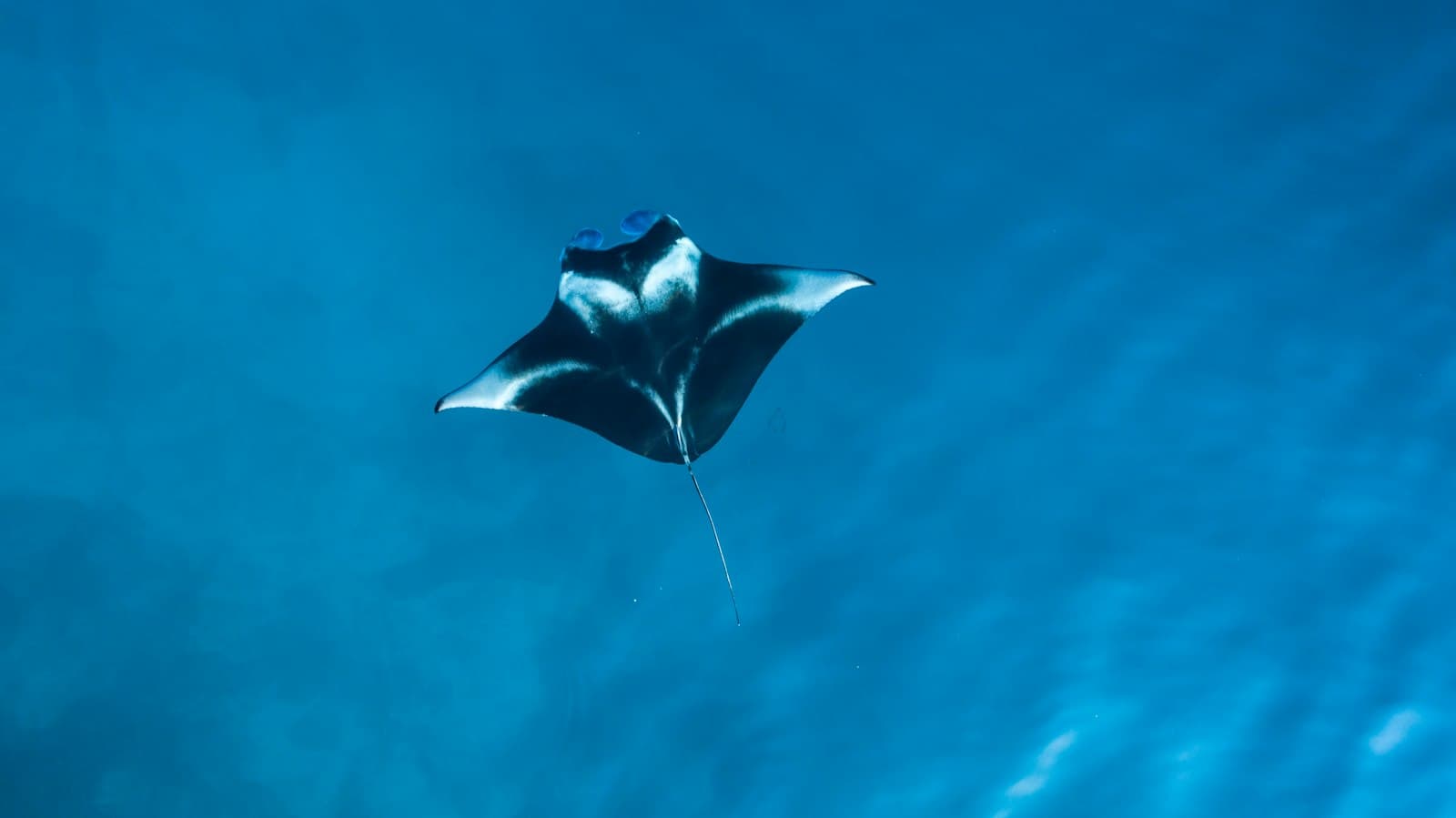
Baa Atoll Quick Guide: Everything You Need to Know
Baa Atoll draws marine naturalists to Hanifaru Bay's manta rays each spring, but the atoll's true reward is quieter: unspoiled reefs, inhabited islands unchanged by tourism, and the chance to witness Maldivian life on its own terms.

The Best Things to Do in Baa Atoll
Baa Atoll's manta-filled bays, working craft islands, and reef pinnacles ranked for a spring visit — with honest notes on what April can and can't promise.

My Spring in Baa Atoll: A Travel Story
A first-person account of five days in Baa Atoll's UNESCO Biosphere Reserve — calm April seas, an unpredictable Hanifaru Bay manta show, and the long daylight-only journey to get there.