
My Spring in Baa Atoll: A Travel Story

My Spring in Baa Atoll: Calm Seas, an Uncertain Manta Show, and Five Days on Kunfunadhoo Island
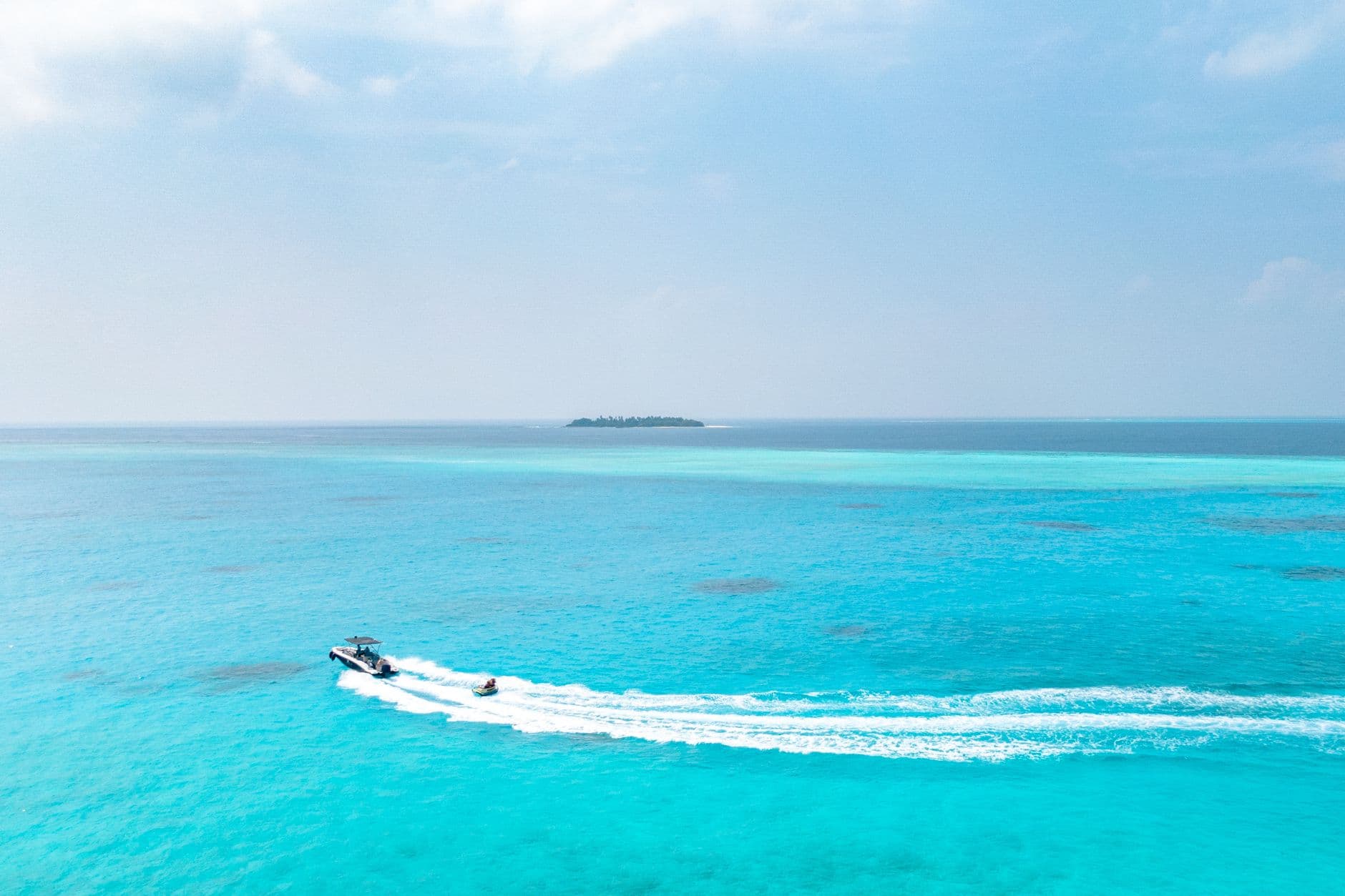
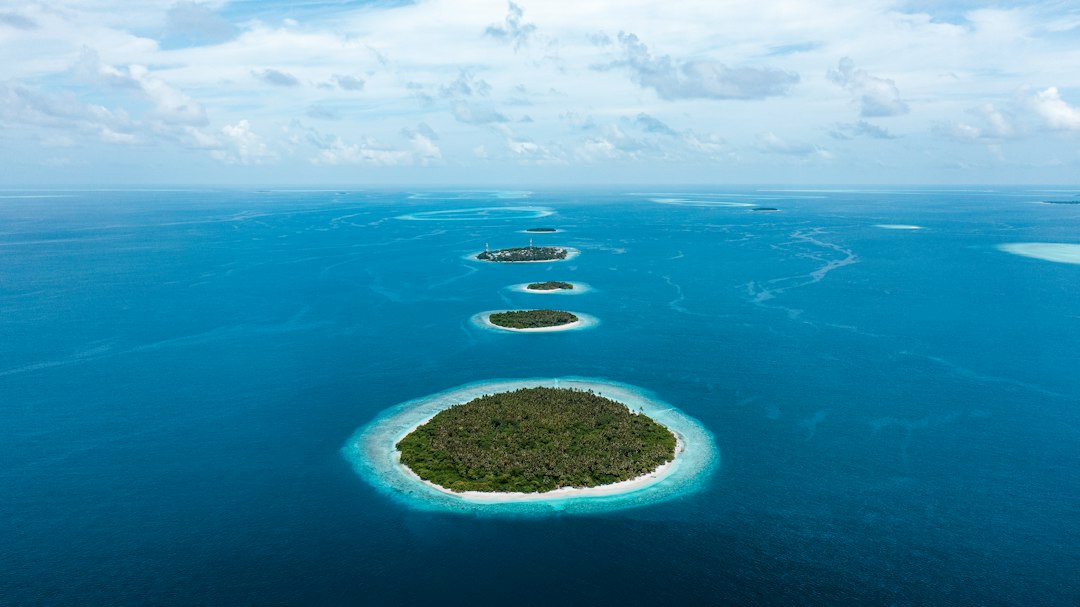
The seaplane pilot cut the engine to idle about four minutes out and let us drop, and that was the moment I understood why people spend real money to come here. Below the pontoons, the reef flats around Baa Atoll ran in bands of turquoise, teal, and a blue so dark it looked like a hole in the water where the channel dropped away. I had flown twelve hours to Male, sat for three more at the seaplane lounge because the afternoon slots were full, and by the time we touched down on the lagoon at Soneva Fushi my legs had stopped believing they were still mine. None of that mattered once the dock came into view.
“Nobody warns you that the hardest part of Baa Atoll is getting there before dark — the reef itself is the easy part.”
Five Days Between Kunfunadhoo Island and the Hanifaru Marine Reserve
The Long Way In: Male, Daylight Windows, and a Barefoot Arrival
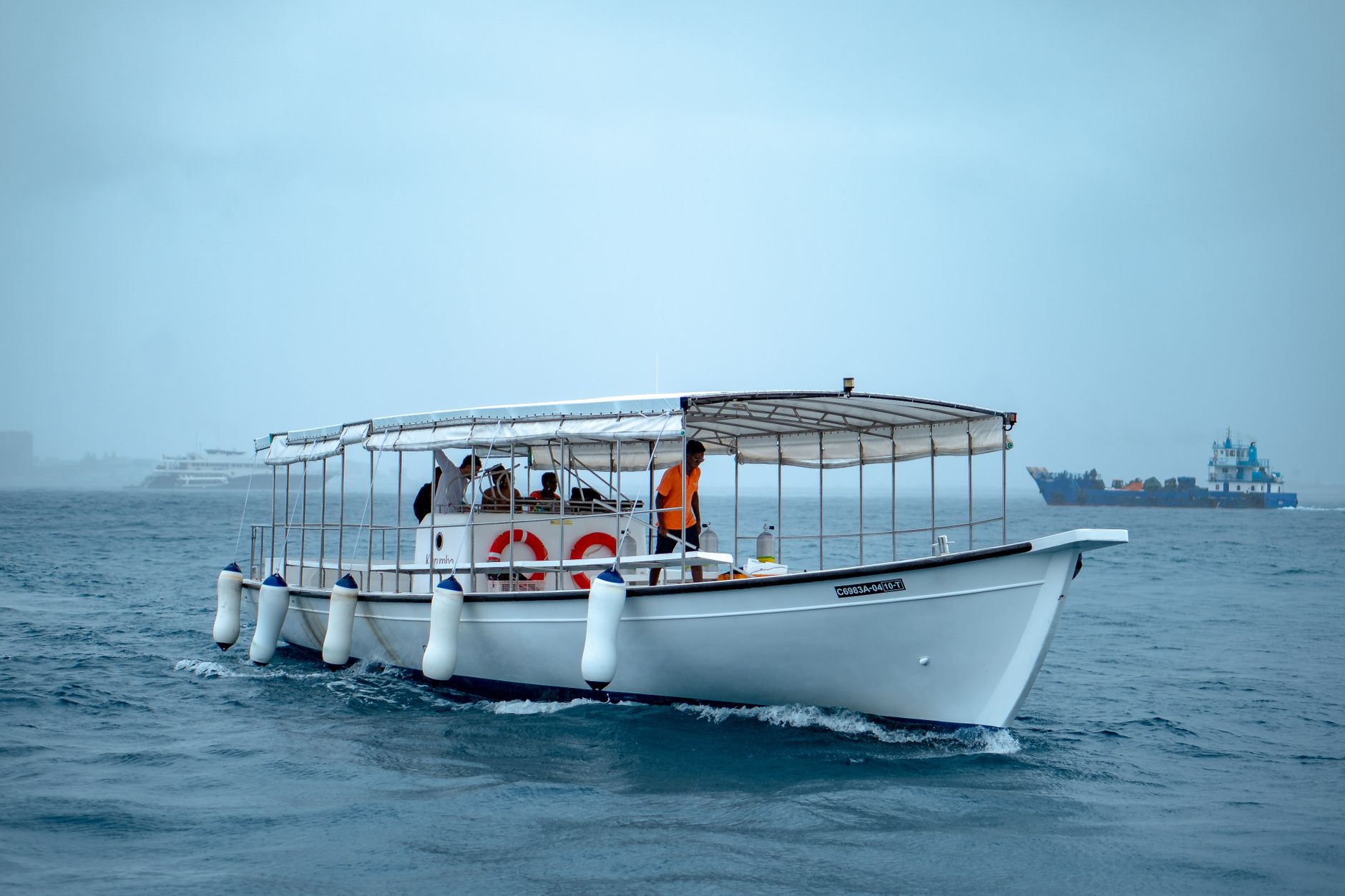
There is no way to make the journey to Baa Atoll feel short. From Velana International Airport in Malé, most northern resorts rely on seaplanes operated by Trans Maldivian Airways and Manta Air, which only fly in daylight — roughly 06:00 to 17:30–18:00. Land after that window closes and you are sleeping at an airport hotel and flying out the next morning, full stop.
My connection from Male landed at 15:10, and the seaplane desk waitlisted me for the last flight of the day. It went. Forty minutes later I was standing on the jetty at Soneva Fushi on Kunfunadhoo Island, where staff met the plane barefoot and handed round chilled towels instead of forms. There are no roads and no cars on the island — just sand paths and a fleet of house bicycles, and it took me all of ten minutes to stop looking for a curb.
A Reef You Reach by Swimming, Not by Boat
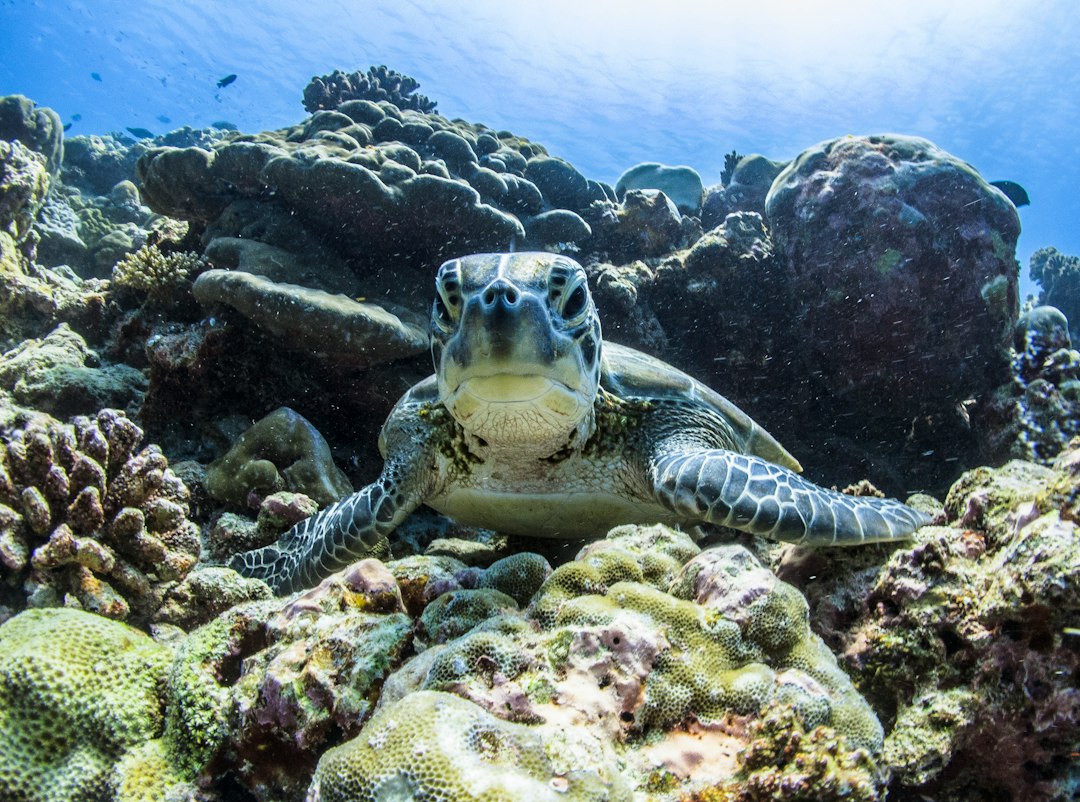
Soneva Fushi's house reef sits close enough to shore that I swam out from the beach in front of my villa rather than booking a boat. It took about eight minutes of steady kicking to reach the drop-off, where the sand shelf gives way to coral bommies and the water goes from knee-deep to twelve metres in the space of a few strokes. A green turtle was grazing on the wall when I got there, unbothered, and a whitetip reef shark cruised the sand channel below without much interest in me either.
The afternoon slowed down on purpose. Soneva runs an open-air observatory with a telescope for stargazing and a silent cinema on the beach where headphones replace speakers, and I used the gap between snorkel and dinner to do neither and just nap in a hammock instead. Low tide that evening brought a faint blue glow to the wet sand — bioluminescent plankton, which shows up unpredictably and depends entirely on the tide and the dark, so I counted myself lucky rather than clever for seeing it.
Hanifaru Bay in April: What the Season Actually Gives You
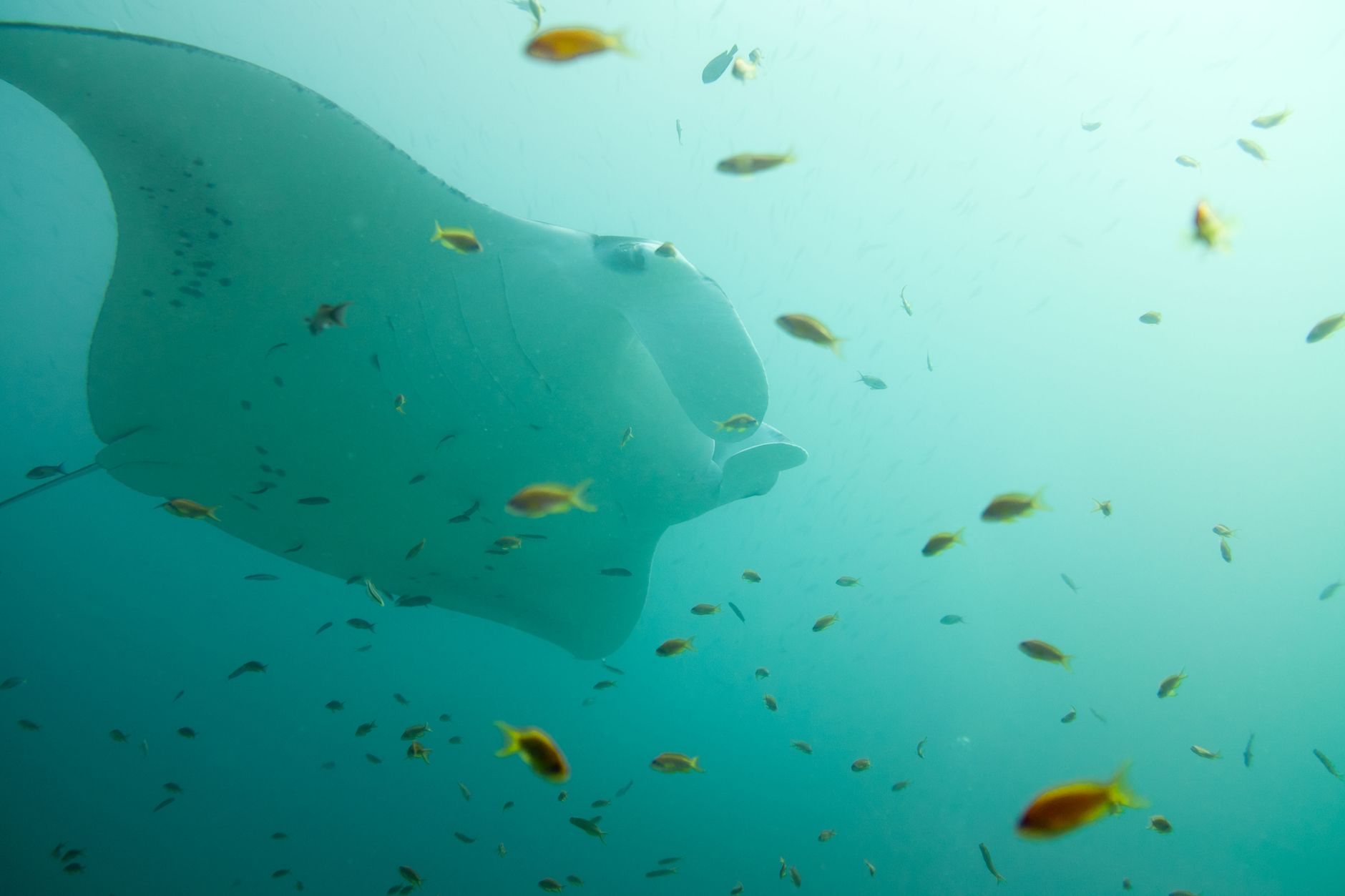
Hanifaru Bay is the reason a lot of people book Baa Atoll in the first place, and it is worth being honest about what an April visit means. The bay is a marine protected area inside the Baa Atoll UNESCO Biosphere Reserve, designated in 2011, and access is tightly capped — a set number of boats and snorkelers are allowed in at a time, everyone goes in with a certified guide, and touching or crowding the animals is not tolerated. The huge feeding congregations of manta rays and whale sharks that make this place famous build with the plankton blooms of the southwest monsoon, and that season runs roughly May through November, with the heaviest activity often reported July through September.
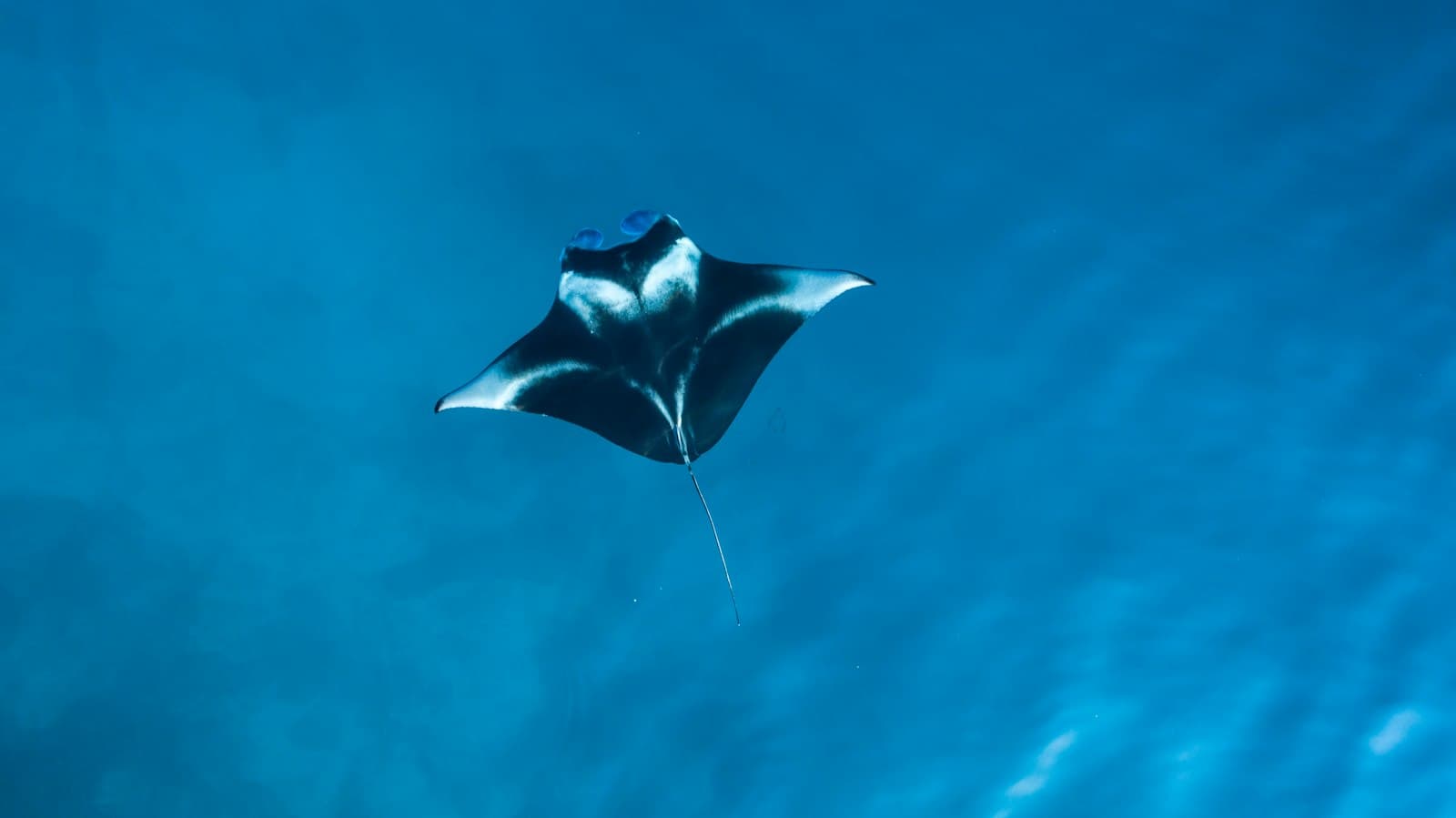
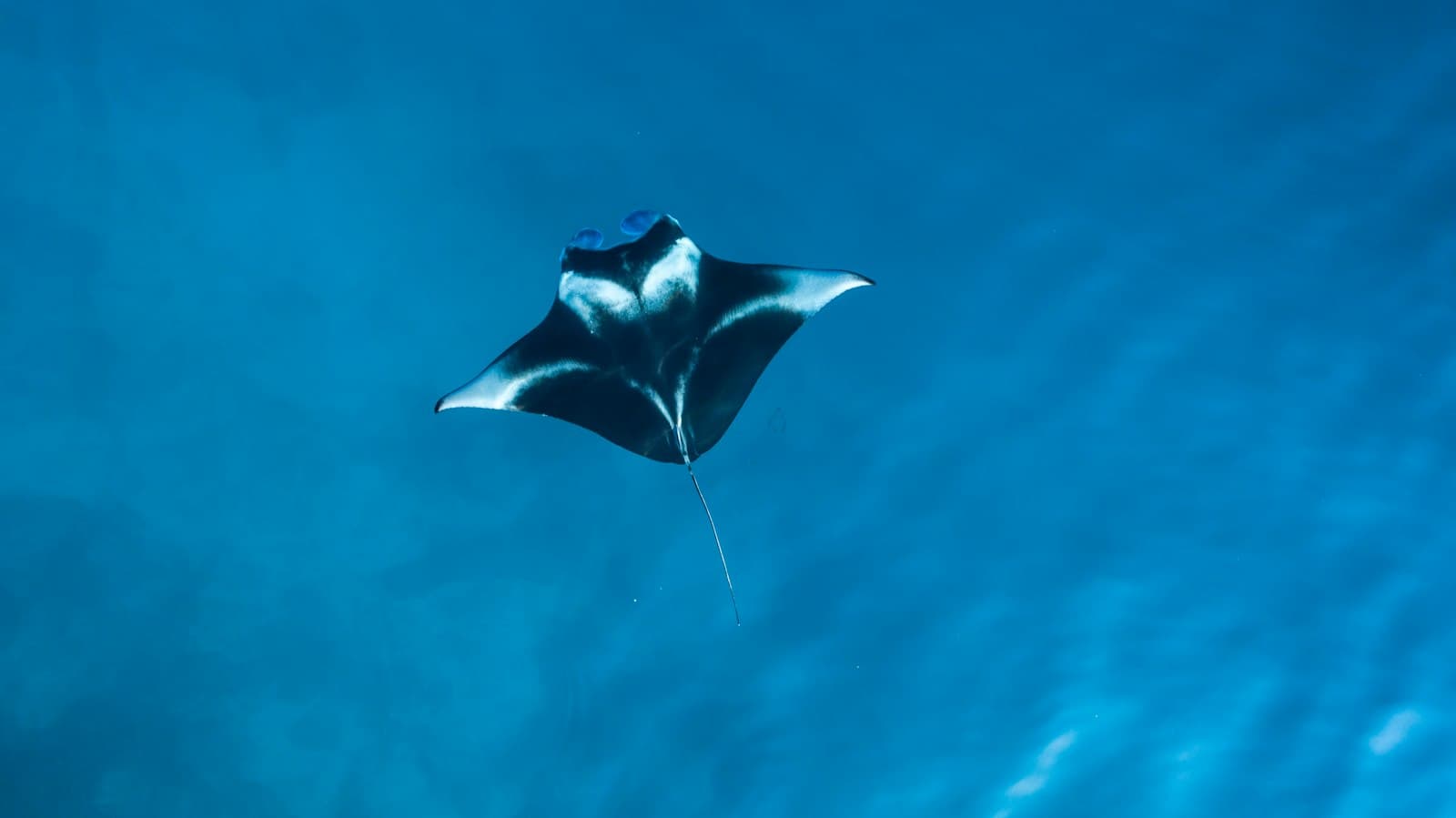
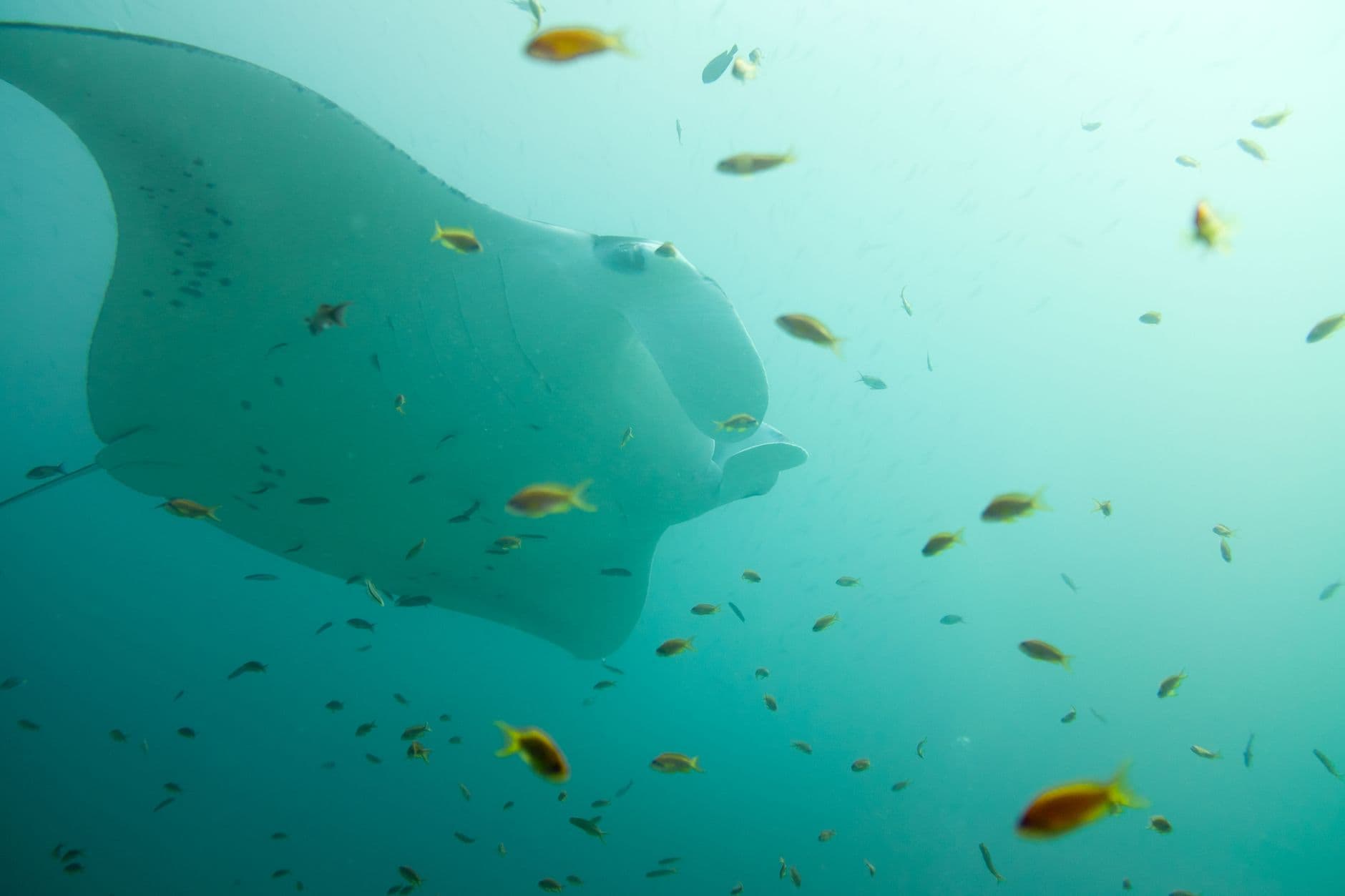
I went out anyway, on a 90-minute boat ride from Kunfunadhoo across the atoll, because the alternative was skipping it. We got lucky in a modest way: three reef manta rays passing through rather than the fifty-strong feeding balls the July crowd sees, plus a hawksbill turtle and clean 20-metre visibility that made the whole thing feel less like a wildlife spectacle and more like a quiet dive. If seeing dozens of mantas is the whole point of your trip, plan for the wet season instead — April buys you calm water and good light, not the big show.
Drift Diving the Outer Channels
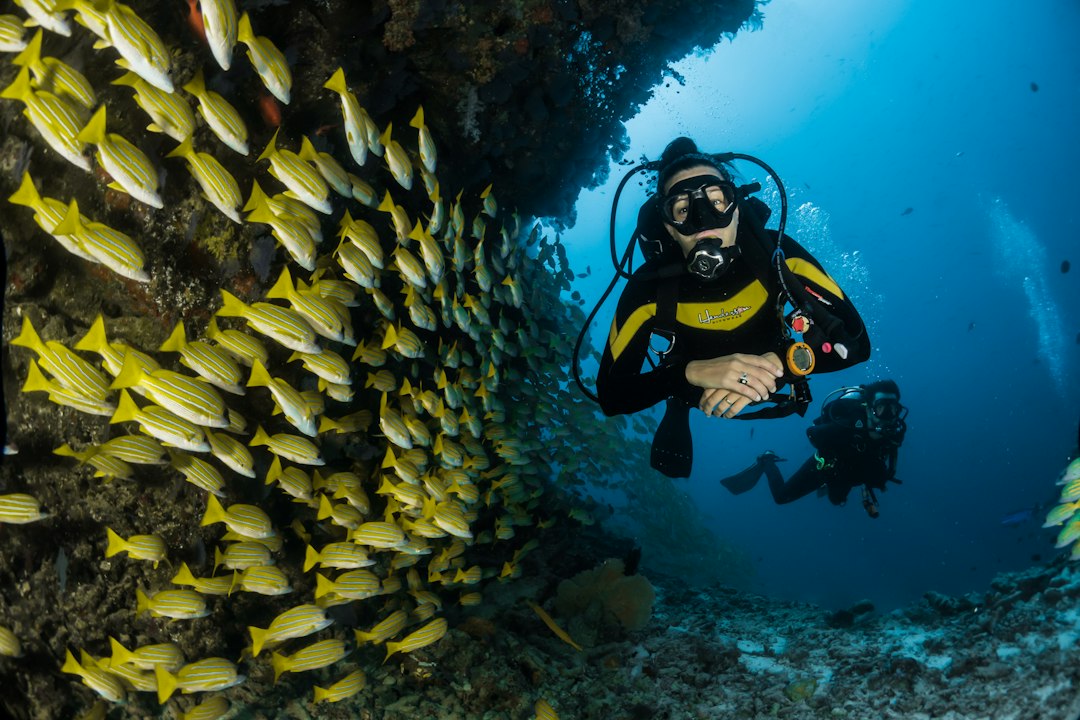
The dive centre on the island is PADI-affiliated, and the morning boat to Dhonfaru Thila filled with a mix of Advanced Open Water divers and a couple of instructors leading the less experienced ones on a shallower profile. The thila sits in open water outside the atoll rim, and the dive plan depends entirely on the current that day — our guide checked the drift with a surface marker before anyone went in, because on a strong day you can cover 200 metres without kicking once.
We dropped to about 22 metres and worked the wall where grey reef sharks hold station facing into the current, then rose slowly over a plateau thick with anemone fish and a resting eagle ray. Two tanks with equipment included ran close to $180-220 for the morning, which is standard for outer-atoll drift sites here. It is not a dive for someone newly certified — the current does not negotiate — but it rewards anyone with the logged hours to handle it.
Eydhafushi, and the Slow Walk Back to a Seaplane Window
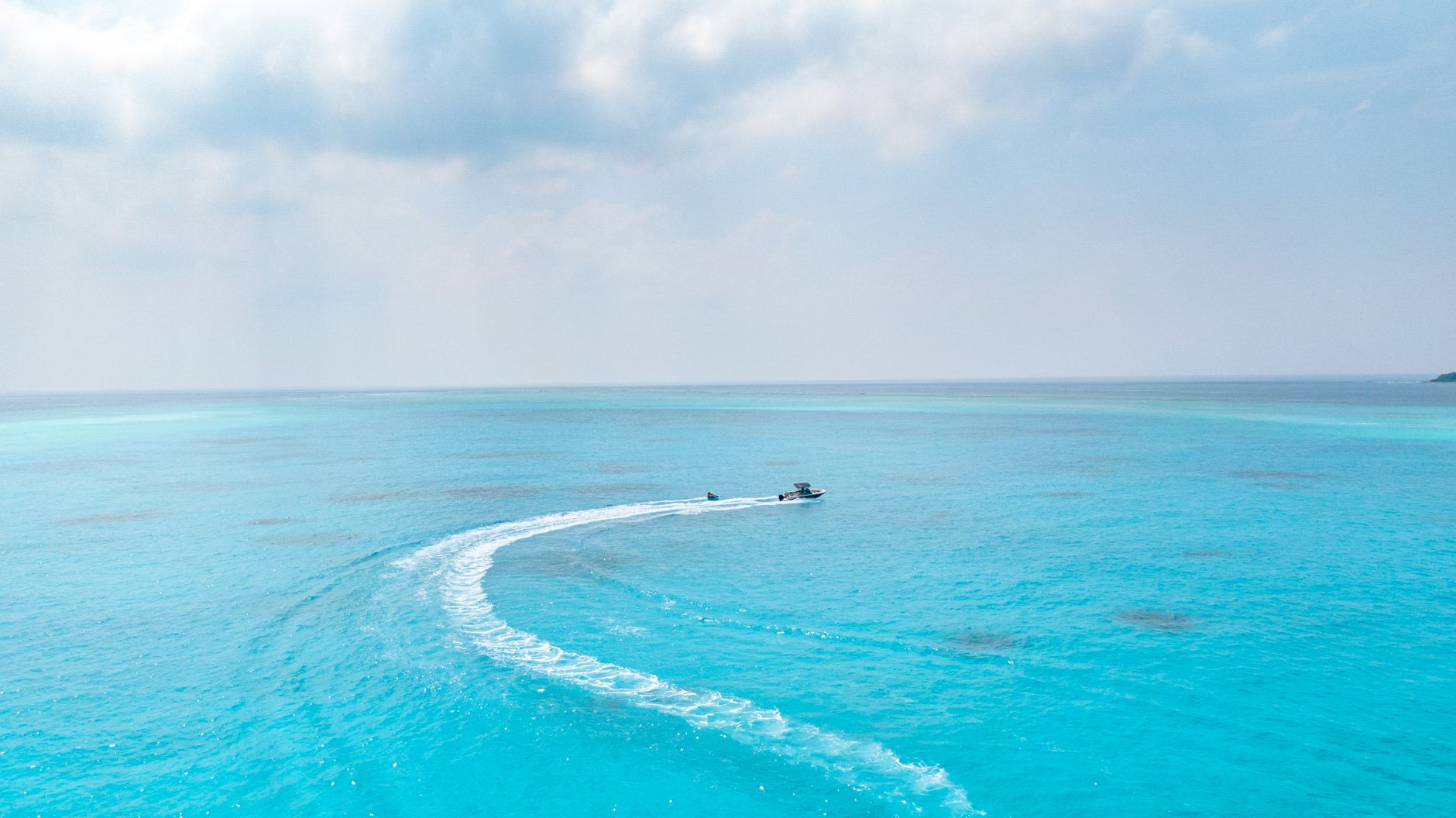
On my last full day I asked the resort to book the local-island excursion rather than another reef trip, and a speedboat took our small group 25 minutes across the atoll to Eydhafushi, the administrative capital of Baa Atoll. It is a working island — a harbor full of fishing dhonis, a mosque with a corrugated roof catching the sun, a couple of general stores selling phone cards and instant noodles next to hand-sewn sarongs. It was a useful, grounding contrast after four days of resort infinity pools.
Getting out again meant working backward from the same daylight rule that got me in: the last seaplane back to Male leaves mid-afternoon, so the resort had my bags at the jetty by 13:30 for a 15:00 flight, no room to linger over a last swim. I made the boat with about twenty minutes to spare, salt still drying on my arms.
Scenes from Baa Atoll
Cordelie travel advisors
Planning Baa Atoll? Go with someone who knows
The right suite, the right season, the reservations that never appear online — your Cordelie advisor knows them, and holds them for you.
Plan with a Cordelie advisorFree to ask. Cordelie Travel Services · IATA/ARC 06649064
The Moments That Made the Jet Lag Worth It
The single best hour of the trip cost nothing and wasn't on any itinerary: the plankton glow on the beach at low tide, kicked up by my own footprints in the dark. It is not something you can book, and the resort staff were clear about that before I went looking for it — some nights it happens, most nights it doesn't, and no one can tell you which night in advance.
Hanifaru Bay gave me the opposite lesson: managed expectations paid off better than hope did. Watching three reef mantas glide past in clean water, with no crowd and no scramble, beat the idea of a feeding frenzy I'd built up from photos taken in August. If you want the full congregation, that's a different trip on a different calendar, and worth knowing before you book rather than after.
The diving surprised me the most. I'd come for the mantas and left more impressed by the grey reef sharks holding steady against the current at Dhonfaru Thila — a sight that had nothing to do with luck or season, just a strong current and a guide who read it correctly before anyone descended.
What Baa Atoll Puts on the Table, From Reef Fish to Sri Lankan Curry
Soneva Fushi's main restaurant, Out of the Blue, sits over the water on stilts and serves a rotating catch-of-the-day menu alongside a wood-fired pizza oven that somehow feels right on an island with no roads. The grilled reef fish — usually yellowfin tuna or a local grouper — comes with a tamarind-chili glaze that leans more Sri Lankan than Maldivian, a reminder of how much of the resort kitchen staff and produce come from Colombo and beyond.
Breakfast was the meal I looked forward to most: fresh mas huni, a simple mix of shredded smoked tuna, grated coconut, onion, and lime, eaten with warm roshi flatbread. It's the one dish every Maldivian household eats and every resort menu simplifies slightly for visitors, but the version at Soneva's overwater dining room kept the sharpness of the lime and chili rather than softening it. On the local-island day in Eydhafushi, a small teashop sold fried bajiya pastries and short glasses of sweet black tea for well under a dollar each — a plain, good lunch that cost almost nothing next to the resort tabs.
Baa Atoll rewards a traveler who knows which season they're buying. A Cordelie advisor can weigh the calm, clear seas of an April visit against the manta and whale shark congregations of the southwest monsoon, then match the resort, dive centre, and Hanifaru Bay permit slots to whichever experience you're actually after.
The best rooms at Soneva Fushi, Four Seasons Landaa Giraavaru, and Amilla Fushi are booked out well ahead of the May-to-November manta season, and seaplane transfer slots tighten alongside them. A Cordelie advisor secures the arrival window, the villa category, and the excursions in one coordinated itinerary, so the trip you land on matches the one you pictured.
Is a Spring Trip to Baa Atoll Right for You?
Excellent for divers, snorkelers, and honeymooners chasing calm, clear water — a gamble for anyone whose whole trip rests on seeing a manta feeding frenzy.
April in Baa Atoll delivers dry-season calm: light wind, strong visibility, and warm water hovering around 29-31°C. It's the better season for diving the outer thilas and for a house-reef snorkel that doesn't get chopped up by swell.
It is the wrong season if the entire trip is built around Hanifaru Bay's famous manta congregations, which run stronger from May through November. Anyone chasing that specific spectacle should shift their dates, and anyone happy with a quieter reef, good diving, and a real chance — not a guarantee — of mantas will find spring more than enough.
For planning basics before you go, the
second-half continued below
Last checked for accuracy: . How we check

Isaac Reid has spent fourteen years on ships and on foot in the places weather still decides. He sailed his first Drake Passage as an expedition assistant and has since made the crossing more than thirty times, between seasons trekking in Nepal and Patagonia. He writes about what these trips actually ask of a traveller — the days that get cancelled, the kit that matters, the difference between a landing and a cruise-by — and thinks the honest version sells them better than the brochure does.
Related Articles
Baa Atoll Quick Guide: Everything You Need to Know
Baa Atoll draws marine naturalists to Hanifaru Bay's manta rays each spring, but the atoll's true reward is quieter: unspoiled reefs, inhabited islands unchanged by tourism, and the chance to witness Maldivian life on its own terms.

The Best Things to Do in Baa Atoll
Baa Atoll's manta-filled bays, working craft islands, and reef pinnacles ranked for a spring visit — with honest notes on what April can and can't promise.

Baa Atoll Quick Guide: Everything You Need to Know
Baa Atoll combines UNESCO-protected reefs with untouched village culture. Spring brings calm seas, manta rays, and visibility exceeding 30 meters—perfect for diving.