
Baa Atoll Quick Guide: Everything You Need to Know

Baa Atoll Quick Guide: Everything You Need to Know
In the 1970s, when the Maldives first opened its borders to tourism, Baa Atoll remained largely untouched—a crescent of twenty-five islands where traditional fishing communities still made their living from the sea, and tourists were still a startling sight. Today it retains that dual character: a UNESCO Biosphere Reserve where manta rays glide through pristine channels, yet also home to working villages where tuna boats leave at dawn and locals still speak of the atolls by their old names. Spring is the season to visit, when seas calm after the northeast monsoon, visibility climbs above thirty meters, and the water temperature hovers around 27–28°C.
Key Facts
Why Baa Stands Apart: History, Reefs, and Quiet Ambition
Baa's significance in the Maldivian story runs deeper than its reputation for diving. The atoll sits on what was once a crucial trading route between Arab merchants and Indian Ocean ports—Eydhafushi, the capital island, still bears traces of that history in its whitewashed coral-stone buildings and narrow lanes where fishermen mend nets as their ancestors did centuries ago. The atoll was also one of the last to industrialize; many residents maintained traditional professions well into the 1990s. That heritage matters now because it shapes what you actually see: the atoll has resisted overdevelopment. Only eleven resorts operate here, compared to dozens in South Male Atoll, and most of the atoll remains protected as a UNESCO Biosphere Reserve—a designation that mandates sustainable fishing practices and limits resort footprints.
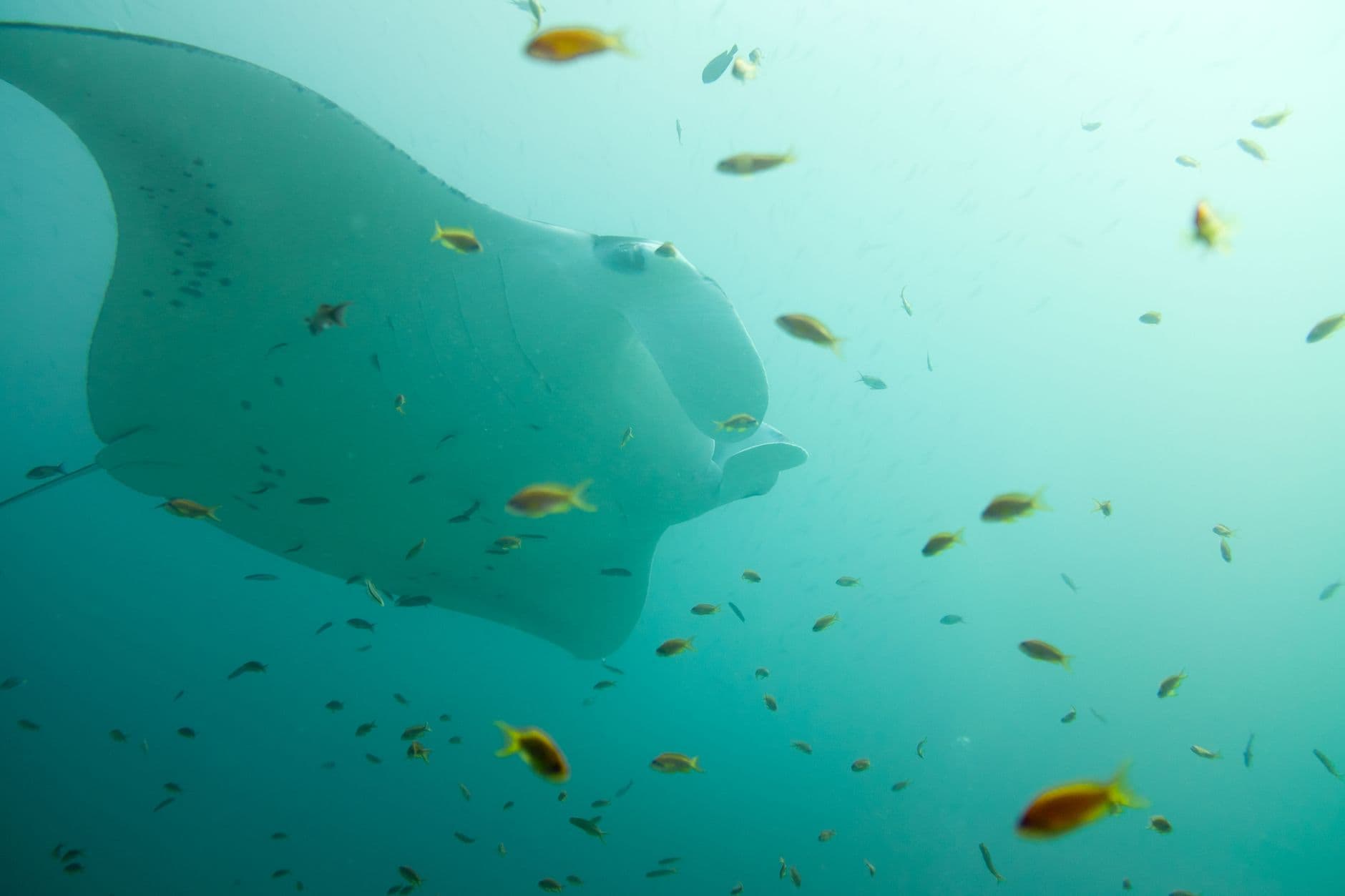
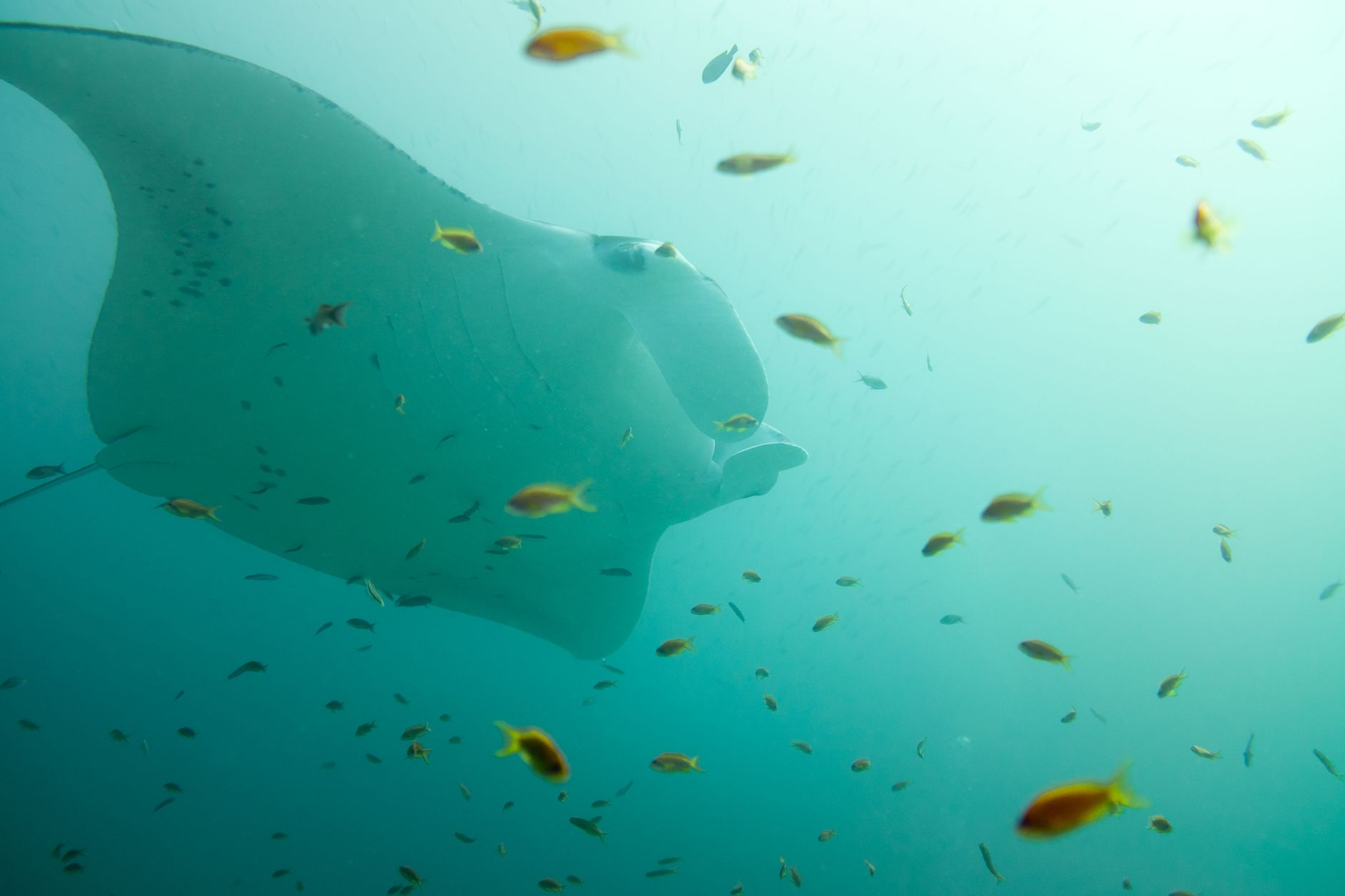
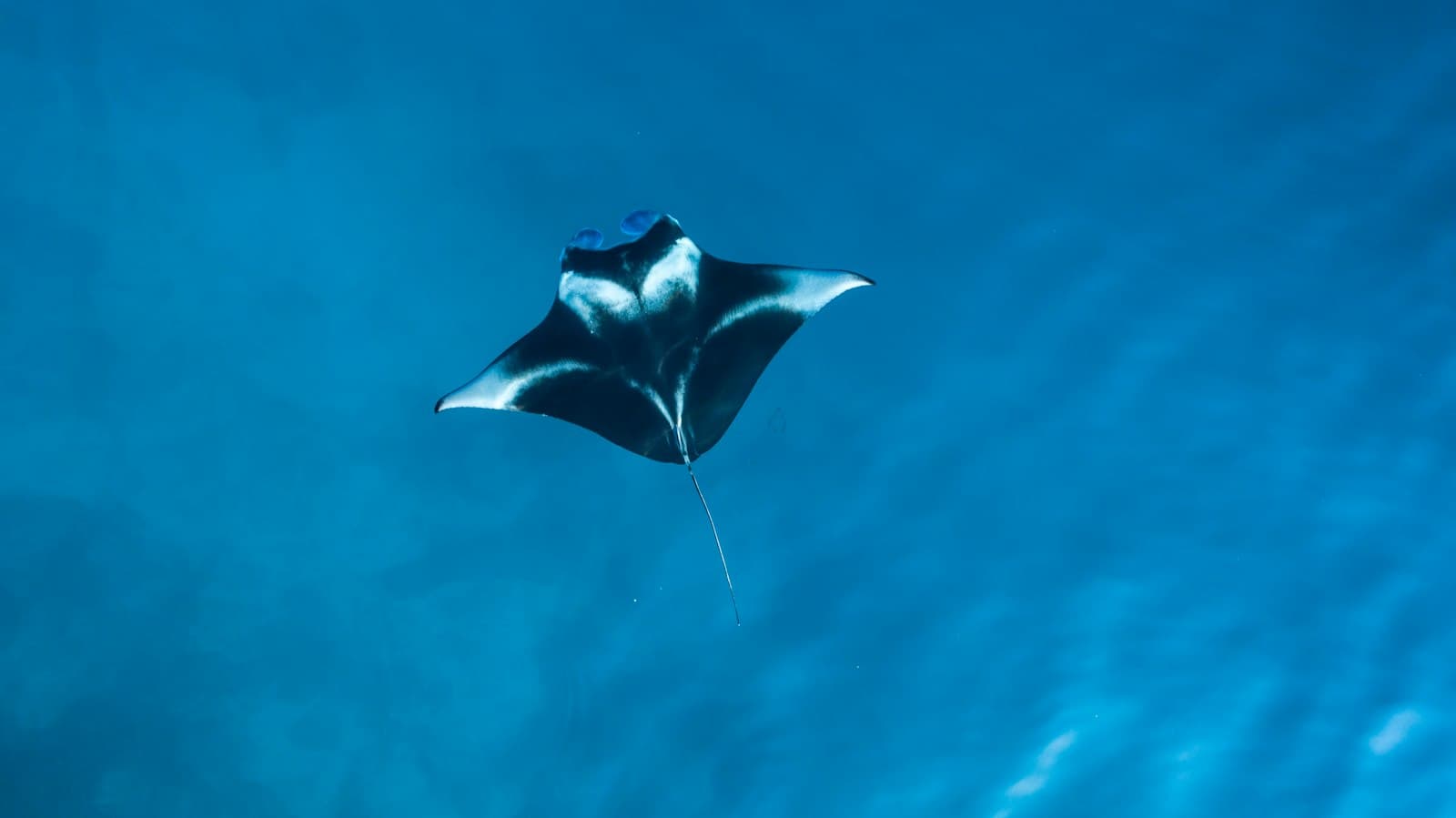
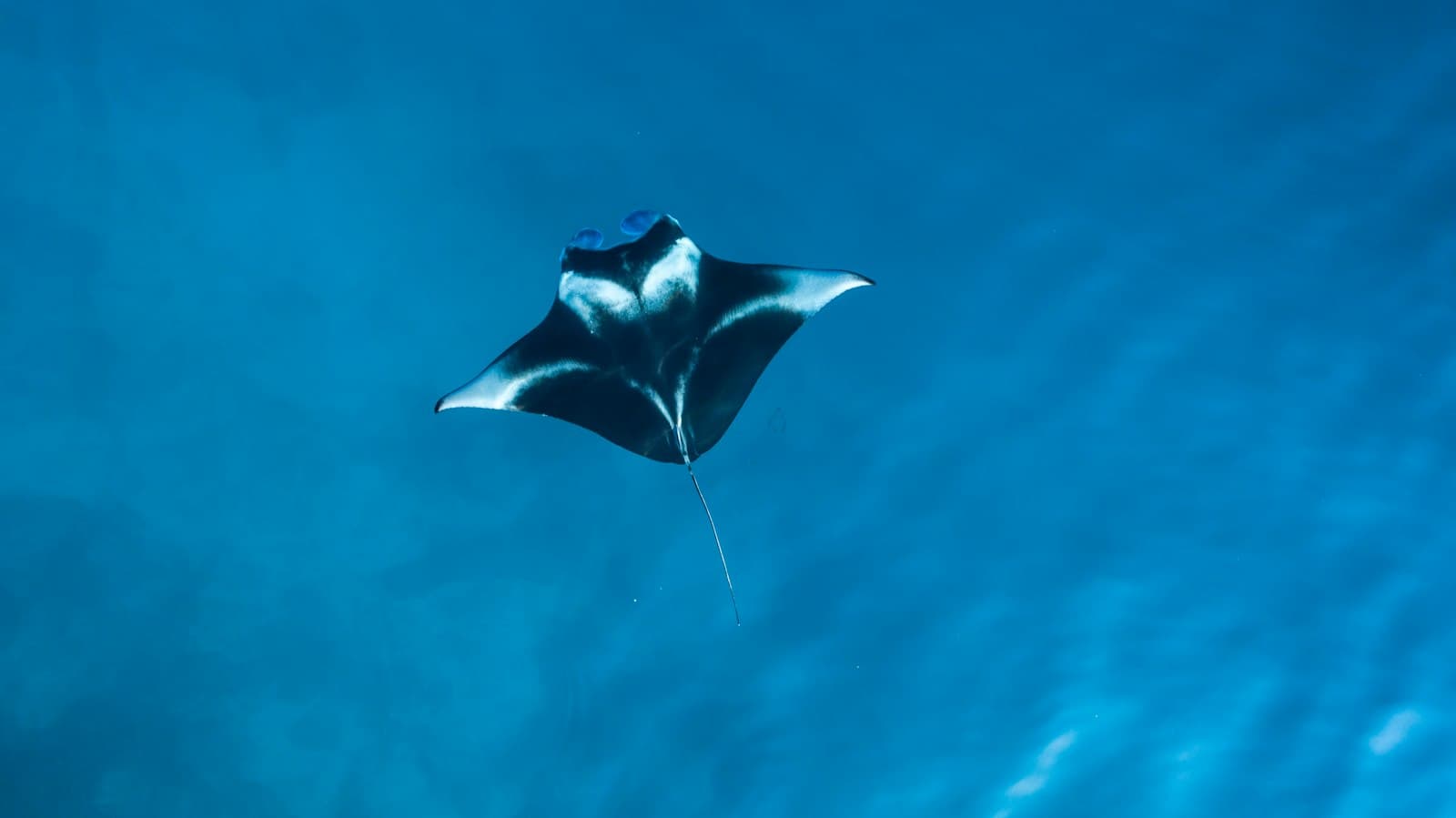
The marine environment is the draw. Baa's eastern and western channels funnel nutrient-rich currents that attract manta rays, particularly from February through April. Schools of reef sharks patrol the outer walls. Coral gardens in the lagoons include brain corals that are older than any resort on the island. If you come in spring, you arrive during the peak manta season and the period of best visibility, before the Southwest Monsoon brings rain and chop in May.
Where to Stay: From Luxury Houses to Intimate Mid-Range Atolls
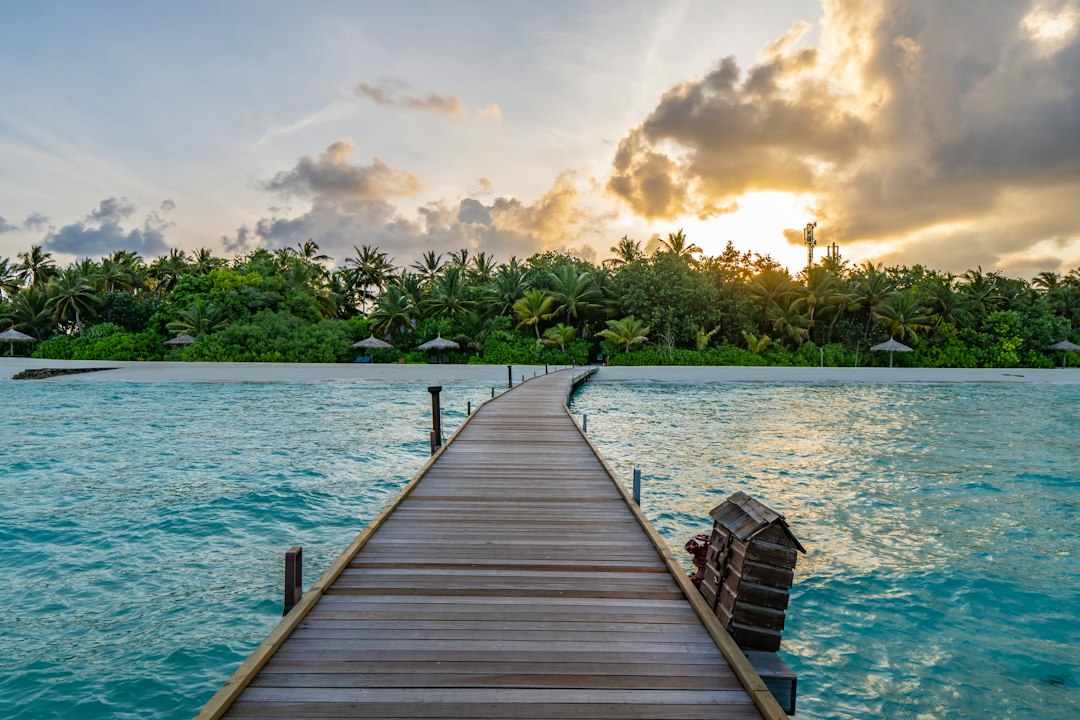
Baa offers a narrow but genuine range. Soneva Fushi, the atoll's flagship luxury resort, sits on its own island with 65 villas spread across four hundred acres; rooms start around USD 900–1,500 per night (spring season) and include a private pool, slide direct to the lagoon, and a philosophy of minimal electricity after dark—you navigate by lantern. The island operates its own marine research center and offers serious dive instruction. Manta Point Dive School, based there, runs trips to the channel where mantas congregate; expect to pay USD 110–140 per two-tank dive.
For mid-range comfort, Raa Beach Resort and Spa sits on the atoll's eastern edge with forty-five rooms, a house reef suitable for casual snorkeling, and rates in the range of USD 350–500 per night in spring. The property caters to couples and small groups rather than large tour operators. Kihaa Maldives, also in Baa, emphasizes local hospitality and employs many staff from nearby islands; room rates typically start around USD 350 nightly for villas, though rates vary significantly by season and room category. Both offer island hopping to Eydhafushi for a half-day excursion into actual village life—not a performance, but a visit to a working tuna market, a mosque, and the local school if arrangements are made through your resort.
Baa Atoll was designated a UNESCO Biosphere Reserve in 2011—one of only three in the Maldives. This means strict enforcement of sustainable fishing, no dynamite or poison fishing, and reef-protection zones where speedboats are prohibited. For visitors, it translates to pristine coral and a genuine sense that the ecosystem is being managed for longevity rather than extraction.
Spring Planning: Timing, What to Pack, and What Actually Happens
March and April are the sweet spot. The Northeast Monsoon has passed, leaving calm seas; visibility typically exceeds 25 meters, often reaching 35 or more. Water temperature sits at 27–28°C, warm enough for a 3mm wetsuit if you're temperature-sensitive, though most divers work in boardshorts alone. Wind is minimal—the speedboat ride to the dive site, normally choppy in other seasons, becomes a smooth twenty-minute cruise.
Manta rays arrive to feed during the plankton-rich weeks of February through April. The channels—Hanifaru Bay is the most famous, though nearby Biyaa Channel and Felidhoo Channel are equally productive—become reliable viewing points. A dive guide named Ahmed, who works for Soneva Fushi, noted in spring 2024 that March mornings produced encounters on nearly every dive; April slowed slightly but remained productive through mid-month. Early morning dives, before 8 a.m., offer the calmest seas and the highest probability of sightings.
Pack a rash guard for sun protection over your wetsuit; reef cuts from coral are common, and the sun at the equator requires respect. Bring seasickness medication if you're prone—even calm seas can produce mild swell on the ride back. A dry bag for camera gear is essential; morning spray and an unexpected squall can ruin unprotected electronics. Reef shoes prevent cuts on the house reef where you wade to board the speedboat.
Getting Around and What Costs What
All resorts include speedboat transfer from Male airport; expect 45 minutes to 90 minutes depending on your resort's location on the atoll. Some properties offer a seaplane transfer for around USD 400–600 return per person—faster but noticeably more expensive. Once at your resort, everything is on-island; you do not rent boats or navigate independently. Excursions to Eydhafushi town (a fifteen-minute speedboat ride) can be arranged through your resort for USD 80–120 per person, including guide and ground transport. Sunrise or sunset dolphin cruises run USD 60–90 per person and depart twice daily.
Meals at resorts are typically included for all-inclusive packages or offered à la carte at USD 25–50 per dish at mid-range properties, USD 40–80 at luxury resorts. Water activities—snorkeling, unfacilitated diving—are free from your house reef. Guided dives range from USD 110–180 per dive depending on the operator and destination. A massage at a resort spa runs USD 80–150 per hour.
Beyond the Reef: What a Day Actually Looks Like
A typical spring morning: wake before sunrise if you've booked a dive, board the speedboat at 6:30 a.m., and head for a channel dive. The water is glass-smooth. You descend to ten meters on the channel wall, where coral heads rise from sand. Within five minutes, a shadow passes overhead—a manta, wing-tip to wing-tip perhaps four meters across, filtering plankton. It circles back, unbothered by your presence. The dive lasts forty minutes; ascent takes fifteen. You're back on the boat by 8:30, and the resort's kitchen has fresh tropical fruit and coffee waiting.
Midday is the slow hour—heat, lunch, a nap or a book on your private deck. Afternoon brings a house-reef snorkel: the lagoon in front of your villa holds small reef sharks, parrotfish, and occasional turtles. At 4 p.m., a resort guide takes willing guests to the island's interior—rarely more than a thirty-minute walk—to see coconut palms, fruit bats, and the island's solar panels and waste-water system. Dinner is at 7 p.m., either at the resort's main restaurant or at a beachfront table under stars. The electricity shuts down at 11 p.m. at Soneva Fushi; you walk back to your villa by lantern.
Practical Logistics: Visas, Health, and Real Gotchas
Most nationalities receive a thirty-day tourist visa on arrival at Male airport at no charge; simply fill out the landing card. Bring proof of onward travel and USD 300–500 in case you're asked about funds. Travel insurance that covers diving is essential—evacuation from the Maldives to a facility in India or Sri Lanka costs USD 10,000–30,000 if an accident occurs, and most domestic travel insurance excludes it.
Vaccination requirements are minimal; malaria is not present in the Maldives. Dengue fever exists but is rare. Bring sun protection rated SPF 50 or higher—reef reflection intensifies UV exposure. Dehydration happens fast; drink more water than you think necessary. Reef cuts get infected easily in the tropics; any cut should be rinsed with vinegar (found at all resorts) and monitored closely.
One genuine gotcha: if you have a full dive certification but have not dived in more than a year, resorts will require a refresher dive (one to two hours, USD 80–120) before joining a group dive. If you're thinking of learning to dive in Baa, budget three days for an open-water course (USD 450–650) and expect to feel tired—the constant sun and water work is more demanding than it appears.
At 27–28°C, Baa's water in spring is warm enough that many divers wear boardshorts and a light rash guard. However, if you're a cold-sensitive diver or planning dives on three consecutive days, a 3mm shorty or 2mm full suit prevents fatigue from gradual heat loss. Rent locally rather than flying with a wetsuit; resorts stock sizes from XS to XXXL.
Quick Tips for Spring Visitors
Book your resort six to eight weeks in advance if you're coming in March or April; March is the busiest month, and Soneva Fushi books out by December for spring. If a specific resort is full, consider booking late in April when demand drops slightly and you still have excellent conditions. Arrange any dive training or certification before your trip if possible. Getting open-water certified on-island is fine, but it uses vacation time and costs more than doing it at home. Request an early-morning dive slot when you book; mantas tend to be most active before 8 a.m. Evening dives (after 4 p.m.) are calmer but see fewer large pelagics. Bring a macro lens or underwater camera if you photograph. The house reef macro life—nudibranchs, pipefish, tiny crustaceans—is outstanding in spring when plankton levels are high. Plan one morning off diving. A second dive day in a row leaves many divers fatigued; the combination of early wake-up, physical effort, and equatorial heat is deceptive.
Spring manta season in Baa fills quickly, and the timing window is narrow—February through April, with peak conditions typically mid-March through mid-April. A Cordelie advisor can secure your preferred resort weeks before walk-up availability vanishes, coordinate pre-dive training to maximize time underwater, and arrange private guide dives on days when the general schedule doesn't align with manta movements. They also navigate the unpredictable logistics: a weather delay that reshuffles your transfer, a dive site that suddenly closes, or a missed connection in Male that would otherwise unravel your week. Let a Cordelie advisor craft your perfect Baa spring dive trip, timed and positioned to encounter what you came for.
Last checked for accuracy: . How we check

Sarah Chen has covered Asia for twelve years, first as a wire reporter in Jakarta and now from Singapore, where she keeps a standing list of the region's most misunderstood destinations. She writes about the distance between what a place is famous for and what it is actually like to spend a week in — and is happiest on an overnight train with a bad seat and a good view.
Related Articles
Baa Atoll Quick Guide: Everything You Need to Know
Baa Atoll draws marine naturalists to Hanifaru Bay's manta rays each spring, but the atoll's true reward is quieter: unspoiled reefs, inhabited islands unchanged by tourism, and the chance to witness Maldivian life on its own terms.
The Best Things to Do in Baa Atoll
Baa Atoll's manta-filled bays, working craft islands, and reef pinnacles ranked for a spring visit — with honest notes on what April can and can't promise.

My Spring in Baa Atoll: A Travel Story
A first-person account of five days in Baa Atoll's UNESCO Biosphere Reserve — calm April seas, an unpredictable Hanifaru Bay manta show, and the long daylight-only journey to get there.