
Baa Atoll Quick Guide: Everything You Need to Know

Key Facts
Baa Atoll: Where Manta Rays and Unspoiled Islands Meet
Baa Atoll is where the Maldives reveals itself without the crowds. From March through May, Hanifaru Bay becomes a congregation ground for thousands of reef manta rays, a natural spectacle few travelers witness anywhere on Earth. Beyond that seasonal magic lies a quieter archipelago of inhabited islands where Maldivian life carries on much as it has for centuries—fishing, coconut cultivation, and the rhythms of the Indian Ocean still shape the rhythm of days. Resorts here range from intimate guesthouses to ultra-luxury retreats like Soneva Fushi and the Four Seasons, but the atoll's true character emerges in the gaps between them: pristine reefs, night fishing with traditional dhonis, and villages where tourism has not yet rewritten the relationship between visitor and place.
Understanding Baa Atoll's Geography and History
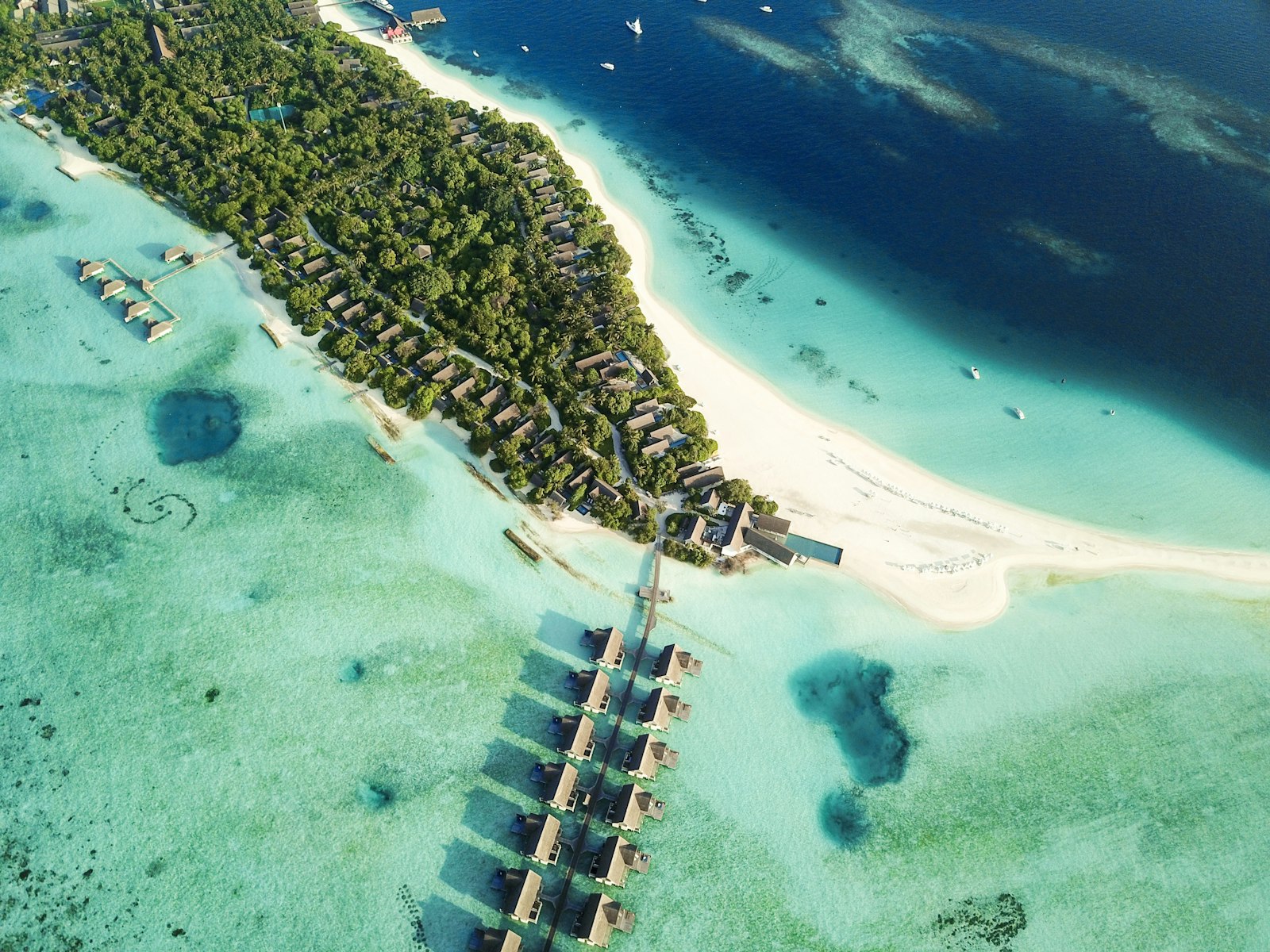
Baa Atoll sits in the central Maldivian archipelago, a horseshoe of islands encircling a lagoon roughly 30 km across. The atoll's inhabited islands—Dharavandhoo, Dhonfanu, Villingili, Felidhoo, and others—have been settled for over a millennium, their populations sustained by fishing and, more recently, tourism. Archaeological evidence suggests Buddhist settlements existed here before Islam arrived in the 12th century, a historical layer that lingers in place names and the design of older structures. Unlike some heavily developed atolls, Baa's inhabited islands have retained genuine community life: you will find working fish drying racks, local schools, and families gathering for evening prayers rather than resort theatrics.
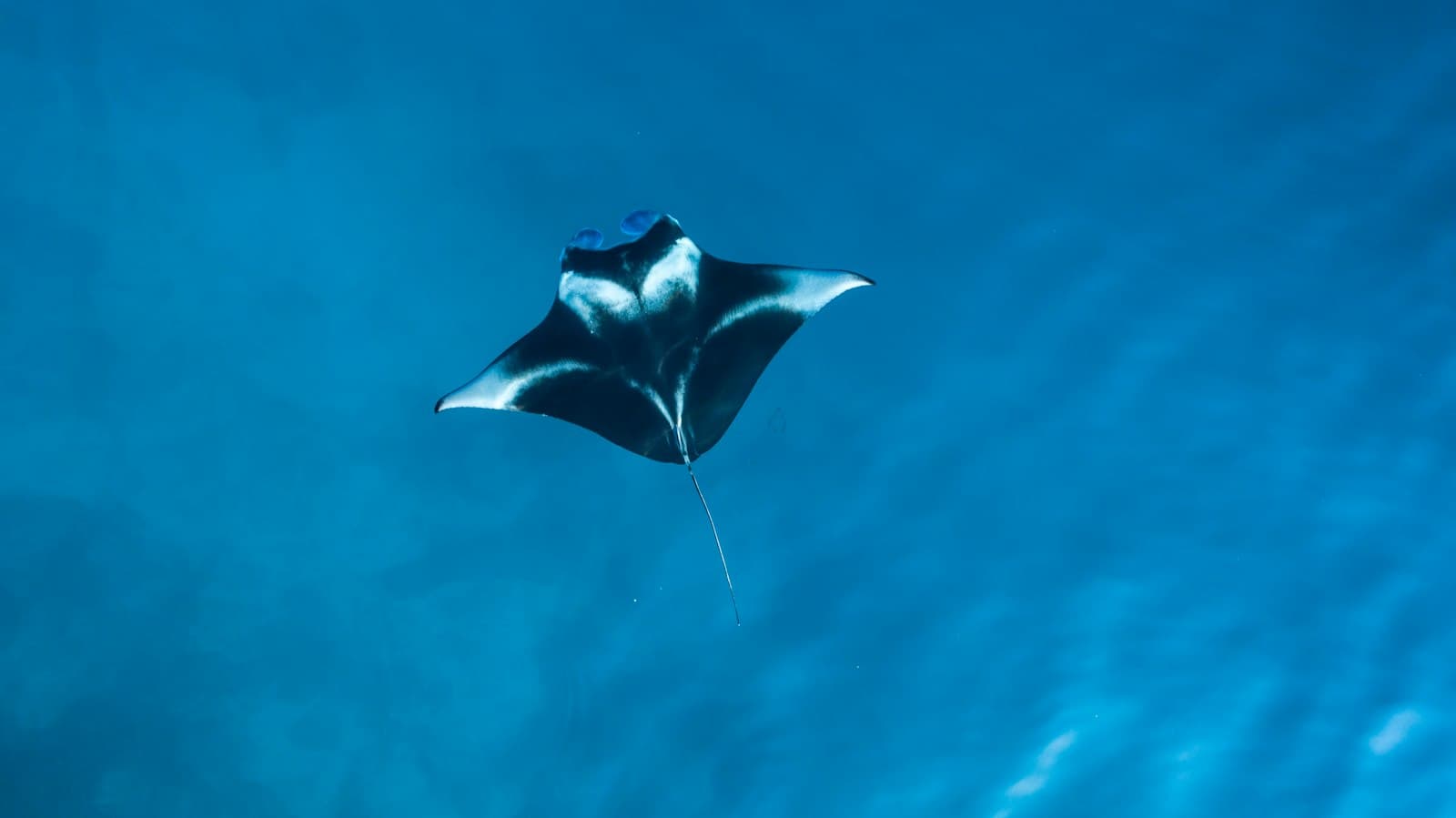
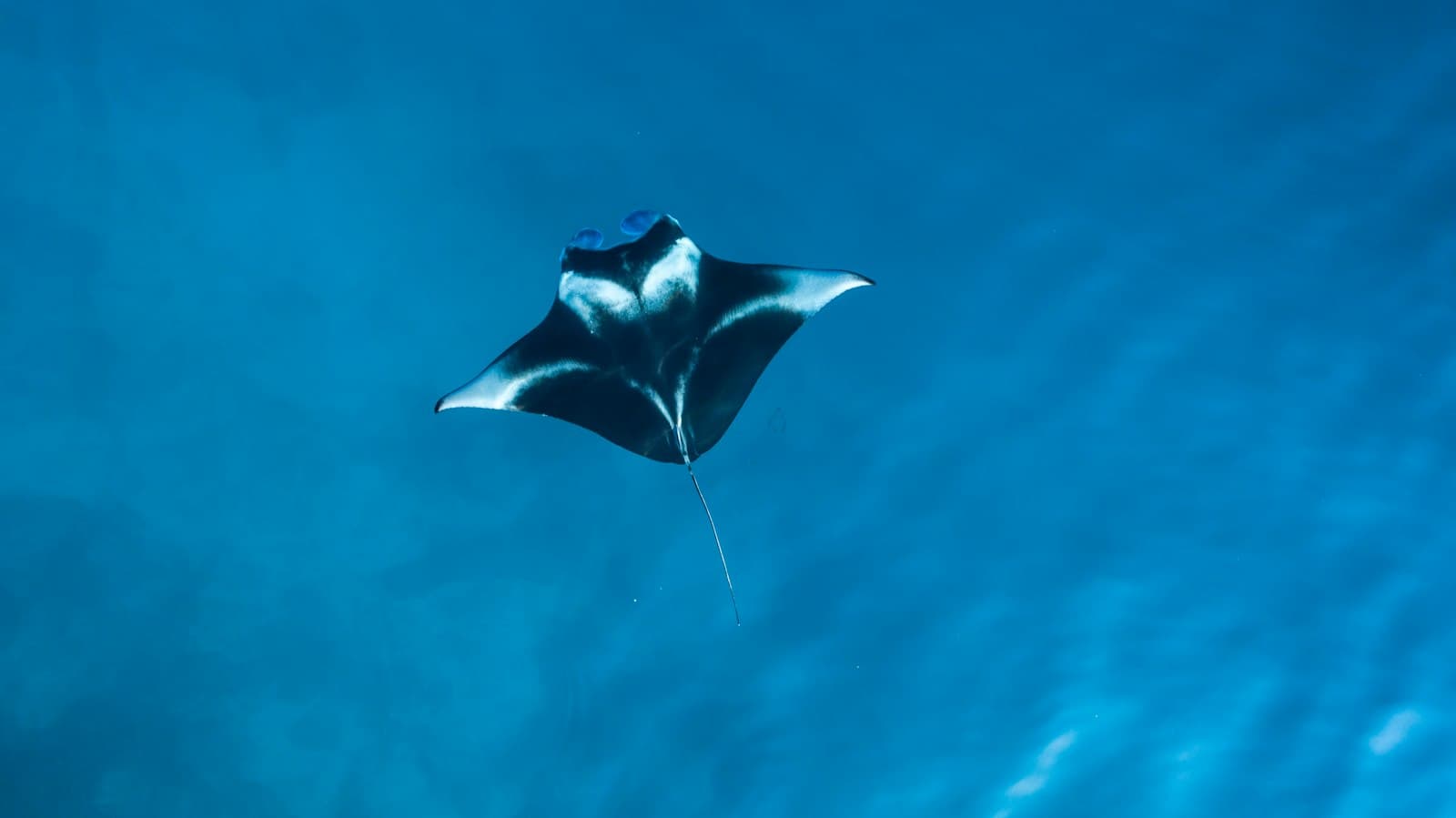
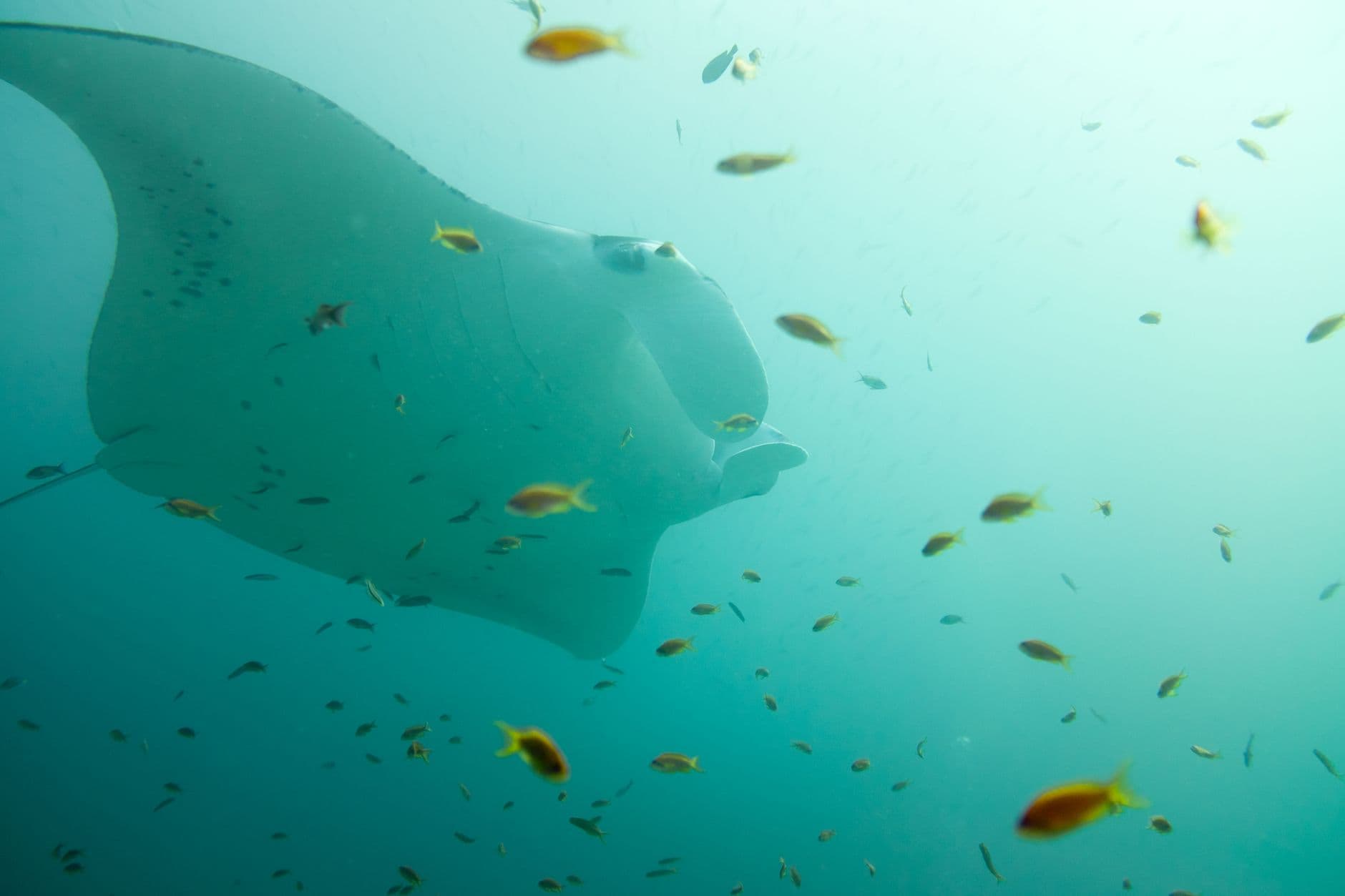
Spring brings a specific gift to Baa Atoll. The northeast monsoon winds that dominate winter retreat, and the seas calm. Nutrient-rich currents attract plankton, which in turn draws one of the ocean's most serene creatures: the reef manta ray. From March through May, Hanifaru Bay becomes a temporary gathering place where mantas congregate by the hundreds, gliding through the water with a grace that seems impossible at their size. Snorkeling among them is not guaranteed—conditions and manta behavior vary—but the possibility alone makes Baa a pilgrimage site for marine naturalists and photographers during these months.
Between March and May, reef manta rays aggregate in Hanifaru Bay in numbers that can exceed 200 individuals on a single day. This seasonal abundance, driven by plankton blooms triggered by changing monsoon patterns, makes Baa Atoll one of the world's most reliable manta-viewing destinations during spring months. The site is protected as a biosphere reserve, and visitor numbers are managed to safeguard both the rays and the ecosystem that sustains them.
Practicalities: Getting In, Getting Around, Getting Oriented
Baa Atoll has no commercial airport. Travel begins in Malé, where you board either a seaplane or speedboat. Seaplanes take 30–50 minutes and offer unmatched views of the atolls' geometry; they cost roughly USD 300–500 per person return depending on the resort. Speedboats take 60–90 minutes and cost around USD 100–250 per person, making them cheaper but slower and wetter. Most resorts include transfers in their packages, so compare that cost when booking rather than arranging separately.
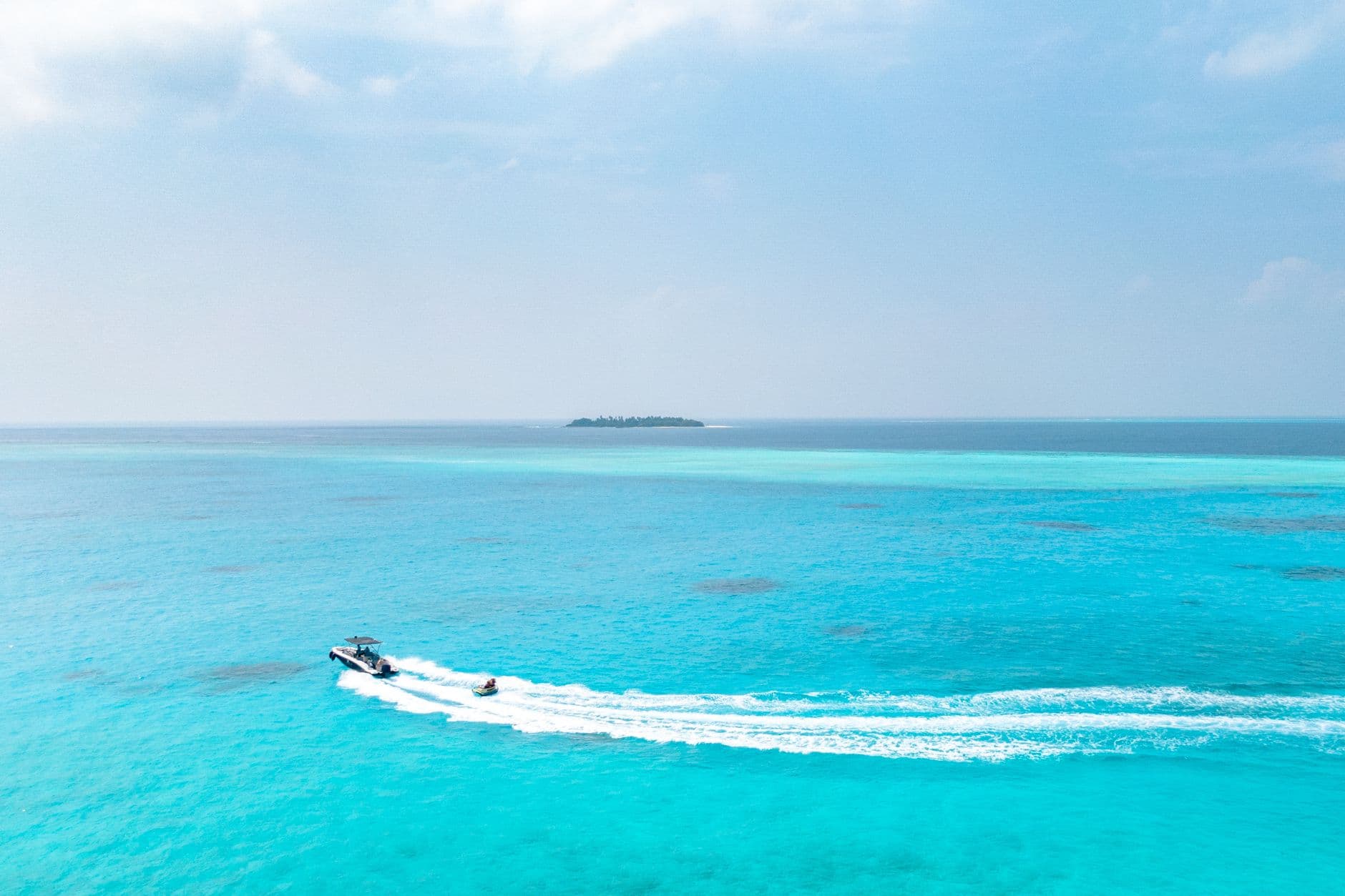
Once on the atoll, movement is by resort speedboat or local ferry. Public ferries connect inhabited islands on schedules that run once or twice daily; fares are low (typically USD 1–3) and boats are crowded with locals, families, and their goods—a genuine cultural experience if you are comfortable with basic conditions. Renting a private speedboat with a guide costs USD 150–400 per day and gives you freedom to explore multiple islands, snorkel sites, or join a manta-watching expedition.
Currency is the Maldivian Rufiyaa, but USD is universal in tourism zones. ATMs exist in resorts and on inhabited islands like Dharavandhoo. Internet and mobile coverage are reliable, though resorts often charge for data; bring a travel plan that includes regional coverage or use WhatsApp over the resort WiFi.
Spring in Baa: What the Season Offers
Spring in Baa Atoll means warm, stable weather. Daytime temperatures hover around 28–30°C, with calm seas and low rain. The northeast monsoon has weakened enough that afternoon showers are brief and infrequent. For snorkeling and diving, spring offers excellent visibility—often 25–40 meters—and manageable sea conditions. The water is warm enough for reef snorkeling in light wetsuits or rash guards.
This is peak season for manta rays, but it is also peak season for tourism. If Hanifaru Bay excites you, book your manta-watching trip early; operators limit daily visitor numbers, and good boats fill weeks in advance. That said, Baa Atoll remains less crowded than nearby Ari Atoll, so the trade-off between crowds and access remains favorable. If you visit outside March–May, you trade the manta aggregation for cheaper rates and smaller tour groups; the reef life and island culture do not disappear, only the season's headline attraction.
Where to Stay and Eat
Baa Atoll's accommodation spans a wide range. Soneva Fushi and the Four Seasons Landaa Giraavaru represent the luxury ceiling—both offer overwater villas, fine dining, and experiences priced upward of USD 800–1500 per night. Angsana Laguna Maldives and Raa Resort sit in the mid-range, offering comfortable island living and all-inclusive or half-board options for USD 300–600 per night. Smaller guesthouses on islands like Dharavandhoo offer basic but genuine rooms with local meals for USD 60–150 per night, an option that immerses you in island life rather than resort isolation.
Most resort dining is buffet-based or à la carte at relatively high prices (USD 30–60 per meal). If you stay on an inhabited island, local restaurants serve fish curry, broken rice (garudhiya), and reef catch for USD 5–15 per person—simple food, real flavor, and authentic encounter. Fish is the foundation of Maldivian cuisine; if you eat it, you eat well. Resort restaurants often feature international menus alongside Maldivian fare; ask the kitchen to prepare local dishes if they do not appear on the printed menu.
Activities Beyond the Beach
Manta-ray snorkeling in Hanifaru Bay is the marquee draw, but Baa Atoll offers deeper engagement. Diving explores coral gardens and house reefs that rival more famous sites; visibility is excellent in spring, and the atoll has fewer boats than Ari. Reef snorkeling from islands like Dharavandhoo or Dhonfanu reaches pristine coral within 50 meters of shore. Night fishing with a local dhoni departs at dusk, returns with the catch, and teaches you how islanders have provisioned themselves for centuries; arrange through your guesthouse, not through a resort package, to experience it with genuine practitioners rather than a curated tour.
Island visits to Dharavandhoo, Villingili, or Felidhoo reveal daily Maldivian life: fishing boats returning with tuna and grouper, women making coconut oil, children studying in small schools. These are not tourism attractions—they are communities that have chosen to let visitors in. Respect them as such: ask permission before photographing people, dress modestly, remove shoes before entering homes. Hire a local guide (USD 20–40 per half-day) to navigate cultural norms and translate; they will open doors that solo travelers miss.
Planning Your Trip: Timing and Bookings
For manta rays, commit to travel between mid-March and early May. Peak manta season runs March through April; May sees still-good numbers but more afternoon rain. Book manta tours 2–4 weeks in advance, especially if you have fixed travel dates. Outside spring, Baa Atoll is quieter, cheaper, and still offers excellent reef diving and island experiences, but manta aggregations become rare.
Resorts require bookings through their websites or travel agents. Local guesthouses can be booked online through Booking.com or directly via email. For complex multi-island itineraries, local speedboat hires, or visits to inhabited islands with cultural depth, a travel advisor who knows the atoll can arrange what online booking engines cannot—introductions to fishing families, guides who speak English fluently, boats suited to your comfort level and interests.
Quick Visitor Tips
Bring reef-safe sunscreen—the coral in Baa Atoll is resilient but not immune to chemical damage. Pack a rash guard or lightweight wetsuit for snorkeling; the sun reflects fiercely off the water, and the reef can be sharp. Seasickness medication is wise if you are prone; speedboats to the atoll and smaller boat excursions can be rough. Bring cash in small USD bills for local shops and meals; many inhabited-island establishments do not accept cards. Download offline maps of the islands you plan to visit; mobile data, while available, can be inconsistent outside resorts. Respect local customs: the Maldives is Muslim, and modest dress on inhabited islands is both courteous and legally expected. Do not touch or step on coral; snorkel deliberately rather than frantically, and never chase manta rays—they are curious and will approach you if conditions are right.
When snorkeling with reef manta rays, stay calm and move slowly. Sudden movements or direct pursuit can startle the rays into avoidance. They are naturally curious and often approach swimmers unprompted. Follow your guide's lead, maintain a respectful distance, and remember that you are a guest in their habitat. No touching, no flash photography, and no standing on the reef—these practices protect both the animals and the ecosystem that sustains them.
Related Reading and Getting Started
For deeper planning, explore the best things to do in Baa Atoll or read about one traveler's spring experience to understand the atoll beyond logistics. Baa Atoll demands more than a checklist; it rewards those who linger, who join a sunrise fishing trip, who sit in a local café and let the rhythm of island life reshape their pace.
Baa Atoll's appeal lies in its specificity: the exact window when mantas gather, the particular island guide who knows fishing families, the resort that fits your budget and travel style without overwhelming choice. A Cordelie advisor can construct a spring itinerary that delivers both the manta-ray experience and the quieter cultural immersion that makes this atoll distinct. They can secure the right boat for your manta tours, arrange island visits with genuine local connection, and handle the logistics so your focus stays on the water and the people you meet there. Let a Cordelie advisor craft your Baa Atoll spring.
Last checked for accuracy: . How we check

Sarah Chen has covered Asia for twelve years, first as a wire reporter in Jakarta and now from Singapore, where she keeps a standing list of the region's most misunderstood destinations. She writes about the distance between what a place is famous for and what it is actually like to spend a week in — and is happiest on an overnight train with a bad seat and a good view.
Related Articles
The Best Things to Do in Baa Atoll
Baa Atoll's manta-filled bays, working craft islands, and reef pinnacles ranked for a spring visit — with honest notes on what April can and can't promise.

My Spring in Baa Atoll: A Travel Story
A first-person account of five days in Baa Atoll's UNESCO Biosphere Reserve — calm April seas, an unpredictable Hanifaru Bay manta show, and the long daylight-only journey to get there.

The Best Things to Do in Baa Atoll
From Hanifaru Bay's UNESCO-protected waters to Soneva Fushi's night skies, here's our ranked, winter-savvy guide to the best things to do in Baa Atoll.