
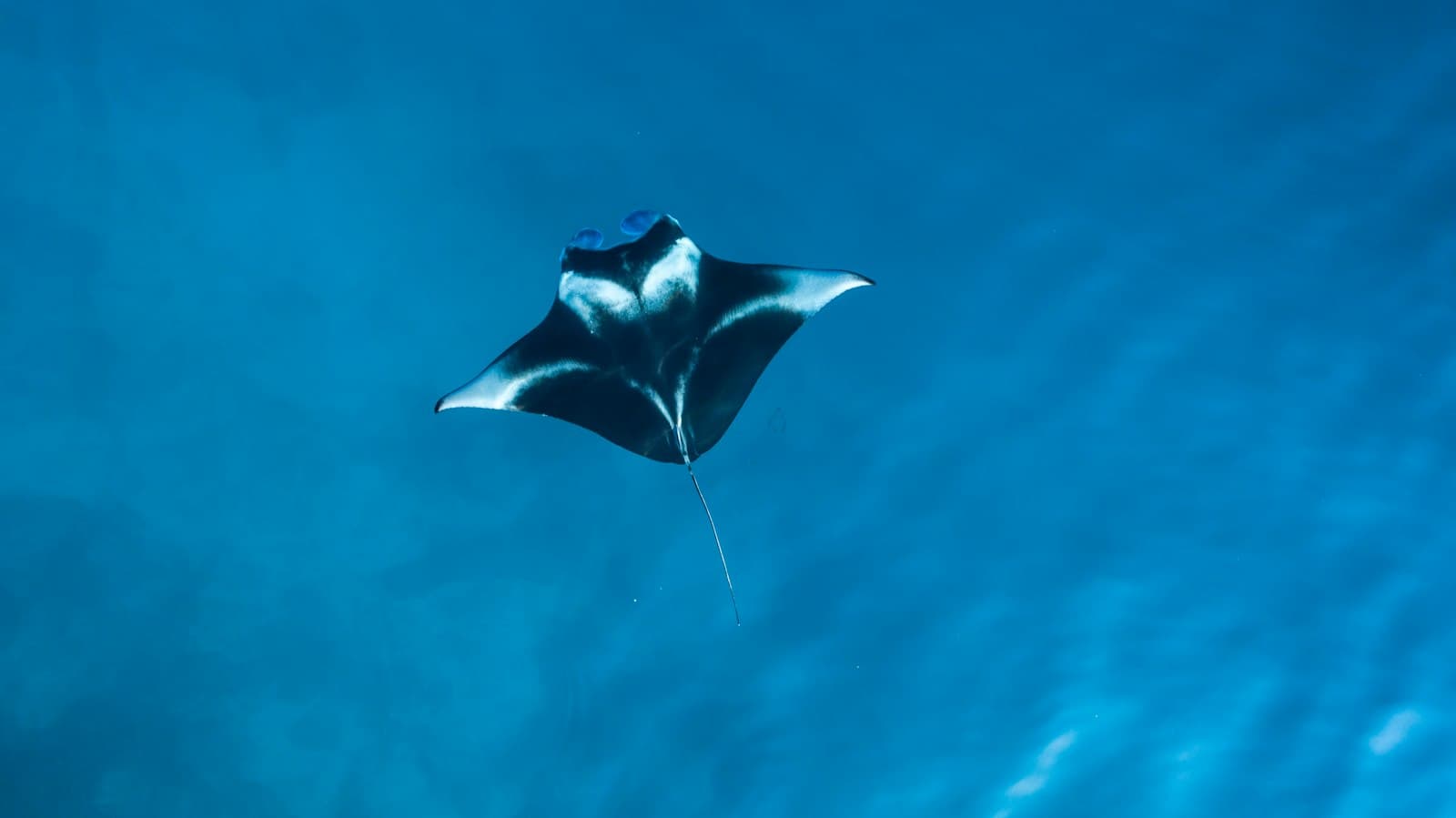
The Best Things to Do in Baa Atoll

Baa Atoll Ranked: The Experiences Worth Building a Spring Trip Around
Baa Atoll doesn't need embellishing. It was named a UNESCO Biosphere Reserve in 2011, it holds one of the Indian Ocean's most famous manta-feeding sites, and it still has working local islands where lacquer artisans do the same craft their grandfathers did. The trouble isn't finding things to do here — it's resisting the urge to cram all of them into four days on a private island you never leave. This list ranks the experiences that earn a place on a short itinerary, in April's calmer, quieter inter-monsoon window, and it's honest about which ones peak later in the year.
We ranked these against three questions: does it depend on Baa Atoll's specific geography rather than being a generic resort activity, is it accessible within a realistic multi-resort itinerary, and does it hold up specifically in spring, not just during peak manta season.
Anything that only makes sense from June through November — the height of Hanifaru Bay's plankton blooms — is flagged as such, so you're not planning a spring trip around a show that hasn't started yet.
Snorkel Hanifaru Bay Marine Protected Area
The Biosphere Reserve's headline act, on a quieter April schedule
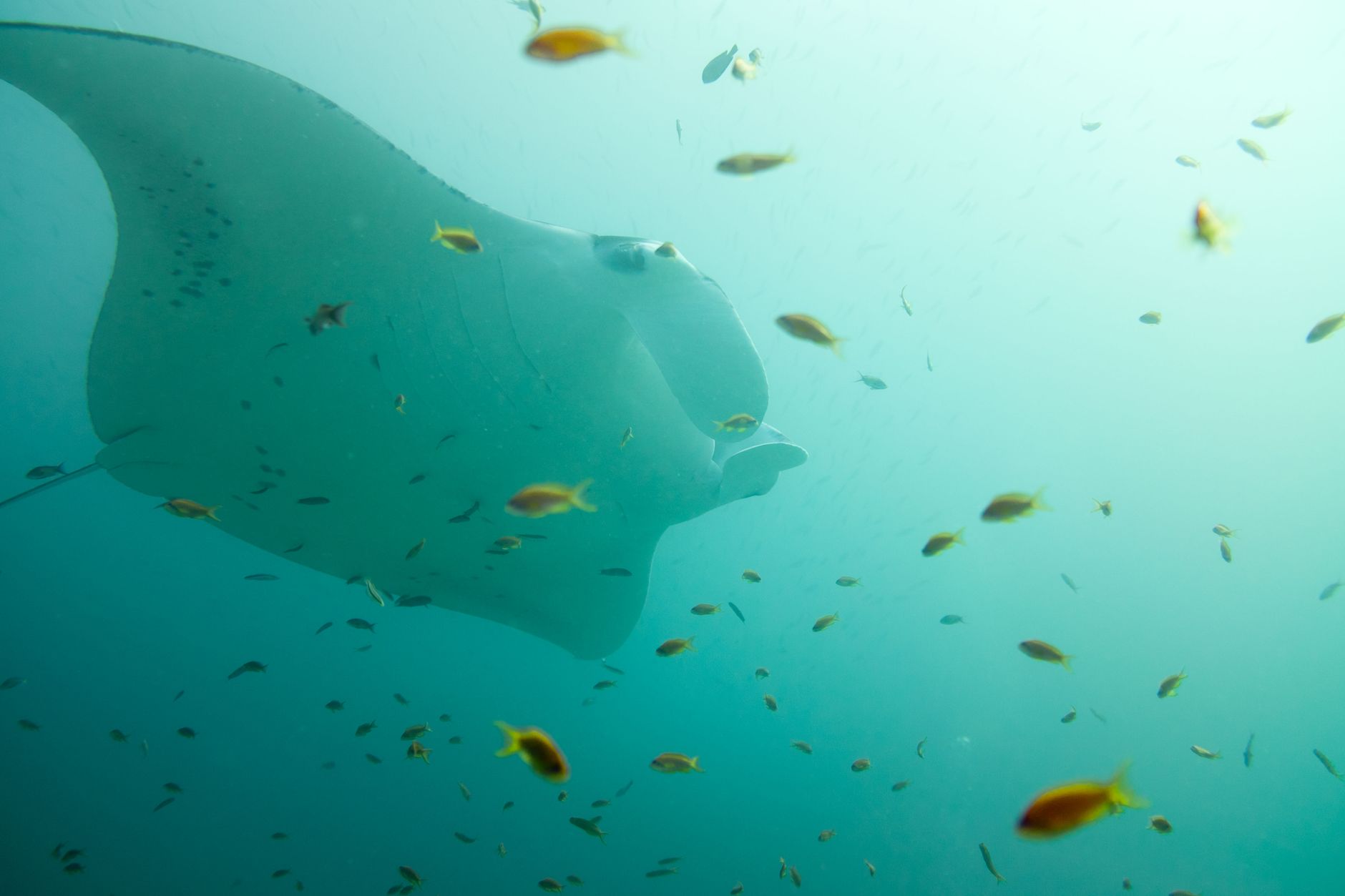
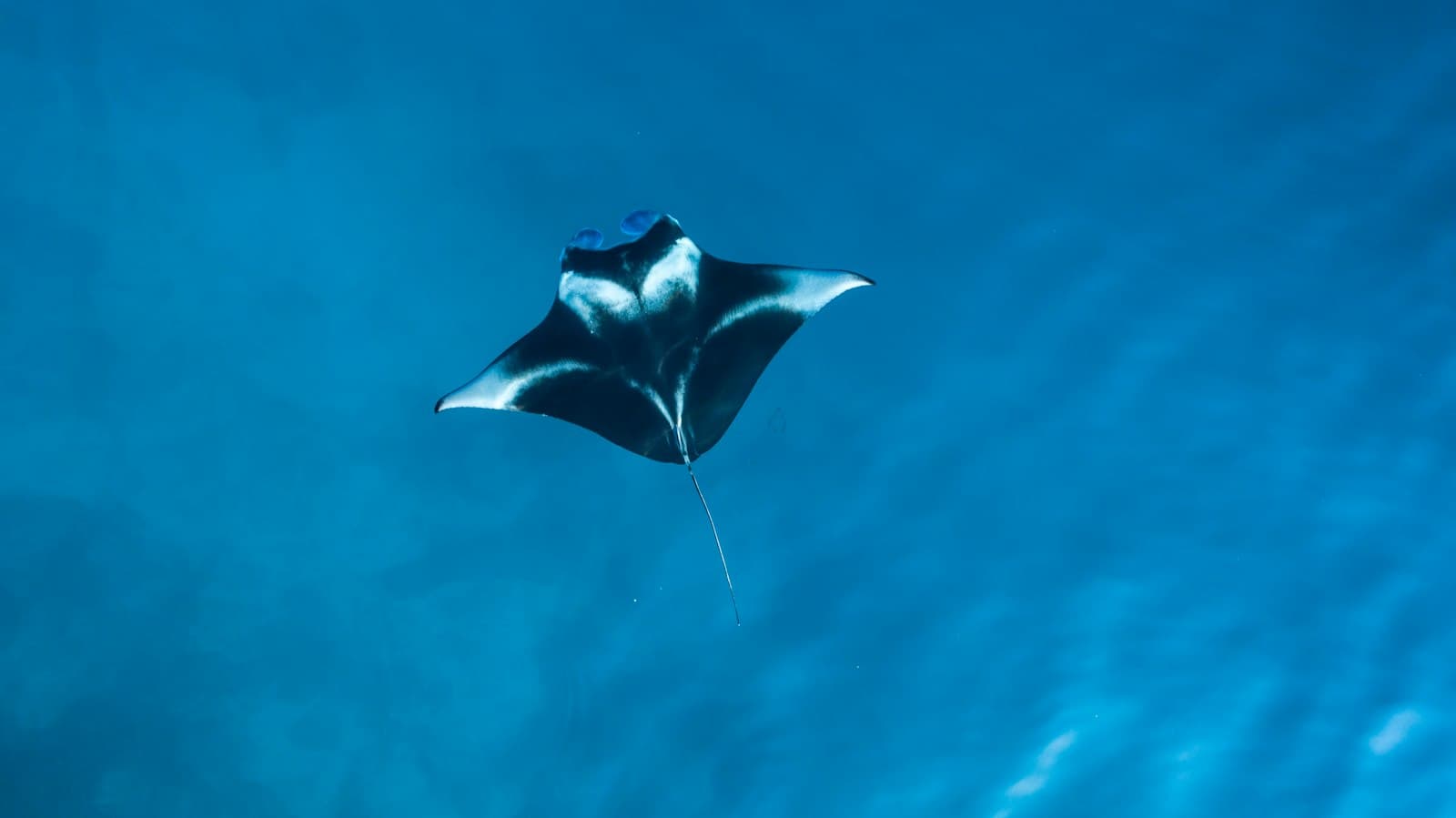
Hanifaru Bay is a small horseshoe of reef, barely a few hundred metres across, tucked against Dhonfanu Island inside the core zone of the Baa Atoll UNESCO Biosphere Reserve. When monsoon currents push plankton against the reef wall, reef manta rays and occasionally whale sharks gather to feed in numbers that made the bay famous.
Entry is permit-controlled: a limited number of snorkelers are allowed in at a time, no diving is permitted, and touching or free-diving down to the animals is strictly banned. Resorts arrange the excursion through their marine biology teams, and boat rides run 20-40 minutes depending which island you're staying on. Expect to pay roughly $60-90 per person for the trip including permit fees, on top of resort transport.
April sits ahead of the main event — the big feeding aggregations build from June and peak between August and November. In spring, sightings of resident mantas are still likely but less guaranteed, and that's the trade worth knowing about: far fewer boats, clearer water, and a calmer bay instead of a crowded one.
Visit the Marine Discovery Centre at Four Seasons Landaa Giraavaru
A working research lab you can actually walk through
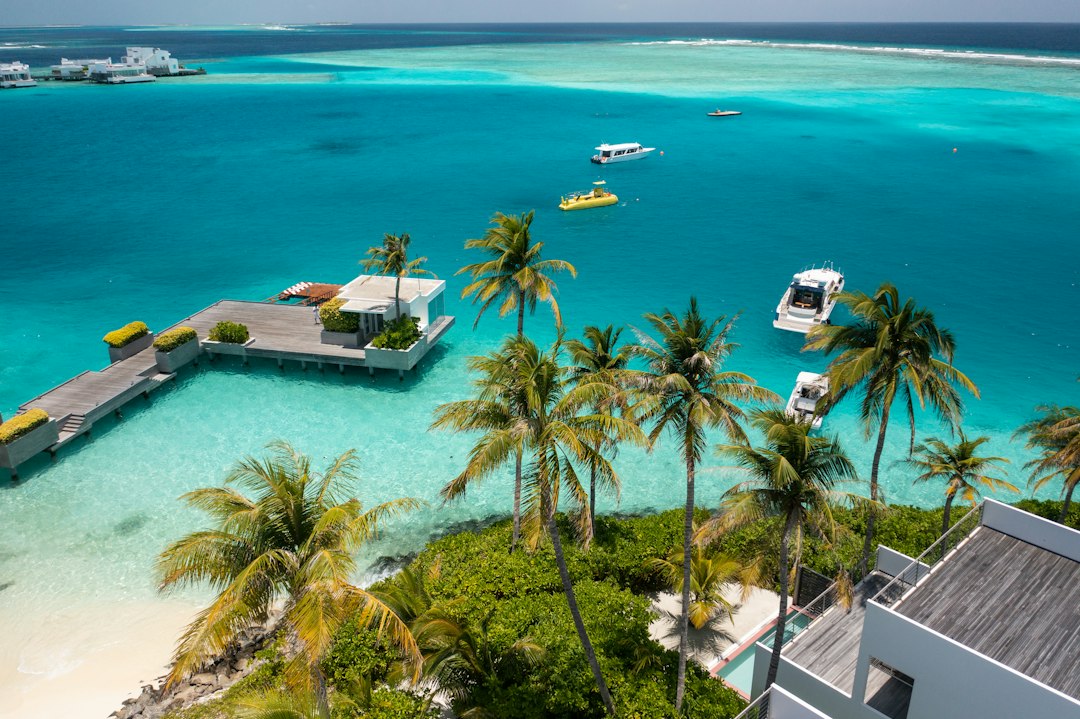
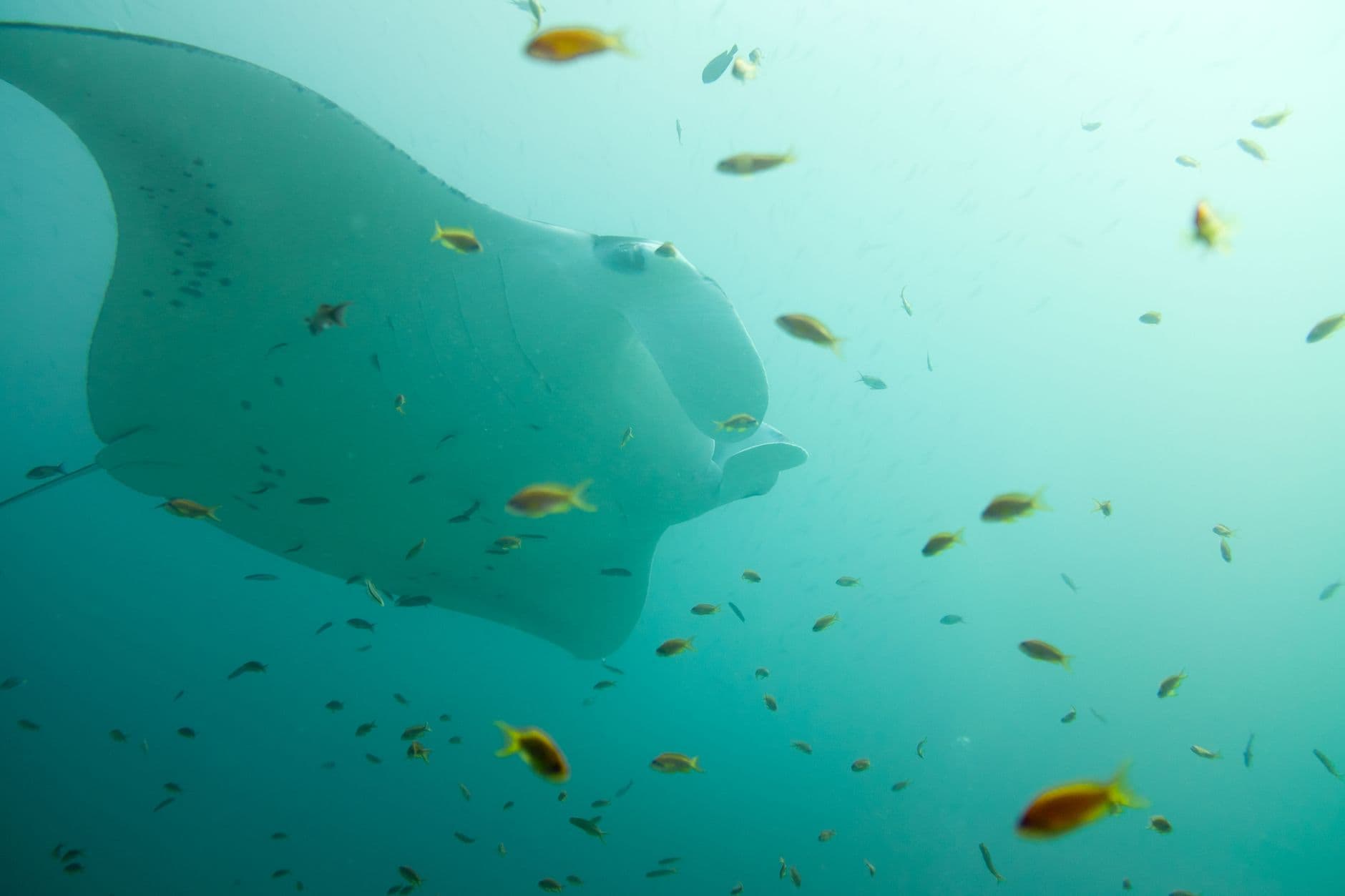
Four Seasons Resort Maldives at Landaa Giraavaru occupies its own island roughly 25-40 minutes by seaplane from Malé, and it's built its identity around a genuine research operation. The Marine Discovery Centre works alongside Manta Trust researchers, who run a long-standing photo-identification catalogue of individual reef manta rays moving through Baa Atoll's channels.
Guests can join lab tours, coral propagation walks, and marine biologist-led night snorkels most evenings, usually starting around sunset and running 60-90 minutes. It's the rare case where the 'eco' framing isn't marketing gloss — the researchers you meet on the jetty are the same ones publishing the data.
If you're staying elsewhere in Baa Atoll, ask your resort whether a day visit can be arranged; a few neighbouring properties coordinate boat transfers for guests keen to see the centre without relocating.
Watch a Film Under the Stars at Soneva Fushi
Cinema Paradiso and the observatory, on Kunfunadhoo Island
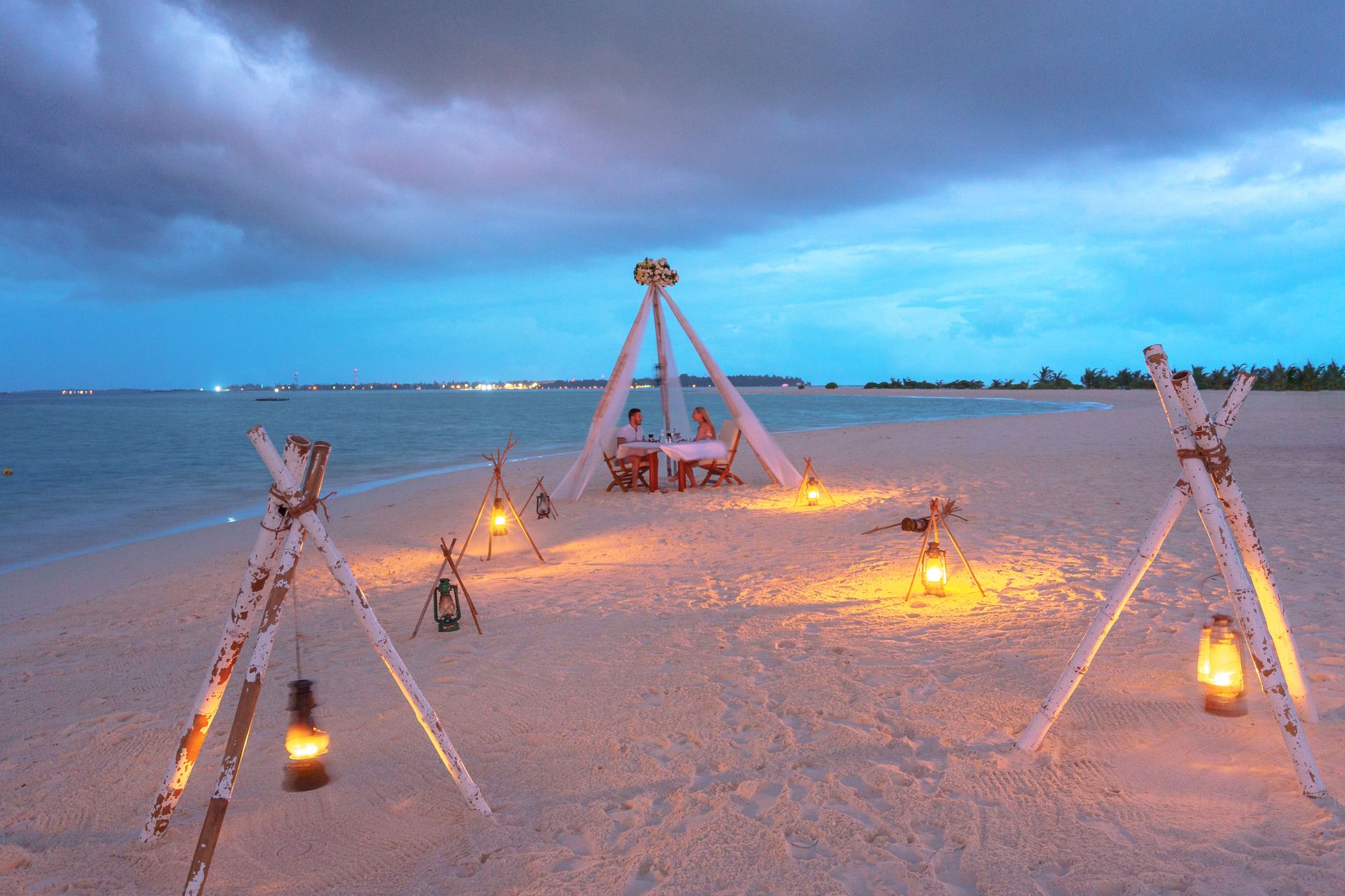
Soneva Fushi, the brand's founding property, opened on Kunfunadhoo Island in 1995 and set the template for barefoot Maldivian luxury that half the atoll's other resorts still chase. It's roughly 30 minutes by seaplane from Velana International Airport.
Cinema Paradiso, an open-air theatre carved into the jungle, screens films most nights with blankets and free popcorn — no shoes required, in keeping with the resort's whole ethos. A short walk away, the observatory houses one of the region's largest guest-accessible telescopes, and resident astronomers run 45-60 minute stargazing sessions when skies cooperate.
April's clearer inter-monsoon skies, before the cloud cover of the southwest monsoon builds through May, make this a genuinely good month for the observatory rather than a coin toss.
Tour the Lacquerware Workshops of Thulhaadhoo
The craft that once furnished Maldivian sultans, still practiced by hand
Thulhaadhoo is a working, inhabited island in Baa Atoll, and it's the historic home of liyelaa jehun — Maldivian lacquer work traditionally turned on betel-nut palm wood and layered in bands of red, yellow, black and green. Bowls and boxes made here were once presented to Maldivian sultans as ceremonial gifts.
Small family workshops open their doors to visitors, and it's worth watching the actual turning and carving rather than just browsing the showroom shelves. Finished pieces run roughly $20-80 depending on size and detail.
Most resorts arrange this as a half-day excursion, boat transfer running 20-45 minutes depending on your island, with guided visits typically priced $60-120 per person including the boat.
Dive Baa Atoll's Thilas — Kakani and Dhonfan
Reef pinnacles that pull sharks and rays out of the blue
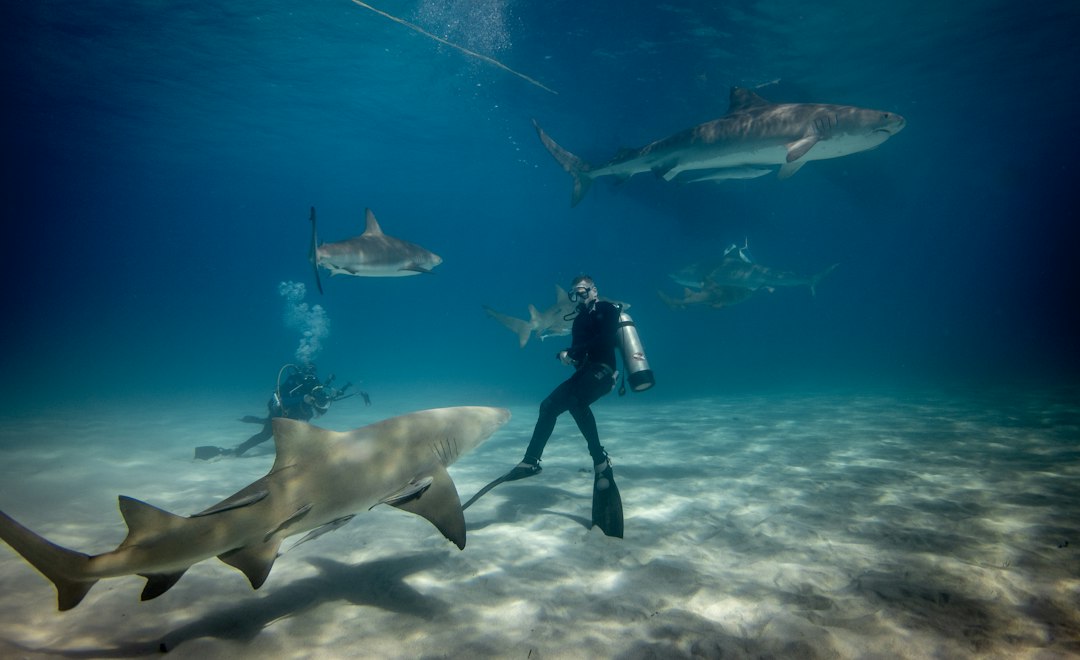
Baa Atoll's thilas are submerged reef pinnacles rising from around 25-30 metres up to near the surface, and they concentrate marine life the way a hilltop concentrates wind. Kakani Thila and Dhonfan Thila are the two most consistently rewarding, drawing grey reef sharks, eagle rays, and dense schools of fusiliers along their current-swept walls.
Most resort dive centres run two-tank morning trips, typically $120-160 including gear rental and a certified guide, with a surface interval spent drifting or snorkeling a nearby reef flat.
April tends to bring visibility of 20-30 metres, part of the calm inter-monsoon window before conditions build toward the southwest monsoon later in May.
Cordelie travel advisors
Planning Baa Atoll? Go with someone who knows
The right suite, the right season, the reservations that never appear online — your Cordelie advisor knows them, and holds them for you.
Plan with a Cordelie advisorFree to ask. Cordelie Travel Services · IATA/ARC 06649064
Take a Private Sandbank Picnic from Milaidhoo Island
An uninhabited sandspit, a cabana, and nothing else
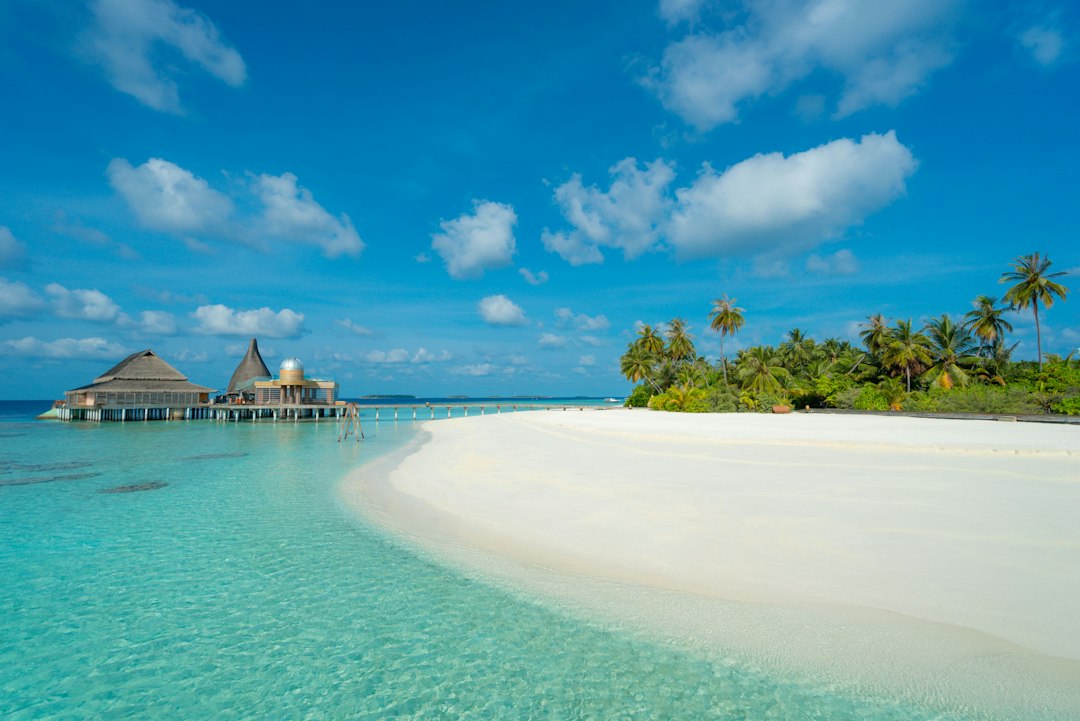
Milaidhoo Island Maldives, a boutique all-villa resort, sets up private picnics on nearby uninhabited sandbanks, usually a 15-20 minute boat ride from the main island. It's a genuinely simple idea done well: a shaded cabana, chilled towels, paddleboards, and a curated lunch on sand that no one else is standing on.
Pricing typically runs $250-400 per couple depending on the menu and length of stay. April's low humidity and calm inter-monsoon seas make it one of the better months for this — the light stays flattering well into the afternoon, and the water rarely has the chop that arrives with the later southwest monsoon.
Chase Spinner Dolphins on a Sunset Cruise
The bow wave becomes a stage most evenings
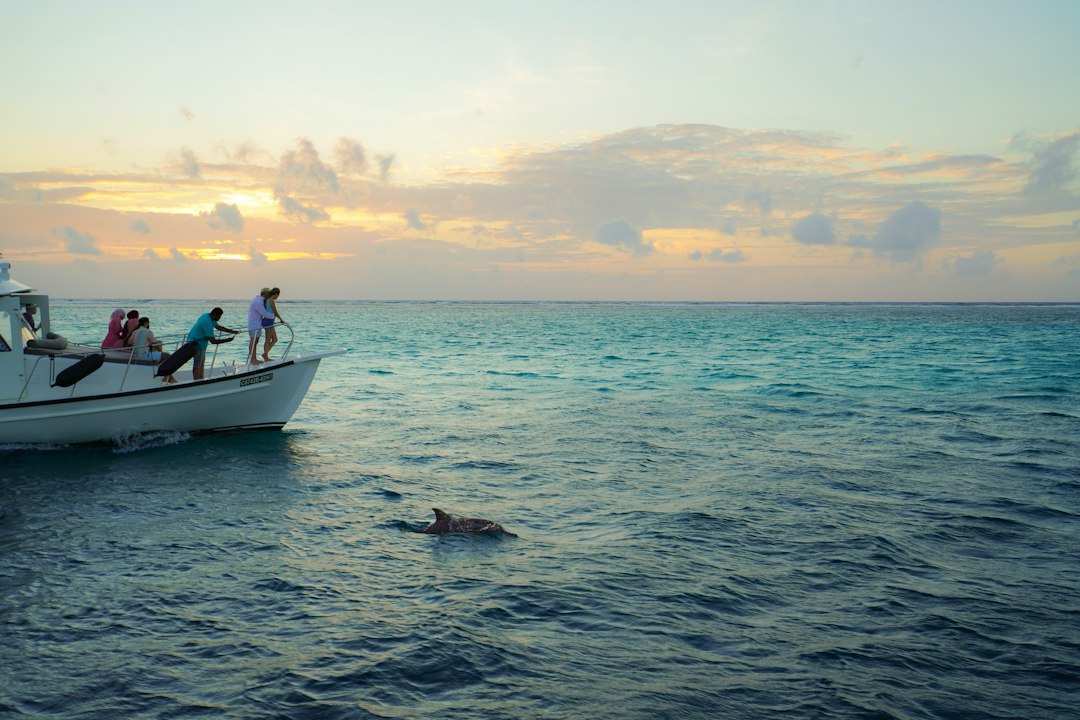
Most Baa Atoll resorts run an early-evening dolphin cruise, typically 60-90 minutes, departing somewhere between 17:30 and 18:00 to catch spinner dolphin pods feeding in the atoll's deeper channels. Sightings are frequent rather than guaranteed, but the boats know the channels these pods favour.
Drinks and light snacks are included at many resorts as part of the excursion; where it's not bundled into your stay, expect to pay roughly $40-70 per person.
Wade the House Reef for Turtles at Low Tide
No boat, no permit — just the right hour
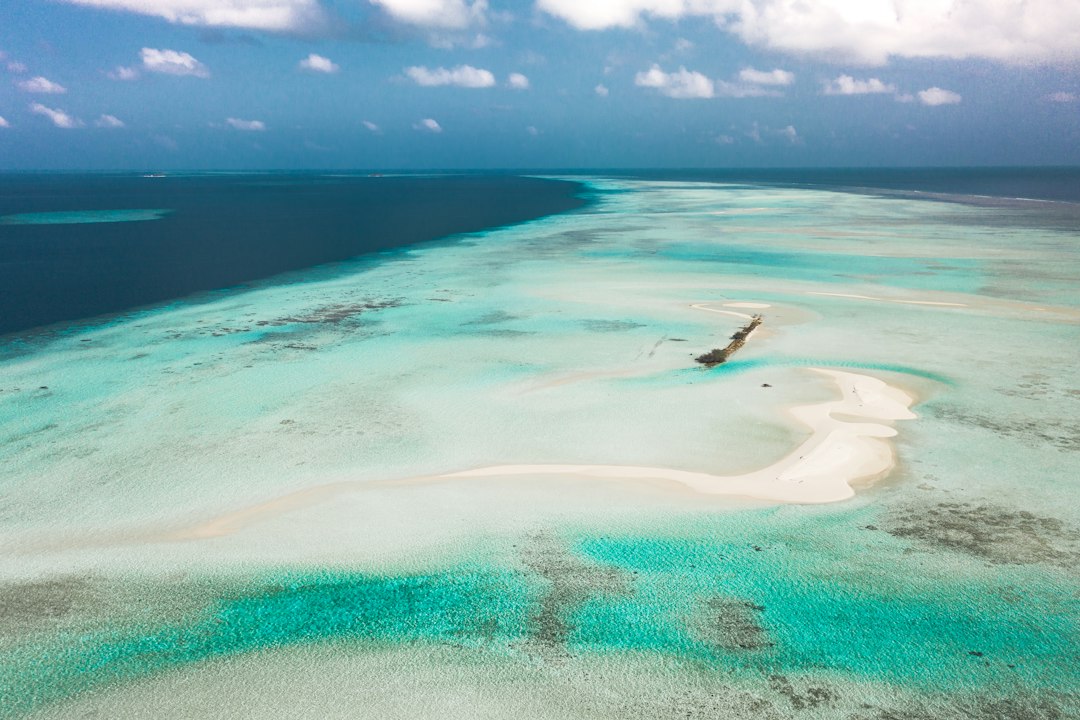
This one costs nothing beyond your resort stay. Most islands in Baa Atoll sit directly on a house reef, and hawksbill and green turtles are commonly seen grazing on sponges just metres offshore, no boat required.
The best window is an hour either side of low tide, when the reef flat shallows enough to wade straight out from the beach. Go before 09:00 if you can — the water is usually at its clearest before the afternoon wind picks up and stirs the sand.
Three More Baa Atoll Experiences Worth Squeezing In
If your schedule stretches beyond the essentials above, a handful of other Baa Atoll experiences are worth a mention even though they didn't crack the ranked list. A visit to Eydhafushi, the atoll's small administrative capital, gives a look at everyday Maldivian island life away from the resort bubble — a short walk past the harbour, the local school, and a modest market selling fresh fish and produce. Kihaad Maldives runs an overwater spa built out over the lagoon, worth an afternoon if treatments matter to your trip as much as reefs do. And a handful of resorts still offer traditional night fishing trips by hand-line off a dhoni, usually 90 minutes to two hours after dark — low-tech, unhurried, and a good antidote to a day spent chasing mantas.
For the fuller logistics on getting here — seaplane versus domestic flight, which resorts sit closest to Hanifaru Bay, and what April weather actually looks like — the Baa Atoll quick guide fills in the planning detail this list doesn't have room for.
Hanifaru Bay's permit system, the seaplane-versus-domestic-flight decision into Dharavandhoo, and choosing between islands with very different personalities — Soneva Fushi's jungle sprawl, Milaidhoo's compact intimacy, Landaa Giraavaru's research focus — are exactly the kind of decisions worth getting right the first time.
A Cordelie advisor designs the trip around what April actually offers here, not around a manta season that hasn't started, and secures the villa categories and excursion slots that book out fastest in the shoulder months.
Top Pick: Hanifaru Bay Marine Protected Area
The single Baa Atoll experience worth anchoring an itinerary around, even in a quieter month.
No other spot in the atoll combines this much biology, this much protection, and this much genuine unpredictability. A permit-controlled snorkel inside a UNESCO Biosphere Reserve core zone isn't something you'll find replicated elsewhere in the Maldives, and even outside peak manta season it remains the trip's emotional centre.
Pair it with a marine biologist-led excursion at Landaa Giraavaru and a slower half-day on Thulhaadhoo, and you've got a Baa Atoll itinerary that earns the effort of getting here — a point made at length in one traveler's own spring visit.
Last checked for accuracy: . How we check

Alex Moreau writes about going slowly. Nine years of reporting from trains, river boats and towns nobody has a hashtag for, mostly across Europe and North Africa. They live in Lisbon, keep a running list of the continent's best two-hour lunches, and believe most itineraries would improve if you deleted a city.
Related Articles
Baa Atoll Quick Guide: Everything You Need to Know
Baa Atoll draws marine naturalists to Hanifaru Bay's manta rays each spring, but the atoll's true reward is quieter: unspoiled reefs, inhabited islands unchanged by tourism, and the chance to witness Maldivian life on its own terms.

My Spring in Baa Atoll: A Travel Story
A first-person account of five days in Baa Atoll's UNESCO Biosphere Reserve — calm April seas, an unpredictable Hanifaru Bay manta show, and the long daylight-only journey to get there.

Baa Atoll Quick Guide: Everything You Need to Know
Baa Atoll combines UNESCO-protected reefs with untouched village culture. Spring brings calm seas, manta rays, and visibility exceeding 30 meters—perfect for diving.