
Essential Tips for Traveling to Hokkaido

Hokkaido's Spring Window Is Narrower — and Stranger — Than the Guidebooks Admit
Most people planning a Japan trip picture spring the way Kyoto or Tokyo sells it: trees exploding pink by late March, crowds under the blossoms by early April, done by Golden Week. Hokkaido runs on its own calendar entirely, and it has almost nothing to do with the mainland's. Snow can still sit in the passes above Furano into mid-April, while the herring boats are already working the coast off Otaru and the first spring asparagus is going into crates outside Biei. Travelers who bring Honshu assumptions north tend to rush between towns chasing blossoms that haven't opened yet, or miss them entirely by arriving a week too late. Hokkaido's spring isn't a colder, smaller version of the south's — it follows a fishing and farming rhythm shaped by the island's short, brutal winters and by a settlement history barely 150 years old in most of its towns, layered over much older Ainu land use that most itineraries skip past entirely. Get the sequence wrong and you spend a week photographing bare branches. Get it right and you catch Matsumae's cherry trees, then Hakodate's, then Otaru's herring season, then Sapporo's parks a week later still — each one a genuinely different scene, not a repeat.
Japan's cherry blossom front, the sakura zensen, climbs the archipelago from south to north each spring. By the time it reaches Hokkaido — usually the last week of April — it has taken roughly six weeks to travel up from Kyushu, arriving nearly a month after Tokyo and Kyoto have already dropped their petals. Matsumae, at the island's southern tip, typically blooms first; Sapporo's Maruyama Park usually follows seven to ten days after Hakodate does.
Seven Ways to Read Hokkaido's Spring Correctly
1. Chase the blossoms south to north, not the other way around
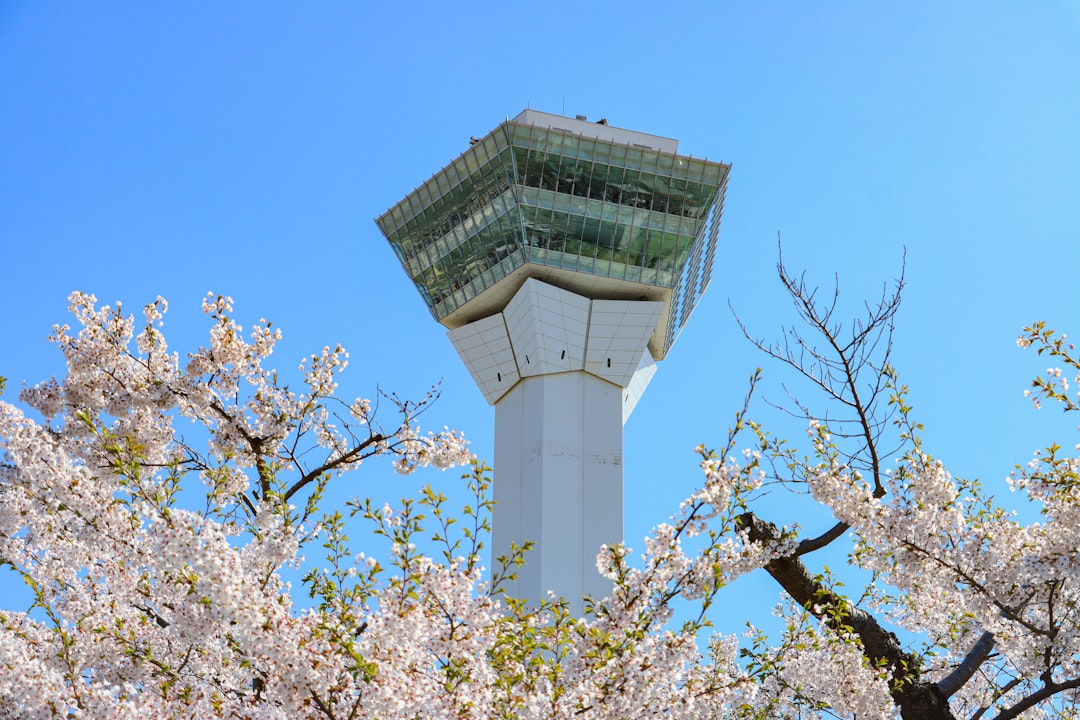
Matsumae, the walled town at Hokkaido's southern tip that once anchored the only domain the shogunate permitted to trade with Ainu communities and passing Russian ships, usually blooms first — often in the final days of April. Its castle grounds hold cherry plantings gathered over decades, mixing early and late cultivars, so the festival window runs nearer three weeks than the single burst you'd get from a park planted with one variety. Hakodate's Goryokaku Park, the star-shaped fort built in 1866 and the site of the Boshin War's last stand in 1869, typically peaks in the last days of April into the first week of May, its moat ringed with several thousand trees. Sapporo's Maruyama Park follows about a week to ten days later. Read that sequence backwards and you'll spend a week chasing bare branches instead of blossoms. For a sense of how these towns sit relative to each other before you fix dates, the Hokkaido Quick Guide lays out the island's regions in one place.
2. Base yourself in Otaru's canal district rather than day-tripping from Sapporo
Otaru sits about 30–35 minutes from Sapporo by JR rapid train, roughly ¥800 one-way., which tempts most visitors into a rushed afternoon. That shortchanges a town built on the herring boom of the late 1800s and early 1900s, when merchant families grew rich enough to build the nishin goten — herring mansions — that still stand along the coast road. Stay two nights instead. You get an evening at the canal, when the old gas-style lamps come on around sunset and the stone warehouses glow on the water, plus an unhurried morning at Tanaka Sake Brewery, founded in 1899, where a spring tasting flight of three runs about ¥500-800.
3. Rent a car for the Furano-Biei loop — the trains won't get you there in spring
Furano and Biei are famous for flower fields that don't actually bloom until June through August. In April and May the draw is different — melting snow still patching Biei's rolling hills, and the region's asparagus harvest just starting. JR Furano Line services thin out in spring, and several farm viewpoints simply aren't staffed yet, so a rental car matters more here than almost anywhere else on the island. Sapporo to Furano runs about two hours and 120 kilometers by road, and some back lanes still carry late snow into early April. Before you commit to a route, the Best Things to Do in Hokkaido guide is worth checking for which farms and viewpoints are actually open before the summer flower season begins.
4. Eat the two-week window for Furano asparagus and Otaru herring
Set aside the king crab expectations for a moment and look at what's actually in season. Furano's asparagus harvest runs roughly early May through June, and market stalls near JR Furano Station sell it by the bundle for about ¥500-800. Along the coast at Otaru and neighboring Yoichi, spring is herring season — nishin — the same fish that funded those merchant mansions a century ago, now served simply grilled or worked into nishin soba at local izakaya. It's a different plate than the salmon and crab most visitors picture, tied to a specific few weeks rather than available year-round.
5. Give Upopoy, Hokkaido's Ainu museum, a half-day rather than a drive-by
Most itineraries treat the island's Indigenous history as a paragraph in a pamphlet. Upopoy National Ainu Museum and Park, on the shore of Lake Poroto in Shiraoi, deserves a half-day rather than a stop between airport and hotel. It sits about an hour from New Chitose Airport by car, or a short walk from JR Shiraoi Station, and admission runs around ¥1,200 for the museum, with traditional performances scheduled through the afternoon. The museum is closed on Mondays, so check the calendar before slotting it into a tight schedule.
6. Pack for a 10-15°C daily swing, not a season
Sapporo's April mornings often sit near freezing while afternoons climb toward 10-12°C; by mid-May, highs of 18-20°C aren't unusual. That swing is worse near Biei and Furano, where snowmelt turns farm roads to mud well after the fields themselves look dry. Bring a proper mid-layer and shoes you don't mind getting wet, and check forecasts town by town rather than trusting one number for the whole island.
7. Book around Golden Week, not through it
Golden Week — the run of national holidays from April 29 to May 5 — sends a large share of Japan's domestic travelers north at exactly the moment Hokkaido's blossoms peak. Ryokan and rental cars that were easy to find in March can be gone by mid-April, and prices climb accordingly. If your dates are flexible, either land a few days before April 29 or wait until the week after; either side of that window gets you the same trees with a fraction of the competition for rooms.
Cordelie travel advisors
Planning Hokkaido? Go with someone who knows
The right suite, the right season, the reservations that never appear online — your Cordelie advisor knows them, and holds them for you.
Plan with a Cordelie advisorFree to ask. Cordelie Travel Services · IATA/ARC 06649064
The Timing and Etiquette Slips That Catch Spring Visitors in Hokkaido
What to Do vs. What Trips Up First-Time Spring Visitors
Pros
- ✓Check regional bloom forecasts weekly from mid-April rather than relying on one national date
- ✓Reserve Noboribetsu or Otaru accommodation three to six months ahead, especially near Golden Week
- ✓Carry cash — rural shops, sake breweries and Otaru's glass studios often don't take foreign cards
- ✓Set aside a half-day for Upopoy in Shiraoi rather than treating Ainu culture as a photo backdrop
- ✓Rent a car for the Furano-Biei loop, since spring rail service is reduced
Cons
- ✗Don't expect Furano's flower fields to be in bloom before June — spring here is asparagus and snowmelt, not lavender
- ✗Don't book Golden Week travel late; rooms and rental cars thin out fast from mid-April
- ✗Don't assume one blossom date applies island-wide — Matsumae, Hakodate and Sapporo can be a full two weeks apart
- ✗Don't skip layers on a sunny-looking morning; Hokkaido spring temperatures swing hard between dawn and midday
- ✗Don't treat Otaru as a two-hour stop from Sapporo — the town rewards an overnight, not a rushed detour
Reading Hokkaido's Bloom Front Like Someone Who Lives There
Hokkaido's blossom window shifts by up to two weeks year to year, and the ryokan with the best view of it can be booked out eight months ahead by regulars who return every spring. A Cordelie advisor tracks the bloom forecasts as they firm up through March and April and can set your Otaru and Hakodate nights to land on the days the trees are actually at their best, while holding a room at a Noboribetsu onsen ryokan with a private cypress bath and a table at a sushi counter that doesn't take same-week reservations.
The result is a trip built around the two or three weeks Hokkaido looks like nowhere else in Japan, rather than one built around whatever dates happened to still be open when you booked.
Your Pre-Departure Checklist for a Hokkaido Spring Trip
Print this before you finalize dates — most of it is about sequencing, not packing.
Hokkaido Spring Checklist
Last checked for accuracy: . How we check

Alex Moreau writes about going slowly. Nine years of reporting from trains, river boats and towns nobody has a hashtag for, mostly across Europe and North Africa. They live in Lisbon, keep a running list of the continent's best two-hour lunches, and believe most itineraries would improve if you deleted a city.
Related Articles
My Spring in Hokkaido: A Travel Story
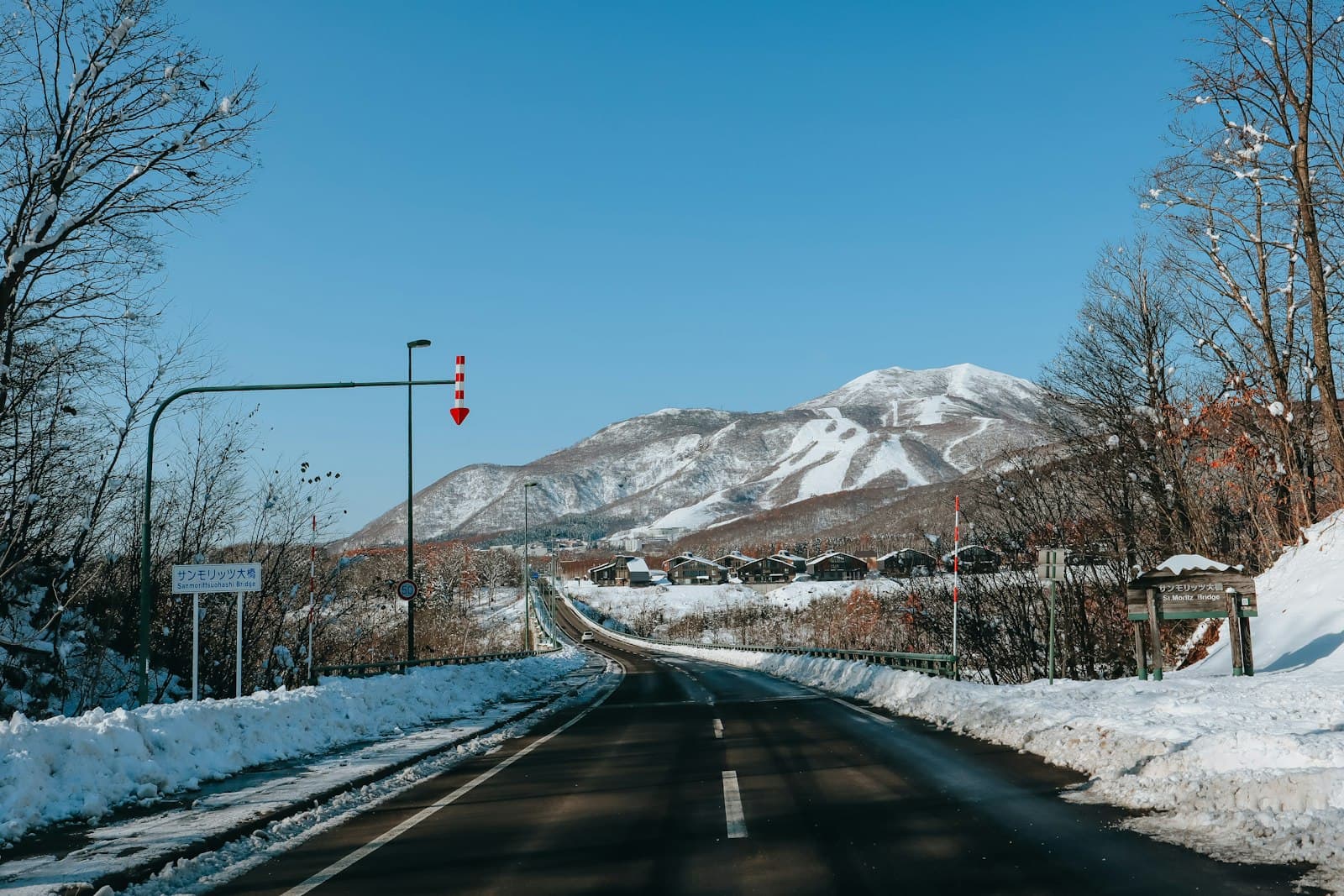
A first-person account of chasing Hokkaido's contradictory spring — cherry blossoms over melting snow, a half-frozen Blue Pond, and lift closures that rewrote the plan daily.

The Complete Guide to Hokkaido: What to See, Do & Eat
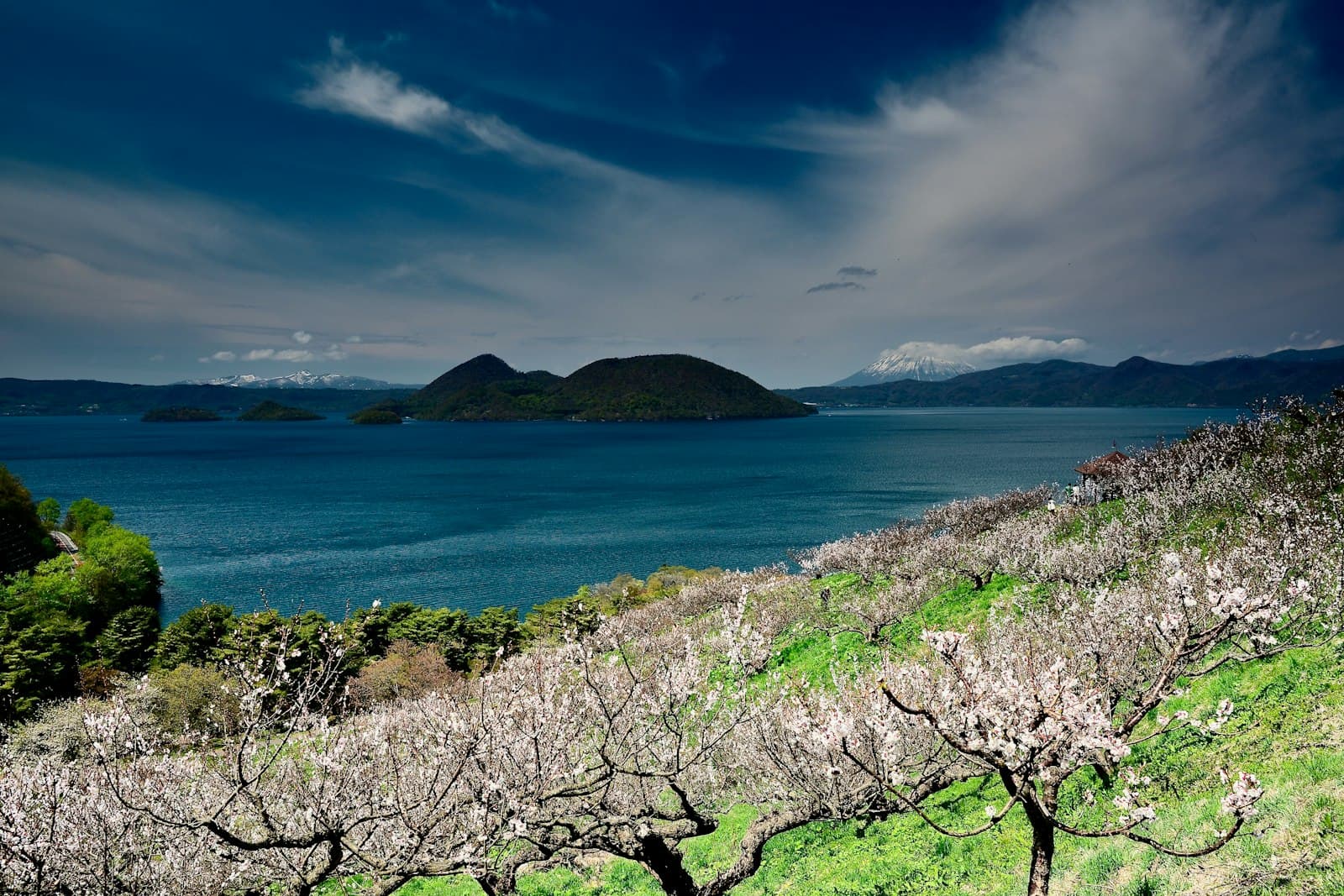
Hokkaido's cherry blossoms bloom weeks behind the rest of Japan, giving spring travelers a second chance to catch them. Here's how to base slowly across Sapporo, Otaru and Hakodate.
Hokkaido Quick Guide: Everything You Need to Know
Hokkaido in winter is Japan's deepest snow and slowest rhythms. Stay long enough to feel the season shift.