
Hokkaido Quick Guide: Everything You Need to Know

Key Facts
Hokkaido in Winter: Japan's Deepest Snow and Slowest Rhythms
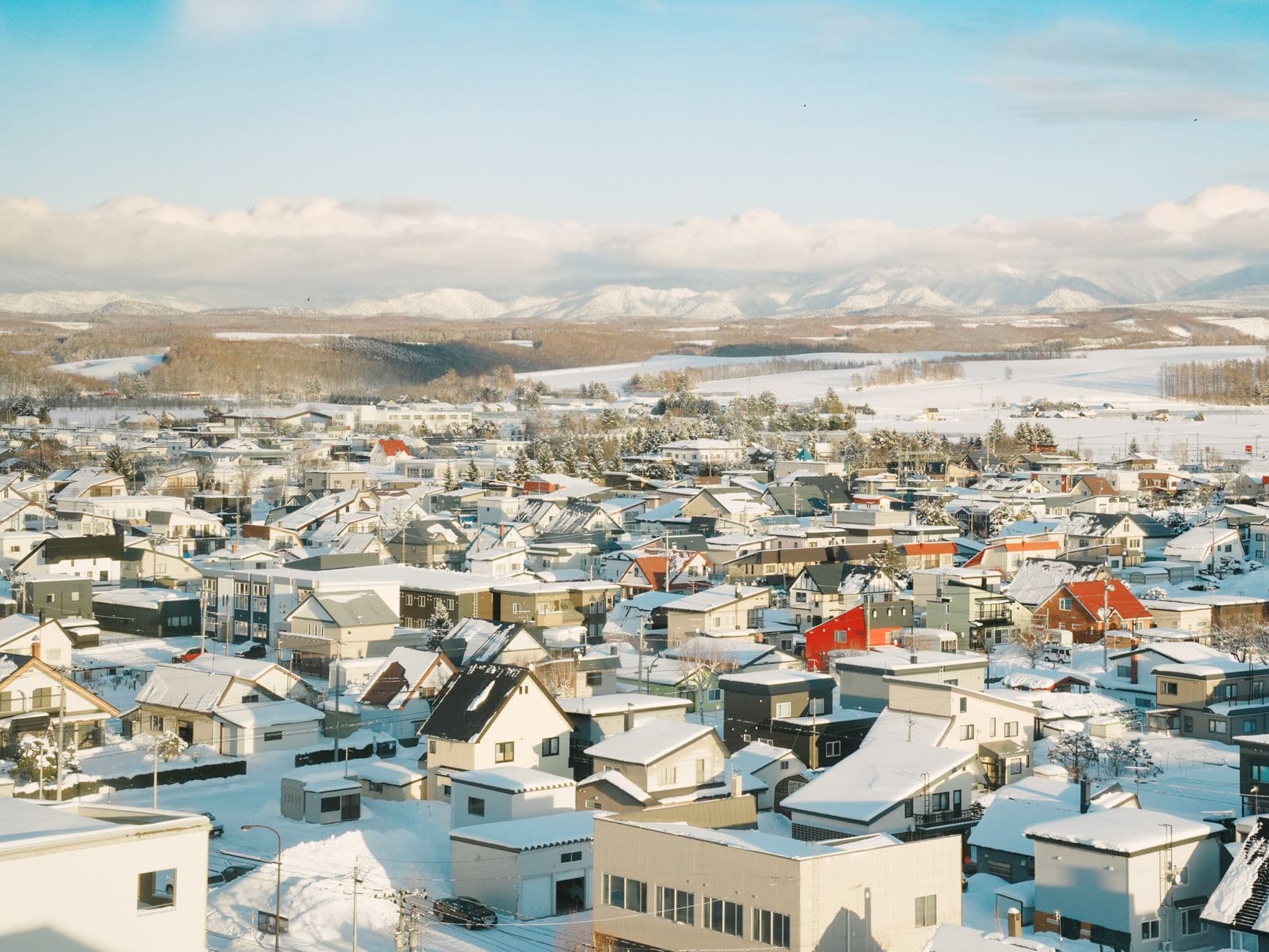
Hokkaido does not announce itself. The northernmost of Japan's four main islands stays quiet even when it fills with visitors—which, in winter, is often. Snow here is not decoration; it is the texture of daily life. In Sapporo, drifts pile higher than a person's head. On the slopes near Niseko, Hirafu, and other resort villages scattered across the island's western mountains, the powder reaches qualities that draw skiers from across the globe. Yet most visitors move too fast to taste what Hokkaido actually offers, which is not spectacle but duration. The cold lasts. The snow accumulates without theatrical melt. And in that persistence lives something increasingly rare: the chance to stay in one place long enough to feel a season shift.
What Makes Hokkaido Different From the Rest of Japan
Hokkaido is younger—in settlement history and in the texture of its towns. It became part of the Japanese state only in the nineteenth century, and that lateness shows. Cities like Sapporo (home to roughly 2 million people) sprawl in a grid rather than climbing and folding as Tokyo or Kyoto do. The streets are wide enough to move through during the heaviest snowfalls. The island's interior is still largely empty forest and farmland, which means you can drive for an hour and see almost nothing but trees.
The climate isolates Hokkaido from the rest of the country. Winters drop to around −5° to −10°C (20° to 10°F) in the cities, colder in the mountains. That cold carries consequence: it determines which crops grow, which fish swim the surrounding waters, which visitors come. The tourist who comes to Hokkaido in January is choosing a different experience entirely from one who arrives in Kyoto in spring. This is deliberate travel, not a box checked off.
Hokkaido produces more than 90% of Japan's corn and a significant portion of its potatoes, wheat, and dairy. Winter agriculture here means storage and preservation—the season shapes what you eat on the island as deeply as it shapes the landscape.
Where Winter Travelers Actually Go
Sapporo is the axis. The city sits on the island's southwestern side and serves as the arrival point for most visitors—either by air or train from Honshu. From Sapporo, most people radiate outward in one of two directions: west to the ski resorts clustered around Niseko and Hirafu (roughly 100 kilometers by road), or south-central to Furano, which sits in a valley about 120 kilometers away and is known for both skiing and as the center of Hokkaido's agricultural landscape.
Niseko and Hirafu are not quiet. They have become Asia's premier ski destination, drawing visitors from Australia, the Middle East, and across Southeast Asia. The snow here is consistently deep and light—the result of moisture-heavy clouds moving across the Japan Sea before dumping their load on the western slopes. Hotels fill months ahead. Restaurants serve Australian beef and Middle Eastern mezze alongside tonkatsu and ramen.
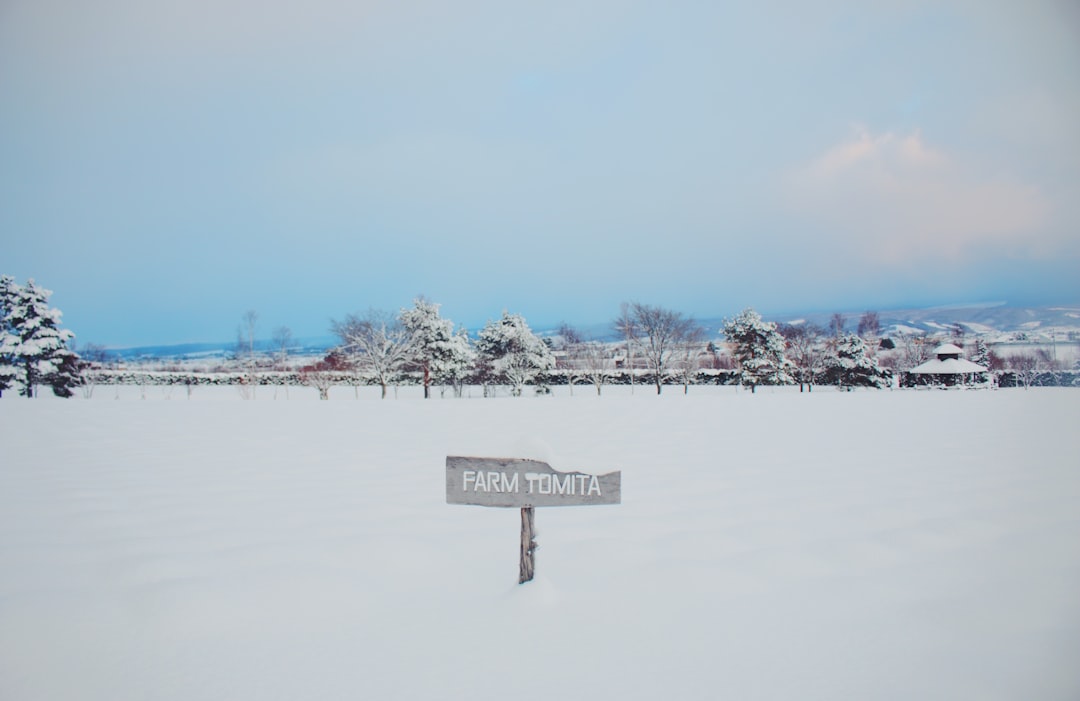
Furano, by contrast, quiets down once the ski season tapers. It is a farming town where winter means ski resorts rather than being defined by them. Stay here for three days, and you begin to notice the rhythms of rural life—which shops open, which roads clear first after snowfall, how a restaurant's menu shifts according to what came in that morning from the surrounding farms. This is where slow travel in Hokkaido actually lives.
In the far north, Asahikawa and Wakkanai sit near the edge of the island. Few visitors penetrate this far inland, which means the ski towns here—like Asahidake—remain calmer. The winter scenery is equally dramatic: frozen valleys, ice formations on cliffs, and the chance to see the island from the perspective of the people who live there.
What You Will Actually Do Here
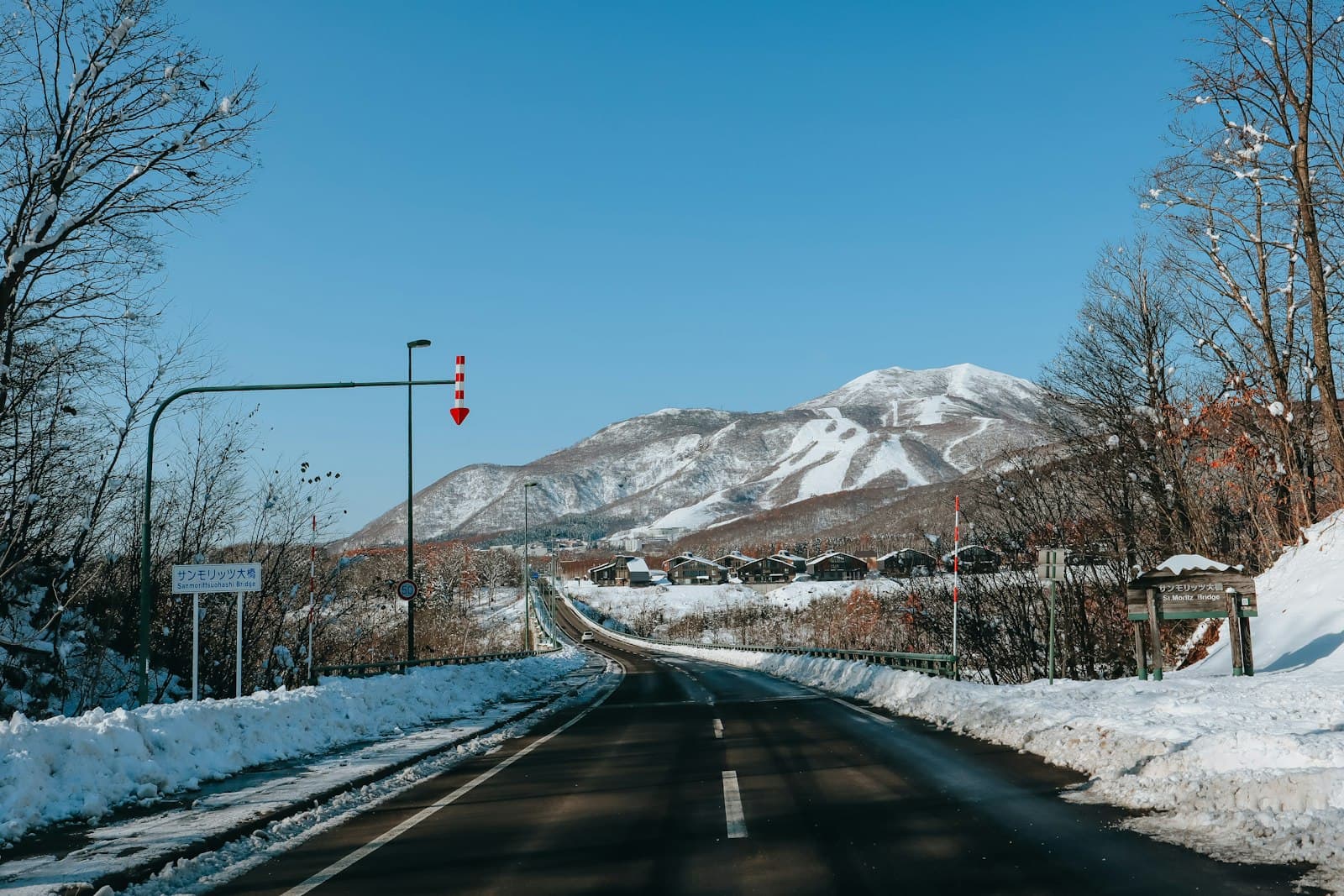
Skiing dominates winter. That is not a cliché but a practical reality. Most resorts operate from early December through March, with the deepest snow coming in January and February. Niseko Hirafu is the largest and most developed, with multiple peaks, a range of vertical terrain, and lift infrastructure that moves crowds smoothly. Day passes cost roughly ¥7,000–9,000 (about USD $45–60, late 2025). Furano offers a smaller mountain experience—the resort itself sits on one main slope—for approximately ¥6,500–8,000 (USD $40–55). Asahidake, farther north, runs around ¥4,500–6,000 (USD $30–40) and draws fewer international visitors.
Off the slopes, winter activities shrink but deepen. Snowshoeing through the forested hills outside any town yields trails where you may see no other person. Hot springs—onsen—become not a luxury but a rhythm. Sapporo has dozens scattered through the city and nearby. Jozankei, a small hot-spring village about 40 kilometers south of central Sapporo by car, sits in a narrow gorge carved by the Toyohira River. Walking from an onsen to dinner in fresh snow, steam rising off your shoulders into the frozen air, is the closest most visitors get to understanding the appeal of winter here.
Food moves to center stage. Winter vegetables grown in Hokkaido's cold climate—beets, carrots, root vegetables—have a sweetness that warmer regions cannot match. Corn cream soup (a Hokkaido specialty made from sweet corn) appears on menus throughout the season. Fresh seafood—scallops, sea urchin, crab—fills bowls and boats throughout the winter months. A bowl of miso ramen with carefully rendered pork broth, eaten in a small shop at 19:00 on a snowy night, becomes less a meal and more a ritual.
Planning Your Time: Where Days Matter
The temptation is to treat Hokkaido as a series of stops: two days in Sapporo, three days skiing at Niseko, a day in Furano. This works logistically and fails experientially. Winter in Hokkaido requires patience. A single snowy day passes. Two days and you begin to notice the sound of the snow—how it settles, how it compacts under boots. By day three, you have a favorite café, a rhythm, a sense of which restaurant opens when.
Spend five to seven days if possible. Dedicate three to four to a single resort town—skiing if you ski, snowshoeing or onsen time if you do not. Spend two to three days in Sapporo itself. The Sapporo Snow Festival runs for about a week in early February each year, drawing massive crowds, but the city is worth a few days without it. Visit Ramen Yokocho (a narrow alley housing eight small ramen shops in downtown Sapporo), the Maruyama area where shops and galleries cluster around the old Shinto shrine, and the neighborhoods where locals actually live rather than tourists pass through.
If you have time, a day trip from Sapporo to Otaru—a port town about 40 kilometers to the northwest—offers a different side of Hokkaido. The canal there, frozen in winter, reflects snow-lined warehouses that once stored fish and herring, now turned into restaurants and galleries. It reads as picturesque in a way the interior does not, but the picturesque is easier to move through quickly. Stay a night if you can, to feel it without crowds.
Book accommodations at least two to three months ahead if you are visiting Niseko or Hirafu between December and March. These resorts fill completely.
Rent a car if you are confident driving in snow, or arrange private transport through your accommodation. Public buses run but less frequently in winter, and taxis are expensive for longer distances.
Pack hand and toe warmers (sold at convenience stores everywhere), thermal underlayers, and waterproof outer layers. Cotton will make you miserable; wool and synthetics are non-negotiable.
Most restaurants do not take reservations. Plan to eat dinner between 17:30 and 19:00, before lines form.
The JR Hokkaido rail pass covers most train travel across the island. A one-week pass costs around ¥22,000 (USD $145–155) and is worth it if you are moving between cities.
Winter in Hokkaido demands more planning than sunshine destinations: resort bookings, rental car logistics, thermal clothing checklists, onsen reservations at smaller properties. A Cordelie travel advisor can source accommodation at quieter, locally-favored hot spring inns that do not fill with tour groups, arrange transport that works across weather delays, and craft a pace that actually lets you feel the season rather than move through it. They can also secure bookings at the smaller ramen shops and restaurants that prefer advance notice, and arrange experiences—midnight onsen under stars, private snowshoe guides through interior valleys—that solo travelers typically miss. This is travel built for you, not fit into a template.
Last checked for accuracy: . How we check

Alex Moreau writes about going slowly. Nine years of reporting from trains, river boats and towns nobody has a hashtag for, mostly across Europe and North Africa. They live in Lisbon, keep a running list of the continent's best two-hour lunches, and believe most itineraries would improve if you deleted a city.
Related Articles
My Spring in Hokkaido: A Travel Story
A first-person account of chasing Hokkaido's contradictory spring — cherry blossoms over melting snow, a half-frozen Blue Pond, and lift closures that rewrote the plan daily.
The Complete Guide to Hokkaido: What to See, Do & Eat
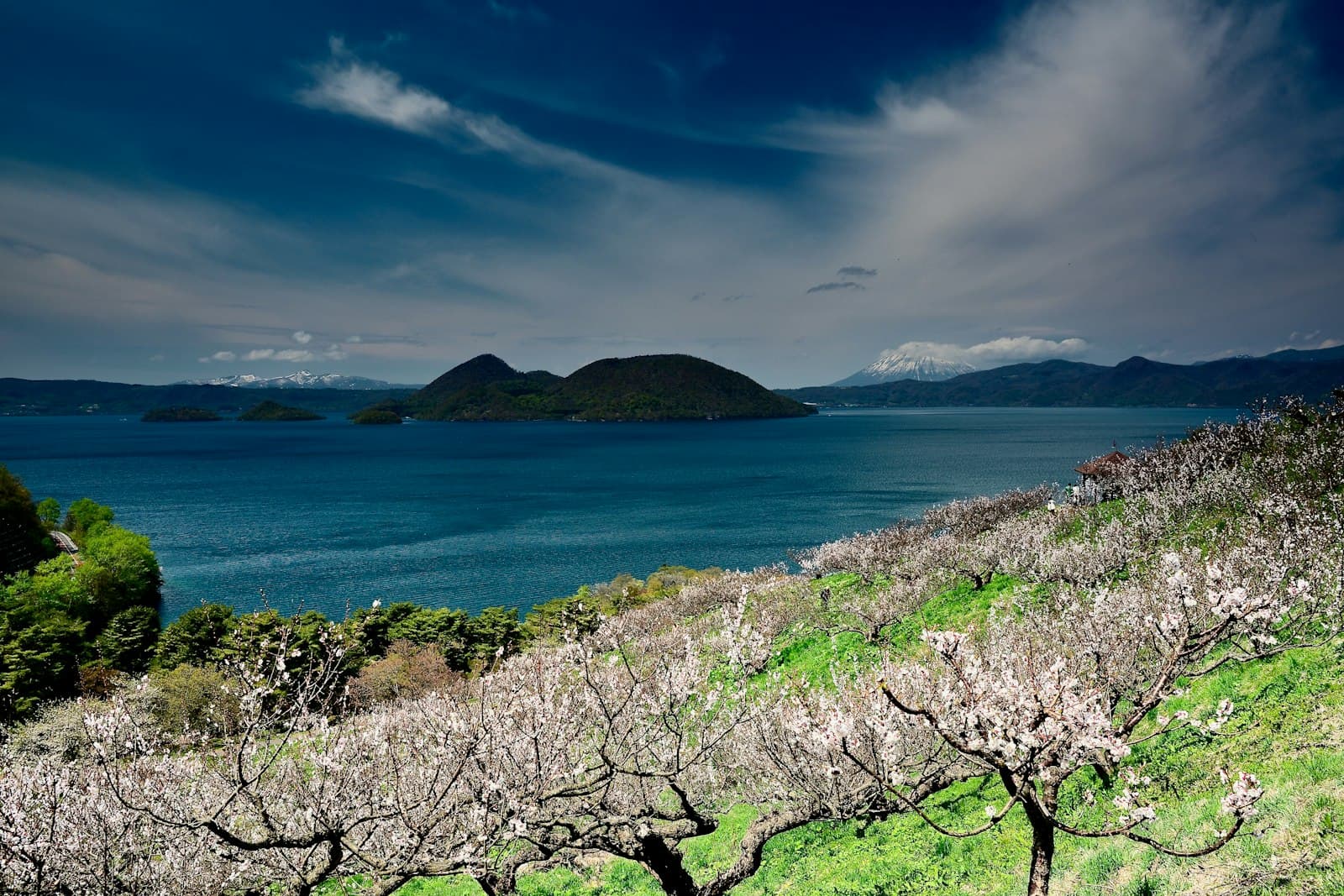
Hokkaido's cherry blossoms bloom weeks behind the rest of Japan, giving spring travelers a second chance to catch them. Here's how to base slowly across Sapporo, Otaru and Hakodate.
Essential Tips for Traveling to Hokkaido
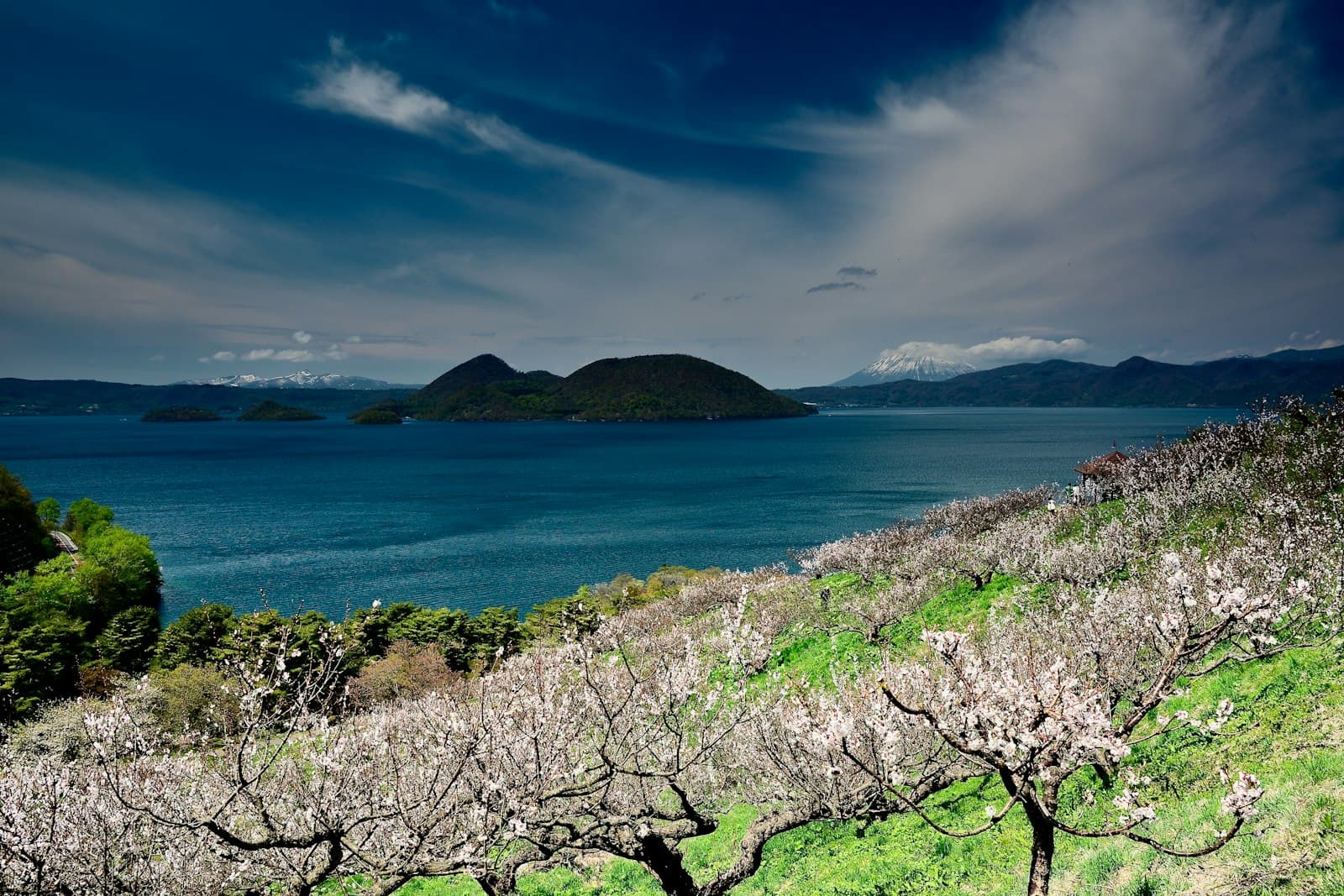
Hokkaido's spring runs weeks behind Honshu's and follows its own fishing and blossom calendar. Here's how to sequence Matsumae, Hakodate, Otaru and Furano so you catch it rather than chase it.