
My Spring in Hokkaido: A Travel Story
The Week Hokkaido Couldn't Decide If It Was Winter or Spring
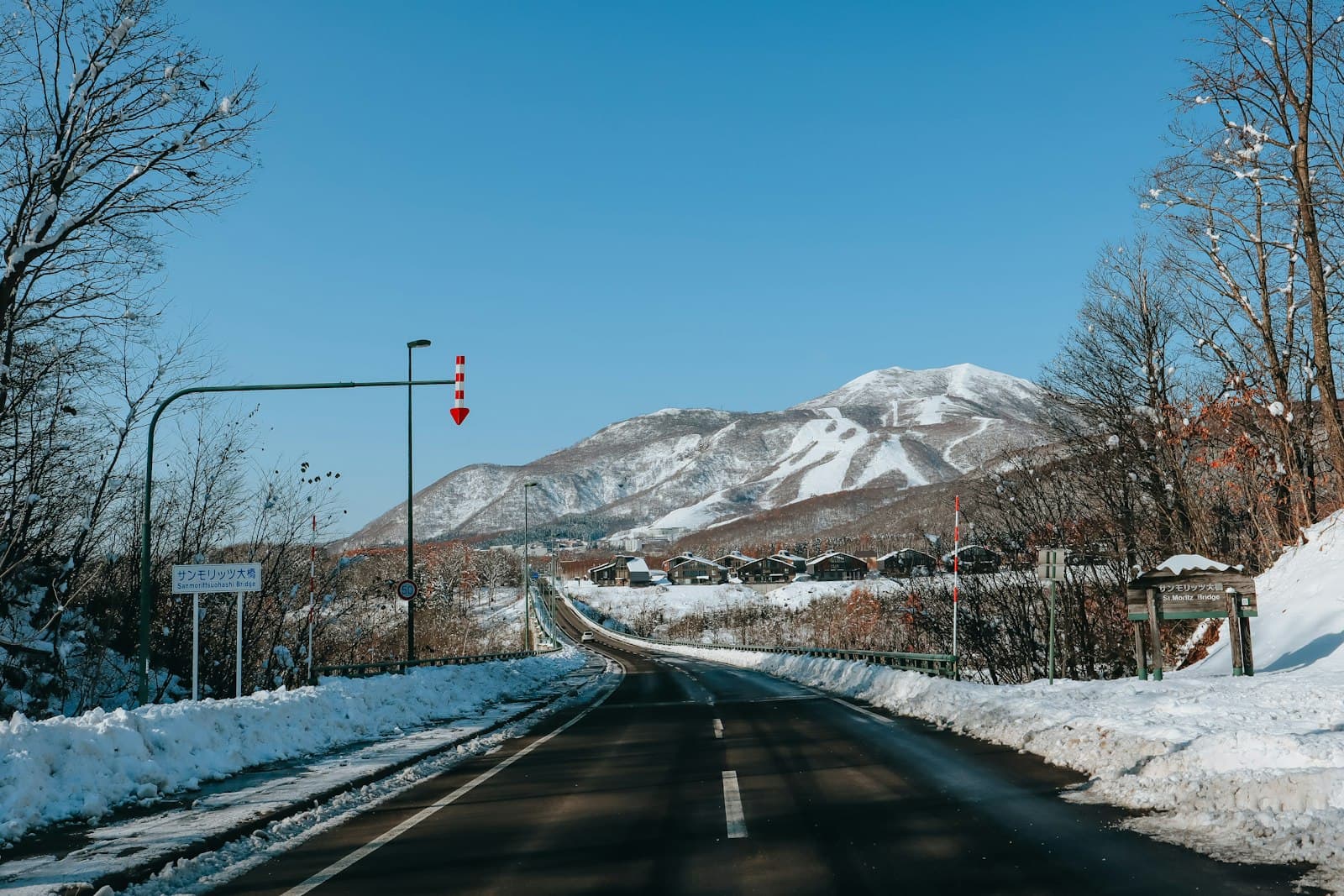
I landed at New Chitose Airport in the first week of May wearing a down jacket I'd almost left at home, and I needed it before I'd cleared the jet bridge. The forecast on my phone said 9°C in Sapporo and snow flurries above 600 metres. Down at the coast in Otaru, someone was selling soft-serve from a cart in a T-shirt. That's the thing nobody tells you about spring in Hokkaido: it isn't one season, it's three or four running at once, stacked by altitude and latitude, and your itinerary has to bend around all of them.
I'd booked eight nights with no fixed plan beyond a rental car reservation in Furano and a promise to myself that I'd see cherry blossoms somewhere north of Honshu, where they arrive weeks later than in Kyoto or Tokyo. What I got instead was a week of constant recalculation — a ski lift that closed a day earlier than posted, a road into the mountains still gated by snow, a blue pond that was only half-thawed. None of it ruined the trip. It just meant the trip I planned on paper wasn't quite the one I lived.
“In Hokkaido, spring doesn't arrive. It negotiates, one valley at a time.”
Four Days Between Blossoms, Snowmelt, and the Last Chairlifts
Sapporo, and the Cherry Blossoms Nobody Warns You About
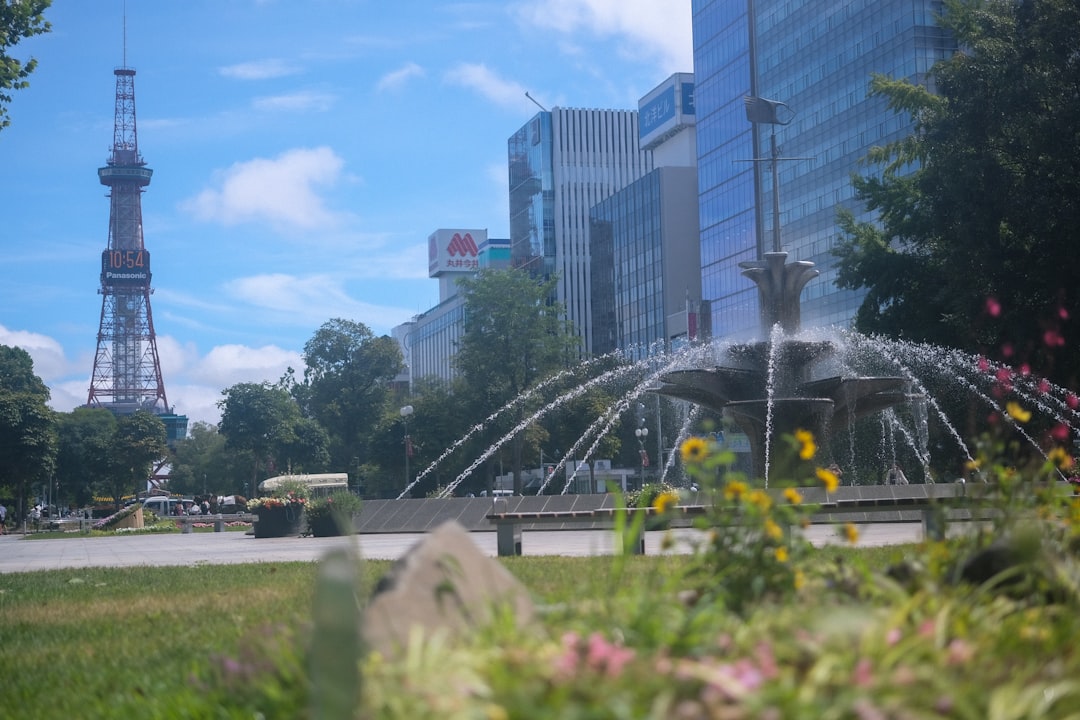
The JR Rapid Airport train runs from New Chitose Airport into Sapporo Station in around 37 minutes, and the one-way fare sits somewhere near ¥1150 depending on the season's fare adjustments. I checked into a hotel a five-minute walk from Odori Park and went straight out to see what everyone had told me not to expect: cherry blossoms, in Hokkaido, in early May.
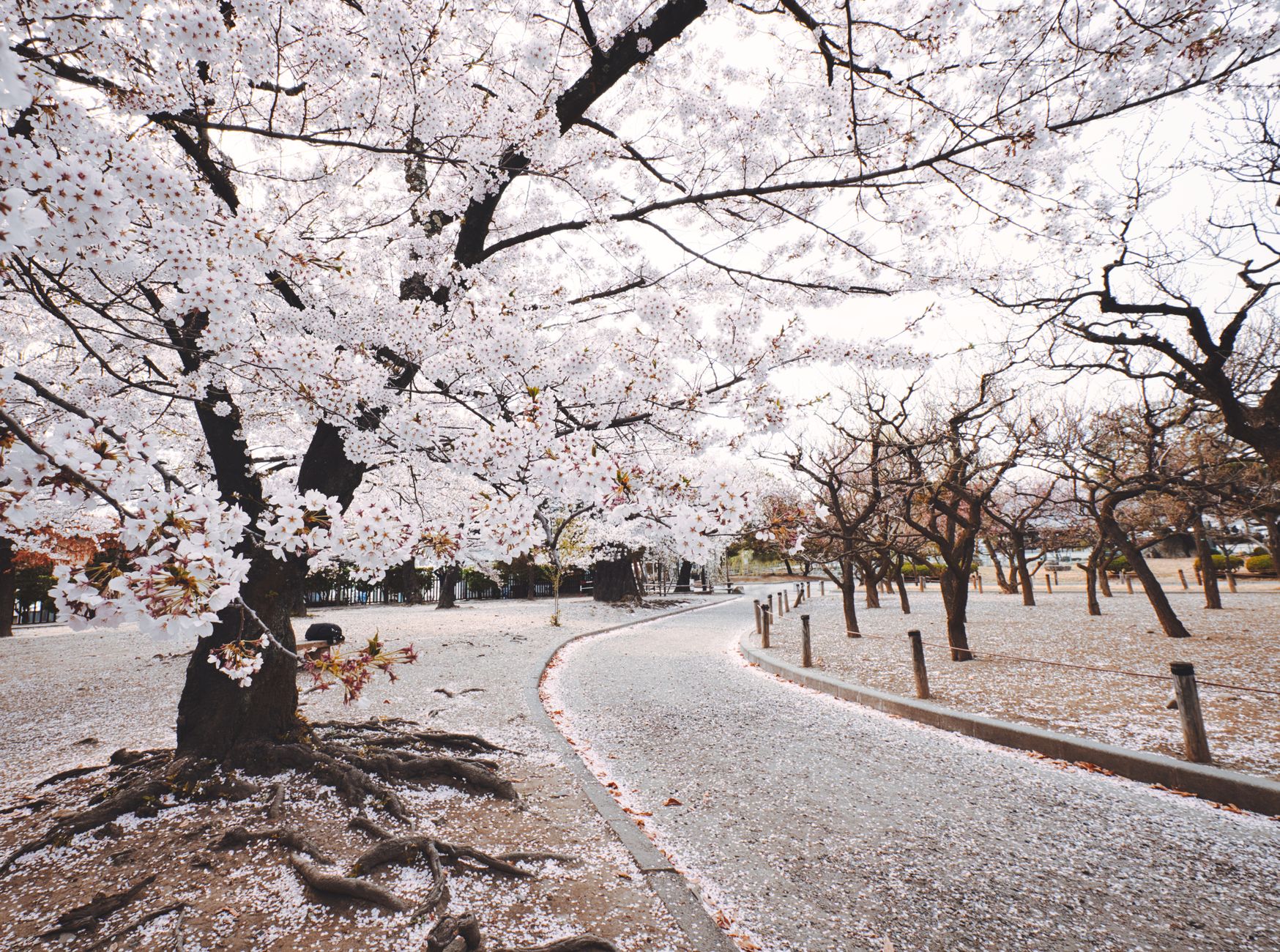
Maruyama Park delivered. Sapporo's blossoms typically open in late April to early May, a full three to four weeks behind Tokyo's, and the trees here were in full bloom the afternoon I arrived, petals coming down over families with picnic blankets set directly on the grass rather than tarps — the ground was dry enough by then, though the shaded corners of the park still held grey, granular snow that hadn't fully given up.
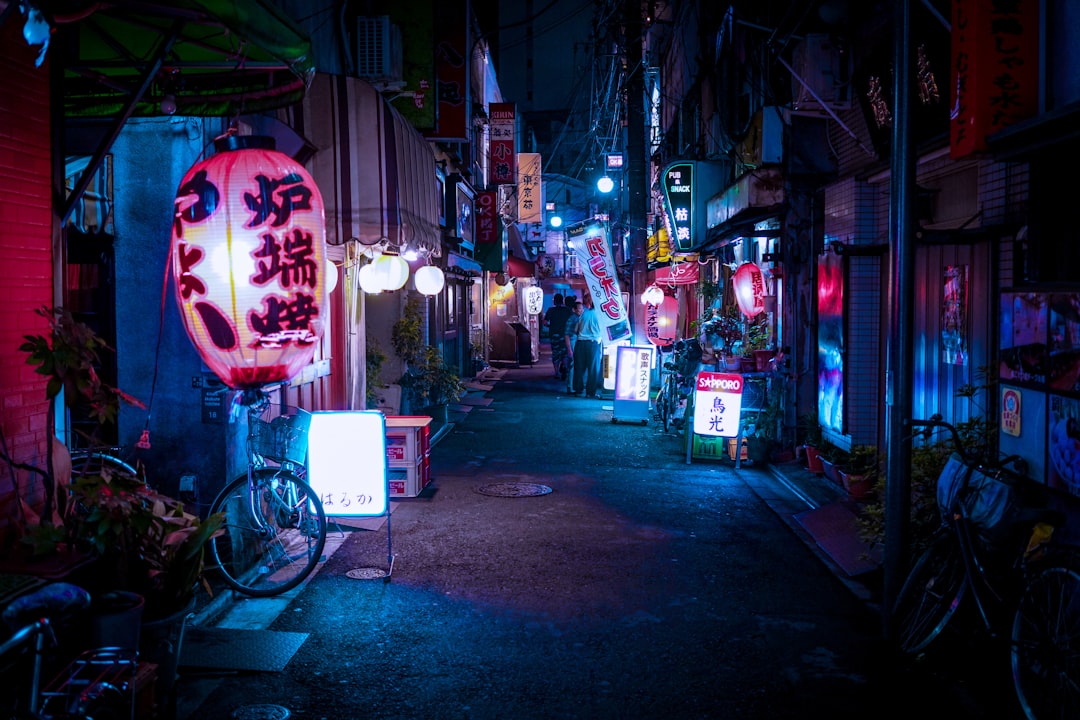
Dinner was ramen in the alleys of Susukino, at one of the narrow counter shops along Ramen Yokocho, a bowl of miso ramen with a thick coil of butter melting into the broth — the Hokkaido style, built for a climate that doesn't warm up on schedule.
Otaru's Canal in the Grey Light, and a Lunch That Made the Cold Worth It
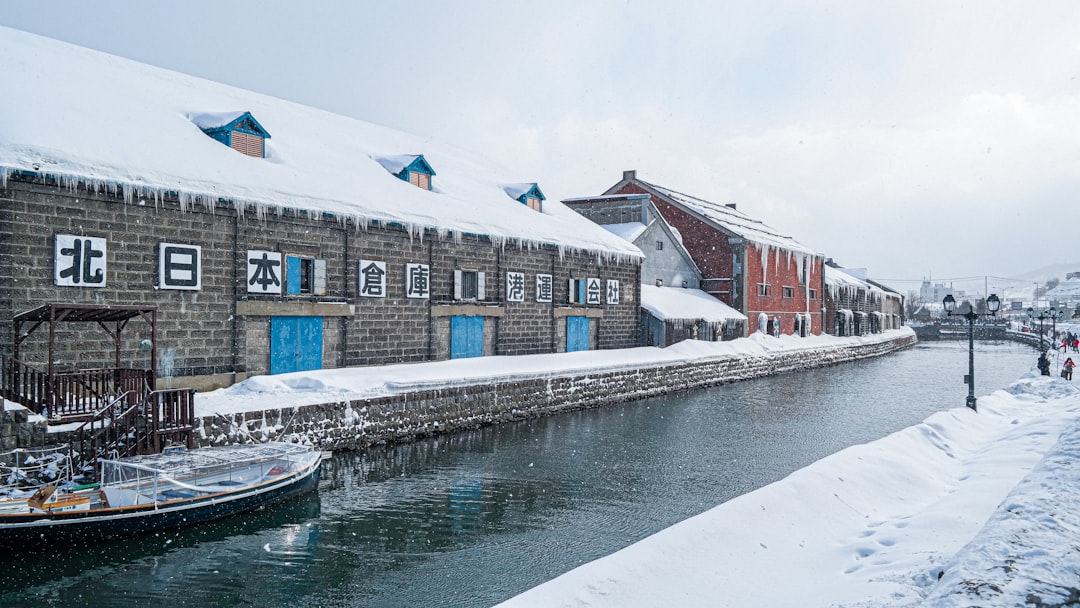
Otaru is about a 30 minute train ride from Sapporo Station by rapid service or about 45 minutes by local service, with a one-way fare around ¥800. I went without a plan beyond the canal, and that turned out to be enough. Otaru Canal in May is quieter than its summer postcard version — the gas lamps along the towpath were lit against a sky that stayed the colour of wet slate most of the morning, and I had long stretches of the waterfront to myself.
Kitaichi Glass, the old glassworks turned shop-and-museum near Sakaimachi Street, is worth the detour for anyone who wants a physical souvenir rather than another photo. I lost the better part of an hour there before finding lunch at one of the sushi counters along Sushiya-dori — Otaru's stretch of dedicated sushi restaurants — where a chirashi bowl ran somewhere in the ¥2,500 to ¥3,500 range and used uni that had clearly not travelled far.
By late afternoon the wind off the harbour had a real edge to it, cold enough that I understood why the ferries and fishing boats moored there looked like they were bracing rather than resting.
Driving Into Biei and Furano, Where the Patchwork Fields Are Still Brown
Picking up a rental car in Sapporo for the drive east to Biei and Furano — about two and a half hours on Route 237 without stops — meant winter tires were still fitted, and the rental company didn't offer a summer-tire option yet. That should tell you something about how far spring has actually got by early May.
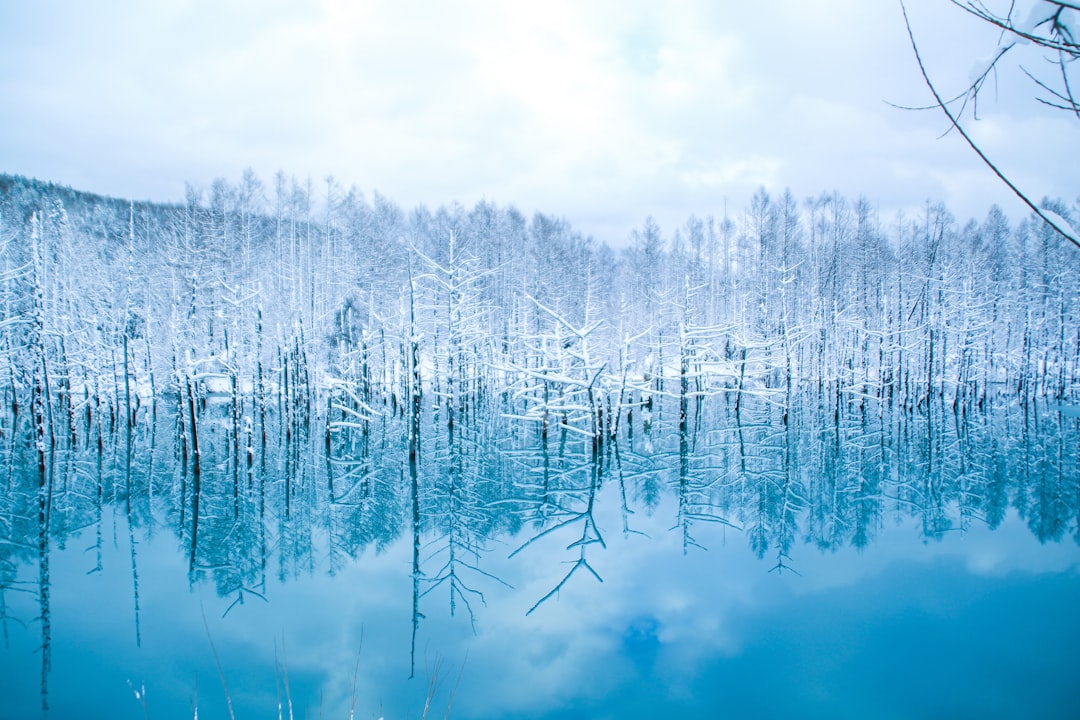
The Blue Pond, Aoiike, near Biei is one of Hokkaido's most photographed spots, and I arrived to find it half-thawed, a ring of dull ice still clinging to its edges while the centre held that unnatural cobalt colour the aluminum hydroxide in the water is known for. It's striking either way, but it is not the vivid, ice-free blue of the July photographs everyone shares.
The patchwork hills that make Biei famous in summer were still mostly bare earth and stubble, plowed but not yet planted, and the Furano ski resort's upper lifts had closed for the season only a few days before I got there — spring closing dates move year to year depending on snowpack, and I'd simply missed the window. I stayed the night at a small onsen ryokan outside Furano instead, which turned out to be the better trade.
Last Turns Near Niseko, a Soak by Lake Toya, and the Drive Back to Chitose
Niseko's ski season runs later than most of Japan's resorts, and Niseko Grand Hirafu was still open for a handful of spring runs, though only on the upper slopes and only with a shortened lift schedule — check the resort's own site the week you go, since spring closing weekends shift with conditions. I rode two lifts, mostly for the view of Mount Yotei rather than the skiing itself, which by this point in the season was heavy, wet, and not what anyone would call powder.
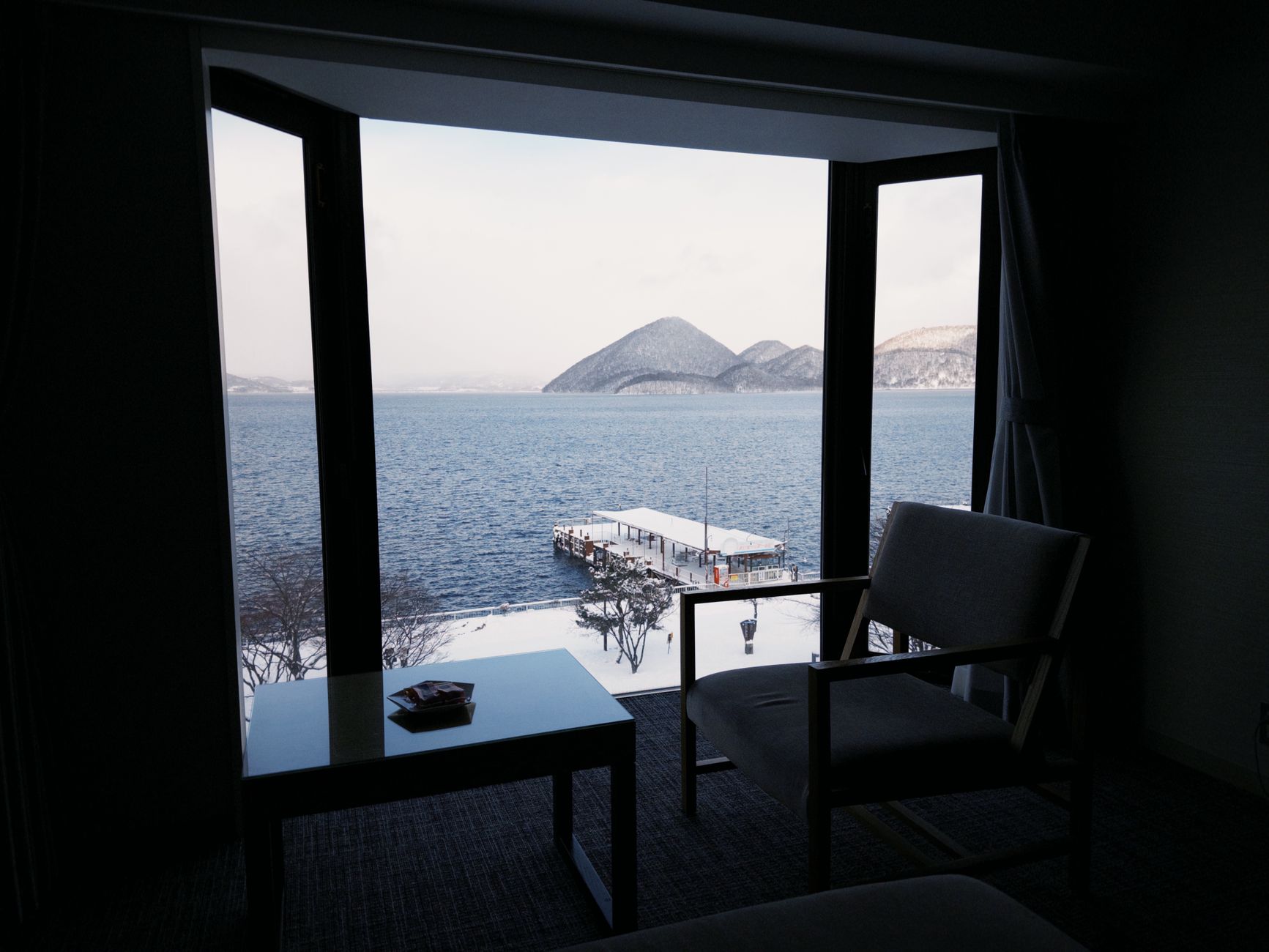
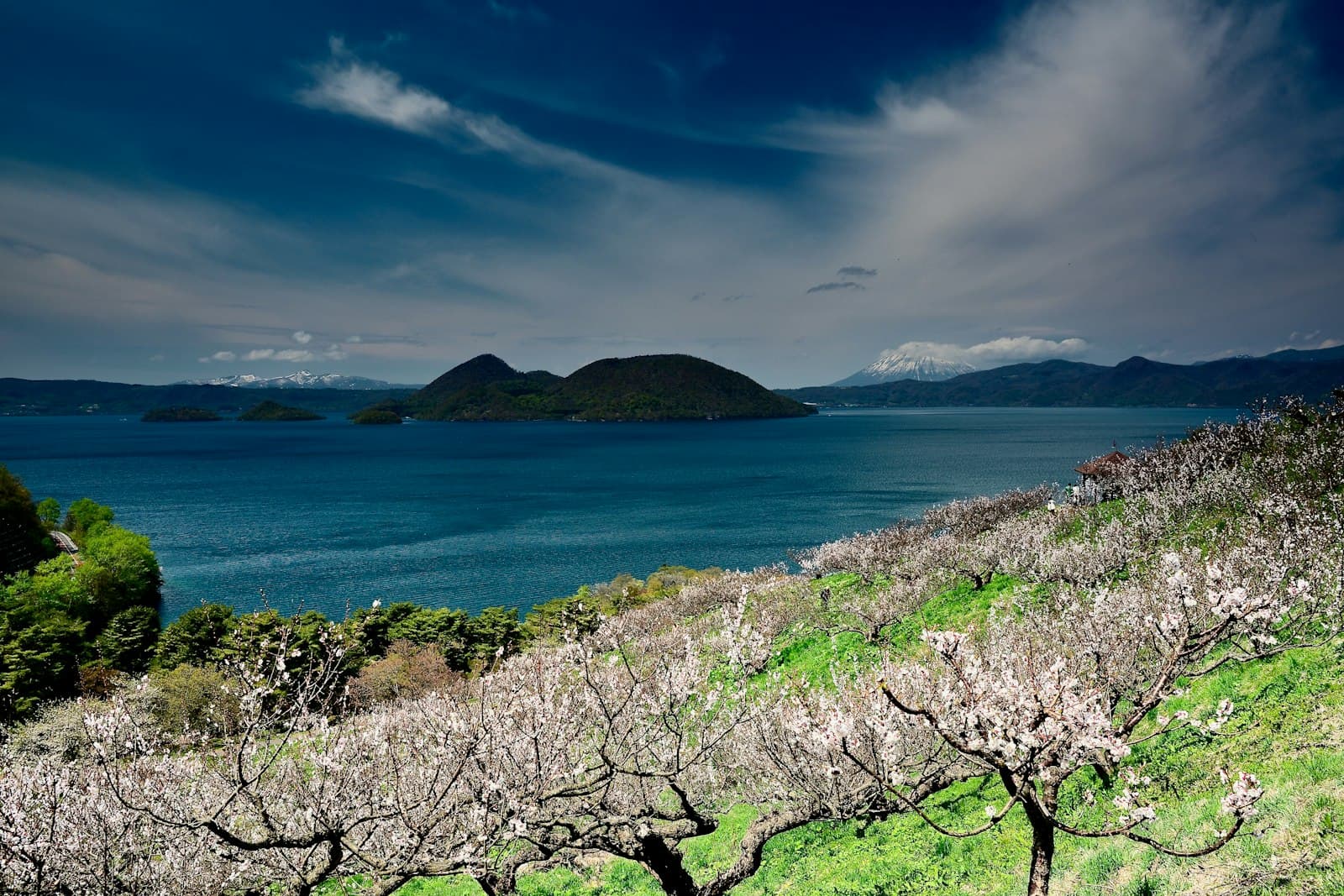
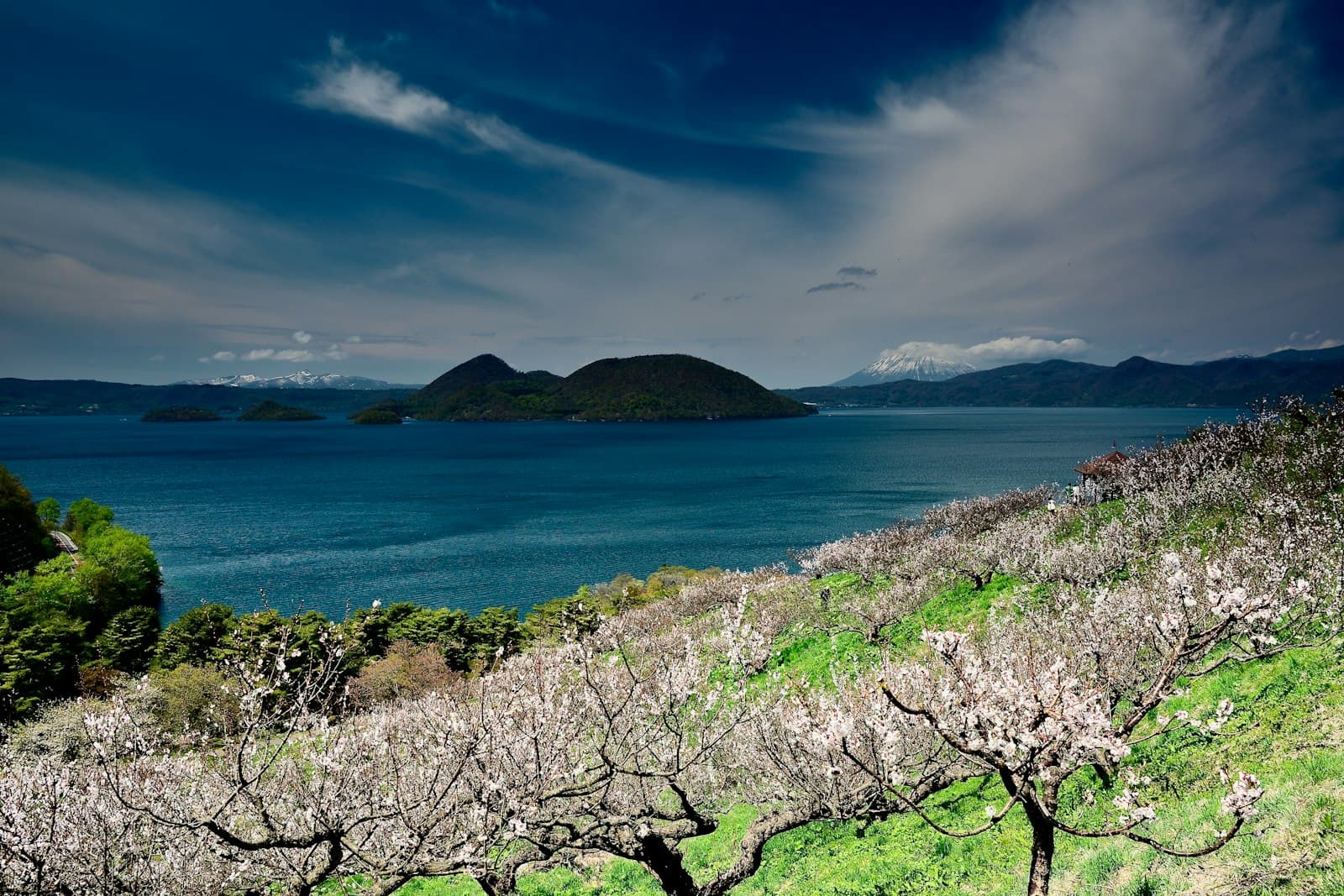
Lake Toya was the better decision. I stopped at an onsen ryokan on the Toya-ko waterfront for a soak with a view straight across to the still-active volcanic cone of Mount Usu, steam rising off the water while the lake itself sat flat and pewter-coloured under a sky that hadn't cleared all week.
The drive back to New Chitose Airport from Toya-ko took just under two hours, and I handed the rental car back with the same winter tires it had when I collected it — a small, useful reminder that in Hokkaido, spring is a date on the calendar before it's a fact on the ground.
Scenes From a Hokkaido Spring
Cordelie travel advisors
Planning Hokkaido? Go with someone who knows
The right suite, the right season, the reservations that never appear online — your Cordelie advisor knows them, and holds them for you.
Plan with a Cordelie advisorFree to ask. Cordelie Travel Services · IATA/ARC 06649064
What Actually Stopped Me in My Tracks
The moment I didn't plan for was the best one: standing in Maruyama Park with cherry petals coming down over ground that had held snow a week earlier. Nowhere else in Japan gives you that overlap so cleanly, and it's the single best argument for coming to Hokkaido in spring rather than waiting for the lavender fields everyone associates with the region — those don't open until July, well after this window closes.
The second was smaller and stranger: the wind at Otaru harbor, cold enough to sting, arriving under a sun that was doing its genuine best. Spring here doesn't soften the coastline the way it does further south — it just adds light to the same raw weather. If you want a fuller sense of what the region offers across seasons, the range covered in this rundown of the best things to do in Hokkaido gives a useful baseline before you build a spring-specific plan around it.
And the third was the disappointment that turned into something better — missing Furano's lifts by a matter of days and ending up at Lake Toya instead. It's a reminder that a Hokkaido spring itinerary needs slack built into it, because closing dates for lifts, roads, and even some seasonal restaurants move with the snowpack, not the calendar.
Eating a Region Still Waking Up
Spring sits in an odd gap in Hokkaido's seafood calendar. The famous winter crab season is largely over by April, and the peak of summer's sea urchin hasn't quite arrived, so what you get instead is a quieter, less headline-grabbing set of dishes — and I found I preferred it. At Nijo Market in Sapporo, a short walk from Odori Park, the stalls in early May were leaning on hotate scallops and spring-caught hokke mackerel, grilled whole over charcoal at a handful of the counter stands, priced around ¥1,000 to ¥1,800 depending on the cut.
In Otaru, the sushi on Sushiya-dori made the case for going in spring rather than summer: fewer tour groups at the counter, and the chefs seemed to have more to say about what was actually good that week rather than what the menu insisted on. Asparagus from Furano's fields — the region's other, less-photographed crop — was showing up as a simple grilled side almost everywhere I ate, and it was better than most of the seafood.
The single dish I'd send anyone back for is soup curry, Sapporo's own invention, a thin, deeply spiced broth over rice with a piece of chicken and a few vegetables dropped in whole. It costs somewhere between ¥1,000 and ¥1,600 at most of the small shops around Susukino and is exactly the kind of thing you want after a day spent chasing melting snow and half-open cherry blossoms. If you're still deciding when to travel and what else to fold into a trip like this, both the quick guide to Hokkaido and the fuller destination guide are worth reading before you commit to dates, since the shoulder-season windows shift year to year.
The overlap I got lucky with — blossoms in Sapporo, a still-frozen Blue Pond, a handful of last lifts near Niseko — isn't fixed to a date on a calendar. It moves by a week or more each year depending on snowpack and spring temperatures, and the ryokan rooms and lift days that make it worth chasing get booked well before the timing is public.
A Cordelie advisor can build your Hokkaido spring around that exact window, holding the right onsen ryokan near Lake Toya, the car with proper tires, and a flexible enough route that a closed road or an early-closing lift becomes a footnote rather than a lost day.
Should You Chase a Hokkaido Spring?
Worth it for travelers who want blossoms without crowds and don't mind a plan that bends daily — not for anyone who needs guaranteed sunshine or a fixed schedule.
This trip rewards flexibility more than ambition. The best days were the ones I didn't fully plan, and the days that disappointed were the ones I'd built around a single fixed attraction — a lift, a pond, a field of flowers not yet in bloom.
Budget roughly ¥15,000 to ¥25,000 a day for a mid-range hotel, a rental car, meals, and transit, more if you add an onsen ryokan night or two, which I'd recommend building in regardless of season.
Go for the cherry blossoms three to four weeks after Tokyo's have finished, for seafood that isn't chasing a headline crab season, and for a landscape still deciding what it wants to be. Don't go expecting the lavender-field version of Hokkaido — that trip is a different one, taken in July.
Last checked for accuracy: . How we check

Isaac Reid has spent fourteen years on ships and on foot in the places weather still decides. He sailed his first Drake Passage as an expedition assistant and has since made the crossing more than thirty times, between seasons trekking in Nepal and Patagonia. He writes about what these trips actually ask of a traveller — the days that get cancelled, the kit that matters, the difference between a landing and a cruise-by — and thinks the honest version sells them better than the brochure does.
Related Articles
The Complete Guide to Hokkaido: What to See, Do & Eat
Hokkaido's cherry blossoms bloom weeks behind the rest of Japan, giving spring travelers a second chance to catch them. Here's how to base slowly across Sapporo, Otaru and Hakodate.

Essential Tips for Traveling to Hokkaido
Hokkaido's spring runs weeks behind Honshu's and follows its own fishing and blossom calendar. Here's how to sequence Matsumae, Hakodate, Otaru and Furano so you catch it rather than chase it.
Hokkaido Quick Guide: Everything You Need to Know
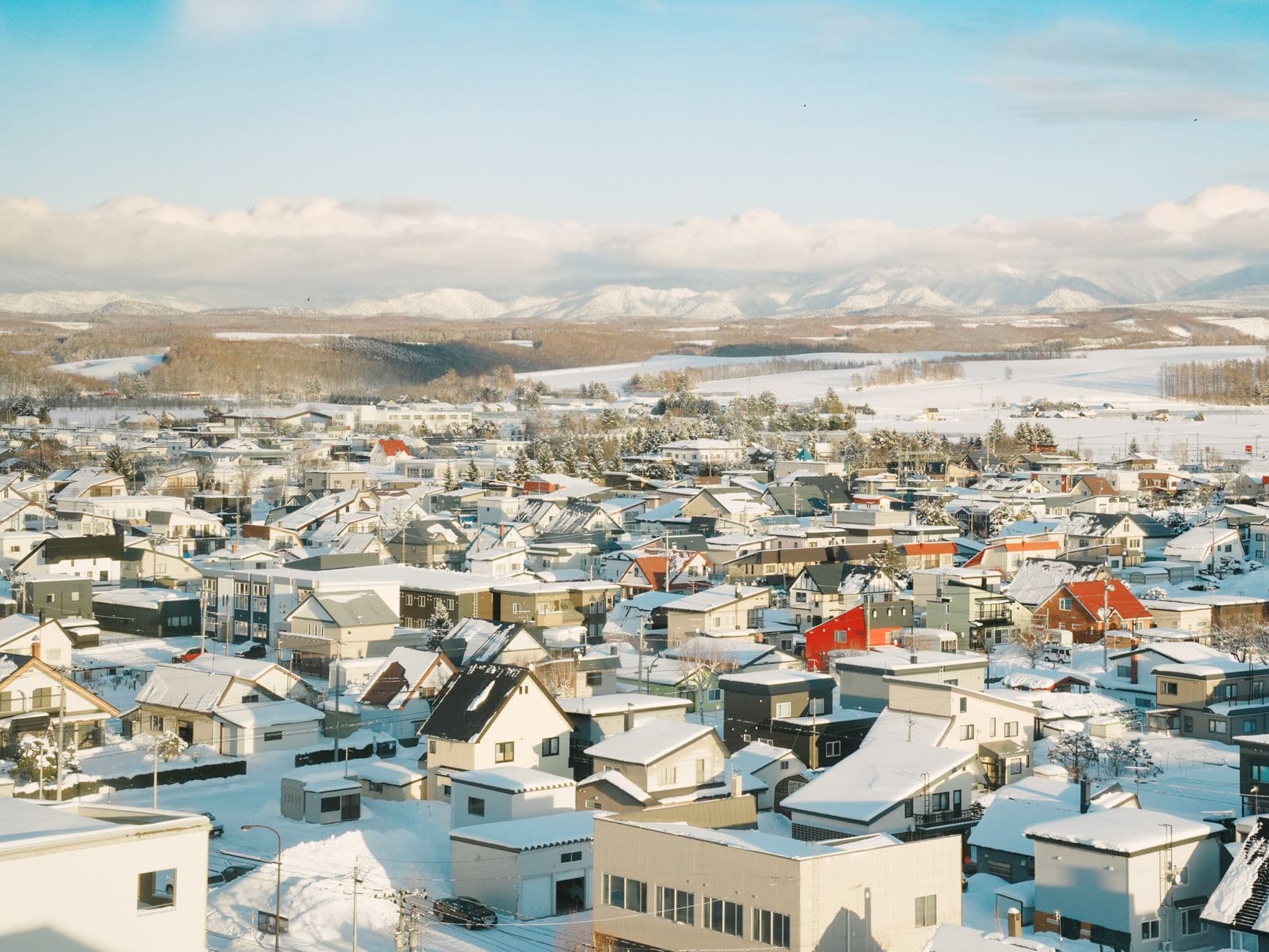
Hokkaido in winter is Japan's deepest snow and slowest rhythms. Stay long enough to feel the season shift.