
The Complete Guide to Hokkaido: What to See, Do & Eat

Why Hokkaido Rewards the Traveler Who Slows Down
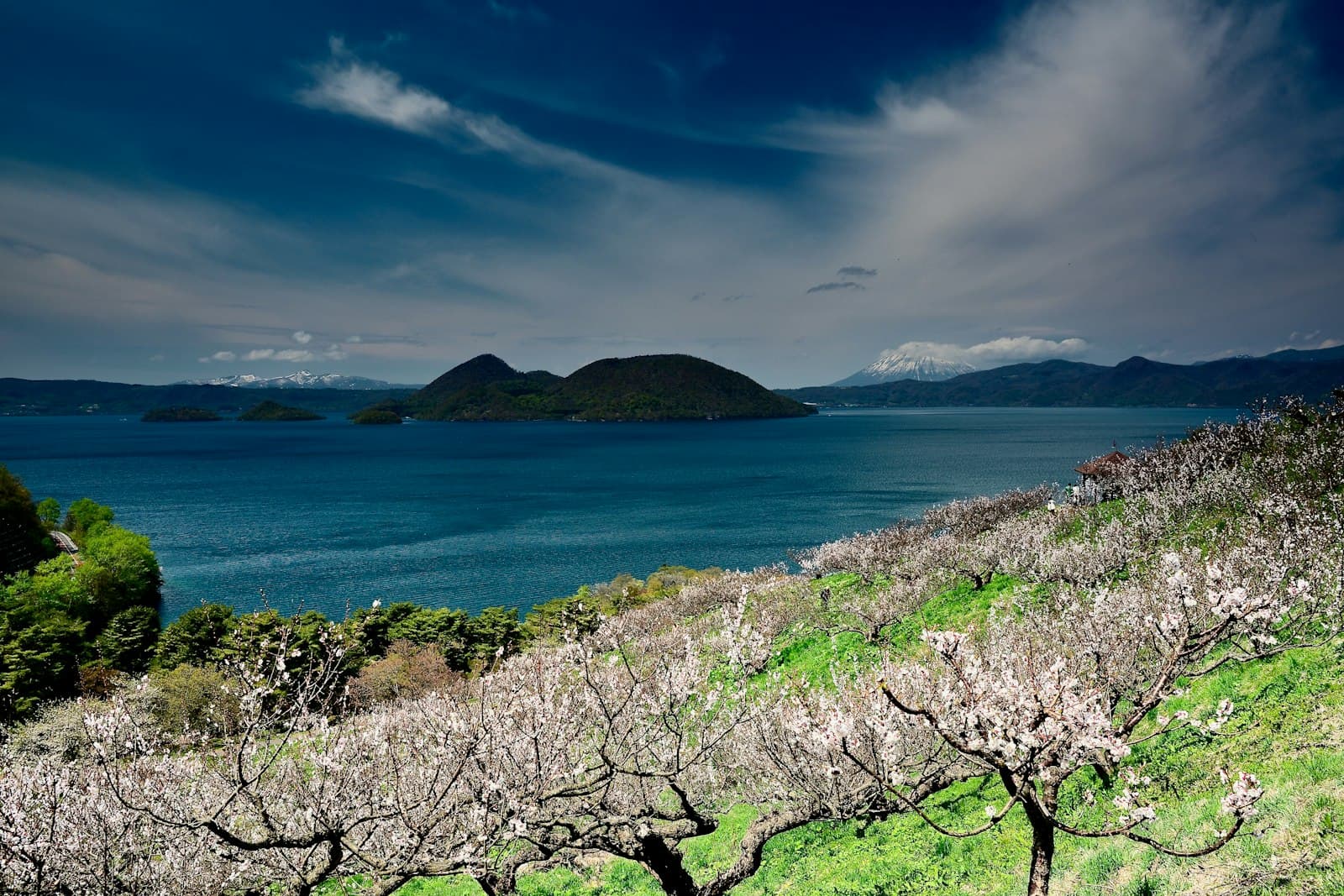
Hokkaido is Japan's largest prefecture and its least crowded, a place where the train timetables thin out the moment you leave Sapporo and the land starts to feel like it belongs to someone other than tourists. Spring here arrives late and briefly, a few weeks in April and May when the snow finally lets go and cherry blossoms move north up the island almost a month behind Tokyo and Kyoto. That lag is the whole appeal: you can chase the same bloom twice, once in Hakodate and again ten days later in Sapporo, and still catch it fresh both times. Add in crab markets, ramen alleys, glassblowing workshops in Otaru and a coastline that still smells of the sea rather than of crowds, and you have a region built for staying in fewer places longer rather than sprinting between them.
Hokkaido at a Glance
Spring in Hokkaido: A Narrow, Generous Window
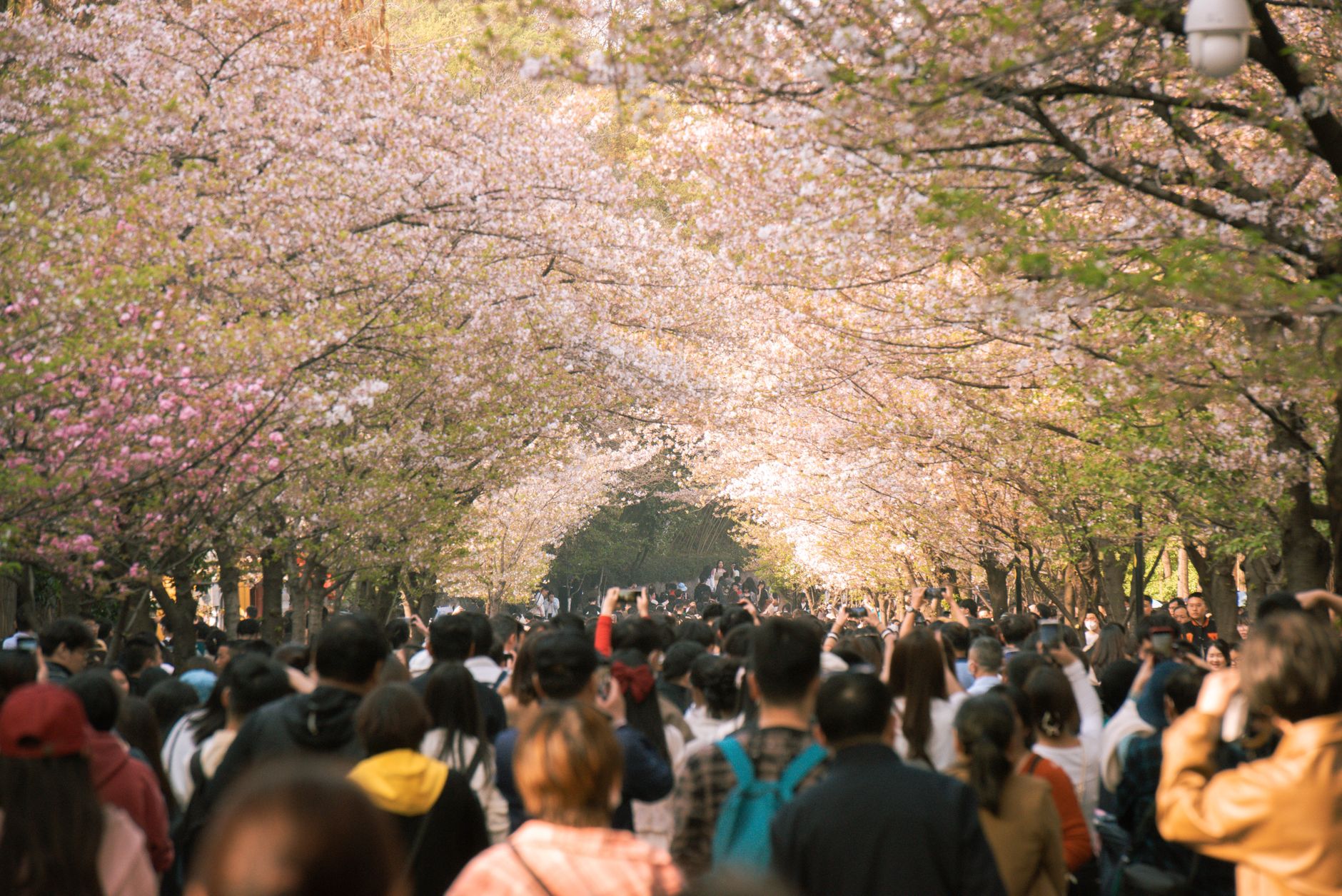
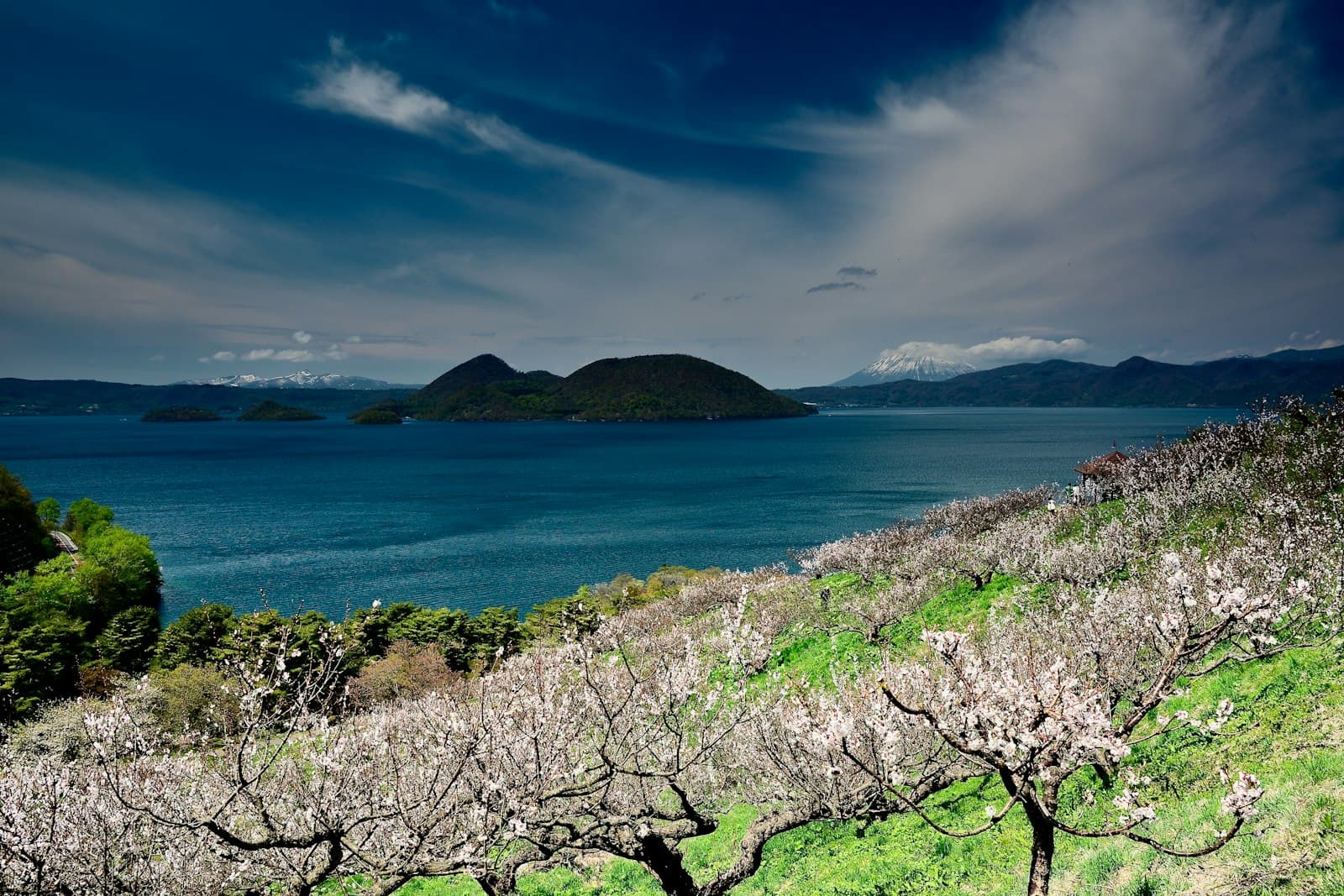
Hokkaido's cherry blossoms trail the rest of Japan by roughly a month, which is the single most useful fact for planning a spring trip here. Hakodate and Matsumae, both near the southern tip, typically bloom in the last week of April; Sapporo and Otaru follow around the first to second week of May; the far north can hold on into late May in a cool year. Days by late April run mild, often 8-15°C, with evenings still cold enough for a proper coat. Rain is possible but the region avoids Japan's main rainy season, which doesn't reach Hokkaido in any meaningful way, making May one of the more reliably pleasant months to travel here.
Sapporo's Lilac Festival runs through Odori Park in late May, overlapping neatly with the tail end of cherry season, and gives visitors a second flowering to plan around. Ski season at Niseko and Furano can stretch into early May for anyone chasing spring powder on the upper slopes, though most lower lifts close by mid-April. For a broader sense of how the seasons stack up across the whole island, the
hokkaido_placeholder_removed
Cordelie travel advisors
Planning Hokkaido? Go with someone who knows
The right suite, the right season, the reservations that never appear online — your Cordelie advisor knows them, and holds them for you.
Plan with a Cordelie advisorFree to ask. Cordelie Travel Services · IATA/ARC 06649064
The Experiences Worth Building a Trip Around
Start in Sapporo, but don't stop there. The Sapporo Beer Museum, housed in a red-brick former brewery a short walk from Sapporo Station, charges ¥1,000 for adults to enter the self-guided viewing course, with beer tastings in the Tasting Hall running ¥450–550 for individual beers or ¥1,200 for a three-beer sampling set. Ten minutes away, Nijo Market has been trading crab, uni and salmon roe since the 1900s, and the stalls will pack fresh crab for travel if you ask. In Susukino, the narrow, covered ramen alley known as Ramen Yokocho contains around 16–17 ramen restaurants; Aji no Sanpei, widely credited as the birthplace of Sapporo miso ramen in the mid-1950s, is in the district but located separately from the alley itself.
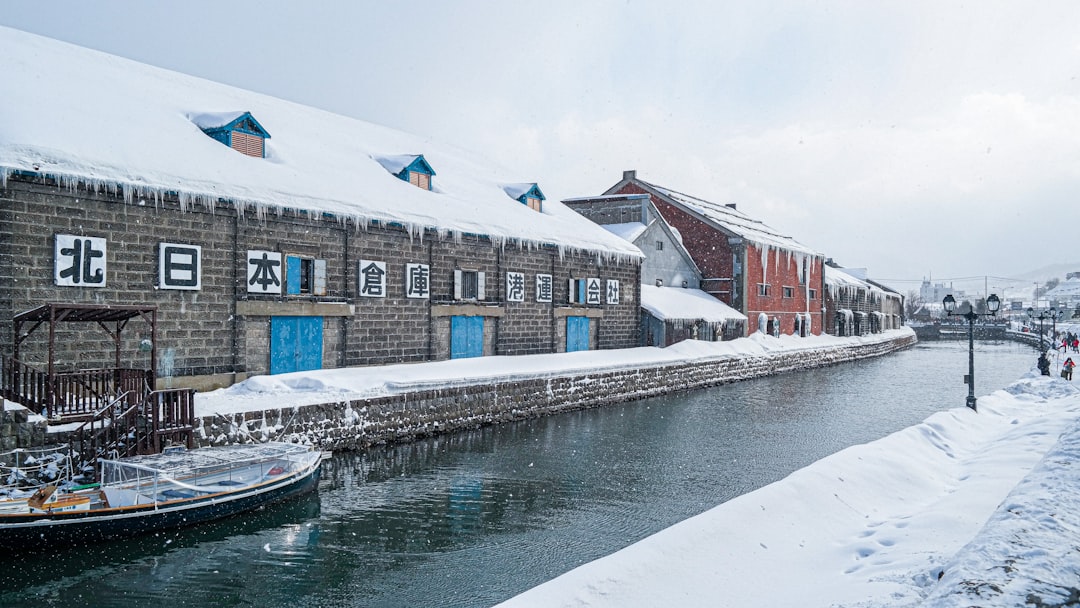
A day trip to Otaru is close to mandatory. The canal, lined with converted warehouses and gas lamps, takes about 20 minutes to walk end to end, and Kitaichi Glass runs hands-on glassblowing sessions for roughly ¥3,000-5,000 depending on the piece. Thirty minutes further along the coast, the Nikka Whisky distillery in Yoichi offers free entry and self-guided grounds access, though the main distillery tour and whisky tastings are free only with a reserved guided tour, while the dedicated tasting bar charges for drinks—a good reason to build in a full day rather than a rushed afternoon. For a longer list of things worth your time across the island,
hokkaido_things_to_do_placeholder
What Spring in Hokkaido Actually Looks Like
Where to Base Yourself, From Sapporo to the Coast
Sapporo is the obvious hub, and the JR Tower Hotel Nikko Sapporo, connected directly to the station, makes onward travel painless if you're planning day trips. It's a comfortable upper-mid to upscale choice, generally ¥25,000-40,000 a night for a double depending on season. For something smaller and more design-led, Cross Hotel Sapporo sits in Susukino, a few minutes from Ramen Yokocho, with rooms typically running ¥15,000-25,000. Budget travelers do well at UNWIND HOTEL & BAR in Susukino, which mixes capsule-style rooms with a proper rooftop bar, often under ¥8,000 a night.
In Otaru, Hotel Sonia sits a short walk from the canal and leans into the town's turn-of-the-century European influence, with rooms from around ¥18,000. If you continue to Hakodate, La Vista Hakodate Bay has rooftop onsen baths overlooking the harbor and rooms from roughly ¥20,000-30,000, while the Hakodate Kokusai Hotel offers a more classic, slightly lower-priced base near the morning market. Anyone extending west toward Niseko for late-season skiing should look at Zaborin, a small luxury ryokan set alone in the forest, or Ki Niseko for a larger, more amenity-heavy stay.
What's on the Table: Crab, Uni, Ramen and Milk
Hokkaido cooking runs on what the surrounding seas and pastures produce, and spring is a genuinely good window for it. Sea urchin from the waters off Rishiri and Rebun islands comes into season around late spring, sold in Sapporo's markets and in sushi counters across the city. Crab, whether snow crab, king crab or hairy crab, is available year-round but tends to feel less rationed for tourists once the winter crowds thin out in April and May. Soup curry, a Sapporo invention that layers a thin, spiced broth over rice, vegetables and often chicken, is worth seeking out at Soup Curry Suage+, a small counter near Sapporo Station that opens around 11:00 and regularly has a line by noon.
Hokkaido's dairy industry, concentrated around Furano and Biei, supplies much of Japan with milk, cheese and soft-serve, and roadside stands through those towns sell cones for around ¥300-500 that taste noticeably richer than the mainland version. Dining etiquette here follows standard Japanese conventions: no tipping, a quiet murmured word rather than a raised hand to call a server, and slurping your ramen is not just acceptable but expected. Sake and increasingly craft whisky round out the drinking side, with Niseko's small distilleries adding to what Yoichi's Nikka plant started decades ago.
“The crab up here tastes like cold water. Everything south of us tastes like warm water.”
Trains, Rental Cars and the Logistics of a Big Island
New Chitose Airport connects to Sapporo Station by the Rapid Airport train, taking about 37-40 minutes for around ¥1,150 one-way (2024 pricing). It's a domestic flight of roughly 90 minutes from Tokyo Haneda, or you can reach Hakodate directly by Hokkaido Shinkansen from Tokyo in about four hours. Once you're on the island, JR Hokkaido's limited express trains link the main cities: Sapporo to Otaru is a 32-40 minute rapid-train ride for roughly ¥640-900, while Sapporo to Hakodate on the Hokuto limited express takes 3.5-4 hours and costs in the region of ¥8,500-9,500 one-way.
For anywhere off the main rail corridor, especially the Furano-Biei farm country or the Shiretoko coast, a rental car earns its keep quickly. Roads are well maintained and driving is on the left, but winter tires stay on well into April in the north, a reminder that spring arrives unevenly across an island this size. For a fuller rundown of the practical side of a Hokkaido trip, including JR pass options and what to expect at car rental counters outside the airport,
hokkaido_tips_placeholder
Three Days Between Sapporo, Otaru and Hakodate
Sapporo: Beer, Ramen and the Cherry Blossom Boulevard
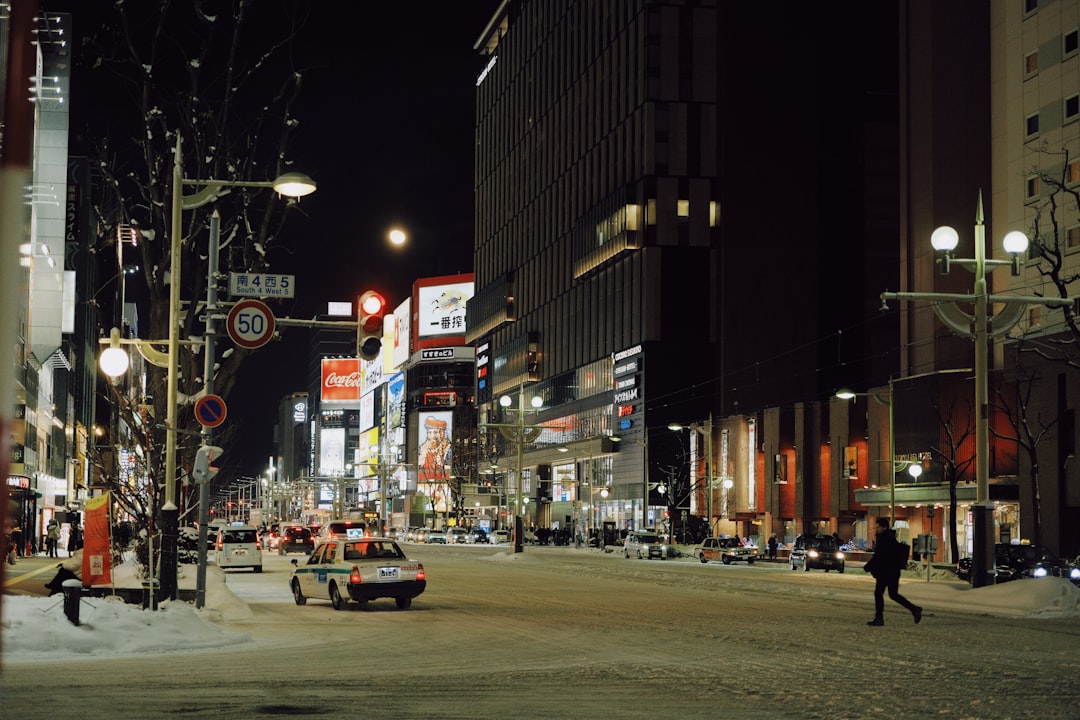
Land at New Chitose and take the Rapid Airport train straight to Sapporo Station, roughly 40 minutes. Drop bags and walk to Odori Park, where the cherry trees along the eastern stretch typically peak in the first half of May.
Spend the afternoon at Nijo Market, tasting crab and salmon roe from the stalls, before touring the Sapporo Beer Museum, where the self-guided tour costs ¥1,000 for adults with beer tastings in the Tasting Hall charged separately, including individual beers around ¥450–550 or a three-beer sampling set at ¥1,200. Finish in Susukino at Ramen Yokocho, where most counters open around 18:00 and stay busy until close to midnight.
Otaru: Canal Warehouses, Glass and a Coastal Whisky Detour
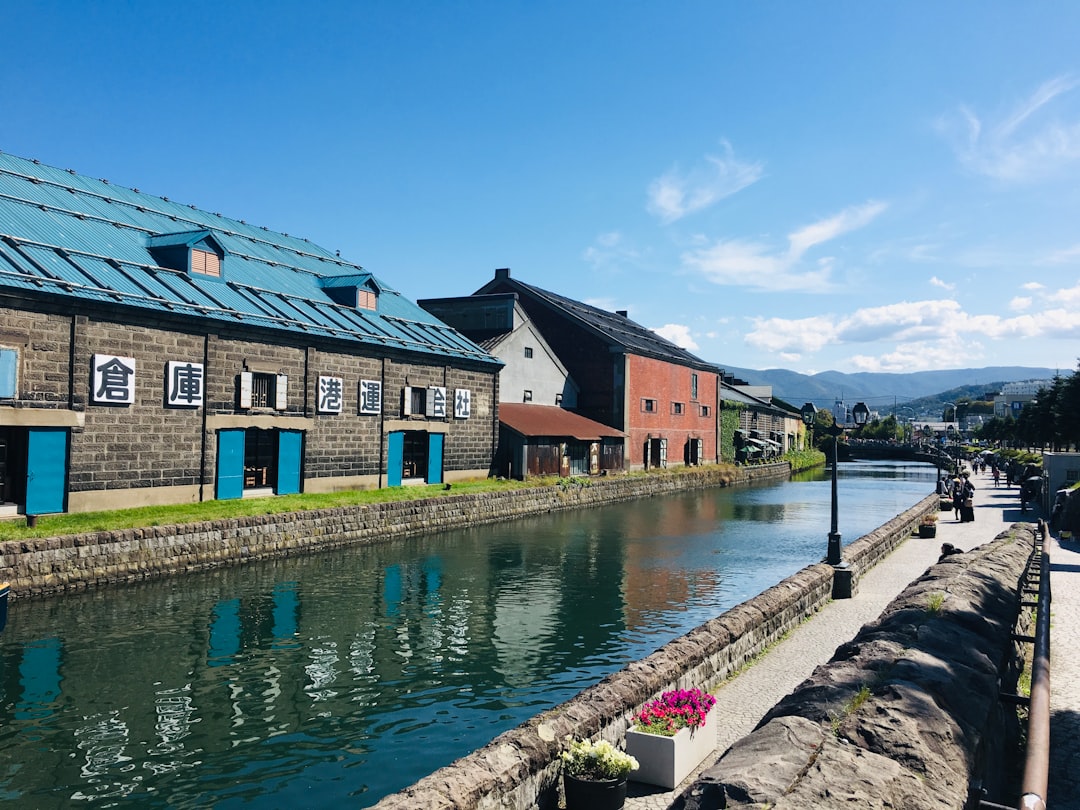
Take the rapid train from Sapporo to Otaru, about 35 minutes, and walk the canal end to end, roughly 20 minutes at an easy pace, stopping at the old warehouses now converted into cafés and glass shops.
Book a short glassblowing session at Kitaichi Glass, generally ¥3,000-5,000, then continue by local train or taxi to Yoichi, 30 minutes further west, for a free self-guided tour and tasting at the Nikka Whisky distillery. Return to Sapporo by early evening.
Hakodate: The Earliest Cherry Blossoms and a Cable Car at Dusk
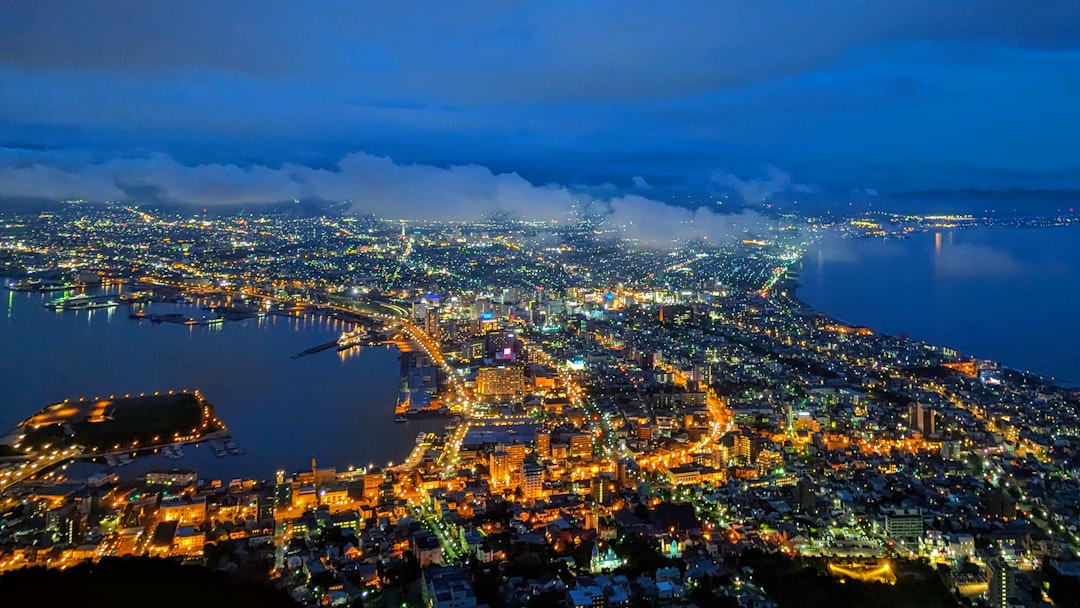
Take the Hokuto limited express south from Sapporo, about 3.5-4 hours, arriving in time for lunch at Hakodate's morning market, which winds down by early afternoon.
Walk Goryokaku Park, the star-shaped former fort ringed with cherry trees that usually bloom before anywhere else on this itinerary, then ride the Mount Hakodate ropeway up for the harbor view at dusk, a round trip of roughly ¥1,500-2,000 and about 10 minutes each way.
Hokkaido's cherry blossoms move north on their own schedule, and the best ryokan with onsen rooms in Hakodate and Noboribetsu fill months before anyone outside Japan starts watching the forecasts. A Cordelie advisor tracks the bloom projections as they firm up each spring and holds the rooms, the private car transfers between cities, and the harder-to-book dining, so your trip lands on the ten days that matter rather than the ten either side of them.
Hokkaido in Spring: The Verdict
A quieter, cooler counterpart to mainland Japan's spring rush, best experienced slowly across three or four bases rather than rushed through.
Hokkaido in April and May offers what most of Japan's spring travel doesn't: room to breathe, a second cherry blossom season on its own calendar, and food that doesn't need a festival to be worth the trip. Base in Sapporo, take Otaru at an easy pace, and let Hakodate's earlier bloom bookend the visit.
Last checked for accuracy: . How we check

Alex Moreau writes about going slowly. Nine years of reporting from trains, river boats and towns nobody has a hashtag for, mostly across Europe and North Africa. They live in Lisbon, keep a running list of the continent's best two-hour lunches, and believe most itineraries would improve if you deleted a city.
Related Articles
My Spring in Hokkaido: A Travel Story
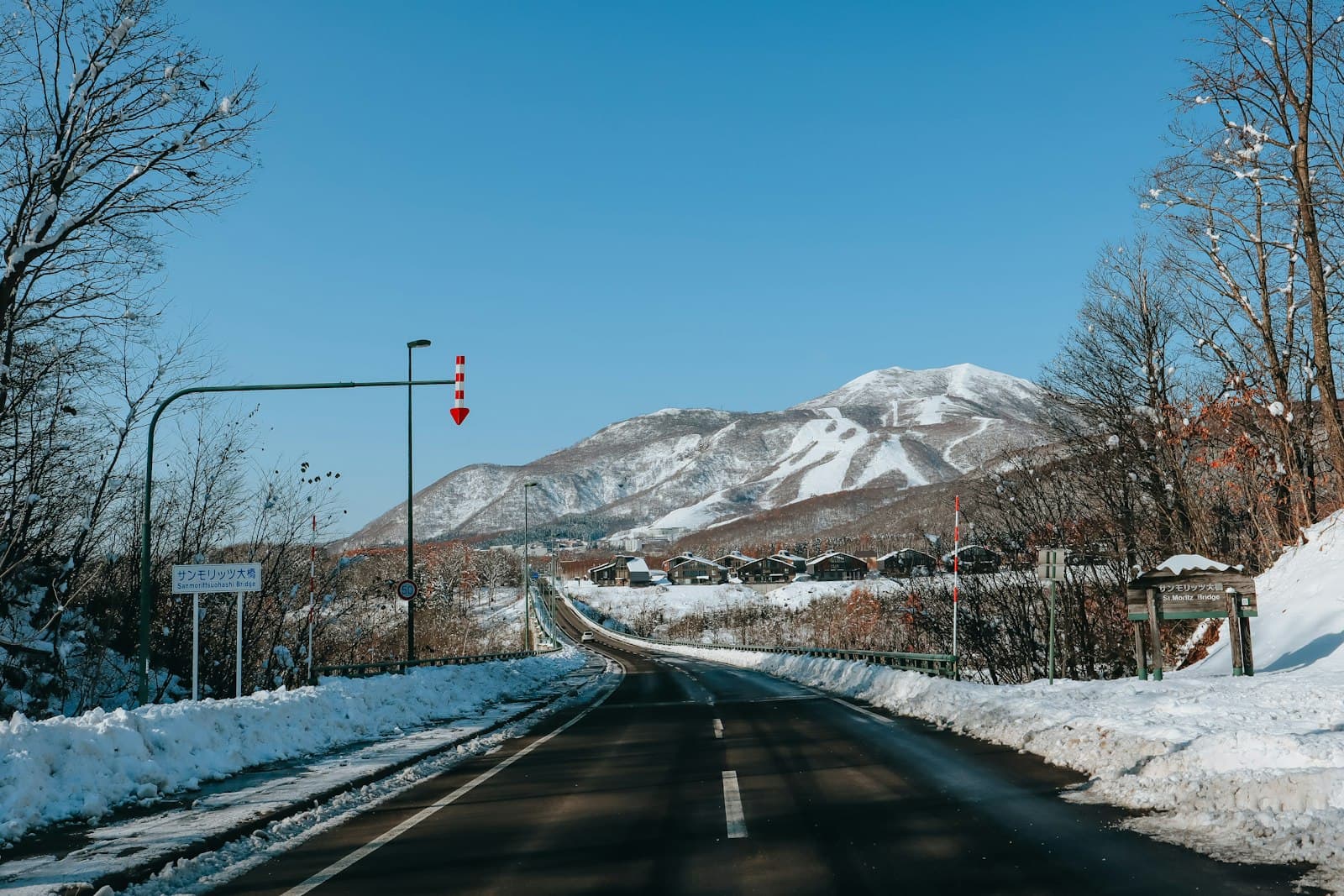
A first-person account of chasing Hokkaido's contradictory spring — cherry blossoms over melting snow, a half-frozen Blue Pond, and lift closures that rewrote the plan daily.
Essential Tips for Traveling to Hokkaido
Hokkaido's spring runs weeks behind Honshu's and follows its own fishing and blossom calendar. Here's how to sequence Matsumae, Hakodate, Otaru and Furano so you catch it rather than chase it.
Hokkaido Quick Guide: Everything You Need to Know
Hokkaido in winter is Japan's deepest snow and slowest rhythms. Stay long enough to feel the season shift.