
The Best Things to Do in Hokkaido

Why Hokkaido's Winter Outclasses the Rest of Japan
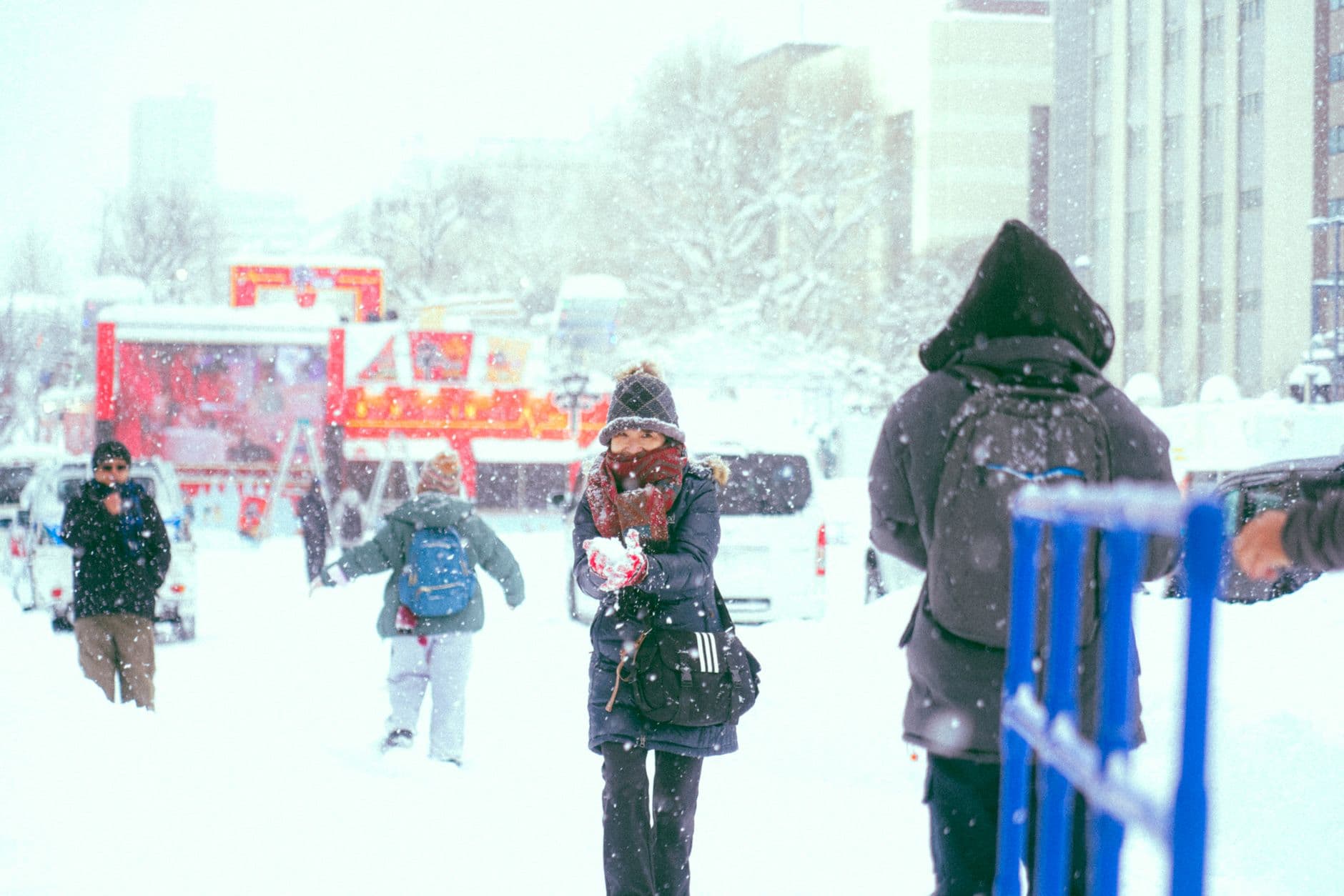
The thermometer outside Sapporo's Susukino subway exit read minus 8 Celsius, and steam was rising off a bowl of miso ramen two shops down before I'd even zipped my coat. That contrast — brutal cold outside, unreasonable warmth the moment you step indoors — is the whole pitch for Hokkaido between December and March. This island produces some of the driest, lightest snow anywhere on earth, sends drift ice drifting across the Okhotsk Sea, and heats its onsen towns with volcanic water that never seems to run cold.
This list ranks the experiences that make a Hokkaido winter worth the long flight and the extra layers. Some entries are single afternoons, others deserve a full day on their own, and I've noted travel times from Sapporo throughout so you can build a realistic itinerary rather than a wish list.
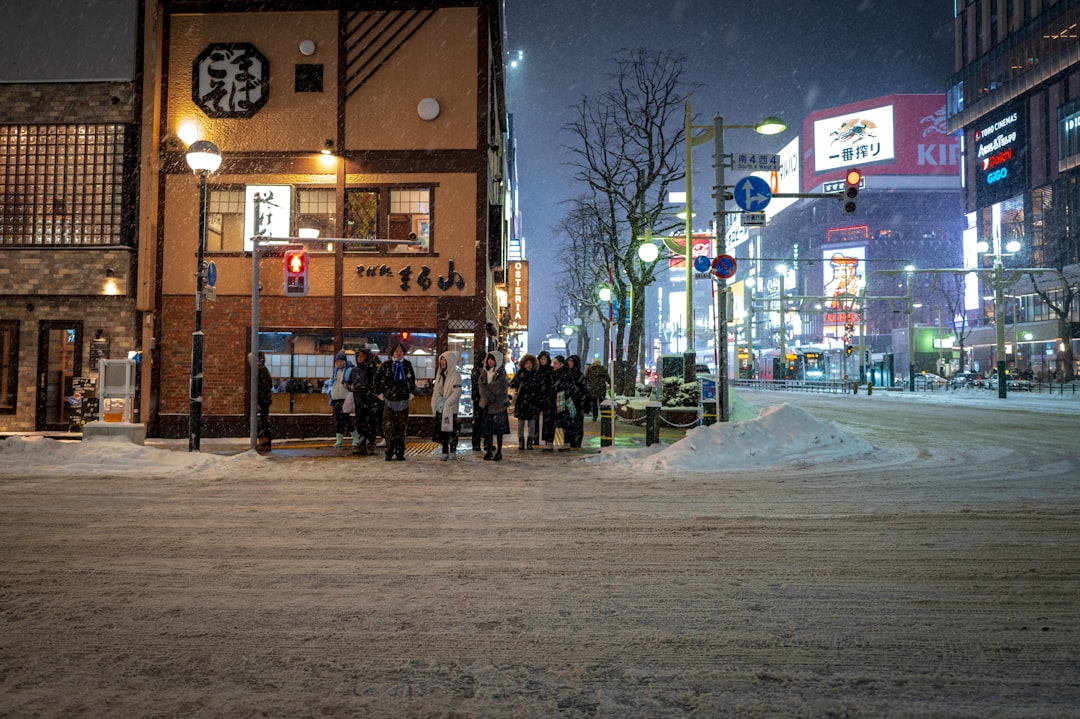
Every entry here had to clear three bars: it needed to be genuinely specific to Hokkaido rather than something you could do equally well elsewhere in Japan, it needed to be accessible within a reasonable travel radius of Sapporo or New Chitose Airport, and it needed to reward the effort of dealing with sub-zero temperatures.
I weighted heavily toward things that only happen in this exact window — festivals with fixed dates, ice formations that melt by spring, animal behavior tied to the cold — over generic sightseeing that just happens to look pretty with snow on it.
Powder Skiing Across Niseko United
Four linked resorts near Kutchan with some of the lightest snow you'll ever ride
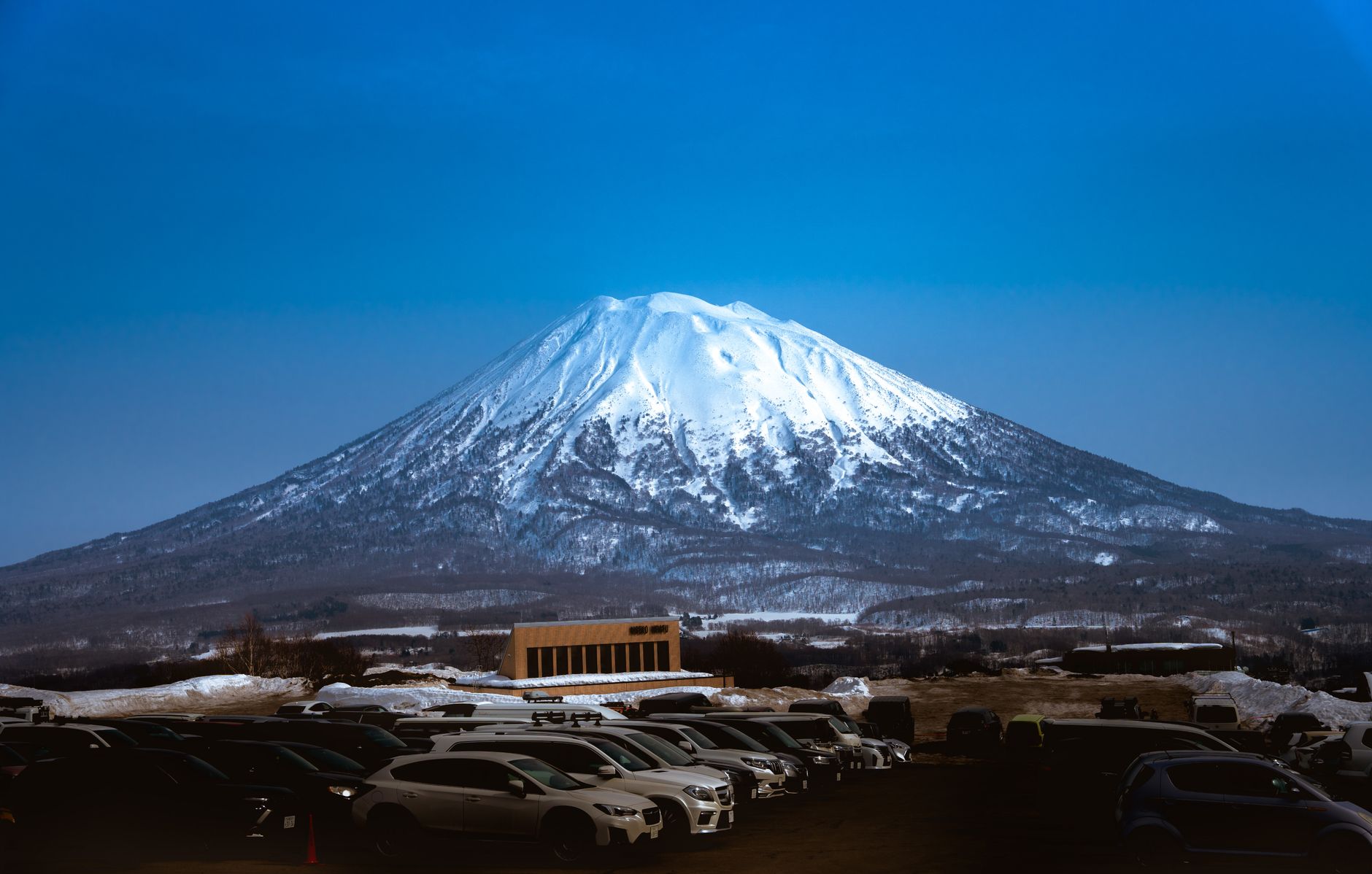
Niseko United ties together four resorts — Grand Hirafu, Hanazono, Niseko Village, and Annupuri — under one lift ticket, with Mount Yotei's near-perfect cone visible from almost every run. The snow here falls dry and fine because Siberian air masses cross the Sea of Japan and dump moisture before it has a chance to freeze into anything heavier, which is why the region regularly reports total snowfall well above 10 meters over a season.
New Chitose Airport sits roughly 2.5 to 3 hours away by shuttle bus or rental car, and most visitors base themselves in Hirafu village, where English is spoken almost everywhere and the après-ski scene runs late. A day lift pass runs somewhere in the ¥6,000-8,500 range depending on the season and which resort combination you choose, and night skiing at Hanazono extends the day until around 21:00 on clear evenings.
The Sapporo Snow Festival at Odori Park
A week and a half of massive ice and snow sculptures right in the city center
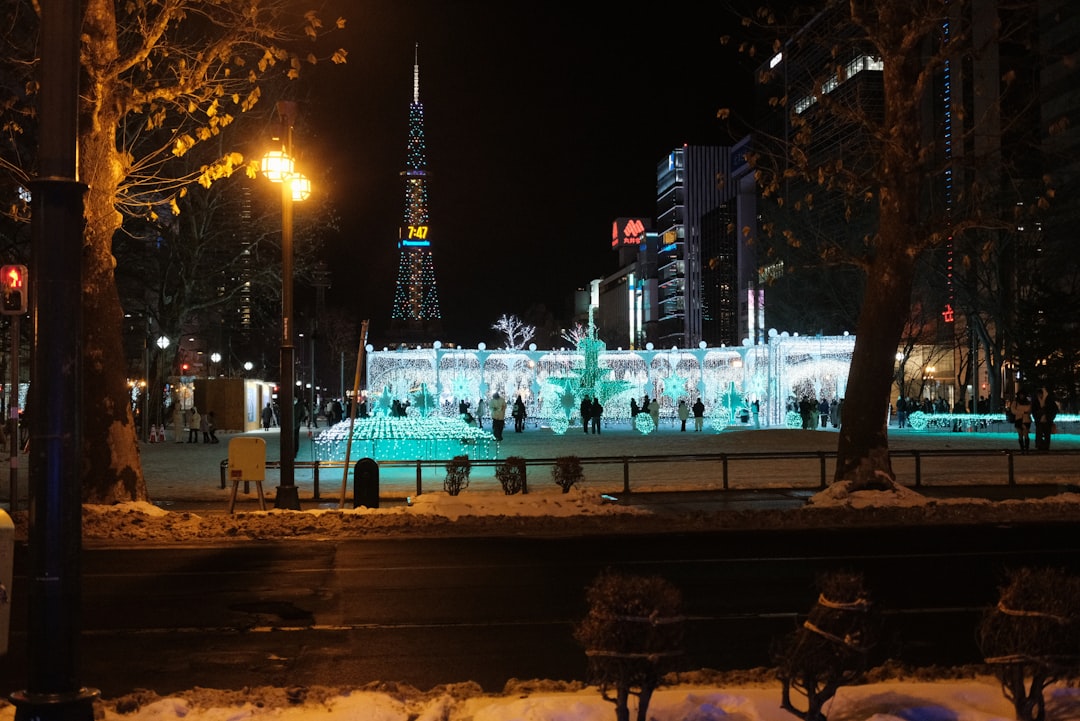
Every February, Odori Park's twelve city blocks fill with snow sculptures built by teams that include local artists, the Japan Self-Defense Forces, and international entrants, alongside a separate ice sculpture zone that glows blue and violet after dark. The festival runs for roughly ten days in early February — dates shift slightly year to year, so confirm the exact window before you book flights.
A second, quieter site called Tsudome, a short drive or free shuttle bus ride from the main park, has snow slides and tubing runs that are better suited to families. Entry to both sites is free, though food stalls selling grilled squid, hot corn soup, and Sapporo-style miso ramen will happily take your yen.
Steaming Away the Cold in Noboribetsu's Jigokudani
Hell Valley's sulfur vents and one of Hokkaido's most storied onsen towns
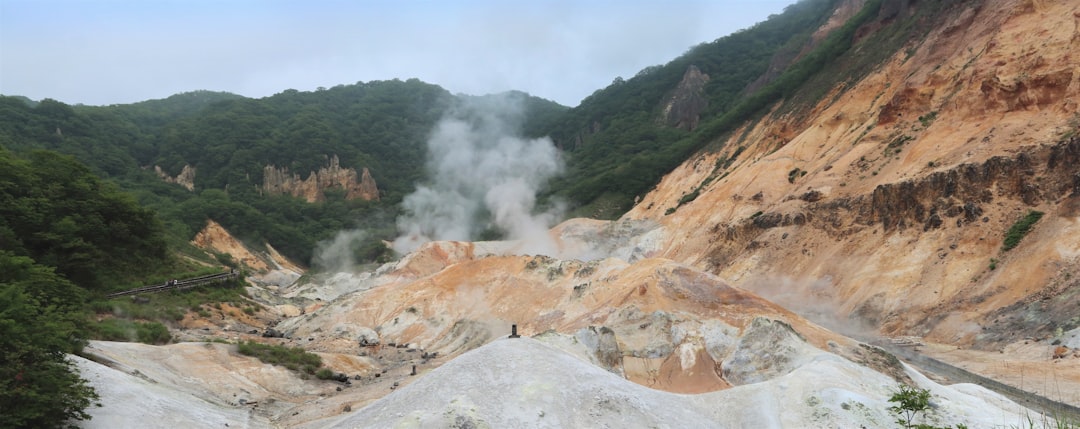
Jigokudani, literally Hell Valley, is a volcanic crater on the edge of Noboribetsu where sulfurous steam vents hiss out of orange-streaked rock year-round, and it looks even more dramatic ringed with snow. A walking path loops through the valley in about 20-30 minutes, and it's free to wander, though the smell takes some getting used to.
The town's ryokan draw their baths directly from this source, and the Dai-ichi Takimotokan is the largest, with more than 20 different bath styles under one roof including an outdoor rotenburo you can soak in while snow falls on your shoulders. Noboribetsu sits about 90 minutes from Sapporo by car or direct bus, making it an easy day trip or an overnight if you want the full ryokan dinner experience.
Otaru's Canal Under Snow Lanterns
A gas-lit canal town that turns into a candlelit walk during the Snow Light Path Festival
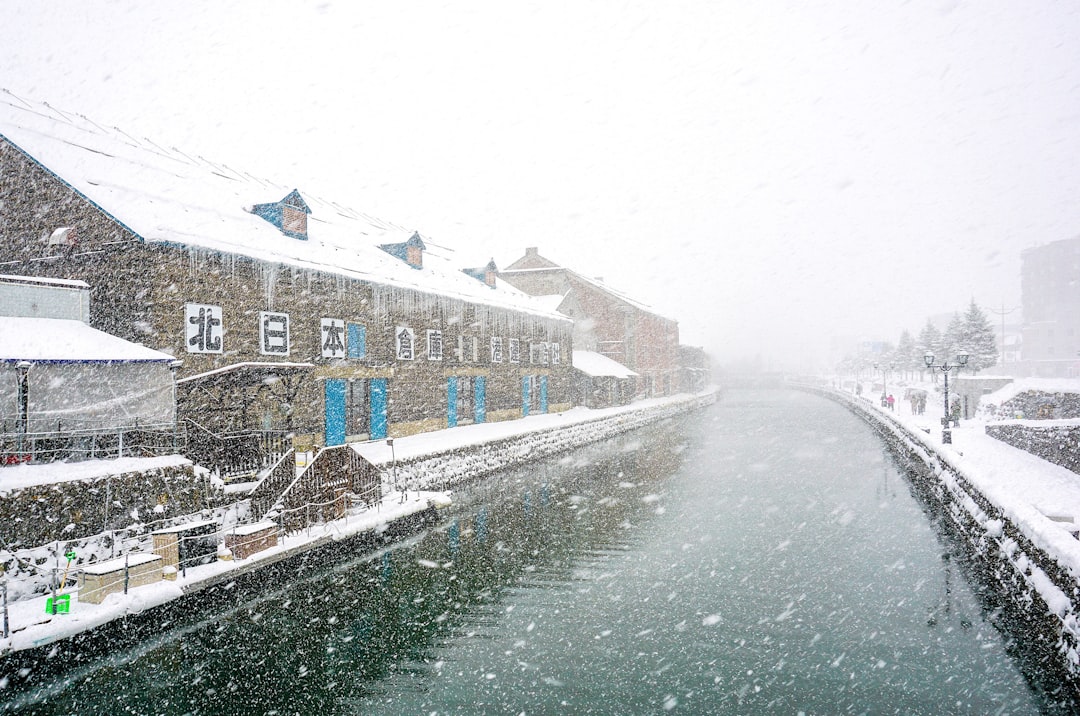
Otaru's stone canal warehouses, built in the early 1900s to handle herring and coal trade, look their best just after dusk when the gas lamps along the water flicker on. Mid-February brings the Otaru Snow Light Path Festival, when locals line the canal and the old railway tracks nearby with hand-carved snow lanterns holding candles, and the whole town smells faintly of woodsmoke and grilled scallops.
Otaru is a 32-40 minute JR train ride from Sapporo Station for around ¥640-750 one way, which makes it one of the easiest half-day escapes on this list. Save room for sushi — the town's Sushiya-dori strip has more than a dozen counters sourcing directly from the morning fish market, and a solid omakase lunch runs roughly ¥3,000-6,000 depending on the shop.
Watching Penguins Walk the Snow at Asahiyama Zoo
Asahikawa's cold-weather zoo turns its penguin colony loose for a daily winter parade
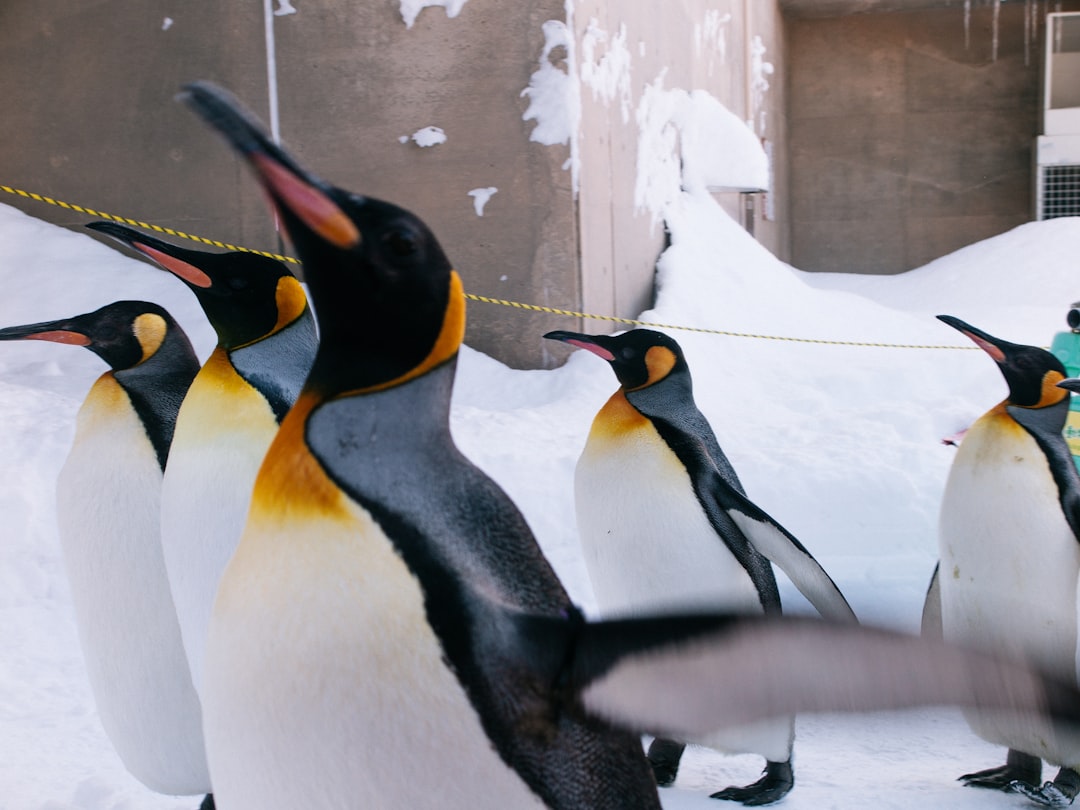
Asahiyama Zoo, in Asahikawa, built its reputation on exhibits designed around what its animals actually want to do in the cold rather than forcing them indoors, and nowhere is that more obvious than the winter penguin walk. Twice a day in the coldest months, keepers let king and Humboldt penguins waddle a short loop through the snowy paths while visitors watch from just a few feet away.
Asahikawa is a 1.5-2 hour drive or train ride northeast of Sapporo, and the zoo's polar bear enclosure is worth timing your visit around too, since the bears are noticeably more active on colder days. Entry runs around ¥1,000 for adults, and the penguin walk schedule is posted at the gate each morning since it depends on conditions.
Cordelie travel advisors
Planning Hokkaido? Go with someone who knows
The right suite, the right season, the reservations that never appear online — your Cordelie advisor knows them, and holds them for you.
Plan with a Cordelie advisorFree to ask. Cordelie Travel Services · IATA/ARC 06649064
Sailing Through Drift Ice on the Okhotsk Sea
An icebreaker cruise out of Abashiri crunches through pack ice from Siberia
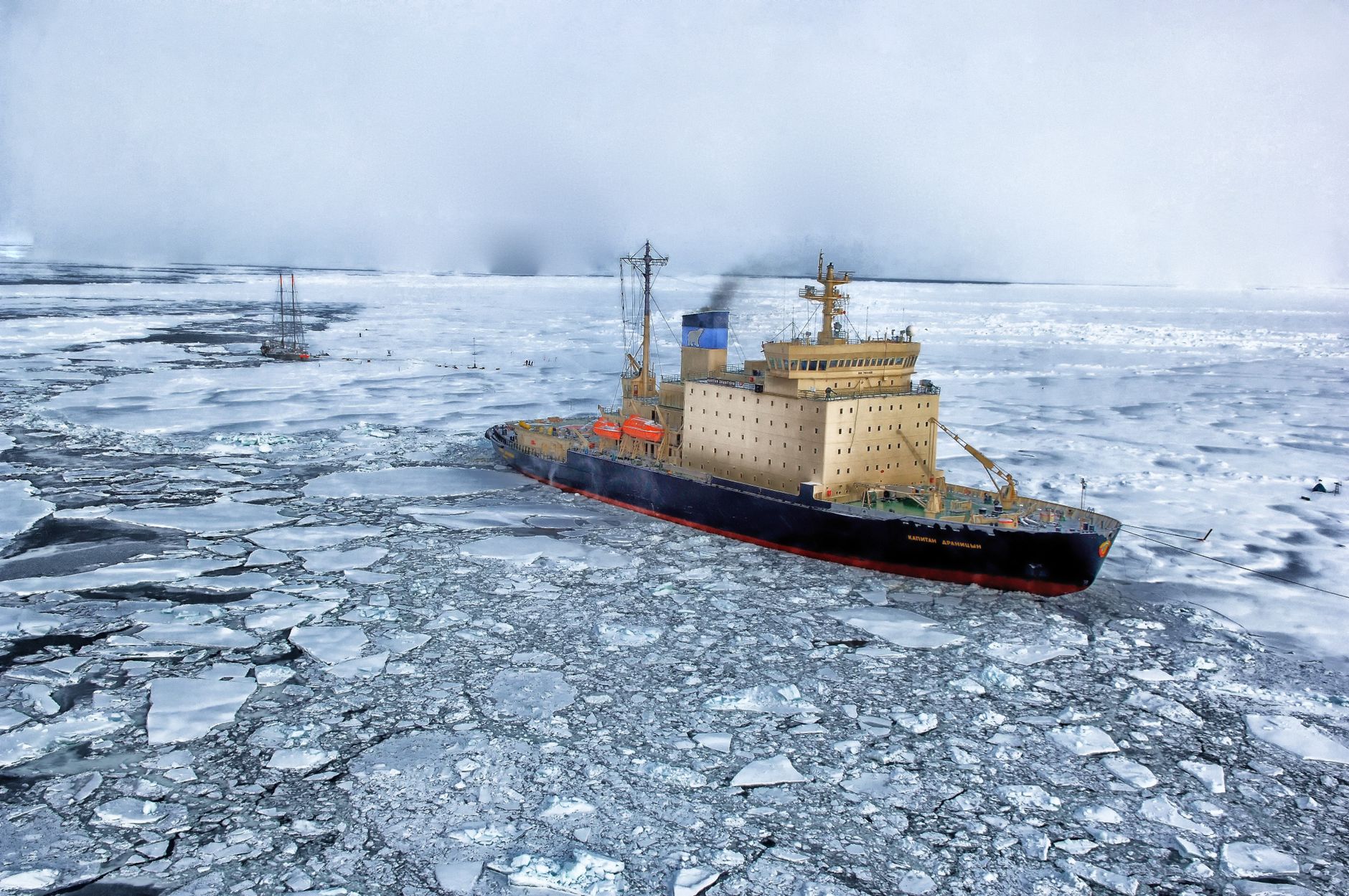
Between late January and late March, ice that forms far to the north along the Amur River drifts down and packs against Hokkaido's northeast coast, and the icebreaker Aurora sails right through it out of Abashiri port. The hull groans and cracks as it plows through floes that can stretch to the horizon, and on a clear day you'll spot Steller's sea eagles perched on the ice watching for fish.
Abashiri sits far from Sapporo — figure a short domestic flight to Memanbetsu Airport, about 20 minutes from the port, or a longer train journey of five hours or more if you'd rather see the countryside. Cruises run roughly 60 minutes and cost somewhere around ¥3,000-4,000 for adults; book the earliest sailing you can, since ice coverage and visibility tend to be best before midday.
The Blue Pond Lit Up Against Snow in Biei
Farm country near Furano turns eerie and beautiful once the illumination switches on
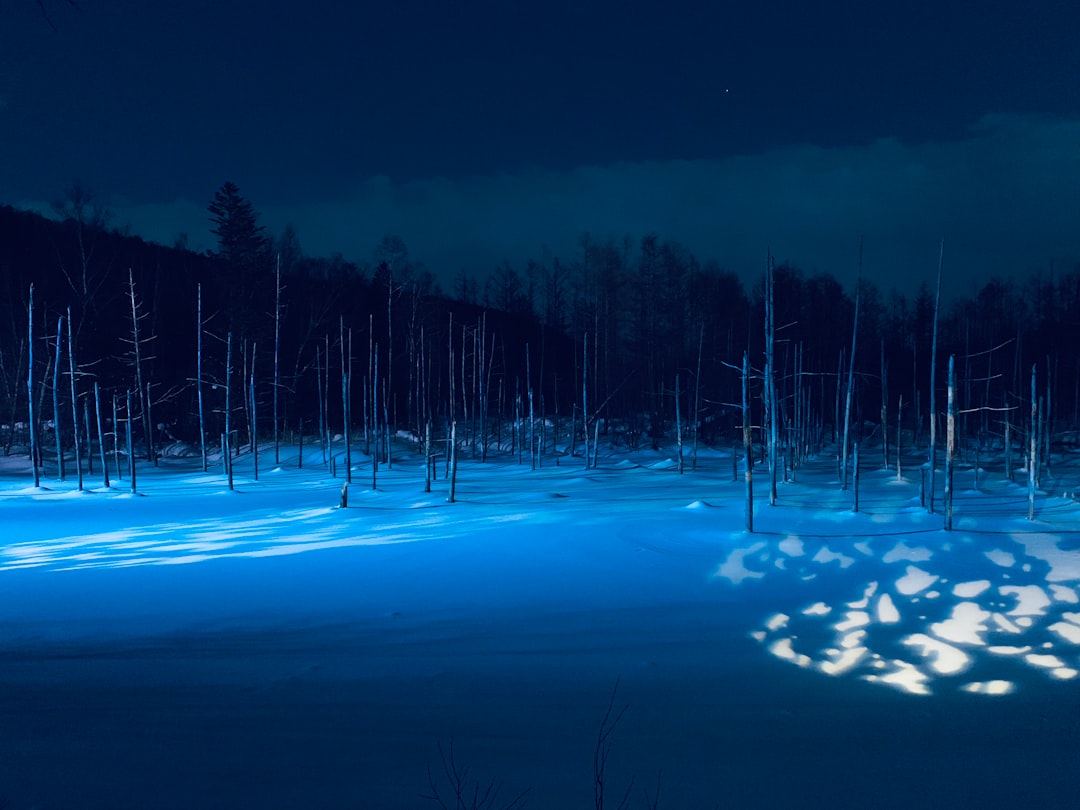
Aoiike, the Blue Pond near Biei, gets its startling turquoise color from dissolved minerals even in the depths of winter, and once darkness falls the dead standing trees rising out of the frozen surface are lit from below in shifting colors. The illumination typically runs from November through March, with lights on from around 17:00 until 22:00, and there's no admission fee.
Furano, twenty minutes further south, has its own smaller ski hill with gentler slopes than Niseko and noticeably shorter lift lines, plus Farm Tomita's winter greenhouses, which stay open selling lavender products and hot soup even with snow piled outside. Both towns sit about two hours from Sapporo by car, and renting one for the day beats relying on the area's limited winter bus schedule.
A Ramen and Crab Crawl Through Susukino
Sapporo's Ramen Yokocho alley and Nijo Market for the seafood that made this island famous
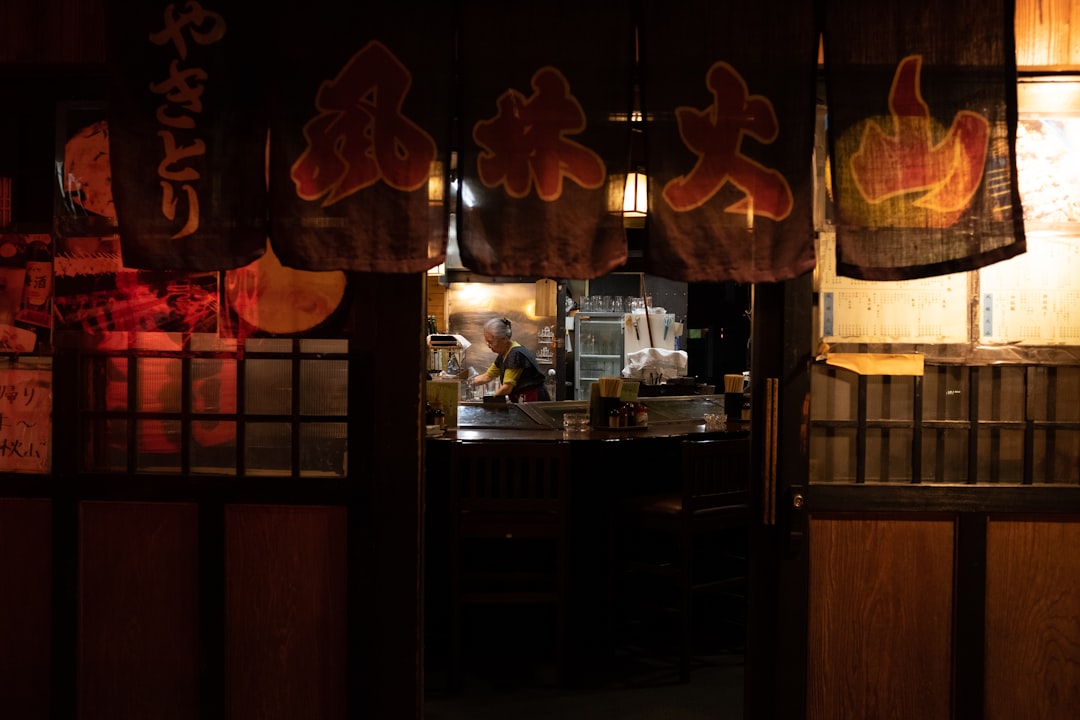
Ramen Yokocho, a narrow lane in Susukino barely wide enough for two people to pass, packs in close to twenty tiny ramen counters, most seating fewer than ten diners at a time. Sapporo-style ramen means a rich miso broth loaded with butter and corn, a combination that sounds strange until the cold makes total sense of it; expect to pay roughly ¥900-1,300 a bowl.
For crab, head to Nijo Market a short walk from Odori Station, where vendors will steam a whole king crab or snow crab leg to order for somewhere around ¥2,000-5,000 depending on size and season. Go before 11:00 if you want to beat the tour groups, and don't skip the uni and salmon roe bowls — this stretch of Hokkaido coastline supplies a large share of the seafood you'll eat anywhere else in Japan.
Three More Cold-Weather Draws If You Have Extra Days in Hokkaido
If your trip stretches past a week, three more spots deserve a look. The Lake Akan Ice Festival, near Kushiro in eastern Hokkaido, builds an entire village of ice structures on the frozen lake surface through late January and February, and it draws far fewer crowds than Sapporo's festival. Sounkyo Onsen, tucked inside Daisetsuzan National Park, holds its own Hyoubaku Ice Waterfall Festival where frozen waterfalls are carved and lit, usually running late January into March. And Lake Toya's onsen town sets off fireworks over the water most nights between spring and autumn — worth checking directly, since the winter schedule can be lighter than the warmer months.
The hardest part of a Hokkaido winter trip isn't finding things to do — it's sequencing them. Snow Festival week fills Sapporo's best hotels months out, drift ice viewing depends on conditions that shift by the day, and Niseko's top ryokan and chalets book solid through the powder season.
A Cordelie advisor can secure the rooms and transfers that make this itinerary click, from a Hirafu chalet with ski-in access to a private car between Sounkyo and Asahikawa timed around the ice festival's evening lighting. Tell us what draws you most — the powder, the onsen towns, the wildlife — and we'll shape the rest of the trip around it.
Top Pick: Powder Skiing Across Niseko United
The single Hokkaido winter experience worth building an entire trip around.
Nowhere else on this list matches Niseko's combination of consistent, feather-light snow, genuinely international infrastructure, and terrain that rewards both first-timers and skiers who've written off every other resort in Asia. Four linked mountains, a village built for après-ski that never feels like an afterthought, and a season that reliably stretches from December into early April make it the anchor everything else on this list should be planned around.
Last checked for accuracy: . How we check

Sarah Chen has covered Asia for twelve years, first as a wire reporter in Jakarta and now from Singapore, where she keeps a standing list of the region's most misunderstood destinations. She writes about the distance between what a place is famous for and what it is actually like to spend a week in — and is happiest on an overnight train with a bad seat and a good view.
Related Articles
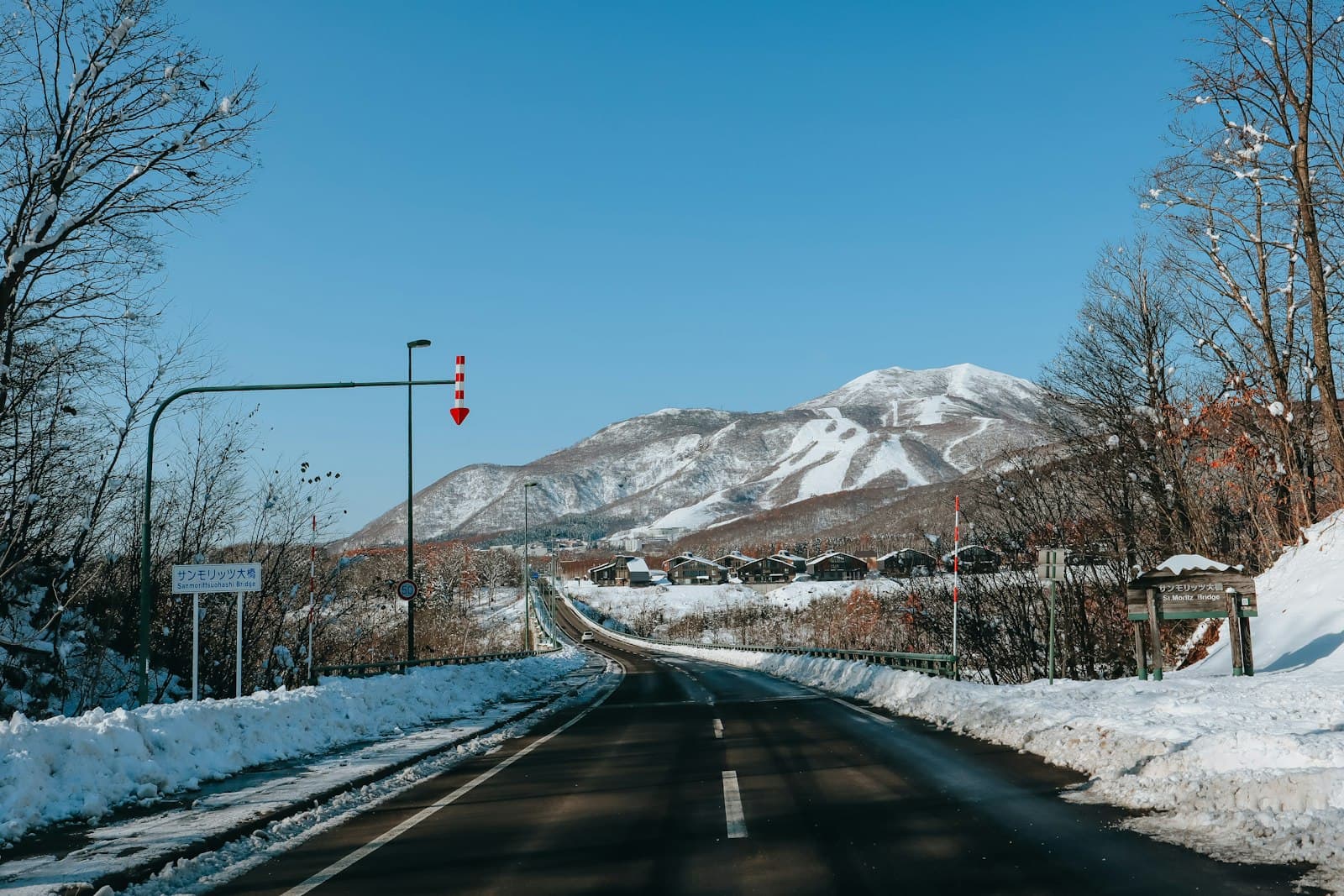
My Spring in Hokkaido: A Travel Story
A first-person account of chasing Hokkaido's contradictory spring — cherry blossoms over melting snow, a half-frozen Blue Pond, and lift closures that rewrote the plan daily.

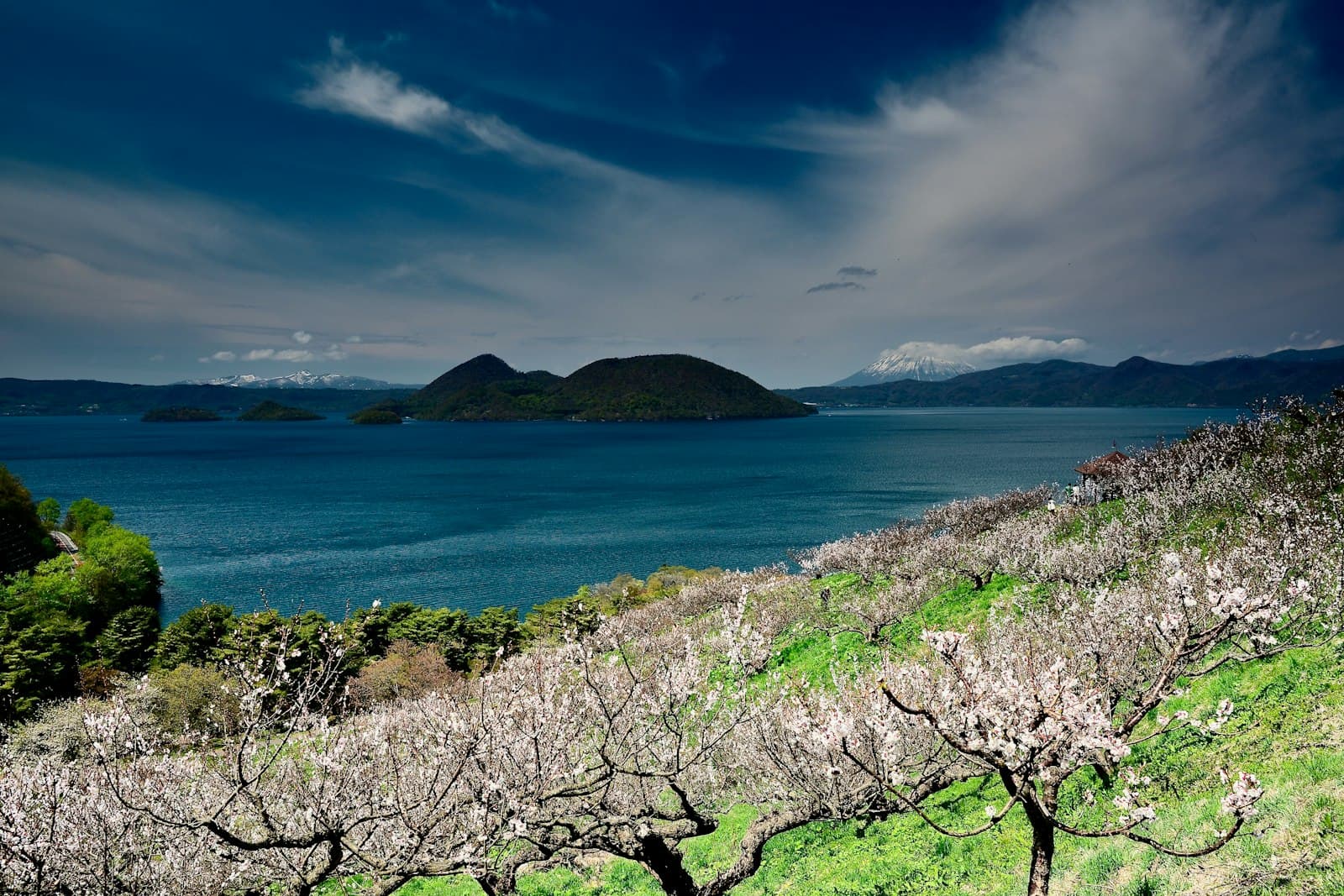
The Complete Guide to Hokkaido: What to See, Do & Eat
Hokkaido's cherry blossoms bloom weeks behind the rest of Japan, giving spring travelers a second chance to catch them. Here's how to base slowly across Sapporo, Otaru and Hakodate.

Essential Tips for Traveling to Hokkaido
Hokkaido's spring runs weeks behind Honshu's and follows its own fishing and blossom calendar. Here's how to sequence Matsumae, Hakodate, Otaru and Furano so you catch it rather than chase it.