
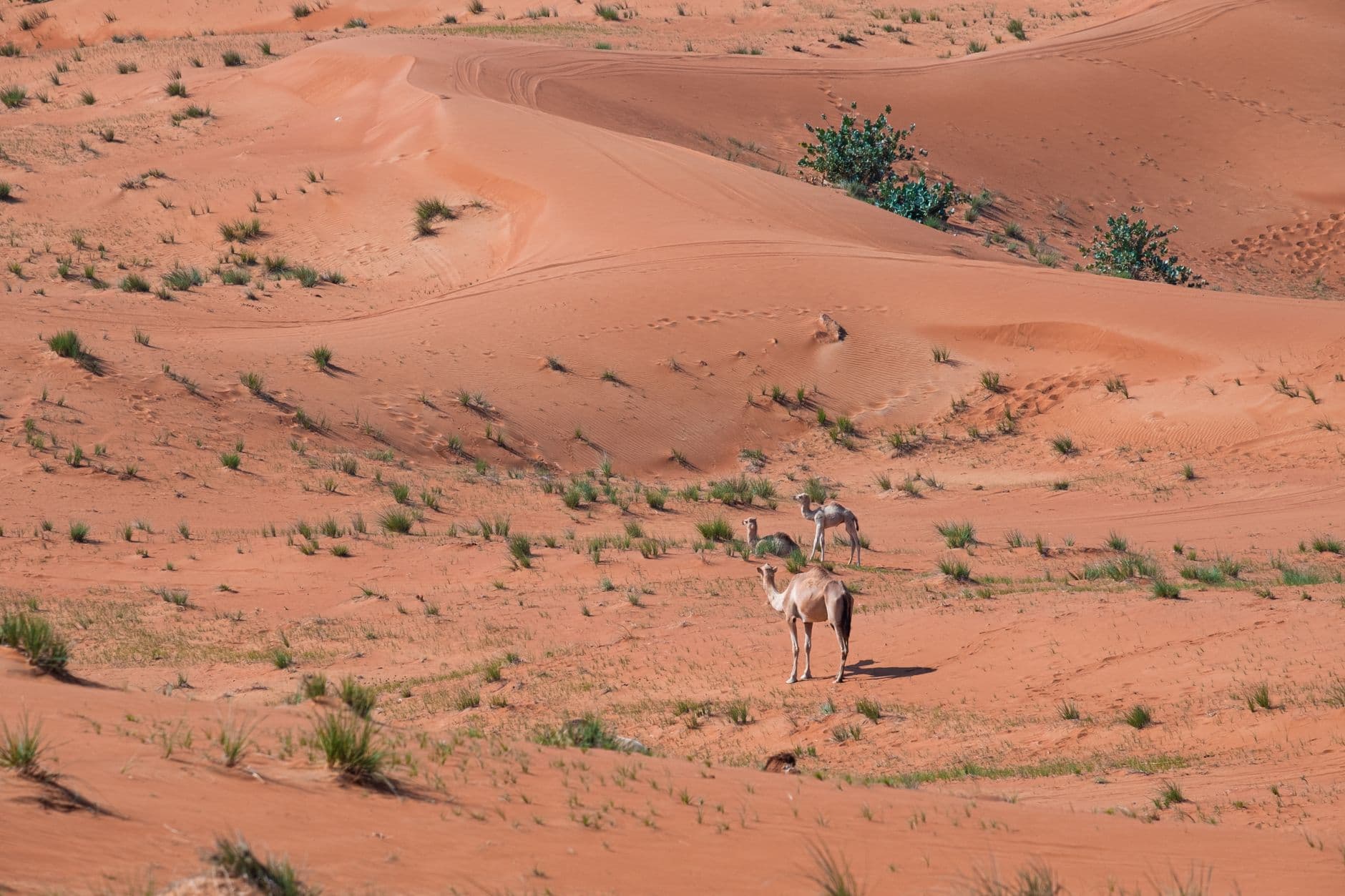
Why the Middle East Is Perfect for Winter Travel

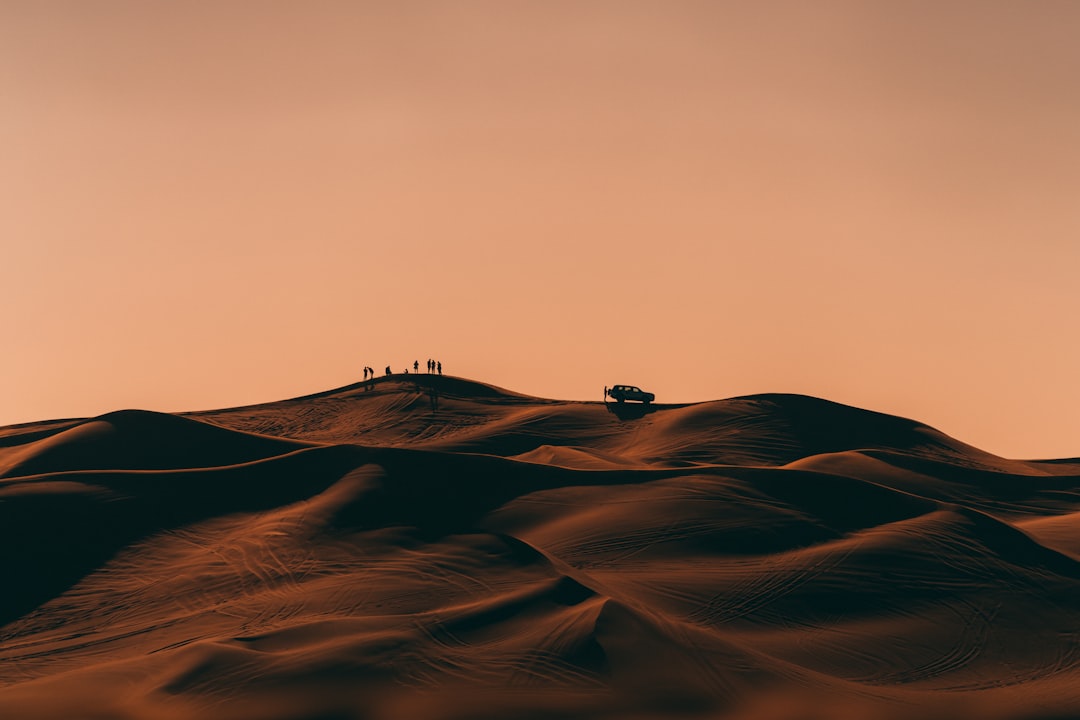
Why Winter Is the Essential Season for Middle Eastern Travel
At dawn in the Wadi Shab, near Muscat, a hiker pauses at the water's edge where emerald pools reflect limestone cliffs. The temperature hovers around 20°C (68°F). This is not the Middle East most travelers imagine—scorched, inhospitable, best avoided. This is winter, when the region transforms into something that rewards staying longer in fewer places.
November through March is when the Middle East becomes genuinely pleasurable for travelers. The relentless summer heat breaks. Humidity softens. The long daylight hours that make afternoon exploration miserable fade into workable windows—warm days, cool mornings and evenings, and a landscape that breathes.
Five Destinations That Reward Winter Slowness
Oman — Wadis, Coastal Towns, and Unhurried Rhythm
Where water and architecture move at the pace of history
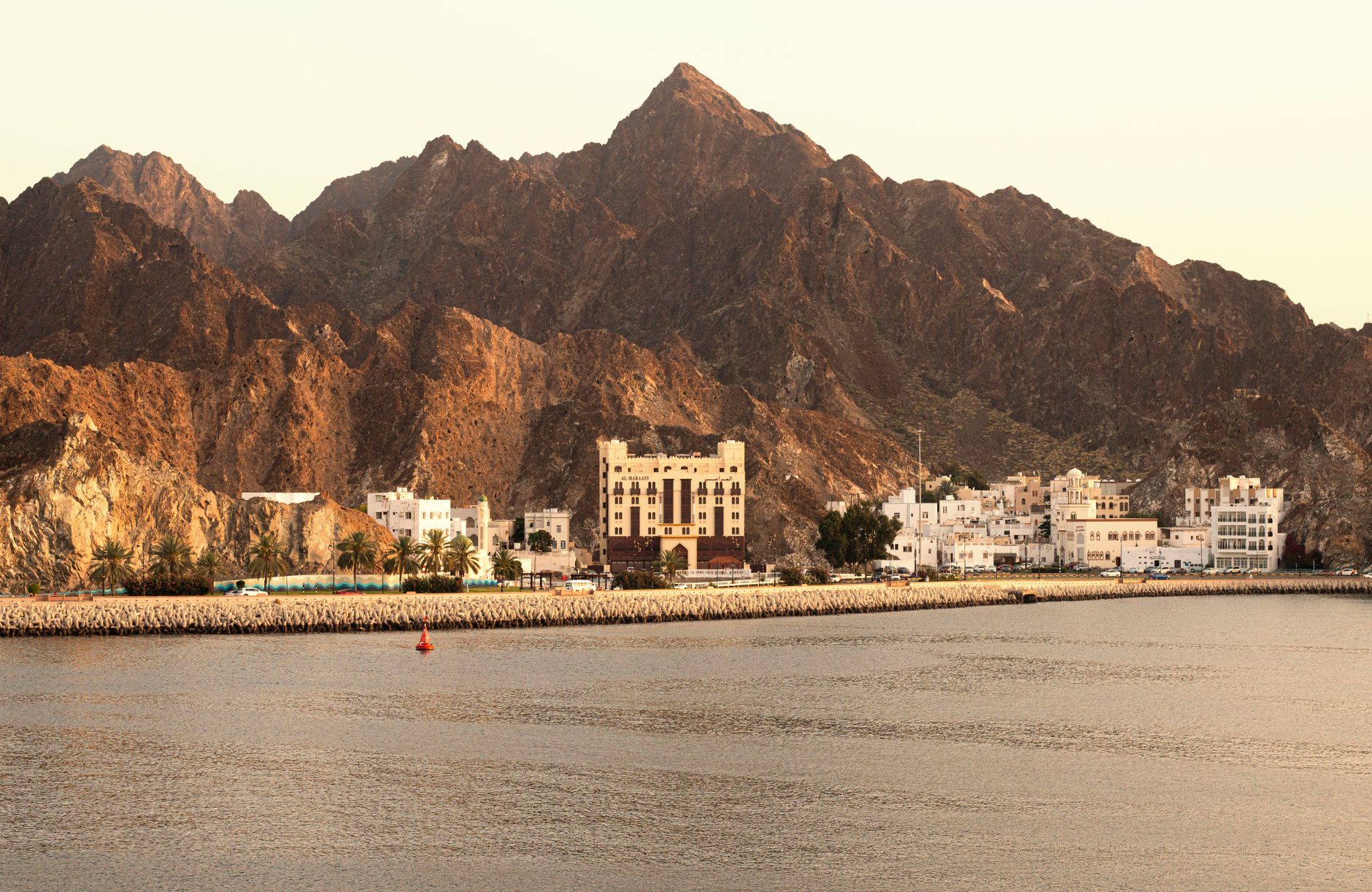
Oman rewards travelers who resist the urge to cross it in three days. Muscat itself is a layered city built into cliffs overlooking the Arabian Sea. The Old Town spreads along the waterfront where traditional wind towers ventilate centuries-old buildings. Al Alam Palace sits on a peninsula, its bright turquoise facade visible from the harbor.
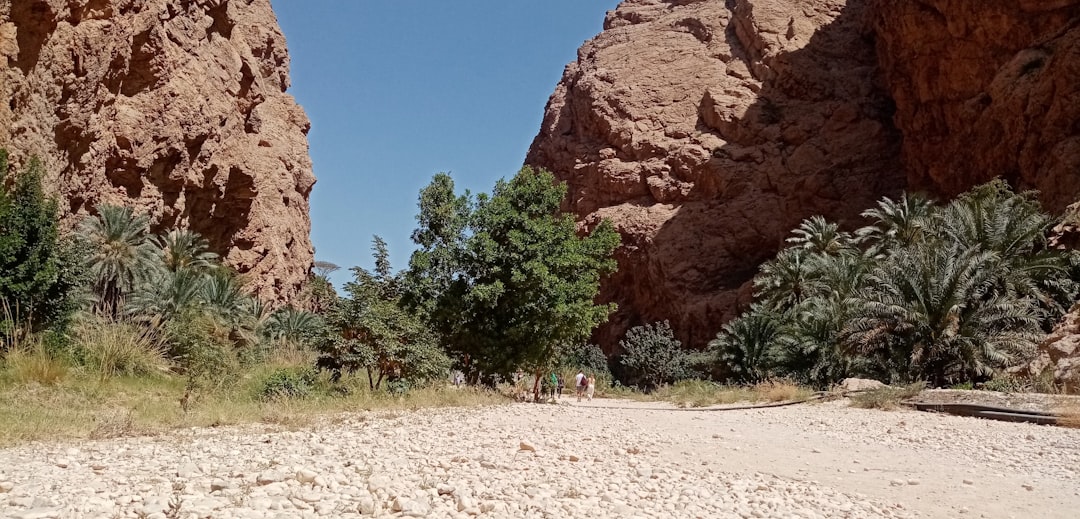
Drive south from Muscat and the landscape shifts. In Wadi Shab, winter rains pool between date palms and canyon walls. The hike takes roughly two hours and requires wading through cool water—manageable in the mild winter months, genuinely difficult in summer heat. The emerald pools are real, not mythical, and worth the effort.
Nizwa, inland in the mountains, feels removed from tourist rhythms entirely. The Friday livestock market convenes near the base of Nizwa Fort, a mud-built structure that dates to the 17th century. The fort itself opens to visitors daily, typically 9:00–16:00, with entry around 3 OMR (approximately USD 8–9). Climb to the roof. The silence up there, and the views across date plantations, makes clear why you traveled here slowly rather than fast.
Dubai and Abu Dhabi — Urban Coastline and Winter Culture
Winter beaches and festival season create genuine appeal beyond the commercial
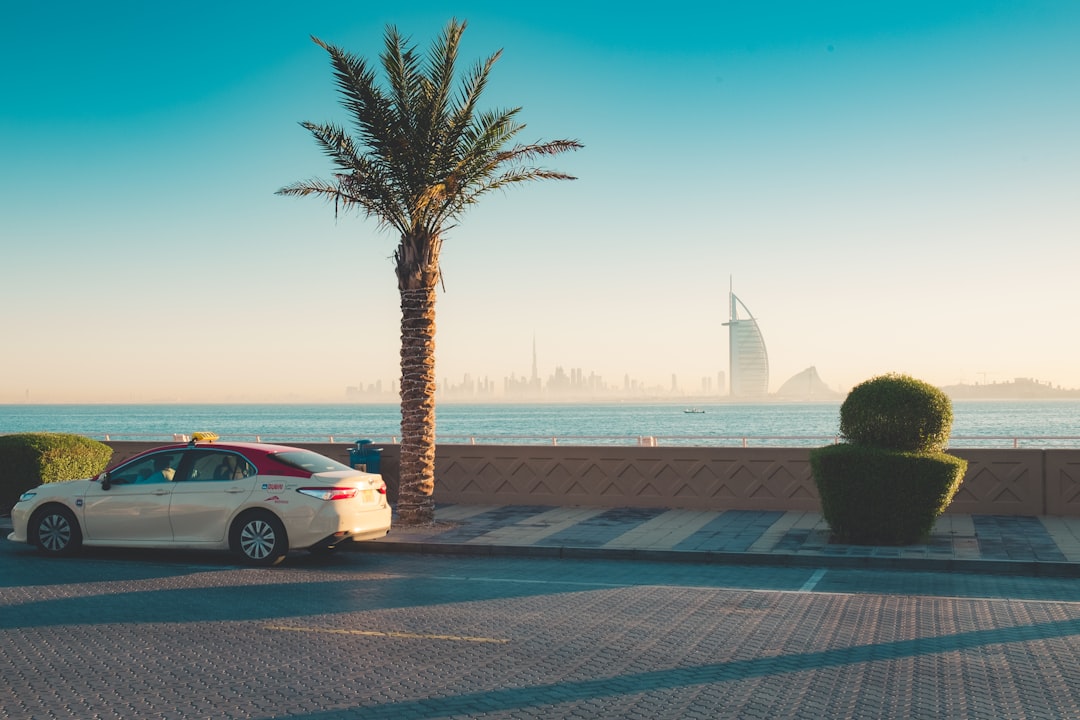
Dubai and Abu Dhabi each have a winter season worth experiencing, not just passing through. In Dubai, Jumeirah Beach Park is genuinely swimmable in winter—water temperatures sit around 22–24°C (72–75°F) in January and February. The beach strips are uncrowded by summer standards. Eat breakfast at a seafront café without the sensation of time pressure.
Abu Dhabi's Sheikh Zayed Grand Mosque opens to visitors Saturday to Thursday 9:00–20:30 and Friday 9:00–11:30 plus 14:30–20:30, with prayer times creating moments of architectural silence, and charges an entry fee of around AED 10 for tourists. The marble floor feels cool underfoot. The light through the dome changes through the morning. Spend time here without the afternoon crowds.
Abu Dhabi also hosts the Abu Dhabi Book Festival in autumn and cultural events through winter. The timing varies year to year; check the Abu Dhabi Events calendar. These festivals draw fewer international visitors than summer attractions and reward unhurried attendance.
Petra, Jordan — Desert Architecture in Comfortable Light
Winter clarity and manageable temperatures make the ancient city rewarding to explore deliberately
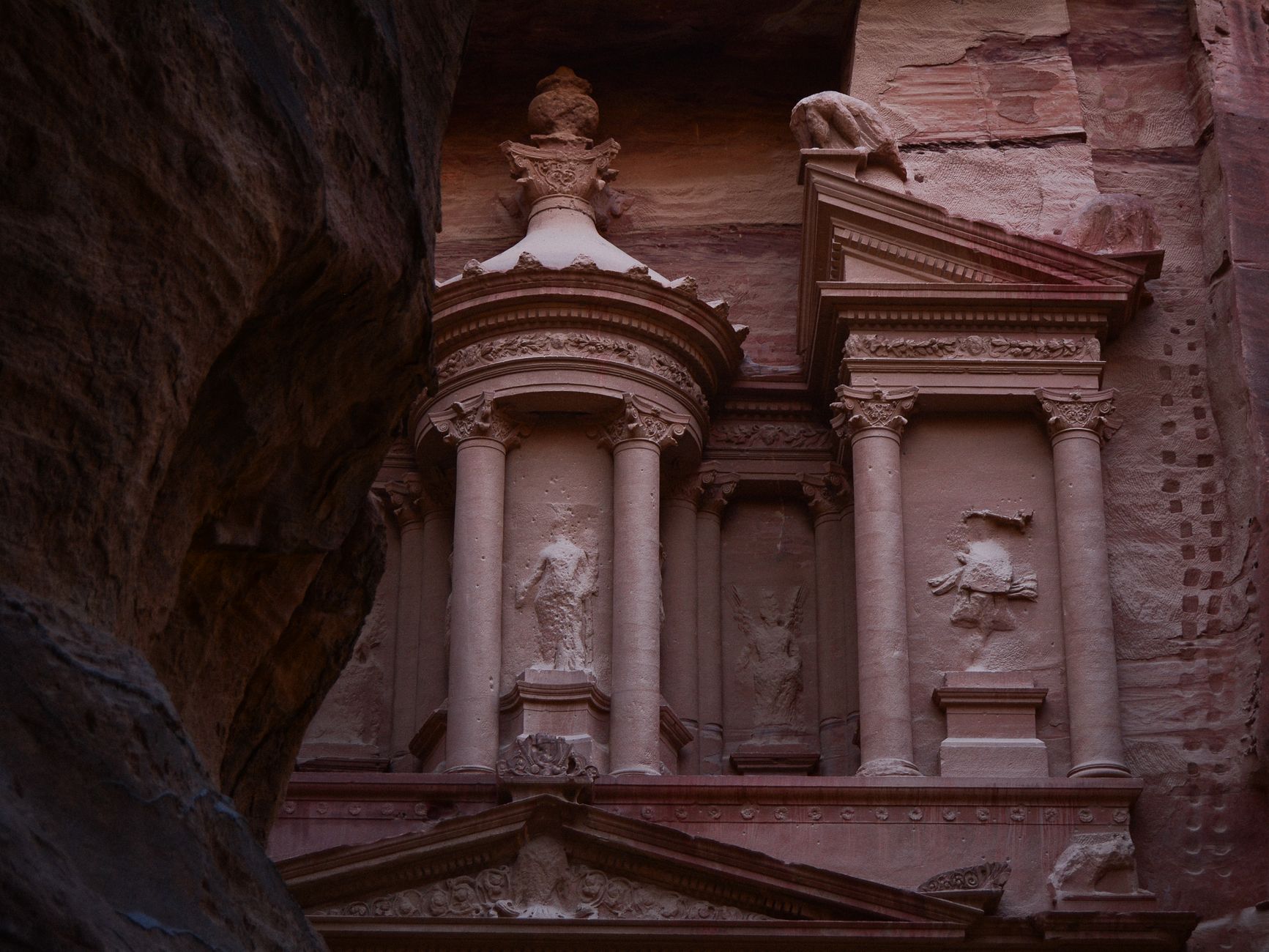
Petra, carved into rose-colored rock in southern Jordan, demands more than a single visit to start making sense. Winter temperatures make this feasible. Daytime highs range from 15–18°C (59–64°F) in January, rising to 20–22°C (68–72°F) by March. This is the temperature at which you can hike between facades, climb to viewpoints, and sit with the stone without your body screaming.
The classic hike—from the Visitor Center through the Siq to the Treasury—takes roughly two hours out and back at an easy pace. Early morning or mid-afternoon makes more sense than midday, not because of heat but because light angles change the color of the rock. A guide adds layers. Most private guides charge 40–60 JOD (approximately USD 56–85) for a half-day.
Less visited in winter than high season, Petra still draws crowds; the advantage is that winter crowds are smaller and your own pace becomes viable. Stay in the town of Wadi Musa, which sits at the Visitor Center. Walk down the main street in the evening. Eat at one of the smaller restaurants rather than the tourist-focused establishments on the main drag.
Istanbul and Turkish Anatolia — Winter Bridges Asia and Europe
Straddling Europe and Asia, Istanbul offers coastal charm and architectural depth in winter clarity
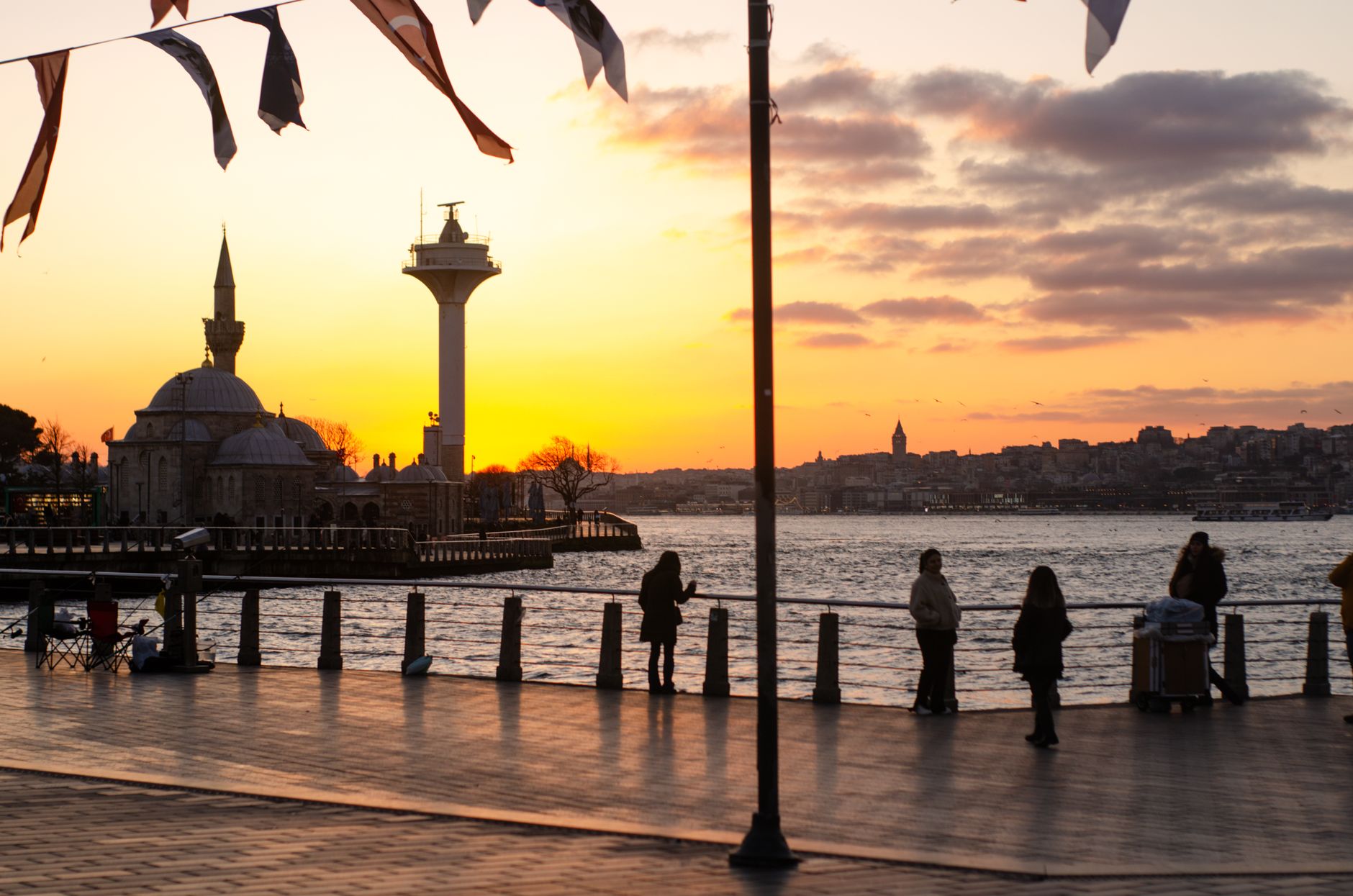
Istanbul's winter is cool but rarely cold—daytime temperatures in January and February range from 8–10°C (46–50°F). The rain comes regularly, but it brings clarity to the Bosphorus and fewer crowds to the Blue Mosque and Hagia Sophia. Both are genuinely worth experiencing without the summer press of tourists.
The Blue Mosque charges no entry; donation is customary. Hagia Sophia, now a mosque after years as a museum, admits visitors outside prayer times, typically 10:00–16:30 in winter, with entry free as a place of worship. The interior light transforms through the day. Go once in morning, once in afternoon, and sit without rushing.
The Bosphorus itself becomes visible in winter clarity. A ferry crossing between Europe and Asia from Karaköy to Üsküdar costs several dozen Turkish lira (approximately USD significantly more than 0.30) and takes roughly 15–20 minutes. Ride it slowly. Look across the water. This is travel that moves at water pace, not airport pace.
Doha and the Qatar Peninsula — Emerging Beach Culture and Desert Reserves
Winter swimming and desert reserves create a less-visited entry point to Gulf travel
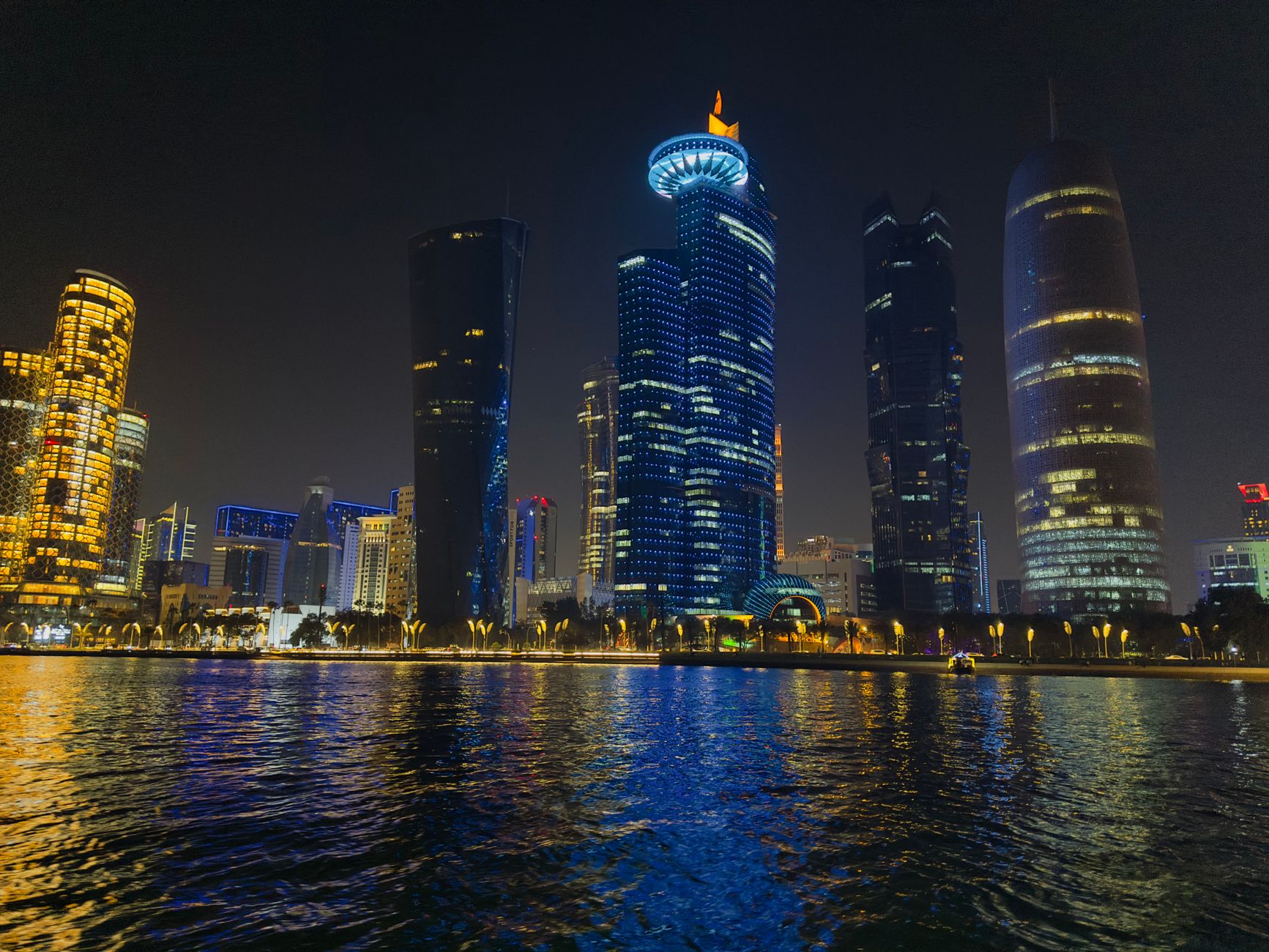
Doha's winter season transforms its beaches into genuinely usable spaces. December through February, water temperatures hover around 21–23°C (70–73°F). The Corniche stretches for several miles along the harbor, with parks, restaurants, and uncluttered beach access. Swim in the morning before the sun's angle steepens.
Inland, the desert reserves near Doha—particularly Sealine Beach and Al Thakira Mangrove Reserve—open easily in winter. Al Thakira is roughly an hour's drive from central Doha. A kayak through the mangroves costs around 100–150 QAR (approximately USD 27–41) for a half-day tour, including equipment and a guide.
The Museum of Islamic Art sits on the waterfront south of downtown, a modern structure with genuine depth in its collection. Entry typically costs 50 QAR (approximately USD 14–15) for adults. It is neither rushed nor crowded in winter mornings.
Cordelie travel advisors
Go with someone who knows
The right suite, the right season, the reservations that never appear online — your Cordelie advisor knows them, and holds them for you.
Plan with a Cordelie advisorFree to ask. Cordelie Travel Services · IATA/ARC 06649064
Winter Experiences Worth Arranging in Advance
Winter opens specific experiences that make sense only in this season. Desert camps operate year-round in most places, but winter is when you can spend an evening outside without heat driving you inside by 19:00. Near Wahiba Sands in Oman or in the dunes near Dubai, a guided camp experience typically costs 80–150 USD per person including dinner, depending on accommodation level and operator.
Coastal diving in the Red Sea—accessible from Egypt via Hurghada or via Sharm el-Sheikh—becomes genuinely comfortable in winter. Water temperatures around 22–24°C (72–75°F) eliminate the weight and thickness of summer wetsuits. A day trip from a coastal resort, typically including two dives and lunch, ranges from 60–100 USD with an operator based in town. Book with a shop at your resort rather than through a website; the conversation matters more than the price.
Bedouin-led walks through Wadi Rum in Jordan, a desert canyon landscape in the south, work well in winter clarity. The temperature during the day remains cool enough that a five-hour walk is exertion without suffering. Local Bedouin guides earn their living this way; arrange through your hotel or directly with local operators in the small town of Wadi Rum village. Costs typically range from 50–80 JOD (approximately USD 70–113) per person for a half-day guided walk.
Winter Across the Region
Winter travel across the Middle East requires different timing than other seasons—museums open later, beaches clear by midday, and evening dining starts later than you might expect. The details matter: visa timing for Jordan or Egypt, the logistics of crossing between countries, the gaps in hotel availability during Christmas week, the way a slower pace through one region means different pacing in the next.
A Cordelie travel advisor understands these rhythms and can craft an itinerary that moves at the pace winter allows rather than fighting it. They know which hotels offer real quiet in high season, which desert camps warrant the drive, which coastal towns reward staying longer. Let a Cordelie advisor design your winter Middle East journey so you move between places deliberately, not because a booking system demanded it.
Winter Middle East at a Glance
Winter transforms the Middle East into a region of comfortable temperatures, clear light, and manageable crowds—but only if you slow your pace and stay longer in fewer places.
Best season: November through March, with January–February offering the mildest conditions across the region.
Top priority: Allocate time for each destination. Oman deserves four to five days. Petra rewards two visits. Istanbul improves on the second evening.
Peak crowds: December 15–January 5 (Christmas/New Year holiday season). January and February remain pleasant but less crowded than December.
Budget considerations: Winter rates in Oman, Jordan, and coastal UAE are higher than shoulder seasons but lower than peak summer tourist pricing. Expect ranges of $80–150 per night for mid-range accommodations.
Packing note: Layers matter more than weight. Days warm to 20–22°C, but mornings and evenings cool to 8–15°C. Waterproofs for Oman and Istanbul where winter rain is reliable.
Why it works: You can hike for hours without heat becoming a limiting factor. Beaches and pools become places to swim rather than spaces to survive. Architecture can be explored at the pace it deserves. This is the season when the Middle East becomes a place to travel to, not a challenge to endure.
Last checked for accuracy: . How we check

Priya Raman has spent eleven years testing whether a destination works with a four-year-old, a teenager and a grandparent in the same party. She writes the version of the guide that accounts for nap times and still gets you to the good stuff, and travels from Toronto with a carry-on she can pack in nine minutes.
Related Articles
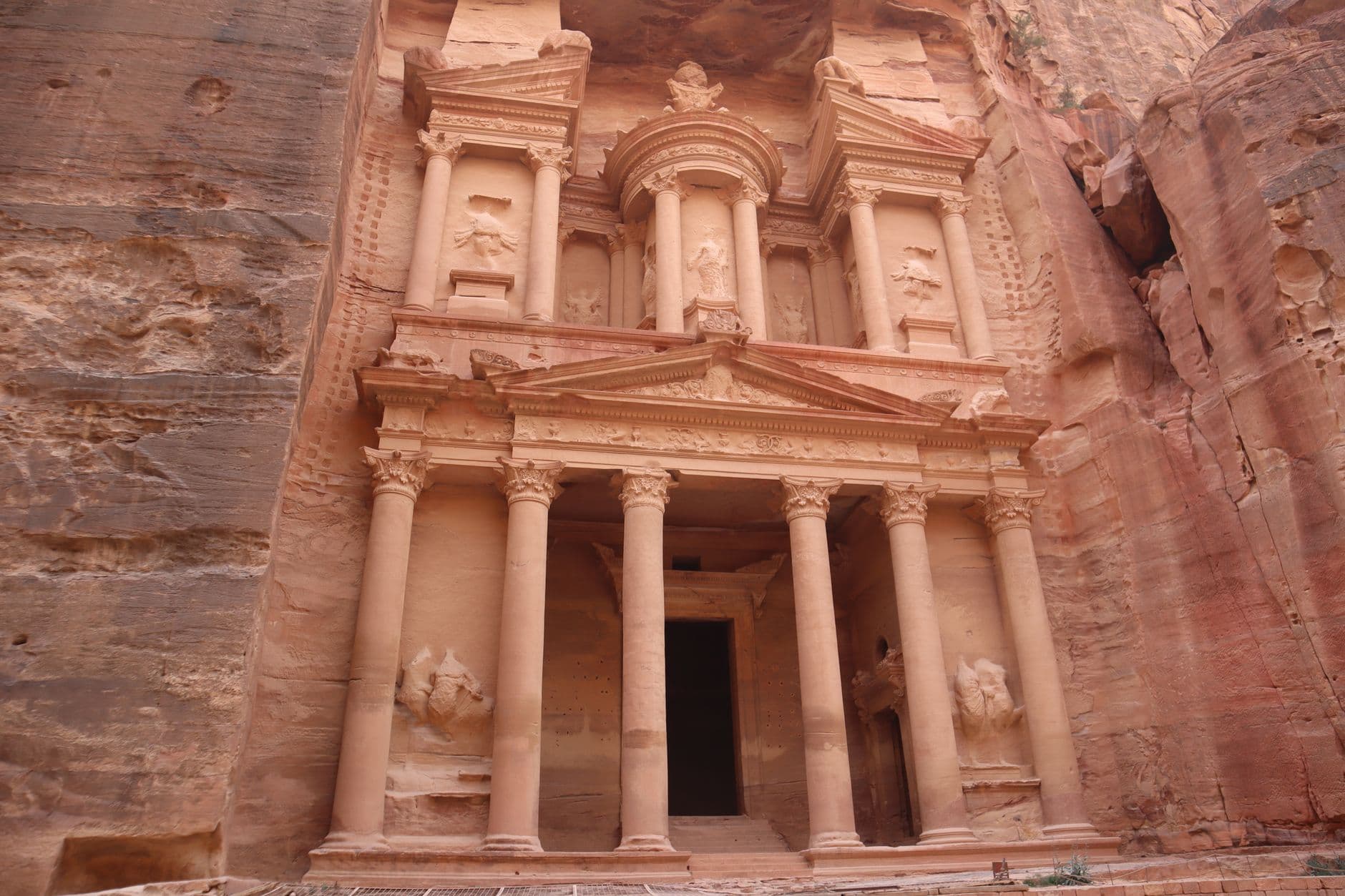
The Best Things to Do in Petra
A ranked, unhurried guide to Petra's essential sites for a winter visit — from the Treasury's dawn reveal to the 800-step climb to the Monastery, with the timings and prices that make it plannable.
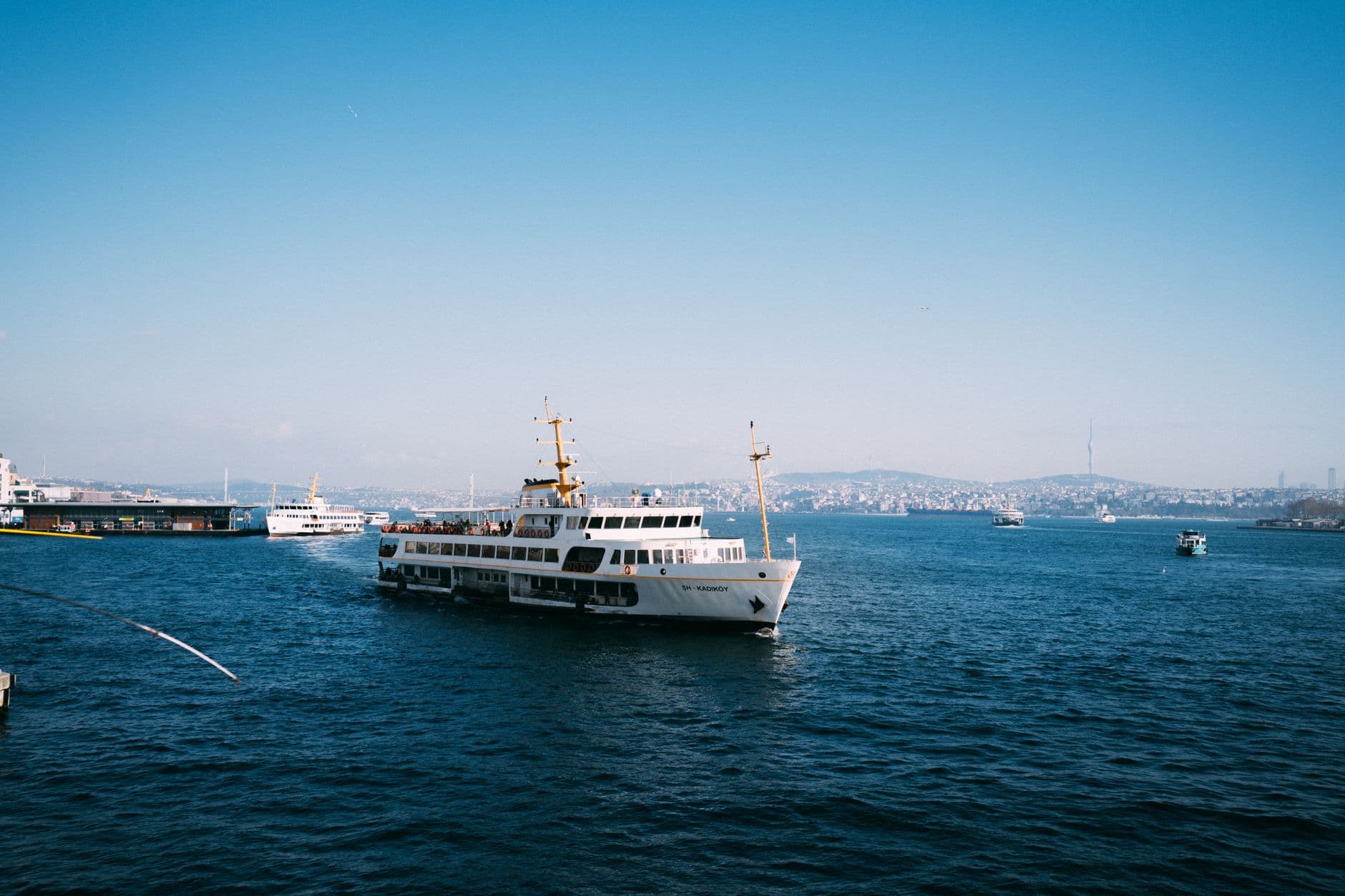
Essential Tips for Traveling to Istanbul
Istanbul's winter light is short and its ferries are weather-dependent, so a trip that ignores the season runs cold and rushed. Here's how to plan around both.
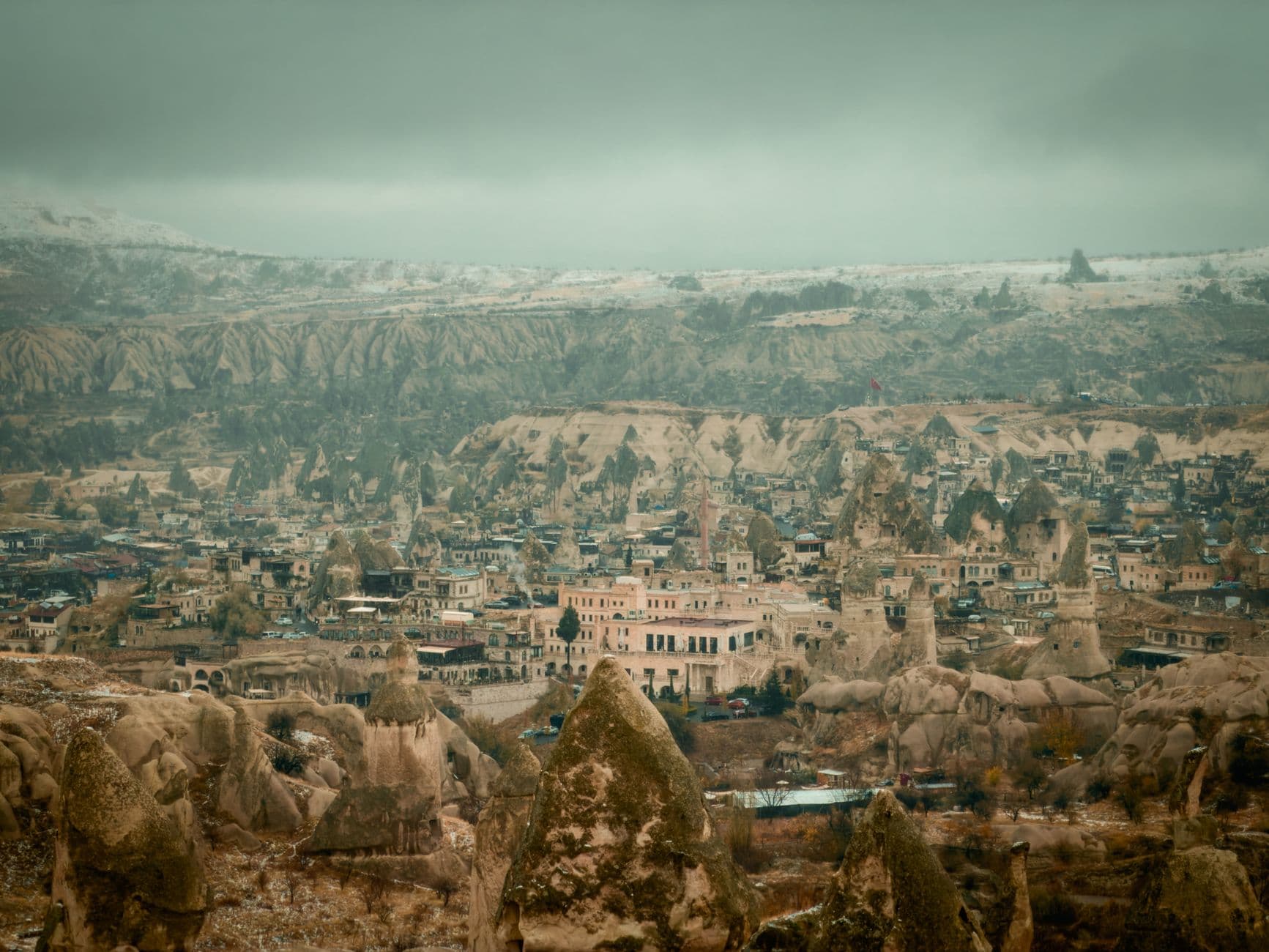
Essential Tips for Traveling to the Middle East
Winter is high season across the Middle East for good reason — mild days, cold desert nights, and a season-specific set of visa, dress, and timing rules first-timers often miss.