Essential Tips for Traveling to Istanbul

Istanbul in Winter: Why Short Days and Long Queues Catch First-Time Visitors Off Guard
Istanbul in December and January is quieter, cheaper, and genuinely beautiful under grey Bosphorus light, but the season punishes anyone who plans it like a summer trip. The sun sets before 5pm through most of winter, several key sights now require timed or separately ticketed entry, and a Bosphorus storm can cancel the ferry you were counting on to get across the city. None of this makes Istanbul difficult. It does mean the trip needs a slightly different shape than the one your guidebook photos suggest, especially if you are traveling with kids, aging parents, or anyone who tires on cobblestones.
Istanbul sits at roughly the same latitude as Boston or Naples, and in December the sun sets by about 4:45-5:00pm. That leaves a realistic sightseeing window of maybe six hours of good light if you're out the door by 9am, which is why trying to cram Hagia Sophia, Topkapi Palace, and the Grand Bazaar into one winter afternoon usually ends with someone cold and frustrated on a tram platform after dark.
Seven Things to Sort Out Before You Land at Istanbul Airport
These are the practical decisions that shape everything else about your visit, from which hotel neighborhood makes sense to how much daylight you'll actually have for sightseeing.
1. Know which airport you're flying into
Istanbul Airport (IST), on the European side, handles most international flights and sits about 45-50 km from Sultanahmet, roughly 45-75 minutes by taxi depending on traffic. Sabiha Gökçen (SAW), on the Asian side, is used by many budget and regional carriers and is a longer haul into the old city, often 60-90 minutes. The Havaist airport bus runs from IST to Taksim Square for around 250-350 TRY (about USD 7-10, late 2024 pricing) and takes 80-100 minutes with stops. If your hotel is in Sultanahmet, factor the extra transfer time from Taksim into your first evening rather than planning dinner reservations too soon after landing.
2. Pack for damp cold, not dry cold
Winter highs in Istanbul typically run 8-12°C with lows around 3-6°C, and rain shows up more days than not between December and February. It's the kind of cold that gets into your bones on a windy Bosphorus ferry crossing even when the thermometer looks mild. Waterproof shoes with real grip matter more than a heavy coat, since the marble courtyards around Sultanahmet and the cobbled slopes up to Galata Tower get slick and genuinely treacherous when wet.
3. Buy an Istanbulkart the day you arrive
The Istanbulkart is a rechargeable transit card that works on the tram, metro, funicular, bus, and city ferries, and it's cheaper than paying cash fares each time. Cards cost around 130–165 TRY to purchase (refundable balance not included) from machines at the airport or any metro station, and a single tram or metro ride runs roughly 46 TRY with an Istanbulkart. On a cold, short-daylight trip, not fumbling for exact change at a turnstile in the rain is worth more than the small savings suggest.
4. Book Hagia Sophia and the Basilica Cistern ahead of time
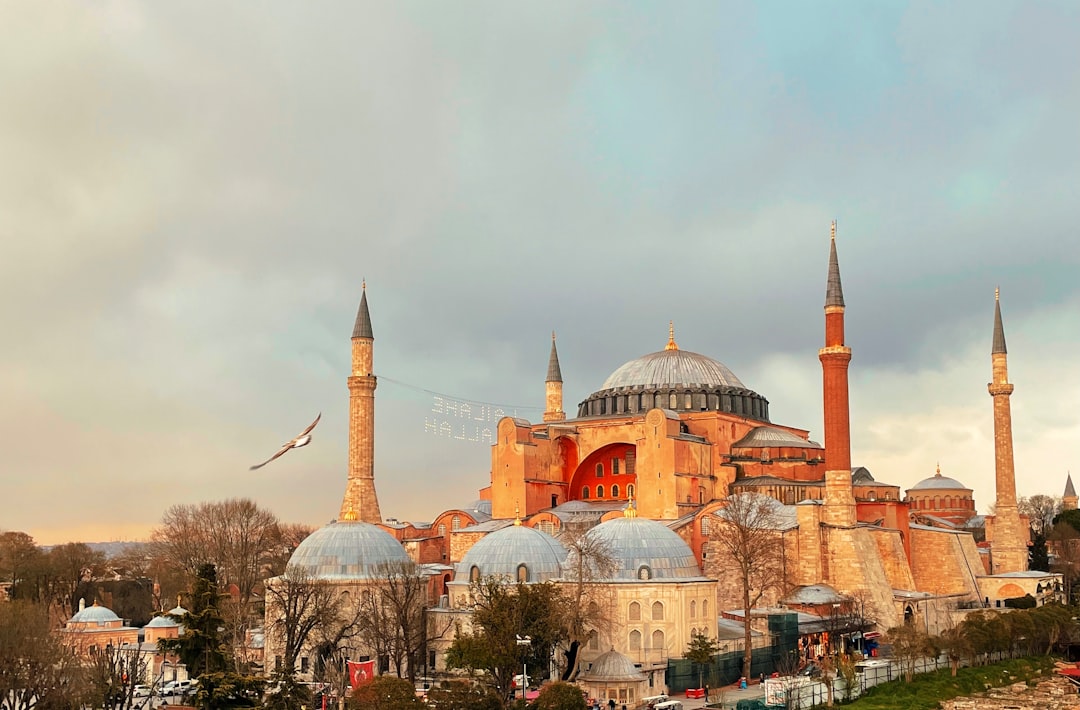
Since 2024, non-Muslim visitors to Hagia Sophia enter through a separate door and pay an entrance fee, roughly 25 EUR at recent pricing, distinct from the free prayer area used by worshippers. The Basilica Cistern (Yerebatan Sarnıcı), a few minutes' walk away, charges around 700-900 TRY (about USD 20-25). Both sell timed tickets online, and while winter crowds are thinner than in summer, weekend mornings still draw a queue by 10am. Buying ahead means you spend that half hour somewhere warm instead of standing in a cold line.
5. Don't build your itinerary around the Bosphorus ferry alone
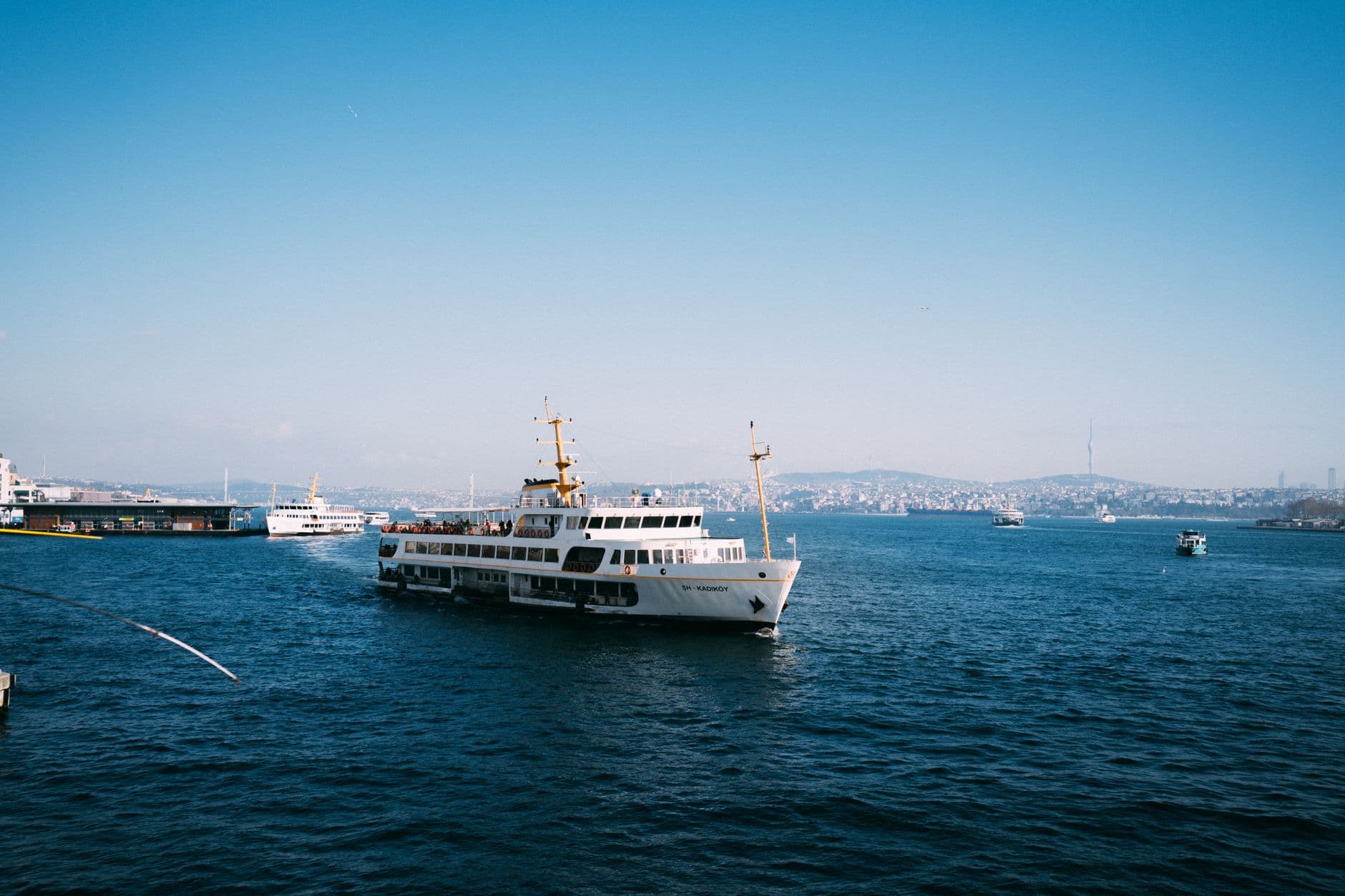
A public ferry ride across the Bosphorus from Eminönü or Karaköy costs about 5-7 EUR equivalent and is one of the best-value experiences in the city on a clear day. In winter, though, the strait can get choppy enough that Şehir Hatları suspends or reroutes services, sometimes with only a few hours' notice on the departure boards. If a Bosphorus cruise or a crossing to Kadıköy for lunch is central to your plan, build in a spare afternoon rather than scheduling it for your last day.
6. Choose Sultanahmet or Karaköy, not both as a base
Sultanahmet puts you within walking distance of Hagia Sophia, the Blue Mosque, and Topkapi Palace, all clustered within about 500 meters of each other, which matters when daylight is limited. Karaköy and neighboring Galata, across the Galata Bridge, put you closer to Beyoğlu's restaurants and nightlife along İstiklal Street. Hotels like the Ajwa Sultanahmet or the Four Seasons Istanbul at Sultanahmet suit the first kind of trip; the Georges Hotel Galata or Vault Karakoy suit the second. Splitting nights between the two adds packing and moving days you probably don't want in a short winter visit.
7. Think twice about the stroller on the old city's hills
The approach to Süleymaniye Mosque and the climb from Karaköy up to Galata Tower involve steep, uneven cobblestones that are hard going even for adults in dry weather, let alone with a stroller in winter rain. A soft structured carrier works far better in Sultanahmet and around the Grand Bazaar. Trams and the M2 metro are stroller-accessible with lifts at most stations, but not every station has one working reliably, so build extra time into transfers if you're traveling with a baby or toddler.
Cordelie travel advisors
Planning Istanbul? Go with someone who knows
The right suite, the right season, the reservations that never appear online — your Cordelie advisor knows them, and holds them for you.
Plan with a Cordelie advisorFree to ask. Cordelie Travel Services · IATA/ARC 06649064
The Winter Missteps That Wear Down First-Time Istanbul Visitors
Most winter Istanbul trips go wrong not because travelers pick bad sights, but because they underestimate how the season changes pacing, footwear, and timing around prayer hours and sunset. A little planning here saves an entire afternoon of standing around cold and confused.
Istanbul in Winter: Do This, Skip That
Pros
- ✓Do check mosque visiting hours before you go; Sultan Ahmed Mosque (the Blue Mosque) closes to tourists briefly five times a day for prayer, and winter's shorter afternoon can leave less flexibility if you arrive close to one
- ✓Do wear real walking shoes with grip; wet marble at the mosque courtyards is genuinely slippery
- ✓Do eat lunch at Çiya Sofrası in Kadıköy or Karaköy Lokantası near the water rather than the tourist-facing spots right by the Blue Mosque
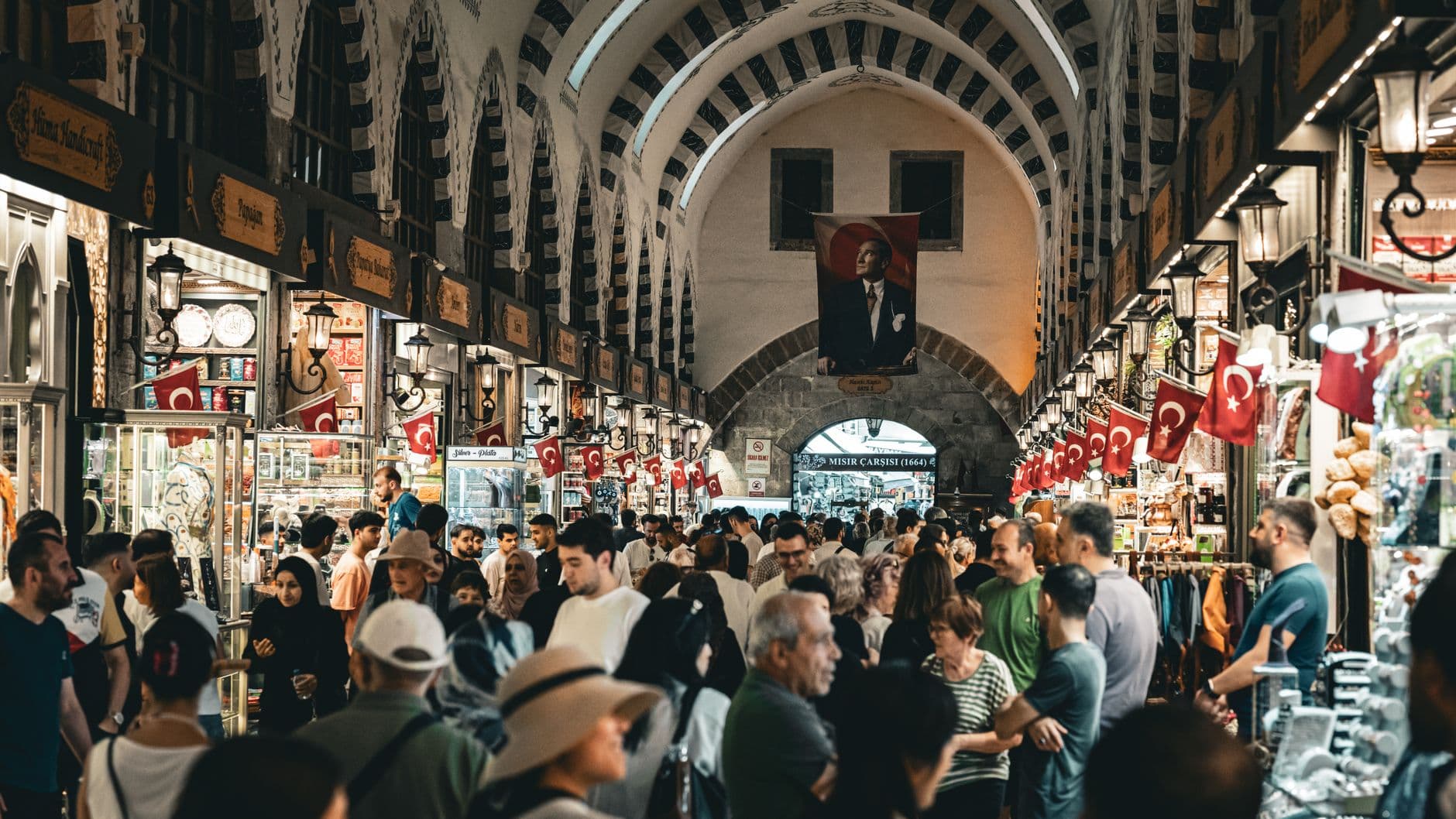
- ✓Do carry small cash for the Spice Bazaar (Mısır Çarşısı) stalls, taxi tips, and mosque donation boxes, since many small vendors are cash-only
- ✓Do confirm Topkapi Palace's closing day before you plan around it, since it's shut on Tuesdays year-round
Cons
- ✗Don't schedule Hagia Sophia, Topkapi Palace, and the Grand Bazaar in one afternoon; each realistically needs 60-90 minutes and the distances between them add up in low light
- ✗Don't assume every taxi will use the meter; ask for it to be switched on, or use the BiTaksi app, which is widely used in Istanbul
- ✗Don't wear shorts, sleeveless tops, or leave hair uncovered when entering the Blue Mosque; scarves are usually lent at the door but bringing your own saves time
- ✗Don't rely on the Bosphorus ferry as your only way to reach the Asian side on a stormy day; keep the metro or a taxi via the bridge as backup
- ✗Don't leave your only warm layer in checked luggage if you have a long layover; Istanbul Airport's arrivals hall is a long walk from baggage claim
How Experienced Travelers Pace an Istanbul Trip Around Short Winter Days
The travelers who enjoy Istanbul most in winter tend to do one thing differently: they plan two or three anchor experiences a day instead of five, and they leave the gaps for wandering. A morning at Topkapi Palace (open roughly 9am-4:45pm in winter months, last entry earlier) followed by a slow lunch and an unhurried walk down to the Spice Bazaar covers more real ground than a rushed checklist ever does. Evenings are for the Bosphorus-view rooftop at Mikla in Beyoğlu, or a table at Balıkçı Sabahattin near the Blue Mosque for grilled fish and meze, both better enjoyed without a 6am wake-up call the next day.
Winter is also the season when a well-timed private guide earns its cost. Skipping the queue at the Basilica Cistern or getting a same-day slot inside the Chora Church (Kariye), whose Byzantine mosaics rank among the finest anywhere in the city, is far easier with someone who knows which entrance to use and which hour tends to be quiet.
A Cordelie travel advisor can build your Istanbul itinerary around the season you're actually traveling in, not the one in the brochure photos: private access timed for the calm hour before crowds arrive, a Bosphorus cruise booked with a weather-flexible backup, and a Sultanahmet or Karaköy base chosen to match how you actually want to spend your evenings. It's the difference between a trip you survived and one that felt like it was made for you.
Your Istanbul Winter Trip: The Checklist Before You Board
Pre-Departure Checklist for a Winter Istanbul Trip
Last checked for accuracy: . How we check

Priya Raman has spent eleven years testing whether a destination works with a four-year-old, a teenager and a grandparent in the same party. She writes the version of the guide that accounts for nap times and still gets you to the good stuff, and travels from Toronto with a carry-on she can pack in nine minutes.
Related Articles
The Best Things to Do in Istanbul
Istanbul rewards the active traveler in winter: fewer crowds, sharper Bosphorus views, and real climbs. Here are the 8 best things to do, ranked by effort and payoff.

Istanbul Quick Guide: Markets, Mosques & Mezze
Discover Istanbul's enchanting blend of ancient mosques, vibrant bazaars, and incredible cuisine. Your essential guide to markets, mezze, and must-see monuments.