The Best Things to Do in Istanbul

The Best Things to Do in Istanbul When the City Turns Cold and Quiet
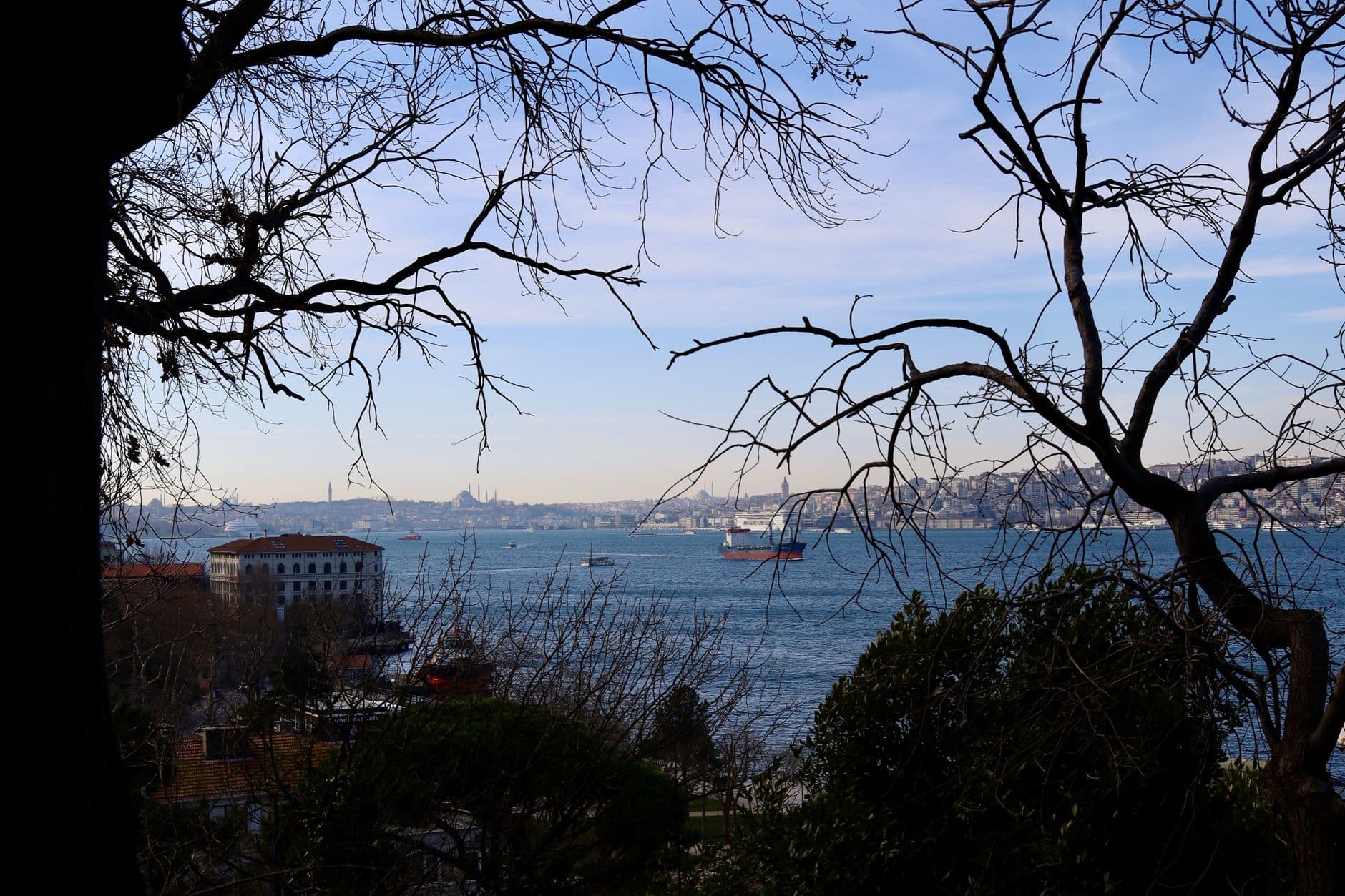
Most guidebooks send you to Istanbul in the swelter of July, queuing for two hours outside Hagia Sophia with a thousand strangers. Skip that. Winter here — roughly November through March, with daytime temperatures hovering around 5-12°C and the Bosphorus kicking up a real wind — is when the city gets physical, and when it gets good.
This list is built for travelers who want to climb something, walk somewhere with a real gradient, or feel their legs the next morning rather than just their credit card. Every entry below is rankable by how much it delivers physically and scenically against how much winter crowding, weather, or logistics it costs you. Bring a windproof shell — the Bosphorus doesn't care what season your itinerary says it is.
Every entry had to clear three bars: it needed a genuine physical component (stairs, distance, elevation, or exposure to the elements), it needed to actually improve in winter rather than just survive it, and it needed a logistics reality — an opening hour, a fee, a route — that a reader could act on this month rather than someday.
We weighted heavily toward things that get worse in July and better in January: shorter queues at monuments, cheaper ferry seats, clearer long-distance views across the Bosphorus once the summer haze clears out.
Purely indoor, purely passive experiences were pushed to honorable mentions rather than the main ranking, even where they're excellent, because this list rewards movement.
Climb Rumelihisarı Fortress and Walk the Bosphorus Shoreline
Sarıyer's 15th-century fortress, plus a 3-mile winter waterfront walk
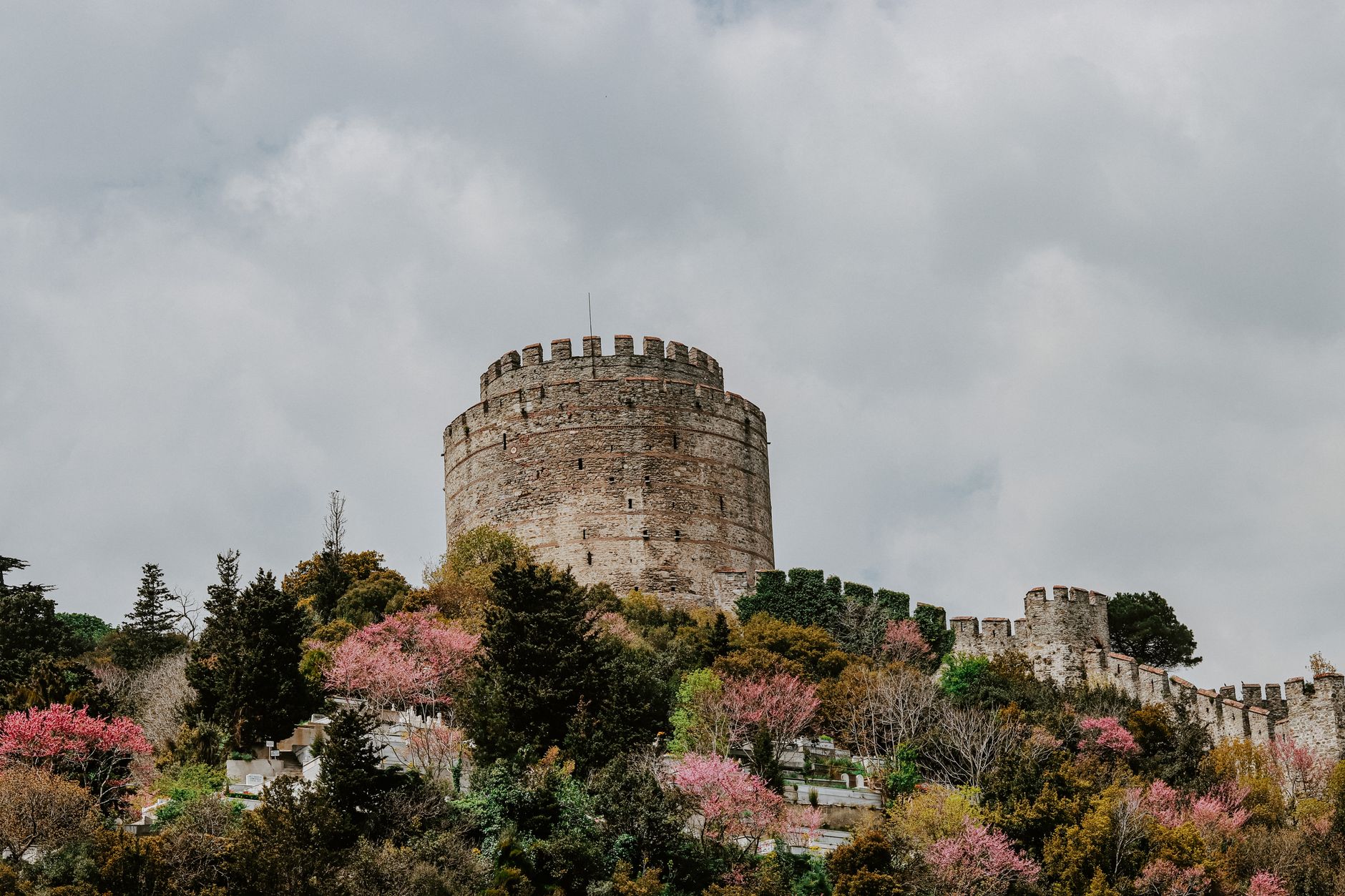
Mehmed the Conqueror built Rumelihisarı in 1452, on the European shore just north of the second Bosphorus bridge, specifically to choke off Byzantine supply lines before the siege of Constantinople. Today you can climb its three main towers on uneven, worn stone staircases with no handrails in most sections — this is not a museum that has been softened for liability.
The payoff is a series of framed views straight down the strait, container ships and ferries threading past at close range. In winter the crowds thin to almost nothing and the light comes in low and sharp by early afternoon.
Afterward, walk south along the coastal road toward Bebek or north toward Emirgan — about 3 miles of flat waterfront path lined with çay houses where you can warm up with a glass of tea for around 30-50 Turkish lira.
Take the Galata Tower at Opening, Before Anyone Else Is Awake
A Genoese watchtower with the best 360-degree view in the old city
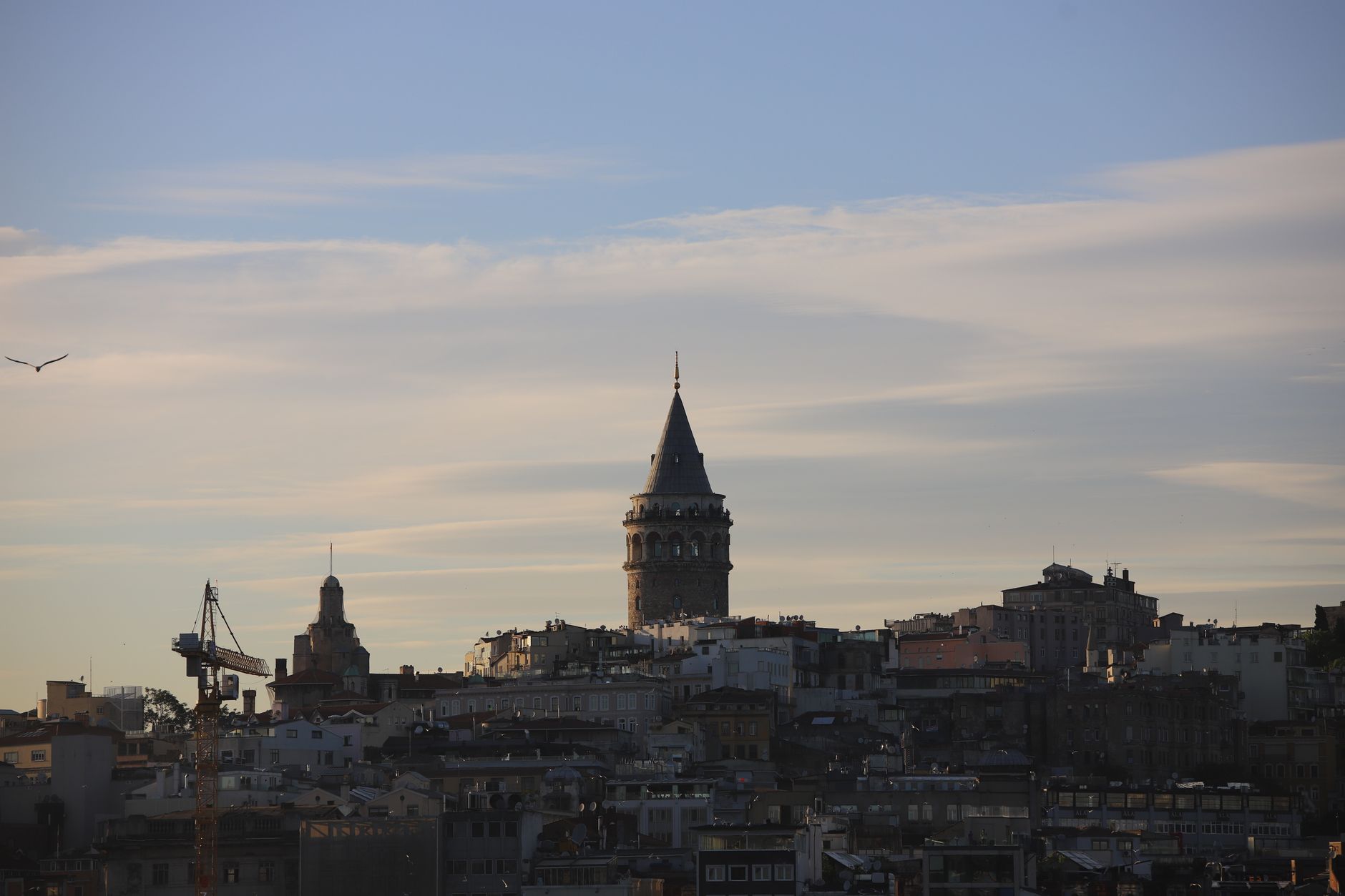
Genoese merchants finished Galata Tower in 1348 as part of their fortified colony on the north side of the Golden Horn. It's a stone cylinder you ascend via a mix of elevator and stairs to a wraparound observation deck near the top.
In summer this deck is a shoulder-to-shoulder scrum. In winter, especially if you arrive right at opening around 9:00 AM, you can get ten or fifteen minutes with the railing to yourself, watching the Golden Horn, the old city skyline, and the Bosphorus mouth all at once in cold, clear air.
Entry costs roughly 30-35 EUR equivalent (close to 1,000-1,100 TRY, 2024 pricing), which stings, but it's the single fastest way to physically orient yourself to how Istanbul's peninsulas and waterways actually fit together.
Descend Into the Basilica Cistern's 6th-Century Chill
52 stone steps down into a forest of 336 marble columns
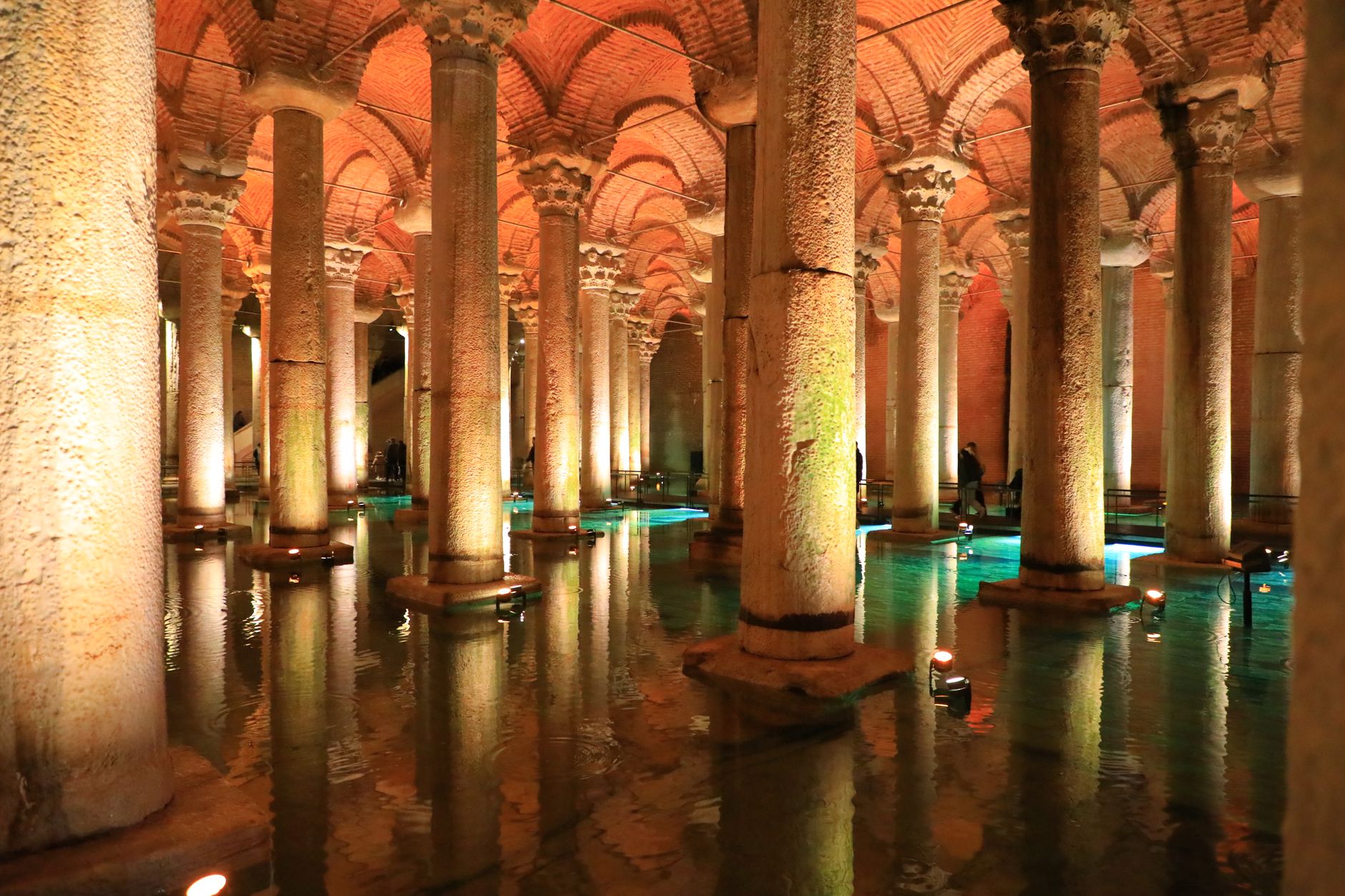
Emperor Justinian's engineers built the Basilica Cistern in the 6th century to store water for the Great Palace, and it still holds a shallow reflecting pool over its original stone floor. You reach it by descending 52 damp steps into air that sits at a near-constant 12-15°C year-round, which in winter feels almost warm compared to the street.
Walk the raised walkways among the 336 columns to the two Medusa-head bases near the back corner, one inverted and one sideways, their origin still debated by historians.
The floors get slick from condensation, so this is a place where footwear actually matters — smooth-soled boots will have you sliding within the first hundred feet.
Hike or Bike to Büyük Çamlıca for the Widest Bosphorus Panorama
The Asian side's highest point, with two bridges laid out below you
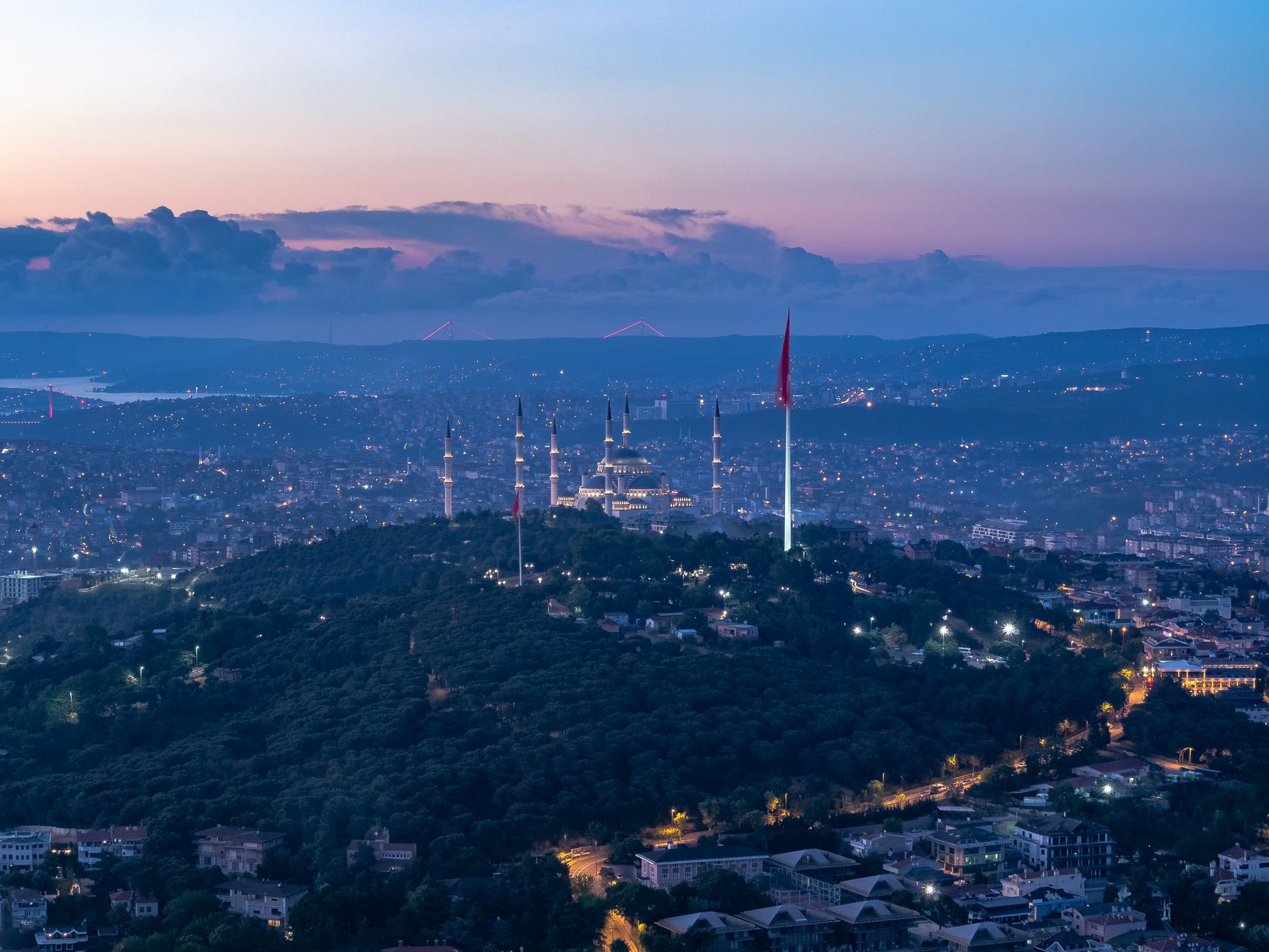
Büyük Çamlıca sits on the Asian shore above Üsküdar and is the highest natural point in the city, topped by a modern television tower with a public observation deck. On a clear winter day — and winter clarity here often beats the summer haze — you can see both Bosphorus bridges and the old city skyline across the water simultaneously.
The most rewarding approach is on foot from Üsküdar, roughly a 3-mile uphill walk through residential streets and the park itself, gaining a few hundred feet of elevation along tree-lined paths.
If your legs are tired from the fortress climb the day before, a taxi or the 15F bus from Üsküdar's ferry pier gets you there in about 20 minutes instead.
Cycle Büyükada, the Car-Free Princes' Island
A ferry escape with a hilltop monastery climb and empty coastal roads
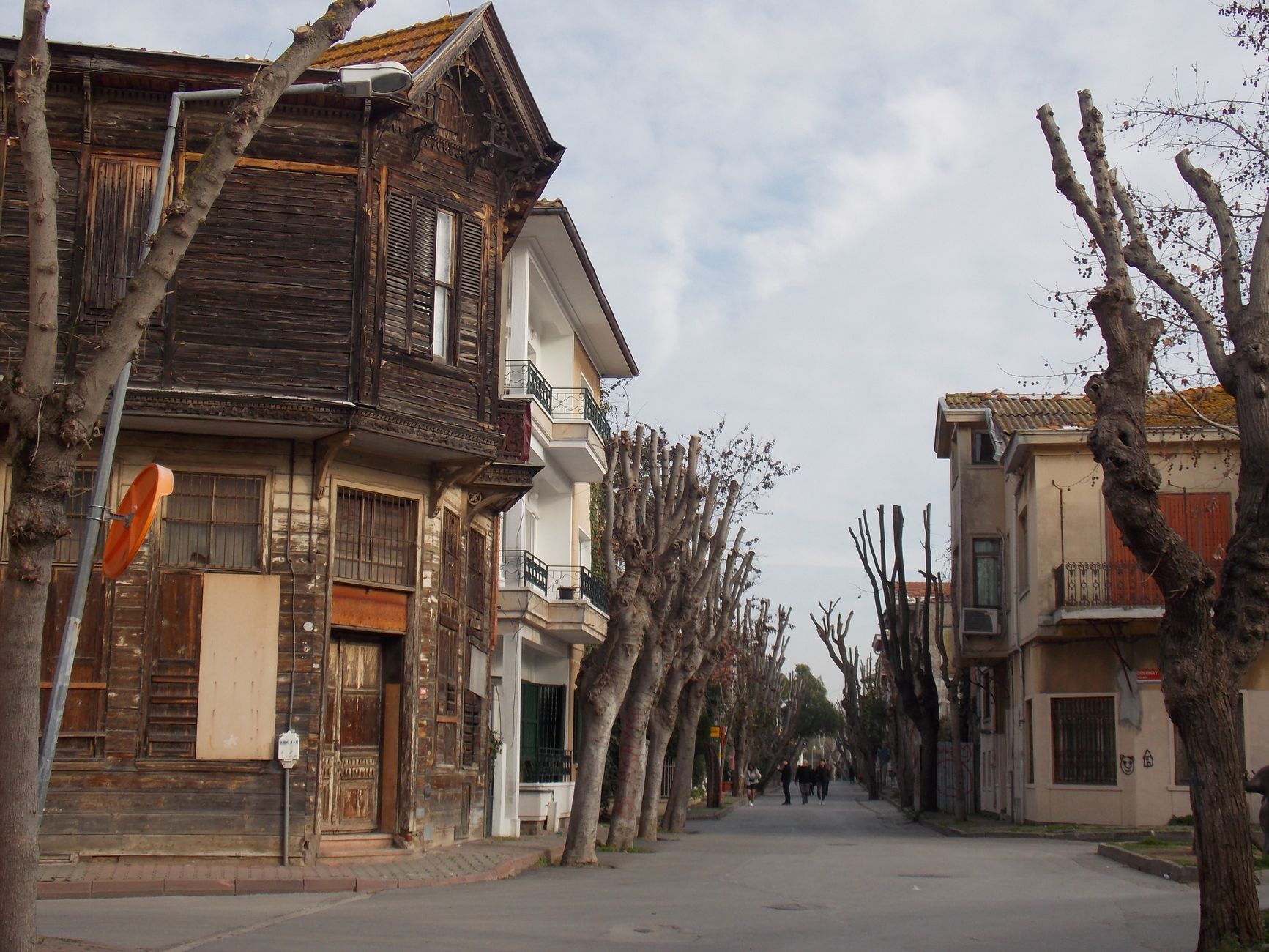
Büyükada is the largest of the Princes' Islands, reachable by ferry from Kabataş or Kadıköy — the fast catamaran service takes about 35-40 minutes, while the standard İDO ferry runs closer to 60-90 minutes depending on stops. Fares run roughly 30-50 TRY with an Istanbulkart.
No cars are allowed on the island, so once you land, rent a bicycle near the clock tower for around 150-250 TRY a day and ride the coastal loop road, roughly 15 miles round trip if you circle the whole island.
The real physical test is the climb to Aya Yorgi hill, where a small monastery sits above the pine forest — over 200 uneven steps from the base, with your bike left locked at the bottom. In winter you'll likely have the summit to yourself and a café serving hot salep for around 60-90 TRY.
Cordelie travel advisors
Planning Istanbul? Go with someone who knows
The right suite, the right season, the reservations that never appear online — your Cordelie advisor knows them, and holds them for you.
Plan with a Cordelie advisorFree to ask. Cordelie Travel Services · IATA/ARC 06649064
Navigate the Grand Bazaar and Spice Bazaar on Foot
A covered labyrinth built to disorient you, and a fragrant one to reward you
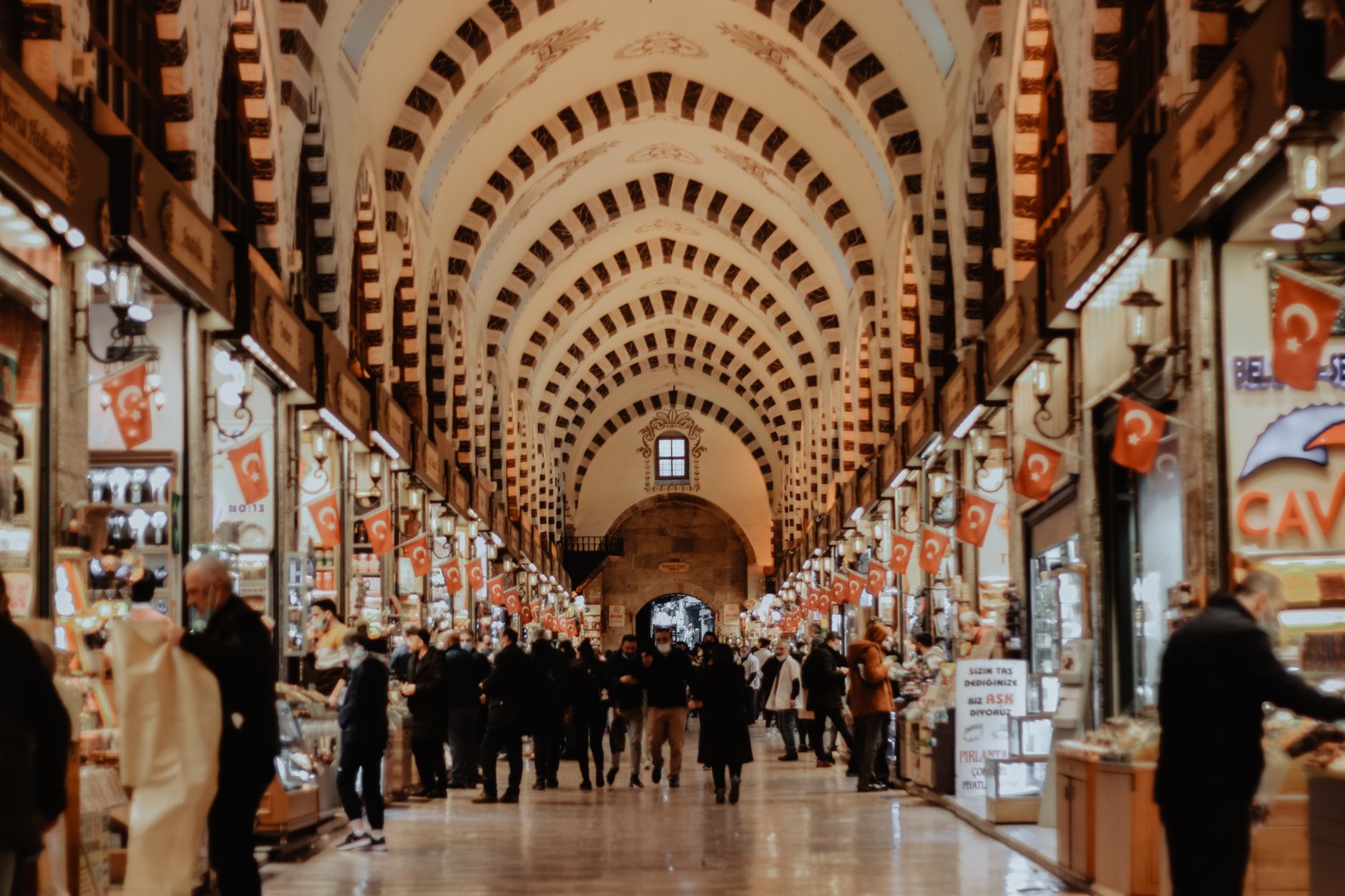
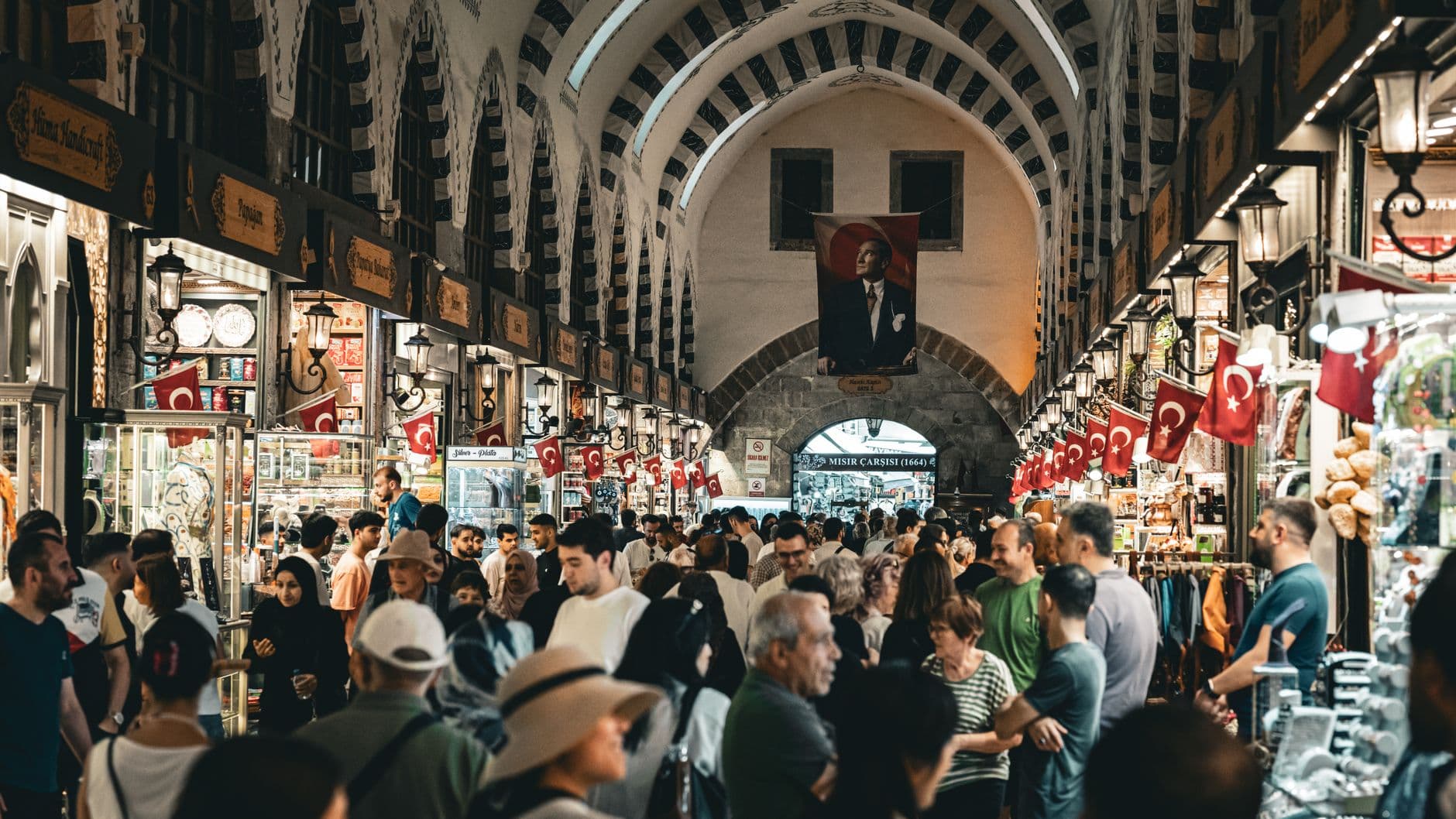
The Kapalıçarşı, or Grand Bazaar, is a sprawling covered market dating largely from the 15th century, expanded repeatedly since, with dozens of interconnected covered streets radiating from central domes. GPS signal drops out under the vaulted roofs, so the honest way through is on foot with a paper map or a downloaded offline map, treating it as a genuine navigation exercise rather than a shopping trip.
It's open 9:00 AM-7:00 PM Monday through Saturday and closed Sundays — plan around that if you're building a winter weekend itinerary. Entry is free; the cost is entirely in what you choose to buy.
Exit through the Nuruosmaniye Gate and walk roughly 15 minutes downhill to the Spice Bazaar (Mısır Çarşısı) near the Golden Horn waterfront, where the covered arcade is shorter but the smell of cumin, sumac, and dried apricots hits before you're even through the door.
Recover in an 18th-Century Hamam After All That Climbing
Cağaloğlu Hamamı, built 1741, for sore legs and stiff shoulders
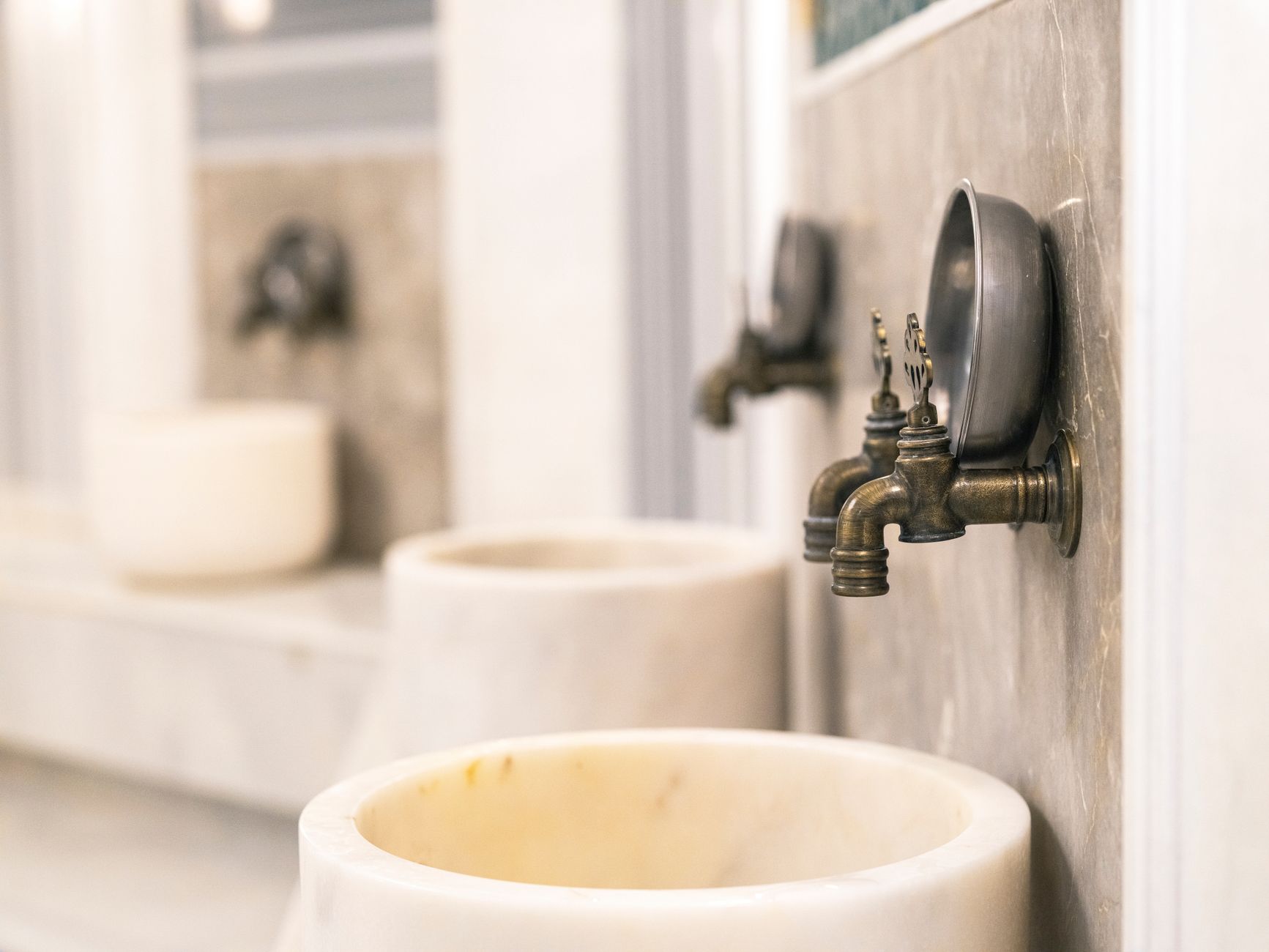
Cağaloğlu Hamamı has been operating as a bathhouse since 1741, and its marble göbek taşı — the heated central platform where you lie for the scrub and massage — is where you go after two or three days of stairs, fortress towers, and hilltop climbs.
A full session with scrub and oil massage runs roughly 70-120 USD depending on package, and it's worth booking ahead by phone or through the front desk a day in advance, especially for a specific time slot.
Sessions run from early morning, generally starting around 8:00 AM, so you can treat this as a rest day bookended by a slow breakfast nearby rather than another item to rush through.
Wander Balat and Fener's Steep Streets, Then Ride the Cable Car to Pierre Loti Hill
Colorful hillside houses, a Golden Horn ferry, and a short climb to a hilltop café
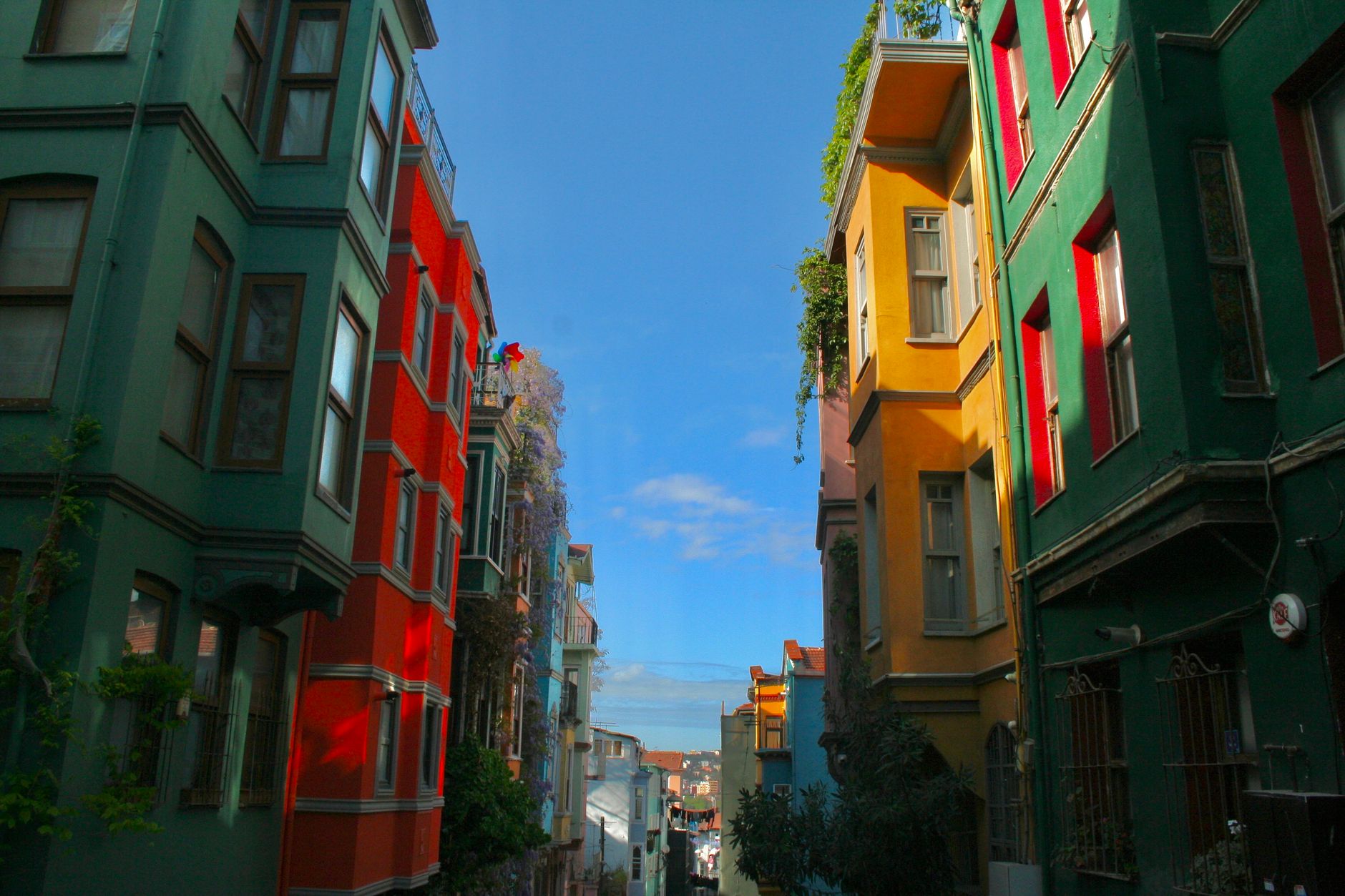
Balat and Fener sit along the Golden Horn's northern bank, a former Jewish and Greek Orthodox quarter of steep cobblestone streets lined with brightly painted wooden and stone houses. The gradients here are real — Merdivenli Yokuş and the surrounding lanes climb sharply enough that you'll feel it in your calves within a few blocks.
From Fener's waterfront, a short ferry or a 20-minute walk brings you to Eyüp, home to the Eyüp Sultan Mosque complex and, above it, the historic Eyüp Cemetery, whose paths climb steadily uphill through cypress trees.
At the top sits Pierre Loti Hill, reachable either by that steep cemetery walk or by a short teleferik cable car ride (about 3-4 minutes, roughly 30 TRY) if your legs have had enough. The café at the summit looks straight down the length of the Golden Horn.
Almost Made the Cut: Three More Ways to Spend a Winter Day in Istanbul
Süleymaniye Mosque, the Ottoman architect Mimar Sinan's 16th-century masterwork on the Third Hill, offers a free courtyard terrace with a rooftop-level view over the Golden Horn that rivals paid viewpoints — it just didn't make the top eight because the climb to reach it is minimal.
Ortaköy's waterfront promenade, directly beneath the first Bosphorus bridge, is a flat but genuinely pleasant half-hour walk with the neo-baroque Ortaköy Mosque as its centerpiece and simit vendors working the crowd even in January cold.
For a full trail day outside the city, Belgrad Forest near Bahçeköy — roughly 40 minutes north of the center by car or bus — has marked walking and running trails through beech and oak woodland that stay usably dry even after winter rain, unlike much of the old city's cobblestone.
Winter ferry schedules to the Princes' Islands shrink without much public notice, and a missed last sailing from Büyükada means an expensive water-taxi improvisation rather than a relaxed evening.
A Cordelie travel advisor can lock in private skip-the-line entry for the Basilica Cistern and Galata Tower, book a specific hamam time slot at Cağaloğlu ahead of your arrival, and confirm same-day ferry timetables so your Princes' Islands day doesn't end with you stranded on a dock in the cold.
That's the kind of scheduling puzzle worth handing to someone who does it daily — reach out at https://cordelie.com/contact and they'll build the winter version of this list around your actual dates.
The #1 Pick: Rumelihisarı Fortress and the Bosphorus Shoreline Walk
The single best winter activity in Istanbul because it combines a real climb, an uncrowded 15th-century monument, and a long flat walk with Bosphorus views that only get clearer in the cold months.
Nothing else on this list stacks history, physical effort, and scenery quite as evenly. You get genuine stone-step climbing with no crowd to navigate around, a direct sightline down one of the world's great shipping straits, and then a 3-mile recovery walk along the water with tea stops built in.
Go on a clear winter morning, wear boots with actual grip, and budget a half-day so the walk afterward doesn't feel rushed. Everything else on this list is excellent — this is the one to build your itinerary's spine around.
Last checked for accuracy: . How we check

Alex Moreau writes about going slowly. Nine years of reporting from trains, river boats and towns nobody has a hashtag for, mostly across Europe and North Africa. They live in Lisbon, keep a running list of the continent's best two-hour lunches, and believe most itineraries would improve if you deleted a city.
Related Articles
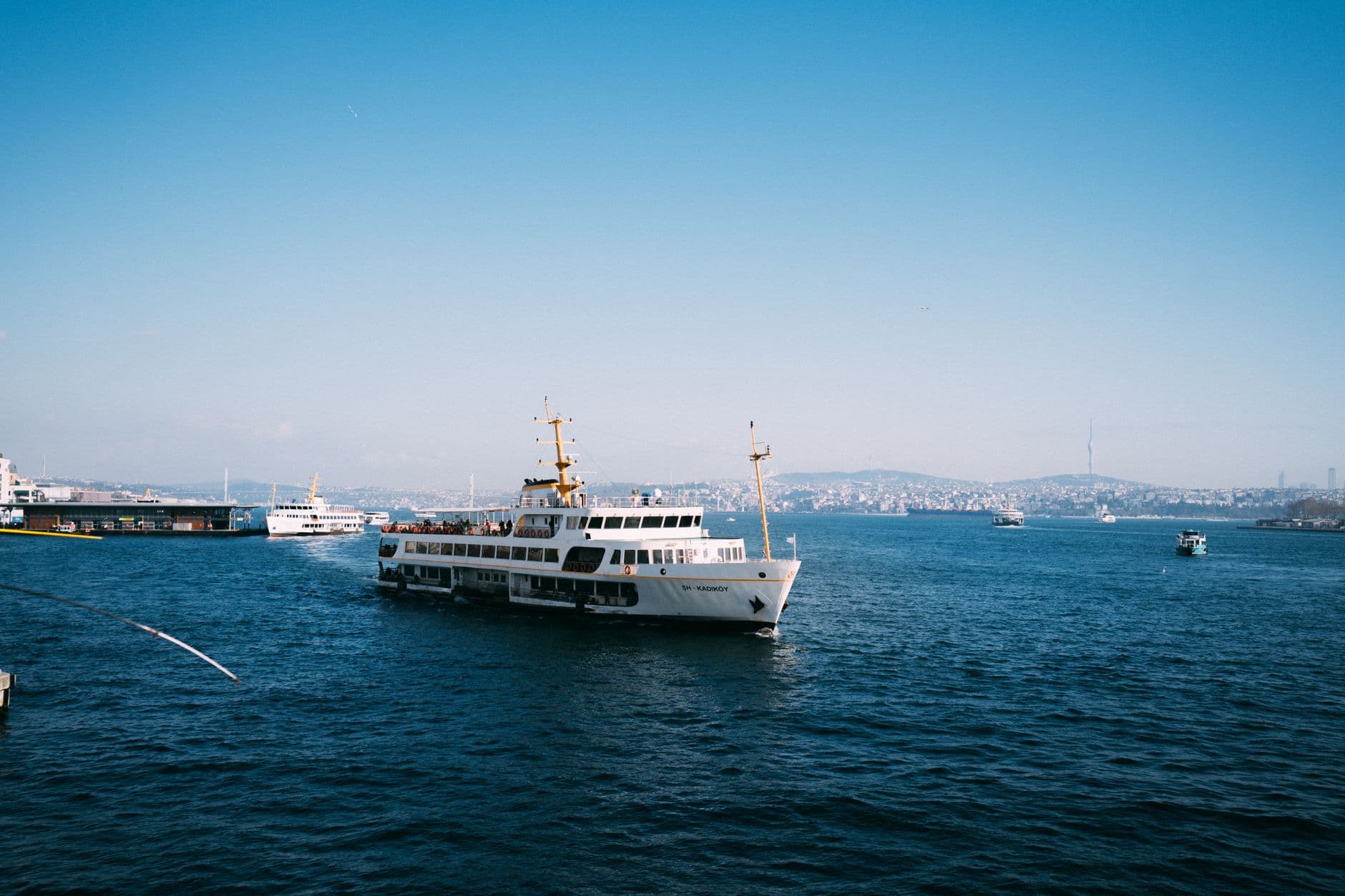
Essential Tips for Traveling to Istanbul
Istanbul's winter light is short and its ferries are weather-dependent, so a trip that ignores the season runs cold and rushed. Here's how to plan around both.

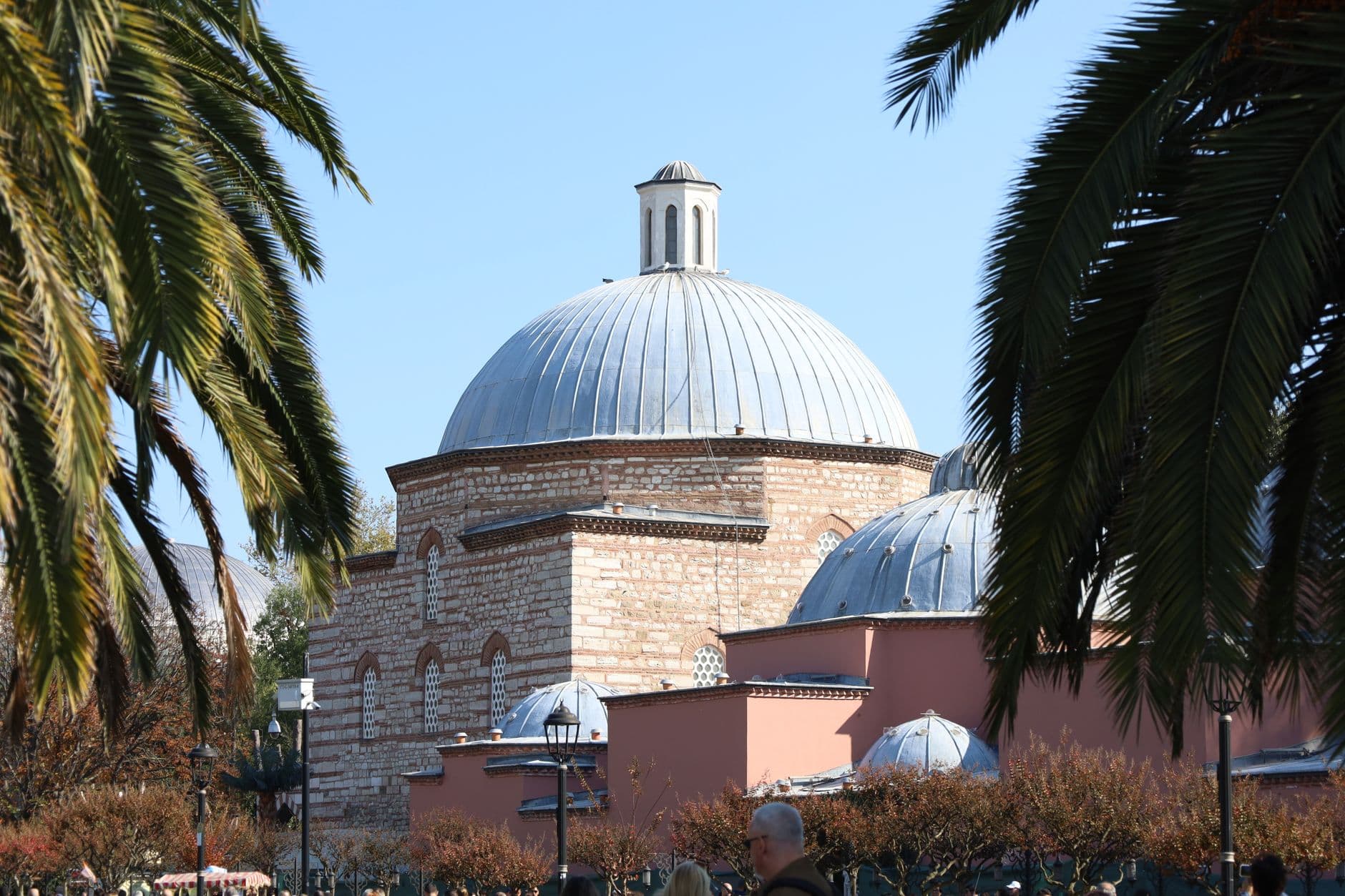
My Winter in Istanbul: A Travel Story
Five cold, windswept days crossing the Bosphorus, running muddy forest trails, and steaming out on a 440-year-old hamam slab — a first-person account of winter in Istanbul.
Istanbul Quick Guide: Markets, Mosques & Mezze
Discover Istanbul's enchanting blend of ancient mosques, vibrant bazaars, and incredible cuisine. Your essential guide to markets, mezze, and must-see monuments.