
Essential Tips for Traveling to the Middle East

Why Winter Is the Smartest Time to Visit the Middle East — and Where First-Timers Go Wrong
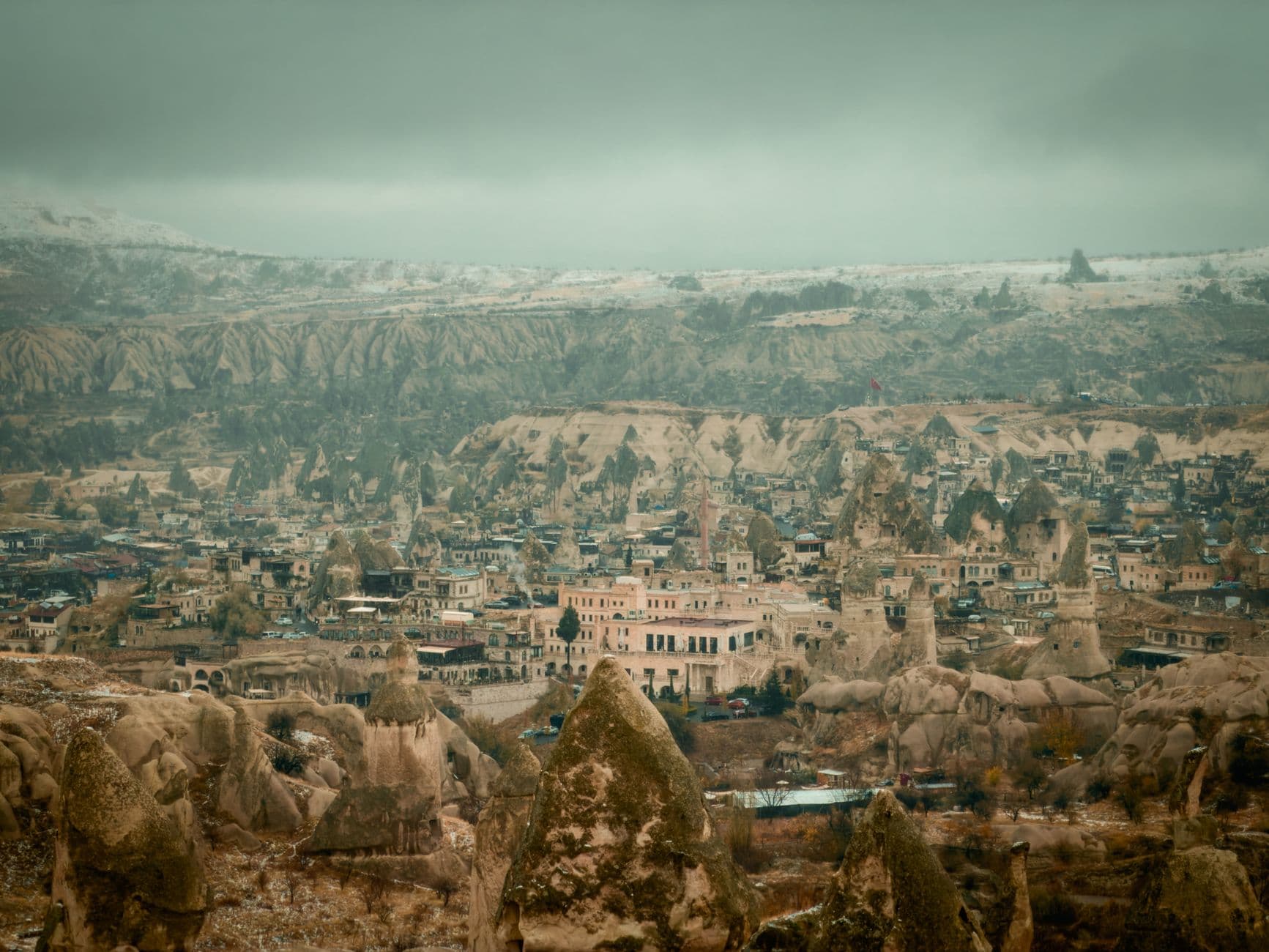
Landing in Dubai in July feels like stepping into a hairdryer set to its highest heat, which is exactly why so many travelers wait for winter to book the region instead. From late November through March, Doha's Corniche cools to a walkable 18-24C, Amman gets crisp enough for a jacket after sunset, and Wadi Rum's desert sky turns cold and startlingly clear. That window is also when everyone else has the same idea, and the travelers who arrive without a plan end up scrambling for hotel rooms in Petra, misjudging what to pack for a Jordanian desert night, or getting caught out by a Friday closure they never saw coming.
The Middle East isn't one destination with one set of rules. The UAE, Qatar, Oman, and Jordan each have their own visa process, dress expectations, and rhythm of the week, and conflating them is where good trips go sideways. A little groundwork before you fly changes the whole texture of the visit, from breezing through immigration at Queen Alia International Airport to knowing exactly when the souks in Muscat's Mutrah district actually reopen after the afternoon lull.
Daytime highs in Dubai and Abu Dhabi typically sit in the mid-20s Celsius (roughly 75-80F) from December through February, while summer routinely pushes past 40C. That single swing is why winter has become the region's unofficial high season — and why flights and riads-style boutique hotels in Amman's Jabal Amman quarter fill up months ahead of the busiest weeks around New Year and mid-February half-term breaks.
Nine Things to Sort Out Before You Land in Dubai, Amman, or Muscat
These are the tips that actually change how your trip unfolds, in the order most travelers need to act on them.
1. Get your visa timeline right for each country you're entering
The UAE issues visas on arrival for many nationalities at no extra step, while Qatar offers a free visa waiver for stays under 30 days for a wide range of passports. Jordan is different: most visitors need a visa, and buying the Jordan Pass online before arrival (roughly 70-80 JD depending on how many days you want at Petra) waives the standard entry visa fee and gets you into Petra, Jerash, Wadi Rum, and over 40 other sites. Oman runs an e-visa system through its official government portal, and it's worth applying at least a week before departure rather than counting on same-day approval.
2. Pack for a 20-degree temperature swing, not just 'warm'
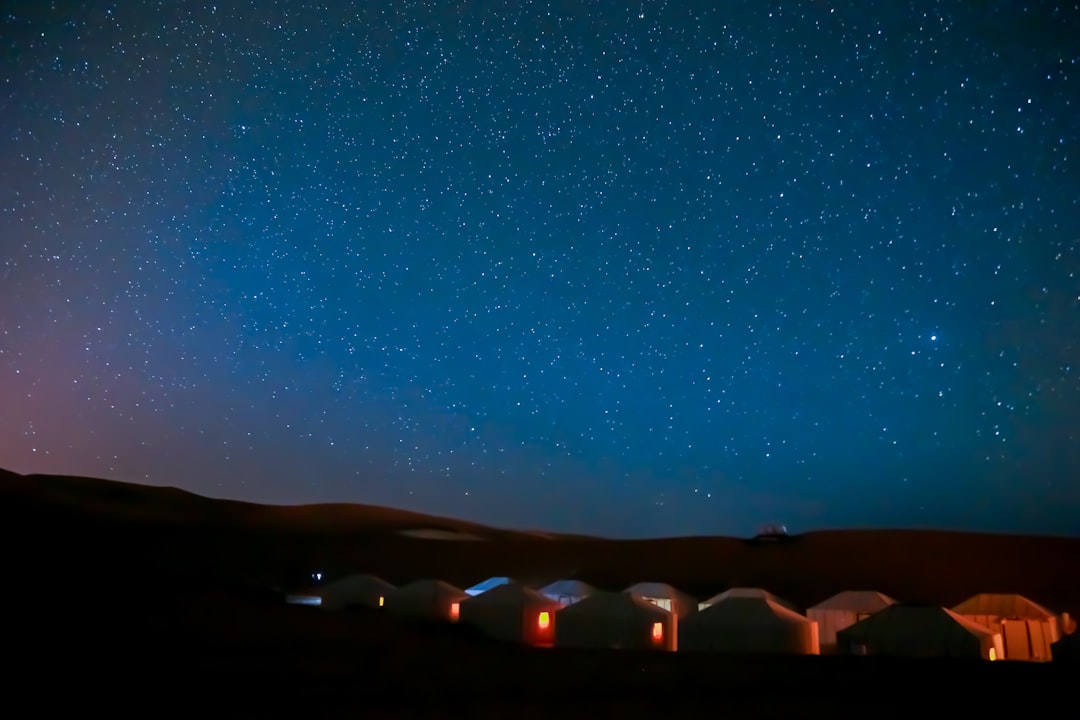
Winter days in Wadi Rum can hit 20-22C, but once the sun drops behind the sandstone jebels the temperature can fall toward 5C or lower. If you're booking a Bedouin-style desert camp for the night — and you should, since that's where the region's clearest stargazing happens — bring a proper fleece or down layer, not just a light jacket. In the Gulf cities, mornings by the pool at a resort like the Jumeirah Beach Hotel or Anantara Al Jabal Al Akhdar in Oman's mountains can feel genuinely cool before 9am.
3. Learn the local shape of the week before you build your itinerary
Friday is the primary day of prayer across the region, and many government offices, some shops, and a handful of attractions run shortened hours or close for part of the morning. In the UAE, the weekend runs Friday-Saturday rather than Saturday-Sunday, which trips up business travelers more than leisure ones but is worth knowing if you're timing a day trip around opening hours at somewhere like the Sheikh Zayed Grand Mosque in Abu Dhabi, which welcomes visitors daily but adjusts its schedule around Friday prayers.
4. Check whether your winter dates overlap with Ramadan
Ramadan shifts roughly eleven days earlier each year on the Gregorian calendar, so it's worth checking the dates for your specific travel year before you finalize plans. During the holy month, many restaurants outside hotels close during daylight hours, and eating or drinking in public is discouraged even for non-fasting visitors. It's not a reason to avoid the region — the nightly iftar meals and lit-up streets in Doha's Souq Waqif are genuinely memorable — but it does mean a different daily rhythm than a typical December trip.
5. Dress modestly even where the beaches suggest otherwise
Resort pools and private beach clubs in Dubai and Muscat are relaxed, but step into a mall, a mosque, or a government building and the expectation changes. Shoulders and knees covered works as a general rule for both men and women in public spaces, and women visiting the interior of the Sheikh Zayed Grand Mosque or the Sultan Qaboos Grand Mosque in Muscat will need a loose abaya and headscarf, which both mosques lend free at the entrance if you arrive without one.
6. Sort out alcohol rules country by country, not city by city
Dubai and Abu Dhabi sell alcohol in licensed hotel bars and restaurants; Sharjah, less than an hour's drive from Dubai, is dry. Jordan sells alcohol openly in Amman's restaurants and hotel bars. Oman permits it in licensed venues, mostly attached to hotels. Qatar is more restrictive outside hotel properties. None of this should derail a trip, but it's worth knowing before you plan an evening around a specific bar or restaurant.
7. Book desert camps and Petra hotels well before the winter rush
The stretch from mid-December through February is when Petra's Al Anbat Street guesthouses and Wadi Rum's desert camps sell out fastest, since this is when the daytime hiking temperature is at its most forgiving — cool enough to walk the Siq to the Treasury without wilting. A Wadi Rum overnight camp typically runs $60-120 per person including dinner and breakfast, and the better-reviewed camps book two to three months ahead for peak weeks.
8. Sun protection still matters even in a mild month
A 22C day in the desert or on Muscat's coastline has real UV strength, particularly if you're floating in the Dead Sea for an hour or hiking Jordan's Wadi Mujib canyon trails at midday. Sunscreen, a hat, and more water than you think you need are worth carrying even when the air feels comfortable.
9. Ask before you photograph people, and never photograph government or military sites
Photographing airports, palaces, and military checkpoints is restricted across the region, and it's genuinely enforced. Photographing local people, especially women, without asking is a fast way to sour an otherwise warm interaction — a smile and a gestured question usually gets a yes, particularly among the Bedouin families who run camps in Wadi Rum and often welcome a photo once you've shared tea with them.
Cordelie travel advisors
Go with someone who knows
The right suite, the right season, the reservations that never appear online — your Cordelie advisor knows them, and holds them for you.
Plan with a Cordelie advisorFree to ask. Cordelie Travel Services · IATA/ARC 06649064
The Missteps That Catch Out First-Time Visitors to the Gulf and the Levant
Most winter travel mistakes in this region come from applying one country's habits to another, or from underestimating how much a mild-sounding forecast can shift by sunset. A day that opens at 21C in Amman can close near 7C, and travelers who leave the fleece in the suitcase because 'it's the Middle East' end up shivering through dinner in a rooftop restaurant.
The other recurring error is treating Petra as a half-day stop. The site covers several square miles, and reaching the Monastery — the most rewarding but least-visited part, reached via roughly 800 rock-cut steps from the Treasury — takes most of a day round trip. Rushing it means missing the parts that make Petra worth the flight in the first place.
Do This, Skip That: Winter Travel in the Middle East
Pros
- ✓Book Petra and Wadi Rum for weekday visits when the sites are noticeably quieter than weekends
- ✓Carry a scarf or light shawl even in the Gulf cities — it covers shoulders fast and doubles as a layer at night
- ✓Confirm your hotel's alcohol policy and dress code before you arrive, especially outside Dubai and Abu Dhabi
- ✓Change currency or use ATMs on arrival at the airport for small cash needs — taxis and souk vendors often prefer it
- ✓Build in a buffer day around Petra; one full day plus a half day covers the Siq, the Treasury, and the Monastery hike
Cons
- ✗Don't assume every emirate follows Dubai's relaxed alcohol rules — Sharjah is dry
- ✗Don't schedule tight connections around Friday mornings, when some offices and attractions open late
- ✗Don't wear shorts or sleeveless tops into mosques, government buildings, or most malls
- ✗Don't skip travel insurance that covers desert excursions like dune bashing or canyon hikes in Wadi Mujib
- ✗Don't leave visa paperwork for the airport if you're crossing between Jordan and other countries mid-trip
How Seasoned Travelers Sequence Petra, the Desert, and the Gulf Coast
Travelers who've done this route more than once tend to move from cool inland desert toward the milder coast, rather than the reverse. A common winter arc runs Amman to Petra (a three-to-four-hour drive south, or a shorter Desert Highway route), on to Wadi Rum for a night under the stars, then either the Dead Sea for a final soak before flying home, or onward to Dubai and Abu Dhabi for a few warmer, city-paced days. Each leg has its own logistics — a private driver between Amman and Wadi Rum runs roughly $80-130 depending on the vehicle and season — and that's usually where independent planning gets time-consuming rather than difficult.
The other detail worth knowing: Oman and the UAE, though neighbors, don't share a simple visa-free crossing for every nationality, so a two-country Gulf trip needs its own paperwork check rather than assuming one visa covers both.
The best Middle East itineraries braid together desert camps, mosque visits timed around prayer hours, and hotel choices in cities with wildly different rules on dress and alcohol — the kind of sequencing that's genuinely hard to get right from a screen in another time zone. A Cordelie advisor builds that route around what you actually want from the trip, from a private sunrise balloon flight over Wadi Rum to a suite with a Burj Khalifa view, with the visa and timing details already resolved before you land.
Reach out at https://cordelie.com/contact and start with the season, the countries, and the kind of days you're picturing.
Your Pre-Departure Checklist for a Winter Trip to the Middle East
Run through this before you pack, and again the night before you fly.
Middle East Winter Trip Checklist
Last checked for accuracy: . How we check

Sarah Chen has covered Asia for twelve years, first as a wire reporter in Jakarta and now from Singapore, where she keeps a standing list of the region's most misunderstood destinations. She writes about the distance between what a place is famous for and what it is actually like to spend a week in — and is happiest on an overnight train with a bad seat and a good view.
Related Articles
Why the Middle East Is Perfect for Winter Travel
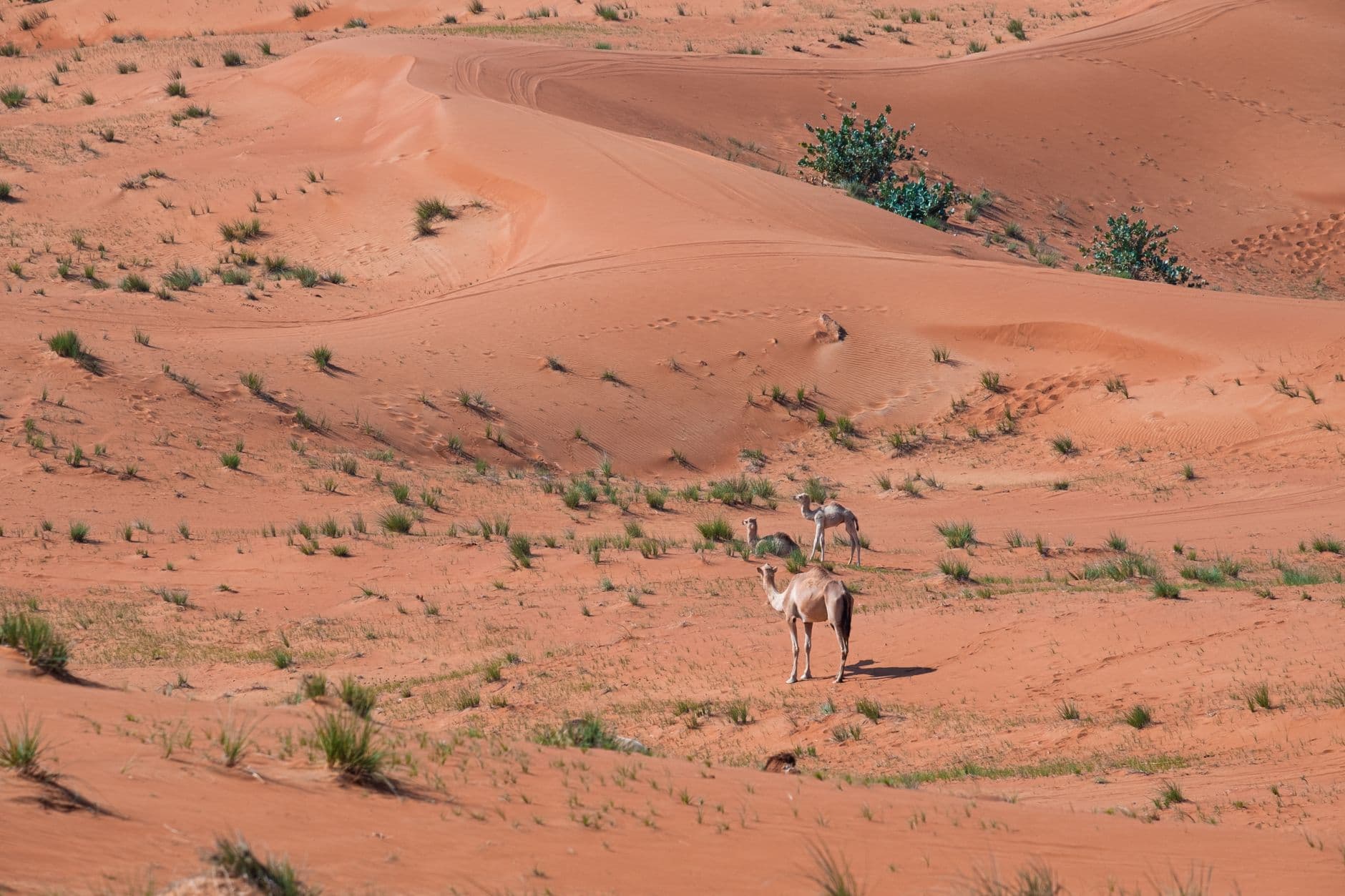
Winter transforms the Middle East into a landscape of comfortable temperatures and unhurried exploration. November through March is when desert, coast, and ancient architecture reward staying longer.

The Complete Guide to the Middle East: What to See, Do & Eat
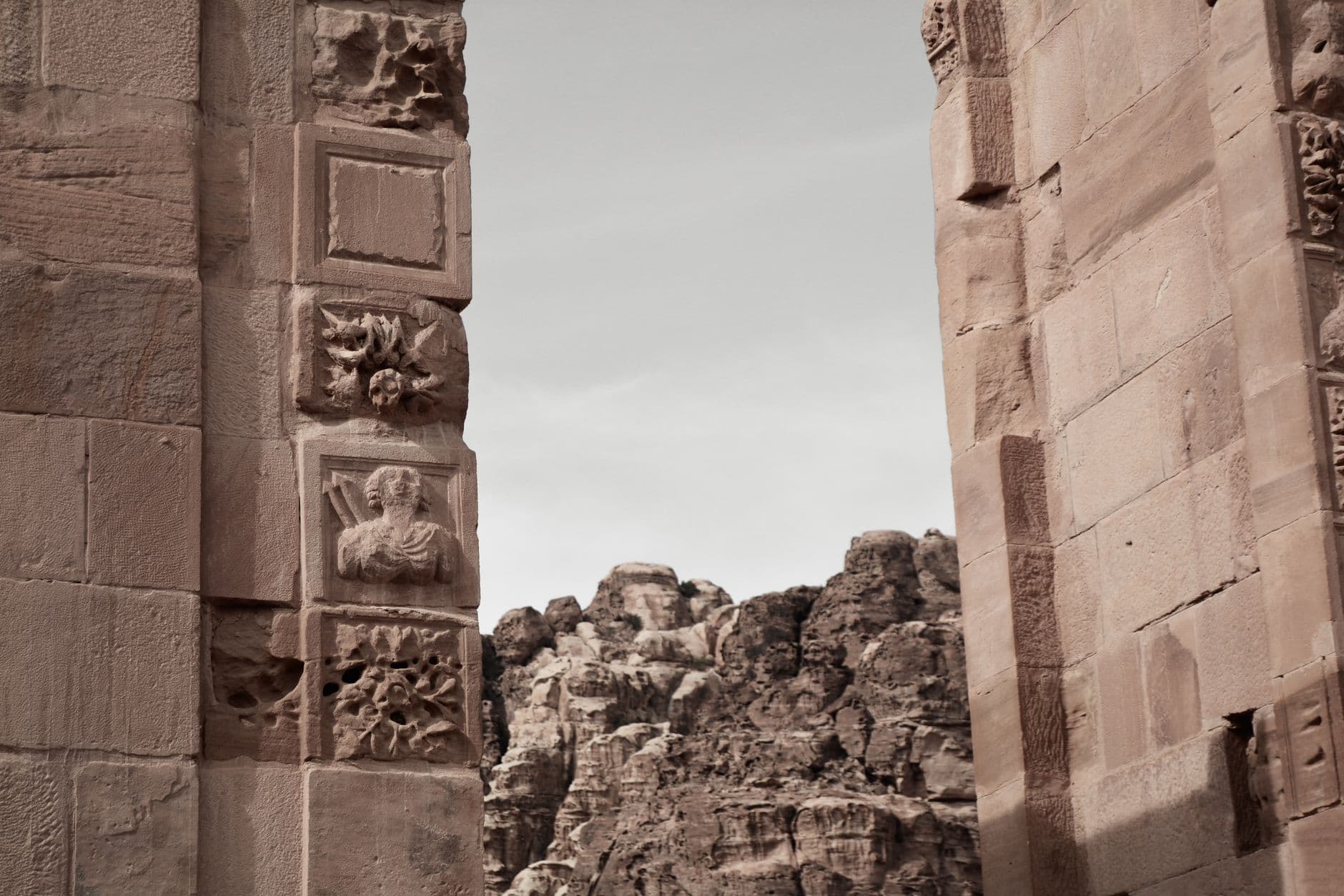
From Petra's candlelit Siq to Dubai's skyline and Wadi Rum's desert camps, this guide maps a winter route through the Middle East with real prices, drive times and a three-day Jordan itinerary.
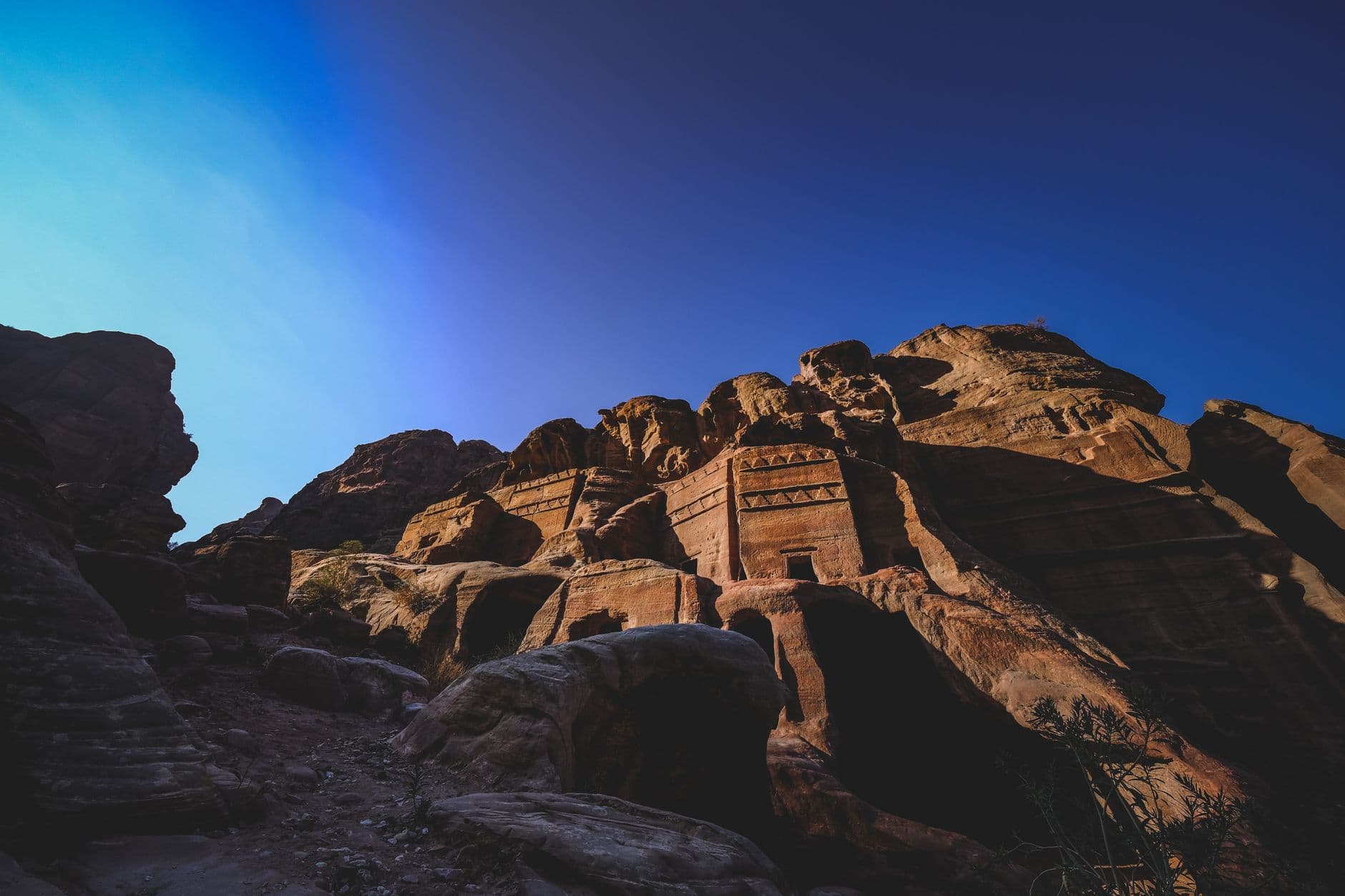
My Winter in the Middle East: A Travel Story
A five-day winter route through Jordan and Oman, from Petra's cool-season trails to Wadi Rum's fires and Muscat's lantern-lit souq, with real prices and logistics.