
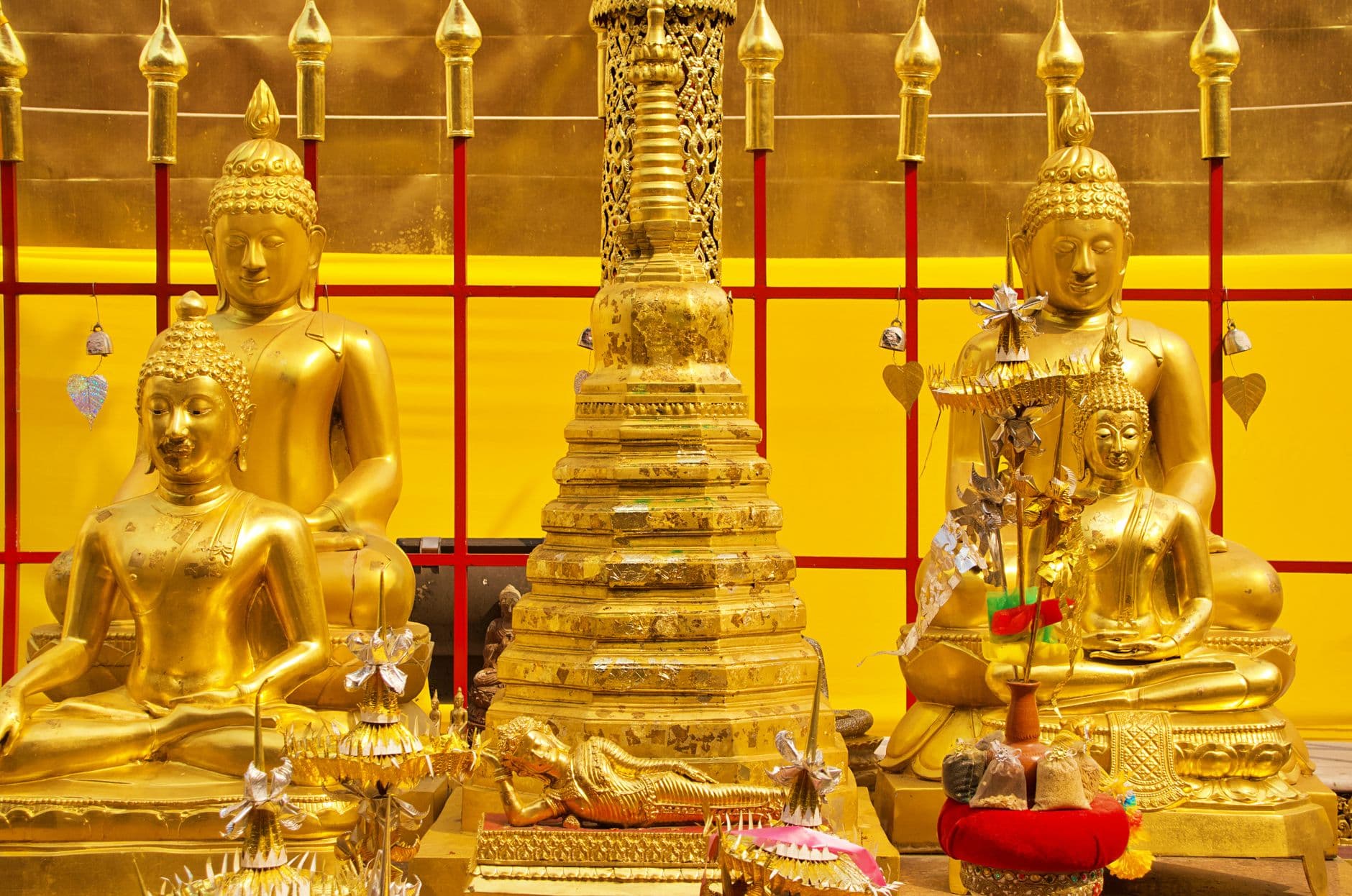
The Complete Guide to Chiang Mai

Where Lanna Tradition Meets Northern Thai Mountain Air
Chiang Mai sits in a bowl of forested hills roughly 700 kilometers north of Bangkok, and the moment you clear the small terminal at Chiang Mai International Airport (CNX), the capital's frenzy falls away. Inside the square moat of the Old City, temple spires that have stood since the 1300s rise above lanes where saffron-robed monks make their morning alms rounds around 6:30am. Twenty minutes by car up a switchback road, the forested slopes of Doi Suthep climb past 1,000 meters, trading city humidity for pine-scented air and long views back over red-tiled rooftops. This is a city built around craft and unhurried ritual: hand-beaten silverwork in the old Wualai quarter, curry noodles simmered by families who have run the same stall for generations, and a Sunday market that turns Ratchadamnoen Road into a mile of lantern light, grilled banana smoke, and quiet bargaining. Chiang Mai rewards travelers willing to slow their pace to match it.
Chiang Mai Quick Facts
Cool Mornings, Burning-Season Haze, and the Lantern Nights of Yi Peng
Chiang Mai's cool season, roughly November through February, is the easiest time to fall for the city: daytime temperatures sit around 25-28°C, nights can dip to 15°C in the hills, and the sky is usually clear enough to see Doi Suthep from the Old City walls. That clarity vanishes in the burning season, February through April, when agricultural fires across the region push air quality down and haze can obscure the mountain for weeks at a time; travelers with respiratory sensitivities should plan around this window. Songkran, the Thai New Year water festival, falls April 13-15 and turns the Old City moat into a citywide water fight — glorious if you want to join in, disruptive if you're hoping for quiet temple visits. The rainy season runs roughly June through October, bringing short, heavy afternoon downpours rather than all-day washouts, and it's also when the surrounding rice terraces turn a startling green. Yi Peng, the lantern festival, coincides with Loy Krathong on the November full moon and is the single most photographed night of the Chiang Mai calendar, though the famous mass lantern releases now require advance ticket purchase at organized venues outside the city.
Cordelie travel advisors
Planning Chiang Mai? Go with someone who knows
The right suite, the right season, the reservations that never appear online — your Cordelie advisor knows them, and holds them for you.
Plan with a Cordelie advisorFree to ask. Cordelie Travel Services · IATA/ARC 06649064
Temple Staircases, Ethical Elephant Encounters, and Sunday Night Markets
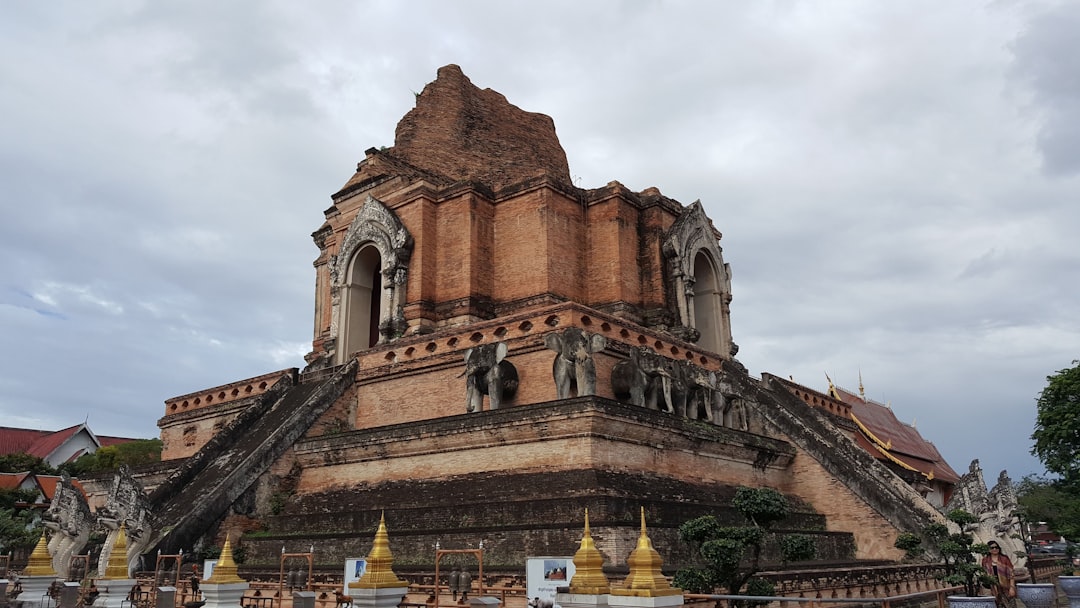
Start at Wat Phra That Doi Suthep, reached by 309 naga-flanked steps (or a funicular for a small fee) after a 30-minute drive from the Old City; the temple, founded in 1383, charges foreign visitors a modest entry fee of around 30-50 THB and is best seen before 9am, ahead of the tour buses. Back inside the moat, Wat Chedi Luang holds a massive 14th-century chedi partially collapsed by a 1545 earthquake, and Wat Phra Singh's Lai Kham chapel houses some of the city's finest surviving mural painting. For a slower afternoon, book a half-day session at Thai Farm Cooking School or Asia Scenic Thai Cooking, both around 1,200-1,500 THB including a market visit and a full menu you cook yourself. If you want time with elephants, choose an observation-only sanctuary like Elephant Nature Park, roughly an hour north near Mae Taeng — a day visit runs about 2,500-3,000 THB (2025 pricing) and books out weeks ahead in peak season. Close the week with Sunday Walking Street along Ratchadamnoen Road, running roughly 4pm to midnight, or the smaller Saturday market on Wua Lai Road for Old City silverware and handwoven textiles.
Chiang Mai's Must-See Sights
Teak Boutique Hotels Inside the Moat and Riverside Resorts Beyond It
Budget travelers do well inside the Old City, where family-run guesthouses along Ratchapakhinai and Moon Muang roads charge roughly USD 15-30 a night for clean, simple rooms within walking distance of the temples and gates. In the mid-range, Tamarind Village and Rachamankha both sit inside the moat and combine Lanna-style courtyards with modern comfort for around USD 90-160 a night, putting you steps from Wat Phra Singh and the Sunday market route. For something more atmospheric, 137 Pillars House occupies a converted 1889 teak residence in the quieter Wat Ket riverside district, with just a few dozen suites and rates that typically start above USD 250. At the top end, the Four Seasons Resort Chiang Mai spreads across a working rice valley in Mae Rim, about 20 minutes north of the city, while the Anantara Chiang Mai Resort occupies a restored 1920s residence directly on the Ping River — both are destinations in their own right, worth booking well ahead for cool-season stays.
Khao Soi Bowls, Monk Chats, and the Manners of Visiting a Temple
Khao soi, the region's signature curry noodle soup topped with crispy fried noodles and served alongside pickled mustard greens, is the dish to chase — try it at Khao Soi Khun Yai near Chang Phueak Gate or Khao Soi Mae Sai, where a bowl runs roughly 40-70 THB. Beyond the soup, look for sai oua (herb-packed grilled sausage) and nam prik ong (tomato-chili dip) at Warorot Market, the sprawling covered market near the Ping River that's busiest in the early morning hours. Culturally, temples remain active places of worship rather than photo backdrops: cover shoulders and knees, remove shoes before entering any building housing a Buddha image, and note that women should avoid direct physical contact with monks. Wat Suan Dok runs a well-established Monk Chat program most weekday afternoons, an informal, free conversation where monks practice English and visitors get an unfiltered window into monastic life — arrive around 5-6pm and simply take a seat at one of the open-air tables.
“In Chiang Mai, the temple bell and the market vendor's call arrive on the same breeze — the sacred and the everyday have never quite separated here.”
Songthaews, Grab, and Knowing When Not to Rent a Scooter
The Old City itself is compact and walkable — its four sides run roughly 1.5 kilometers each, so most temples and cafés inside the moat are a 15-20 minute stroll apart. For longer hops, red songthaews (shared pickup trucks) circulate constantly and typically cost 30-40 THB per person for a ride within the city; flag one down and confirm the destination before climbing in. The Grab app works well for both cars and motorbike taxis and takes the guesswork out of pricing, usually running 60-150 THB for a cross-town trip. Renting a scooter costs around 150-250 THB per day and opens up day trips to Doi Suthep or Mae Sa Valley on your own schedule, but Chiang Mai's traffic is fast-moving and often unpredictable at intersections; an international driving permit and a proper helmet are worth the effort, and inexperienced riders are generally better off hiring a driver for mountain roads.
Three Days Between the Old City Walls and Doi Suthep's Summit
Old City Temples and the Sunday Night Market
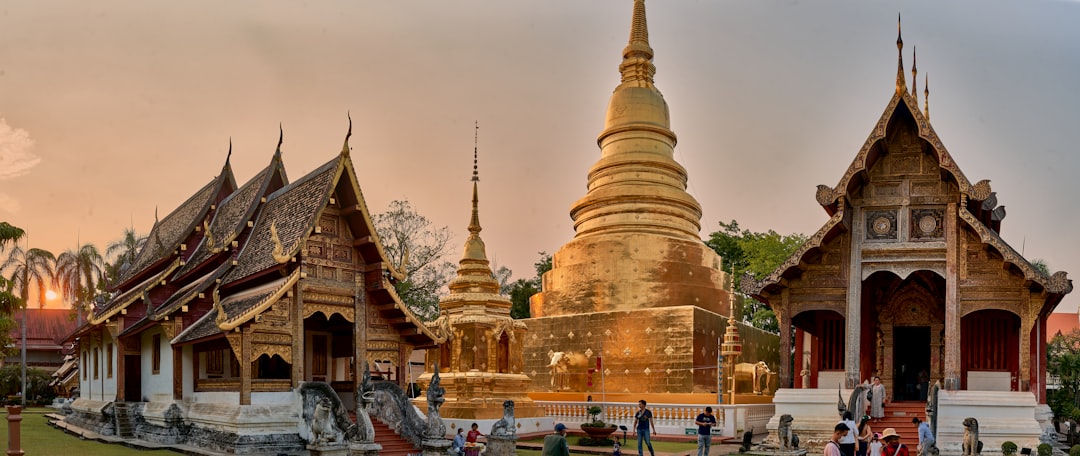
Begin at Wat Phra Singh by 9am, before the heat and the tour groups arrive, then walk ten minutes to Wat Chedi Luang for its half-ruined 14th-century chedi. Break for khao soi around midday — Khao Soi Khun Yai is a short songthaew ride north — before spending the afternoon tracing the Old City walls past the Three Kings Monument and the restored moat gates.
If your visit lands on a Sunday, spend the evening on Ratchadamnoen Road as it fills with vendors from roughly 4pm; any other night, the nightly Night Bazaar on Chang Klan Road covers similar ground for textiles, wood carving, and street food.
Doi Suthep at Dawn and an Ethical Elephant Encounter
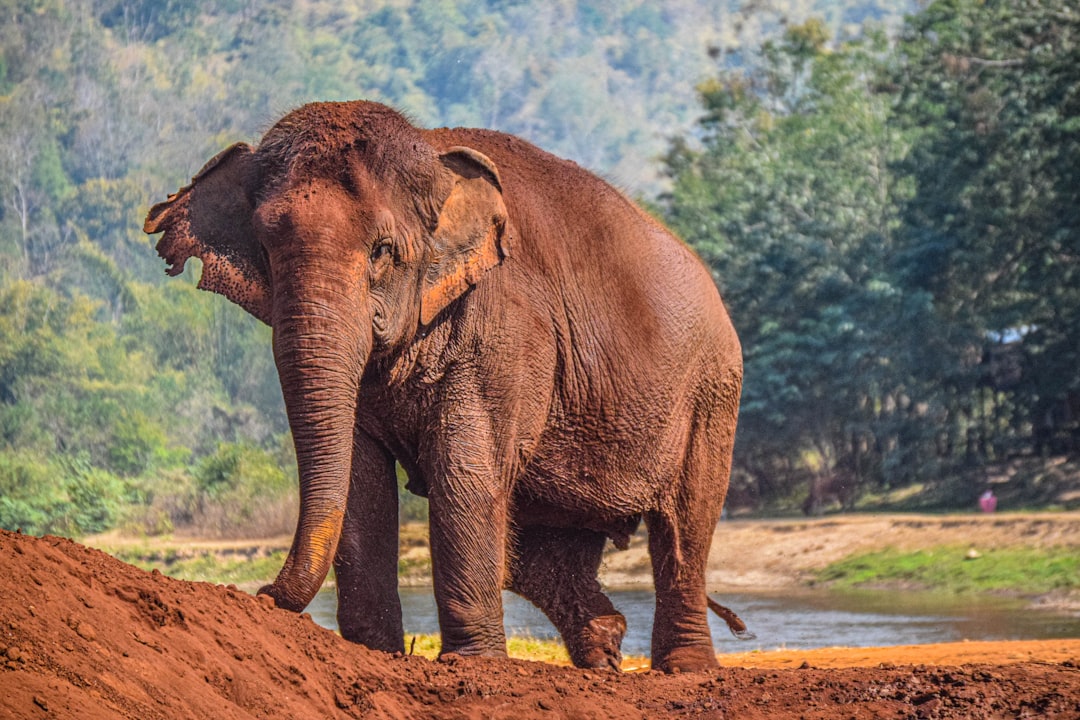
Leave the Old City by 7am for the 30-minute drive up to Wat Phra That Doi Suthep, climbing the 309-step naga staircase while it's still cool and quiet. Head back down by late morning for a half-day observation visit at a Mae Taeng-area elephant sanctuary, where you'll help prepare food and watch the herd bathe rather than ride.
Return to the city for dinner in the Nimman district, where Blackitch Artisan Kitchen serves a tasting menu built from Thai ingredients and French technique in a converted alley shophouse — reservations are essential.
Doi Inthanon's Summit or the Waterfalls of Mae Sa Valley
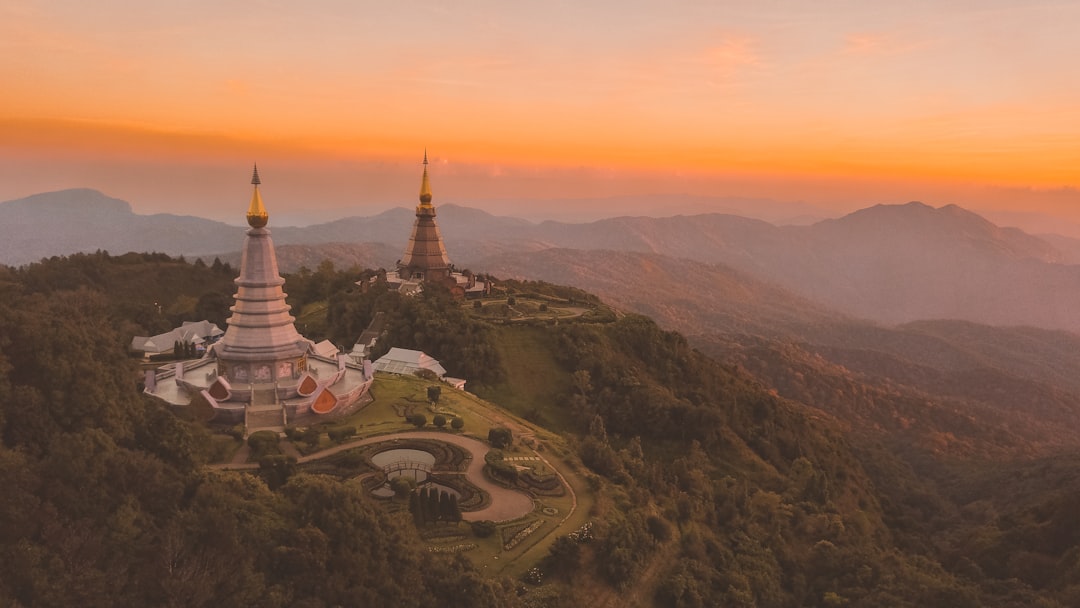
For the more ambitious option, drive 1.5-2 hours southwest to Doi Inthanon National Park, home to Thailand's highest point at 2,565 meters; the entrance fee for foreign visitors runs about 300 THB, and the twin royal pagodas plus Wachirathan Waterfall make a satisfying loop.
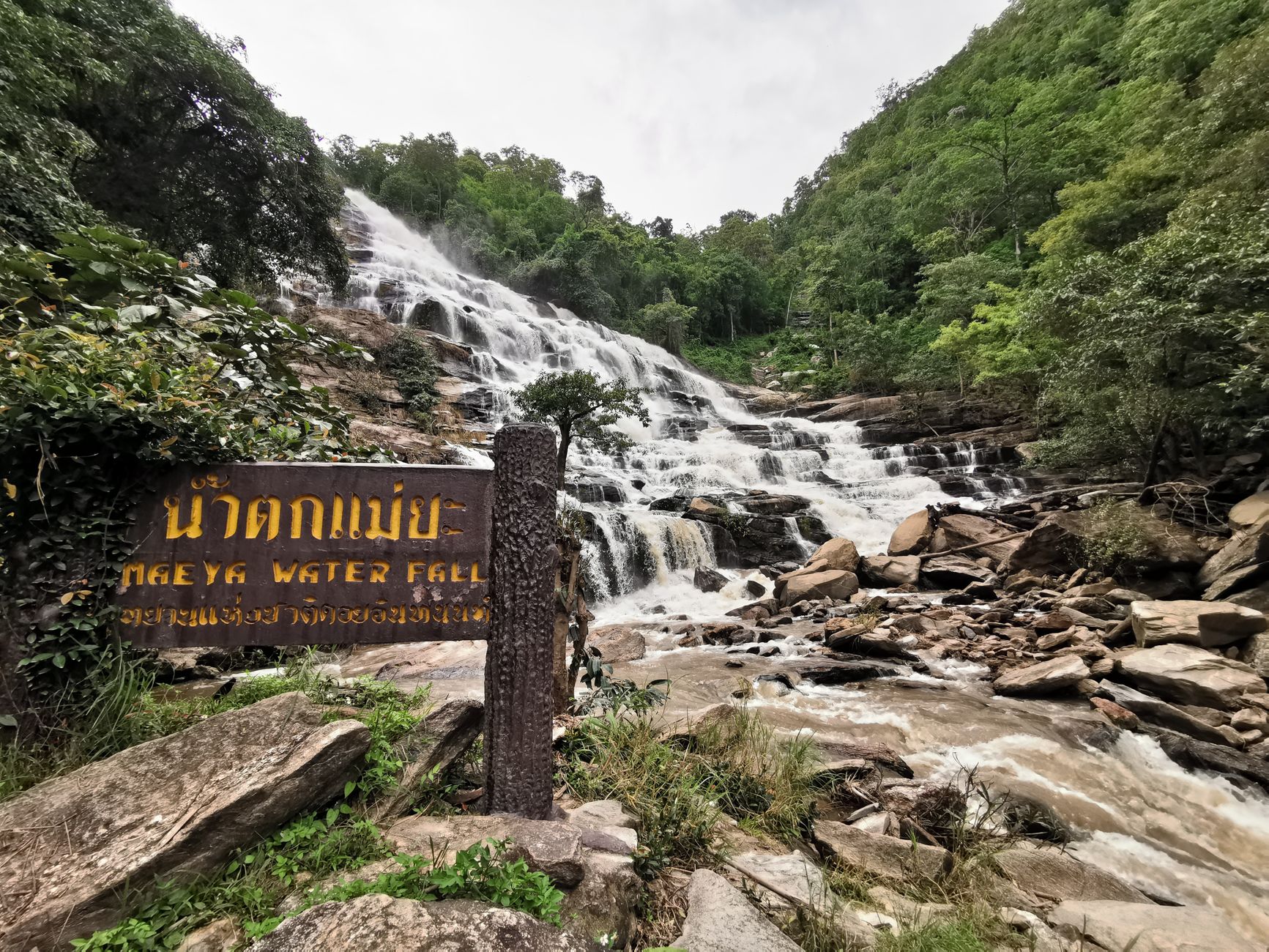
A gentler alternative is Mae Sa Valley, closer to the city, where Mae Sa Waterfall's tiered pools and the hilltop viewpoints at Mon Cham fill an easy half-day. Either way, end back in Chiang Mai with a traditional Thai massage — Fah Lanna Spa charges roughly 300-500 THB per hour and is a fitting way to close out three days of walking and climbing.
The parts of a Chiang Mai trip that go wrong are almost always the parts booked at the last minute: Yi Peng lantern-release tickets sell out weeks ahead, ethical elephant sanctuaries cap daily visitor numbers, and 137 Pillars House or the Four Seasons Resort Chiang Mai routinely fill their best rooms during cool-season months.
A Cordelie travel advisor can lock in those reservations alongside a private driver for the Doi Inthanon or Mae Sa Valley day, so you're not negotiating songthaew fares in the heat of a decision you didn't need to make alone. Reach out at https://cordelie.com/contact and we'll build the itinerary around whichever version of Chiang Mai — temple-focused, food-focused, or slow and scenic — actually matches your trip.
Chiang Mai At a Glance
A city built for travelers who want temples, mountains, and a genuine slow-down, without sacrificing good coffee or a comfortable bed.
Chiang Mai works equally well as a standalone week or a mountain counterpoint to a Bangkok or island trip, and its compact Old City makes it forgiving for first-time visitors. Come in the cool season if you can, budget three to five days to cover the temples, the elephants, and at least one mountain day trip, and book anything time-sensitive — sanctuaries, lantern events, boutique hotels — well before you land.
Last checked for accuracy: . How we check

Sarah Chen has covered Asia for twelve years, first as a wire reporter in Jakarta and now from Singapore, where she keeps a standing list of the region's most misunderstood destinations. She writes about the distance between what a place is famous for and what it is actually like to spend a week in — and is happiest on an overnight train with a bad seat and a good view.
Related Articles
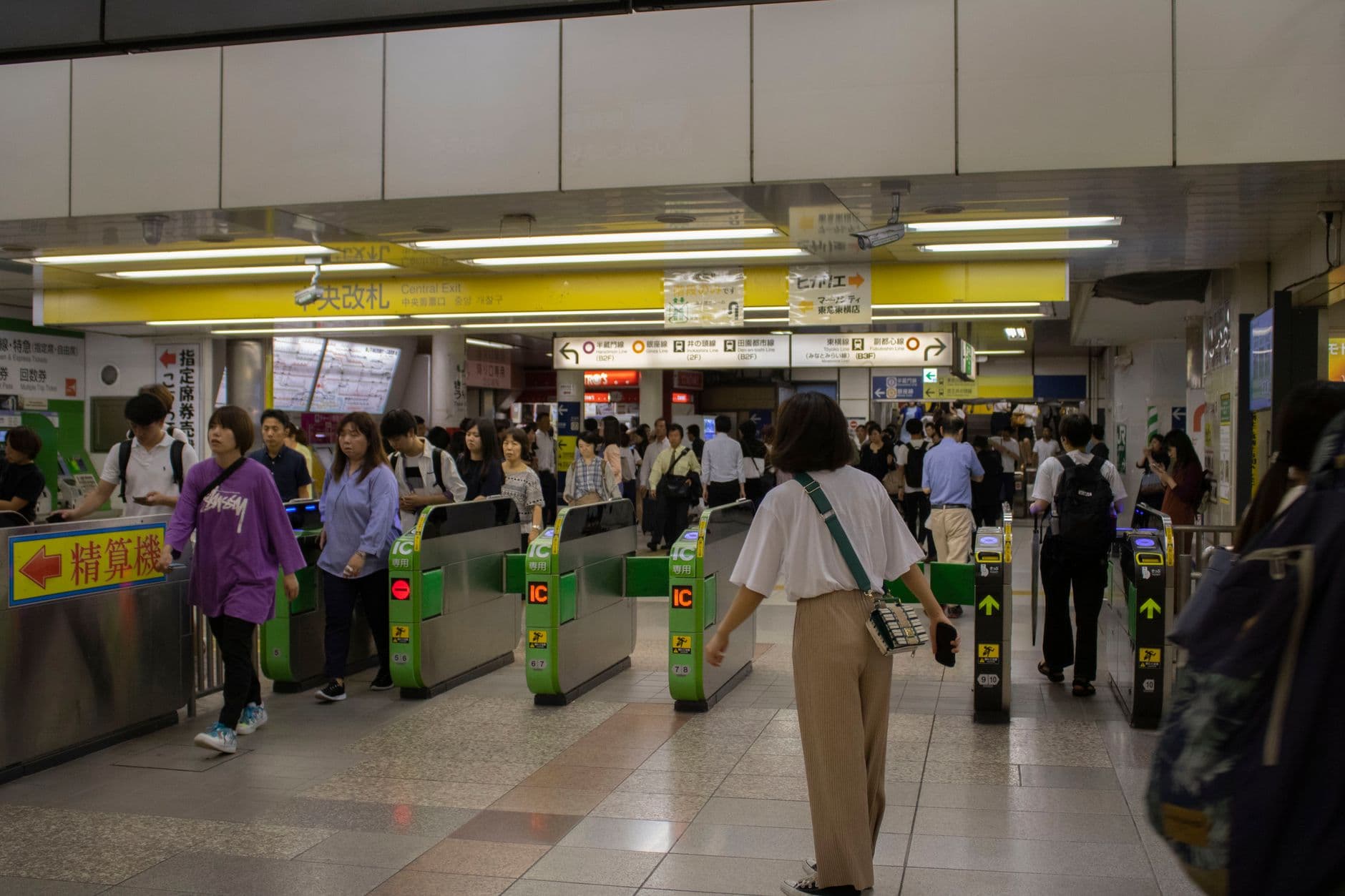
Essential Tips for Traveling in Japan
From IC cards to onsen etiquette, here's what first-time visitors to Japan actually need to know before they land — plus the small missteps that trip up even seasoned travelers.
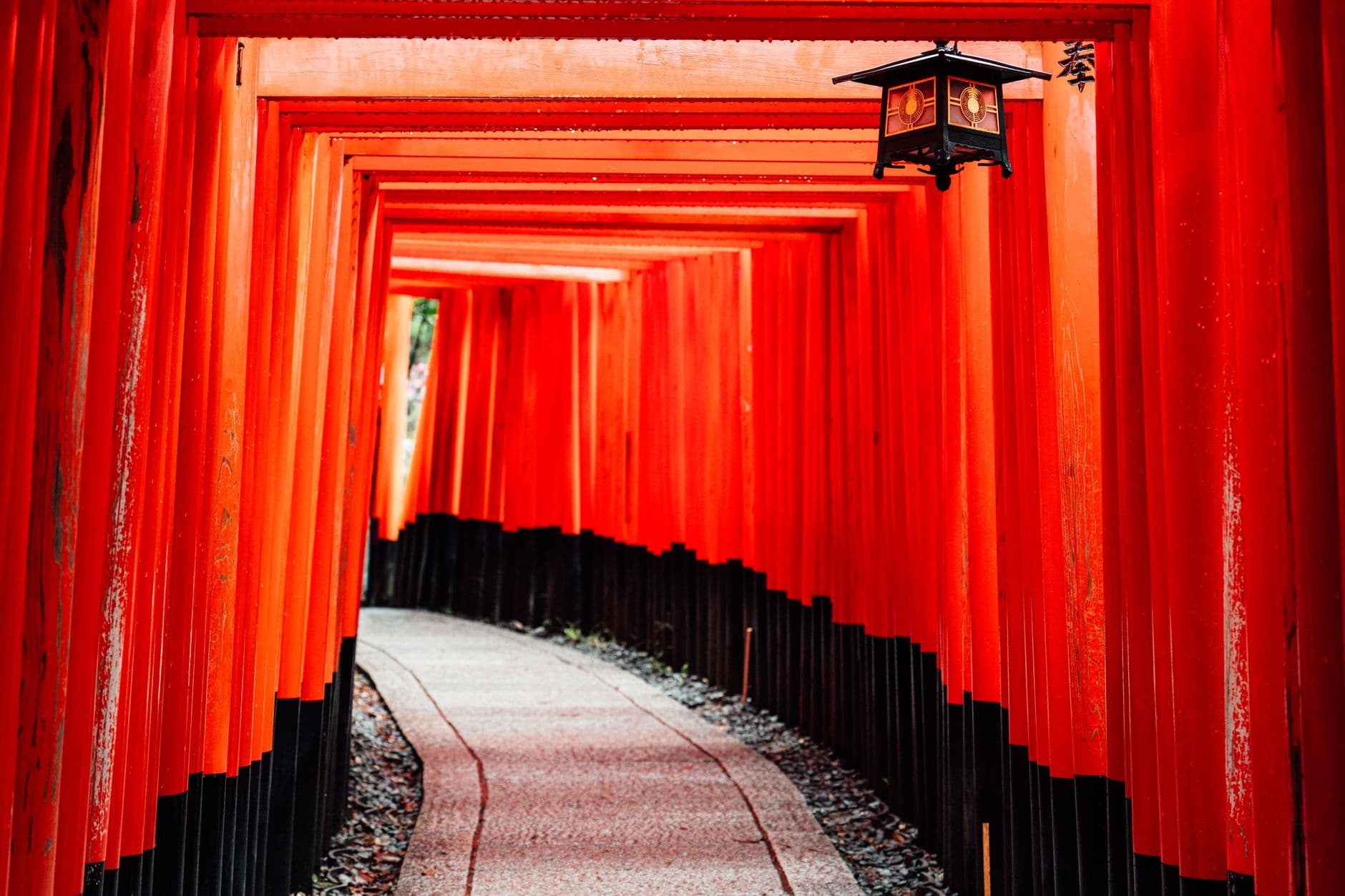
The Best Things to Do in Kyoto
From the torii tunnels of Fushimi Inari to a nail-free wooden stage at Kiyomizu-dera, here's a ranked, practical guide to the best of Kyoto — with fees, hours, and how to beat the crowds.
The Complete Guide to Hoi An
Lantern-lit streets, tailor shops and cao lau noodles: this complete guide covers Hoi An's Ancient Town, best time to visit, top hotels, food and a 3-day itinerary.