
The Best Things to Do in Kyoto

The Best Things to Do in Kyoto: A Ranked Guide to Japan's Old Capital
Kyoto rewards patience and punishes a rushed itinerary. This is a city of roughly 1,600 Buddhist temples and 400 Shinto shrines scattered across a valley ringed by wooded hills, and no single visit can do justice to all of it. What follows is a ranked list of the experiences that earn their place on even a tight three- or four-day trip, chosen for the moment they deliver rather than the checkbox they satisfy.
Expect vermilion torii gates climbing a mountainside, a gold-leafed pavilion floating over its own reflection, a covered market that has fed the city for centuries, and a wooden temple stage with views over the Higashiyama hills. Each entry below comes with the practical detail you need to actually get there: opening hours, entry fees in current yen, and the nearest station.
Every entry here had to clear three bars: it needed to be walkable or reachable by a single train or bus connection from central Kyoto Station or the Higashiyama district, it needed a specific, checkable detail (a fee, an hour, a distance) rather than a vague impression, and it needed to reward a first-time visitor and a fourth-time one differently.
We leaned toward sites and neighborhoods over one-off restaurant recommendations, since those change fast, but where a specific stall or shop is worth building a stop around, we named it.
Fushimi Inari Taisha
The torii-gate mountain that never quite feels crowded once you climb past the first bend
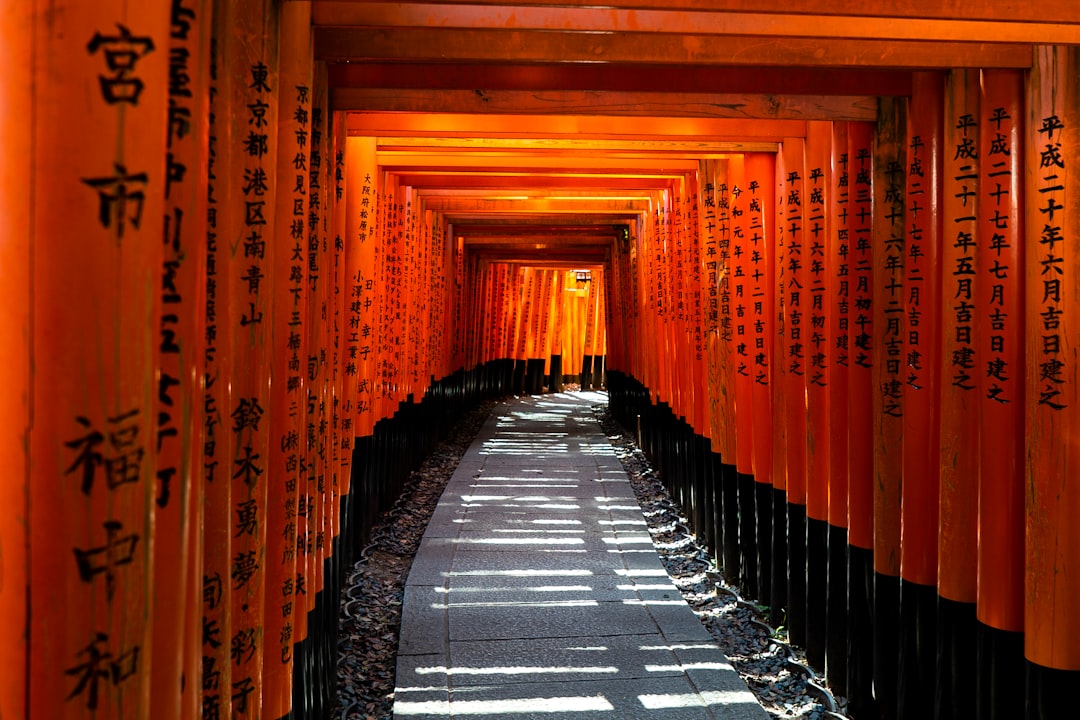
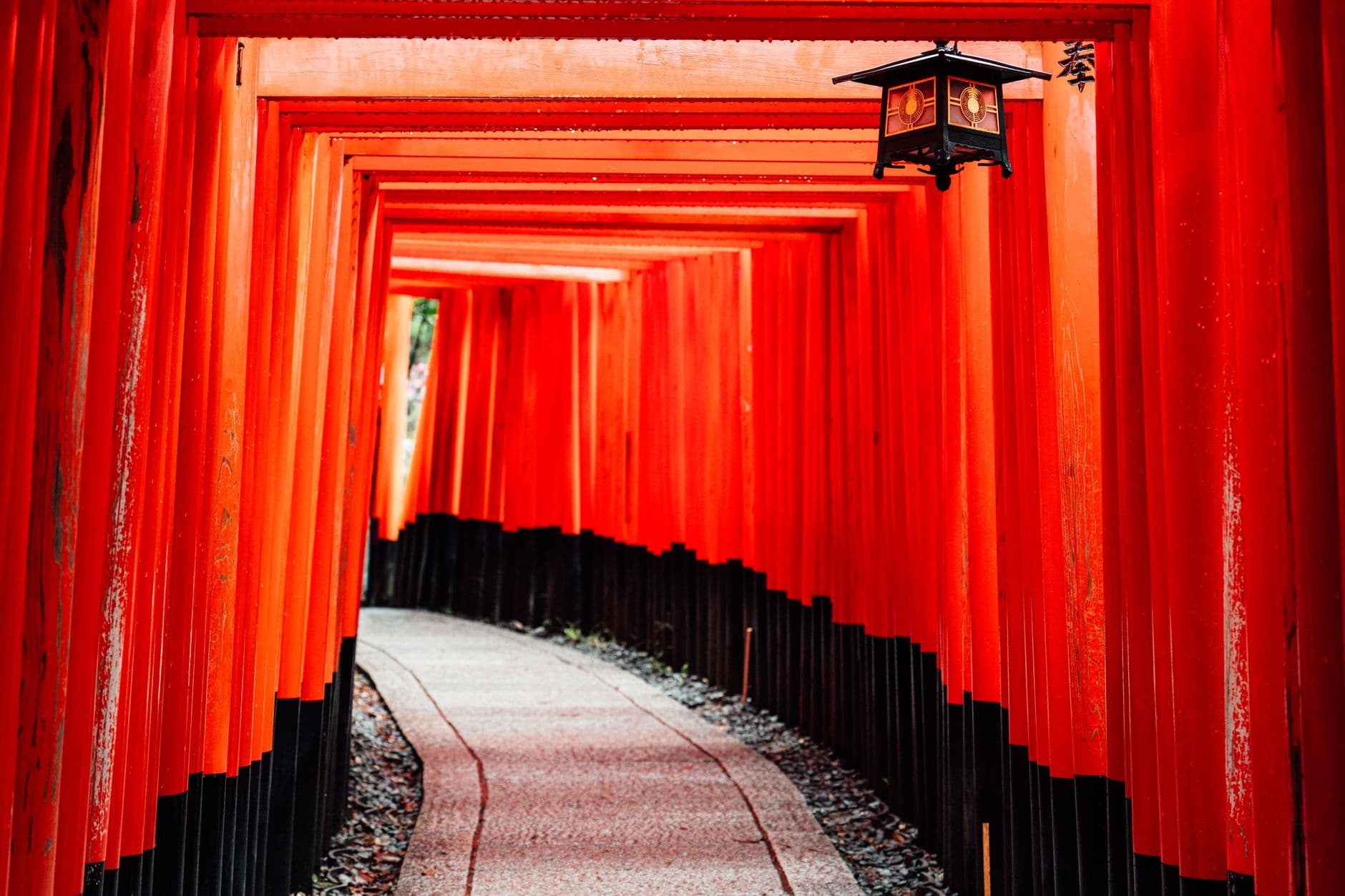
Fushimi Inari Taisha sits at the base of Inariyama in southern Kyoto, and its main draw is the tunnel of vermilion torii gates that climbs the mountain behind the shrine buildings. There are thousands of them, donated over centuries by businesses hoping for the fox spirit Inari's favor, and walking through them at a steady pace to the Yotsutsuji intersection takes about 30-45 minutes.
The shrine itself is free and open around the clock, which is the real secret here. Arrive before 8am and the crowds that clog the lower gates by midday simply aren't there yet; you'll have long stretches of the path to yourself, with only the occasional jogger or fox-statue vendor for company.
Get there on the JR Nara Line from Kyoto Station to Inari Station, a ride of about 5 minutes, or take the Keihan Main Line to Fushimi Inari Station, a few minutes' walk from the entrance. Most visitors turn back at Yotsutsuji, about a third of the way up, but continuing to the summit adds roughly another hour round-trip and thins the foot traffic even further.
Kinkaku-ji, the Golden Pavilion
A gold-leafed reliquary hall built by a shogun who wanted to see his reflection in a pond
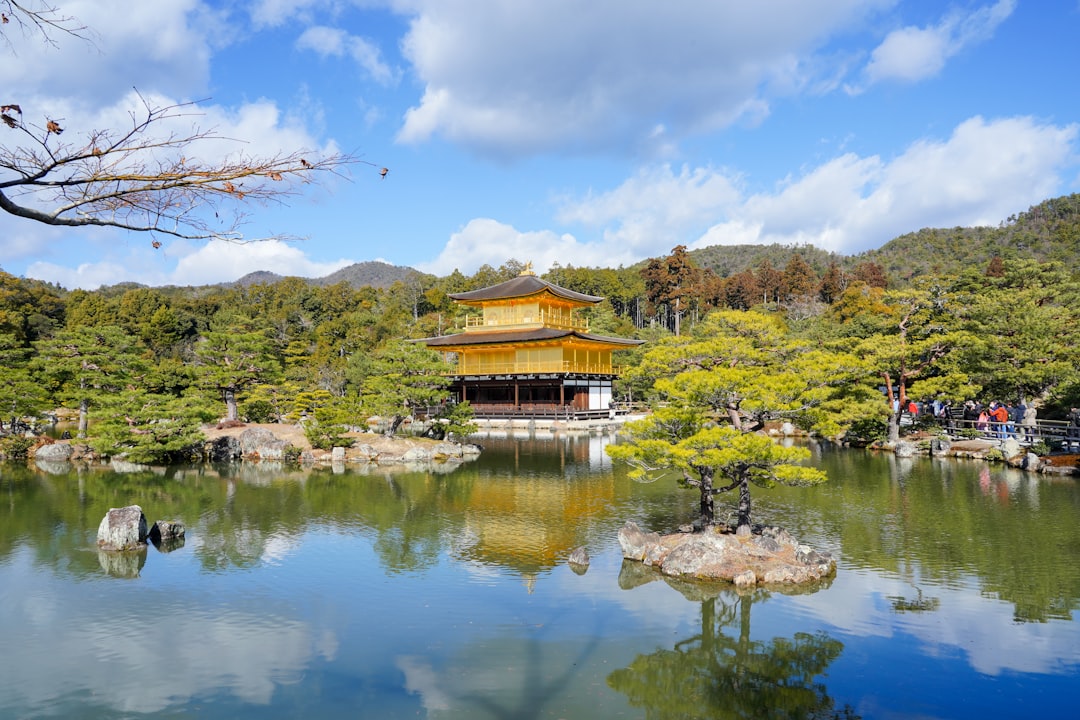
Officially named Rokuon-ji, this Kita-ward temple is better known by the name of the structure everyone comes to see: a three-story pavilion coated in gold leaf, standing over the still water of Kyoko-chi pond. It was originally built in 1397 as a retirement villa for the shogun Ashikaga Yoshimitsu and converted into a Zen temple after his death.
The current building dates to 1955, rebuilt after a 1950 fire, but the effect on a clear day is exactly what you'd hope: gold and water and pine, framed by the wooded hillside behind. You don't enter the pavilion itself; the visit is a single looping walk through gardens with fixed viewpoints, which takes maybe 30-40 minutes at an unhurried pace.
Entry runs about ¥500 for adults and ¥300 for children (rates as of late 2025), and the grounds are open 9am to 5pm daily. It's roughly a 30-minute bus ride from Kyoto Station on the City Bus 101 or 205 lines, or you can pair it with nearby Ryoan-ji's rock garden for a two-temple morning.
Arashiyama Bamboo Grove and Tenryu-ji Temple
A green-lit corridor and the UNESCO garden right next door
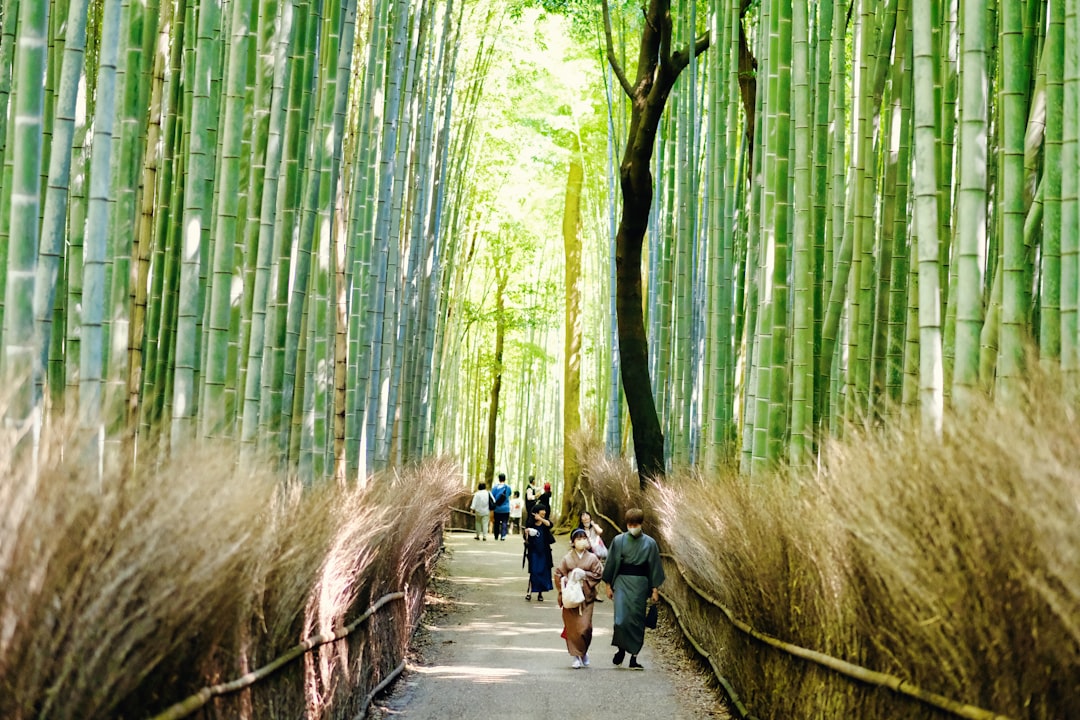
The Arashiyama Bamboo Grove is a short, dense path of towering bamboo stalks that filter the light into a green haze overhead. It's free to walk and takes only 10-15 minutes end to end, but arriving right at opening, around 8am, is what separates a serene photo from a shoulder-to-shoulder scrum by 10am.
The grove sits beside Tenryu-ji, a Zen temple whose garden, designed by the monk Muso Soseki in the 14th century, is a UNESCO World Heritage component of the Historic Monuments of Ancient Kyoto listing. Garden-only admission runs about ¥500, with an additional fee to enter the temple buildings; it's open roughly 8:30am to 5pm depending on the season.
Arashiyama is a JR Sagano Line ride from Kyoto Station (about 15-20 minutes) or a scenic trip via the Keifuku Randen tram from Shijo-Omiya. While you're there, the Togetsukyo Bridge over the Katsura River is a five-minute walk south and worth the detour for the view back toward the hills.
An Evening Walk Through Gion
Wooden teahouses, stone lanes, and the chance of spotting a maiko on her way to an appointment
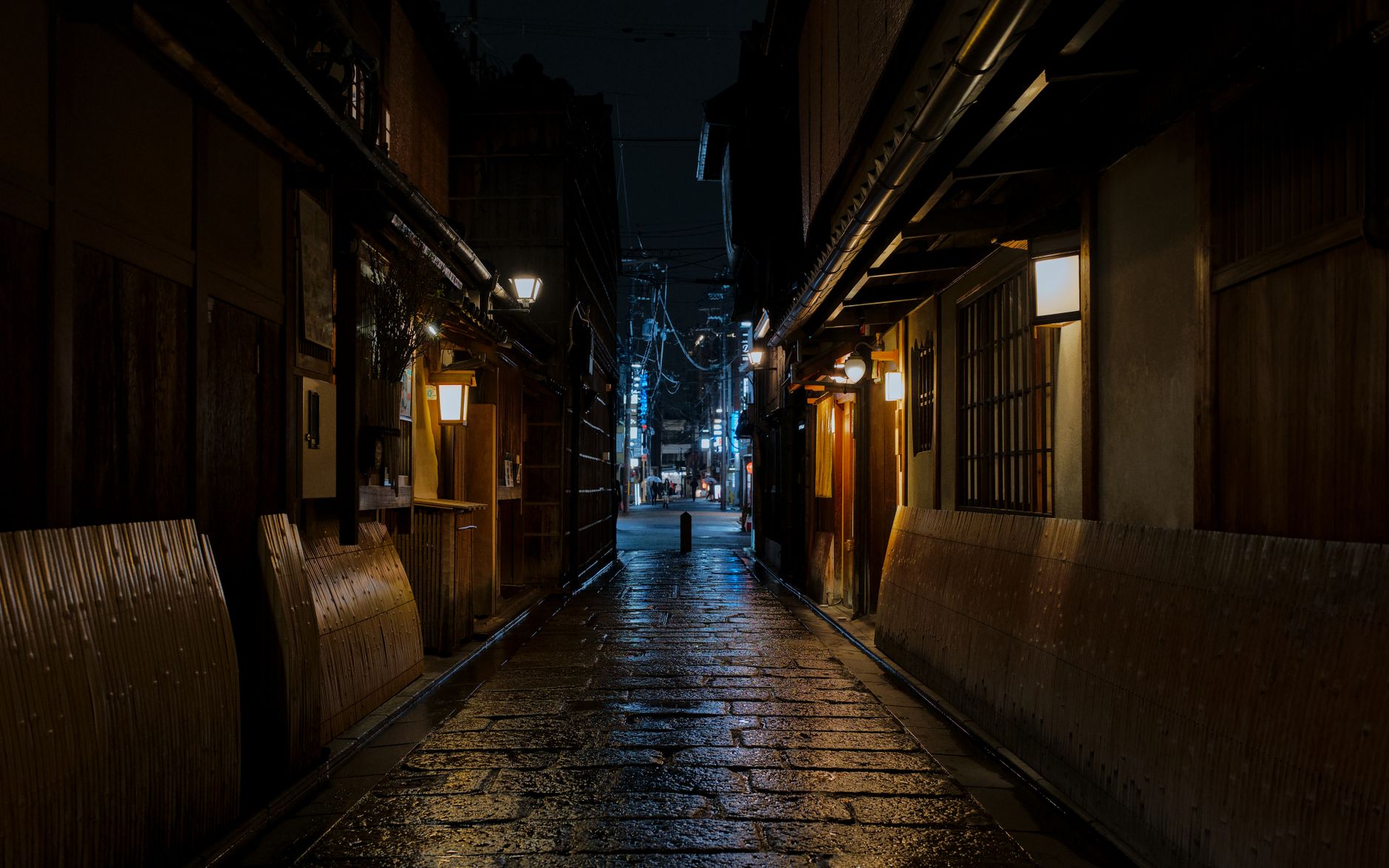
Gion is Kyoto's most famous geisha district, and while daytime visits show off its architecture, the real texture comes out between about 5:30 and 7:30pm, when the teahouses along Hanamikoji-dori light their lanterns and the occasional maiko or geiko hurries between appointments in full kimono and okobo sandals.
This is not a photo opportunity to chase; a private members-only ordinance now restricts tourist access to some of Gion's narrower side lanes, and locals appreciate visitors keeping a respectful distance rather than blocking a doorway for a shot. Walk Hanamikoji-dori itself, duck into Yasaka Shrine at the street's northern end (free, open 24 hours), and consider a bowl of noodles at one of the small counters tucked along the lane.
Gion is a 10-minute walk from Kyoto's Kawaramachi or Gion-Shijo stations, both a short ride from Kyoto Station on the Keihan or bus network. Pair it with a stroll through Pontocho, a narrow alley of restaurants one canal over, for dinner afterward.
Nishiki Market Food Crawl
A 400-meter covered arcade that has been feeding Kyoto's kitchens for centuries
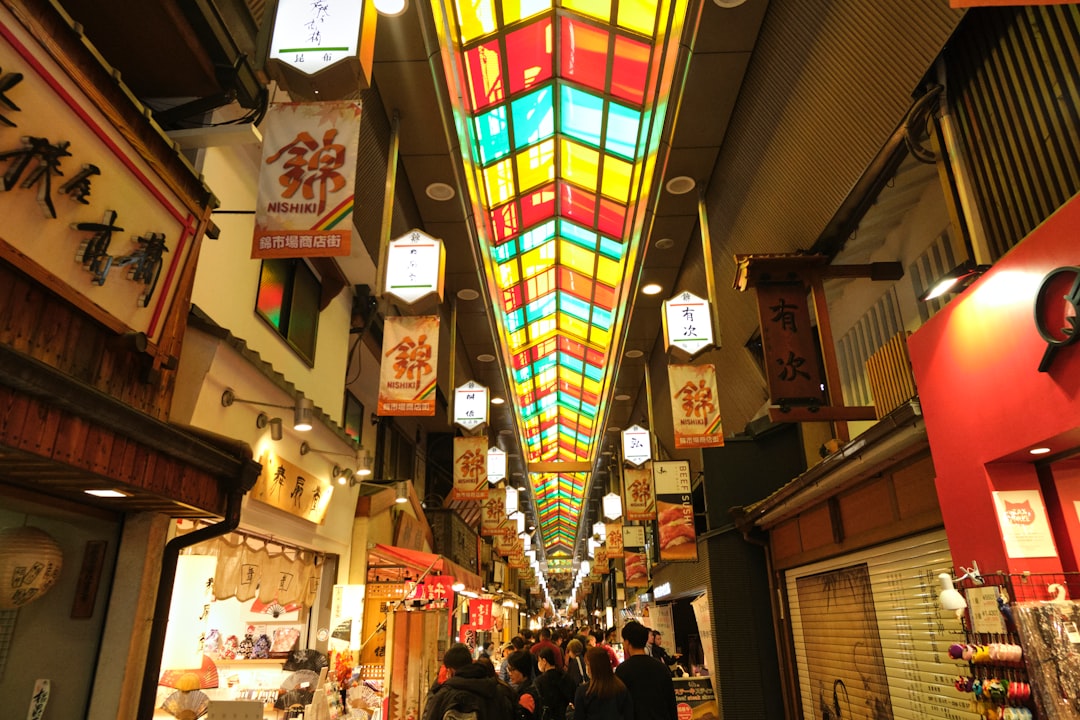
Nishiki Market runs about 400 meters through central Kyoto's Nakagyo ward, a covered arcade lined with more than a hundred small stalls and shops selling pickles, skewered tako tamago (baby octopus stuffed with a quail egg), fresh yuba, and knives from the famed Aritsugu shop, which has operated in the area since the Edo period.
Most stalls open around 10am and start closing by 6pm, so this is a lunch-hour or mid-afternoon stop rather than an evening one. Budget ¥1,500-3,000 per person if you're grazing your way down the full length, sampling as you go rather than sitting for a formal meal.
The market sits one block north of Shijo-dori, a 10-minute walk from Kawaramachi Station, and it connects at its western end to the covered Teramachi and Shinkyogoku shopping arcades if you want to keep wandering after the food runs out.
Cordelie travel advisors
Planning Kyoto? Go with someone who knows
The right suite, the right season, the reservations that never appear online — your Cordelie advisor knows them, and holds them for you.
Plan with a Cordelie advisorFree to ask. Cordelie Travel Services · IATA/ARC 06649064
Kiyomizu-dera's Wooden Stage
A temple stage built without a single nail, hanging over the Higashiyama hillside
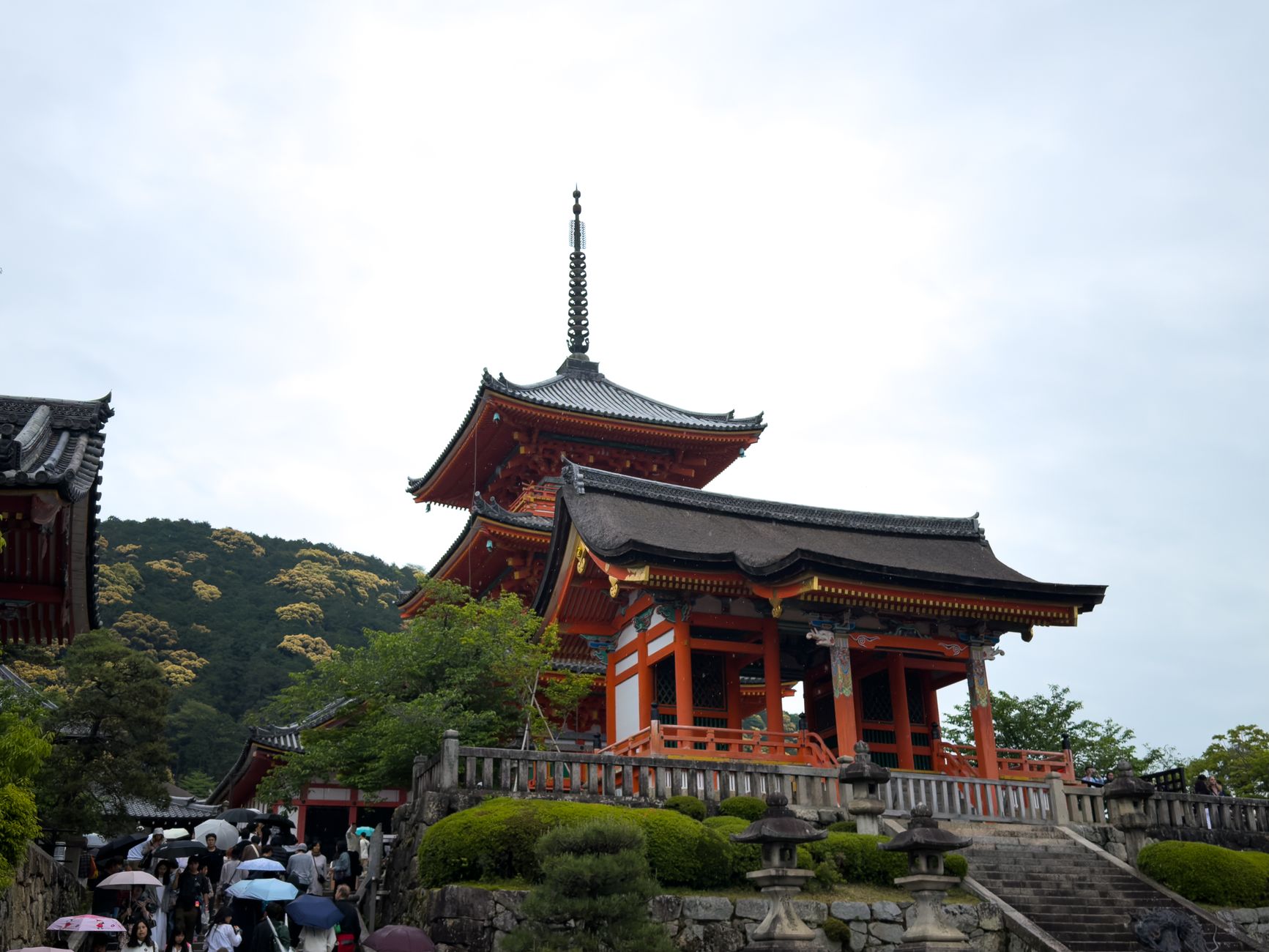
Kiyomizu-dera's main hall stage is famous for its construction: a lattice of wooden pillars and beams joined without nails, projecting out over the hillside with sweeping views back toward the city. The temple, part of the UNESCO-listed Historic Monuments of Ancient Kyoto, traces its origins to the 8th century, though the current structures date largely from a 1633 rebuild.
Below the stage, the Otowa Waterfall splits into three streams; visitors queue to drink from one, each said to grant a different kind of luck (longevity, success, or love), though local wisdom holds that drinking from all three is considered greedy.
Entry runs roughly ¥400-500, and the grounds are typically open 6am to 6pm, with extended evening hours during seasonal illumination periods in spring and autumn. It's a steep 10-15 minute walk uphill from the nearest bus stop along Higashiyama's preserved lanes, Sannenzaka and Ninenzaka, which are worth slowing down for on the way.
The Philosopher's Path, from Ginkaku-ji to Nanzen-ji
A canal-side walk that links two of Kyoto's most contemplative temples
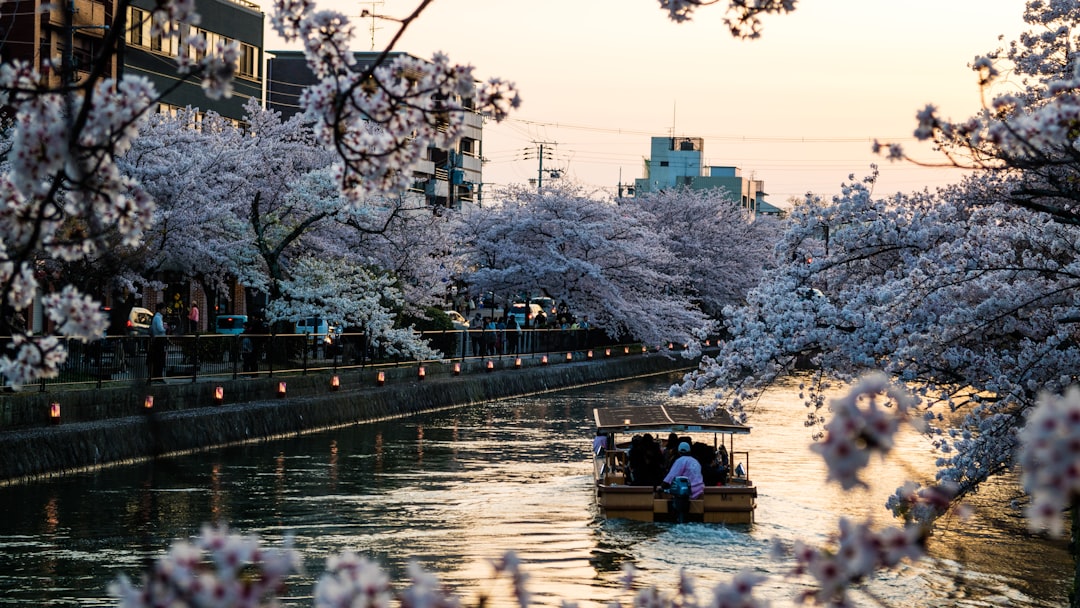
The Philosopher's Path, or Tetsugaku no Michi, follows a narrow canal for about 2 kilometers between Ginkaku-ji (the Silver Pavilion) and Nanzen-ji, named for the Kyoto University philosophers who once walked it while thinking through their arguments.
Start at Ginkaku-ji, open 8:30am to 5pm with entry around ¥500; despite the name, the pavilion was never covered in silver, and its sand garden and moss-covered grounds are the real draw. Walk south along the canal, past small cafes and the occasional shrine, to Nanzen-ji, where a red-brick aqueduct built in the 19th century cuts an unusual path through the temple grounds.
The full walk takes about 40-50 minutes at a relaxed pace, longer if you stop for the sub-temples along the way. Cherry blossoms in late March to early April and maple foliage in November draw the biggest crowds, so an off-peak weekday morning is the calmer choice.
Kyoto Detours Worth Your Time If You Have a Extra Day
A few places narrowly missed the ranked list, mostly because they demand a bit more time or a slight detour from the central loop most visitors run. Tofuku-ji, in southern Kyoto near JR Tofukuji Station, has a wooden bridge called Tsutenkyo that spans a maple-filled ravine; it's spectacular in November foliage season and nearly empty compared to Kiyomizu-dera at the same time of year.
The Kyoto Imperial Palace park, Sento Gosho, is free to walk and a pleasant contrast to the temple-heavy itinerary most travelers build, with wide gravel paths and formal gates you can view from outside the walls without a reservation. And Uji, a roughly 20-minute train ride south on the JR Nara Line, holds Byodo-in Temple's Phoenix Hall, the building depicted on the ¥10 coin, plus some of the country's most respected matcha producers if you want to build an afternoon around tea rather than temples.
Any of these three could easily have cracked the top seven with one more day on the ground, and they're worth flagging to a travel advisor early if your Kyoto itinerary is stretching past four days.
The hardest bookings in Kyoto aren't the famous temples, they're the things behind them: a kaiseki dinner at a counter with six seats, a private tea ceremony with a working geiko rather than a tourist-facing demonstration, or timed entry to a temple's autumn illumination event that sells out weeks ahead.
A Cordelie advisor can also help sequence your visit around Kyoto's real crowd patterns, which shift dramatically between cherry blossom season in late March and April, the summer heat and humidity of July and August, and the maple-foliage rush in November, so you're not fighting the same busloads at Kinkaku-ji that everyone else is fighting.
The One Kyoto Experience Not to Skip
Fushimi Inari Taisha, and specifically the walk past Yotsutsuji before 8am
If you can only do one thing on this list, make it Fushimi Inari Taisha. It costs nothing, it's open whenever you're jet-lagged and awake, and it's five minutes from Kyoto Station, which means it fits into any itinerary regardless of how the rest of your day is planned.
The gates themselves are the draw, but the real reward is the climb past Yotsutsuji, where the crowds thin and the mountain path opens onto small shrines, fox statues, and quiet clearings that most day-trippers never see because they turned back too soon.
Last checked for accuracy: . How we check

Sarah Chen has covered Asia for twelve years, first as a wire reporter in Jakarta and now from Singapore, where she keeps a standing list of the region's most misunderstood destinations. She writes about the distance between what a place is famous for and what it is actually like to spend a week in — and is happiest on an overnight train with a bad seat and a good view.
Related Articles
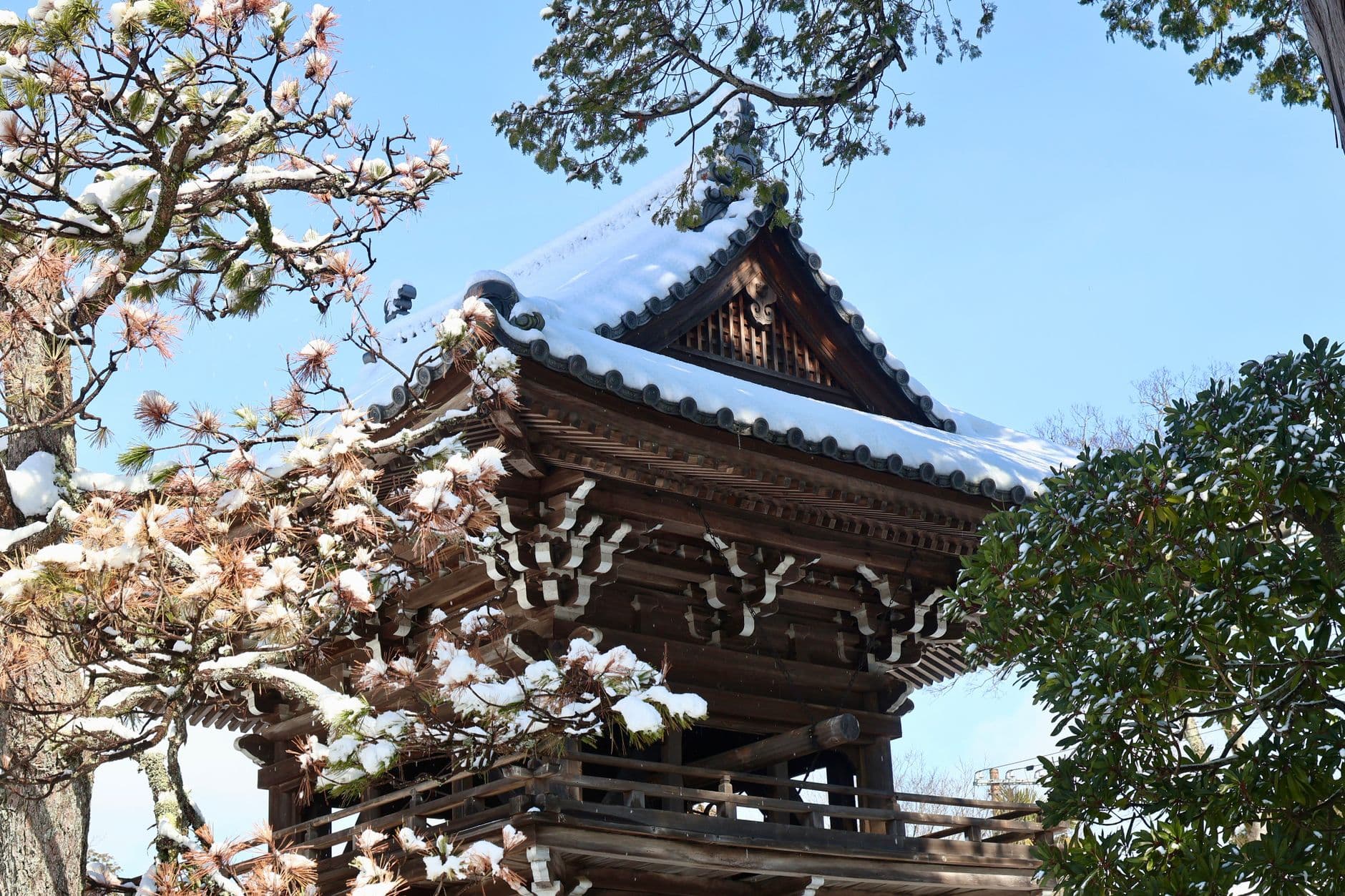
Why Kyoto Is Perfect for Winter Travel
Winter thins Kyoto's crowds to a fraction, drops hotel rates 20–40 percent, and transforms temples into places of genuine contemplation. December through February is when the city reveals itself most clearly.

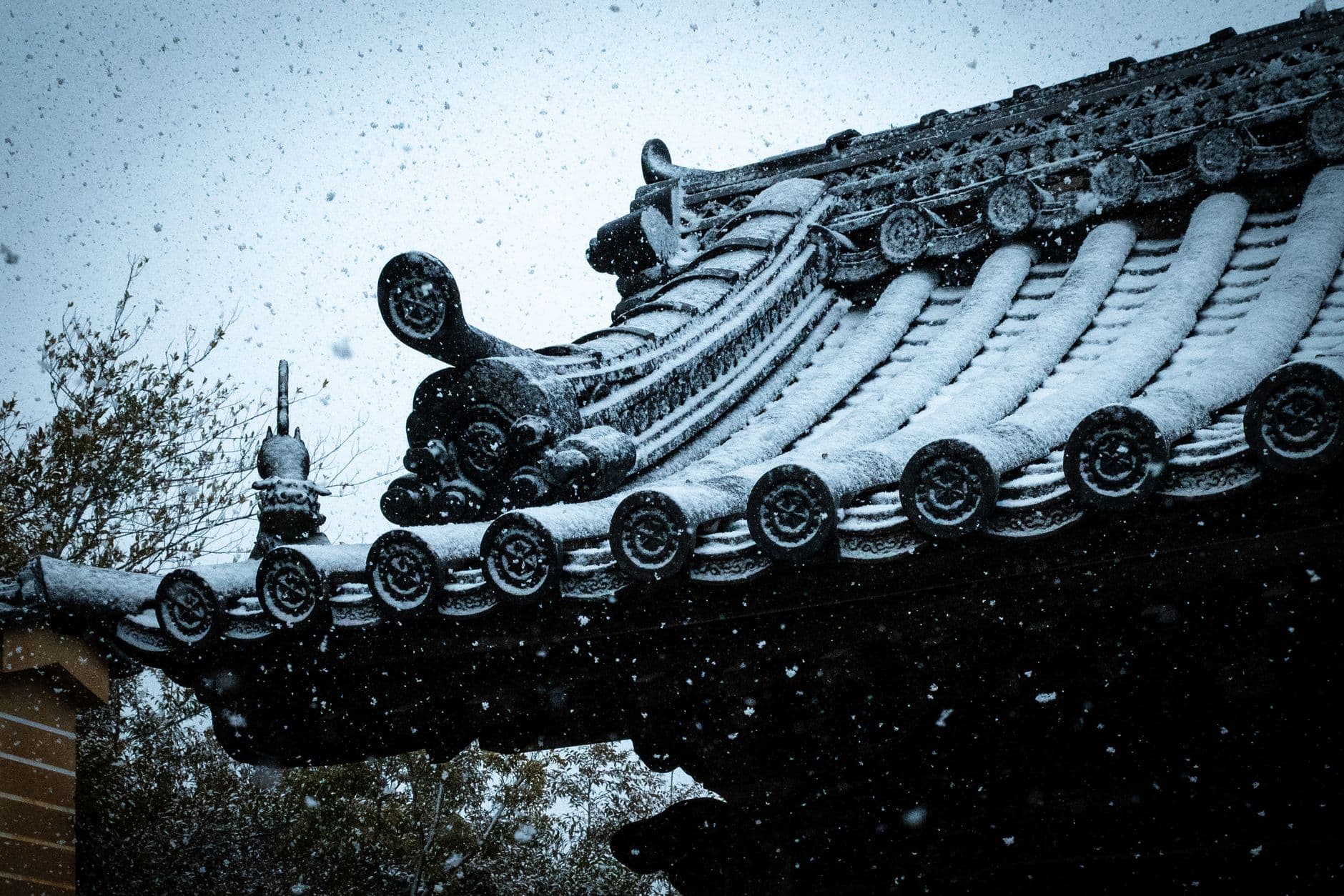
My Winter in Kyoto: A Travel Story
Six weeks in a rented Nishijin machiya taught me a slower Kyoto — snowy temple roofs, empty torii gates at dawn, and soba shops older than the shogunate.

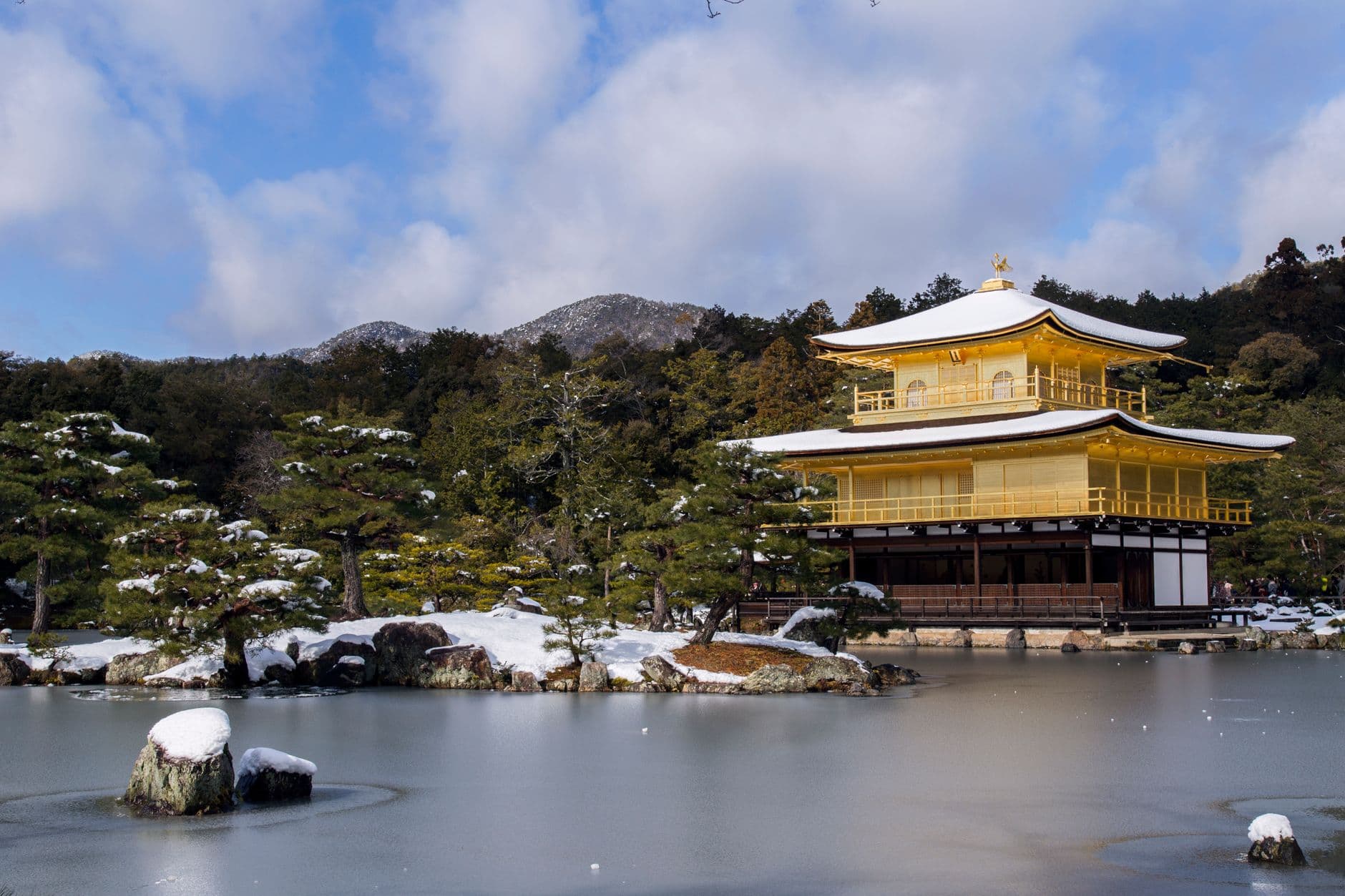
Kyoto Quick Guide: Everything You Need to Know
Kyoto in winter offers clear skies, fewer crowds, and unobstructed views of 1,600+ temples. Plan your temple route carefully—most close by 17:00, and the best sites demand an early arrival.