
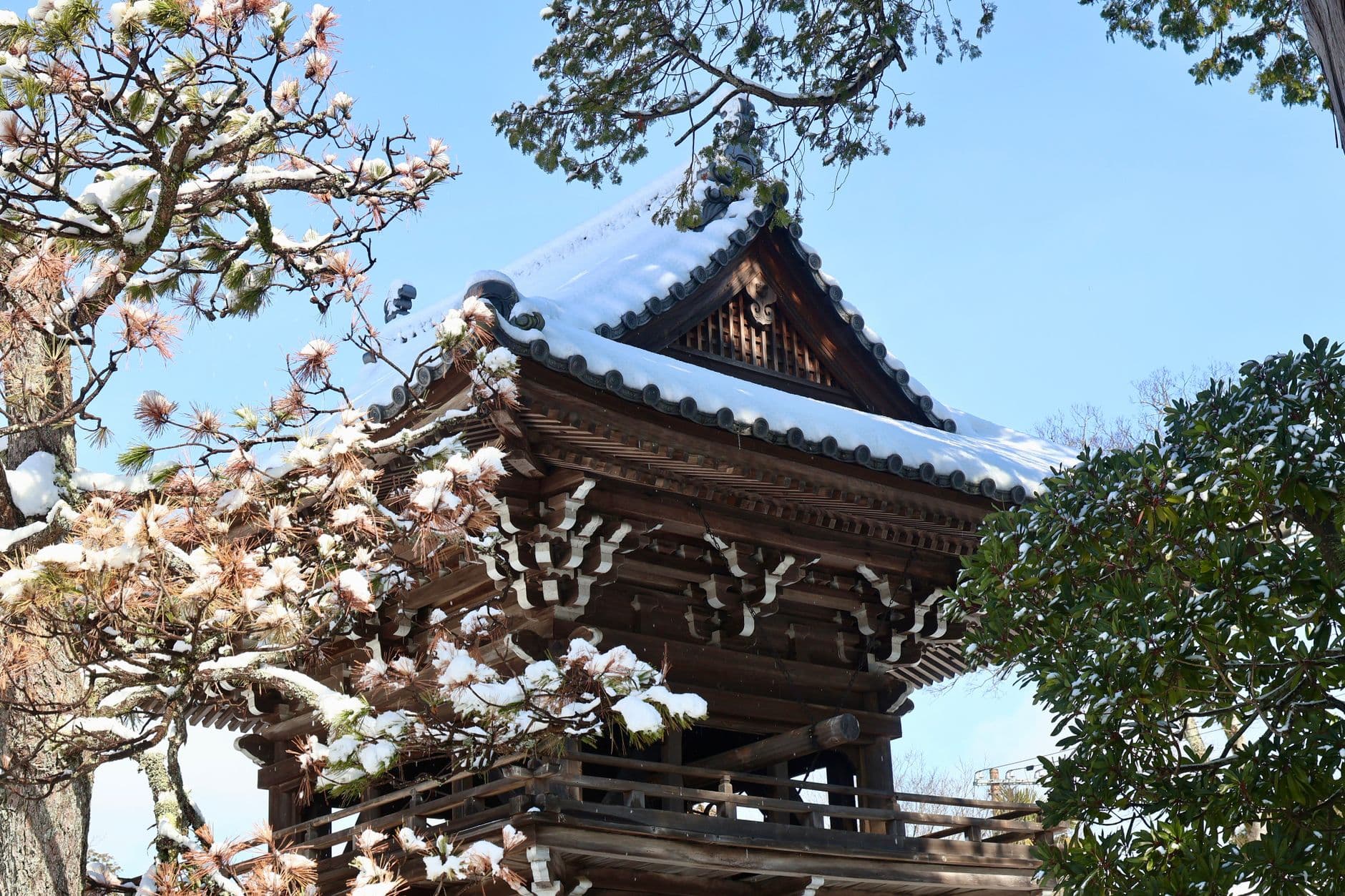
Why Kyoto Is Perfect for Winter Travel

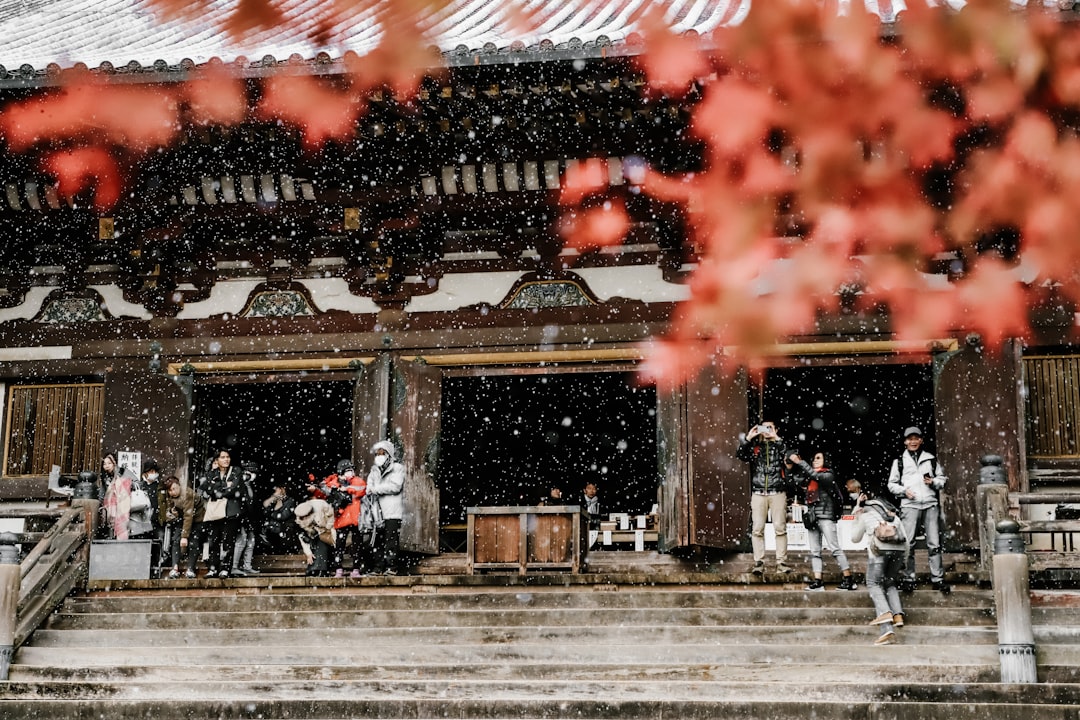
Kyoto's Winter Quiet: Why December Through February Is the Season for Deep Exploration
Most travelers come to Kyoto in spring to see cherry blossoms, or in autumn to watch the maples turn. Winter is when the city breathes. The crowds thin to a fraction of their peak. The air cools enough to walk for hours without fatigue. Temples feel less like tourist destinations and more like places of actual contemplation. If you're someone who travels to understand a place rather than to cross it off a list, December through February offers Kyoto at its most legible.
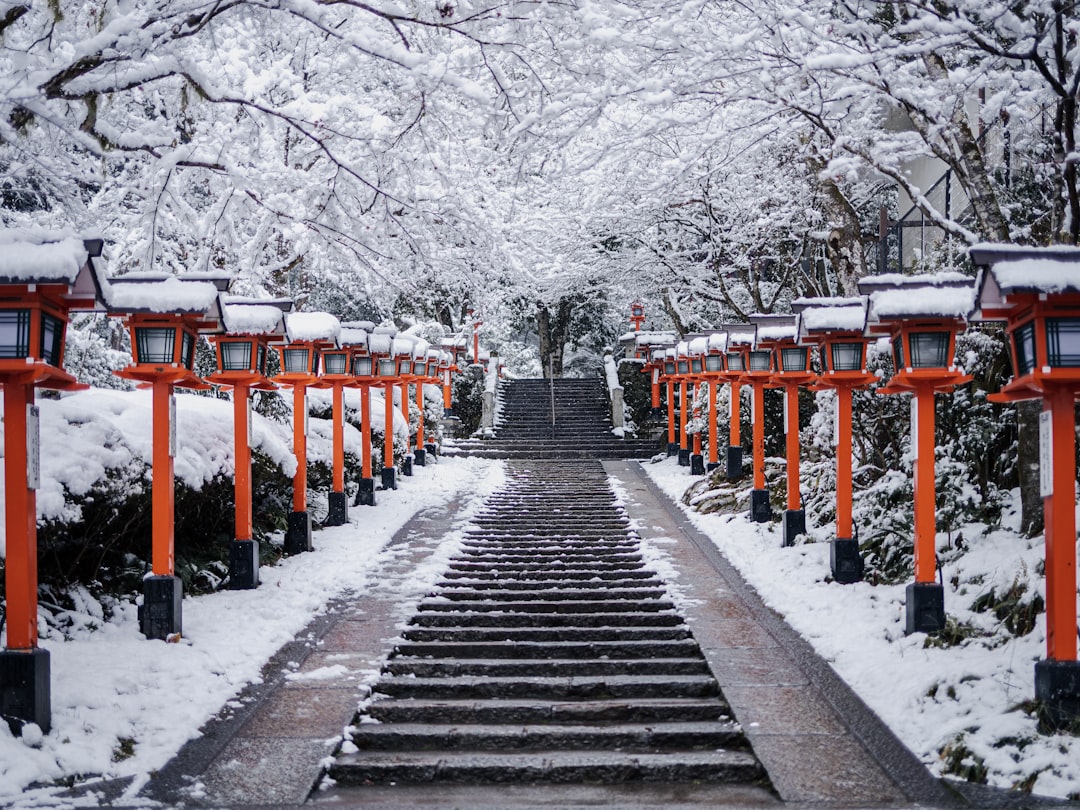
Winter in Kyoto is not a hardship. Temperatures hover between 35 and 50 degrees Fahrenheit (roughly 2–10 degrees Celsius). Frost appears on temple gardens in the early morning. Snow falls maybe a handful of days in a season, and rarely accumulates heavily—but when it does, the effect on the city's architecture is transformative. The practical upside: fewer bookings clash, hotels drop rates by 20 to 40 percent against peak season, and a reservation at a difficult restaurant becomes something you can actually make three weeks out.
The Places Winter Opens Up for Visitors
Ryoan-ji Temple and Its Frozen Garden
Where silence becomes the main event
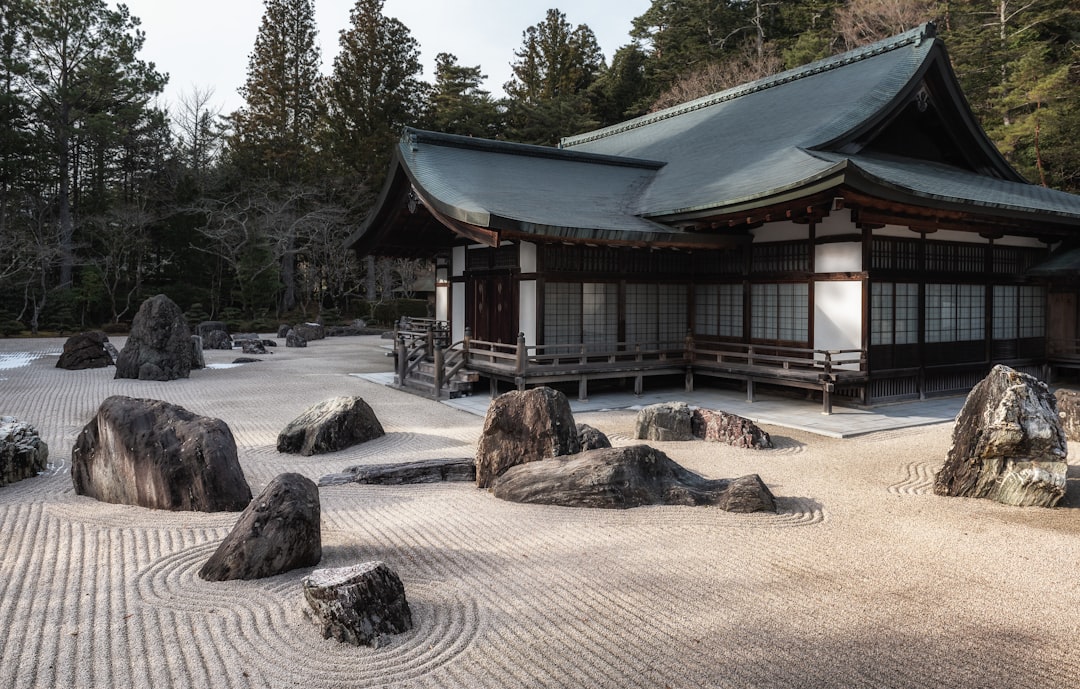
Ryoan-ji sits in northwest Kyoto, about 40 minutes from the city center by bus or train. The temple's famous rock garden—fifteen stones arranged on raked gravel—draws crowds year-round, but in winter, arriving before 9:00 AM means you may have the contemplation hall to yourself for several minutes at a time. The garden's design works best when read alone. Winter morning light, low and angled, picks out each stone's texture.
Entry runs about 3,000 yen (roughly $20–22 USD). The garden is outdoors; bring layers and a windbreaker. The roofed hall where you sit to view the rocks is unheated, but the stillness compensates. Many visitors spend only 15 minutes here during peak season. In winter, 45 minutes is ordinary. There's a small tea house on the temple grounds where you can warm up with matcha and a rice cake afterward.
Kinkaku-ji (Golden Pavilion) Without the Queue
The most photographed temple in Japan, finally walkable in winter
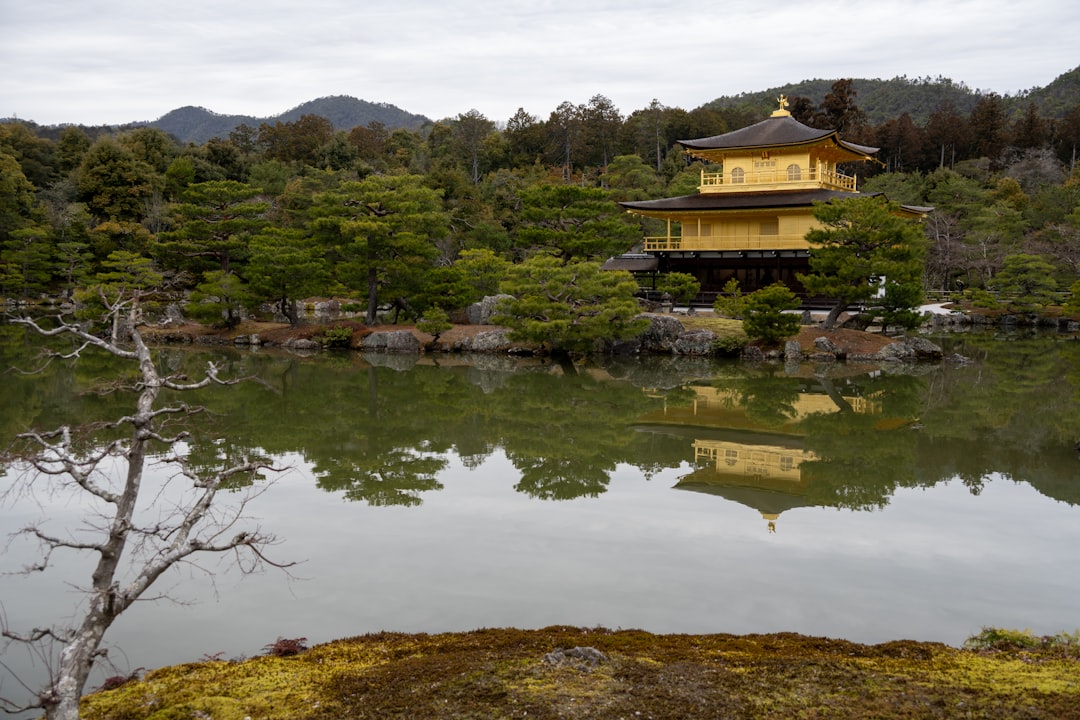
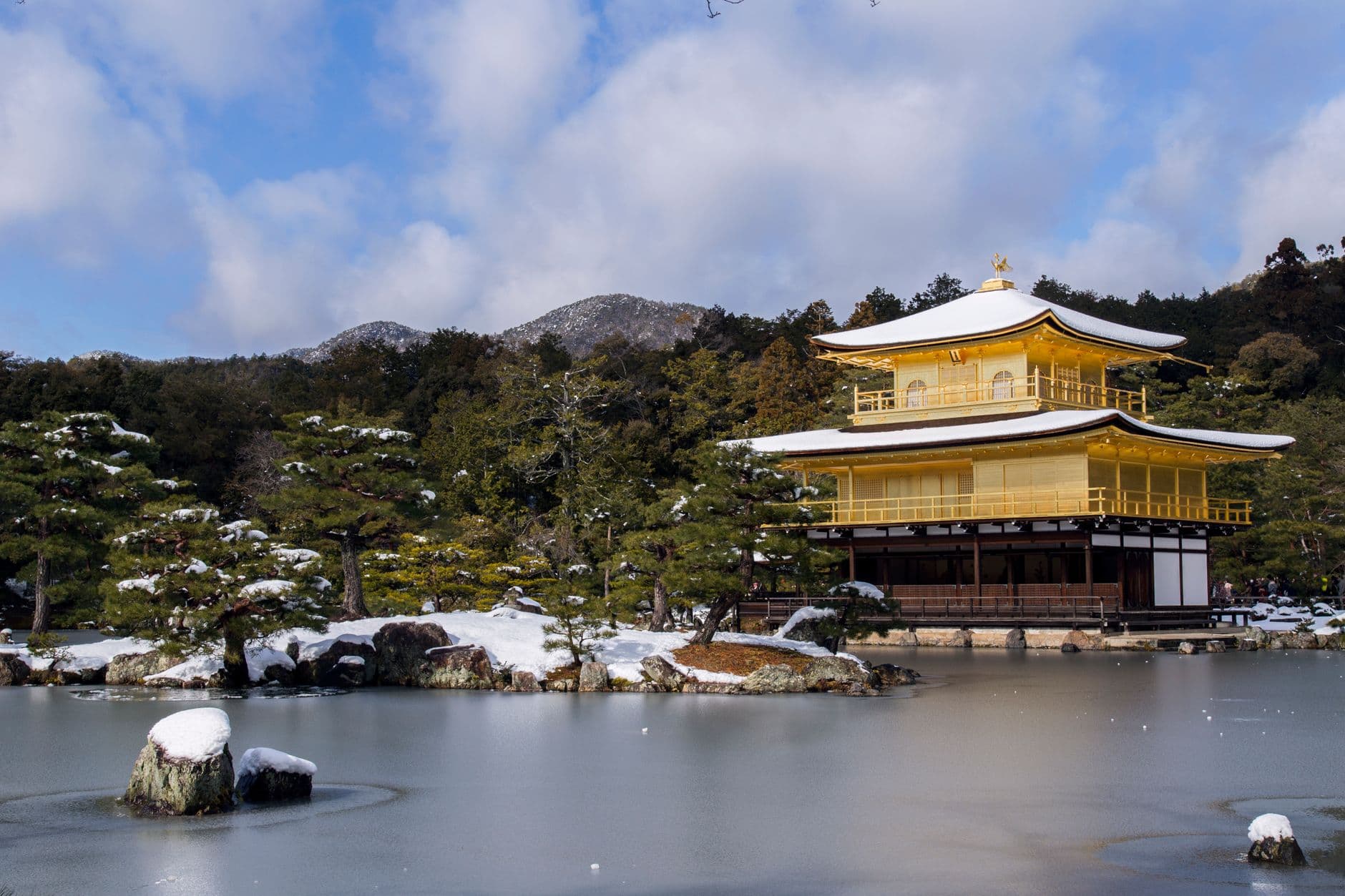
Kinkaku-ji in northern Kyoto draws roughly 2.5 million visitors annually, most of them between March and November. In winter, that number drops enough that you can actually see the pavilion—the gold leaf reflecting in the pond—without elbows in your ribs. The walk through the grounds, perhaps 30 minutes at an unhurried pace, feels purposeful rather than herded.
Entry is about 4,000 yen (roughly $26–28 USD). The site sits on a hill; paths are gravel and occasionally steep, so good walking shoes matter. If you're traveling with someone pushing a stroller or using a mobility device, staff can direct you to an accessible viewing area closer to the entrance. Winter closure is rare, though heavy snow can briefly restrict access to the upper gardens. Check ahead if snow is forecast.
Arashiyama Bamboo Grove and Sagano District
Winter's crisp light cuts through the bamboo canopy in a way spring and autumn cannot
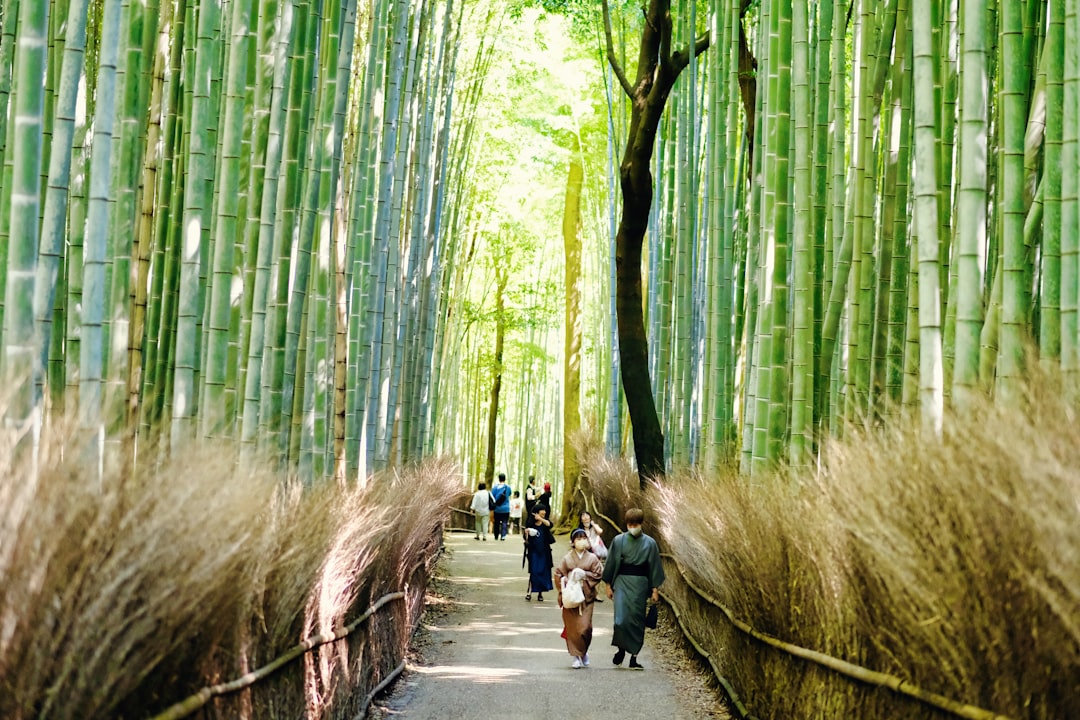
The bamboo grove in Arashiyama is touristy year-round, but winter's low sun and leafless undergrowth change the light entirely. The path through the tallest groves—about a 15-minute walk—feels narrower and more intimate when fewer bodies fill it. The stalks creak and shift in the wind with a clarity you'd miss in crowds.
The grove itself is free and open from dawn to dusk. The surrounding Sagano district—temples, hiking trails, traditional restaurants, and gardens—rewards a full day. The walk from Arashiyama station to the grove takes about 20 minutes and passes through a neighborhood of wooden machiya houses now converted to cafes and shops. Winter cold means fewer sidewalk vendors and more time sitting inside local restaurants like Arashiyama Yoshimura, which serves handmade soba noodles in a converted mill overlooking a stream. A bowl runs about 1,100–1,400 yen ($7–9 USD).
Ginkaku-ji (Silver Pavilion) and the Philosopher's Path
A quieter, less obvious temple with one of Kyoto's most rewarding walks attached
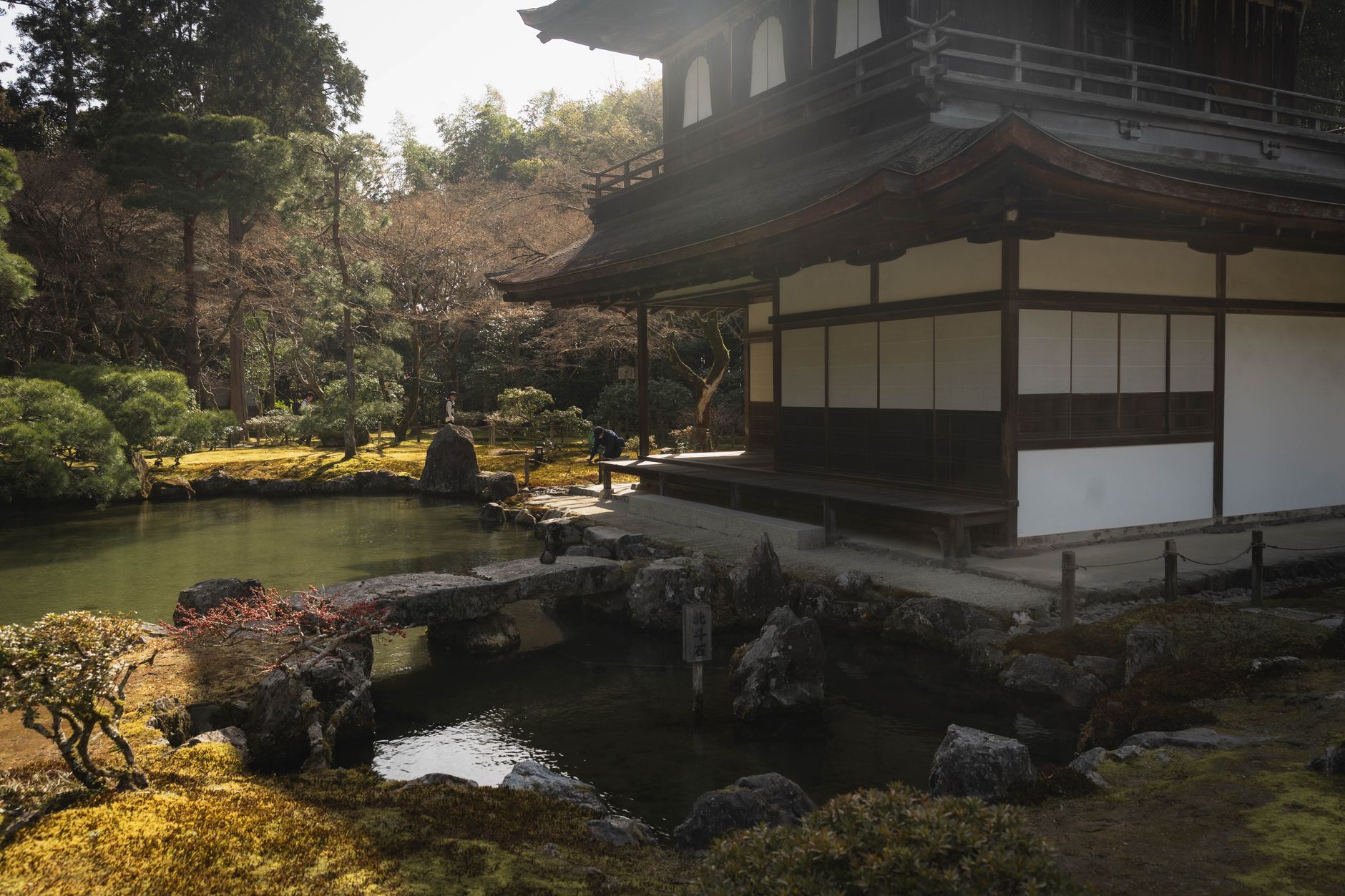
Ginkaku-ji sits at the northern end of the Philosopher's Path, a canal-side walk that stretches about two kilometers south toward Nanzen-ji temple. Winter transforms this route: the canal's surface occasionally ices at the edges, cherry trees are bare, and the path is narrow enough that you notice the sound of water more than the sight of other tourists. The walk takes 45 minutes to an hour without stopping, or two to three hours if you pause at the small galleries, shrines, and tea houses that line it.
Ginkaku-ji entry is about 2,500 yen (roughly $16–18 USD). The pavilion interior is closed to visitors, but the grounds and gardens are extensive and less crowded in winter than Kinkaku-ji. The path itself costs nothing. Many visitors combine the walk with a meal at a restaurant along the way—Okutan Nanzen-ji, near the southern end, serves tofu cuisine in a traditional setting for about 3,000–5,000 yen ($20–33 USD) per person.
Cordelie travel advisors
Planning Kyoto? Go with someone who knows
The right suite, the right season, the reservations that never appear online — your Cordelie advisor knows them, and holds them for you.
Plan with a Cordelie advisorFree to ask. Cordelie Travel Services · IATA/ARC 06649064
Winter Rituals and Seasonal Experiences in Kyoto
Winter in Kyoto is not a season of festivals in the way autumn and spring are, but it holds its own rhythms. Temples host winter meditation sessions (sesshin), multi-day retreats where visitors sit zazen for hours. These are not tourist experiences—you're expected to be serious about it—but several temples, including Shokoku-ji in central Kyoto, accept outside participants. Registration typically opens two months in advance. A weekend retreat runs about 10,000–15,000 yen ($65–100 USD) including basic meals.
Kaiseki dining—the most refined expression of Japanese haute cuisine—reaches its peak in winter. Seasonal ingredients like root vegetables, mushrooms, and mountain greens are at their best. A full kaiseki meal at a mid-range restaurant like Gion Tanto in the geisha district runs about 8,000–12,000 yen ($53–80 USD) per person and takes two to three hours. Booking through a local advisor or concierge is wise; many kaiseki restaurants do not accept walk-ins and prefer reservations weeks ahead.
Temple stays (shukubo) are available year-round but feel especially purposeful in winter's quiet. You sleep in a monk's room, eat vegetarian meals prepared on-site, and participate in morning prayers. Koyasan, an entire mountaintop monastery town south of Kyoto in Wakayama Prefecture, offers dozens of temple-stay options ranging from 10,000 to 20,000 yen ($65–130 USD) per night including meals. Getting there takes about two hours by train from Kyoto, making it either a day trip or an overnight excursion that most travelers plan in advance.
Winter Kyoto in Detail
Logistics: Getting to Kyoto and Moving Through It in Winter
Kyoto sits roughly 475 kilometers (295 miles) west of Tokyo. The shinkansen (bullet train) departs Tokyo's Tokyo Station every 10–20 minutes and reaches Kyoto in about 2 hours 15 minutes. A standard reserved seat costs about 13,320 yen (roughly $88–90 USD) one-way. If you're combining multiple cities, a JR Pass—a multi-day rail pass sold to foreign visitors—can justify itself, though the math depends on your exact itinerary. A seven-day pass runs about 80,000 yen ($530–550 USD); a 14-day pass about 110,000 yen ($730–750 USD).
Arriving by air usually means landing at Kansai International Airport (KIX), about 75 kilometers south of Kyoto near Osaka. A haruka express train connects the airport to Kyoto Station in roughly 75–90 minutes for about 3,600 yen ($24 USD). Local buses are cheaper but slower. Most first-time visitors prefer the train for the time saved and the guaranteed seat.
In Kyoto itself, avoid renting a car. The city's streets are narrow, signage is partly in Japanese only, and parking is scarce and expensive. Instead, buy a day pass for local buses (about 1,100 yen or $7–8 USD) or use the subway. Kyoto's two subway lines form an L and connect the main destinations. Taxis exist but cost roughly 600–700 yen ($4–5 USD) per kilometer, adding up quickly.
Winter weather occasionally disrupts schedules. Heavy snow closes mountain roads and sometimes disrupts train schedules, though main lines like the shinkansen rarely halt completely. If snow is forecast while you're there, check with your hotel or a train station staff member before heading to a remote temple or hiking trail. Most of central Kyoto stays accessible even in snow.
Winter rewards slow travel. A week in Kyoto—rather than the typical 3–4 days—lets you return to temples when crowds thin most, sit longer in gardens, and explore neighborhoods without rushing. A Cordelie travel advisor can sequence your days to match temple opening hours and seasonal events, book accommodations in quieter neighborhoods like Kuramae or Philosopher's Path instead of central Gion, and arrange private morning visits to major sites before general opening if your schedule allows. They'll also handle the details that shift seasonally—which mountain temples close in snow, which restaurants close Mondays in winter, which meditation retreats accept outside participants in December versus February—so you spend your time exploring rather than troubleshooting.
Where to Stay and What Winter Costs
Accommodation in Kyoto ranges from hostels (about 3,500–5,500 yen or $23–37 USD per bed) to luxury ryokan—traditional inns with private onsen—running 30,000–80,000 yen ($200–530 USD) per room per night. Winter rates drop across all categories. Mid-range business hotels (8,000–15,000 yen or $53–100 USD per night) offer the best balance of comfort and value. Ryokan in winter are particularly worthwhile; the private hot baths feel less crowded, rates often drop 15–25 percent below peak season, and the experience of soaking in hot water while snow falls outside creates a sense of refuge.
Budget a day's expenses at roughly $60–120 USD for a solo traveler covering lodging, food, local transport, and two temple entries. This assumes mid-range restaurants and avoiding high-end kaiseki. Couples or small groups split lodging, improving the per-person cost significantly.
Book accommodations at least six weeks ahead, even in winter, if you want specific neighborhoods or a ryokan. Dining reservations—especially at kaiseki restaurants or temple vegetarian meals—should be made through your hotel concierge or an advisor two to three weeks prior. Walk-in dining exists, but it concentrates at ramen shops and casual spots rather than the traditional restaurants winter travel pairs best with.
What to Pack for Kyoto's Winter
December and January are the coldest months; February warms slightly. Bring layers: a base thermal layer, a sweater or fleece, and a windproof jacket. Humidity is low, so static electricity is common—expect it in temples. Comfortable walking shoes with good grip matter, since frost or occasional ice can appear on temple grounds. Many temples require removing shoes indoors, so wear socks without holes.
Gloves, a scarf, and a hat are practical, not optional. A small umbrella—foldable, since many temples ask you to leave it at the entrance—covers occasional rain and the rare light snow. Sunscreen seems counterintuitive in winter but matters; reflected light off temple stones and snow can burn skin.
One small thermos or reusable bottle justifies its luggage space. Tea houses and convenience stores sell hot drinks, but carrying your own means you can pause on a cold temple path and warm your hands while sitting quietly. Many travelers also pack a small hand warmer for pocket warmth during long temple visits.
Kyoto Winter Travel at a Glance
Winter transforms Kyoto from a crowded checklist into a place for genuine exploration. Fewer visitors, lower prices, and cooler air make it possible to spend hours in temples and gardens without feeling rushed. Come prepared for cool weather and early sunsets, and bring a willingness to slow down.
Best for: Travelers seeking quieter temples, lower prices, and the ability to actually think while moving through Kyoto.
Timing: December through February. January is coldest and quietest; February slightly warmer but still off-season.
Logistics: Shinkansen from Tokyo (2 hours 15 minutes, about $88–90 USD). Kansai Airport to Kyoto by train (75–90 minutes, about $24 USD).
Budget: $60–120 USD per day including mid-range lodging, food, and transport. Ryokan stays run higher but drop 15–25 percent in winter.
Key sites: Ryoan-ji (rock garden, nearly silent in winter), Ginkaku-ji and Philosopher's Path (walkable in two to three hours), Arashiyama (quieter, better light for photography).
Last checked for accuracy: . How we check

Priya Raman has spent eleven years testing whether a destination works with a four-year-old, a teenager and a grandparent in the same party. She writes the version of the guide that accounts for nap times and still gets you to the good stuff, and travels from Toronto with a carry-on she can pack in nine minutes.
Related Articles
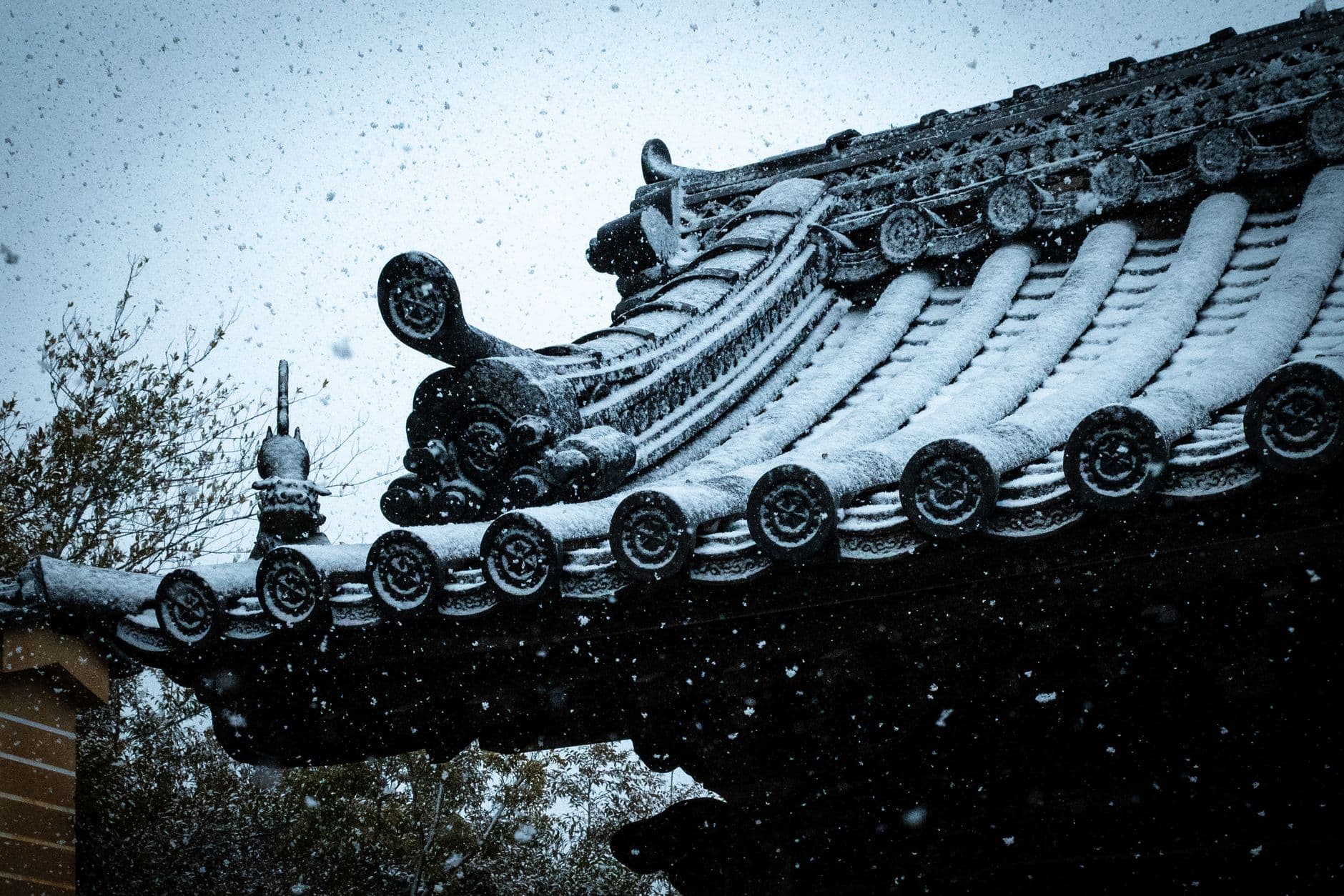
My Winter in Kyoto: A Travel Story
Six weeks in a rented Nishijin machiya taught me a slower Kyoto — snowy temple roofs, empty torii gates at dawn, and soba shops older than the shogunate.
Kyoto Quick Guide: Everything You Need to Know
Kyoto in winter offers clear skies, fewer crowds, and unobstructed views of 1,600+ temples. Plan your temple route carefully—most close by 17:00, and the best sites demand an early arrival.

The Best Things to Do in Kyoto
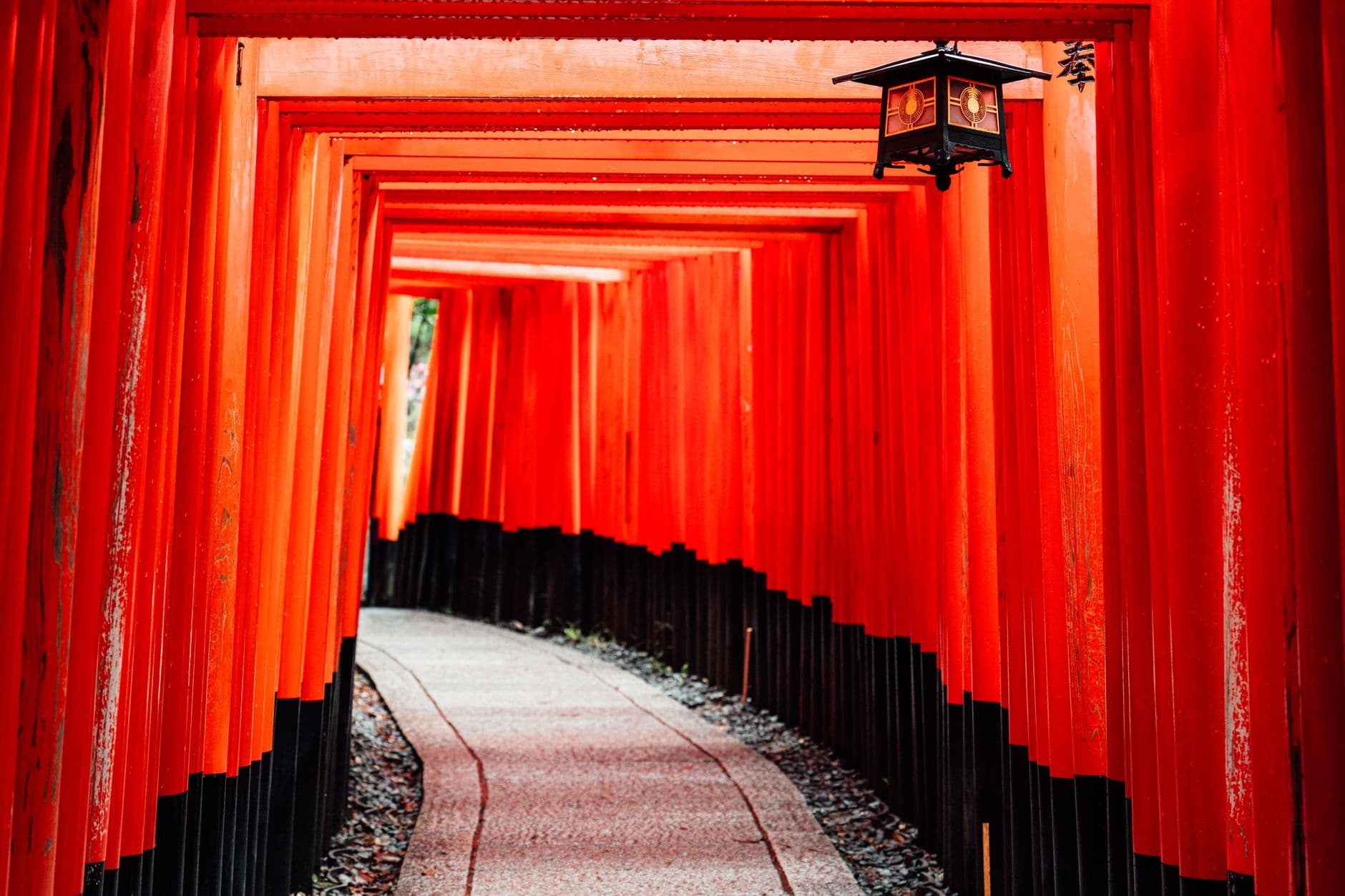
From the torii tunnels of Fushimi Inari to a nail-free wooden stage at Kiyomizu-dera, here's a ranked, practical guide to the best of Kyoto — with fees, hours, and how to beat the crowds.