
My Winter in Kyoto: A Travel Story

Stepping Off the Shinkansen Into a Kyoto Without Queues
I arrived at Kyoto Station on the second of December, on a Nozomi from Tokyo that had taken just over two hours, and stepped out into a cold so dry it felt like static in the lungs. The Karasuma exit, which in April or October produces a wall of umbrellas and rolling suitcases, was quiet enough that I could hear a bicycle bell two streets away.
I had rented a machiya, a narrow wooden townhouse with a sunken hearth and paper screens, in the Nishijin district north of the Imperial Palace, and I had booked it not for a week but for six. The idea was simple, if a little stubborn: pick one Kyoto neighborhood, stay through the coldest and quietest months, and let the city's rhythm set the itinerary rather than the reverse.
That first evening, walking north from the station with my bag on my back, the thermometer outside a shuttered kimono shop read 4 degrees Celsius. Kyoto in winter smells faintly of woodsmoke and roasted chestnuts, and by the time I found my street off Imadegawa-dori, the only sound left was my own footsteps on frozen gravel.
“I had come to Kyoto twice before, both times in cherry blossom season, both times seeing the city through someone else's shoulder. This time, in the cold, I finally saw the streets underneath.”
Six Weeks in One Nishijin Machiya: How a Kyoto Winter Actually Unfolds
Settling Into Nishijin: Textile Alleys and a Frozen Imperial Palace Park
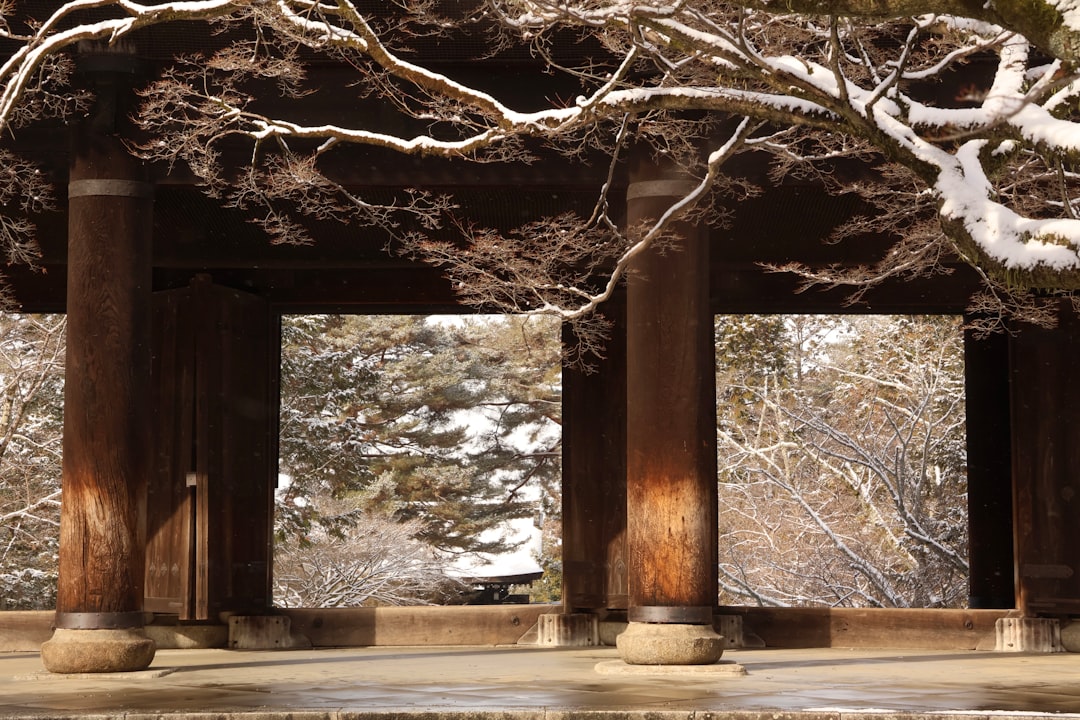
By my third day I had a routine: coffee from the machiya's kitchen, then a walk south into Kyoto Gyoen, the public park that surrounds the Imperial Palace. In winter the gravel paths are nearly empty by 8:00, and the park's gates stay open around the clock — it is the Imperial Palace inside that keeps set visiting hours, so I could catch the last light without rushing.
The Nishijin Textile Center, a short walk from my door, is free to enter and open most days from about 9:00 to 17:00; the kimono looms upstairs run on a schedule that thins out considerably by December. I finished the day at Honke Owariya on Teramachi-dori, a soba shop that has been making noodles by hand since 1465, ordering nishin soba with herring for around 1,400 to 1,800 yen.
Arashiyama Before the Day-Trip Buses Arrive
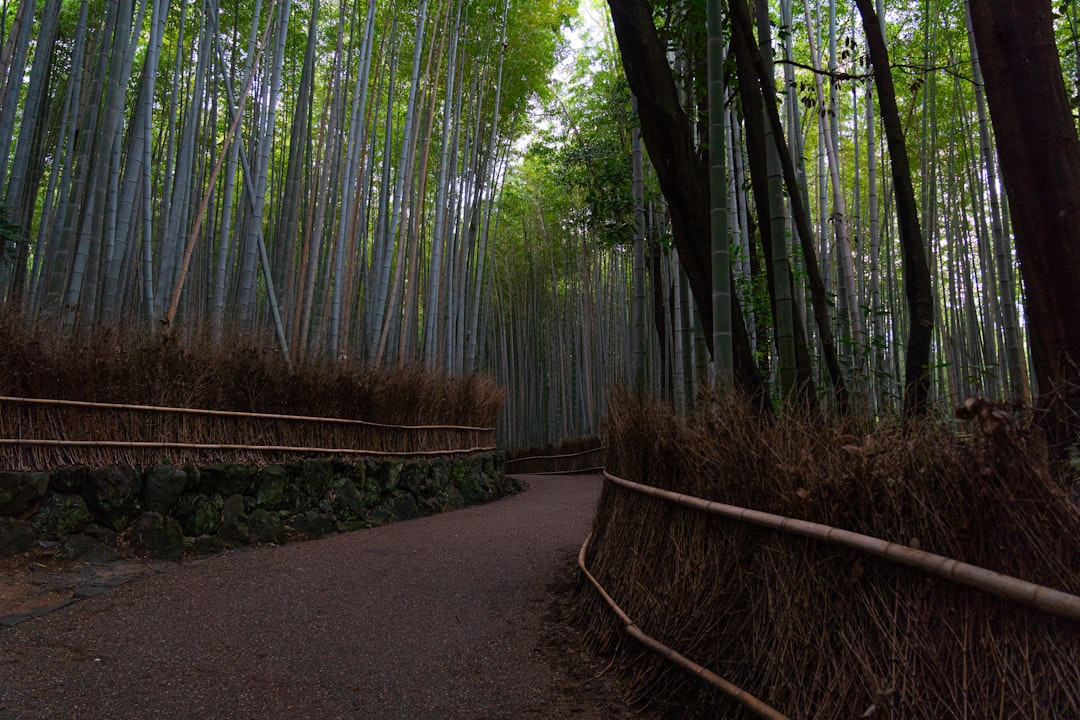
I took the JR Sagano Line from Kyoto Station to Saga-Arashiyama, a ride of about fifteen minutes, and reached the bamboo grove just after 7:00. In December the grove is nearly silent, the stalks knocking together in the wind rather than under the weight of tour groups.
Tenryu-ji temple opens around 8:30 in winter, with garden entry running roughly 500 to 600 yen, and its Sogenchi Pond garden, one of Japan's oldest, was frosted at the edges when I arrived. I finished with a cup from % Arabica on the riverbank, about 500 yen for a cortado, watching mist lift off the Katsura River near Togetsukyo Bridge.
Ten Thousand Torii Gates and No One Else on Them
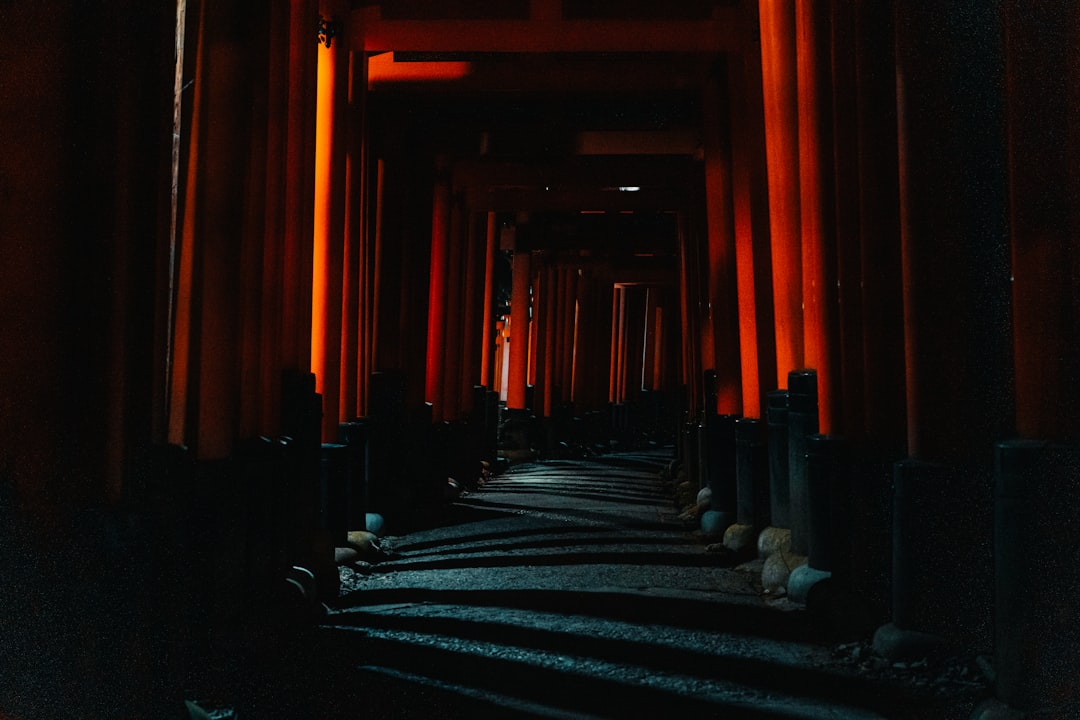
Fushimi Inari Taisha never closes and never charges admission, which meant I could start the climb at 6:30 while the vermilion gates were still lit only by streetlamps. The full loop to the summit and back takes about two hours at an easy pace, and in the cold months I passed maybe fifteen other people the entire way.
That evening I kept a long-standing reservation at Kikunoi, the kaiseki restaurant near Maruyama Park, where a winter set can run from roughly 20,000 to 30,000 yen per person depending on the course. It was the one meal on the trip I'd booked from home, months in advance, and the kitchen's winter menu of yuba and simmered daikon justified the wait.
The Morning Kinkaku-ji Wore Snow
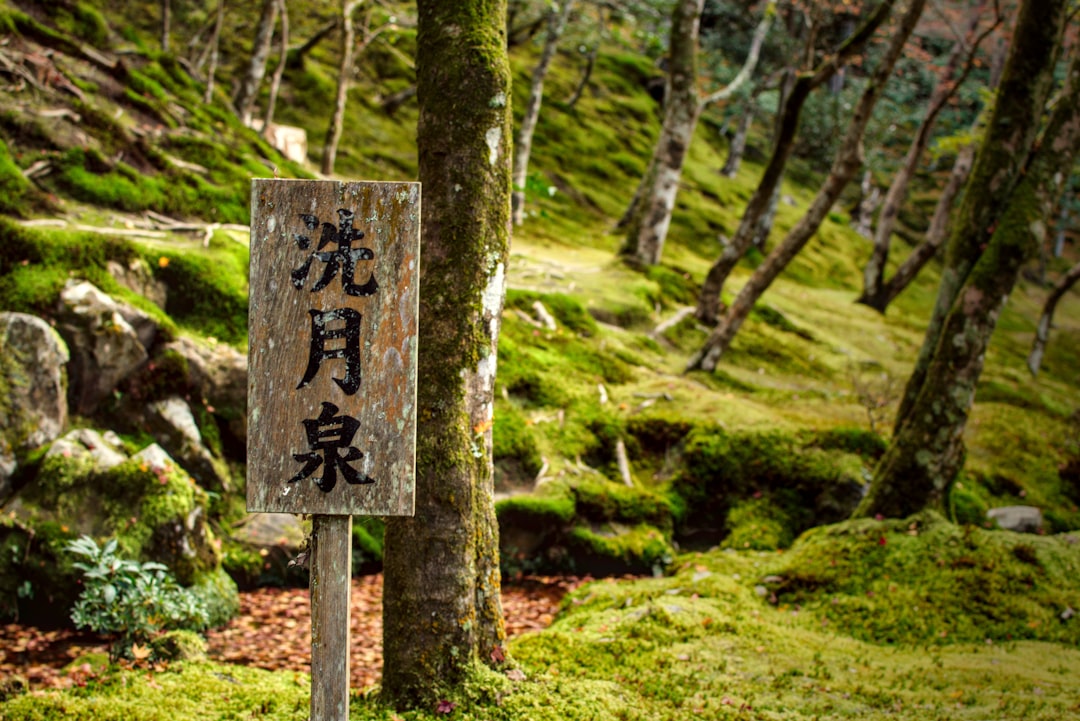
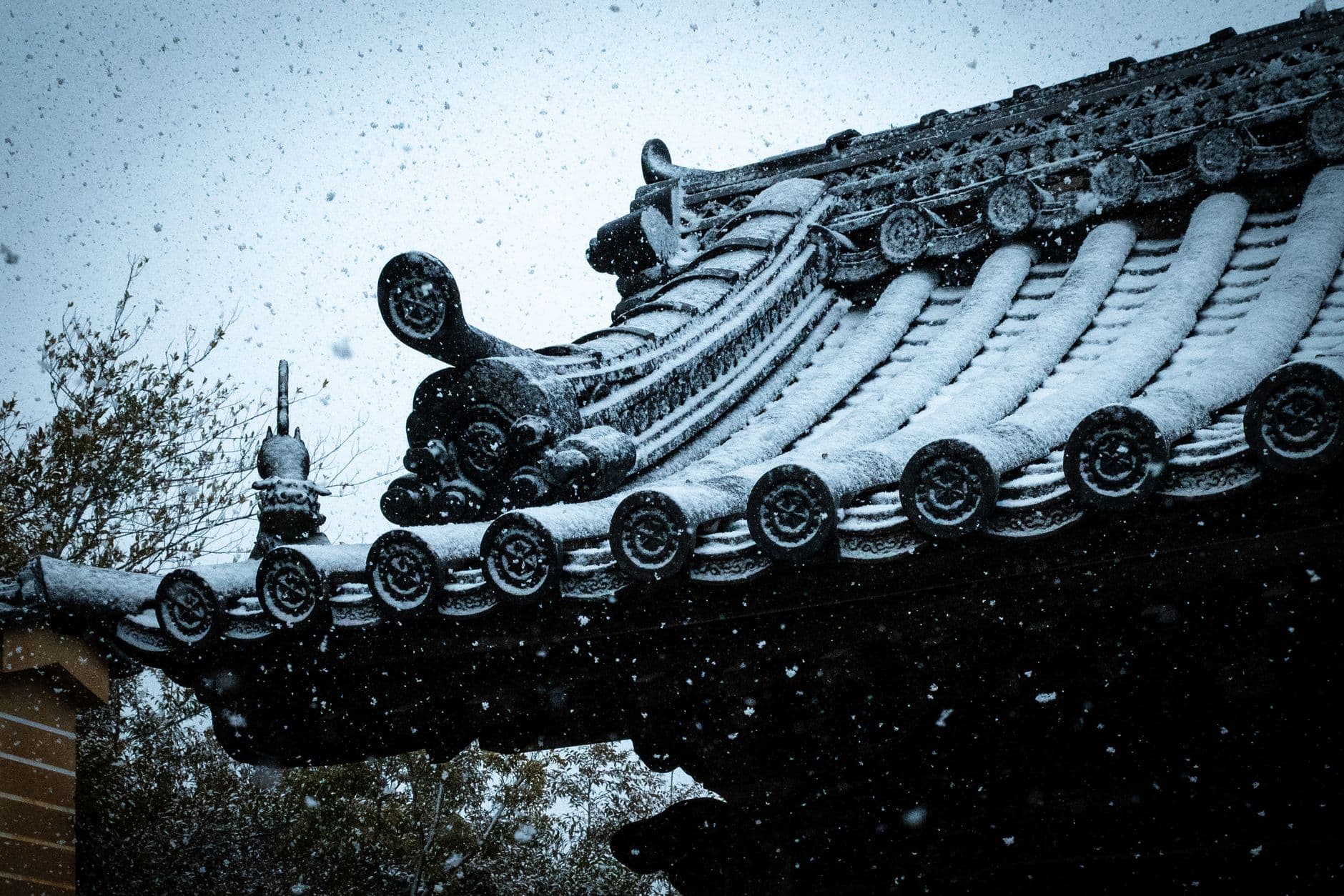
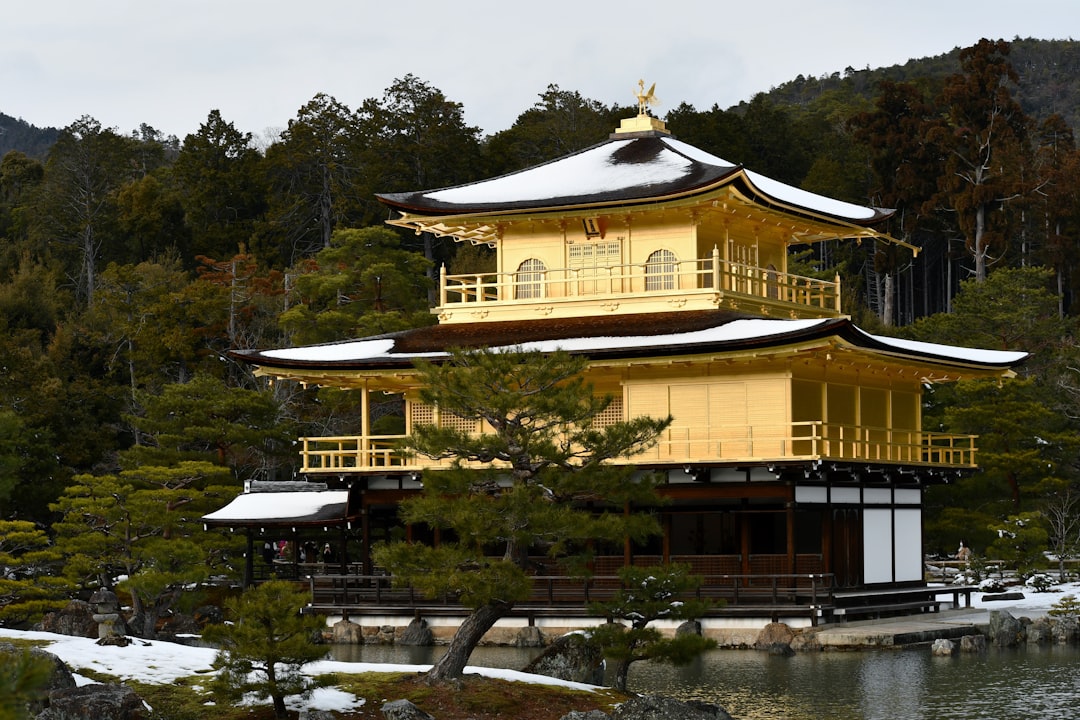
Kyoto gets real snow only a handful of days each winter, so when I woke to a dusting on the machiya's roof tiles I abandoned my plans and took the bus north. Kinkaku-ji opens at 9:00 in winter and closes around 17:00, with entry at roughly 500 yen, and the gold-leafed pavilion against fresh snow drew a small crowd of other people who'd had the same idea.
I walked the Philosopher's Path near Ginkaku-ji afterward, bare of its famous cherry blossoms and better for it, then warmed up with a hot pot dinner in a tiny restaurant off Kiyamachi-dori, a bowl of yudofu and vegetables for about 1,800 yen, before finishing the evening at Funaoka Onsen, a century-old neighborhood sento near Nishijin where entry runs around 500 yen.
Snow Lanterns at Kibune, and the Last Night in the Machiya
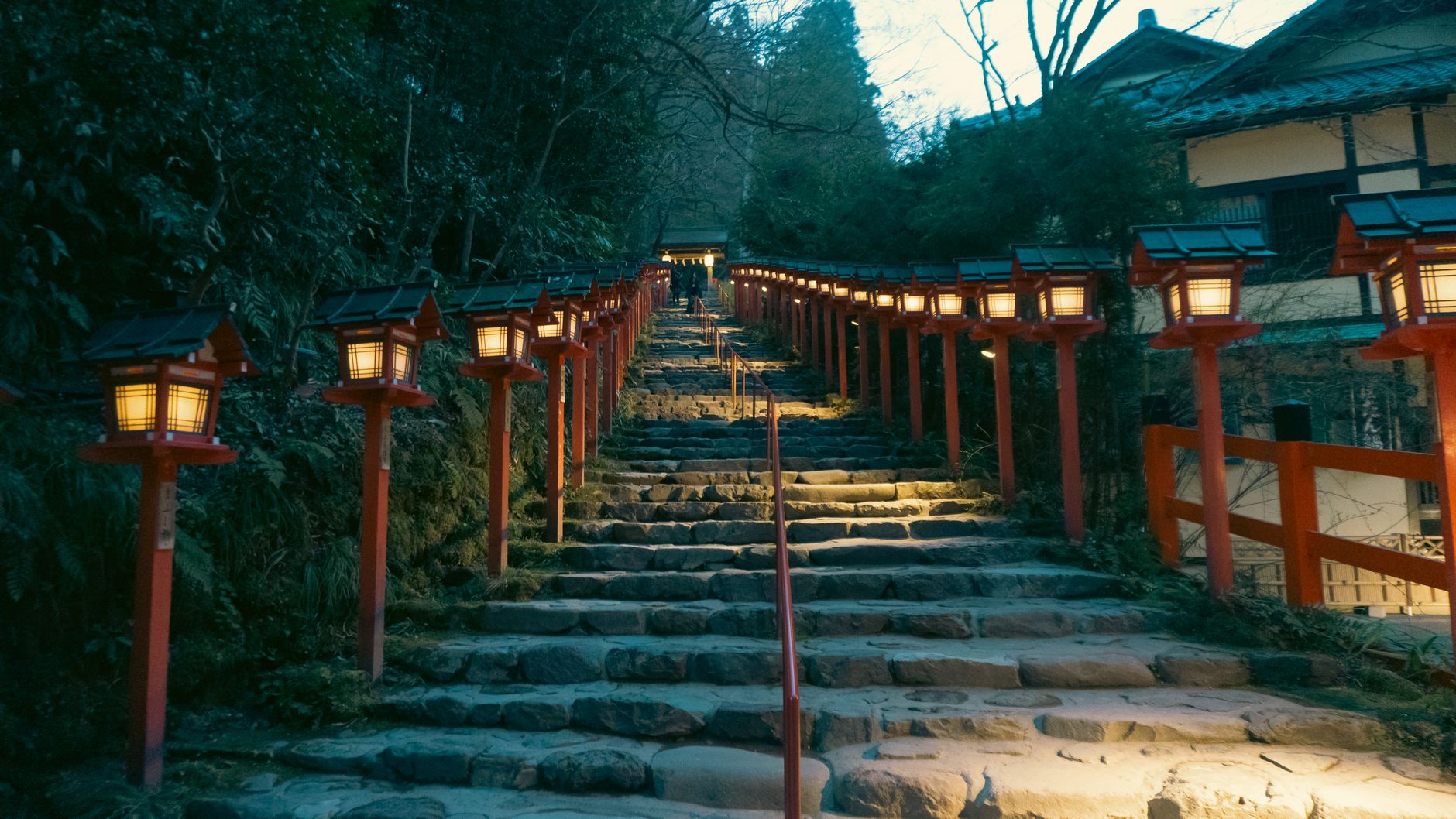
For a run of evenings each January, Kifune Shrine in Kibune, about a thirty-minute train and bus ride north of central Kyoto, lines its stone steps with snow lanterns for the Kibune Yukiakari event. The riverside restaurants that build platforms over the water in summer are closed for the season, so I ate at a small izakaya near the shrine instead, oden and warm amazake for under 2,000 yen.
My last morning I packed slowly, paid the machiya's caretaker in cash as instructed, and walked once more through Kyoto Gyoen before catching a 10:40 Shinkansen. Six weeks had turned a itinerary into a neighborhood, and that, more than any single temple, was the point.
Six Weeks, One Kyoto Winter: The Trip in Pictures
Cordelie travel advisors
Planning Kyoto? Go with someone who knows
The right suite, the right season, the reservations that never appear online — your Cordelie advisor knows them, and holds them for you.
Plan with a Cordelie advisorFree to ask. Cordelie Travel Services · IATA/ARC 06649064
What Six Weeks Gave Me That a Long Weekend Never Could
The single best decision of the trip was staying put. By the second week the woman who ran the vegetable shop on my street had started setting aside the good daikon, and by the fourth I knew which bus, the 205 from Kitaoji, actually ran on time in the cold. None of that comes from moving hotels every three nights.
I found the Tenjin-san flea market at Kitano Tenmangu shrine, held on the 25th of every month, selling everything from antique kimono to roasted sweet potatoes, and I only knew to go because a neighbor mentioned it in passing. The other unplanned gift was the sento habit. Funaoka Onsen and a smaller bathhouse near the Nishijin Textile Center became my evening routine, ¥500 or so a visit, and no guidebook itinerary would have made room for a nightly soak.
Snow, when it came, rewrote every plan for the day, and I'd recommend building that flexibility in rather than fighting it. The temples look entirely different under a dusting of white, and locals treat it as an event worth rearranging a morning for.
Handmade Soba, Winter Hot Pot, and the Kaiseki That Justified Its Wait
Kyoto's winter kitchen leans warm and slow, and Honke Owariya was the meal I returned to most, its nishin soba with grilled herring running about 1,400 to 1,800 yen and its dining room barely changed since it started selling noodles centuries ago. For something faster, Katsukura, a Kyoto tonkatsu chain with a branch near Nishiki Market, does a set lunch with unlimited cabbage and rice for roughly 1,600 to 2,200 yen.
Nishiki Market itself is better in winter than in the crowded warmer months, and I went for roasted chestnuts, yuba, and the pickled kyo-yasai vegetables sold by weight from open barrels. Weekenders Coffee, a stall barely large enough for three customers near the Nishijin end of Kamigyo-ku, poured the best drip coffee I had in the city, about 500 yen, standing up in the cold with regulars who clearly knew the barista by name.
The one meal worth booking from home was Kikunoi's winter kaiseki, where courses run from roughly 20,000 to 30,000 yen and reservations open months in advance. Everything else, the udon, the hot pot, the yakitori stalls near Kiyamachi-dori, rewarded simply showing up hungry and letting the cold decide what sounded good.
The best machiya in Nishijin and Gion are typically booked for December and January by early autumn, and Kyoto's most sought-after kaiseki tables, Kikunoi among them, take reservations months ahead. A Cordelie advisor can secure both well before the season closes in, along with a private evening slot at winter illuminations such as the Kibune Yukiakari or the Kodai-ji light-up, timed around the nights of the season when Kyoto is at its quietest and most photogenic.
For travelers who want the same unhurried winter without arranging every train, sento, and reservation themselves, a Cordelie advisor can build a Kyoto stay around one neighborhood the way this one was, with the right house, the right table, and the right week to be there.
Is a Slow Kyoto Winter Right for You?
Best suited to travelers who'd rather know one Kyoto neighborhood deeply than see the whole city quickly.
This trip rewarded patience over pace. Six weeks let ordinary errands, a bus route, a vegetable seller, a nightly sento, become as memorable as any temple, and the cold months meant Kinkaku-ji, Fushimi Inari, and the Arashiyama bamboo grove were seen without the crowds that define them the rest of the year.
It suits photographers chasing winter light, food travelers who want to eat where locals eat rather than where lines form, and anyone willing to trade cherry blossoms for stillness. It is not the trip for a first-time visitor wanting to check off Kyoto's sights in five days; that traveler needs a tighter, faster itinerary. For everyone else, a single well-chosen machiya and a long, quiet winter is hard to beat.
Last checked for accuracy: . How we check

Marcus Rivera has spent fifteen years writing about places you have to walk into. He has guided in Patagonia, reported from Kilimanjaro's quieter routes, and has strong opinions about which of them are worth the airfare. He is based in Boulder, mostly so he can leave it.
Related Articles
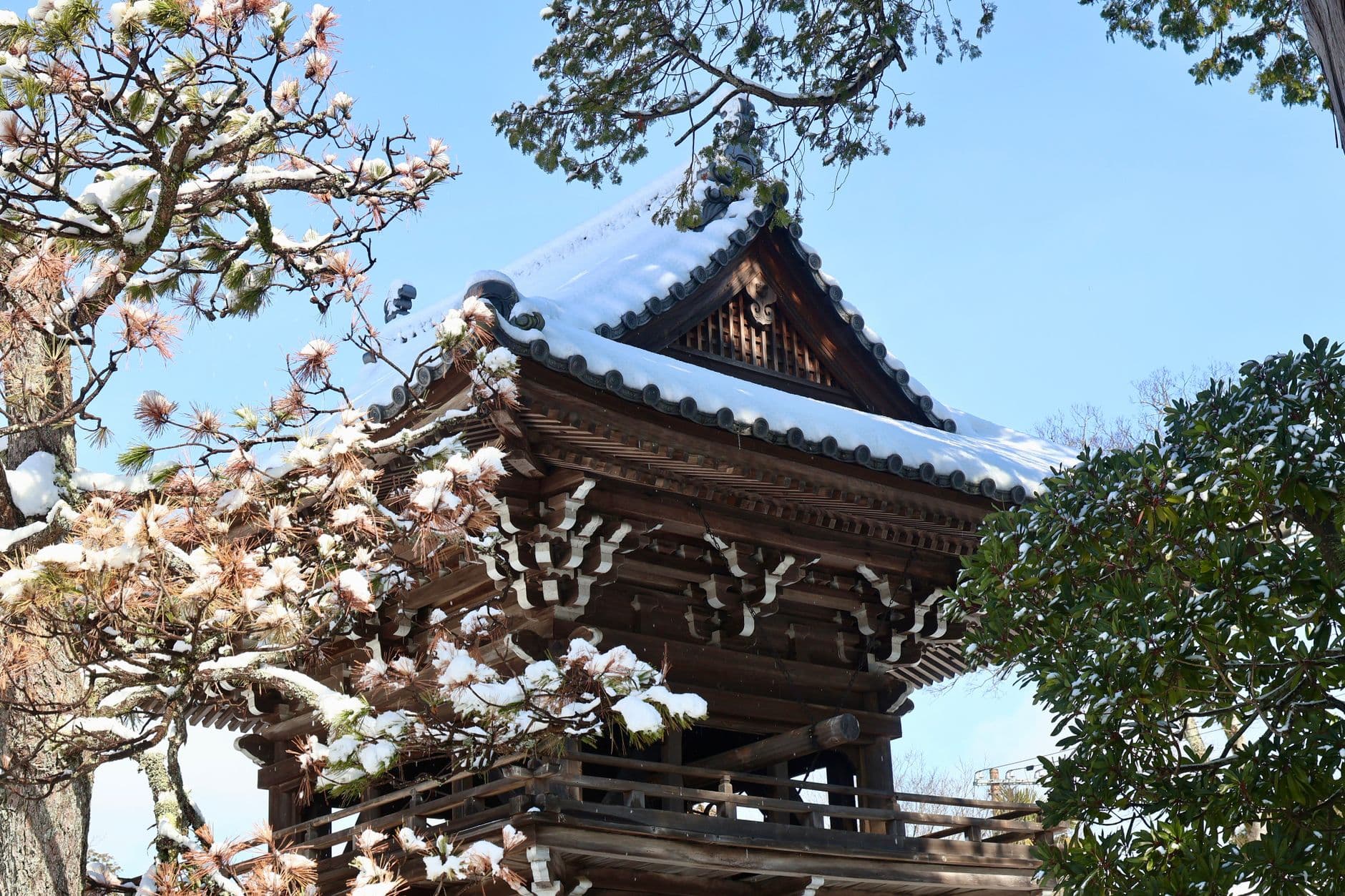
Why Kyoto Is Perfect for Winter Travel
Winter thins Kyoto's crowds to a fraction, drops hotel rates 20–40 percent, and transforms temples into places of genuine contemplation. December through February is when the city reveals itself most clearly.

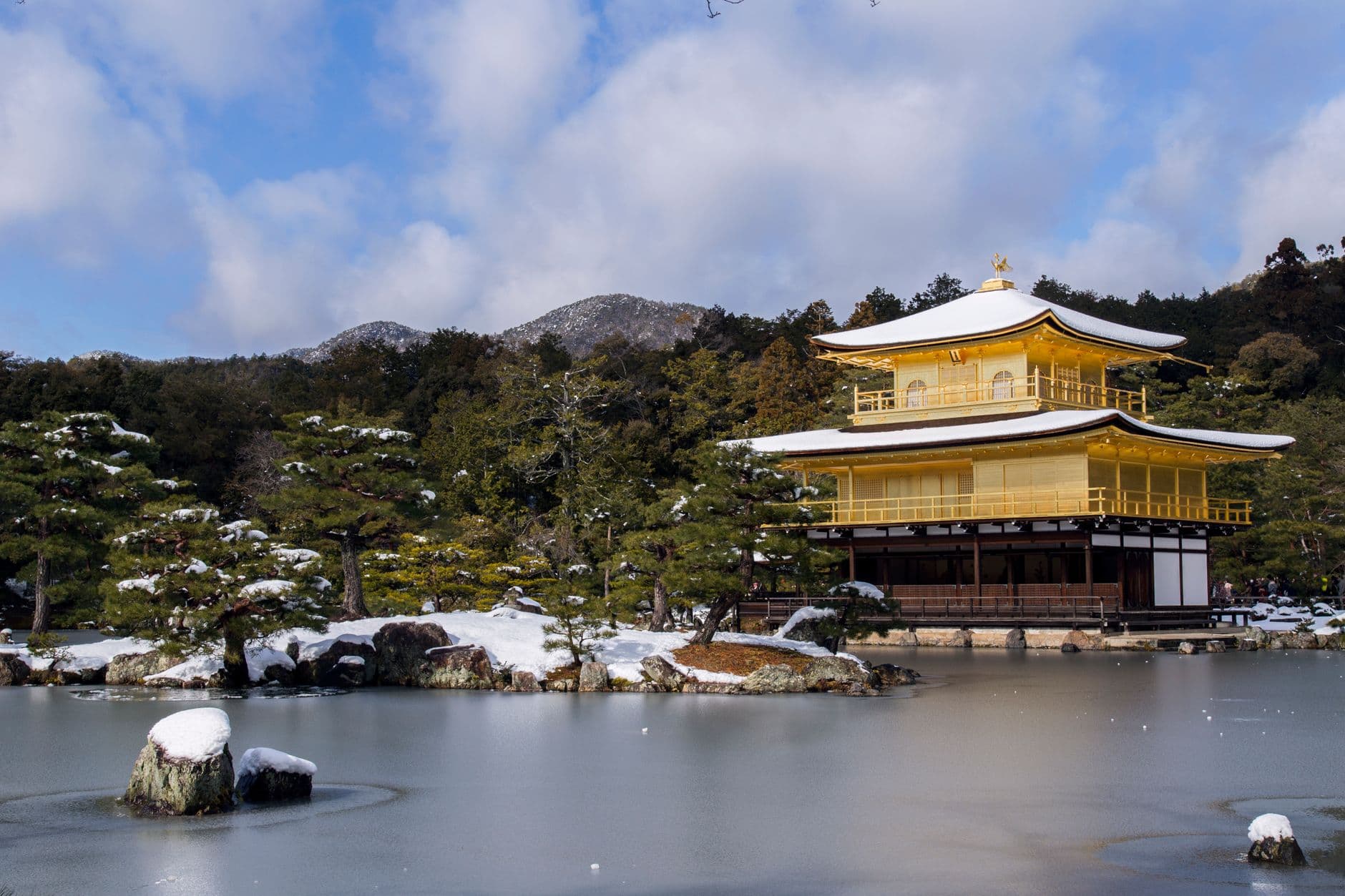
Kyoto Quick Guide: Everything You Need to Know
Kyoto in winter offers clear skies, fewer crowds, and unobstructed views of 1,600+ temples. Plan your temple route carefully—most close by 17:00, and the best sites demand an early arrival.
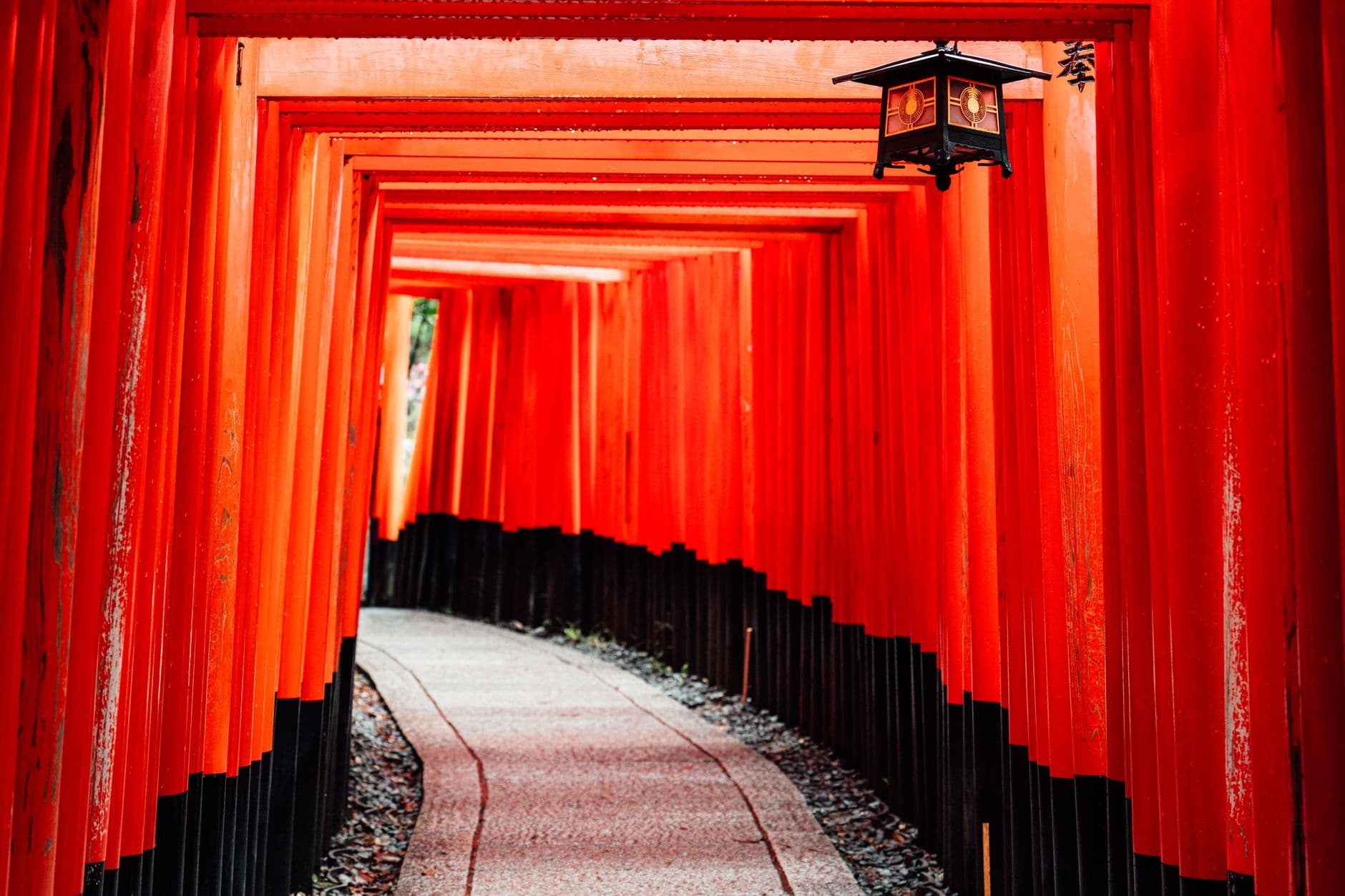
The Best Things to Do in Kyoto
From the torii tunnels of Fushimi Inari to a nail-free wooden stage at Kiyomizu-dera, here's a ranked, practical guide to the best of Kyoto — with fees, hours, and how to beat the crowds.