
The Complete Guide to Hoi An


The Complete Guide to Hoi An
Why Hoi An's Lantern-Lit Streets Feel Like Nowhere Else in Vietnam
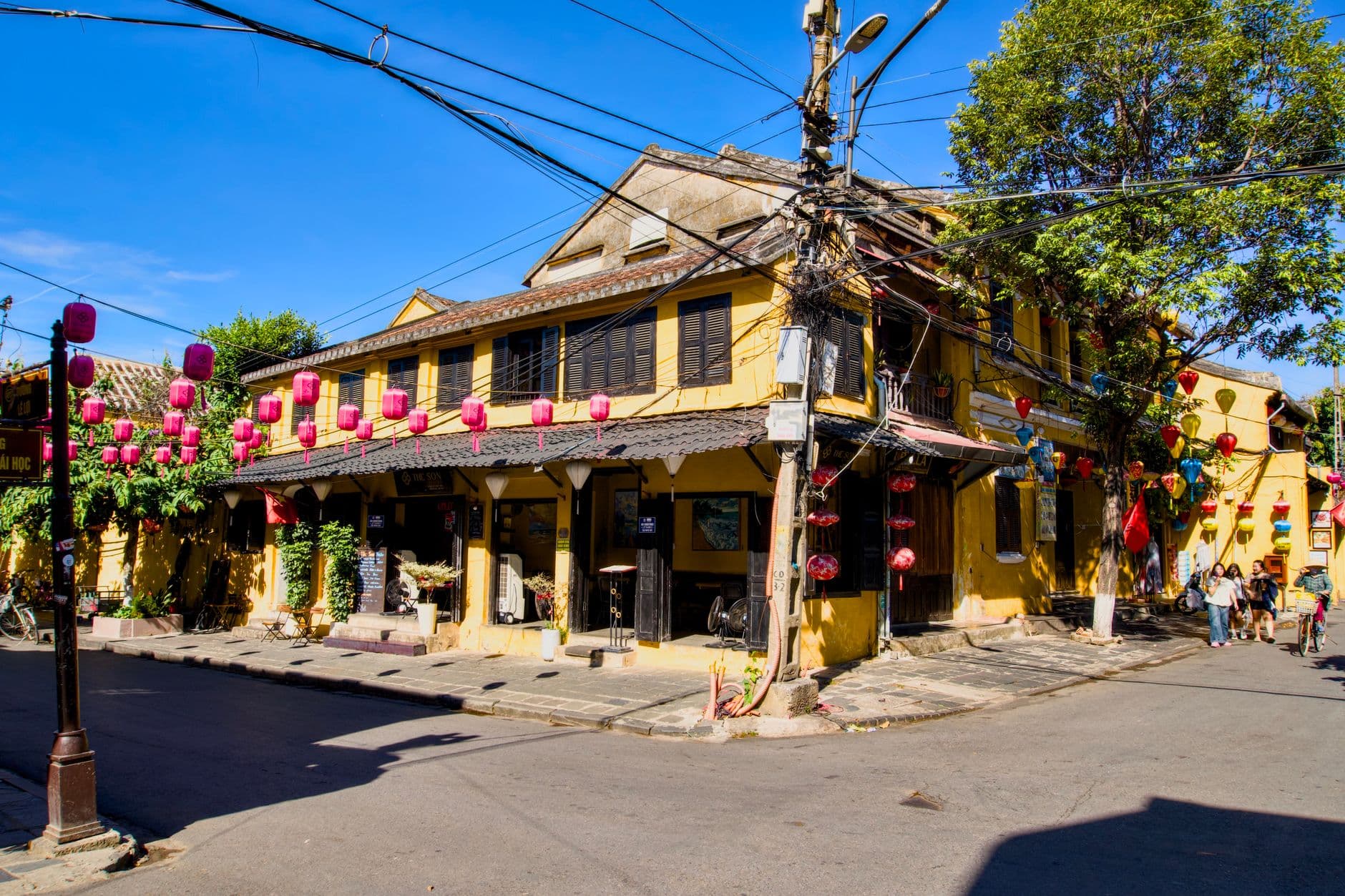
Step off a bicycle onto Tran Phu Street around dusk and you understand immediately why Hoi An casts such a spell. The facades are ochre and mustard yellow, cracked by centuries of monsoon humidity, and strung with paper lanterns that a shopkeeper switches on the moment the light starts to fade. This was once one of Southeast Asia's great trading ports, where Chinese, Japanese and Dutch merchants anchored junks on the Thu Bon River from the 15th century onward, and their overlapping architecture is still standing, still lived in, still selling noodles and silk.
What sets Hoi An apart from Vietnam's bigger cities is scale. The Ancient Town core is barely a kilometer across, walkable in twenty minutes end to end, which means you can spend three days here without ever needing a taxi. Add a beach ten minutes away, rice paddies you can cycle through in under half an hour, and a tailor who can turn a linen shirt around by the next morning, and it's easy to see why so many travelers arrive planning two nights and stay for five.
Hoi An Quick Facts
Hoi An's Seasons: Dry Skies, Full Moons and Flood Risk
Hoi An sits on Vietnam's central coast, exposed to a different rhythm than Hanoi or Ho Chi Minh City. From February to April, days are mild, in the low-to-mid 20s Celsius, with enough blue sky to enjoy An Bang Beach without wilting. May through August turns hot and sticky, often above 32C by midday, though mornings before 9am are still pleasant for temple visits or a Thu Bon River bike ride.
The rainy season runs roughly October into December, and this is the period to watch closely. The Ancient Town floods most years when the Thu Bon River rises after heavy rain upstream, sometimes closing the lowest streets for a few days at a time. It's atmospheric if you're prepared for it, with locals paddling basket boats down Bach Dang Street, but it can disrupt a tightly packed itinerary. One date worth building a trip around: the Full Moon Lantern Festival, held on the 14th day of each lunar month, when the Old Town switches off electric lights and glows entirely by lantern and candle.
Cordelie travel advisors
Planning Hoi An? Go with someone who knows
The right suite, the right season, the reservations that never appear online — your Cordelie advisor knows them, and holds them for you.
Plan with a Cordelie advisorFree to ask. Cordelie Travel Services · IATA/ARC 06649064
From Tailor Shops to Basket Boats: Hoi An's Signature Experiences
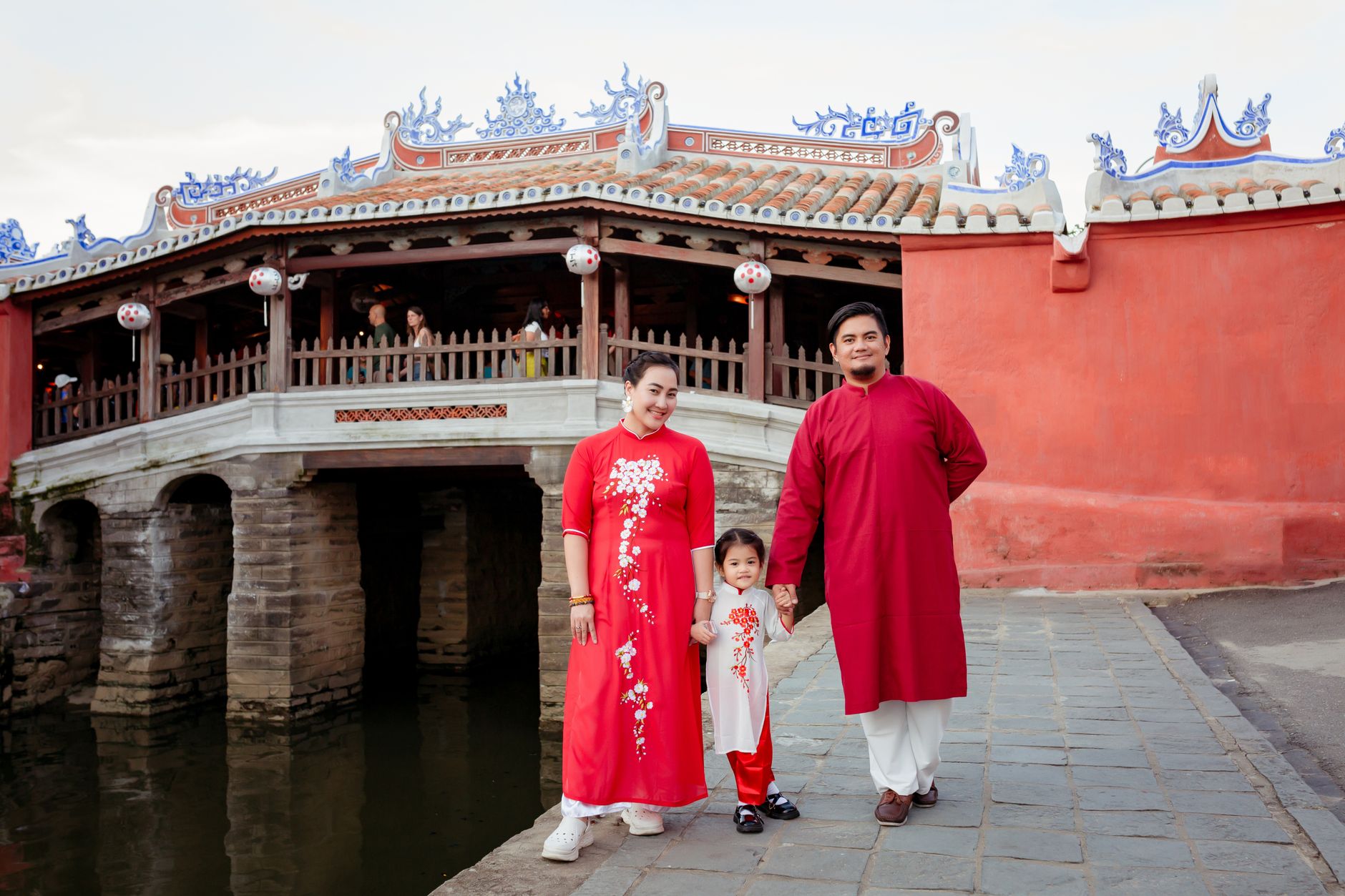
Buy the Ancient Town heritage ticket before you start wandering. Sold at booths along Le Loi and Nguyen Hue streets for about VND 120,000 (roughly USD 5, late 2025 pricing), it covers entry to five historic sites of your choosing, including the Japanese Covered Bridge, the 18th-century Tan Ky House, and the Quan Cong Temple. The bridge itself, built by Hoi An's Japanese merchant community around the 1590s, is the town's most photographed spot, so arrive before 8am if you want it without a crowd.
Hoi An's tailoring trade is a genuine reason to pack light. Shops like Yaly Couture and A Dong Silk can produce a made-to-measure suit or dress in 24 to 48 hours, with prices for a two-piece suit typically landing somewhere between USD 90 and USD 200 depending on fabric. Bring a photo of what you want and book your first fitting on day one, not your last night in town.
For a slower afternoon, cycle or take a short taxi ride (about USD 2-3) to Cam Thanh coconut village, where basket-boat rides through the palm forest cost roughly VND 100,000-150,000 per person and usually include a demonstration of the boats spinning like a carousel, which is more fun than it sounds. Combine it with Tra Que vegetable village, a working farm settlement fifteen minutes by bike from the center, where several cooking schools run half-day classes starting around USD 25-35 that begin with a walk through the fields.
Hoi An's Signature Sights
Riverside Boutiques to Beachfront Resorts: Where to Sleep in Hoi An
Hoi An's lodging splits neatly into three zones: inside or just beside the Ancient Town, along the riverfront, and out toward An Bang or Cua Dai beach. Staying central means you can walk to dinner and skip taxis; staying near the beach means calmer nights and a five-minute stroll to the sand, with a short bike or taxi ride into town for sightseeing.
At the top end, the Four Seasons Resort The Nam Hai sits on a private stretch of coastline about 15-20 minutes from the Old Town, with villas built around three tiered pools facing the ocean; nightly rates generally start upward of USD 700. Anantara Hoi An Resort takes a more central approach, occupying a former French governor's residence directly on the Thu Bon River, a five-minute walk from the Japanese Covered Bridge, with rooms typically in the USD 200-350 range.
In the mid-range, Little Hoi An Boutique Hotel & Spa and La Siesta Hoi An Resort & Spa both deliver pools, breakfast and a short walk or free shuttle to the Old Town for roughly USD 80-140 a night. Budget travelers do well at family-run guesthouses along Ba Trieu and Phan Boi Chau streets, where a clean double with air conditioning and a shared or small pool can run USD 20-40, often with the owners happy to arrange a motorbike rental or a countryside tour.
Cao Lau, Banh Mi and the Culinary Soul of Hoi An
Hoi An's food culture is built around dishes you genuinely cannot get properly anywhere else, because the local well water is part of the recipe. Cao lau, the town's signature noodle dish, uses thick, chewy noodles traditionally made with water from the centuries-old Ba Le well, tossed with pork, herbs, bean sprouts and pork-fat croutons; a bowl at a street stall costs around VND 40,000-60,000. Banh mi Phuong, made famous when Anthony Bourdain called it out on television, draws a steady queue on Phan Chu Trinh Street from mid-morning onward, with sandwiches priced around VND 25,000-35,000.
For a sit-down meal, Morning Glory Restaurant on Nguyen Thai Hoc Street, run by acclaimed local chef Ms. Vy, serves central Vietnamese classics like white rose dumplings and grilled eggplant with a side of open-kitchen theater; expect to pay USD 15-25 a head. Cargo Club, a few doors down, pairs river views with French-Vietnamese pastries and a rooftop terrace that's ideal for watching the lanterns come on.
Culturally, the Ancient Town's family chapels and merchant houses, such as the Phung Hung House and Tan Ky House, are still occupied by descendants of the original owners, who often give a short, informal tour as part of your ticket. It's polite to remove your shoes if asked, keep voices low near family altars, and tip a small amount if a homeowner walks you through room by room.
“In Hoi An the past isn't preserved behind glass, it's still cooking dinner and sweeping the front step.”
Walking, Cycling and Hiring a Driver: Navigating Hoi An's Old Town and Beyond
The Ancient Town itself bans cars and, at certain hours, motorbikes from its core streets, which is exactly why it feels so unhurried. Walking is the default, and most hotels loan or rent bicycles for USD 1-3 a day, enough to reach An Bang Beach in about 15 minutes or Tra Que village in 20.
For anything farther afield, a Grab (Vietnam's ride-hailing app) or a metered taxi is the easiest option; a ride from central Hoi An to Da Nang International Airport takes roughly 40-50 minutes and costs around USD 12-18. Da Nang itself is worth a half-day if you have time, and the Marble Mountains sit roughly midway between the two cities, about a 25-minute drive from Hoi An. For the My Son ruins, most travelers book a half-day tour with driver and guide included, typically USD 20-35 per person, since the roads and timing of the sunrise light are worth getting right with local knowledge.
A Three-Day Hoi An Itinerary: Ancient Town, Countryside and Coast
Day 1: Ancient Town on Foot
Start early, before 8am, at the Japanese Covered Bridge while the light is soft and the crowds haven't arrived. Buy the heritage ticket at a nearby booth and use it on Tan Ky House and the Quan Cong Temple, both a short walk east.
Break for cao lau at a stall near the Central Market around midday, then browse Ba Le Well's namesake alley and the market's fabric section. Book a tailor fitting for late afternoon at Yaly Couture or A Dong Silk so it's ready for a second fitting tomorrow.
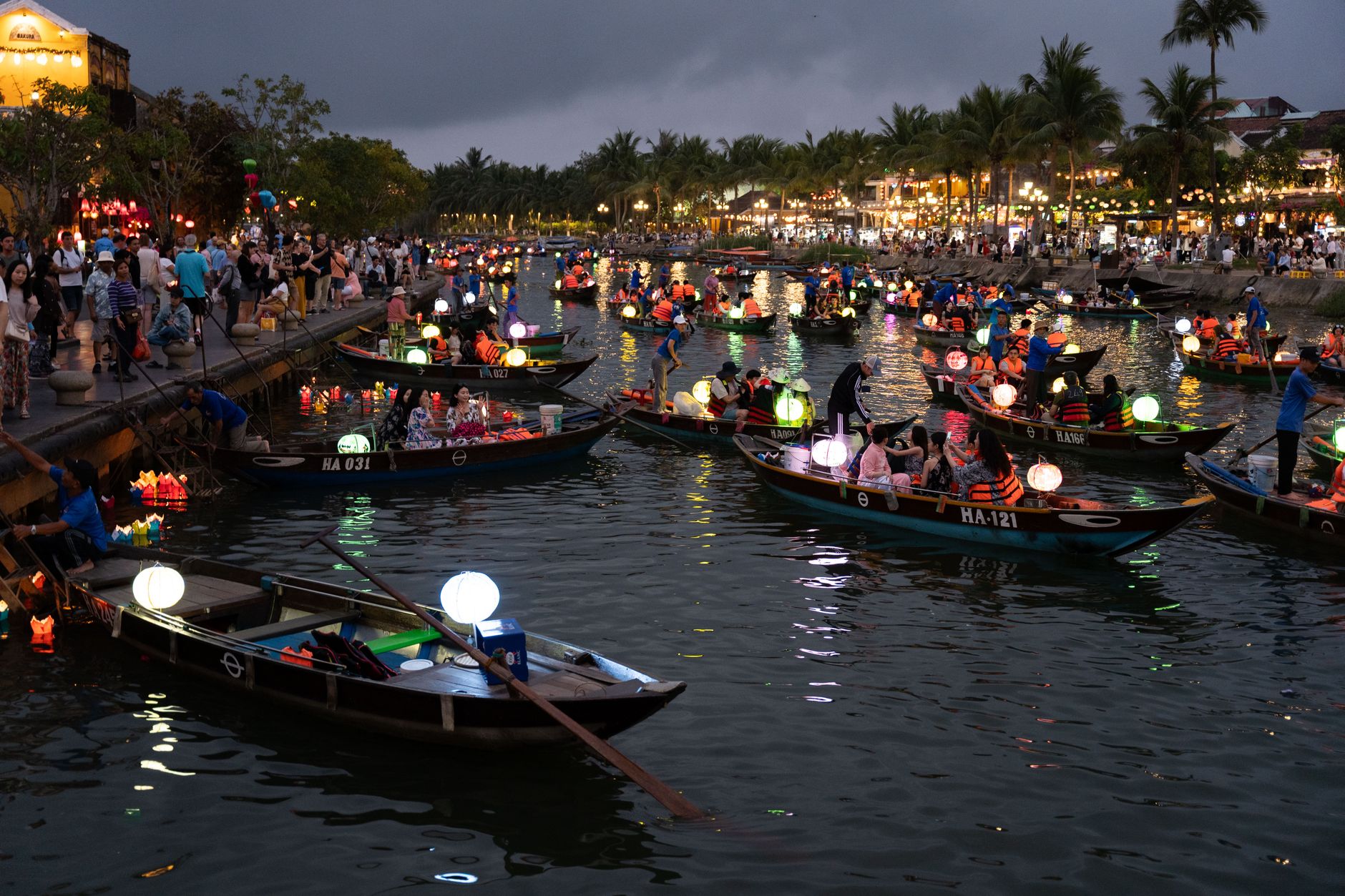
As dusk falls, walk down to the riverfront for the lantern boats, roughly VND 50,000 for a short paddle, then dinner at Morning Glory Restaurant before the streets fill in for the evening.
Day 2: Countryside, Cooking and the Coast
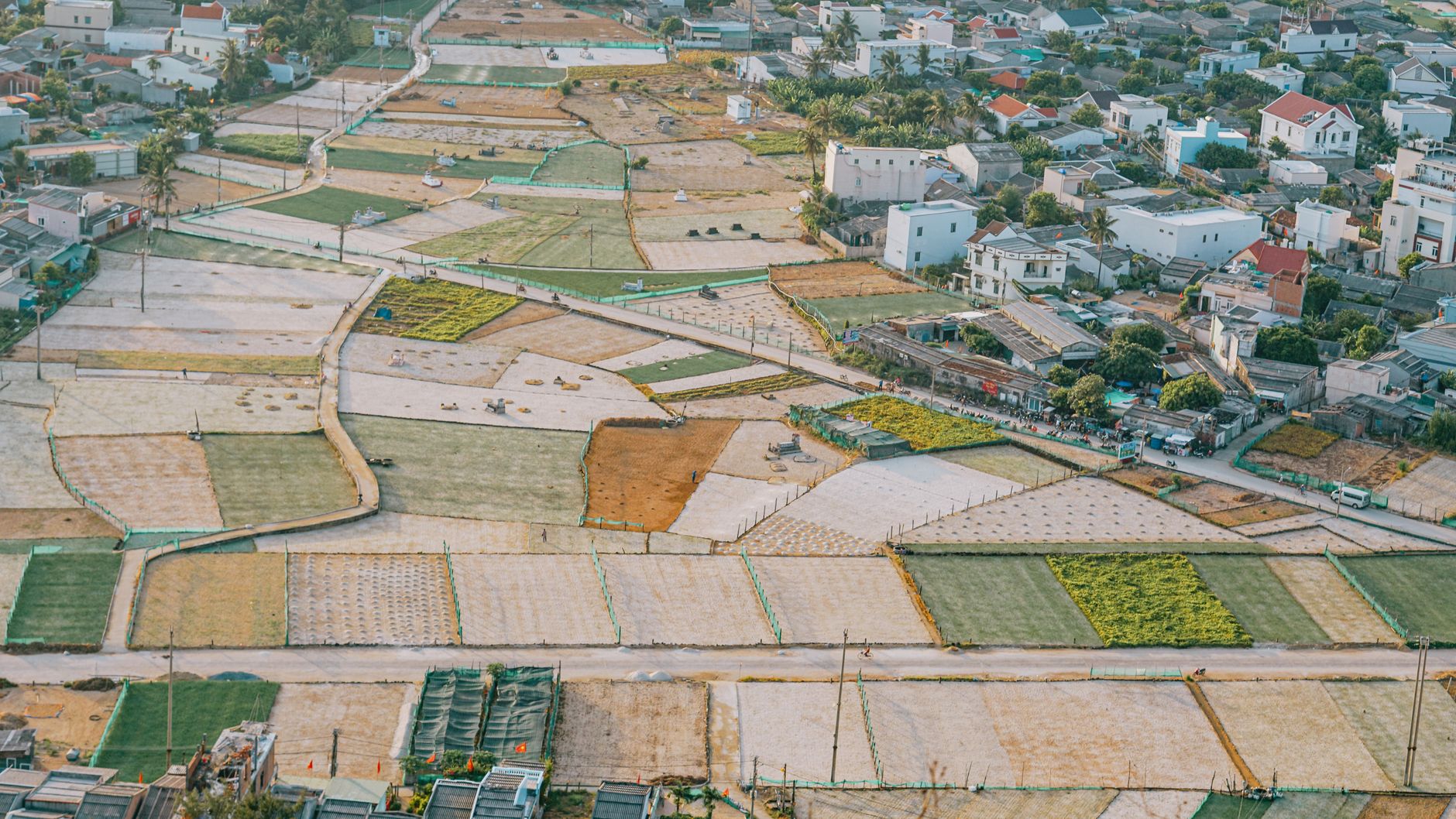
Rent a bike after breakfast and ride out to Tra Que vegetable village, about 15 minutes from the center, for a morning cooking class that starts in the fields and ends with lunch you helped make.
Continue on to Cam Thanh coconut village for a basket-boat ride through the palm forest, then loop back toward the coast.
Spend the rest of the afternoon at An Bang Beach, where beach clubs rent loungers for the price of a drink order, and stay for sunset before heading back for your second tailor fitting.
Day 3: My Son Ruins and a Slow Farewell

Leave by 7-7:30am for the roughly 40-45 minute drive to My Son Sanctuary, the cluster of 4th-to-13th-century Cham brick towers set among forested hills. Arriving early beats both the heat and the tour-bus crush that builds by mid-morning.
Back in Hoi An by early afternoon, use the remaining hours to collect your finished tailoring, pick up lacquerware or ceramics at the small workshops on Nguyen Thai Hoc Street, and take one last walk across the Japanese Covered Bridge.
Close the trip with a rooftop dinner at Cargo Club, watching the lanterns switch on over the river one more time before you go.
My Son's light, crowds and heat all shift by the hour, and the drive out is worth timing precisely rather than guessing from a hotel front desk. If you're traveling in the shoulder or rainy months, a Cordelie advisor can also build in flexibility around Hoi An's flood-prone late-year weather, so a rising river doesn't swallow a day you can't get back.
They can also pre-arrange your tailor fittings and pickup times against your flight, which matters more than it sounds like it should when a finished suit is waiting on your last morning in town.
Hoi An at a Glance
A slow, walkable, endlessly photogenic town that rewards two to four unhurried days more than a rushed day trip from Da Nang.
Hoi An works best as a base, not a detour: budget at least two full days for the Ancient Town, food and tailoring, and a third if you want My Son or a proper beach afternoon.
Go for the lantern-lit streets and the cao lau, but stay for the countryside rides and the fact that almost everything worth doing is within a 20-minute bike ride of wherever you're sleeping.
Last checked for accuracy: . How we check

Sarah Chen has covered Asia for twelve years, first as a wire reporter in Jakarta and now from Singapore, where she keeps a standing list of the region's most misunderstood destinations. She writes about the distance between what a place is famous for and what it is actually like to spend a week in — and is happiest on an overnight train with a bad seat and a good view.
Related Articles
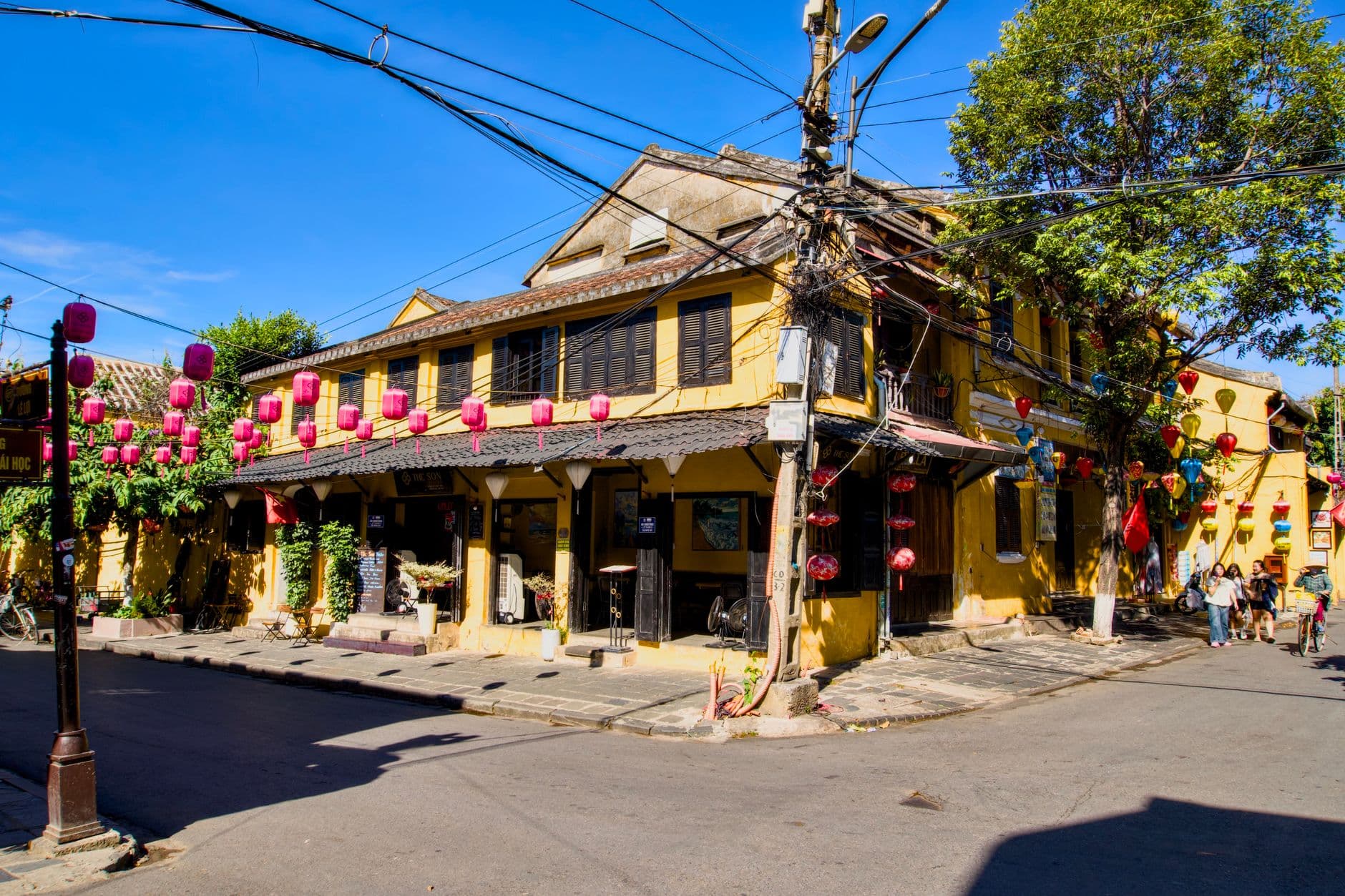
Hoi An Quick Guide: Everything You Need to Know
Hoi An's lantern-lit streets and ancient shophouses reward slow travel. Spend three days here instead of three hours—tailor clothes, learn to cook, and discover why this 15th-century town still moves at walking speed.

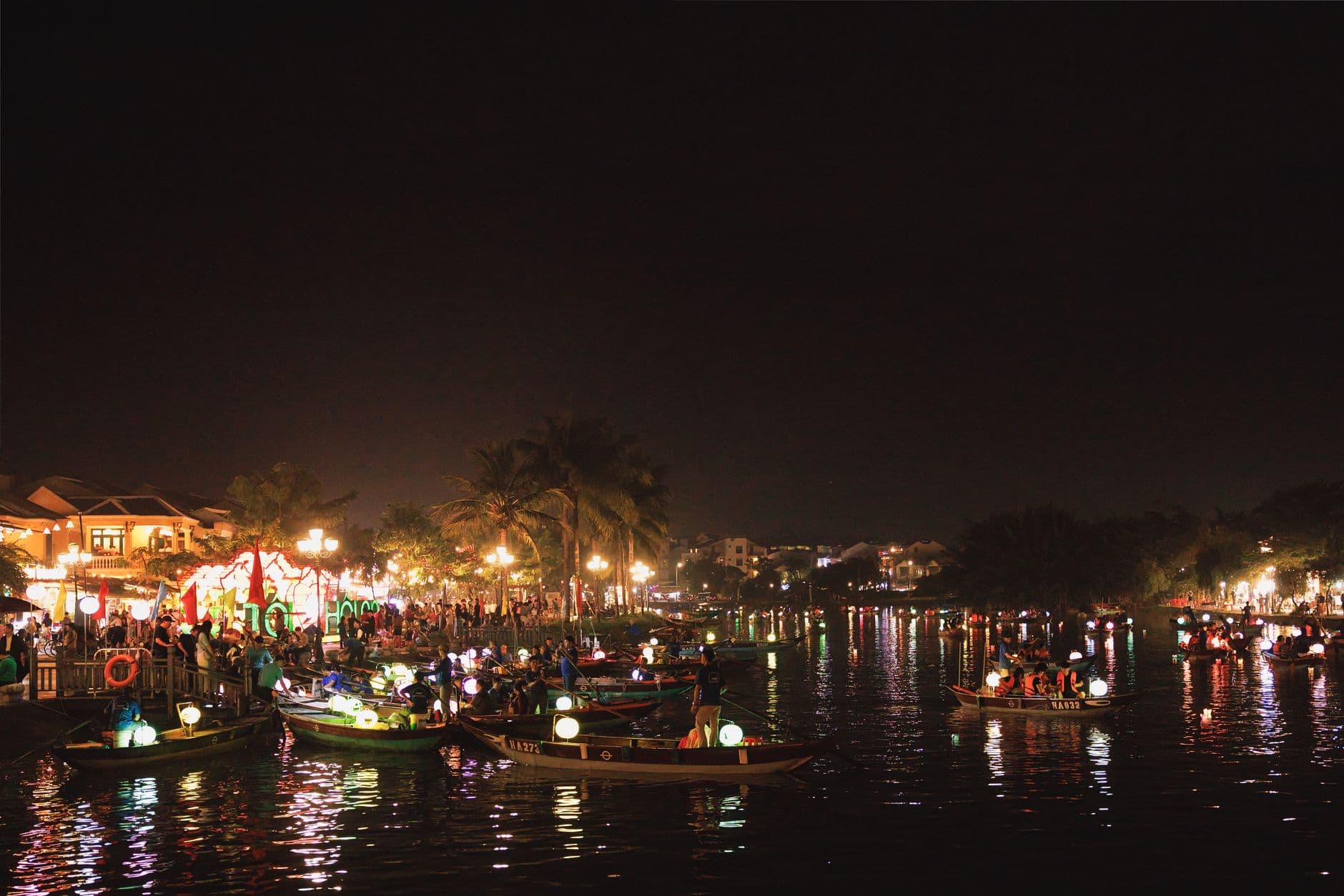
The Best Things to Do in Hoi An
From lantern-lit riverside streets to basket boats in the coconut forest, here's a ranked, practical guide to what's actually worth your time in Hoi An this winter.


My Fall in Hoi An: A Travel Story
Five fall days in Hoi An brought lantern-lit streets, a spinning basket boat ride, Marble Mountain climbs, snorkeling off the Cham Islands, and a seasonal river flood that turned the Old Town golden.