
Hoi An Quick Guide: Everything You Need to Know

Key Facts
Hoi An: Where History Moves at Walking Speed
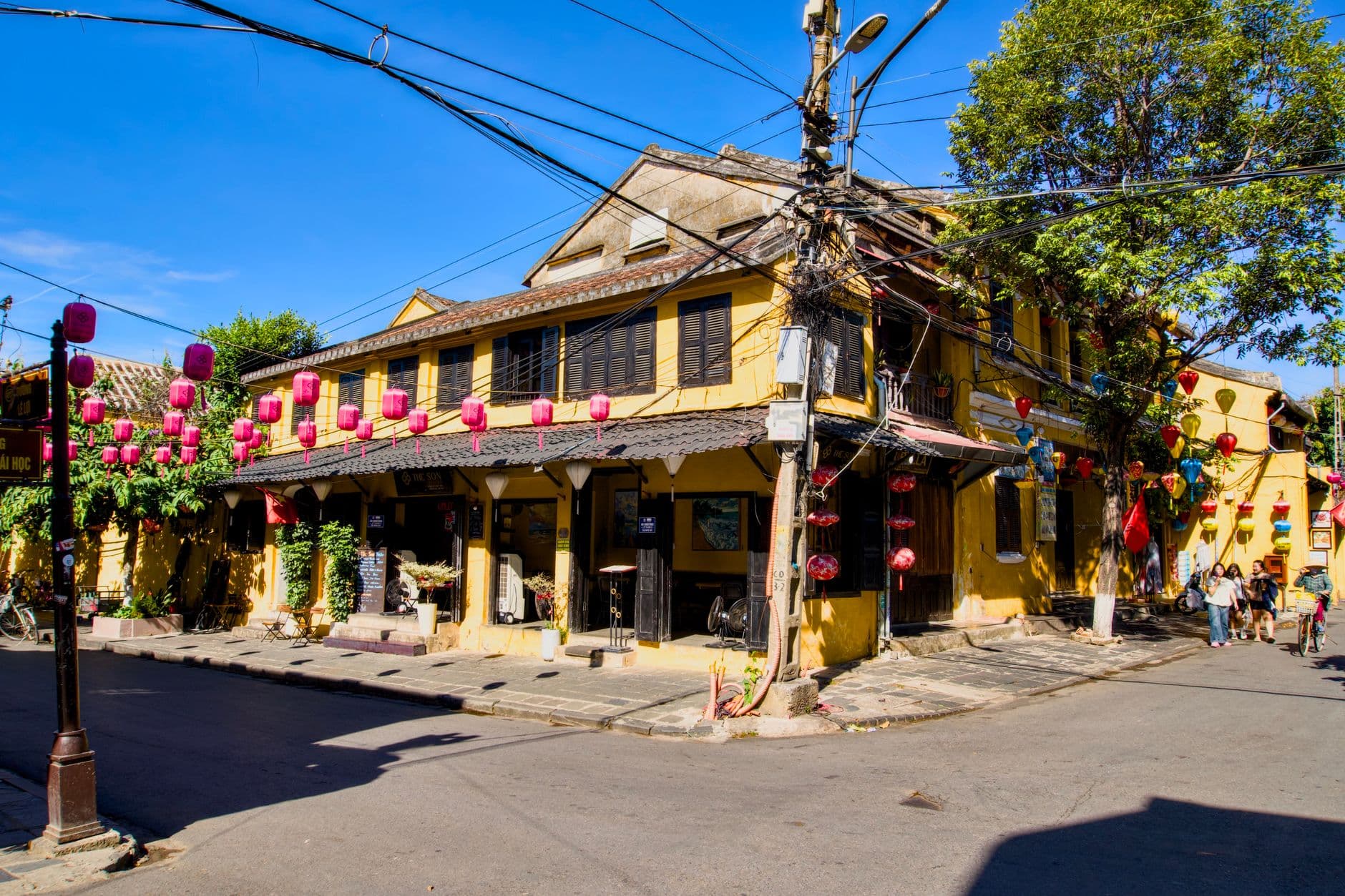
Hoi An is one of Southeast Asia's rare places where slowness feels intentional rather than enforced. The town's 15th-century core—a warren of mustard-yellow shophouses, Chinese assembly halls, and lantern-strung streets—survives because it never grew too fast to lose itself. No motorcycles clutter the Old Town's pedestrian quarter. No high-rises overshadow the river. What you see when you walk these streets is roughly what a merchant saw four centuries ago, minus the risk of tropical disease and the smell of fish sauce drying in the sun has only improved.
Winter is when Hoi An shows its best face. December through February brings temperatures between 15 and 25 degrees Celsius—cool enough that you'll want a light layer, warm enough to move through the day without heavy sweating. The monsoon rains have ended. Tourist density remains manageable compared to the crush of summer, yet the town is alive enough that restaurants stay open and tours still run. You can spend three days here and feel you've lingered, rather than rushed through a checklist.
Why Hoi An Deserves More Than a Day
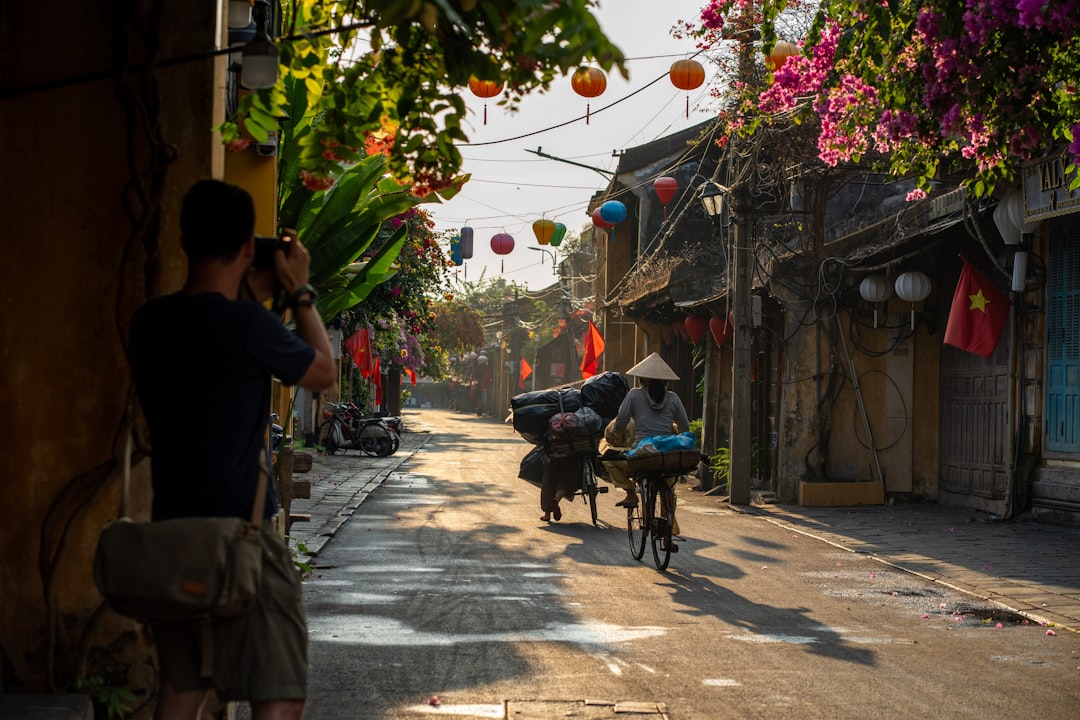
Most travelers spend a single afternoon in Hoi An's Old Town, photograph the lanterns, eat a bowl of cao lau, and move on. This misses the point entirely. The value of Hoi An lies not in sightseeing—there are no major temples or museums that demand hours—but in texture. It's a town where you notice things: the way light catches wet stone in a courtyard, the rhythm of a tailor's needle, the reason a particular shophouse is painted green instead of yellow, how the river smells different at dawn than at dusk.
Spend your first morning walking without a plan. Enter the Assembly Halls when you feel like it—the Phuc Kien Hall (built in the 17th century by Fujian merchants) and the Chinese Assembly Hall both charge about 30,000–50,000 VND entry—and spend time in the courtyards watching light move across carved wooden screens. Eat lunch somewhere you passed that looked crowded. In the afternoon, book a tailor appointment at one of the dozens of shops on Tran Phu Street; the fitting takes 15 minutes and the garment is ready in 3–5 days, costing between 300,000 and 800,000 VND depending on fabric and complexity.
Your second day can take you outside the walls. Rent a bicycle for about 50,000 VND and ride to Cam Thanh Coconut Village, a genuine working landscape 8km away where boat operators pole through mangrove-lined waterways for roughly 150,000–200,000 VND per person (about 90 minutes). You see how the town connects to the wider countryside.
Built in 1593 by Japanese merchants living in Hoi An, the Japanese Covered Bridge was originally a toll bridge—the tax it collected funded its own maintenance. Today it stands as a symbol of the town's mercantile past, when the port drew traders from Japan, China, India, and beyond. The structure is only 18 meters long but has become Hoi An's most-photographed landmark. Entry is free, but you must have paid admission to the Old Town (around 120,000 VND, valid for 24 hours) to cross it.
Eating and Sleeping Like a Local
Hoi An's food scene runs on two tracks: restaurants designed for tourists and street stalls where locals actually eat. The disparity in price is enormous but the quality gap is often invisible. Cao lau—a noodle dish unique to Hoi An, served with pork, herbs, and a sauce made from sesame—costs 30,000–50,000 VND from a proper vendor, less if you eat standing at a plastic stool. Banh mi sold from corner carts runs 20,000–35,000 VND. For a sit-down meal with atmosphere, Gia Hoi restaurant on Tran Phu Street serves local dishes in a 100-year-old house for moderate prices (mains around 80,000–150,000 VND).
Hotels range from backpacker dormitories at 150,000–250,000 VND per bed to mid-range guesthouses at 400,000–800,000 VND for a double room with air conditioning, to boutique hotels in converted shophouses at 1,200,000–2,000,000 VND or higher. The mid-range options in the Old Town tend to offer the best balance: places like Ancient House River Resort occupy restored period buildings, include breakfast, and cost around 600,000–1,000,000 VND. Booking in advance (at least a week in winter) is wise; last-minute arrivals may find rates inflated or rooms occupied.
Morning coffee is a ritual. The town runs on strong, sweet iced coffee made with condensed milk (cà phê đen đá), costing 15,000–25,000 VND and served at open-air stalls from before dawn. Find a plastic chair facing the street and watch the town wake up. Breakfast options include banh mi, pho, and fresh fruit smoothies (20,000–40,000 VND).
The south bank of the Thu Bon River, accessible via the Japanese Bridge or by walking along Nguyen Thai Hoc Street, has small cafes and beer bars that face the water. Sit here in the late afternoon with a beer (Saigon or Heineken, around 25,000–40,000 VND) or coffee and watch fishermen cast nets. This is where Hoi An becomes itself—not a museum but a place where people live and work.
Moving Around: On Foot and by Bicycle
The Old Town is walkable end-to-end in 30 minutes. Streets are narrow, mostly traffic-free, and lined with interesting details at every turn. Navigation is intuitive if you keep the river to your east; get lost here deliberately. Most visitors never leave the pedestrian core, but the real Hoi An extends several blocks beyond it—residential streets where tourists rarely venture, where locals repair motorcycles in front yards and children play in the street.
Rent a bicycle to reach Cam Thanh, My Son, or the beaches at Cua Dai (4km) and An Bang (5km). Rental costs run 40,000–60,000 VND per day from shops near the bridge or at your hotel. Traffic on the main roads is heavy (motorcycles dominate) so stick to side routes if possible. An Bang Beach, a 20-minute ride, has beach bars and seafood shacks that operate from mid-morning through sunset. It's where locals swim, not tourists.
For longer trips—to My Son temples (40km), Da Nang (30km), or the Marble Mountains outside the city—hire a private driver for a day. Rates range from 400,000 to 700,000 VND depending on the distance and your negotiating. Most hotels can arrange this, or use Grab (the Southeast Asian ride-hailing app) to book a car for a full day. Taxis exist but are less reliable for all-day hire.
What to Actually Do Here
Beyond the Assembly Halls and the bridge, Hoi An's activities center on making things and watching craftspeople work. Book a tailor appointment (your hotel can arrange this) and spend an hour being measured, choosing fabric, and discussing details. The garment arrives in 3–5 days. Tailoring costs 300,000–800,000 VND depending on complexity; quality is variable but prices are low enough that disappointment stings less than it would elsewhere. Ao dai—the traditional Vietnamese tunic dress—can be custom-made for 400,000–600,000 VND and is a souvenir that actually gets worn.
Cooking classes take you to the market, then into a home kitchen to prepare several dishes. Hoi An Cooking Class operates from a shophouse kitchen and includes a market visit and lunch for 570,000–690,000 VND. You'll learn to make spring rolls, which look simple until you try folding rice paper without tearing it. Classes last 3.5 hours and cap at about 12 people, so booking in advance is necessary.
Hire a boat for a sunrise or sunset trip on the Thu Bon River. Local operators charge 200,000–350,000 VND for one to two hours depending on the group size and where you go. Sunrise trips depart around 5:30 and show you the town from the water before crowds arrive. Sunset trips catch the light on the old buildings and are more social—these boats often fill with other travelers.
The Hoi An Heritage Museum, located on Nguyen Hue Street, covers the town's history in a restored period house. Entry is around 60,000–80,000 VND. It's not a major museum but if rain traps you indoors, it's a useful hour. Most visitors skip it entirely, and won't miss anything essential.
Hoi An's charm lies in its timing: knowing which tours are worthwhile, which restaurants serve the real version of local dishes versus tourist versions, and how to spend your hours so you leave feeling you've understood the place rather than checked it off. A Cordelie advisor can ensure your tailor appointment is booked with a maker known for precision, arrange a private boat at the hour when the light is best, and guide you to the cooking class that matches your pace rather than industrial tourism. Let a Cordelie advisor craft your stay so every hour feels intentional.
Timing and Weather
December through February is ideal—cool enough to walk without overheating, dry enough that buildings don't glisten with mold. January is coldest (15–20°C) and driest. February warms slightly (20–25°C) but remains comfortable. Lunar New Year (typically late January or early February) brings crowds and higher prices, so book well ahead if traveling then.
March and April warm up (25–30°C) and remain relatively dry, though the tail end of April can see occasional rain. May through September is monsoon season—hot, humid, and wet. Humidity peaks in August. Typhoons are rare but possible. Tourist facilities stay open year-round, but if you visit outside November–April, expect either weather delays or uncomfortable heat.
Practical Details
Visas: Most nationalities can arrange a Vietnamese e-visa online (cost varies by nationality, roughly 25–50 USD) or obtain a visa on arrival at Da Nang airport. Check current requirements before booking.
Money: ATMs are plentiful in the Old Town and along the main streets. Withdraw Vietnamese Dong—exchange rates at ATMs are better than at money changers. Some restaurants accept credit cards but cash is still king for street food and small shops.
Internet: WiFi is reliable in hotels and cafes. Mobile SIM cards cost 50,000–100,000 VND and include data; buy one at the airport or in town.
Old Town admission: One ticket (120,000 VND, valid 24 hours) grants entry to all Assembly Halls, the Japanese Bridge, and museums included in the pass. Buy it at the gate; no advance booking needed.
Getting to Hoi An from Da Nang: Bus (30–45 minutes, 30,000–50,000 VND), hired car (45 minutes, 300,000–400,000 VND), or motorcycle taxi (Grab, roughly 100,000 VND). Hotels can arrange pickups.
Last checked for accuracy: . How we check

Alex Moreau writes about going slowly. Nine years of reporting from trains, river boats and towns nobody has a hashtag for, mostly across Europe and North Africa. They live in Lisbon, keep a running list of the continent's best two-hour lunches, and believe most itineraries would improve if you deleted a city.
Related Articles
The Best Things to Do in Hoi An
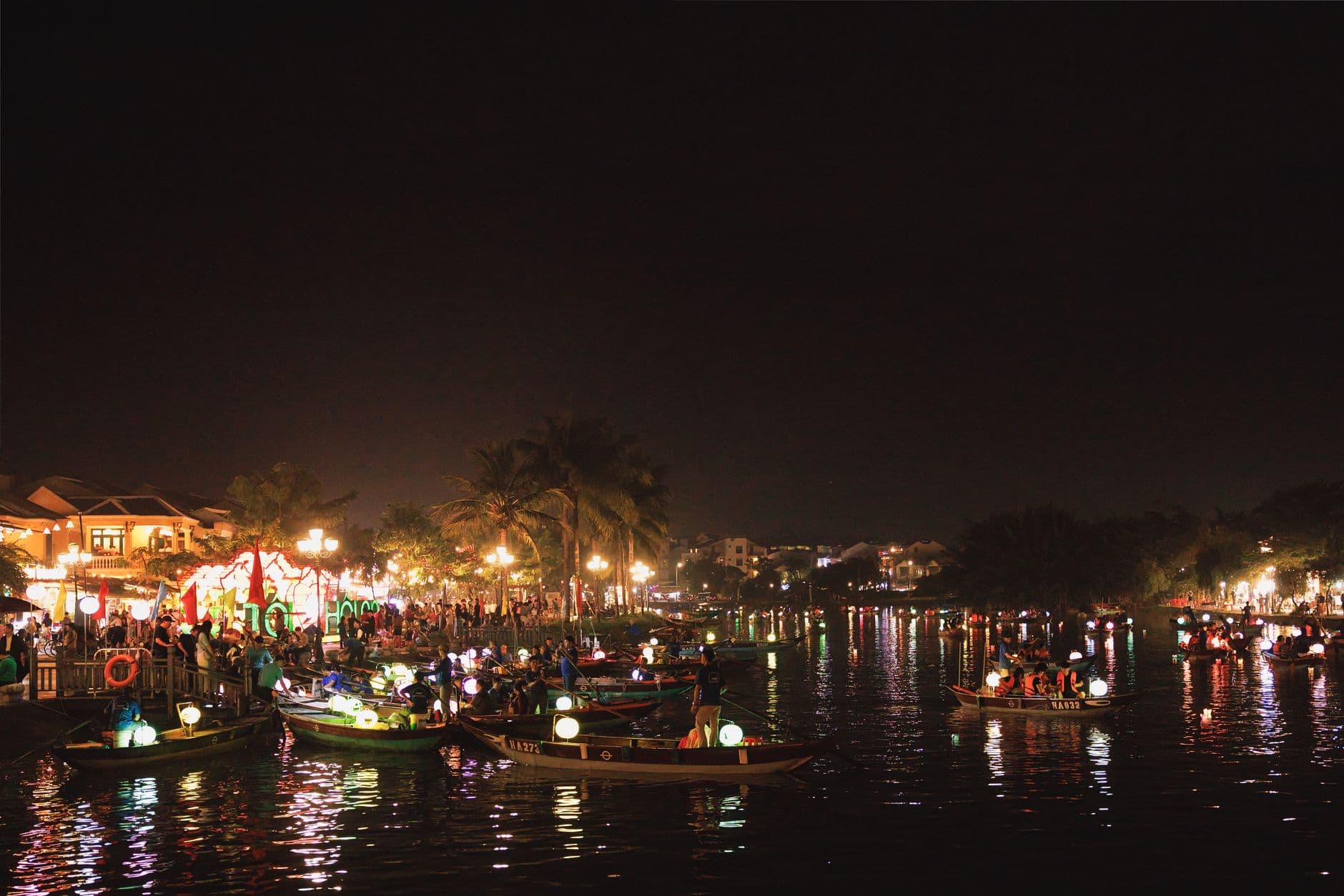
From lantern-lit riverside streets to basket boats in the coconut forest, here's a ranked, practical guide to what's actually worth your time in Hoi An this winter.

The Complete Guide to Hoi An
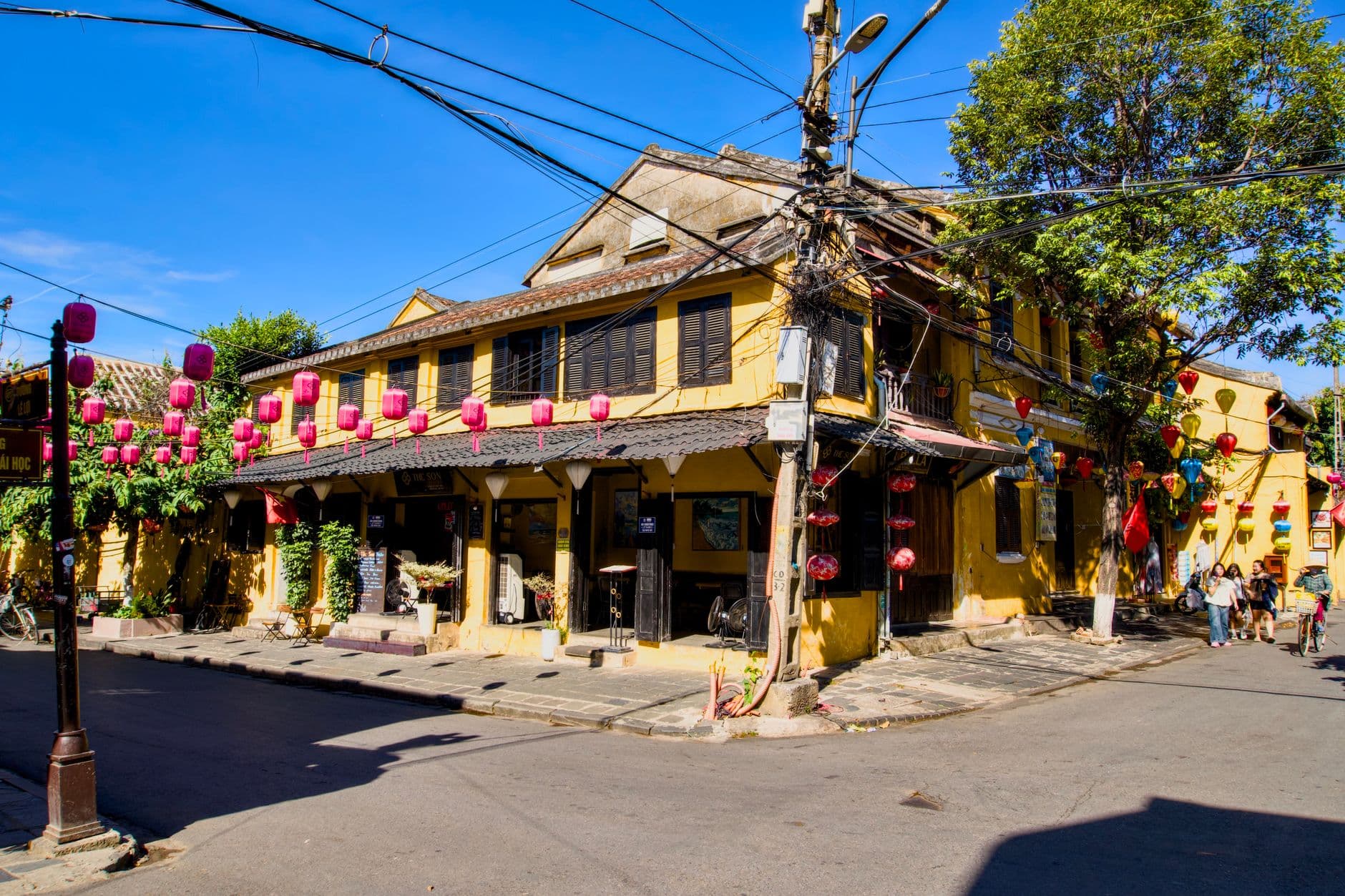
Lantern-lit streets, tailor shops and cao lau noodles: this complete guide covers Hoi An's Ancient Town, best time to visit, top hotels, food and a 3-day itinerary.


My Fall in Hoi An: A Travel Story
Five fall days in Hoi An brought lantern-lit streets, a spinning basket boat ride, Marble Mountain climbs, snorkeling off the Cham Islands, and a seasonal river flood that turned the Old Town golden.