
The Best Things to Do in Annapurna Circuit

Winter on the Annapurna Circuit: The Stops Worth Slowing Down For
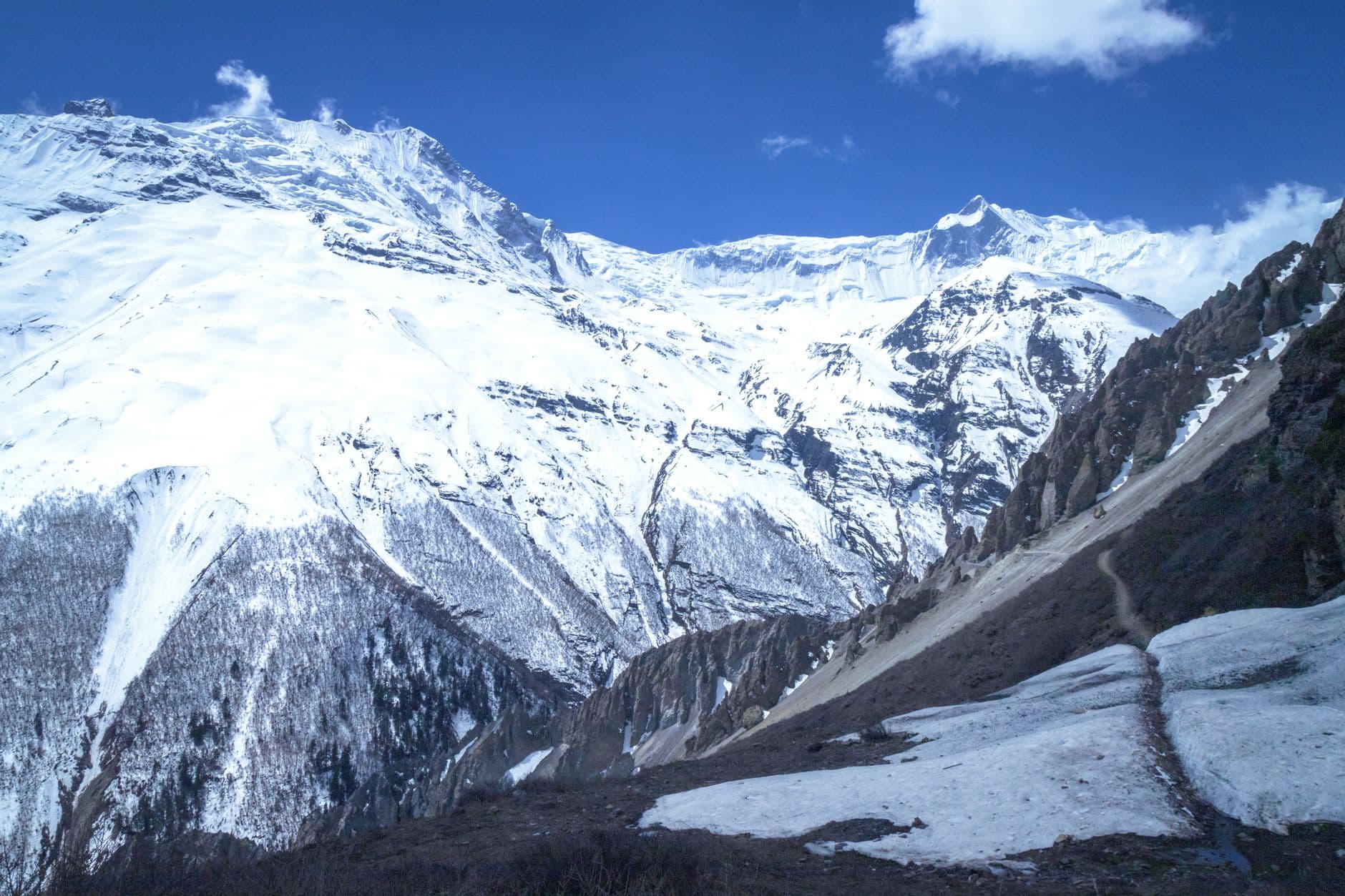
Most guides to the Annapurna Circuit are written for October, when the rhododendrons are gone but the trail is dry and the passes are open. Winter is a different trek. Thorong La, the 5,416-metre saddle that gives the circuit its name, is often buried under snow from December through February, and a good number of teahouses above Manang shutter for the season. That is not a reason to skip Nepal in winter. It is a reason to be honest about which stops on this route reward the effort at 20 below zero, and which ones you should save for spring.
This list ranks the things worth doing along and around the Annapurna Circuit with that winter reality in mind, favouring places that stay open, stay clear, and stay worth the cold hands. Where the classic high pass still belongs on the list, we say exactly what winter demands of you before you attempt it.
We ranked each stop on four things: whether it's realistically open and safe in a Dec-Feb winter, how much the place itself delivers rather than just the walk to it, the quality of food and lodging on offer, and whether it's worth arranging your trip specifically to include it rather than passing through by accident.
Prices are quoted in Nepali rupees (NPR) and US dollars where relevant, and reflect recent trekking seasons. Teahouse rates, flight schedules and permit fees in this region shift year to year, so treat every figure here as a planning range, not a quote.
Sunrise from Poon Hill
Ghorepani, 3,210m — the circuit's easiest world-class view
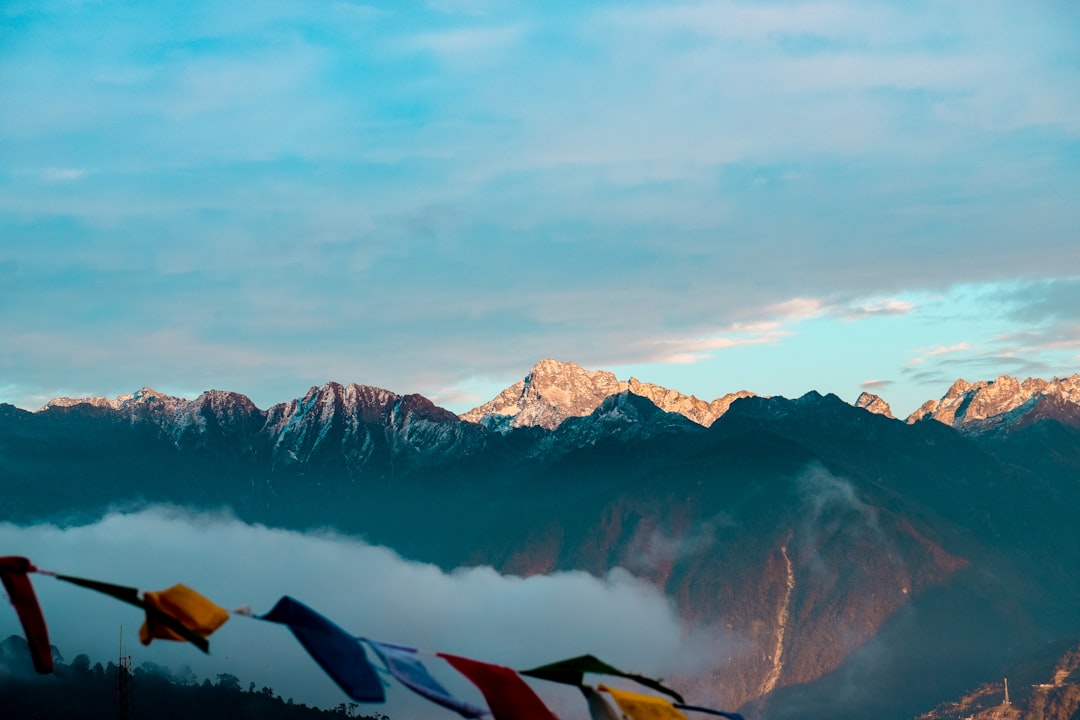
Poon Hill sits off the main circuit but close enough that most itineraries out of Pokhara treat it as a warm-up: a 1-hour drive to Nayapul, then a two-day walk of roughly 15 kilometres up stone steps through rhododendron forest to Ghorepani. From there it's a 45-minute pre-dawn climb, headlamp on, to a viewing tower that faces Dhaulagiri (8,167m) and Annapurna South (7,219m) across the valley, with Machhapuchhre's fishtail peak visible to the east.
Winter earns its place here. Skies over Ghorepani are typically clearer in December and January than during the hazy pre-monsoon months, and the crowds that pack the viewing platform in October thin out considerably. Lodge owners in Ghorepani will tell you the difference themselves — fewer trekkers on the steps, better odds of a clean, unbroken sunrise.
Nights at this elevation drop below freezing, and most lodges rely on a wood or dung-fired bukhari stove in the dining room rather than heated rooms, so pack a sleeping bag rated to at least -10°C.
Muktinath Temple
Muktinath, 3,760m — where Hindu and Buddhist pilgrimage routes meet
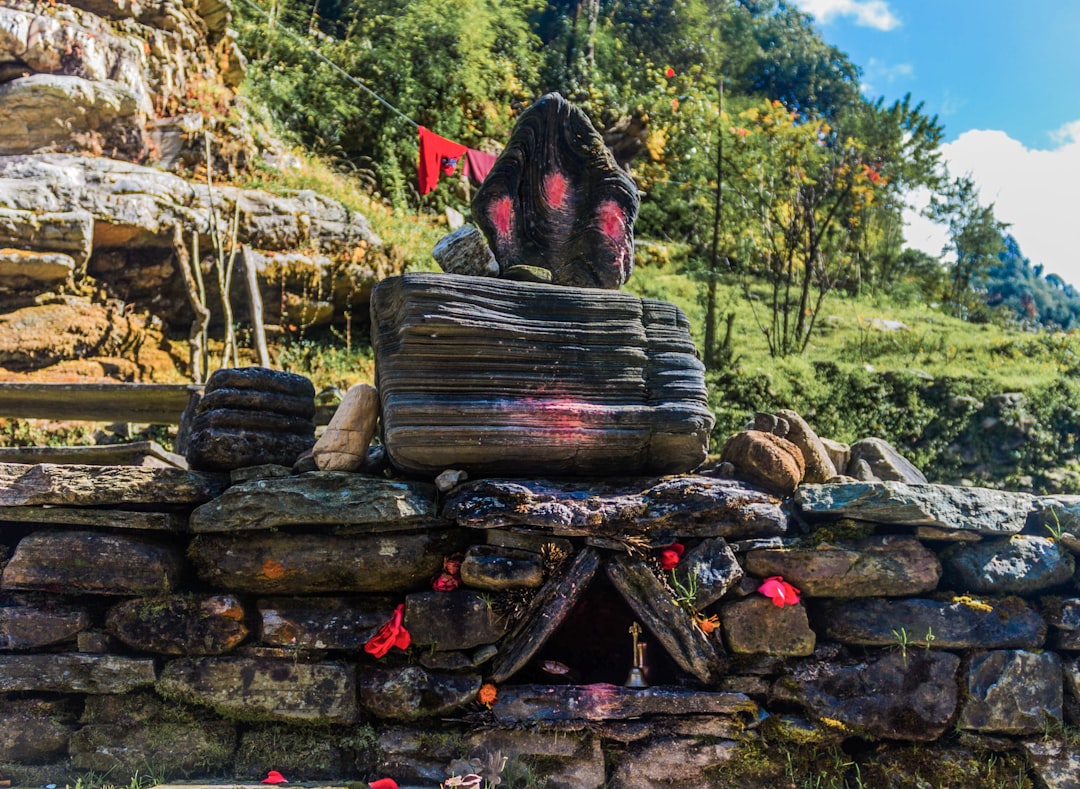
Muktinath is sacred to both Hindus, who consider it one of the eight most important Vishnu shrines, and Buddhists, who know it as Chumig Gyatsa. The temple courtyard holds 108 stone spouts shaped like bull heads, fed by glacial meltwater, and pilgrims traditionally pass beneath all of them. Behind the main shrine, a small natural gas flame has burned for as long as records exist, tended alongside a spring — the detail that gives the site its reputation as a place where earth, water and fire meet.
Getting there in winter usually means flying Pokhara to Jomsom, a roughly 20-minute flight that is notoriously weather-sensitive and tends to run only in the early morning before winds pick up over the Kali Gandaki gorge. From Jomsom it's a jeep ride or a 4-5 hour walk up to Muktinath.
Pilgrim season runs heaviest in autumn; winter leaves the courtyard nearly empty, which changes the character of the place from festival to genuine stillness.
Marpha's Orchards and Distillery
Marpha, 2,670m — apple brandy in a whitewashed Thakali village
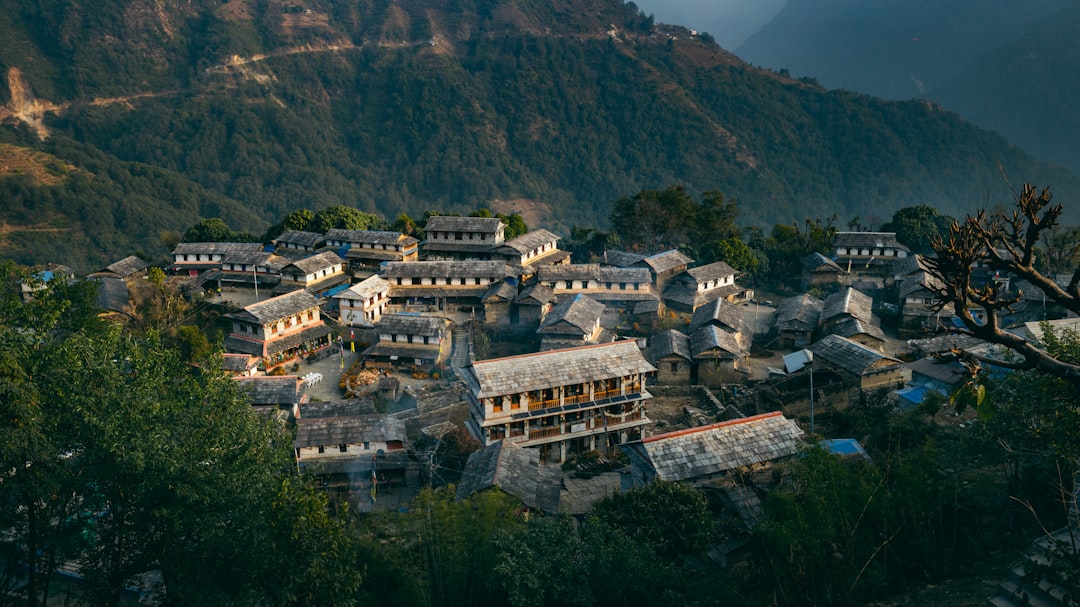
Marpha is a 20-minute walk or short jeep hop south of Jomsom, and it's the kind of place that makes trekkers extend a one-night stopover into two. The village is built almost entirely of whitewashed stone, its lanes flagged and drained to handle the winter wind that funnels up the Kali Gandaki, and its orchards produce apples good enough that the local distillery turns them into a rough, honest brandy sold by the bottle in most lodges.
This is Thakali country, and Thakali kitchens are, by wide agreement among people who've eaten their way along this route, the best cooking on the circuit. Look for dal bhat sets with a distinct Thakali seasoning, or the Tibetan-style dumplings served in the smaller teahouses off the main lane.
A room in Marpha in winter runs roughly NPR 300-600 a night if you're eating dinner and breakfast at the same lodge, which most owners expect.
Kagbeni's Old Town
Kagbeni, 2,800m — a walled medieval village at the gate to Upper Mustang
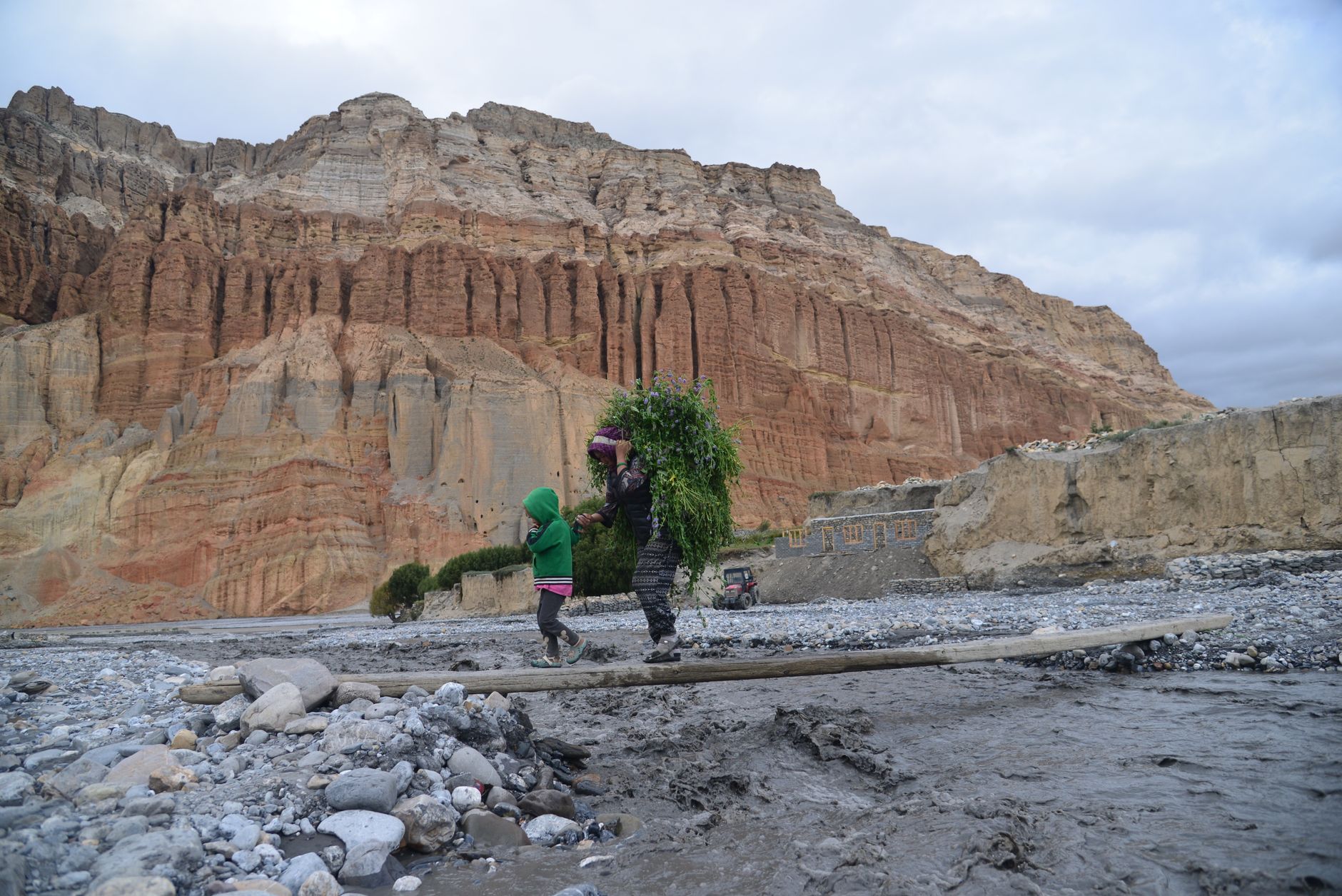
Kagbeni looks like it belongs to a different century, and largely it does: narrow alleys thread between mud-and-stone houses that have stood since well before the trekking route existed, and a checkpoint at the north end of the village marks the border of Upper Mustang, the restricted region that requires its own permit — currently around USD 500 for the first ten days, arranged through a registered agency.
You don't need that permit to enjoy Kagbeni itself. The village sits at the confluence of the Kali Gandaki and Jhong rivers, with views up the valley toward Nilgiri (7,061m), and the ruins of a small fort on its northern edge are worth the ten-minute climb for the angle they give over the rooftops below.
In winter, Kagbeni's wind picks up hard by mid-afternoon, so plan the fort climb and any photography for the morning.
Manang and Braga Gompa
Manang, 3,540m — the acclimatization village with a 500-year-old monastery
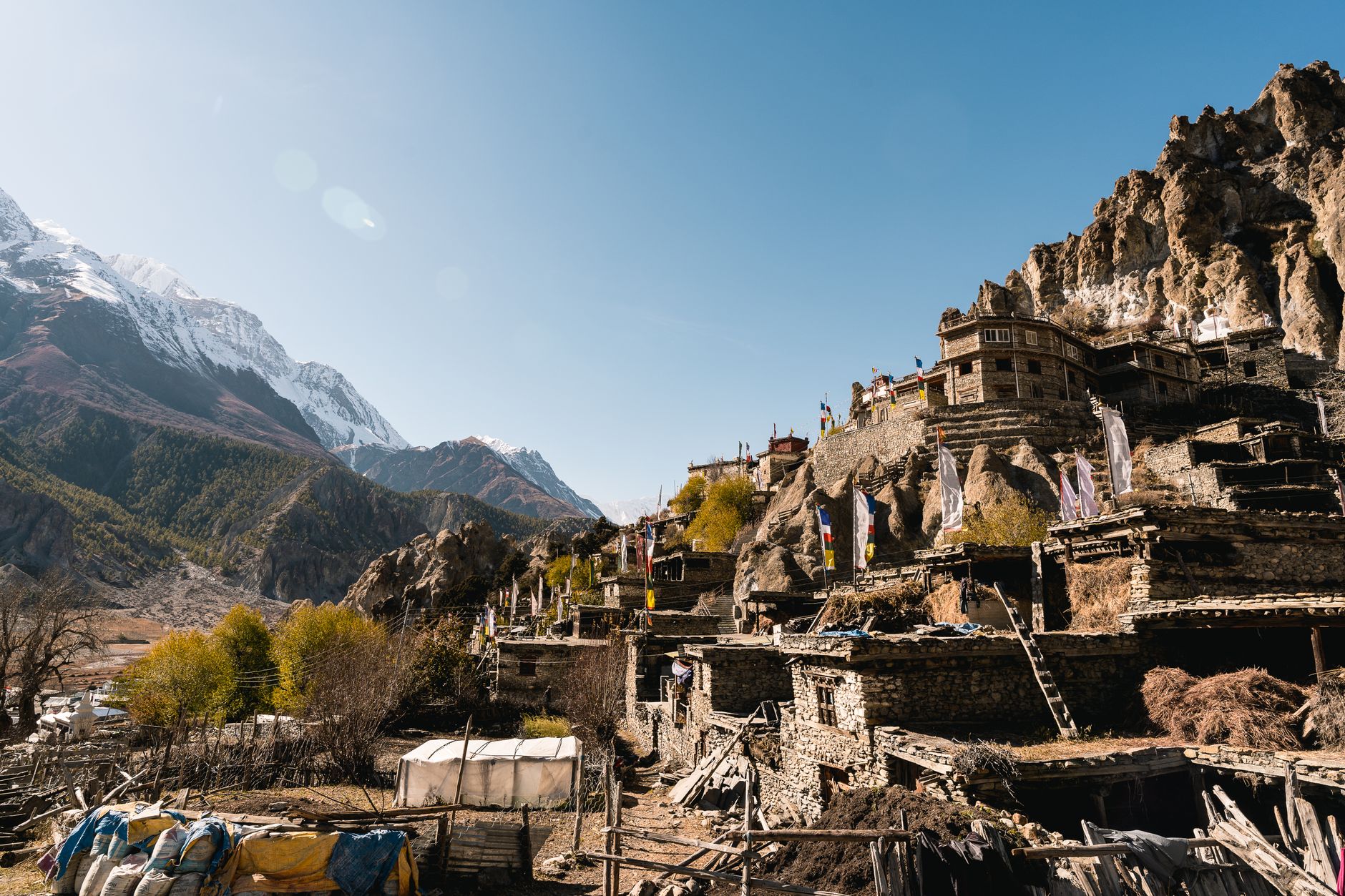
Manang is where every circuit itinerary builds in an extra night, whether to acclimatize before Thorong La or simply because the village earns it. It sits on a wide plain below Gangapurna Glacier, and a short walk to its edge gives a clean view of Gangapurna Lake, fed by meltwater and startlingly turquoise even under grey winter skies.
A 20-minute walk above the village, Braga Gompa is worth the detour on its own merits. The monastery is built into a cliff face and dates back roughly 500 years, with a small collection of clay statues inside that the resident monks will usually let you see for a modest donation.
Winter lodging in Manang is basic but reliable — expect a wood stove in the common room and NPR 400-700 rooms, with the better lodges keeping the stove lit well past dinner.
Cordelie travel advisors
Planning Annapurna Circuit? Go with someone who knows
The right suite, the right season, the reservations that never appear online — your Cordelie advisor knows them, and holds them for you.
Plan with a Cordelie advisorFree to ask. Cordelie Travel Services · IATA/ARC 06649064
Tatopani's Hot Springs
Tatopani, 1,190m — a low-altitude soak that stays open all winter
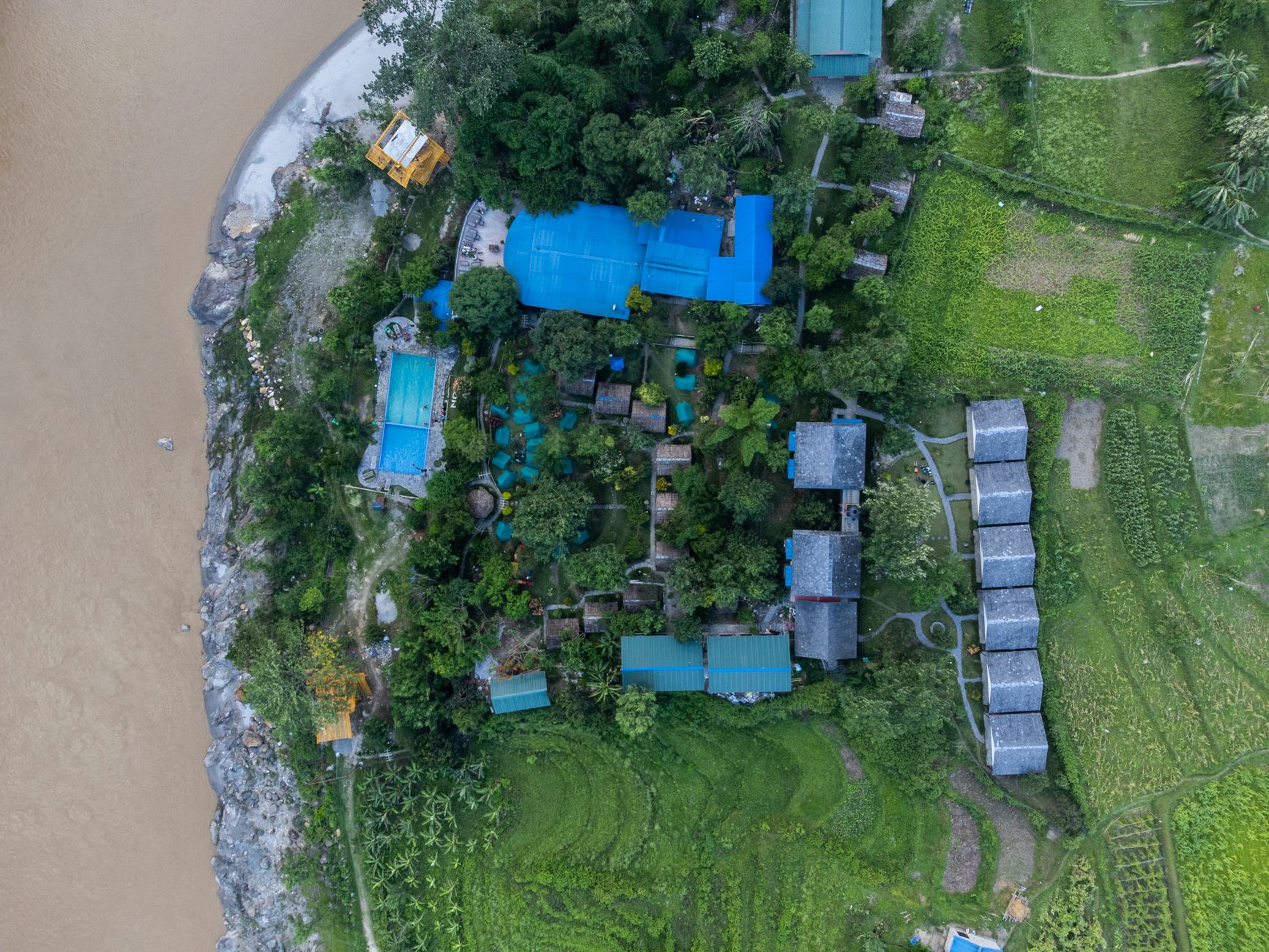
Tatopani sits low enough along the Kali Gandaki that winter barely touches its appeal — the name literally means 'hot water,' and the natural springs here, channelled into a few concrete pools beside the river, cost roughly NPR 100-150 to enter. After days walking at altitude, this is the stop where trekkers finally sit still.
This section of the circuit is reachable either as a loop back from Ghorepani over the Ghorepani-Ghandruk-Tatopani stretch, or from the Beni road side, and it's a good option specifically because it doesn't depend on any high pass staying open. That makes it one of the few genuinely low-risk winter add-ons on this list.
The village itself is modest — a strip of guesthouses along the river — but the pools alone justify an overnight stop.
Ice Lake Side Trek
Kicho Tal, roughly 4,600m — a steep half-day detour from Manang
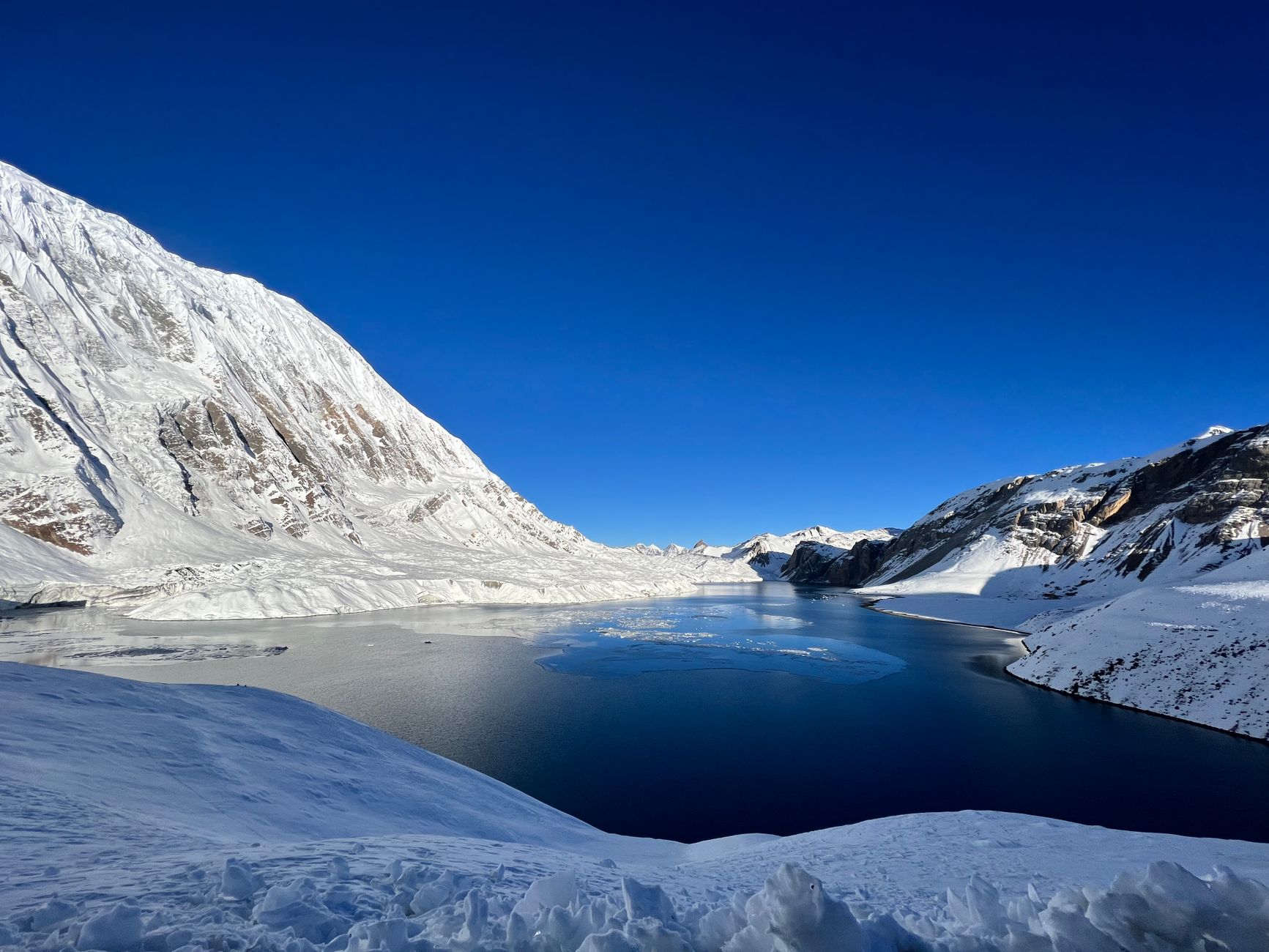
Ice Lake, known locally as Kicho Tal, is a demanding half-day side trip from Manang — figure 5-6 hours round trip, with a steep, switchbacking climb through juniper scrub to a small glacial lake that turns a startling deep blue on a clear day.
This one comes with a real winter caveat: the upper section above roughly 4,000m frequently holds ice and snow from December through February, and the trail has sections exposed enough that microspikes and a guide are worth the money rather than an afterthought. Several teahouse owners in Manang will tell you plainly if conditions above aren't safe that week — listen to them.
Attempt this only if you're already well acclimatized and moving comfortably at Manang's elevation. It's not a good first outing after arriving.
Thorong La Pass Crossing
5,416m — the circuit's namesake pass, and its biggest winter question mark
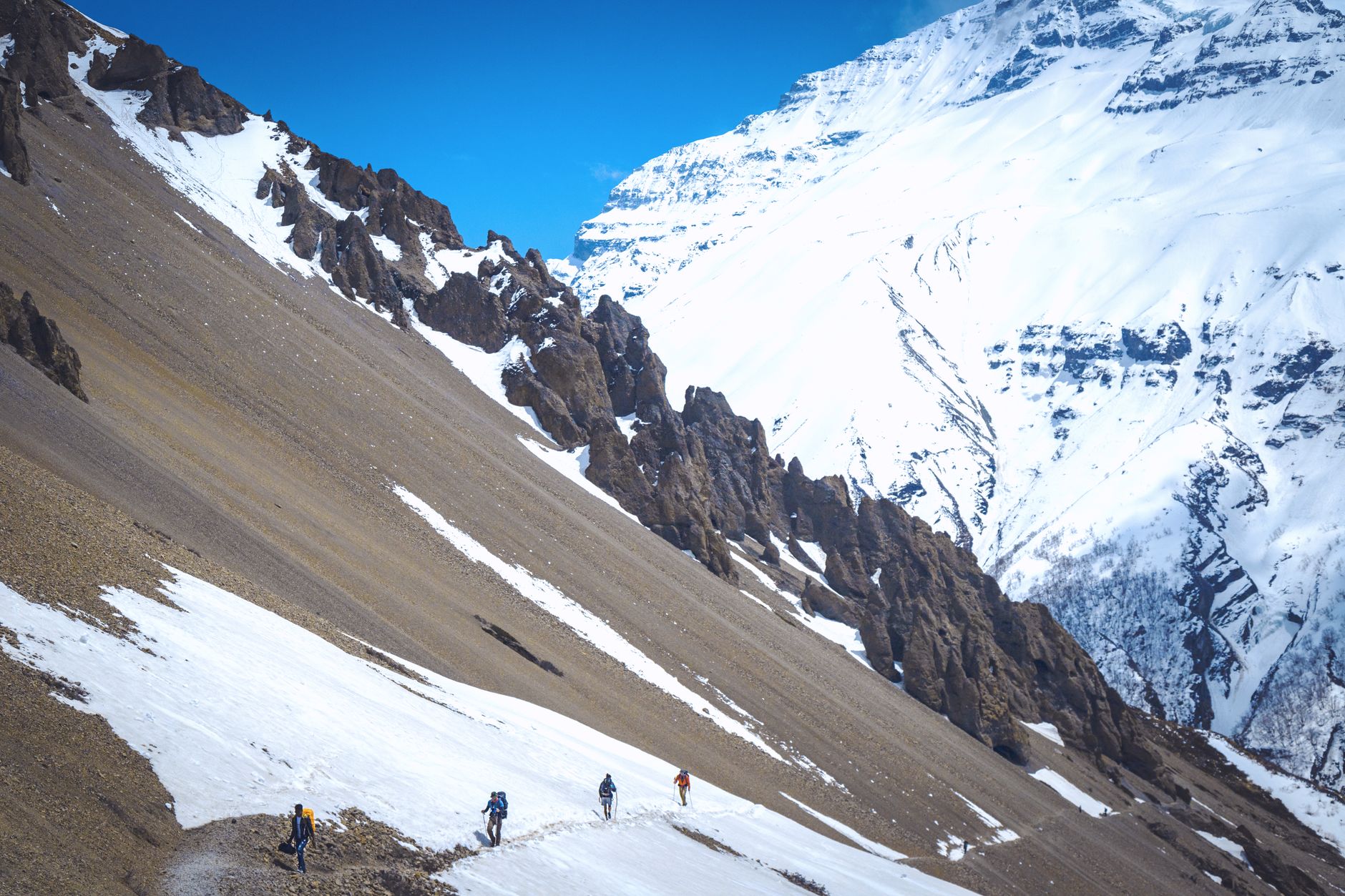
Thorong La is the reason this route is called the Annapurna Circuit, and crossing it — from Manang's side through High Camp and down to Muktinath — is still the objective for trekkers doing the full loop. In winter, though, this is the stop that demands the most caution on this whole list.
From December through February, snow accumulation regularly closes the pass for days at a time, and some teahouses at Thorong Phedi (4,450m) and High Camp (4,850m) close entirely for the season if conditions are bad enough. Trekkers who do cross in winter almost always do so with a licensed guide, crampons, and a flexible schedule that allows for a weather delay of two or three days at High Camp.
If your winter dates are fixed and you can't build in that flexibility, the honest move is to fly into Jomsom, do the lower half of the circuit around Muktinath, Marpha and Kagbeni, and save the pass crossing for a March or October trip when the odds are considerably better.
Three More Stops That Almost Made the Ranking
Bhratang, between Chame and Pisang, is a former army orchard that now sells apple pie and cider at a small farmhouse café to trekkers passing through — worth 20 minutes if you're already on that stretch, though not worth a special trip. Tal village, a flat-bottomed valley with a waterfall dropping straight into the Marsyangdi River, makes a striking lunch stop on the lower circuit even if the village itself has little else to detain you. Chame's small municipal hot spring, a modest pool beside the river in the district headquarters town, is a fraction of the size of Tatopani's but perfectly serviceable if you're staying the night there anyway and want to soak before dinner.
Deciding whether to attempt Thorong La in January or save it for spring isn't a call most trekkers should make alone from a guidebook — it depends on that week's snowpack, which lodges are actually open at High Camp, and whether your flight buffer at Jomsom can absorb a wind delay.
A Cordelie advisor builds your Annapurna itinerary around the real conditions on the ground that season, arranges a private guide who knows the pass's current state, and sets up a private jeep or helicopter contingency at Jomsom so a weather delay doesn't cost you the rest of your trip. The result is a winter Annapurna route shaped entirely around what's genuinely worth your days there.
Top Pick: Sunrise from Poon Hill
The single best return on effort for a winter Annapurna trip
Poon Hill wins the top spot because it delivers the Annapurna massif's full drama — Dhaulagiri, Annapurna South, Machhapuchhre — for a fraction of the altitude risk and logistical complexity of the pass itself, and winter's clearer skies and thinner crowds actually work in its favour rather than against it.
It's a two-day walk in from Nayapul, achievable without a guide by most fit trekkers, and it doesn't depend on a flight into Jomsom going out on schedule. For a winter trip with a fixed departure date, that reliability matters as much as the view.
Last checked for accuracy: . How we check

Alex Moreau writes about going slowly. Nine years of reporting from trains, river boats and towns nobody has a hashtag for, mostly across Europe and North Africa. They live in Lisbon, keep a running list of the continent's best two-hour lunches, and believe most itineraries would improve if you deleted a city.
Related Articles
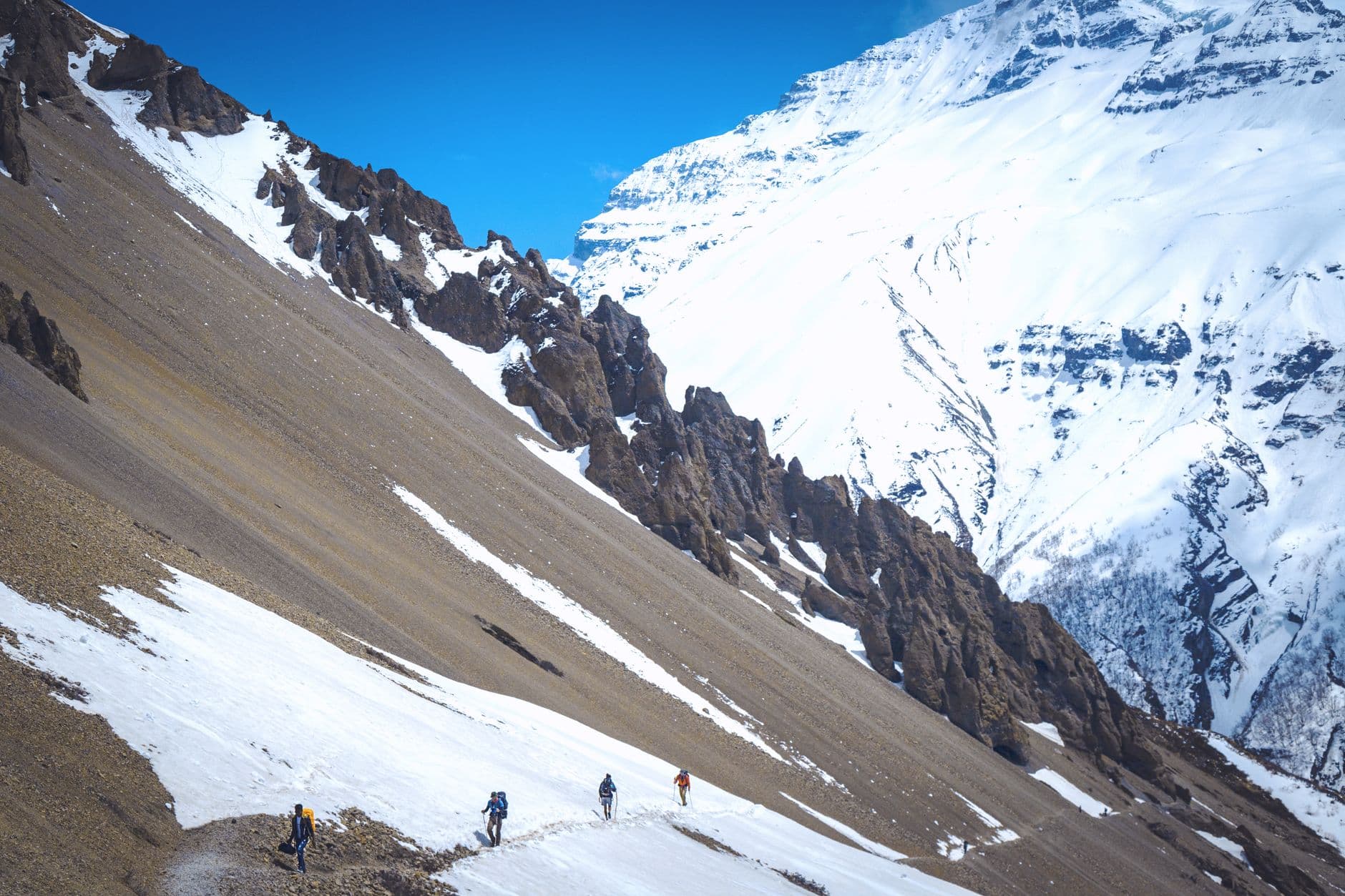
Annapurna Circuit Quick Guide: Everything You Need to Know
Winter trekking on the Annapurna Circuit is possible but demands patience: Thorong La pass closes under snow for weeks, and you must time your arrival in Manang with a weather window and the resolve to turn back if it does not come.

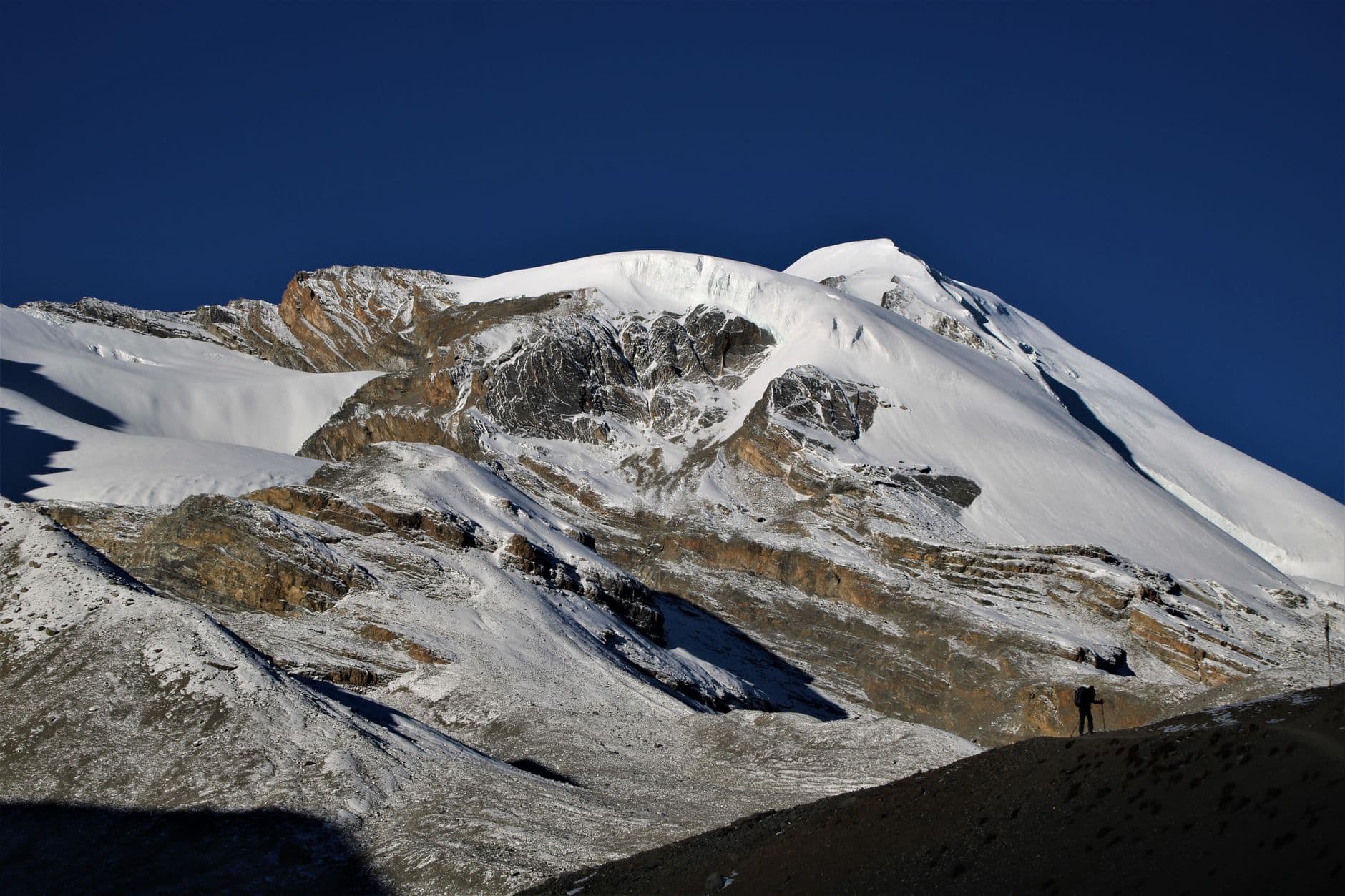
My Winter in Annapurna Circuit: A Travel Story
A first-person winter trek up the Annapurna Circuit to Manang and Khangsar, where fresh snow on Thorong La forced a turnaround — and left villages, and dal bhat, all to myself.
The Annapurna Circuit: A Trekker's Guide to Nepal's Ultimate Himalayan Adventure
From subtropical rice terraces to the 5,416m Thorong La pass, the Annapurna Circuit delivers Nepal's most varied teahouse trek. Here's how to plan the crossing right, season by season.