
Annapurna Circuit Quick Guide: Everything You Need to Know

Key Facts
The Annapurna Circuit in Winter: What You Actually Need to Know
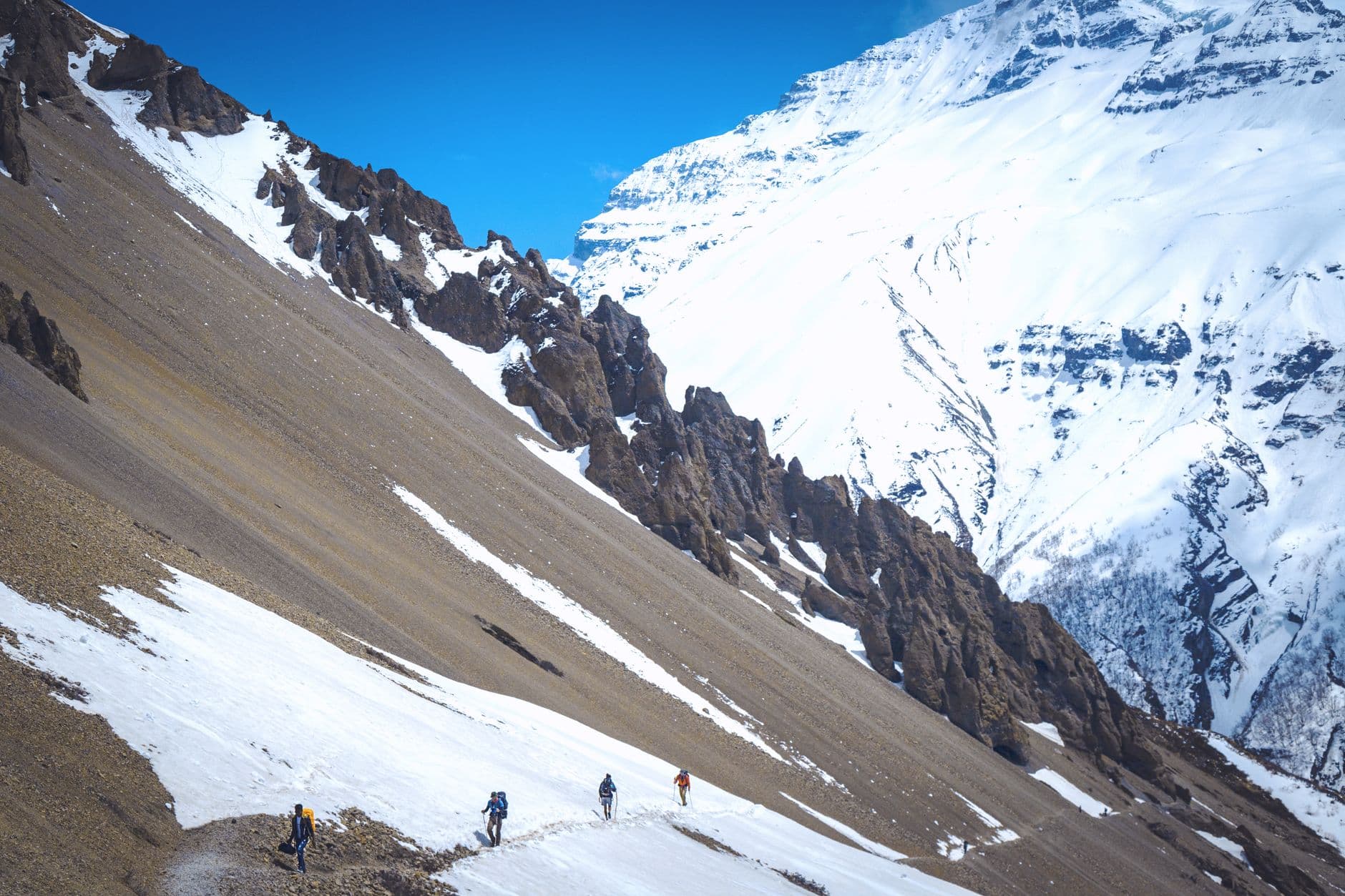
The Annapurna Circuit is one of Nepal's most celebrated trekking routes, looping around the 8,091-meter Annapurna massif through alpine meadows, rhododendron forests, and ridgelines with views into Tibet. A winter trek here is possible but not straightforward: the circuit works as a complete loop because you climb gradually across 14 to 21 days, acclimatizing as you go, but between December and February, heavy snow blocks Thorong La—the 5,416-meter pass that completes the circuit—for weeks at a time. Trekkers who leave Pokhara in winter either stop short at Thorong Phedi and descend, or they time a very narrow window hoping for a brief clearing. This is not a trip to improvise. It is also not impossible, and for the right traveler—someone patient with logistics, comfortable with cold, and able to read a forecast—winter on the Annapurna Circuit offers something rare: solitude, clear skies, and the kind of landscape that photographs blue.
Why Winter Changes Everything—and What That Means for Your Permit
The Annapurna Circuit requires two permits: the Annapurna Circuit Restricted Area Permit (ACAP) and the Trekker's Information Management System (TIMS) card. Both are issued year-round in Kathmandu and Pokhara, and neither changes seasonally. What changes is the mountain itself.
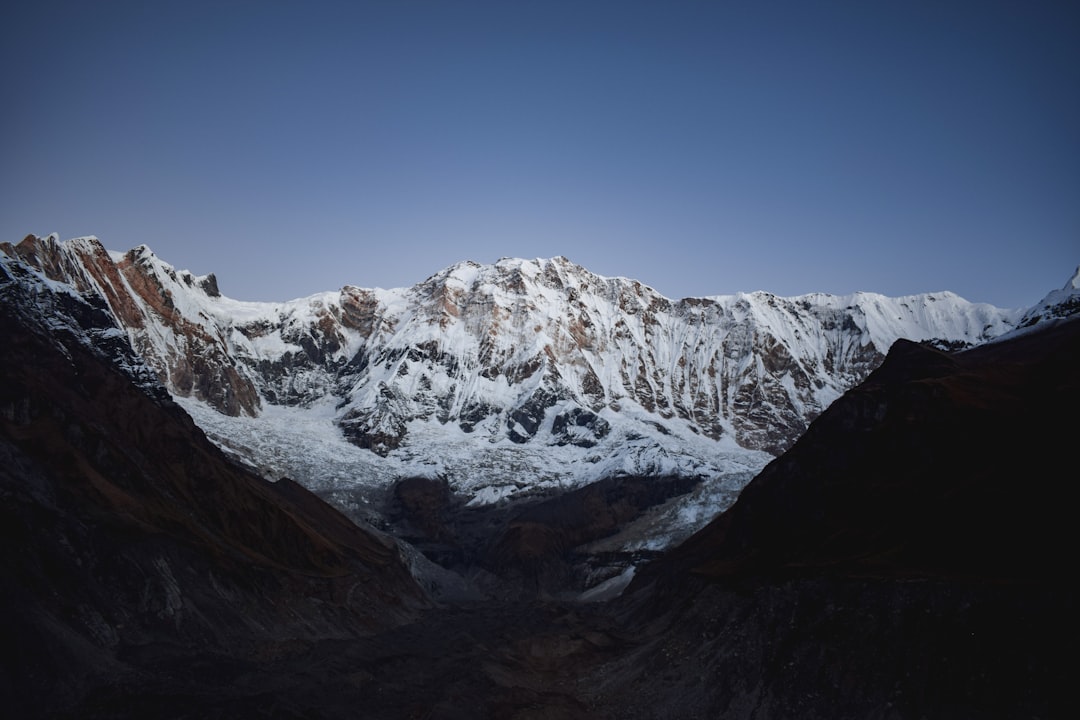
In autumn (October–November) and spring (March–May), the pass carries snow for only a few weeks. Winter snow—especially January snow—can accumulate to 2 meters or more on the pass itself, making it impassable for unroped trekkers. The trekking companies and lodge operators know this: many close lodges along the upper circuit from December through February, and trails above Manang thin out dramatically. If you trek in winter, you will walk alone. That solitude draws some travelers and deters most others.
The early part of the circuit—Besisahar to Manang, roughly the first half—stays negotiable throughout winter. Lodges remain open, trails are walked, and you will meet other trekkers. The pass and the high section beyond it are the gamble. Coming from the south (the standard approach), you reach Manang around day 8–10, and that is where you must make a real decision: wait for a weather window to attempt Thorong La, or descend and end the trek incomplete.
Thorong La opens for a few days or weeks during winter when high pressure systems bring clear, cold weather and winds that slow snow accumulation. These windows rarely last more than 5–7 days. The Manang lodges maintain a forecast board and group trekkers to move together when conditions allow. If you miss a window, the next one may not come for weeks. There is no safety net here—no cable car, no bypass route, no helicopter pickup if you are caught above 4,500 meters in a storm. You either acclimatize, wait correctly, and move decisively, or you pack out via Manang.
Daily Costs, Lodging, and What Winter Expenses Really Look Like
A winter Annapurna Circuit trek costs roughly 600–1,200 NPR per night (approximately USD 4.50–9 at late-2025 rates) for a teahouse bed and basic meals. Higher in Manang and at the pass-side lodges—those charge 800–1,500 NPR—because altitude, isolation, and shorter seasons lift prices. Hiring a porter costs 1,500–2,500 NPR daily, less common in winter because fewer trekkers come and fewer porters are working.
In winter, closed lodges mean gaps. Between some villages, your only option is to continue to the next inhabited stop or turn back. The upper lodges that remain open are not always on the main trail—some are owned by families who live year-round in the mountains and cater to the occasional trekker. These lodges offer dhal bhat (rice and lentils), tea, and shelter, but do not expect hot showers or reliable heating. Rooms stay above freezing because burning yak dung in a central stove warms the common area. You sleep in a wool blanket or your own sleeping bag, and temperatures in the room drop to just above zero.
Permit costs are stable year-round: ACAP runs roughly 2,000–3,500 NPR, and TIMS costs around 2,000 NPR, totaling less than USD 50. Do not save money on them—Nepali police check at multiple points, and trekking without a TIMS card brings fines.
The Walking Days: What Winter Trekking Actually Feels Like
The circuit divides into three sections. The first—Besisahar to Manang—is 70 kilometers and takes 8–10 days. You climb gradually through rhododendron forests, small villages, and increasingly high ridges. In winter, these trails are dry and well-trodden. You will meet other trekkers here, though fewer than in October. Days are crisp, mornings are cold (near freezing at higher lodges), and midday sun is fierce at altitude. By the time you reach Manang, you have acclimatized to about 3,500 meters, and you have seen the landscape: pine forests giving way to sparse scrub, views of the Annapurna range widening as you climb.
The second section—Manang to Thorong Phedi—is 40 kilometers over 3–4 days, and this is where winter changes the experience. The trail is less walked, some lodges are closed, and you will almost certainly trek with other winter trekkers (groups usually form to share information and safety margins). Accommodation is sparse: you sleep at Tanken (3,600 meters), Yak Kharka (4,100 meters), and finally Thorong Phedi (4,450 meters). The lodges here are basic and unheated except for the common room. The air thins noticeably. Some trekkers feel mild altitude effects here—headaches, labored breathing, sleep disruption.
The third section is Thorong La itself: 6 kilometers, 1,000 meters of vertical gain, starting at 04:00 or 05:00 to avoid afternoon wind and clouds. In winter, many trekkers do not make this push—either the pass is closed or they decide the risk is too high. Those who go move in groups when a weather window opens, climbing in the dark with headlamps, reaching the pass around 10:00 or 11:00, and descending to Muktinath (3,800 meters) by early afternoon. The pass itself is a col with prayer flags and a stone shelter. On a clear day, the view spans the Tibetan plateau to the north and the Annapurna and Dhaulagiri ranges to the south. On a winter day with cloud or snow, visibility is 20 meters and the walk becomes a navigation exercise with real hazard.
If you descend via Muktinath, you have completed the most demanding day. The descent takes a full day to lower lodges. From there, the circuit continues south and east, looping back to Pokhara over 4–5 days through Jomsom, Marpha, Tukuche, Tatopani, and finally Nayapul. By late March or April, this lower section is warm and the valleys are greening. By January, these lower elevations are cold but usually snow-free.
Practical Packing for a Winter Circuit Trek
Winter packing is more technical than autumn trekking. You need thermal base layers (merino wool or synthetic), a mid-weight insulating fleece, and a waterproof outer shell. Bring gloves, a wool hat that covers your ears, and a balaclava for exposed ridges. Sunscreen and sunglasses are not optional—sun reflects hard off snow and the glare at altitude can burn your eyes in hours. A sleeping bag rated for -10 degrees Celsius is reasonable for the high camps; most teahouses provide blankets, but in winter these do not suffice above 4,000 meters.
Water freezes at night in the upper lodges. Fill your bottle at dinner and keep it inside your sleeping bag. Trekking poles help on icy patches and reduce strain on knees during descent. Crampons or microspikes are not usually necessary on the main trek route—the trails are worn enough that ice is rare—but if snow has fallen recently, they become valuable above Manang.
Bring medications for altitude: acetazolamide (Diamox) helps some trekkers acclimatize faster, but it is a prescription drug and requires advance planning. Ibuprofen, paracetamol, and anti-nausea medication address common high-altitude symptoms. Pack blister treatment, antibiotic cream, and any personal medications you rely on—pharmacies in Manang are basic.
Acute mountain sickness (AMS) affects roughly one-third of trekkers at high altitude, and winter does not spare you. Symptoms are headache, nausea, fatigue, and difficulty sleeping. These are signs your body is struggling to absorb oxygen. The only treatment that reliably works is descent: go down 500 meters and wait a day. Serious AMS (high altitude cerebral edema or HACE) causes confusion, loss of coordination, and can be fatal. Do not trek alone. Do not ignore worsening symptoms. If you feel very ill above Manang, the only safe choice is to descend immediately, even if it means leaving the circuit incomplete.
Getting to the Trailhead and Back
Most Annapurna Circuit treks start at Besisahar or Nayapul (if you reverse the loop). To reach Besisahar from Kathmandu, take a bus from the central bus station (Kathmandu Bus Park) toward Pokhara and get off in Besisahar—roughly 180 kilometers, 5–7 hours, costing 400–600 NPR. From Pokhara, Besisahar is 60 kilometers away via the same route, 2–3 hours, about 200 NPR. Buses run throughout the day but are crowded, slow, and uncomfortable; hiring a car and driver from Pokhara costs 3,000–5,000 NPR for the round trip and is faster and more comfortable if you are traveling with a group.
Flights connect Kathmandu and Pokhara (30 minutes, USD 60–100 one-way) several times daily. From Pokhara, the trek to Nayapul takes a short jeep ride (1 hour, 500–800 NPR), and Nayapul is where trekkers usually finish—a small village with basic lodges and onward buses to Pokhara.
Best Days to Trek in Winter and What the Forecast Really Tells You
Mid-January through February usually brings the most stable weather windows, when high-pressure systems move into South Asia and hold for a week or two. December can be clear but is less predictable. January and February nights are colder but skies are often cloudless. March brings increasing cloud and occasional rain at lower elevations, though the pass can still open for brief periods.
Check forecasts from Weather Underground or the Nepali Meteorology Department before you leave Kathmandu. Once you reach Manang, the lodge keepers have satellite data and speak to other trekkers moving through—their on-the-ground assessment is more reliable than any app. If five groups ahead of you waited three weeks for a pass opening, the conditions are genuinely difficult. If two groups crossed yesterday and weather is holding stable, the window is real.
Quick Tips for Making Winter Work
Start early in the day to maximize daylight and minimize time on exposed ridges as afternoon clouds roll in. Walk with other trekkers—solo trekking at high altitude in winter carries risk that outweighs any romance of solitude. Acclimatize properly: spend an extra night in Manang (3,500 meters) and another at Yak Kharka (4,100 meters) before pushing to Thorong Phedi. Drink water obsessively—dehydration worsens altitude effects. Eat regular meals, even if you lack appetite; your body needs fuel at altitude. Wake early on your pass day; cloud moves in by afternoon and visibility can drop to zero. Bring cash in small denominations (NPR only accepted in rural teahouses). Download offline maps of the trek onto your phone; mobile coverage above Manang is sporadic.
If the pass does not open after two weeks of waiting in Manang, accept it. Completing the circuit is not worth forcing a closed pass. Descend to Pokhara, you have still seen extraordinary landscape and stayed in mountain villages few foreigners visit.
A winter Annapurna Circuit trek is logistically intricate: permits, porter hiring, pass forecasting, and knowing which lodges are truly open all require on-the-ground knowledge that changes weekly. Let a Cordelie advisor craft an itinerary matched to actual weather conditions and ensure your timing aligns with a realistic pass opening. They can coordinate your permit paperwork in Kathmandu, arrange a trusted porter or guide, and handle the adjustments if conditions shift while you are en route—so you focus on the walk, not the logistics.
Last checked for accuracy: . How we check

Priya Raman has spent eleven years testing whether a destination works with a four-year-old, a teenager and a grandparent in the same party. She writes the version of the guide that accounts for nap times and still gets you to the good stuff, and travels from Toronto with a carry-on she can pack in nine minutes.
Related Articles
My Winter in Annapurna Circuit: A Travel Story
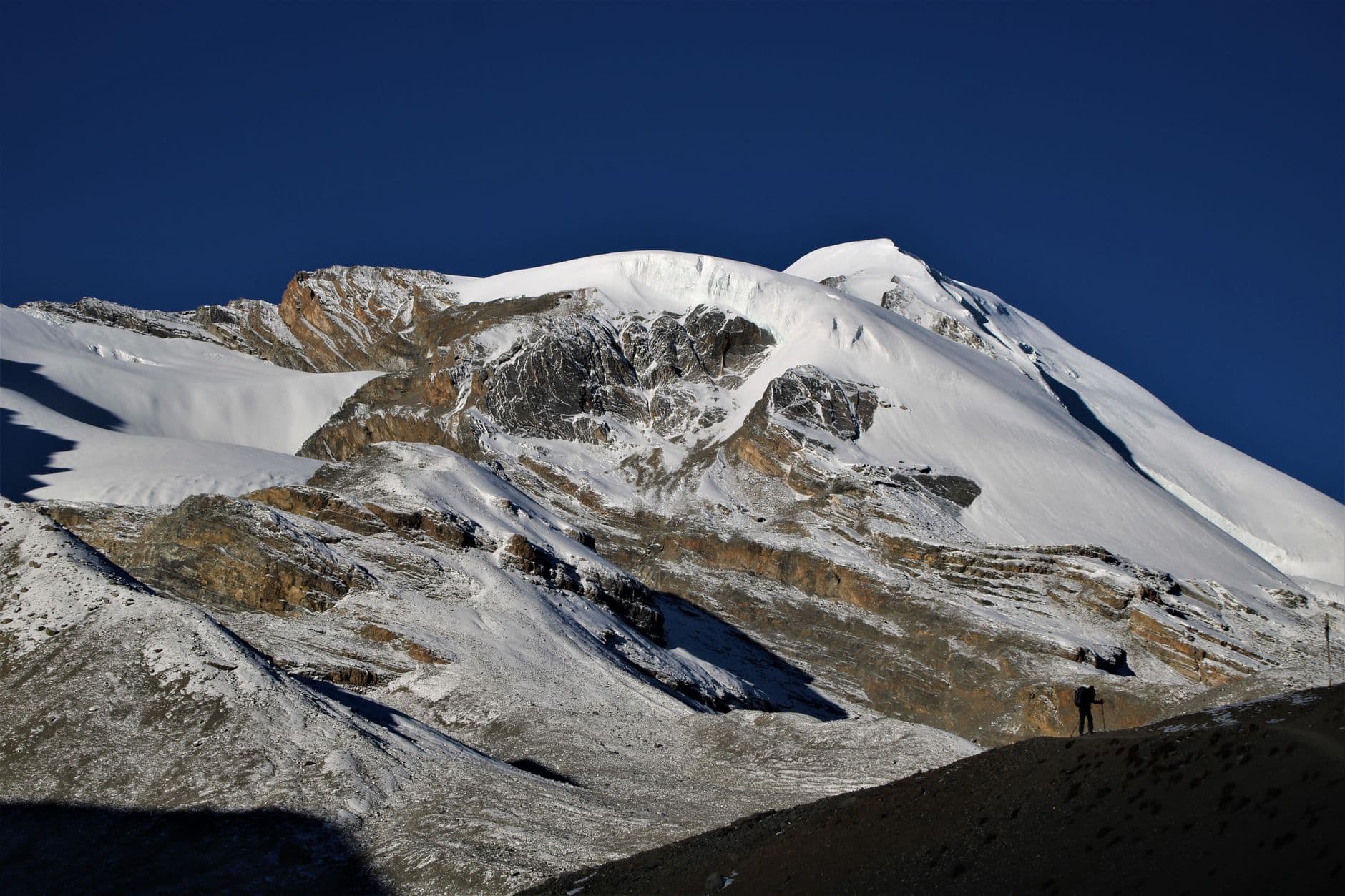
A first-person winter trek up the Annapurna Circuit to Manang and Khangsar, where fresh snow on Thorong La forced a turnaround — and left villages, and dal bhat, all to myself.
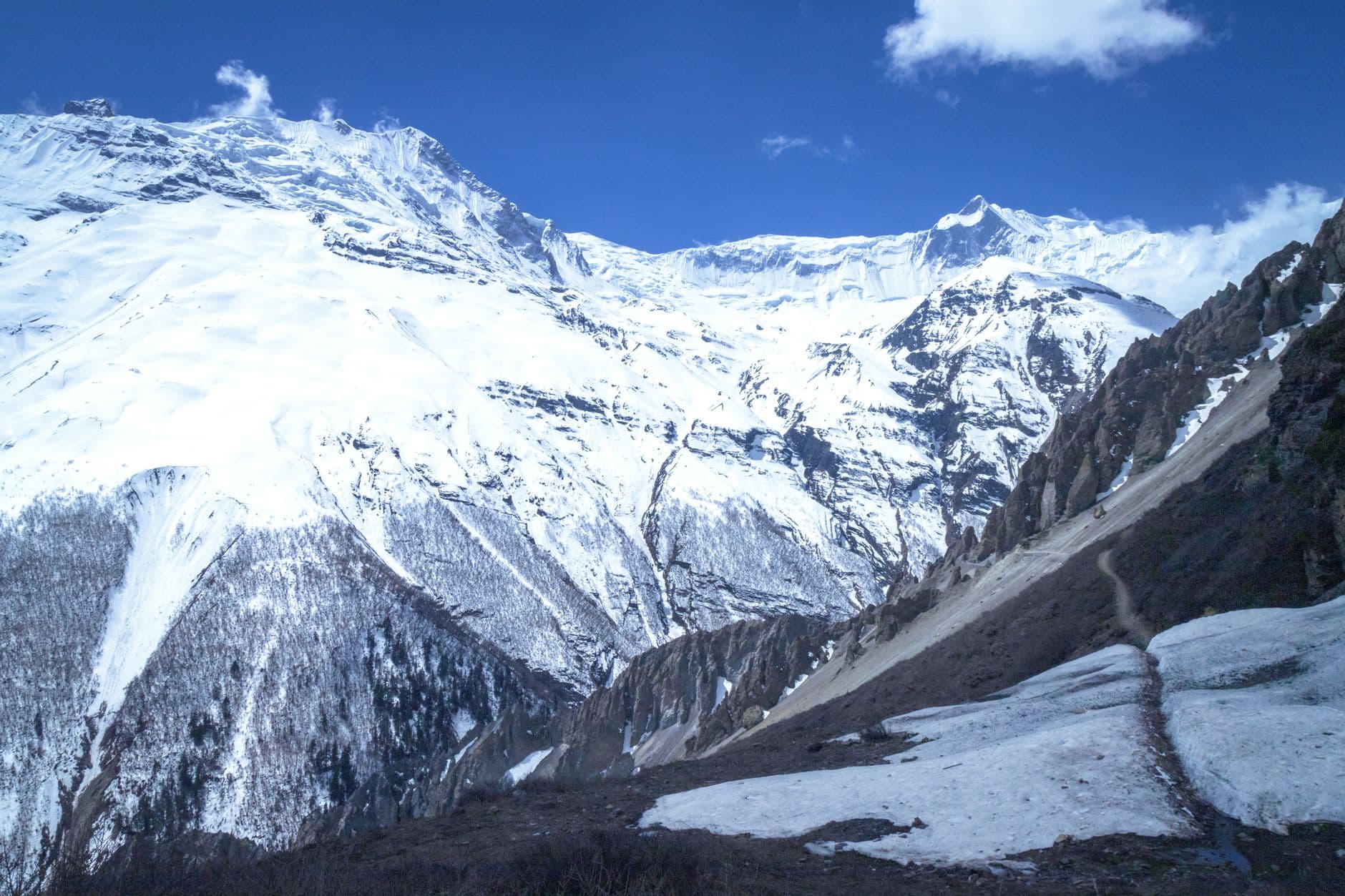
The Best Things to Do in Annapurna Circuit
Poon Hill at dawn, Muktinath's eternal flame, Marpha's apple brandy: a ranked, winter-honest guide to the Annapurna Circuit's best stops and which ones to save for spring.

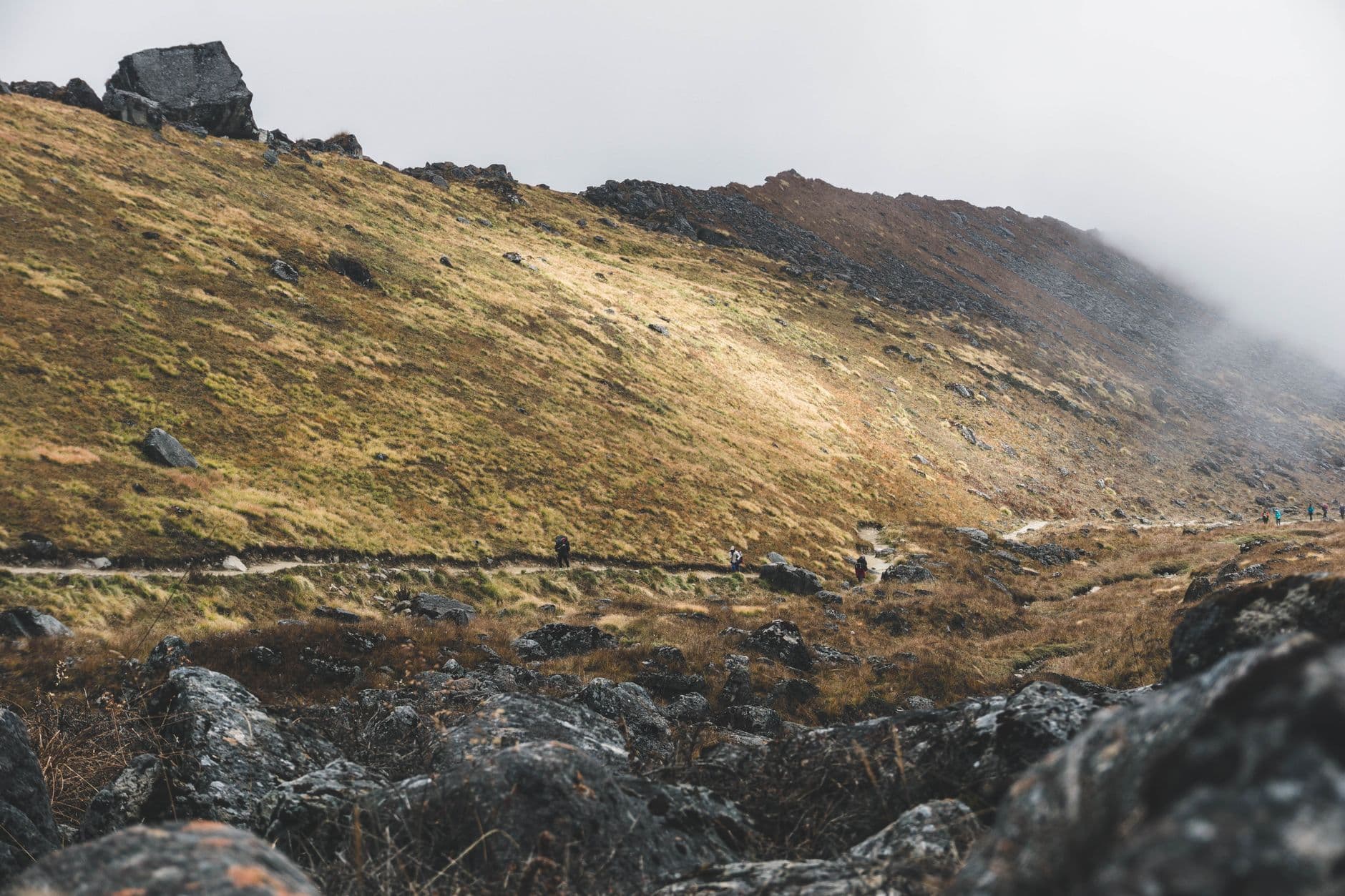
The Annapurna Circuit: A Trekker's Guide to Nepal's Ultimate Himalayan Adventure
From subtropical rice terraces to the 5,416m Thorong La pass, the Annapurna Circuit delivers Nepal's most varied teahouse trek. Here's how to plan the crossing right, season by season.