
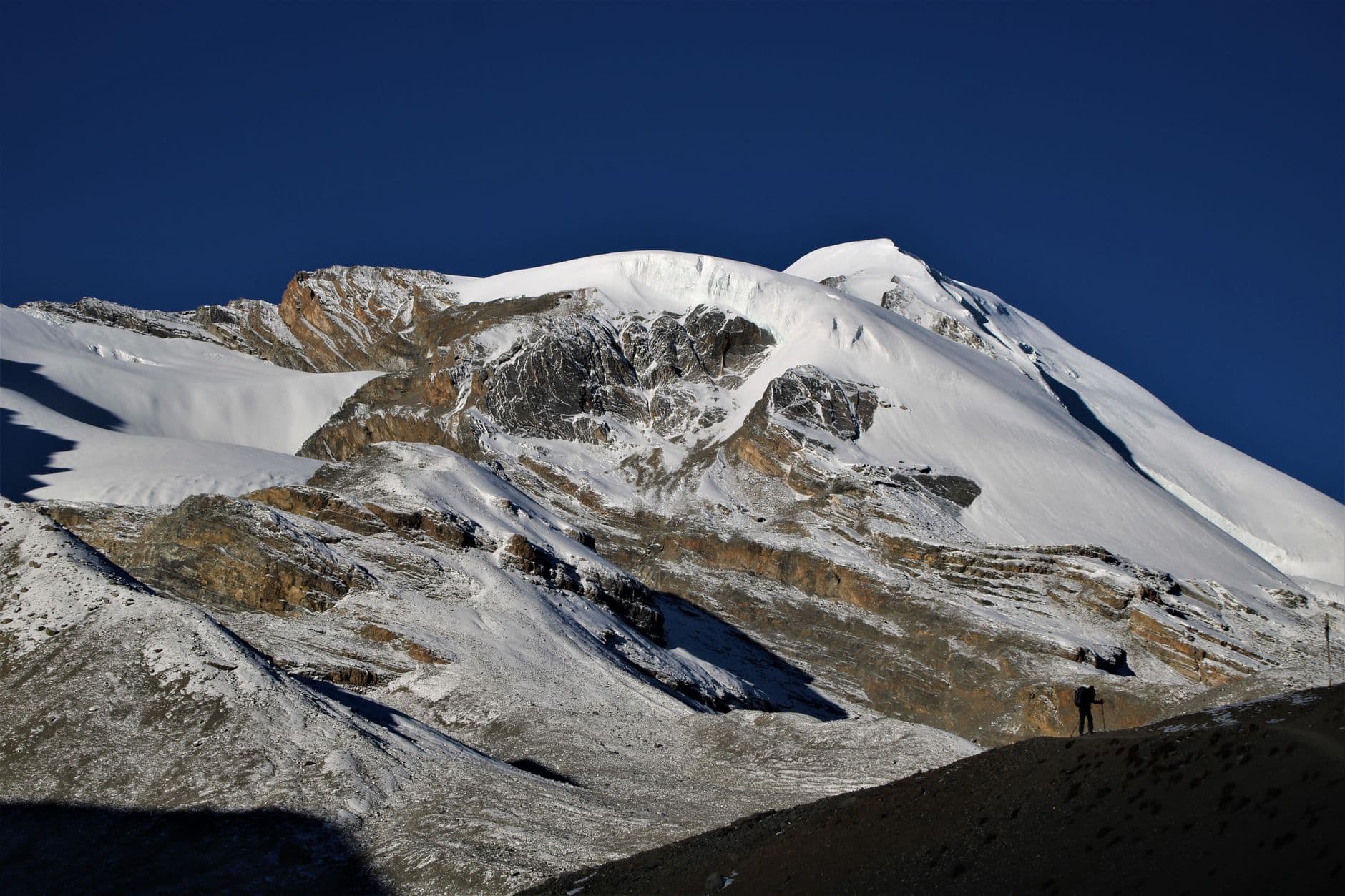
My Winter in Annapurna Circuit: A Travel Story
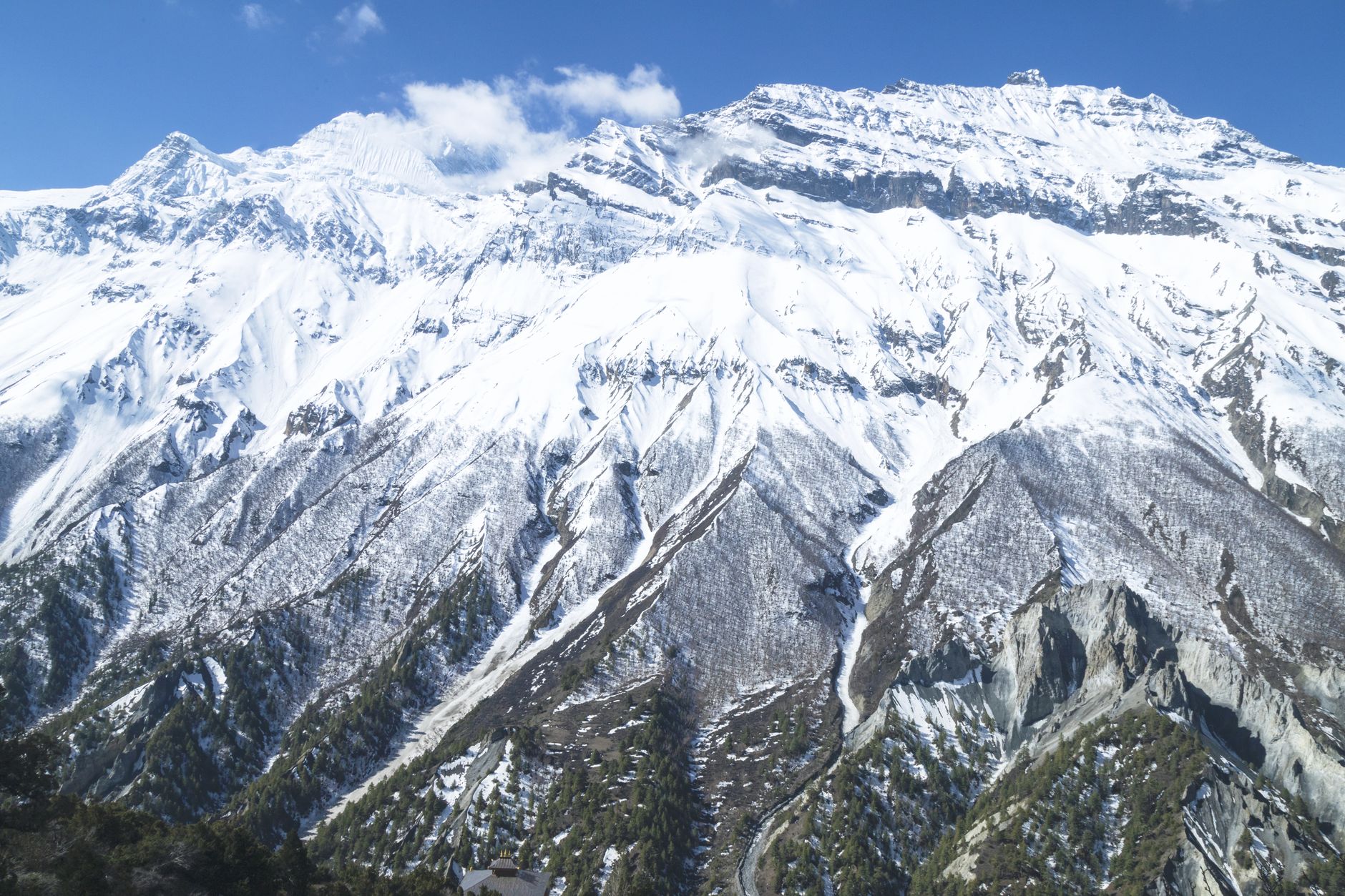
Snowbound on the Annapurna Circuit: Why I Turned Back Below Thorong La
The jeep dropped me at Chamje just after two in the afternoon, tailgate already frosting over, and the driver would not meet my eye when he said he'd see me on the way down. It was late December, the trail was mine and almost nobody else's, and the Marsyangdi River below the road was running low and clear over grey stones. I had come to walk the Annapurna Circuit in winter knowing full well I might not get over Thorong La at 5,416 metres. I came anyway, because the version of this trek that nobody writes about — the empty teahouses, the smoke curling from stone chimneys in Pisang, the long silences above Manang — felt worth more to me than a stamp on a pass.
“Above 3,500 metres in January, the mountain doesn't care how many days you've booked off work. It tells you when to stop.”
Five Days from Besisahar's Jeep Stand to the Snowline Above Manang
Kathmandu to Chamje by jeep, and the last warm room I'd see for a while
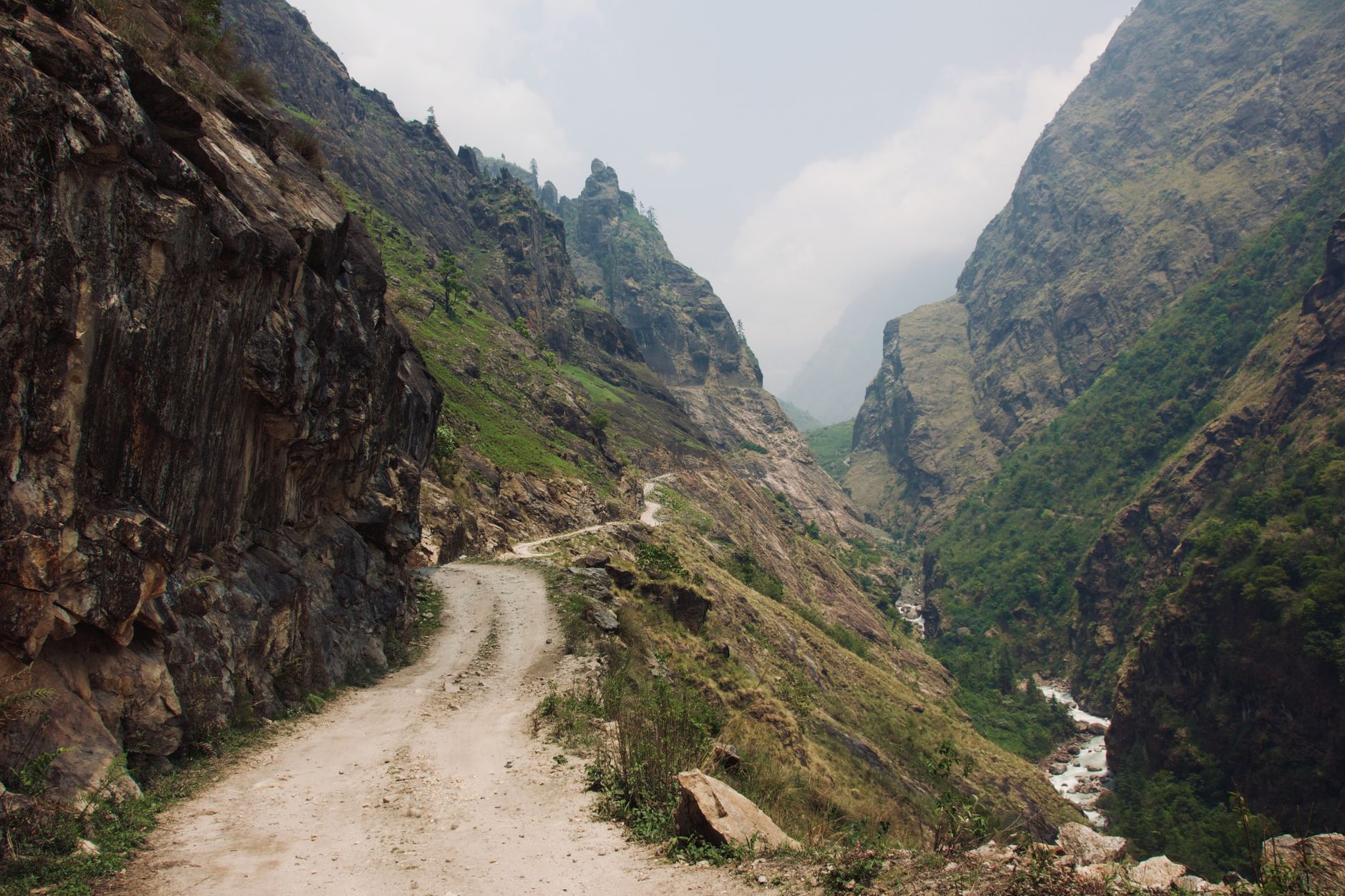
A private jeep from Thamel to Besisahar covers roughly 195 km and took just under seven hours, most of it on the newly paved Prithvi Highway before the road roughens past Besisahar's bus park. From there the route climbs and narrows fast, and in winter the jeep track can be icy above Jagat, so I paid the extra 1,500-2,000 NPR (about USD 11-14) to continue to Chamje rather than start walking from Besisahar itself.
Chamje sits in a gorge at around 1,410 metres, and by the time I arrived the sun had already dropped behind the ridge. The teahouse I chose, one of maybe three still open, charged NPR 300 for the room — effectively free, since the real cost is the evening dal bhat at NPR 450-500. I slept under two blankets and a sleeping bag liner and still woke once to check my fingers still worked.
Chamje to Chame, through Dharapani's mani walls and Timang's apple orchards
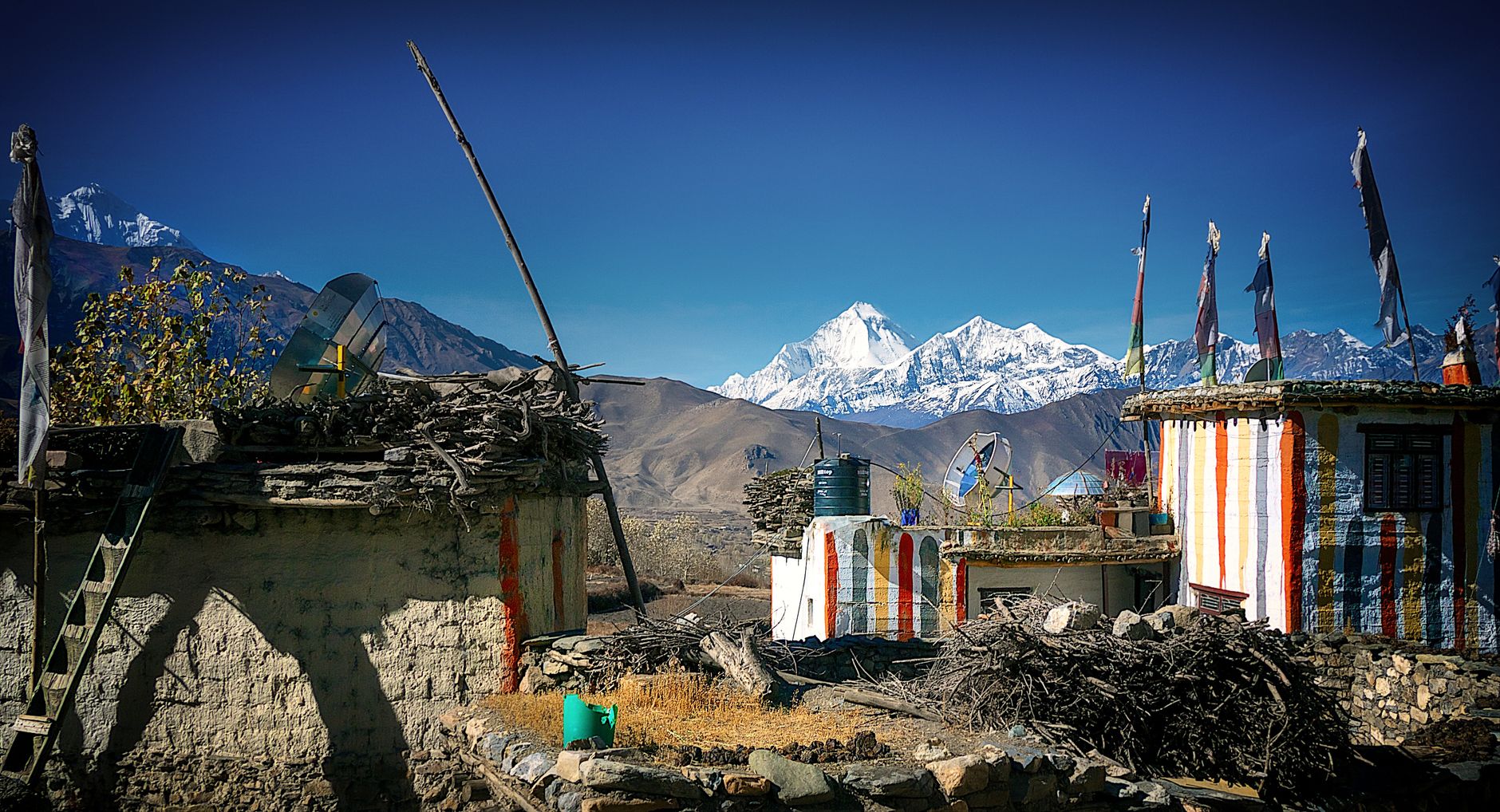
The trail out of Chamje climbs steeply for about an hour before flattening into forest, and the roughly 16 km to Chame took just under six hours with stops. Dharapani, at 1,860 metres, marks the entrance to the upper Manang valley and its architecture shifts almost overnight — flat Tibetan-style roofs, long mani walls, prayer flags gone stiff with frost.
Chame itself, the district headquarters at 2,710 metres, was the first place I'd seen a proper hot shower sign since Kathmandu — NPR 200 extra, worth every rupee after a day that ended with snow squeaking underfoot. I ate momos here that were better than any I'd had in the capital, filled with local yak meat and served with a fierce sesame-chili achar.
Chame to Pisang, and the first full view of Annapurna II
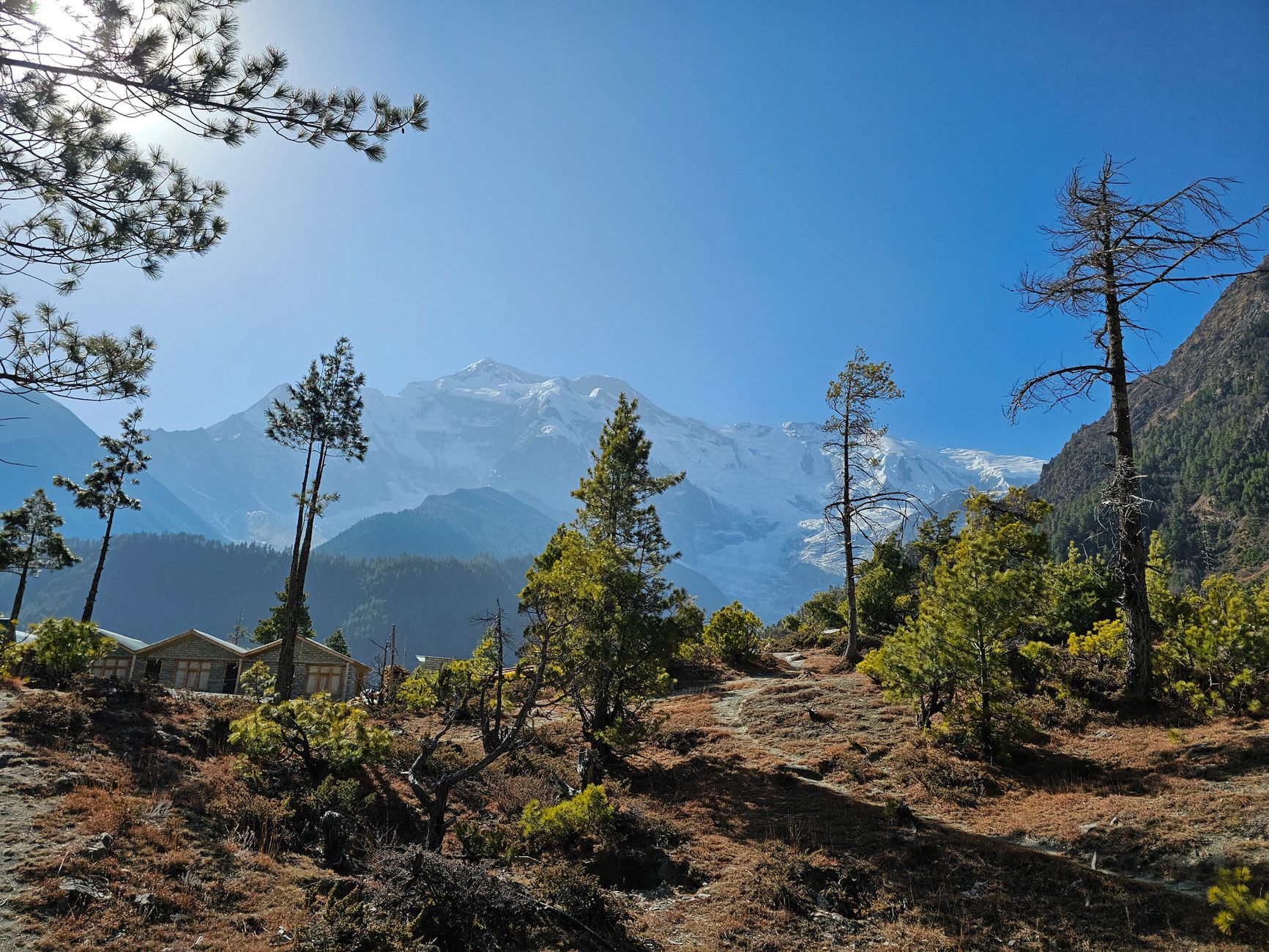
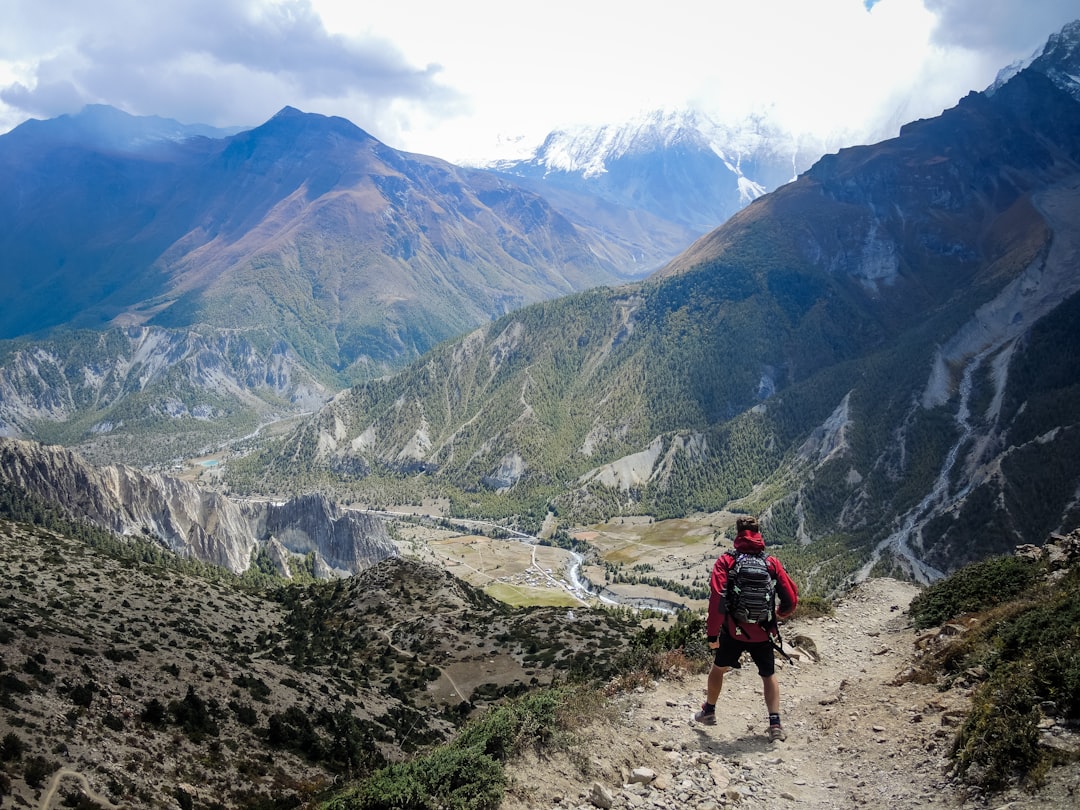
This stage runs about 15 km and gains real altitude, from 2,710 to roughly 3,200 metres at Upper Pisang, so I broke it into a slow six-and-a-half-hour day rather than push through. The trail crosses a striking rock formation called Paungda Danda, a curved granite wall the locals say souls circle after death, and then opens suddenly onto Annapurna II — 7,937 metres, filling the whole northern sky.
I stayed in Upper Pisang rather than the lower village, paying NPR 300 for the room and eating a Tibetan bread breakfast the next morning that cost about NPR 250. The teahouse owner, a woman who'd run the place for over a decade, told me only four other guests had passed through in the previous ten days.
Pisang to Manang, and an acclimatization day at Gangapurna Lake
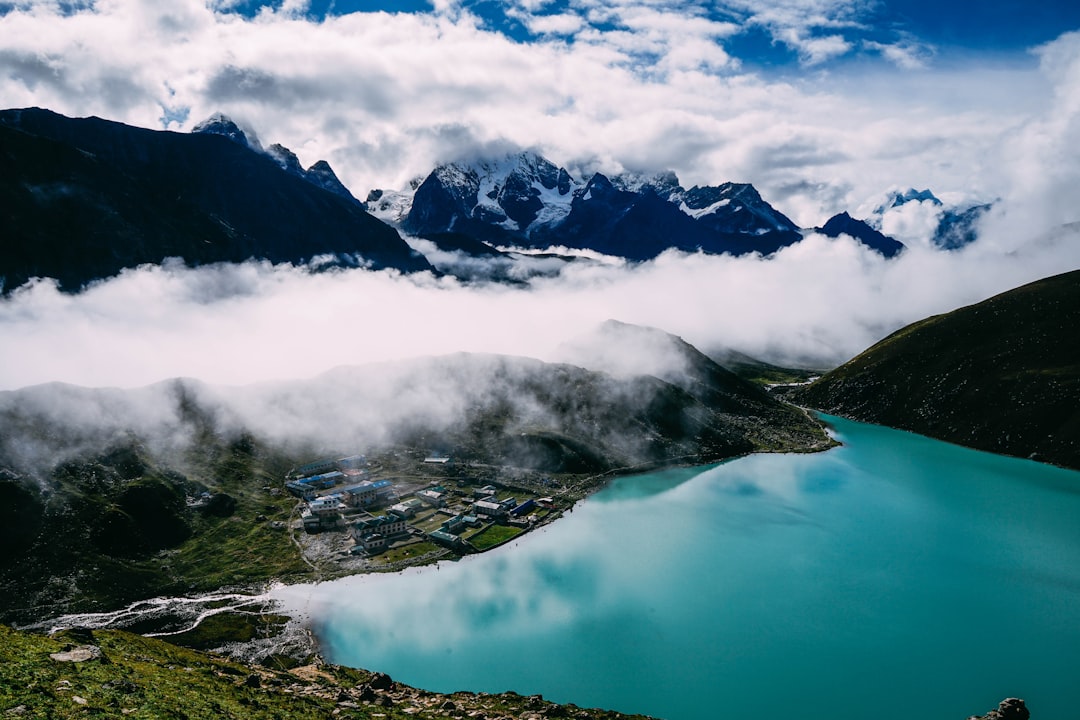
The high route from Pisang to Manang via Ghyaru and Ngawal adds distance but stays above the valley floor with near-constant views; it's closer to 18 km and took me a full seven hours with the extra ascent to Ghyaru at 3,730 metres. Manang itself, at 3,540 metres, is the circuit's traditional acclimatization stop, and even in winter a handful of lodges stay open through the coldest months for the trickle of trekkers, climbers headed to Chulu peaks, and the odd research team.
I spent a full rest day walking out to Gangapurna Lake, a turquoise glacial pool fed directly by the Gangapurna glacier, about 45 minutes each way from the village centre. The Manang bakery — the one everyone mentions, with the wood stove and the paperback exchange shelf — was doing a brisk trade in apple pie at NPR 350 a slice, which felt like the single best value of the entire trip.
Manang to Khangsar and the Tilicho viewpoint, then the decision to turn back
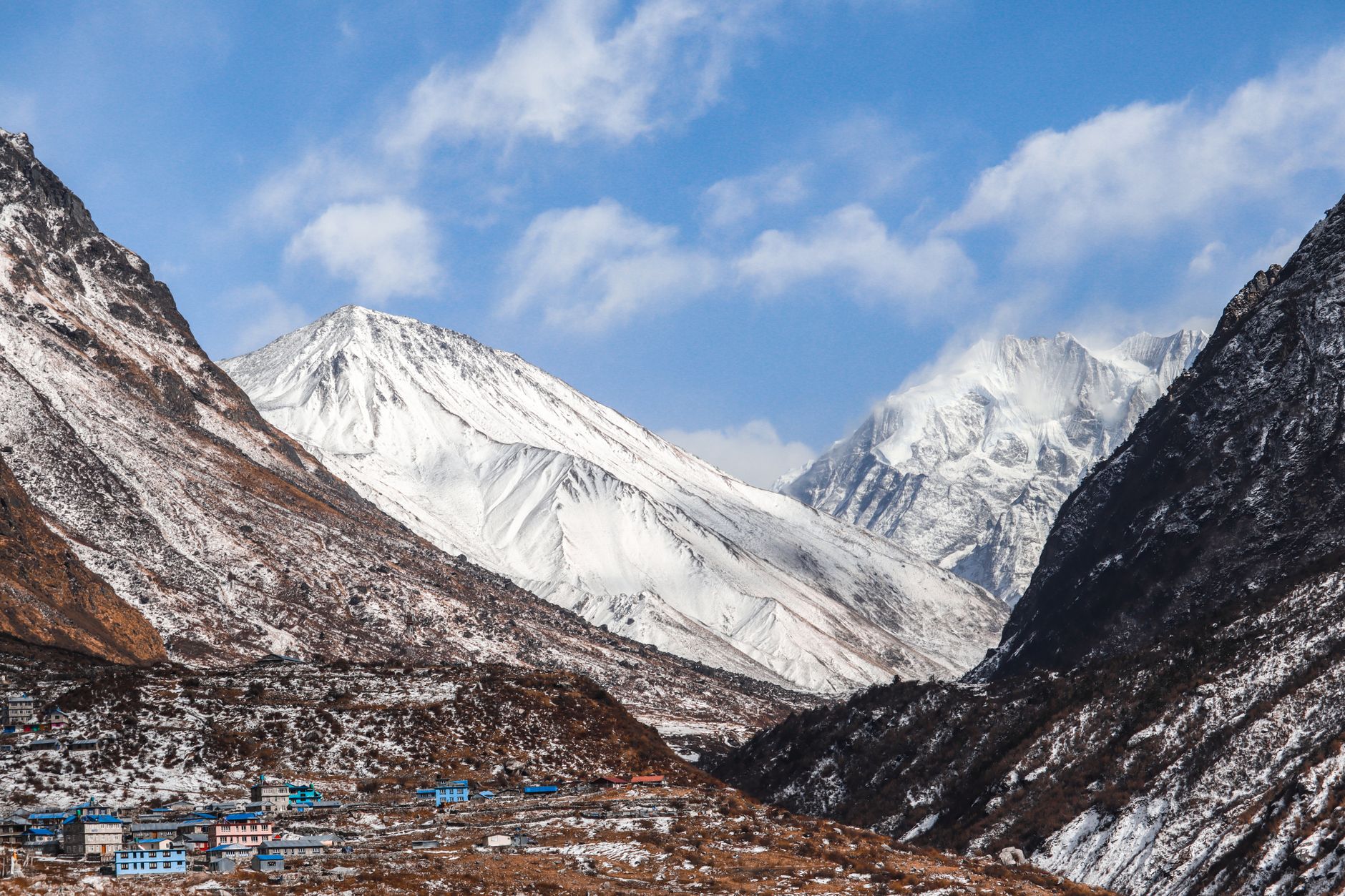
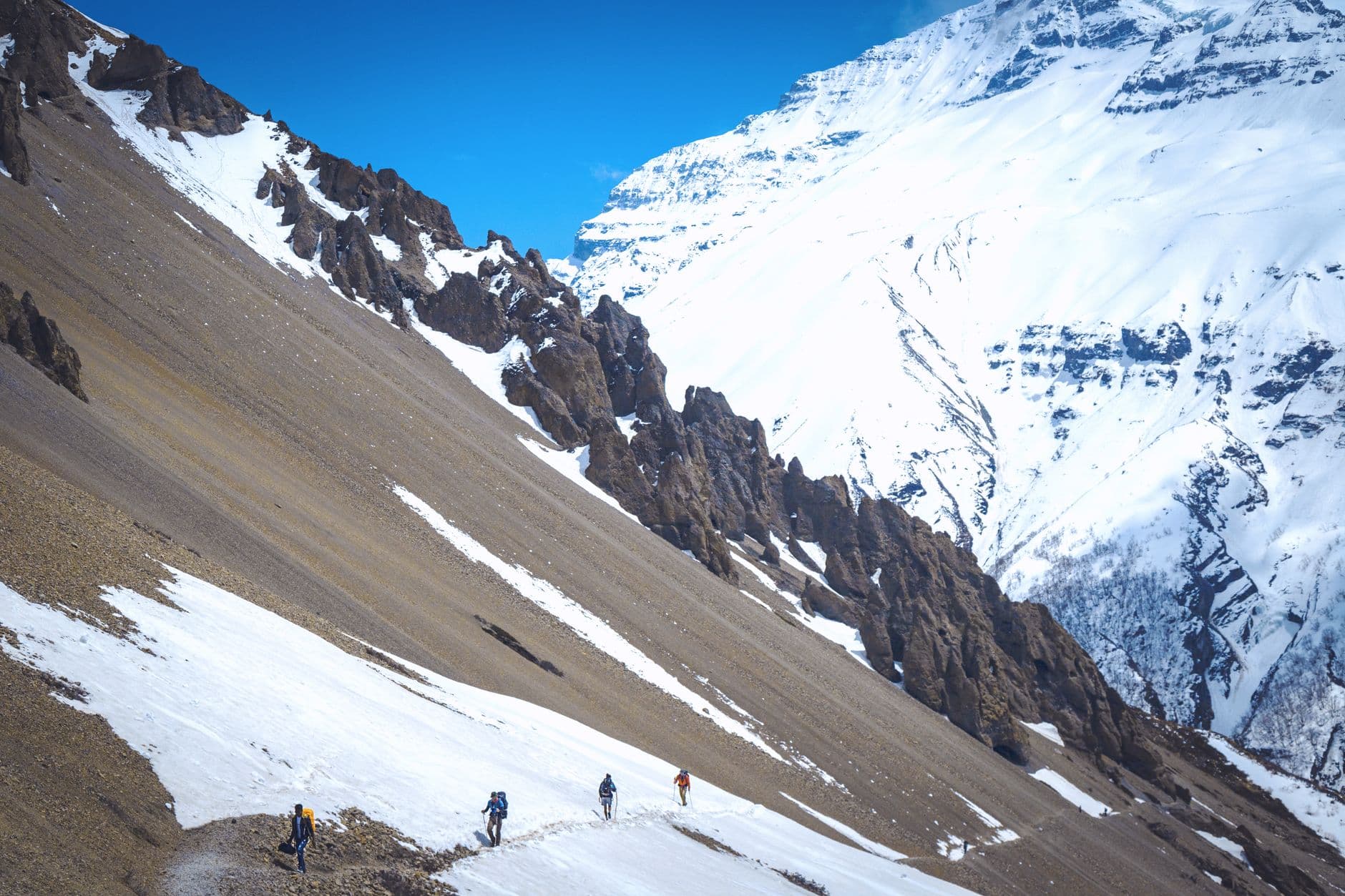
From Manang I walked the short 6 km up to Khangsar at 3,734 metres, intending to push toward the Tilicho Lake trail and then decide about Thorong La from there. Fresh snow had fallen two nights running, and the lodge owner in Khangsar — who was already closing up for the season — told me the pass had seen roughly 40-50 cm in the past week alone, with no porters or guides currently willing to attempt the crossing to Muktinath.
I sat with that for an afternoon, drinking sweet milk tea and watching cloud move over the Grand Barrier, and turned around the next morning. It wasn't the outcome I'd planned, but the circuit doesn't punish you for reading it correctly. I retraced the route to Besisahar over three days rather than five, and flew from Pokhara back to Kathmandu instead, a 25-minute domestic hop that cost about USD 100-120 in December.
Winter on the trail: five days between Besisahar and the snowline
Cordelie travel advisors
Planning Annapurna Circuit? Go with someone who knows
The right suite, the right season, the reservations that never appear online — your Cordelie advisor knows them, and holds them for you.
Plan with a Cordelie advisorFree to ask. Cordelie Travel Services · IATA/ARC 06649064
Empty Teahouses and the Sound of Snow Falling on Pisang
The thing nobody tells you about winter on the Annapurna Circuit is how loud the quiet gets. In the busier autumn months, Pisang and Manang run on the low hum of two hundred trekkers a day filling every teahouse dining room. In December, I had entire villages to myself, and the sound of snow settling on a tin roof at 2 a.m. is genuinely startling the first time you hear it. That silence let in details I'd have missed otherwise: the particular blue of the Marsyangdi where it runs over limestone near Tal, the way woodsmoke sits flat in the cold air over Chame rather than rising, an elderly man in Ngawal re-painting the eyes on a chorten with a brush no wider than a matchstick.
The standout moment, though, was less a sight than a conversation. In Khangsar, the last lodge owner still operating told me she'd trekked the pass herself eleven times as a young woman carrying supplies, before the road came and before most tourists arrived at all. She didn't romanticize any of it. Winter, she said, is when the mountain does the deciding, and the trick to a good trip is not fighting that. I've carried that line down every trail since.
Dal Bhat, Yak Cheese, and the Bakery That Kept Me Walking
Food on the circuit is simpler in winter, partly because fewer villages have fresh vegetables trucked in and partly because there's less competition among lodges to impress passing trekkers. Dal bhat remained the backbone of every day: lentil soup, rice, a vegetable curry, and usually a second helping offered without asking, running NPR 450-500 at lower elevations and closer to NPR 700-900 once you're above Pisang, where everything has to be carried in by mule or on someone's back.
The genuine discoveries were smaller. Chame's momos, made with local yak meat and a sesame-chili achar I never managed to replicate at home, were the best I ate anywhere in Nepal that winter. Manang's bakery — a wood-stove institution every trekker mentions for good reason — turned out apple pie at NPR 350 a slice that tasted like it belonged in a mountain lodge in the Alps rather than at 3,540 metres in the Himalaya. And in Khangsar, the last lodge served a bowl of yak cheese soup, thick and slightly sour, that I've thought about more often than I expected to.
Winter transforms this trek into something closer to a private mountain retreat than a group circuit, but the season also closes doors that only local judgment can read correctly — which lodges are staying open, which side trails are safe, and when a shortened loop delivers more than a stalled attempt at Thorong La.
A Cordelie advisor can build a winter Annapurna itinerary around what actually stays accessible in December and January — the Manang high route, Tilicho's lower viewpoints, a private jeep timed to the road conditions — paired with a few nights at Pokhara's lakeside properties to recover before you fly home.
Should you attempt the Annapurna Circuit in winter?
Best for experienced, flexible trekkers chasing solitude over a summit stamp
This is not the trip for anyone fixed on crossing Thorong La on a set date; snow can close it for days or weeks at a time between December and February, and going in unguided is not a reasonable risk to take. It is, however, a genuinely rewarding trip for anyone happy to walk as far as Manang or Khangsar, sit with the mountain's schedule rather than their own, and take the silence of an off-season village as the reward rather than the pass itself.
Budget five to seven days for the Besisahar-to-Manang stretch and back, allow for teahouse prices that roughly double above Chame, and build in a spare day or two for weather. Anyone set on completing the full loop should shift their window to late March through May or September through November instead.
Last checked for accuracy: . How we check

Isaac Reid has spent fourteen years on ships and on foot in the places weather still decides. He sailed his first Drake Passage as an expedition assistant and has since made the crossing more than thirty times, between seasons trekking in Nepal and Patagonia. He writes about what these trips actually ask of a traveller — the days that get cancelled, the kit that matters, the difference between a landing and a cruise-by — and thinks the honest version sells them better than the brochure does.
Related Articles
Annapurna Circuit Quick Guide: Everything You Need to Know
Winter trekking on the Annapurna Circuit is possible but demands patience: Thorong La pass closes under snow for weeks, and you must time your arrival in Manang with a weather window and the resolve to turn back if it does not come.

The Best Things to Do in Annapurna Circuit
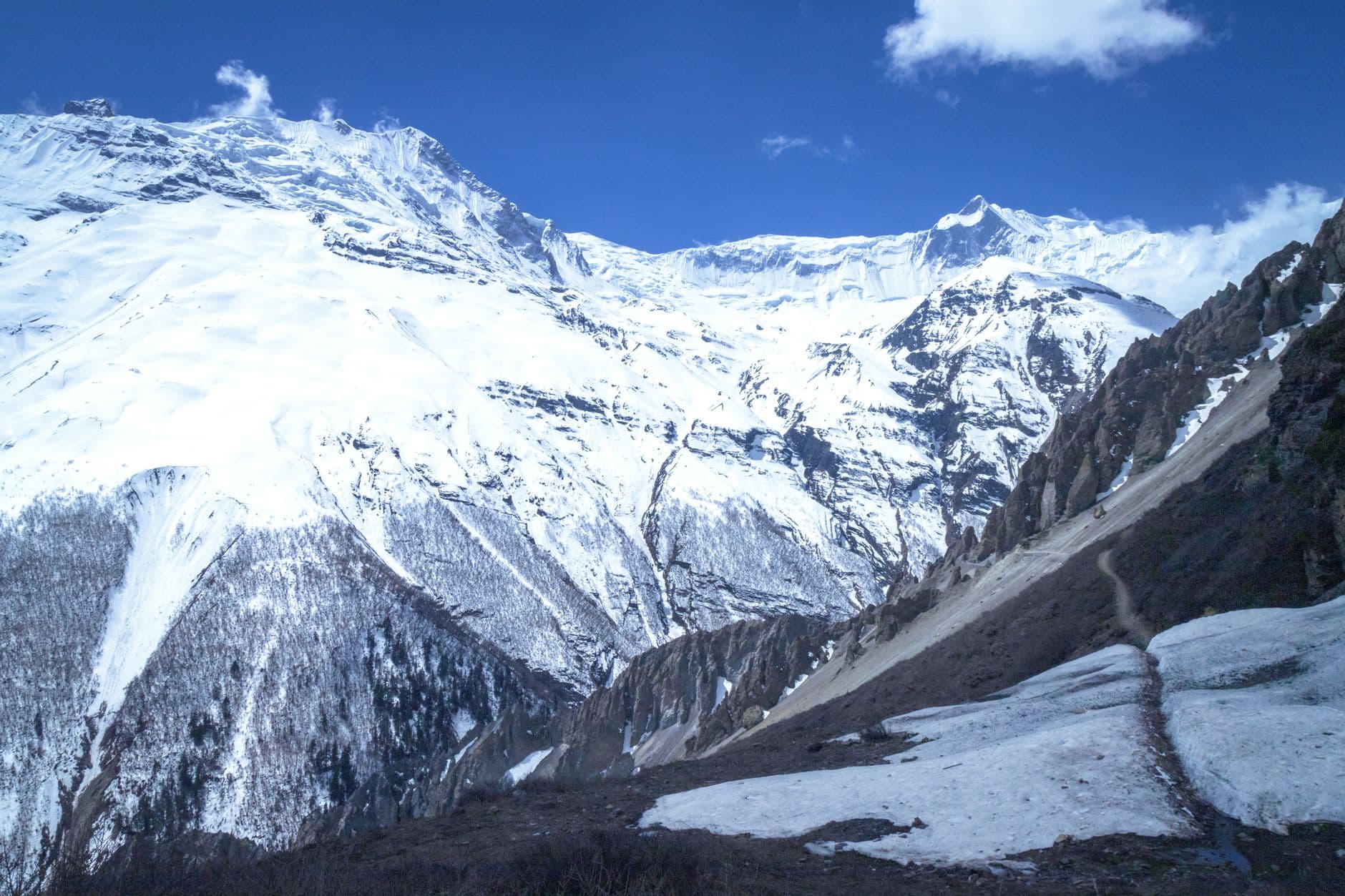
Poon Hill at dawn, Muktinath's eternal flame, Marpha's apple brandy: a ranked, winter-honest guide to the Annapurna Circuit's best stops and which ones to save for spring.

The Annapurna Circuit: A Trekker's Guide to Nepal's Ultimate Himalayan Adventure
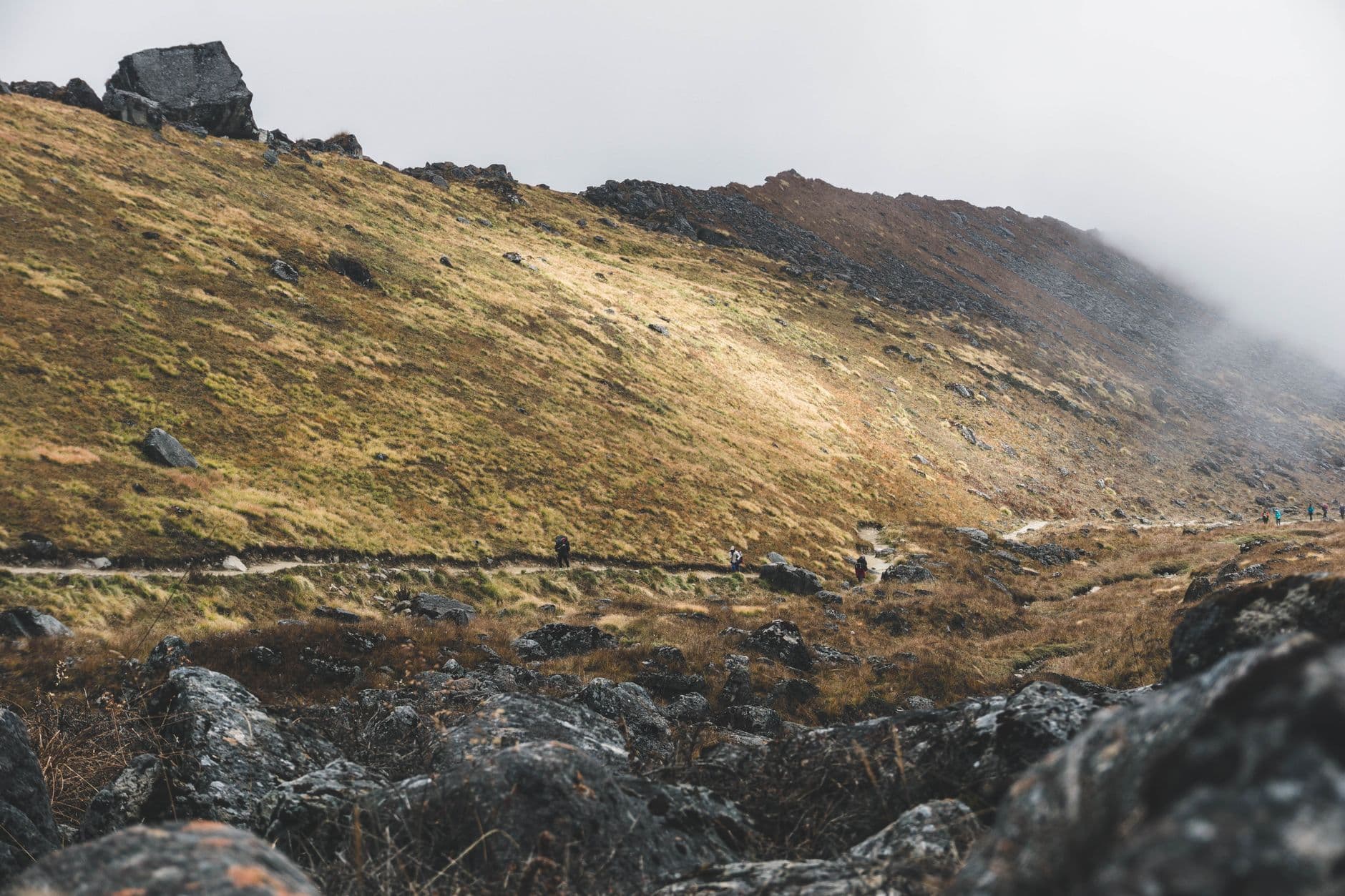
From subtropical rice terraces to the 5,416m Thorong La pass, the Annapurna Circuit delivers Nepal's most varied teahouse trek. Here's how to plan the crossing right, season by season.