
The Annapurna Circuit: A Trekker's Guide to Nepal's Ultimate Himalayan Adventure
Elevation extremes and mountain variety
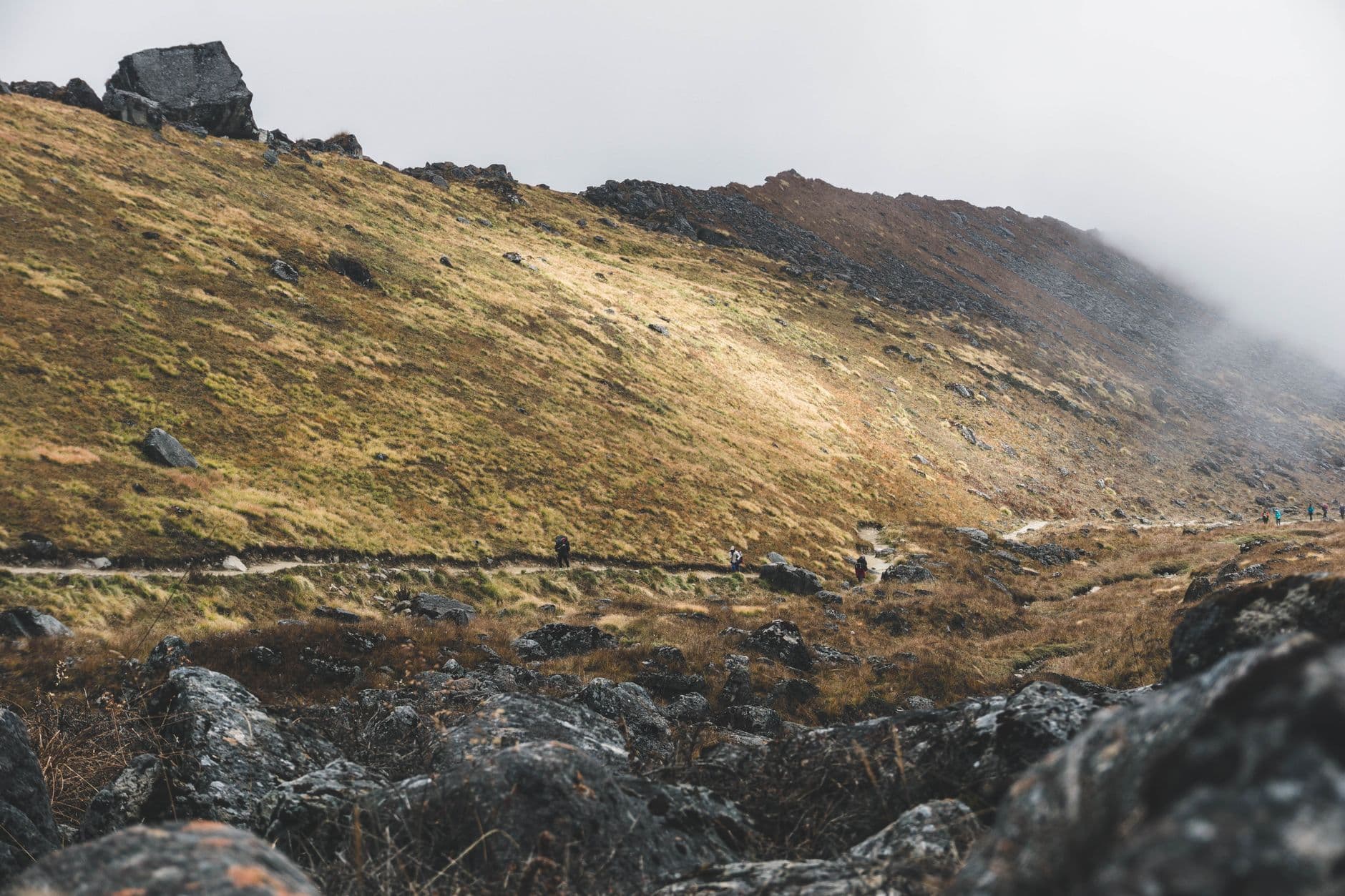
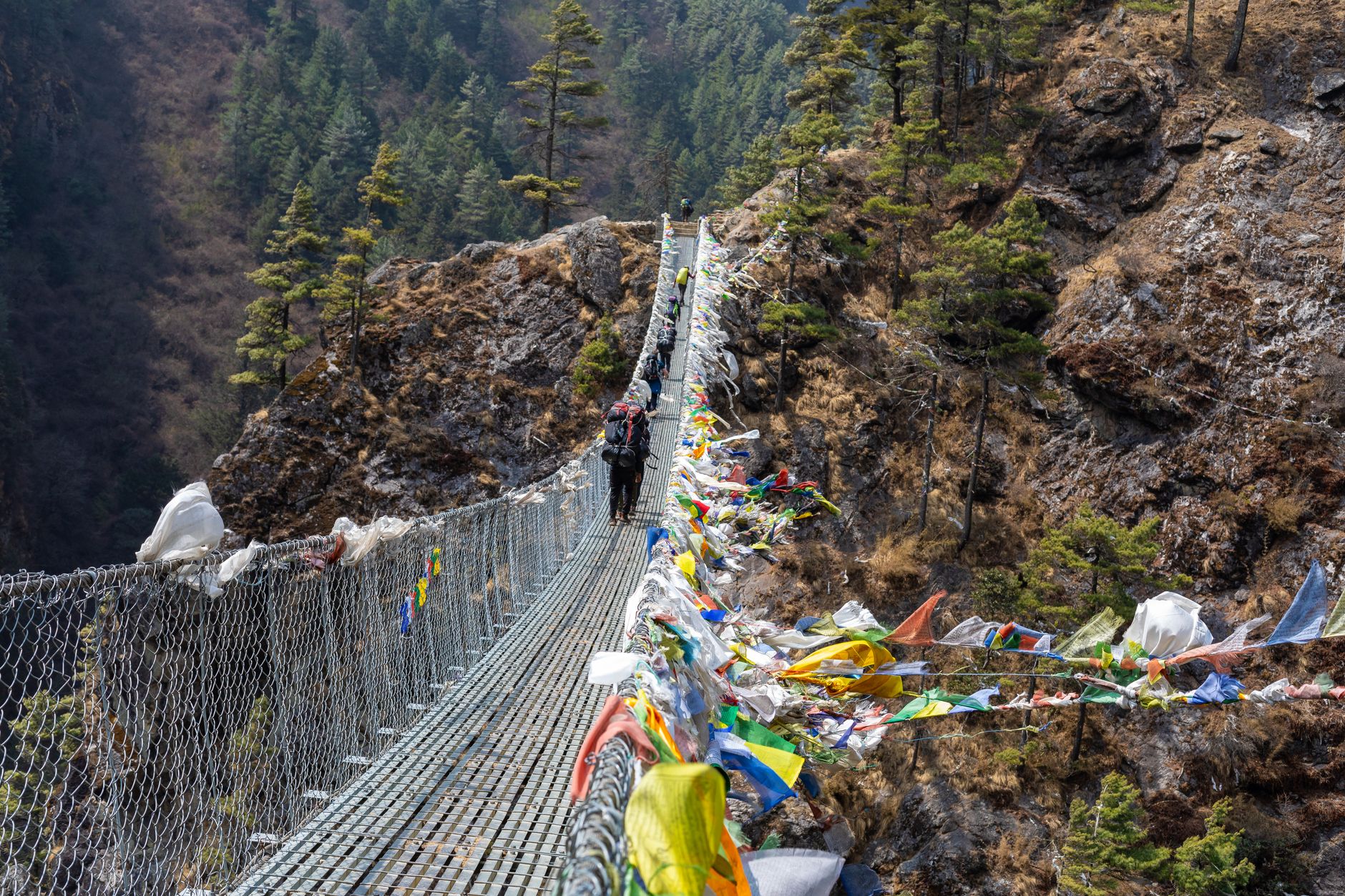
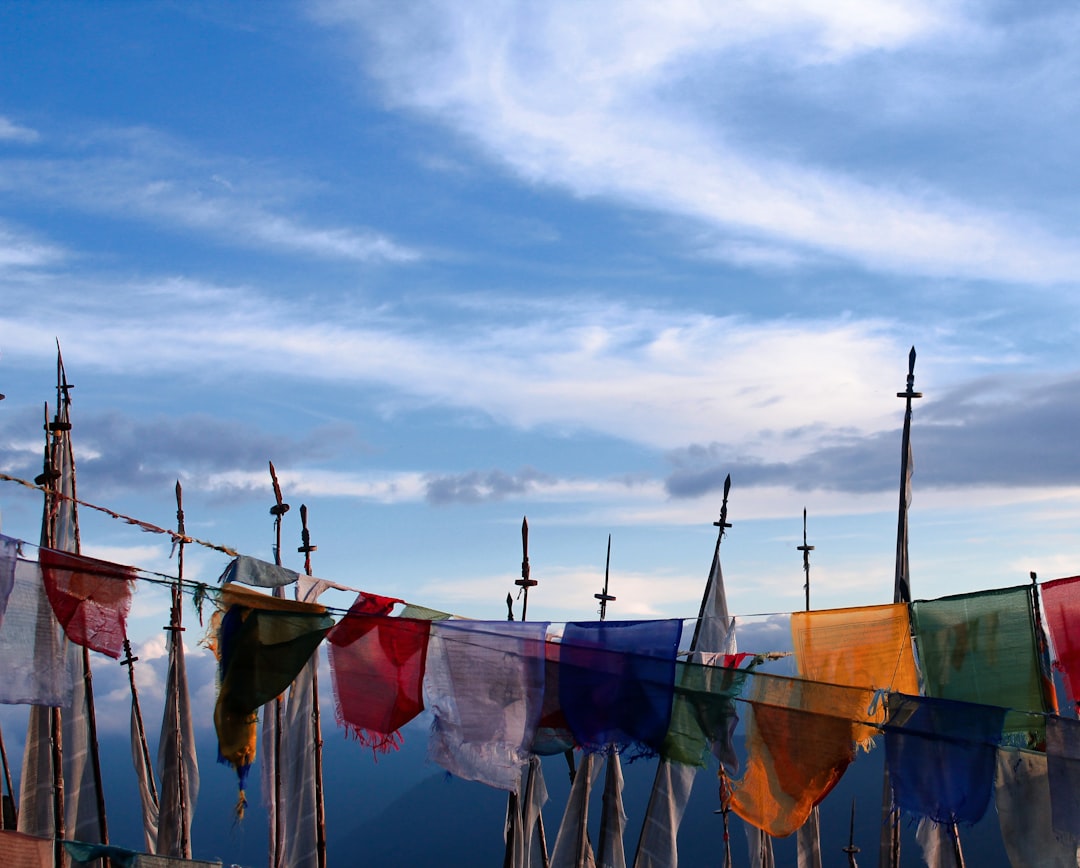
Few treks on earth compress so much of the world's variety into a single walking route. The Annapurna Circuit begins among banana groves and rice terraces at roughly 800 metres, climbs through pine forests and Tibetan-influenced villages of stacked stone, and finishes atop the Thorong La pass at 5,416 metres, where prayer flags snap in air so thin that every step is deliberate. In between, trekkers pass yak pastures, apple orchards, and the wind-scoured high desert of the Manang and Mustang borderlands, all cradled by an amphitheatre of 7,000- and 8,000-metre peaks that includes Annapurna II, Gangapurna, and the sacred, unclimbed Machapuchare.
What makes the Circuit especially well suited to advisors curating multi-day teahouse treks is its infrastructure. Unlike more remote Himalayan routes, the trail is dotted with family-run lodges roughly every two to four hours of walking, meaning porters and guides can be arranged with confidence around a fixed nightly rhythm rather than tented camps. This is a trek of contrasts and comforts in equal measure: hot dal bhat and ginger-lemon-honey tea after a cold climb, warm hospitality in villages that have hosted travellers since the trans-Himalayan salt trade, and a genuine sense of earned achievement at Thorong La that few other accessible treks in the world can match.
Quick Facts
Best seasons: autumn and spring
For winter travellers eyeing this trek, timing is everything, because the Annapurna Circuit is a shoulder-season specialty rather than a true winter destination. The two classic windows remain late September through early December (post-monsoon autumn) and March through early May (pre-monsoon spring). Autumn delivers the clearest mountain visibility of the year, crisp air, and the added texture of Nepal's biggest festivals, Dashain and Tihar, unfolding in villages along the route with marigold garlands, swinging bamboo ping swings, and family feasts that hospitable teahouse owners are often glad to share with guests.
True winter, from mid-December through February, is a different proposition entirely: Thorong La frequently closes under heavy snowfall, some high-altitude lodges shutter for the season, and only well-equipped, guided parties should attempt a full crossing. However, this quieter window has genuine appeal for adventurous clients who prioritise solitude over summit odds — the lower and middle sections of the Circuit through Bhulbhule, Chame, and even Manang remain walkable, the trails are nearly empty, and views of snow-dusted terraces against a deep blue sky are extraordinary. For clients committed to completing the full pass in winter, we recommend building in extra acclimatisation days and a flexible itinerary that can pause at High Camp or Muktinath side until conditions clear. March is often the better bet for advisors booking winter-adjacent departures, since rhododendron forests begin blooming around Ghorepani and Poon Hill by late March, adding vivid crimson and pink to the lower forested stages.
Cordelie travel advisors
Planning Annapurna Circuit? Go with someone who knows
The right suite, the right season, the reservations that never appear online — your Cordelie advisor knows them, and holds them for you.
Plan with a Cordelie advisorFree to ask. Cordelie Travel Services · IATA/ARC 06649064
Thorong La pass and sacred Muktinath
The crossing of Thorong La is rightly the trek's marquee moment, but the Circuit rewards those who slow down along the way. The ascent typically begins before dawn from High Camp (4,925m) or Thorong Phedi (4,450m), with trekkers reaching the pass by mid-morning to beat the fierce afternoon winds before descending nearly 1,600 metres to the pilgrimage town of Muktinath, home to 108 water spouts sacred to both Hindus and Buddhists. It is a physically demanding day — six to eight hours in cold, oxygen-thin air — and one that guides manage carefully with pacing and hydration reminders.
Beyond the pass, the side trip to Tilicho Lake (4,919m), the highest lake of its size in the world, is a two-day detour from Manang that rewards trekkers with turquoise water framed by the Tilicho and Gangapurna glaciers — a favourite add-on for advisors booking clients who want more altitude drama without technical climbing. Manang itself deserves a full acclimatisation day; the village's ice-stupa viewpoint hike and the 3,000-year-old Braga Monastery, with its wall of clay Buddha statues, are highlights that many itineraries otherwise rush past. Lower down, the Ghorepani-Poon Hill loop offers one of the most photographed sunrise panoramas in the Himalaya, with Dhaulagiri, Annapurna South, and Machapuchare catching first light. And throughout the trek, the changing architecture itself is an experience: whitewashed Gurung villages give way to flat-roofed Tibetan-style stone houses in Manang, and finally to the ochre cliffs and chortens of Mustang's high desert near Muktinath.
Highlights Along the Trail
Teahouse lodges along the route
Accommodation on the Circuit is almost entirely teahouse-style: family-run lodges offering simple twin rooms, shared bathrooms in most villages below Manang, and communal dining halls warmed by a central stove burning yak dung or wood. Rooms run roughly NPR 300–800 (about USD 2–6) per night in low season, with the understanding that guests take meals at the lodge; in high season, savvy owners sometimes waive the room fee entirely if trekkers dine in-house. Standouts worth requesting by name include the Yeti Hotel in Chame, known for its hot stone bath (a genuine luxury after a cold day's walk), the Hotel Tilicho in Manang for its bakery and mountain-facing dining room, and the Bob Marley Hotel in Kagbeni, whose courtyard views over the Kali Gandaki gorge are unmatched.
For clients wanting a touch more comfort at either end of the trek, Pokhara offers an excellent decompression base: the Temple Tree Resort & Spa on Lakeside (from around USD 90/night) and the more elevated Tiger Mountain Pokhara Lodge (from around USD 200/night) both make superb bookends to the walk, the latter offering a genuinely five-star mountain-view infinity pool experience before or after days on the trail. In Kathmandu, the Dwarika's Hotel remains our top recommendation for pre-trek acclimatisation and post-trek recovery, blending Newari architectural heritage with spa facilities well suited to tired legs. Advisors should note that private attached-bathroom rooms and hot showers become increasingly rare and costly above Manang, so setting expectations with clients in advance is essential.
Dal bhat, momos, and local customs
Dal bhat — lentil soup, rice, vegetable curry, and pickle, often with unlimited refills — is the trekking staple for good reason: it is filling, balanced, and available in every lodge from Besisahar to Muktinath. Higher up, Tibetan-influenced dishes take over the menu, particularly momos (steamed dumplings), thukpa (noodle soup), and the justly famous apple pie of Manang and Marpha, baked in wood-fired ovens and best enjoyed with a pot of hot lemon tea after a long climb. In Manang and Jomsom, look for locally distilled rakshi, a rice or millet spirit worth trying in moderation, ideally on a rest day rather than before a big ascent.
Cultural etiquette matters enormously along this route, which passes through communities of Gurung, Manangi, and Thakali heritage as well as Hindu pilgrimage sites near Muktinath. Trekkers should always pass chortens and mani walls on the left, walking clockwise in the Buddhist tradition, and ask before photographing monasteries, private homes, or religious ceremonies. At Muktinath's temple complex, modest dress is appreciated, and shoes are removed before entering shrine areas. Tipping guides and porters at trek's end, typically 10–15% of the total trek cost split among the crew, is standard practice and deeply appreciated given the physical demands of their work.
“Every pass in these mountains has been crossed by traders, pilgrims, and yak herders long before it was crossed by trekkers — walking it is a way of joining that older conversation between the valleys.”
Drive to trailhead, then trek on foot
Most itineraries begin with a 6–7 hour drive or jeep transfer from Kathmandu to Besisahar or, increasingly, directly to Chame or Dharapani along the improved road, which has shortened the trek's traditional length considerably. From there, it is entirely on foot, guided by licensed trekking staff who know the trail's water sources, weather patterns, and lodge owners personally. At the trek's end near Muktinath and Jomsom, most trekkers either fly the short, scenic 20-minute hop from Jomsom to Pokhara (weather-dependent and often delayed by morning winds, so building in a buffer day is wise) or continue on foot and jeep down the Kali Gandaki valley toward Tatopani and Beni.
Because road construction has reached further into the valley each year, advisors should confirm the current trailhead with their ground operator before finalising client itineraries, as some purists now start higher up to avoid dusty jeep-track sections near Besisahar. A private guide and at least one porter (carrying up to 15kg) are strongly recommended and, since 2023, mandatory for foreign trekkers on this route under Nepal's updated regulations — a positive change that also supports local employment and adds a genuine safety net at altitude.
Kathmandu to Chame: start of the walk
Kathmandu to Chame — Entering the Mountains
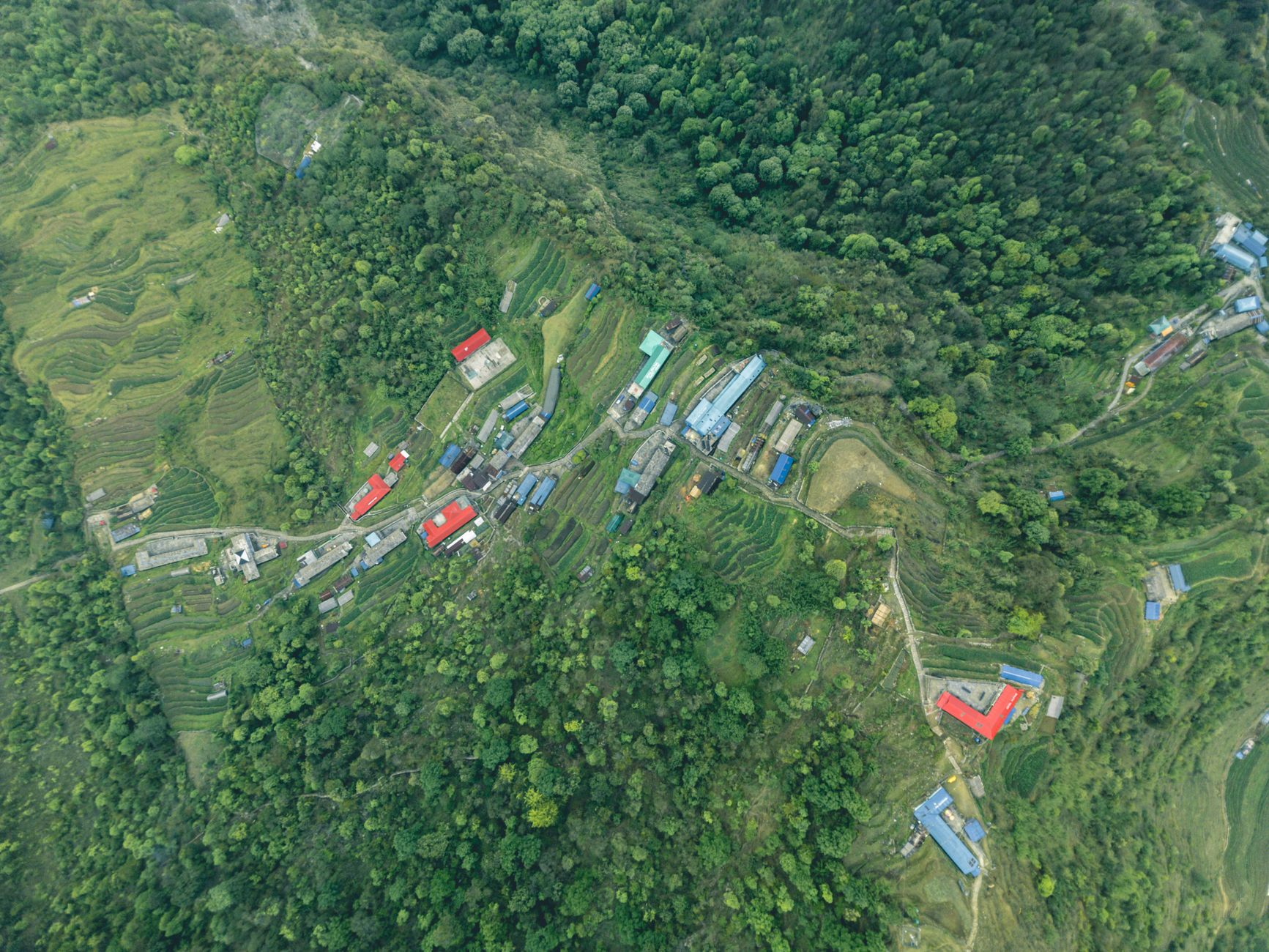
Depart Kathmandu early for the scenic drive to Besisahar and onward by local jeep along the improving road to Chame (2,710m), the administrative headquarters of Manang district. The drive threads through subtropical foothills, past terraced rice paddies and waterfalls, with the Annapurna massif appearing in glimpses as the valley narrows.
Overnight in Chame allows trekkers to settle into teahouse rhythm, with the Yeti Hotel's hot stone bath a welcome introduction to trail comforts. This marks the real beginning of the walking trek for most Circuit itineraries.
Chame to Manang — Into the High Desert
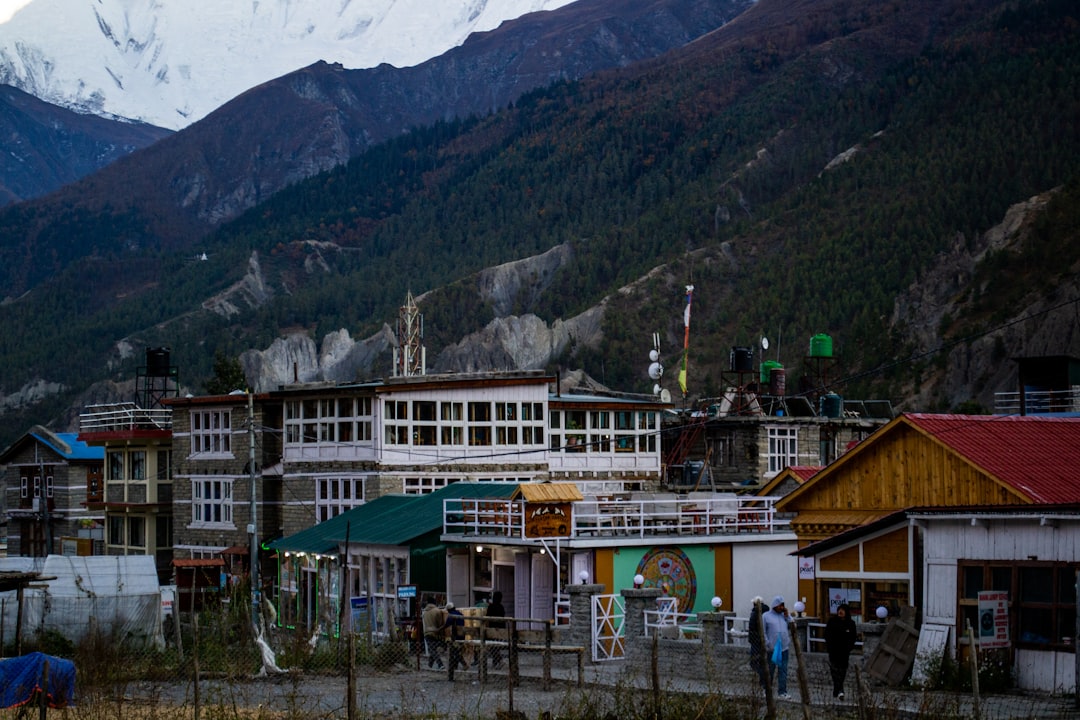
The trail climbs steadily through pine and juniper forest past the striking Paungda Danda rock face, a single sheet of curved granite rising some 1,500 metres, before opening into the drier, high-altitude landscape around Manang (3,540m). This is the last large village before the pass and the setting for a mandatory acclimatisation day.
Use the rest day to hike up to the Gangapurna ice-stupa viewpoint or visit Braga Monastery, both gentle acclimatisation walks that aid the body's adjustment while offering some of the trek's finest photography without expending pass-day energy.
High Camp to Muktinath via Thorong La
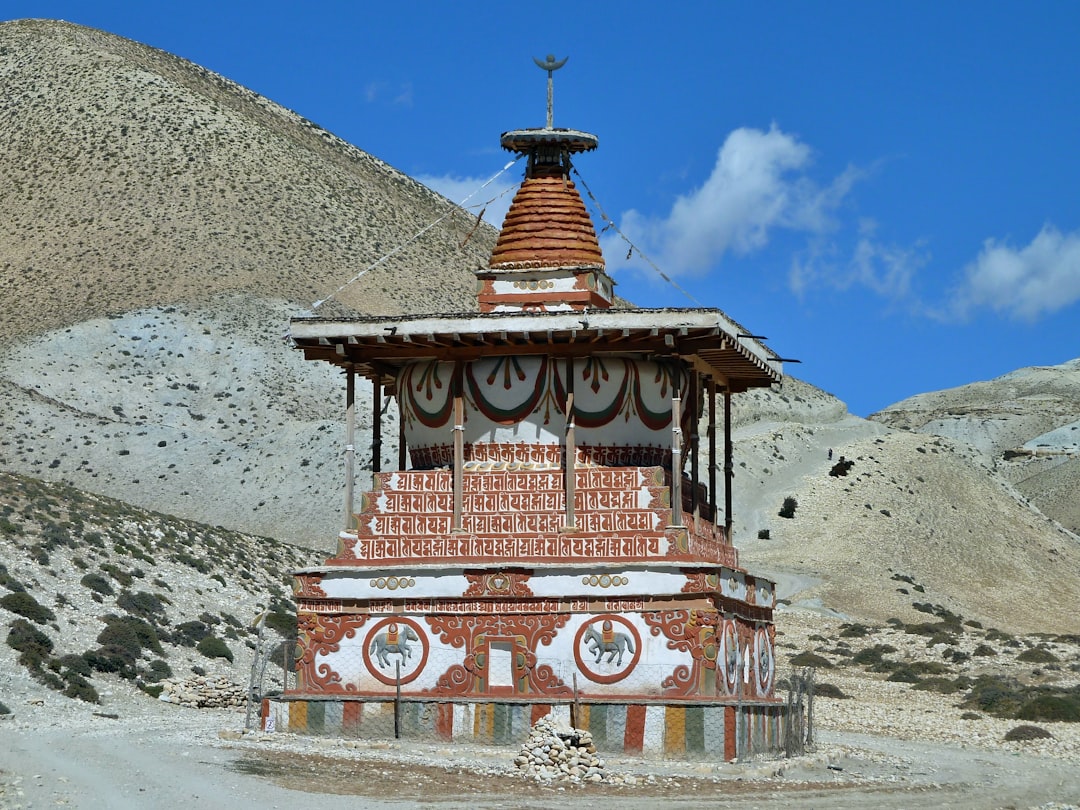
After staging through Yak Kharka and Thorong Phedi over the preceding two days, trekkers rise around 4am from High Camp (4,925m) for the pre-dawn push to Thorong La (5,416m), timed to summit before winds strengthen. The descent to Muktinath (3,760m) is steep and long, dropping through barren, wind-carved terrain into Mustang's high desert.
Arriving in Muktinath, most trekkers visit the sacred temple complex with its 108 water spouts before resting well-earned aching legs, having completed the Circuit's defining day.
Altitude is the single greatest risk factor on this trek, not fitness — even seasoned athletes can suffer acute mountain sickness if they ascend too quickly. A well-run itinerary follows the 'climb high, sleep low' principle with built-in rest days in Manang (and ideally a second night around Yak Kharka or a Tilicho Lake detour) rather than racing to Thorong La in the minimum possible days.
This is precisely the kind of trip where a Cordelie travel advisor earns their keep: matching clients to a licensed operator with a strong safety record, building a realistic acclimatisation schedule around each traveller's fitness and timeline, and confirming permit paperwork (ACAP and TIMS) is filed correctly before departure. Reach out to a Cordelie advisor at https://cordelie.com/contact to start planning a Circuit itinerary tailored to your season and pace.
At a Glance
One of the world's great teahouse treks, offering unmatched geographic and cultural variety for a manageable level of technical difficulty — ideal for well-prepared, adventure-minded travellers booking through an experienced operator.
Best for: fit, adventurous travellers seeking a classic high-altitude trek with reliable lodge infrastructure and rich cultural texture along the way.
Best time: late September to early December for peak clarity and festivals, or March to early May for rhododendron blooms and quieter trails.
Budget guide: expect USD 900–2,000 per person for a 12–14 day guided and portered trek including permits, lodging, and most meals, excluding international flights.
Bring: sturdy broken-in boots, a four-season sleeping bag liner, layered insulation for temperature swings from 25°C to well below freezing, and a flexible mindset around Thorong La's weather-dependent timing.
Last checked for accuracy: . How we check

Isaac Reid has spent fourteen years on ships and on foot in the places weather still decides. He sailed his first Drake Passage as an expedition assistant and has since made the crossing more than thirty times, between seasons trekking in Nepal and Patagonia. He writes about what these trips actually ask of a traveller — the days that get cancelled, the kit that matters, the difference between a landing and a cruise-by — and thinks the honest version sells them better than the brochure does.
Related Articles
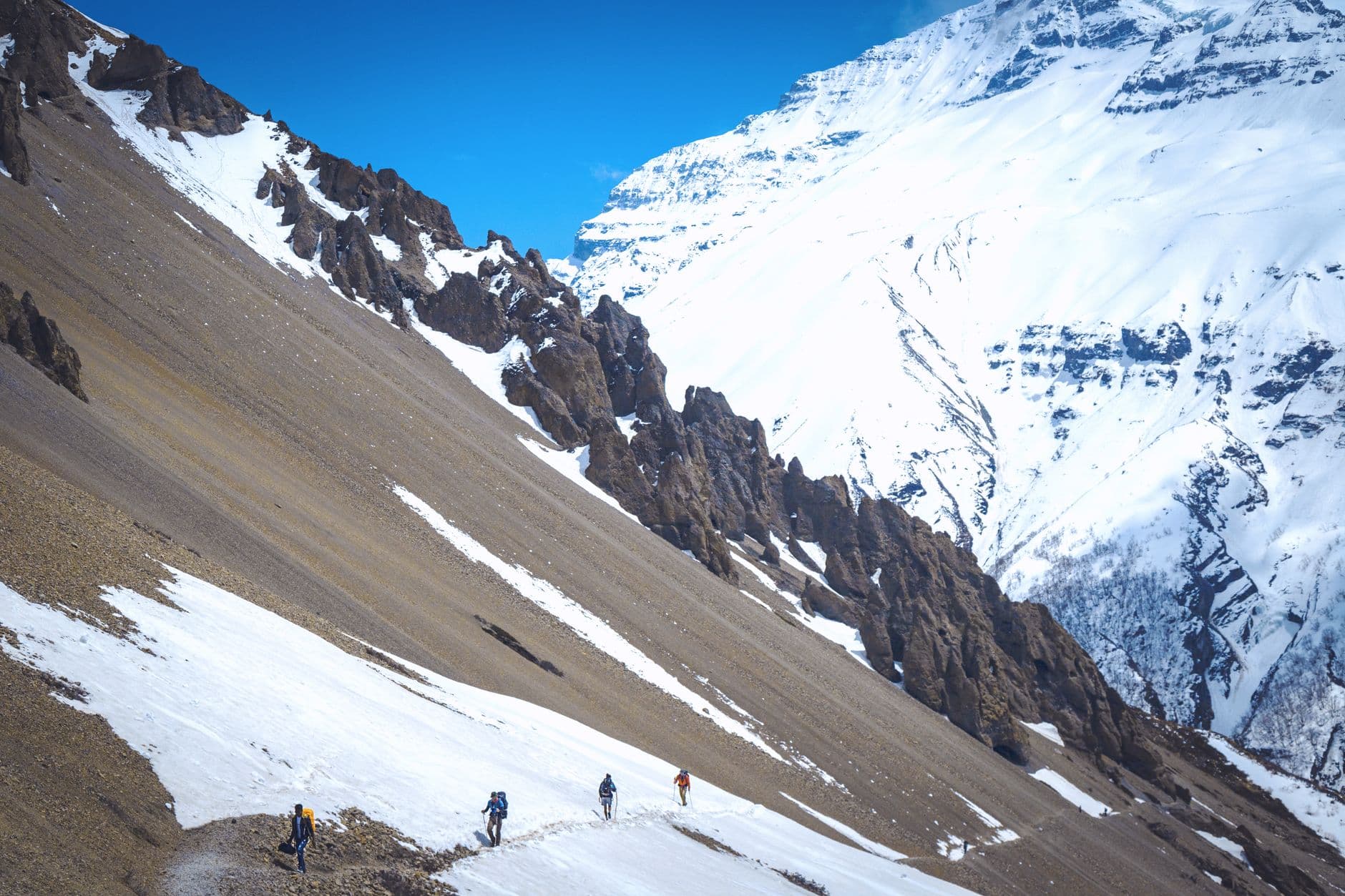
Annapurna Circuit Quick Guide: Everything You Need to Know
Winter trekking on the Annapurna Circuit is possible but demands patience: Thorong La pass closes under snow for weeks, and you must time your arrival in Manang with a weather window and the resolve to turn back if it does not come.

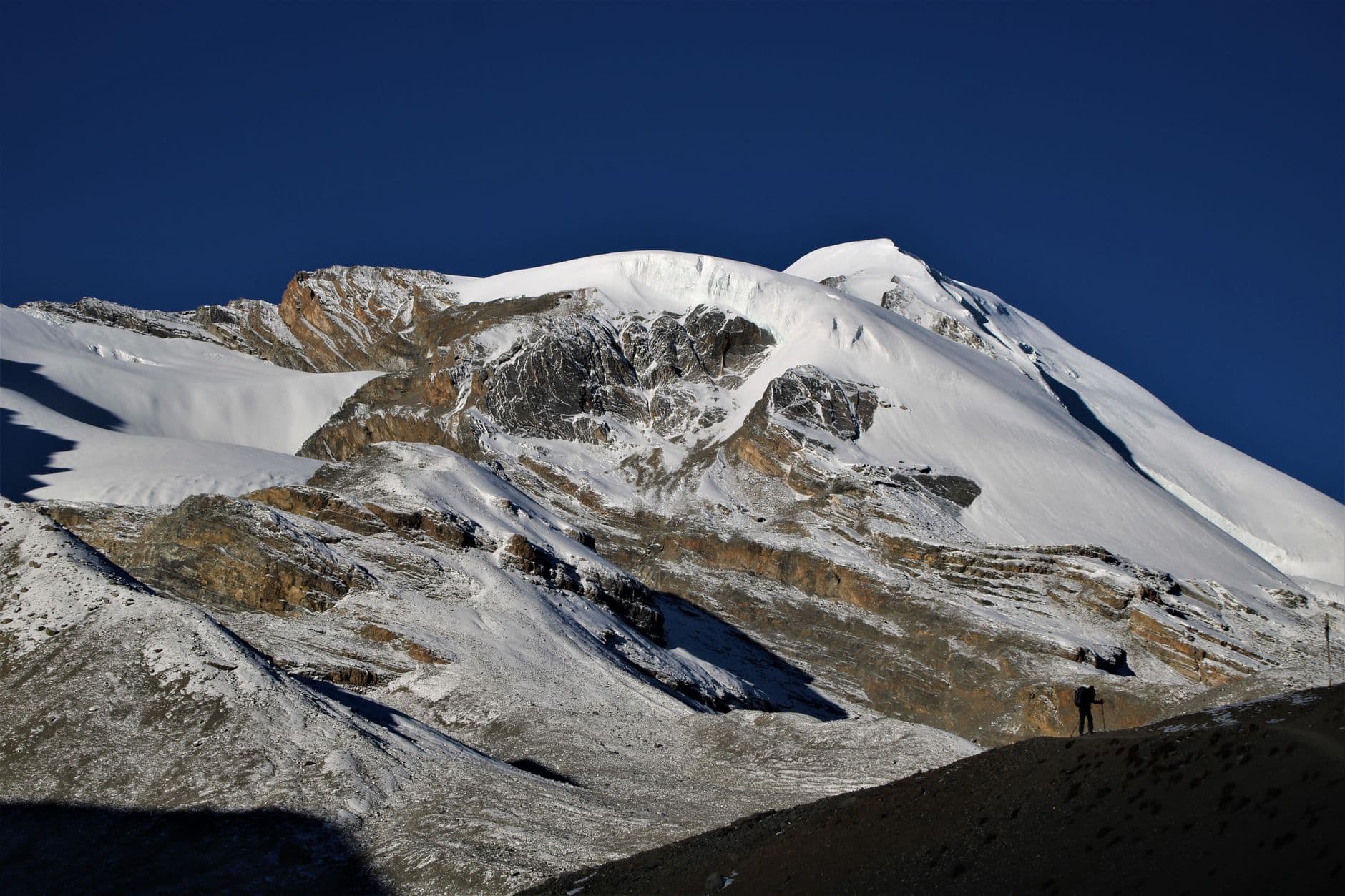
My Winter in Annapurna Circuit: A Travel Story
A first-person winter trek up the Annapurna Circuit to Manang and Khangsar, where fresh snow on Thorong La forced a turnaround — and left villages, and dal bhat, all to myself.
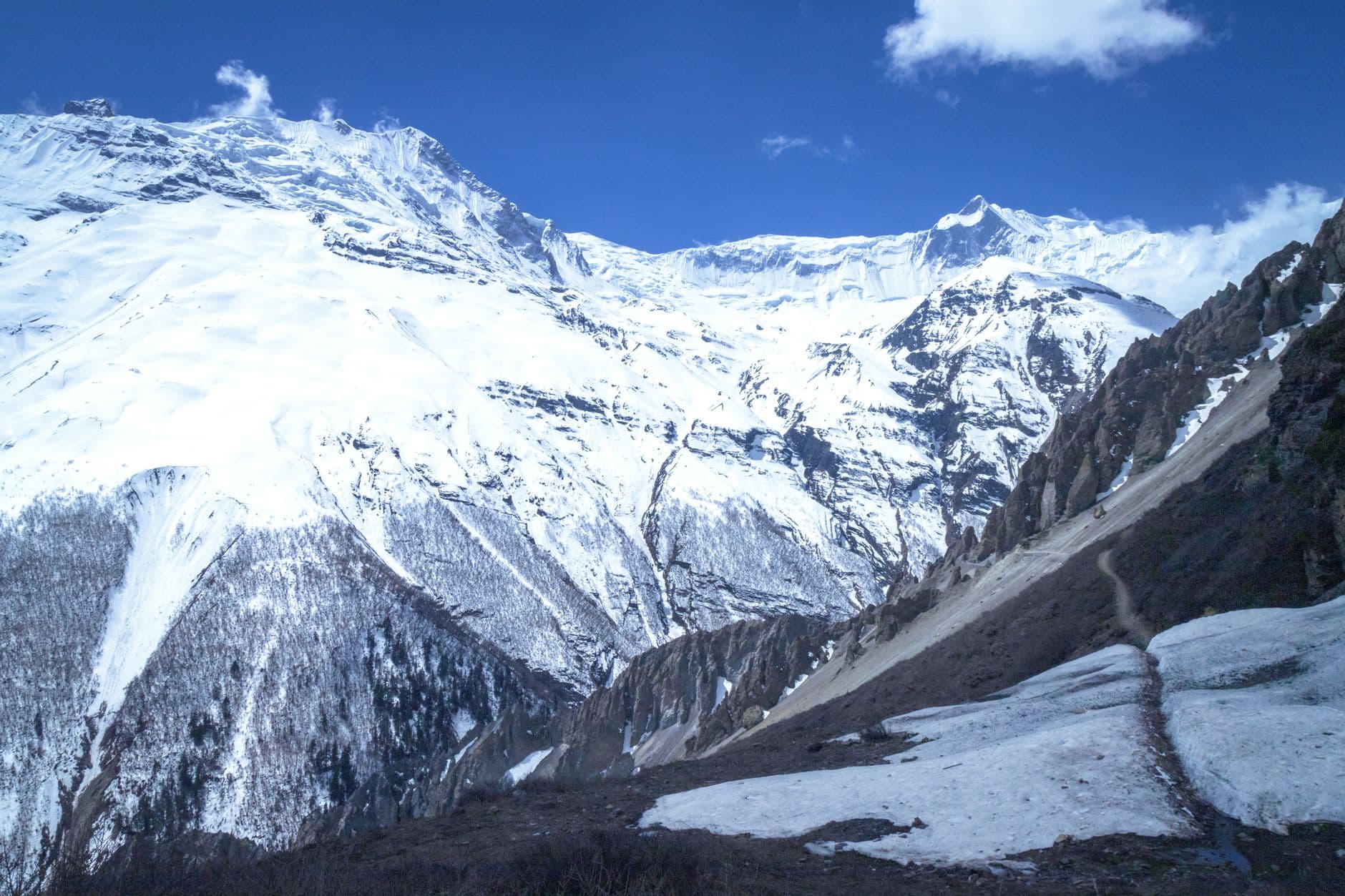
The Best Things to Do in Annapurna Circuit
Poon Hill at dawn, Muktinath's eternal flame, Marpha's apple brandy: a ranked, winter-honest guide to the Annapurna Circuit's best stops and which ones to save for spring.