
Why The Swiss Alps Rewards an Off-Season Visit
When Empty Trails Beat Crowded Peaks: Why the Swiss Alps Shine Off-Season
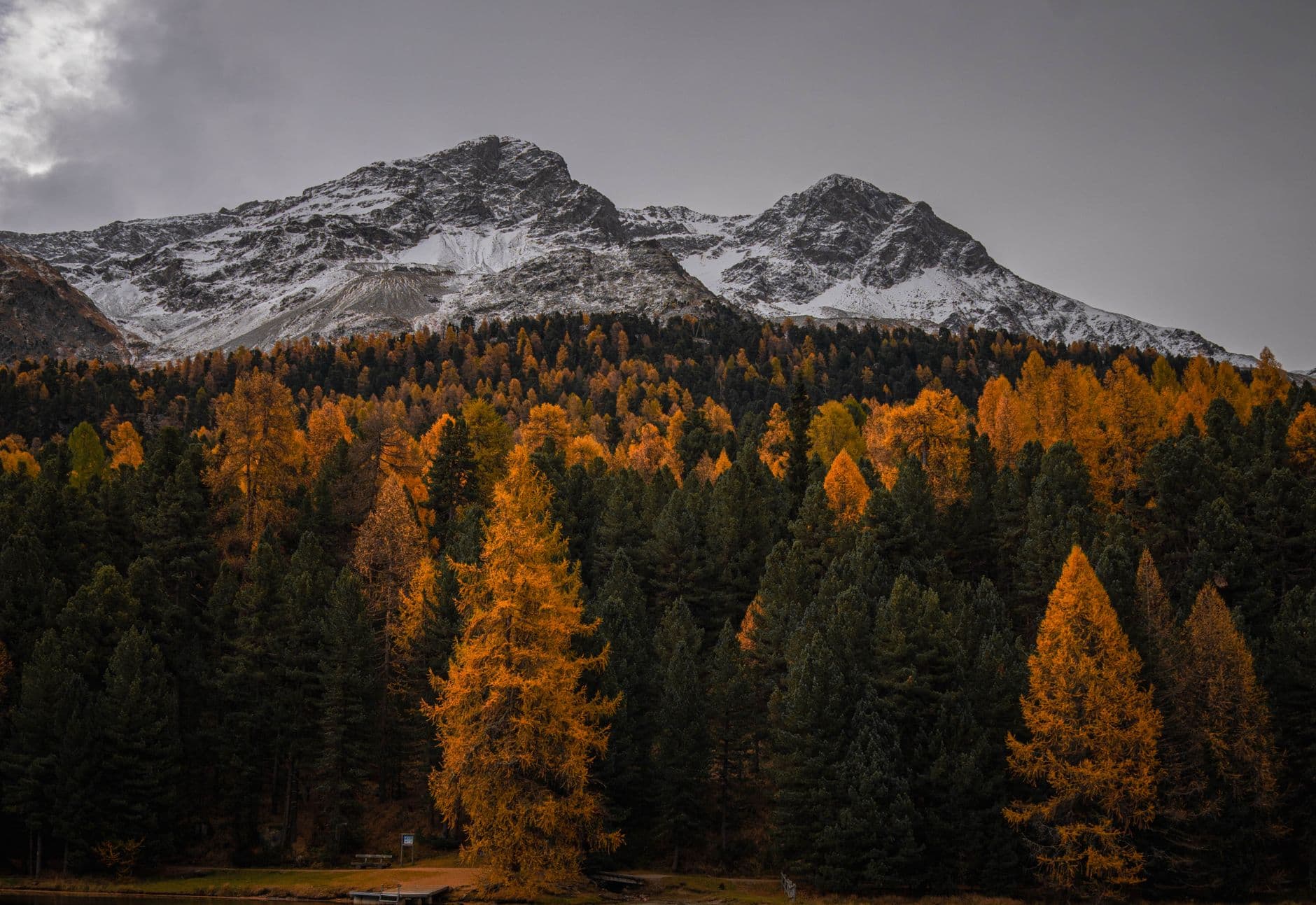
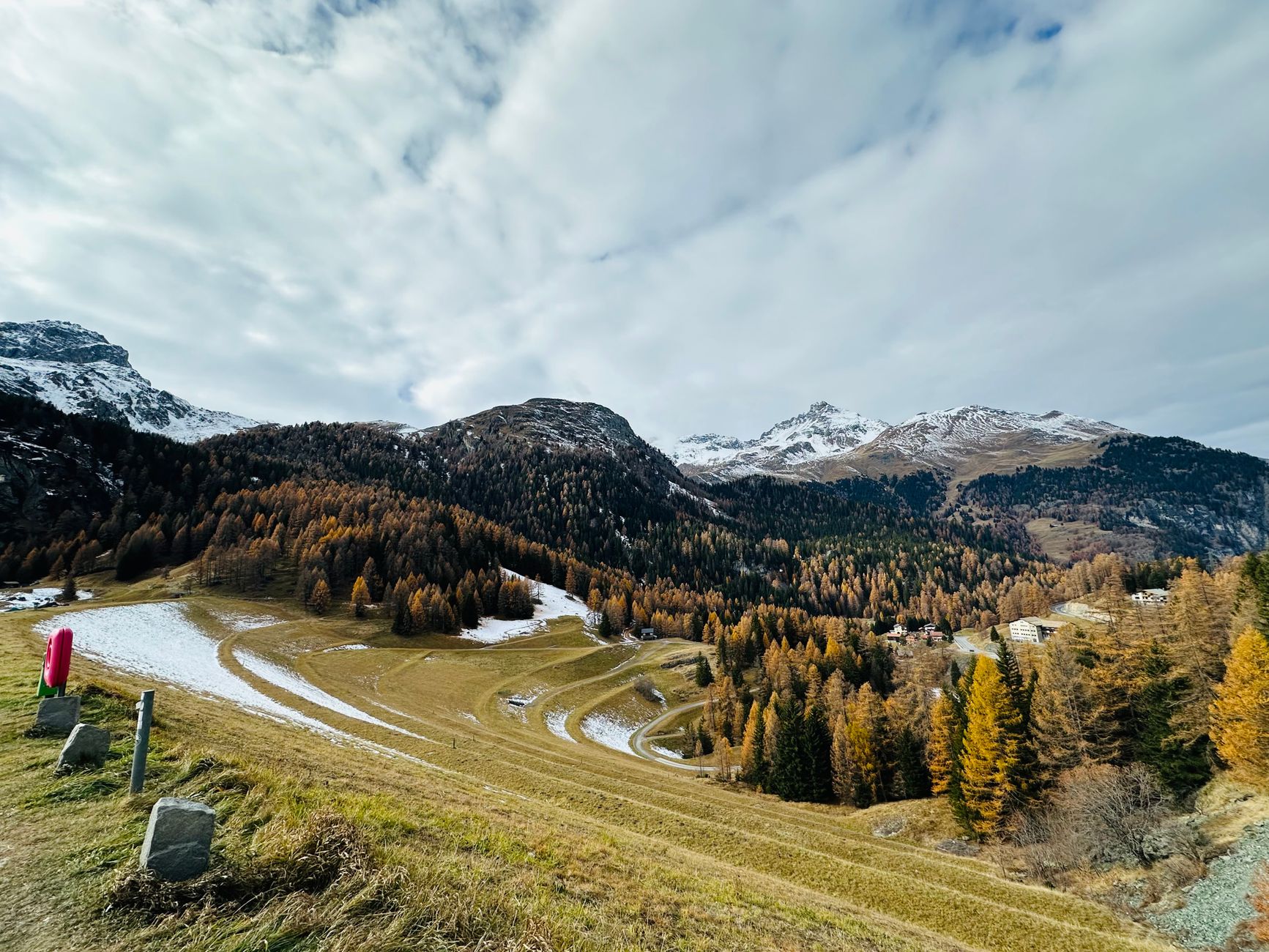
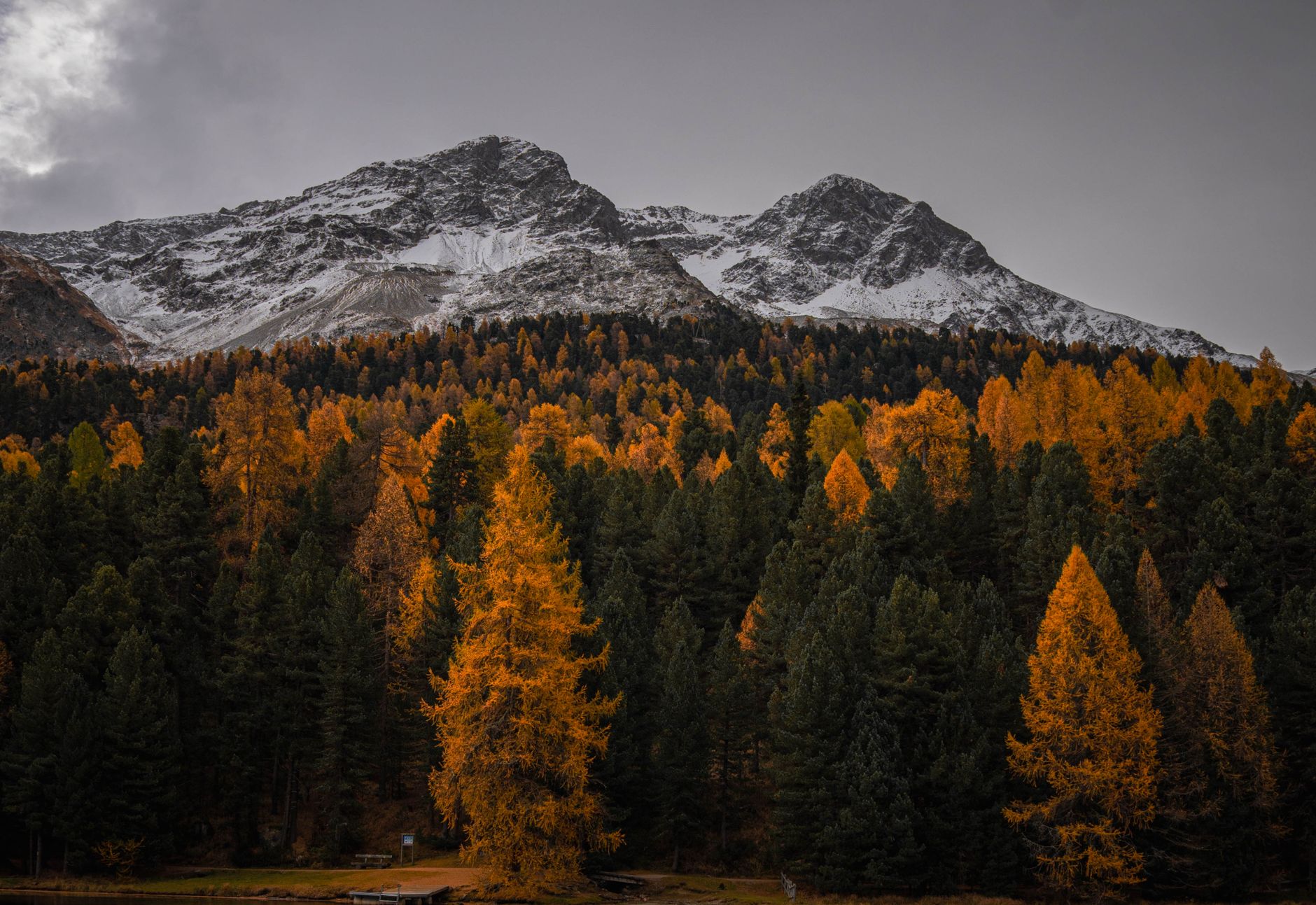
The Swiss Alps in September and October wear a restless beauty. Snow descends on the highest ridges while larches below turn liquid gold. The hiking trails that teemed with tour groups in July stand nearly empty. Hotels that charged premium rates in summer now offer rooms at half price. This is when the mountains stop performing for visitors and simply exist—and it's precisely when they reward the traveler willing to go against the grain.
Off-season travel here is not about compromise or settling. It's about access to a different alpine experience: the clarity that comes after summer's haze lifts, the solitude that makes each viewpoint feel discovered rather than consumed, and the practical luxury of space—on trails, in restaurants, in cable car cabins. A Cordelie travel advisor can help you time a trip to catch the transition between seasons, book private guides who have availability, and navigate the handful of closures that do occur, turning constraints into advantages.
Destinations Where Off-Season Means Better Mountains
Verbier: Autumn Light and Walser Villages
The Valais region transforms in September when the summer festival crowds leave
Verbier sits on a south-facing plateau in the Valais, where September brings the year's clearest light and temperatures cool enough for hiking without exhaustion. The crowds thin dramatically after Labor Day, yet the weather window remains open—most days stay dry through early October. From town, the Sentier de la Plaine Morte climbs through larch forest to an alpine plateau where you can walk the rim of a glacial cirque with a handful of other hikers instead of dozens.
The real September reward is access to the Walser villages around Grande-Combin. These communities, built by herders who migrated from the Valais centuries ago, are easier to reach and less picked-over in autumn. Walk from Fionnay to Beurneud, a half-day loop through meadows that dry out in late summer, passing small chapels and stone chalets where locals still live year-round. The path takes about four hours at an easy pace.
Base yourself at the Mont-Fort hotel or the mid-range Rosalp, both with mountain cooking focused on local cheese and cured meat. Cable car access to the high trails costs around CHF 35-45 for a round trip in early season. The town's restaurants like Namaskar serve meals until 21:00, with mains priced CHF 25-35.
Appenzell Alps: Cheese Culture Below 2,500 Meters
Northeast Switzerland's gentler peaks offer hiking, dairy heritage, and virtually no tourism infrastructure strain
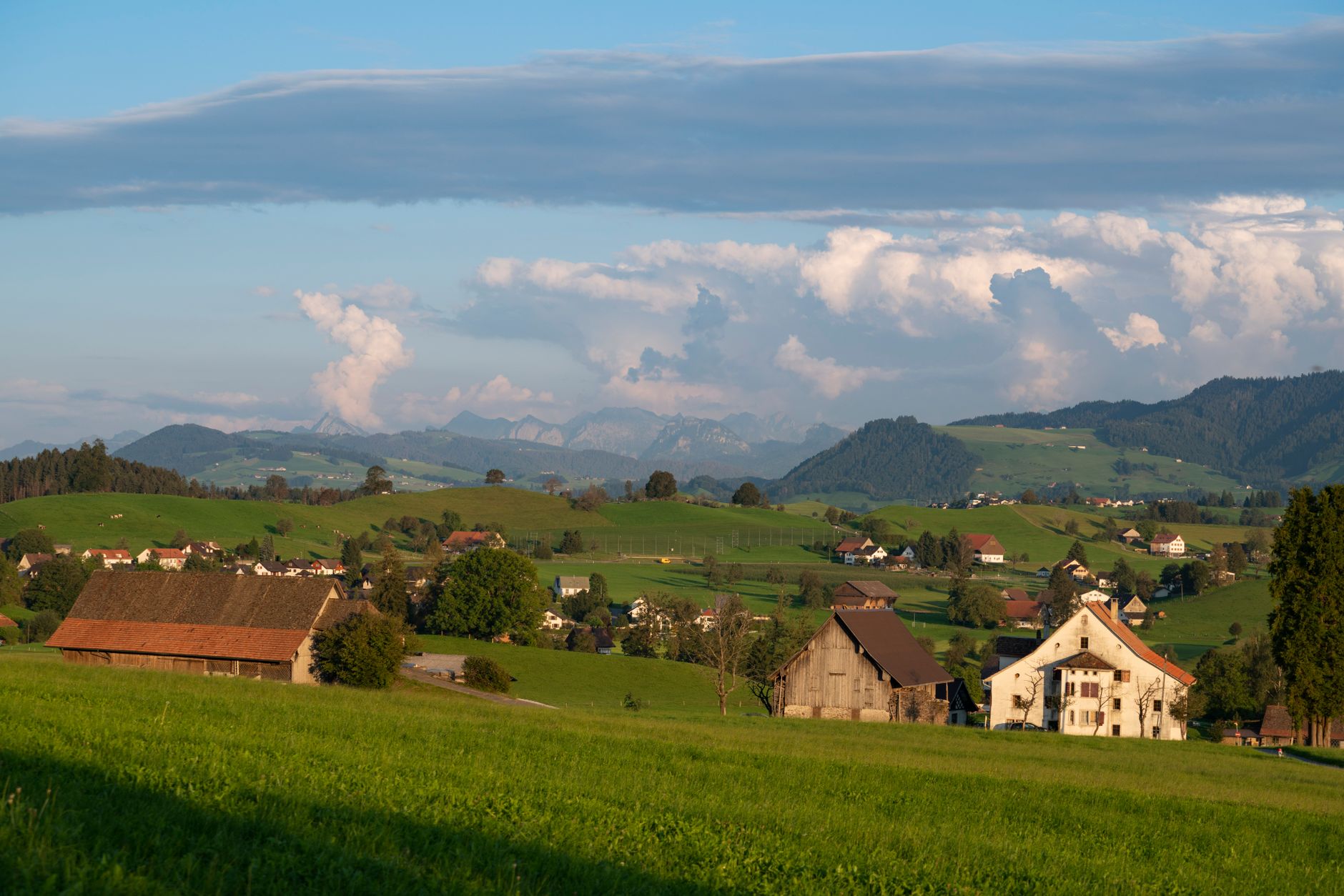
The Appenzell Alps, anchored by Säntis at roughly 2,502 meters, occupy the hinge between the high alpine world and the rolling foothills. This region is less famous than the Bernese Oberland or Valais, which means September and October bring walkers rather than hikers—people who want moderate slopes, views, and the chance to walk through active dairy territory where cows still graze the high meadows into autumn.
Stay in Säntis village or the nearby town of Appenzell, both of which maintain their alphorn-playing, cheese-making culture largely independent of tourism. From Säntis, the Säntis Trail climbs to the summit in about 90 minutes, passing through meadows where you'll see the distinctive Appenzell cattle—small, dark, and adapted to steep ground. The descent by cable car (around CHF 25 one-way) saves your knees and gives you an aerial view of the landscape's geometry.
The true experience here is the Appenzell cheese dairies. Visit Käserei Stein in Stein, a working facility where you can watch the cheese-making process in the early morning hours. Appenzell Surchoix, a harder, more aged version of the region's signature cheese, is aged in a wine brine that gives it a distinctive tang. Small inns like the Säntis Hotel (modest but clean) serve local specialties—Appenzeller Rösti, a cheese-laden potato cake, and Alpenbitter, a herbal digestif—at accessible prices, around CHF 18-28 for mains.
Pontresina and the Engadin Valley: Clarity at High Altitude
The Engadin's wide valley and dense infrastructure mean excellent September conditions with private-guide access
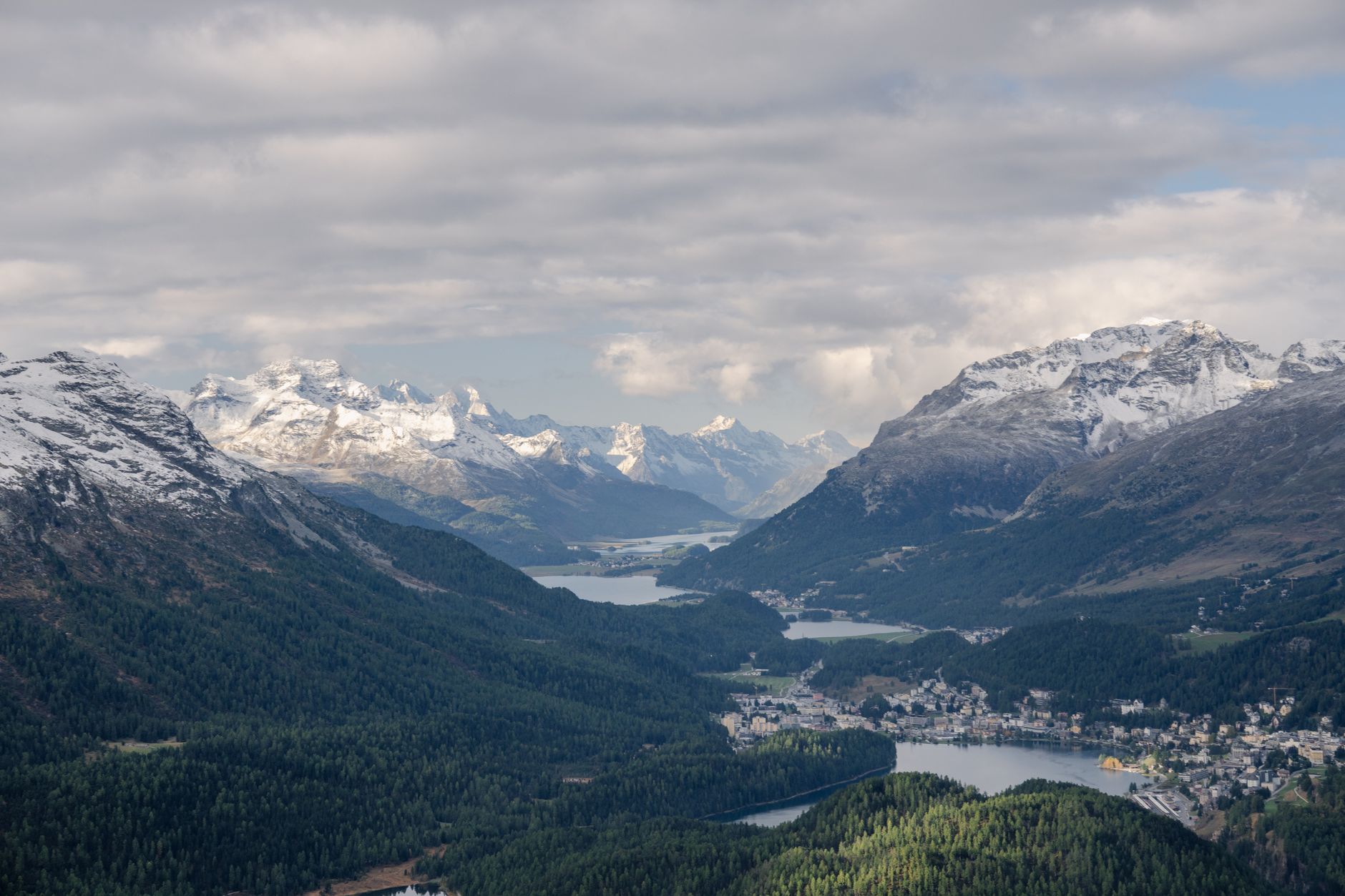
Pontresina, the hiking hub of the Engadin, sits at 1,805 meters in a valley that catches light differently than narrower alpine passes. In early September, the valley floor is often clear by mid-morning while lower valleys struggle with fog. This elevation and aspect make it ideal for transitional-season travel—the trails at 2,500-3,000 meters often have snow by late September, but the mid-altitude routes stay walkable and dry.
The Val Roseg trail leaves Pontresina and climbs gently through larch forest to Roseg Glacier. The walk takes about two hours to reach the glacier viewpoint, with the option to continue another 45 minutes to the lake where the glacier terminates. In September, the glacier is fully visible without the crowds that fill the trail in July and August. A private guide from Pontresina can arrange early starts, technical route options, or combine the walk with visits to small alpenglow huts where breakfast is served around 08:00.
Stay at the Schweizerhof Pontresina or the mid-range Hotel Post, both long-established in the valley. The Schweizerhof offers mountain guiding services directly and has relationships with the local climbing schools. Hotel Post is simpler but well-positioned for independent hiking. Meals in local restaurants like the Pontresina Restaurant cost CHF 28-45 for mains. Mountain lifts—such as the Diavolezza cable car—cost around CHF 40-50 round trip.
Kandersteg and Oeschinensee: Bernese Oberland Without the Press
This quieter gateway to the high Bernese peaks offers pristine alpine lakes and hiking that flows instead of shuffling
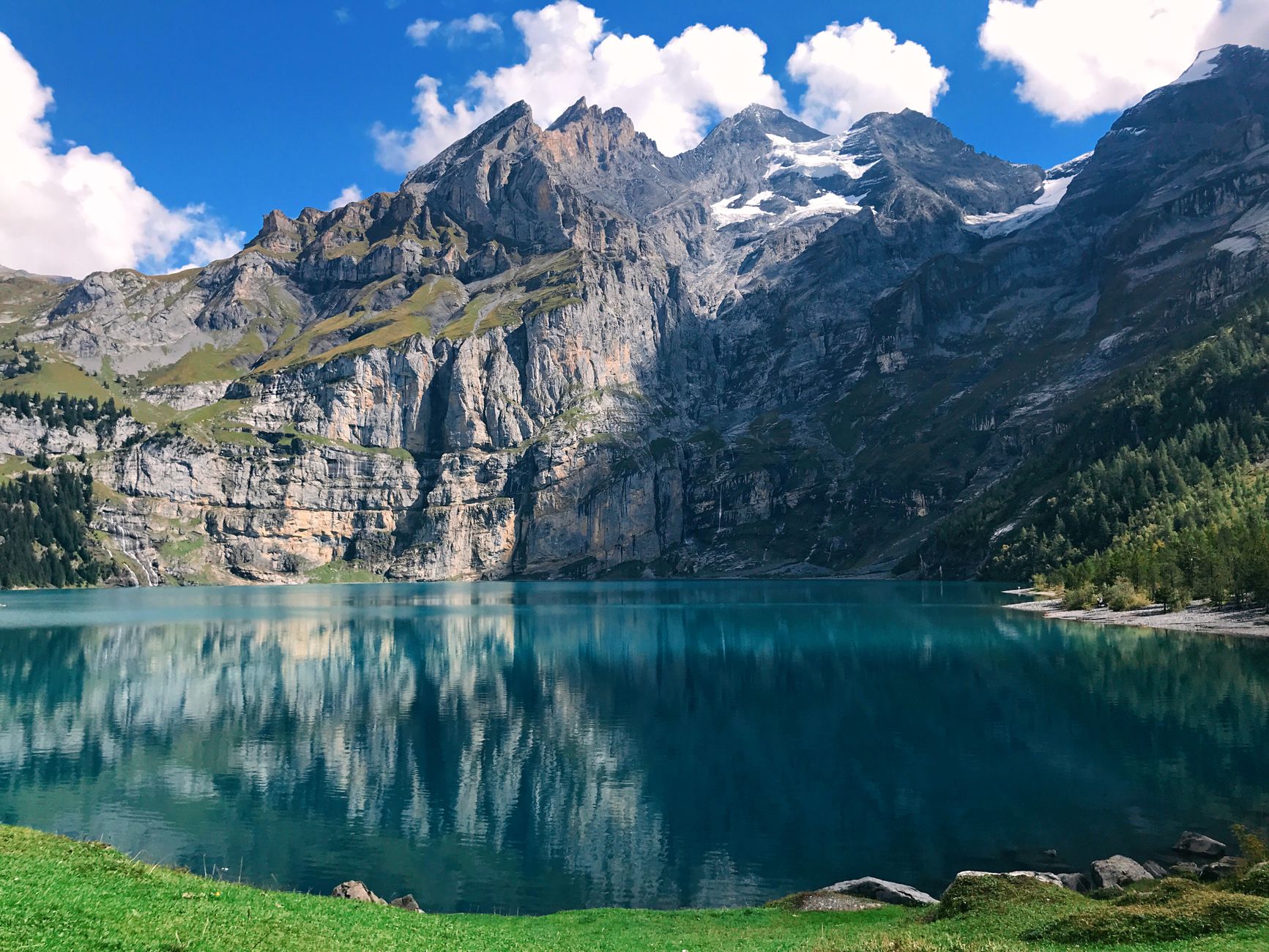
Kandersteg, in the Bernese Oberland, is overshadowed by more famous names like Interlaken and Grindelwald, which is precisely why September here feels like hiking in a different country. The town sits at 1,176 meters and serves as the base for reaching Oeschinensee, an alpine lake at 1,580 meters that rivals any in the Alps for color and solitude.
The Oeschinensee Trail climbs from Kandersteg in a series of switchbacks through beech and spruce forest, emerging to the lake in about 90 minutes. The water—fed by glacial melt and hemmed by the Oeschinen cliffs—stays a vivid turquoise even in September, when the light angle makes it glow. A mountain restaurant overlooks the lake and serves lunch from 10:30 to 17:00 on weekends in September, with simple fare (cheese plates, soup) around CHF 15-22. The lake stays accessible through mid-October, though snow may dust the highest approaches by late month.
Stay at the Alpina Kandersteg, a traditional property with south-facing rooms and a restaurant that sources from local farmers. The hotel lacks resort-level amenities but offers comfort and genuine mountain hospitality. Room rates in September run CHF 140-200 per night for a double. Alternative base: the simpler Hotel Kandersteg offers similar access at lower cost. A cable car descent from Oeschinensee is available during peak season, though the trail down is well-graded and manageable.
Cordelie travel advisors
Planning The Swiss Alps? Go with someone who knows
The right suite, the right season, the reservations that never appear online — your Cordelie advisor knows them, and holds them for you.
Plan with a Cordelie advisorFree to ask. Cordelie Travel Services · IATA/ARC 06649064
Authentic Experiences Impossible in Peak Season
Off-season travel to the Swiss Alps opens doors that slam shut by mid-July. Alphorn festivals occur in late September across the central valleys—the Alphorn Festival in Nendaz and similar events in Valais villages feature local musicians practicing in town squares and performances in small churches. These are cultural moments for locals, not tourist spectacles. Restaurants serve seasonal menus built around the year's end-of-summer harvest: wild mushroom dishes (chanterelles, porcini), fresh trout from mountain streams, and Verjus—the acidic juice of unripe grapes—in dressings and sauces. Cheese-makers are in the midst of producing the autumn batches that will age through winter, and some dairies offer weekend tours when crowds are absent.
Mountain hut culture shifts in September. Many huts stay open through mid-October, but the social dynamic changes. The crowded dormitories of summer give way to smaller groups, and mountain keepers—who are often retired guides or longtime alpinists—have time to talk. Some huts offer dinners that include wine pairings or storytelling about the region's climbing history, conversations that dissolve in the hurried service of August.
The light itself is a gift. September brings the year's lowest sun angle at any given hour, which means shadows lengthen across meadows and valley walls catch color that seems impossible in midsummer's flat noon glare. Photographers (professional and amateur) recognize this as 'golden hour' extended across entire mornings and evenings. Walk the same trail in July and September and the experience becomes unrecognizable.
The Swiss Alps Beyond Peak Season
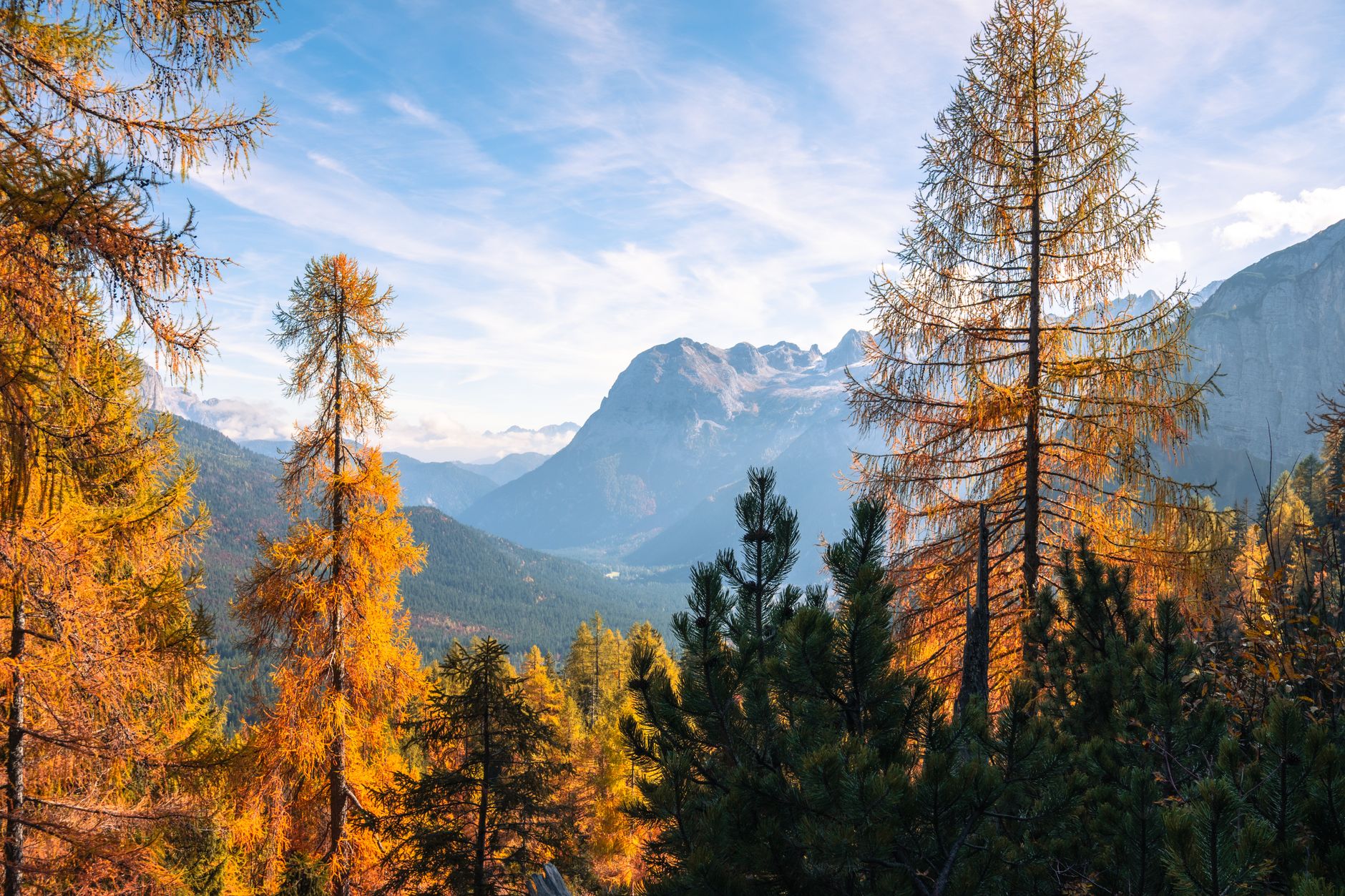
The off-season window—roughly September 15 to October 15—requires timing precision to catch the best weather and avoid unexpected closures. Some cable cars and mountain restaurants shift to weekend-only service in late September, and snow can arrive suddenly at high elevations. A Cordelie travel advisor monitors weather patterns across the region and can adjust your routing, arrange private guides who know which trails drain first after rain, and book accommodation in smaller properties that fill quickly despite lower demand.
Advisors also have relationships with mountain huts, private ferries on the glacial lakes, and local cheese dairies that don't advertise. They can arrange early-morning access to cable cars before crowds form, or secure sunset-time reservations at mountain restaurants. The cost of working with an advisor—typically a planning fee or a modest percentage of bookings—is offset by avoiding dead-end closures, securing private-guide availability (which fills months in advance even off-season), and accessing experiences that independent booking platforms don't surface.
Practical Realities: What to Know About Shoulder-Season Travel
Not every facility stays open. By late September, many high-altitude restaurants and cable cars shift to weekend-only schedules or close entirely for maintenance before winter. Always verify opening dates before planning around a specific hut or facility. Weather is more volatile than summer—a clear morning can become a snow-laden afternoon at elevation, and lightning storms can sweep across the valley in an hour. Download offline maps and carry layers even on days that start sunny.
Accommodation costs drop 30-50% from July rates, but booking windows contract. Many hotels hold rooms for last-minute walk-ins in peak season; in September, they release fewer rooms and fill them earlier. Booking 4-6 weeks ahead is standard for desirable properties. Train schedules remain frequent through October, but post-summer construction projects can cause occasional delays, so build buffer time into transit plans.
Daylight shortens noticeably. In early September, you still have full daylight until 19:00 or later; by early October, sunset creeps back to 17:30. Start hikes early or choose shorter routes as the month progresses. Carry a headlamp even on day hikes.
Off-Season Swiss Alps: The Case for Going Counterclockwise
September and October reward the traveler who chooses solitude and clarity over certainty. The Swiss Alps are never truly 'off'—they're just themselves.
The cost argument alone justifies the trip: mid-range hotels run CHF 120-180 per night instead of CHF 200-300; cable car and lift tickets stay in the CHF 25-50 range without premium surcharges; restaurant mains cost CHF 24-35 instead of CHF 35-50. But the deeper reward is the landscape you get in return—emptier trails, clearer air, light that makes each valley distinct, and the sense of being in a place rather than visiting an attraction.
Best time to book: Early to mid-September for high altitude and stability; late September to early October for avoiding snow while maintaining clear weather windows. Plan for 4-7 days in the mountains; 2-3 nights in one base location allows you to shed jet lag and develop rhythm with the landscape.
How to prepare: Bring water-resistant shell layers, even in September. Download offline maps. Book a private guide for at least one or two full days to access terrain and timing that independent hiking misses. Work with a Cordelie travel advisor to lock in accommodation and verify facility closures before departure.
Last checked for accuracy: . How we check

Emma Blackwood has reviewed hotels for eighteen years and can tell within an hour of arrival whether a property means it. She writes about the difference between expensive and excellent, which is not the same thing, and about the handful of places that are both.
Related Articles
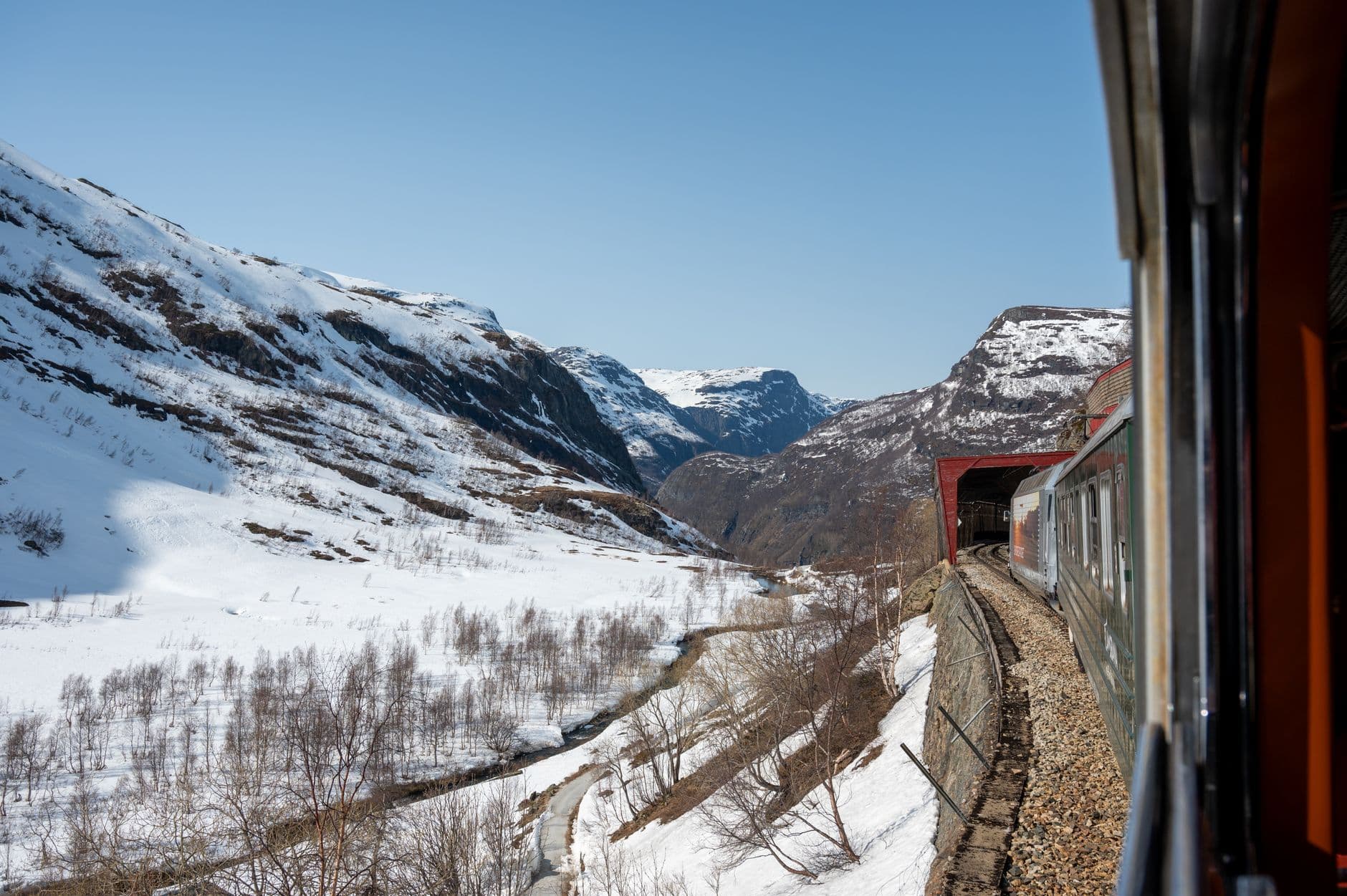
Essential Tips for Traveling in Norway
Norway rewards planners: book fjord trains early, pack for four seasons in a day, and pick your season for midnight sun or northern lights. Here's the essential prep guide.
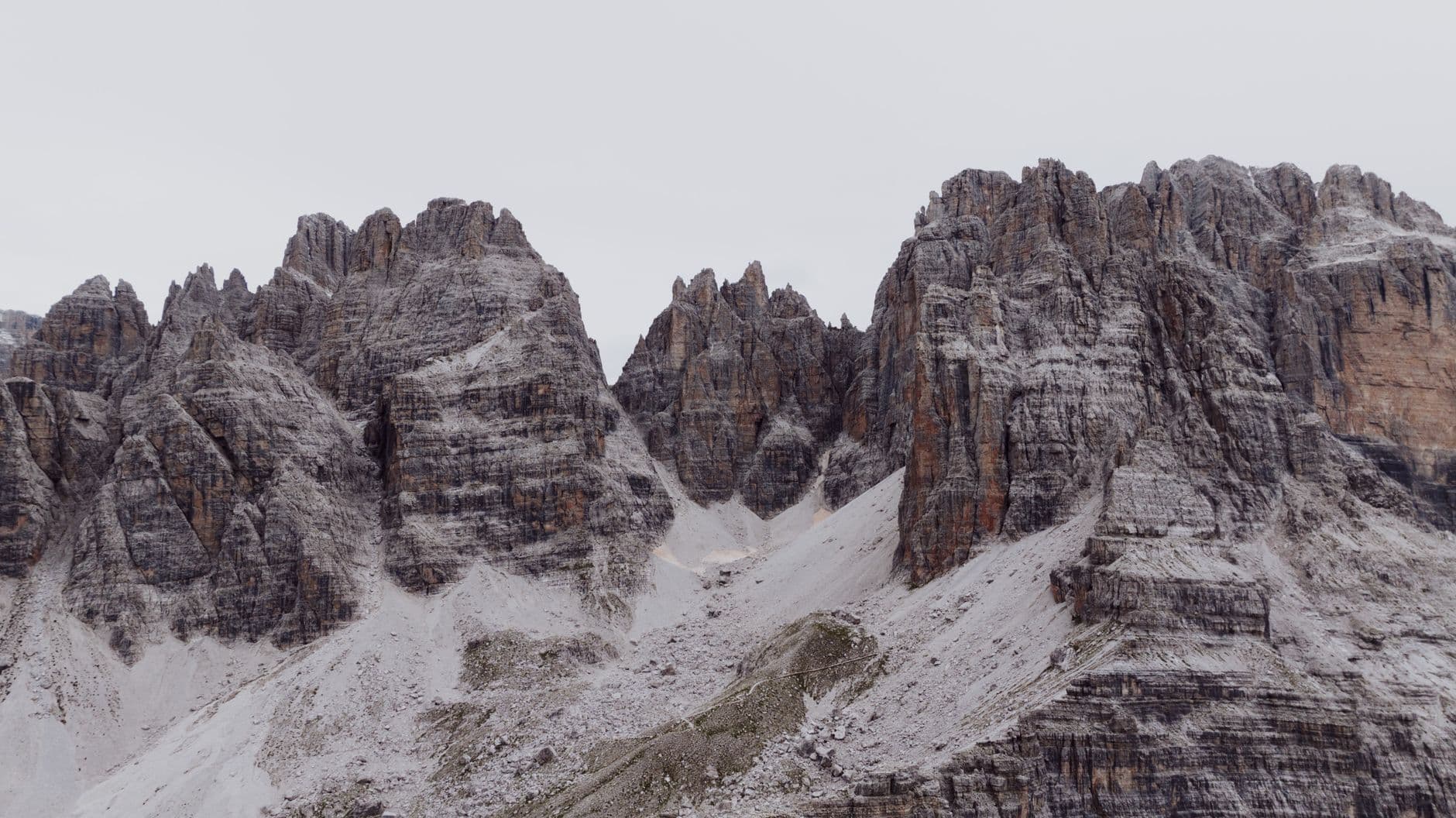
The Best Things to Do in The Dolomites
From a sunrise cable car ride out of Ortisei to a two-Michelin-star table in Alta Badia, here are the seven Dolomites experiences worth building an itinerary around.
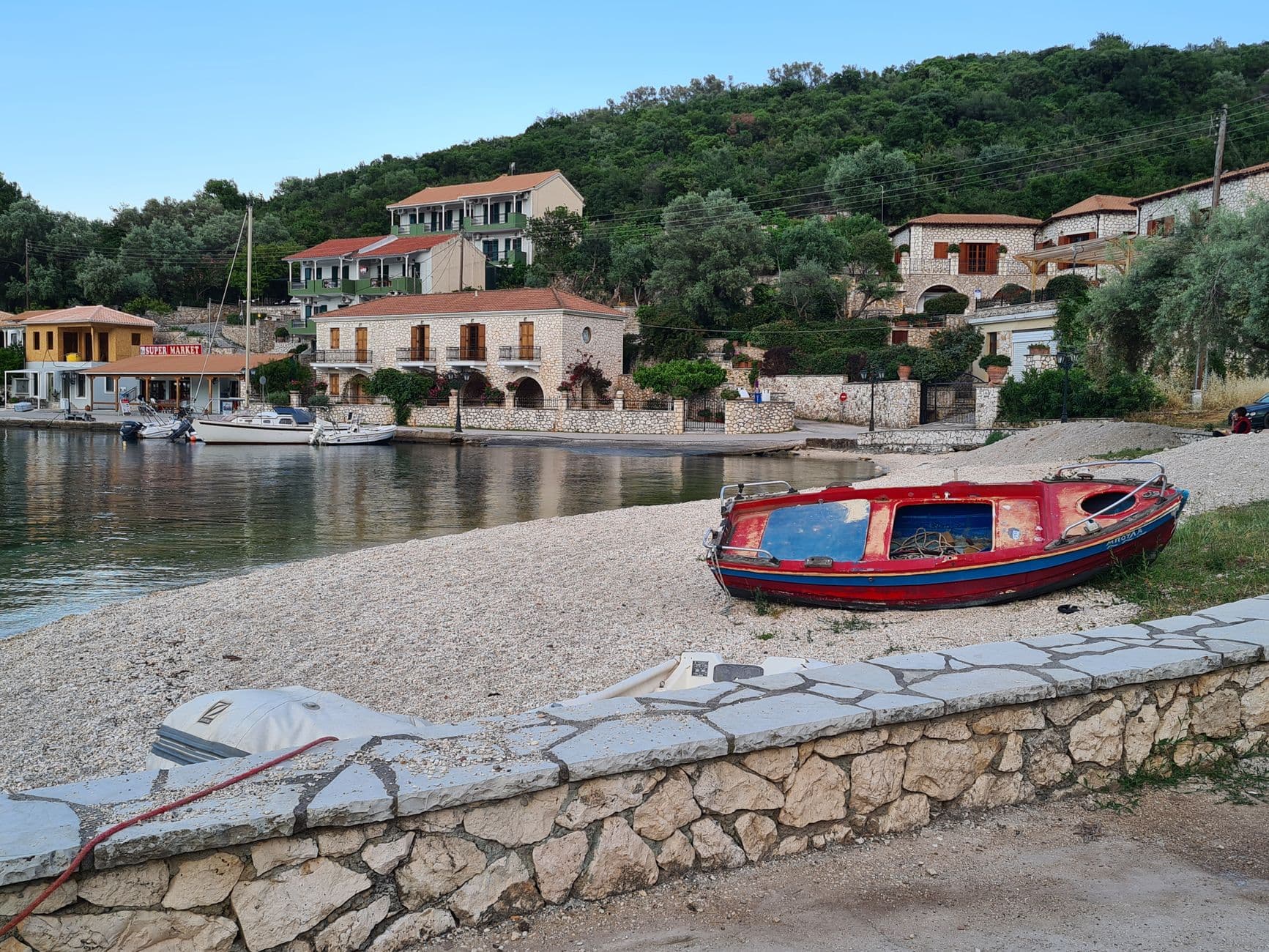
Why The Greek Islands Rewards an Off-Season Visit
Winter transforms the Greek islands into quiet, authentic destinations where fishermen repair nets, cheese-makers work openly, and villages revert to local life. Off-season travel costs half the summer rate.