A Week in the Swiss Alps: Train Routes and Mountain Villages
The Glacier Express: Zermatt to St. Moritz
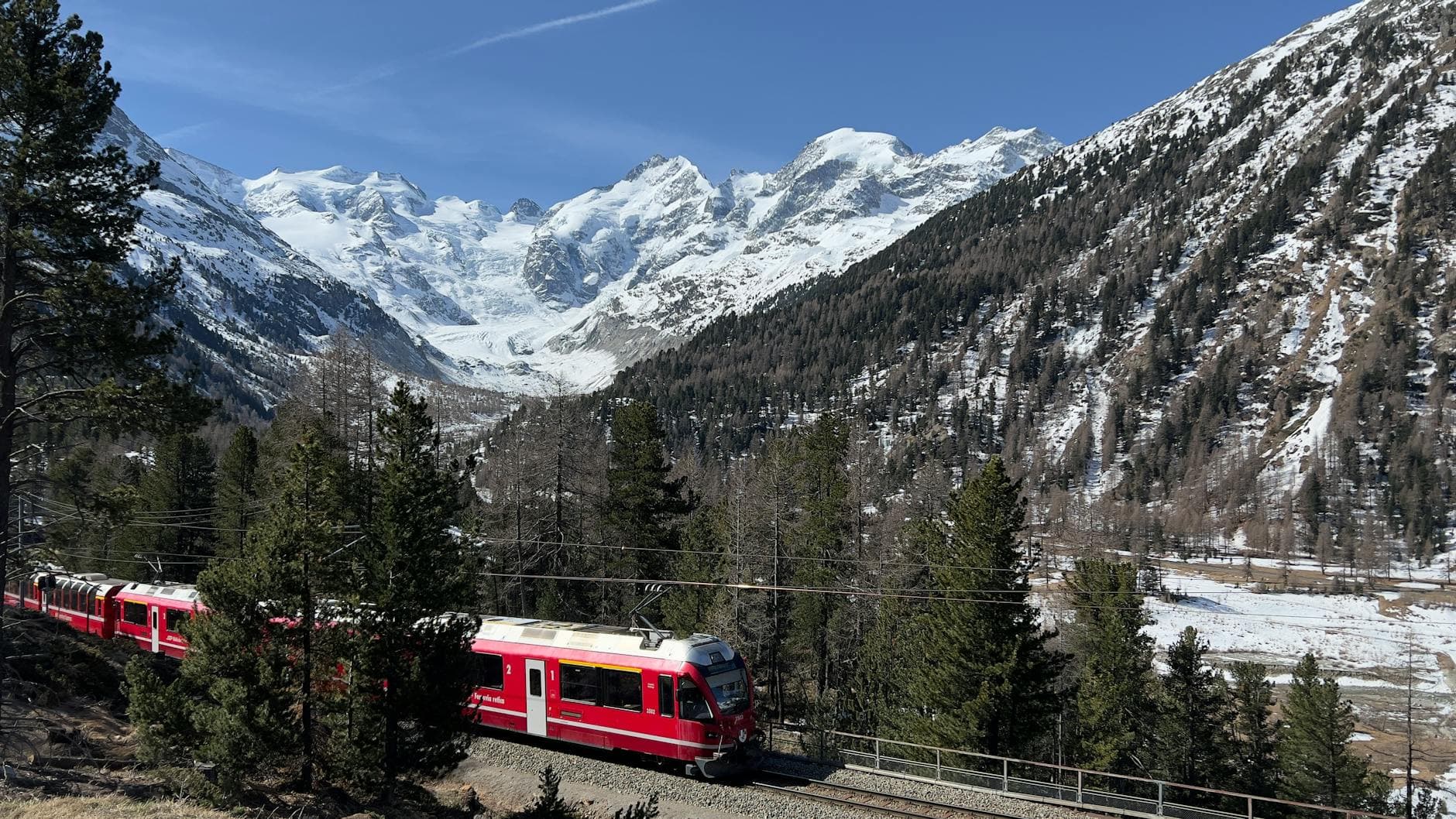
The Glacier Express bills itself as the "slowest express train in the world," and the 8-hour journey through 291 bridges and 91 tunnels earns the title. The panoramic windows frame a constantly shifting movie of snow-capped peaks, deep gorges, and meadows so green they look digitally enhanced.
I booked first class for the extra-wide seats and included lunch service — a three-course meal served at your seat as the train crosses the Oberalp Pass at 2,033 meters. The wine glasses have angled bases to compensate for the curves. Book at least two weeks ahead in summer; the best seats (right side heading to St. Moritz) sell out fast.
Lauterbrunnen Valley: 72 Waterfalls
Lauterbrunnen sits in a glacial valley so dramatic that Tolkien reportedly used it as inspiration for Rivendell. Seventy-two waterfalls cascade down the sheer cliff walls, including Staubbach Falls, which drops 297 meters in a single free-fall plume visible from the village center.
Take the cable car to Mürren, a car-free village perched on a cliff shelf across the valley. The views of the Eiger, Mönch, and Jungfrau from Mürren's terrace restaurants are the finest in the Bernese Oberland. A plate of rösti with melted raclette cheese and a cold beer here costs about CHF 25 — expensive, but you're paying for the panorama.
What It Actually Costs
Switzerland is expensive, but it doesn't have to be ruinous. My seven-day trip cost roughly CHF 2,100 (about $2,400) including a Swiss Travel Pass (CHF 440 for 8 days), budget hotels (CHF 80-120/night), meals mixing restaurant lunches with grocery store dinners, and all cable car and activity fees.
The biggest savings came from the Swiss Travel Pass, which covers not only trains but also boats, buses, and a 50% discount on most mountain railways. Without it, individual tickets would have cost nearly double. Pack lunch for hiking days — a supermarket sandwich, fruit, and chocolate bar costs CHF 8 versus CHF 25+ at a mountain restaurant.
Last checked for accuracy: . How we check
Swiss Alps Travel Tip
The Swiss Travel Pass covers unlimited train, bus, and boat travel plus free admission to 500+ museums. Our advisors can help you choose between the 4-day, 8-day, and 15-day passes based on your itinerary.
Plan Your Alps Trip
Marcus Rivera has spent fifteen years writing about places you have to walk into. He has guided in Patagonia, reported from Kilimanjaro's quieter routes, and has strong opinions about which of them are worth the airfare. He is based in Boulder, mostly so he can leave it.
Related Articles
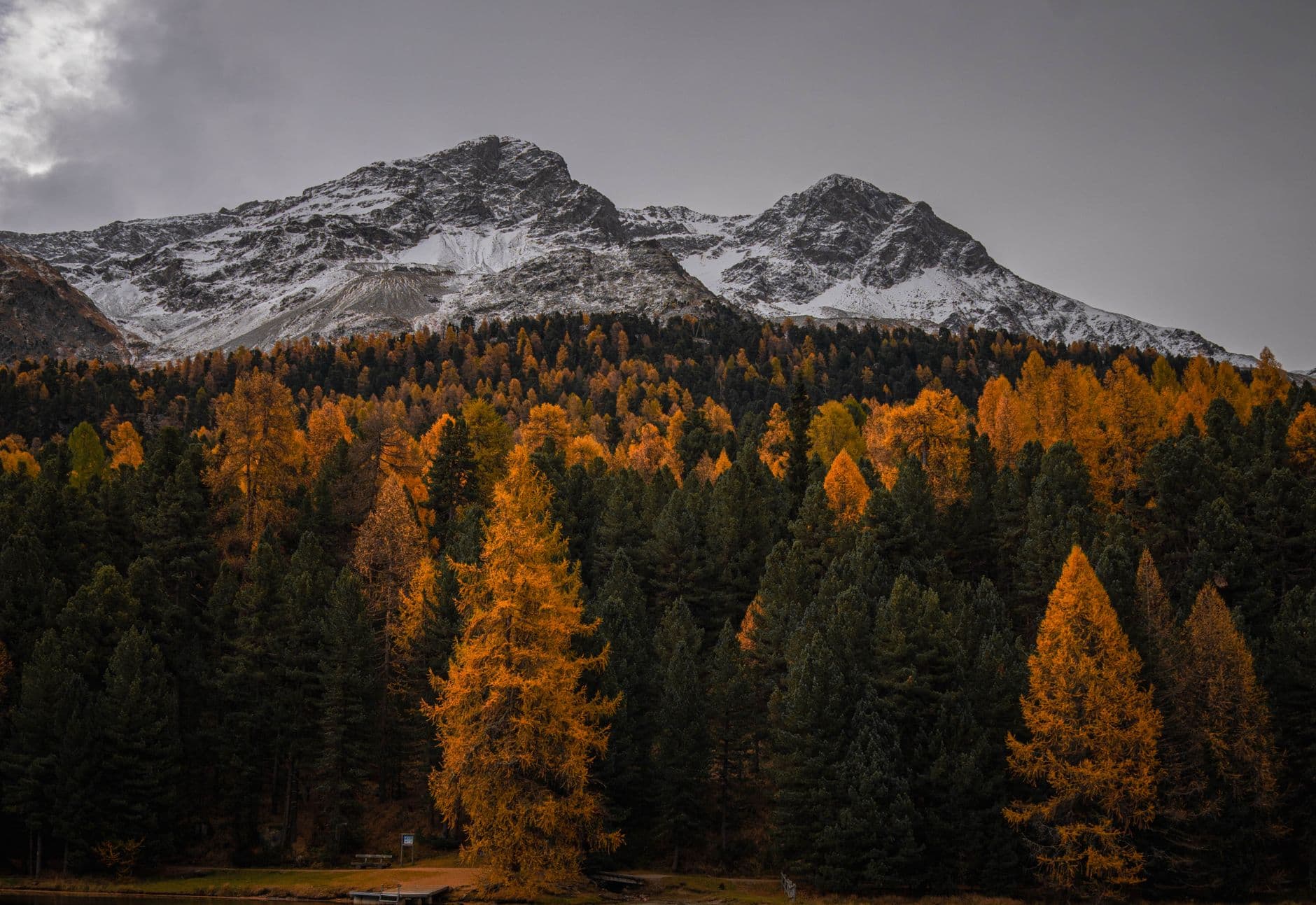
Why The Swiss Alps Rewards an Off-Season Visit
The Swiss Alps in September and October stand nearly empty. Trails quiet, prices halve, and snow dusts the highest peaks while larch forests turn gold—creating an entirely different alpine experience.

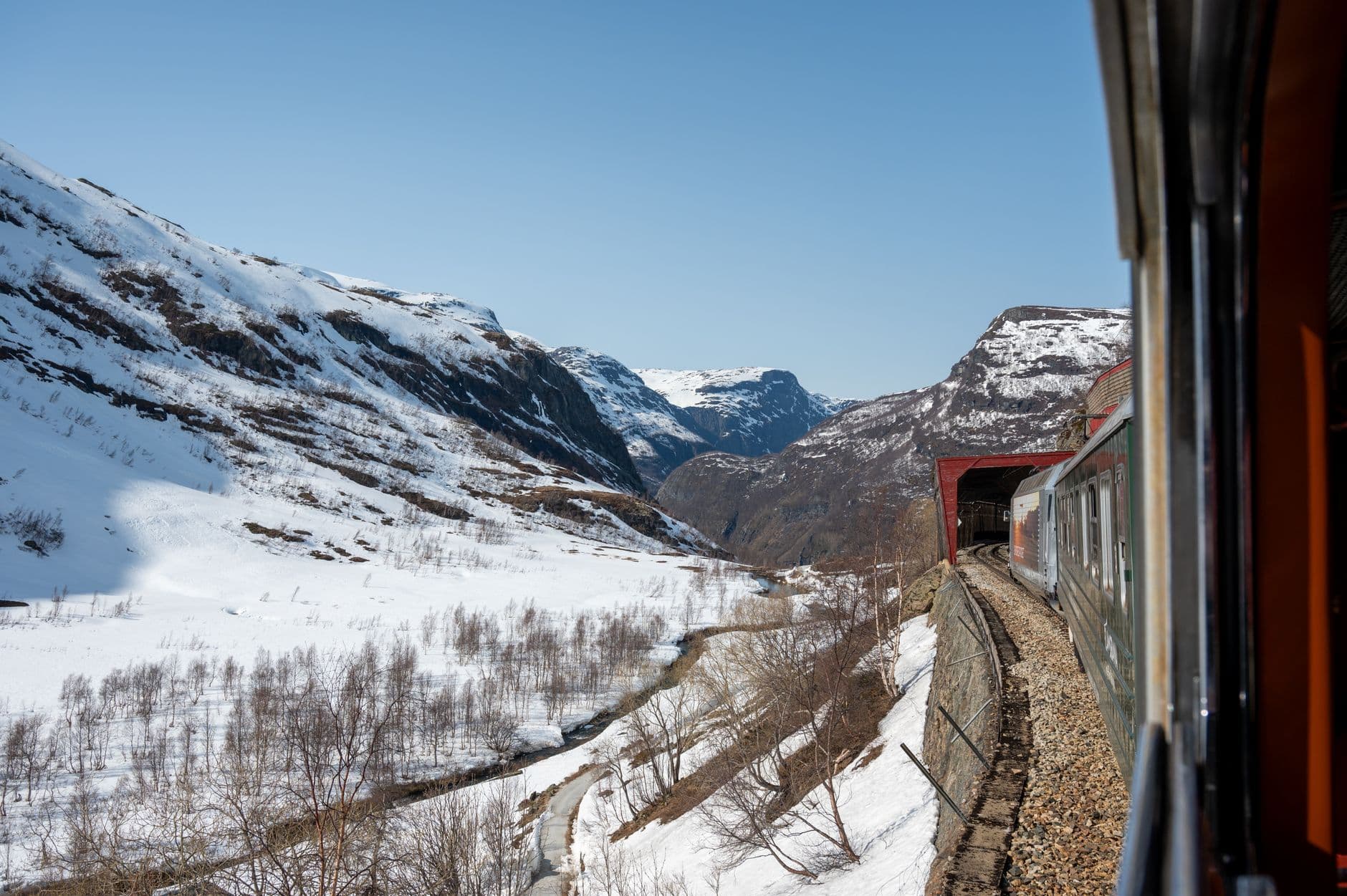
Essential Tips for Traveling in Norway
Norway rewards planners: book fjord trains early, pack for four seasons in a day, and pick your season for midnight sun or northern lights. Here's the essential prep guide.
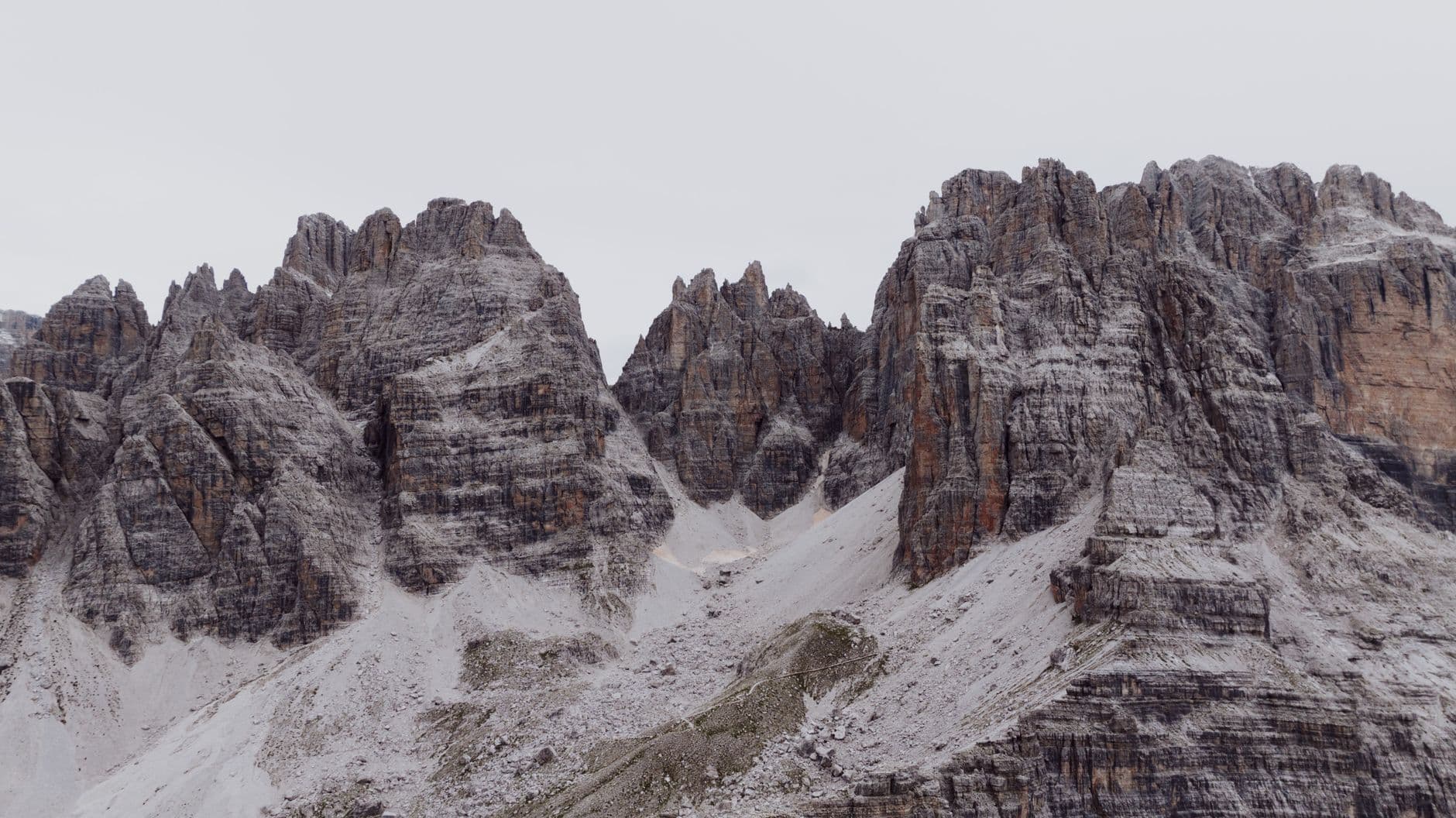
The Best Things to Do in The Dolomites
From a sunrise cable car ride out of Ortisei to a two-Michelin-star table in Alta Badia, here are the seven Dolomites experiences worth building an itinerary around.