
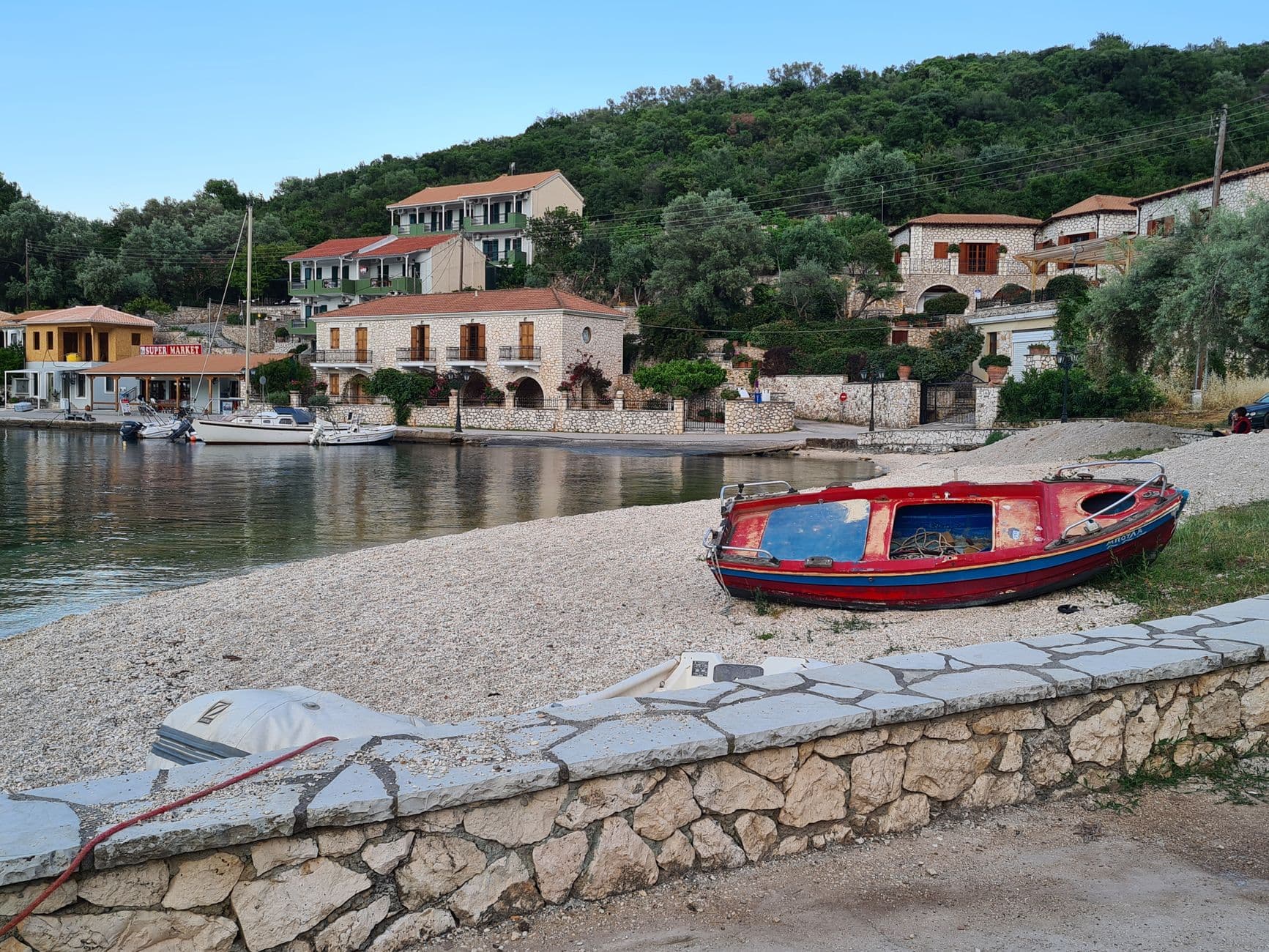
Why The Greek Islands Rewards an Off-Season Visit

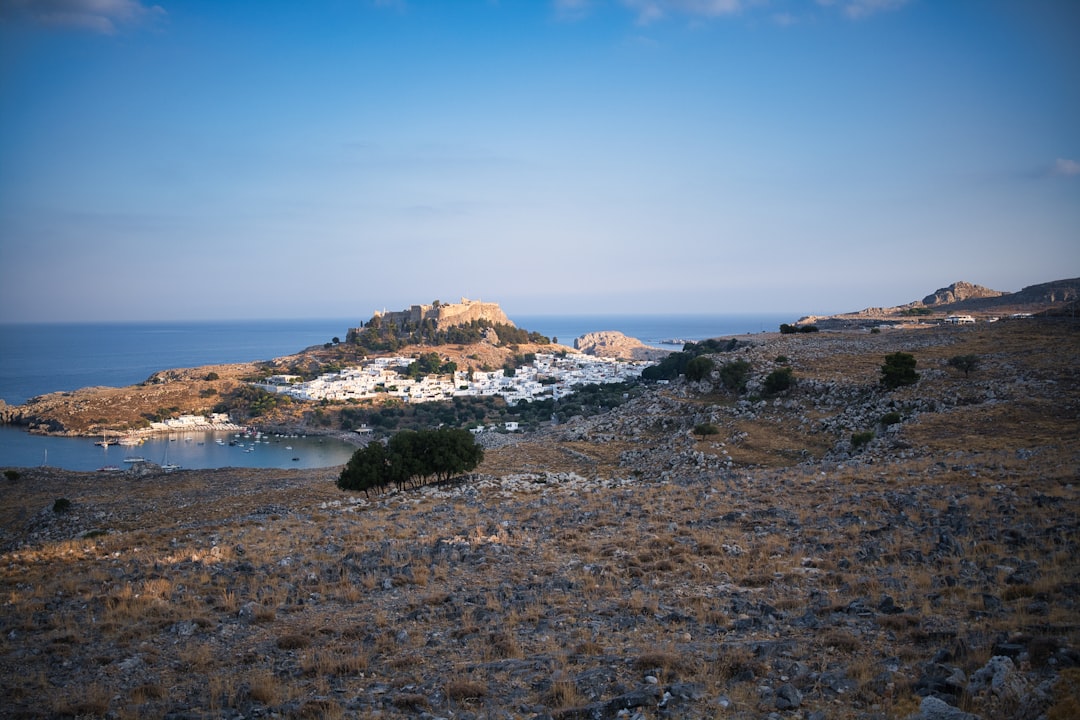
Why Off-Season Greek Islands Offer the Truest Island Experience
The Greek islands transform between November and March. Gone are the charter boats and resort queues that define summer tourism. What remains is something rarer: the actual rhythm of island life. Fishermen repair nets on quiet waterfronts. Taverna owners cook for locals, not tourists. The light arrives softer and lower, illuminating whitewashed villages without the bleaching glare of July. Temperatures hover between 13°C and 17°C in winter months—cool enough for walking without exhaustion, warm enough to sit outdoors with coffee and watch the sea. This is when traveling to the Greek islands rewards patience with authenticity.
Five Island Destinations Where Off-Season Rewards Exploration
Paros: The Quieter Marble Island
A working island where traditional craft and local meals define the season
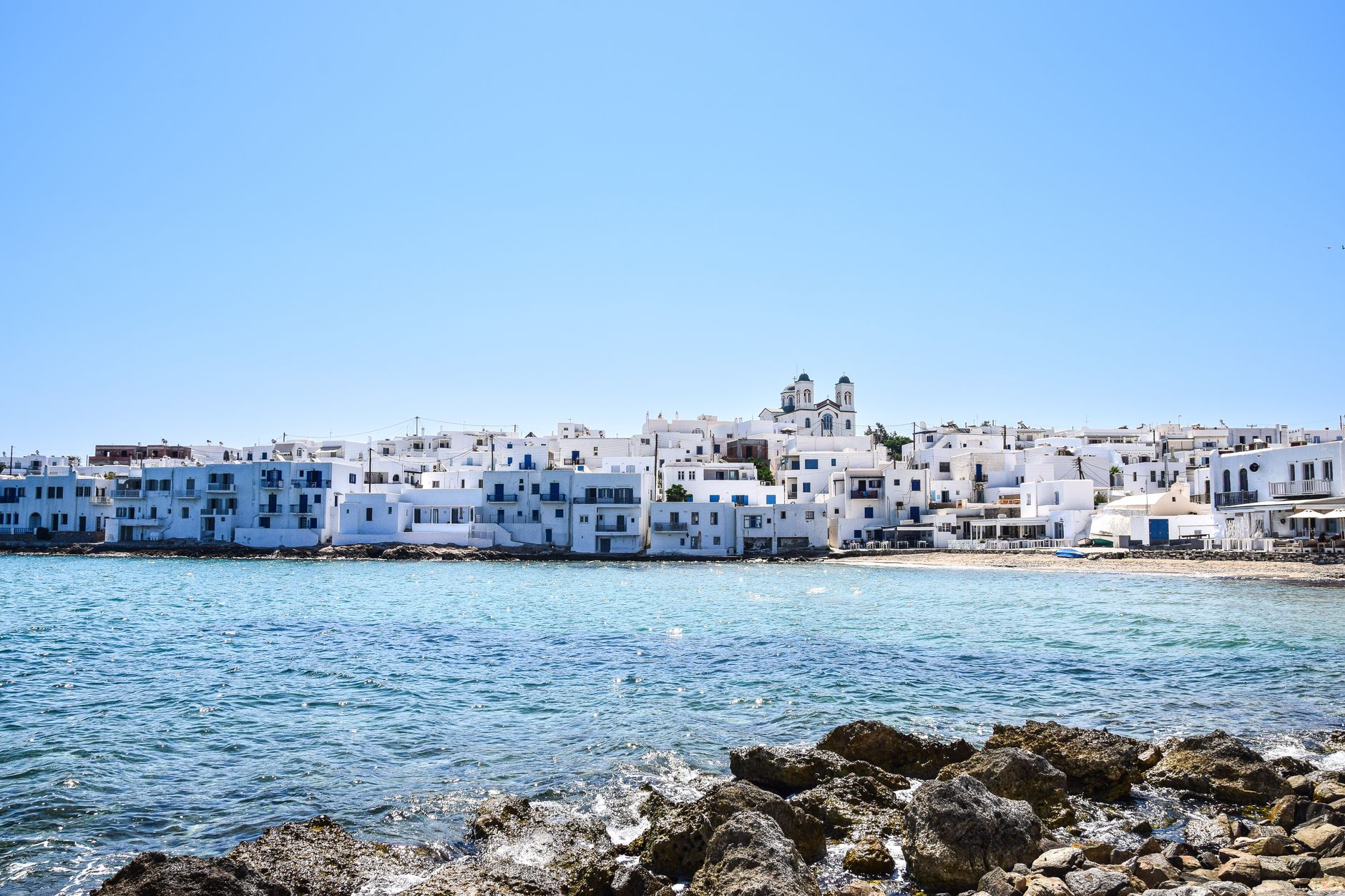
Paros sits southeast of Athens in the Cyclades, historically built on marble extraction rather than tourism. Off-season, that heritage surfaces. Workshops that close in summer reopen; sculptors work stone in studios you can actually visit. The port town of Parikia, normally packed with day-trippers, becomes navigable. Taverna owners like those at Koula or To Psariko seat you at communal tables with locals eating the same food—htipiti fava, saganaki, grilled octopus—rather than tourist-priced plates.
Ferries run less frequently but still connect Paros to nearby Naxos and Antiparos (roughly 30-minute crossings). Winter accommodation prices drop to EUR 40-70 per night for modest hotels like Hotel Argonauti. The marble quarries near the village of Marathi remain accessible; arrangement through the local tourism office typically yields a guide who can explain extraction methods still in use. Plan two to three days here to experience both the port and the quieter northern villages like Naoussa, where the fishing fleet still works.
Crete: Mountains Meet Island Culture
Greece's largest island yields proper villages, Minoan history, and winter hiking trails
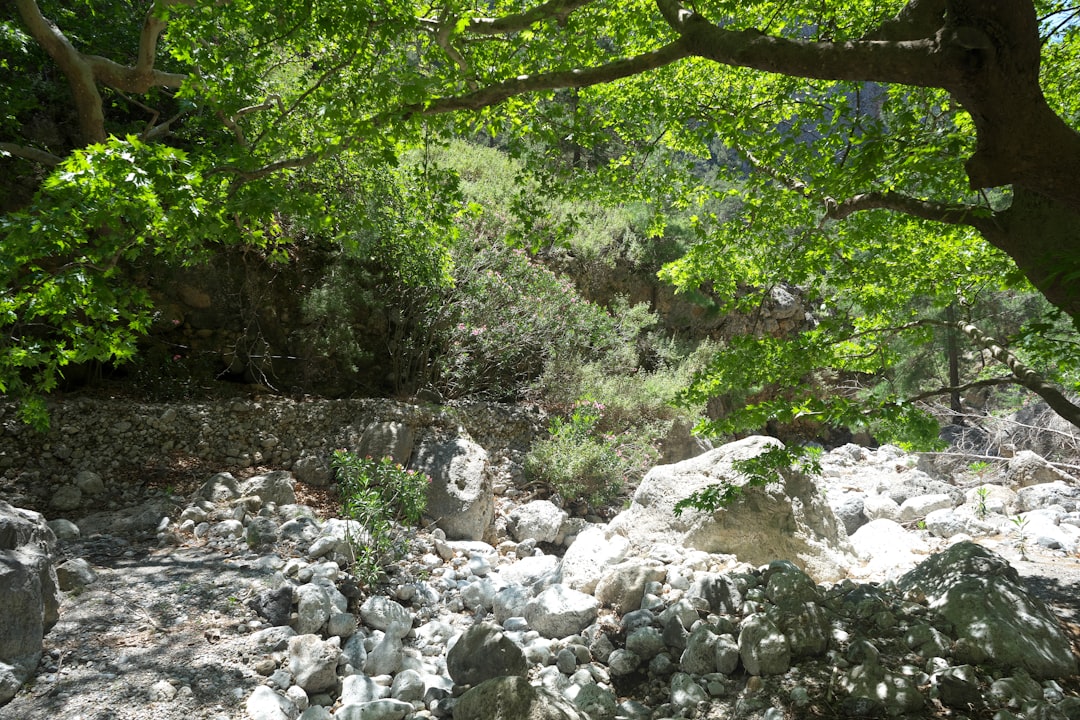
Crete's scale makes it distinct among Greek islands. It is not a single village but a province—three mountain ranges, dozens of working towns, and coastlines that shift character every 10 kilometers. Winter opens the high peaks around the Samaria Gorge and lower trails across the White Mountains that summer heat makes impassable. The gorge itself closes October through April for technical safety reasons, but neighboring routes like the descent from the Askifou plateau toward Sougia (roughly 12 kilometers, 4-5 hours) remain walkable and yield far fewer hikers.
Reach Crete via ferry from Piraeus (roughly 9-10 hours) or flight to Heraklion (about an hour from Athens). Winter rates for accommodation run EUR 50-85 per night outside the capital. Base yourself in a working mountain village like Rethymno or the smaller Hora Sfakion on the southern coast. Both offer access to trails and working kafeneia where older men still play tavli and dominoes over coffee. The Minoan Palace of Knossos near Heraklion is less crowded in winter and benefits from lower angle light that heightens photography; entry fees run approximately EUR 15-18 (late 2024).
Naxos: The Productive Island Hidden in Plain Sight
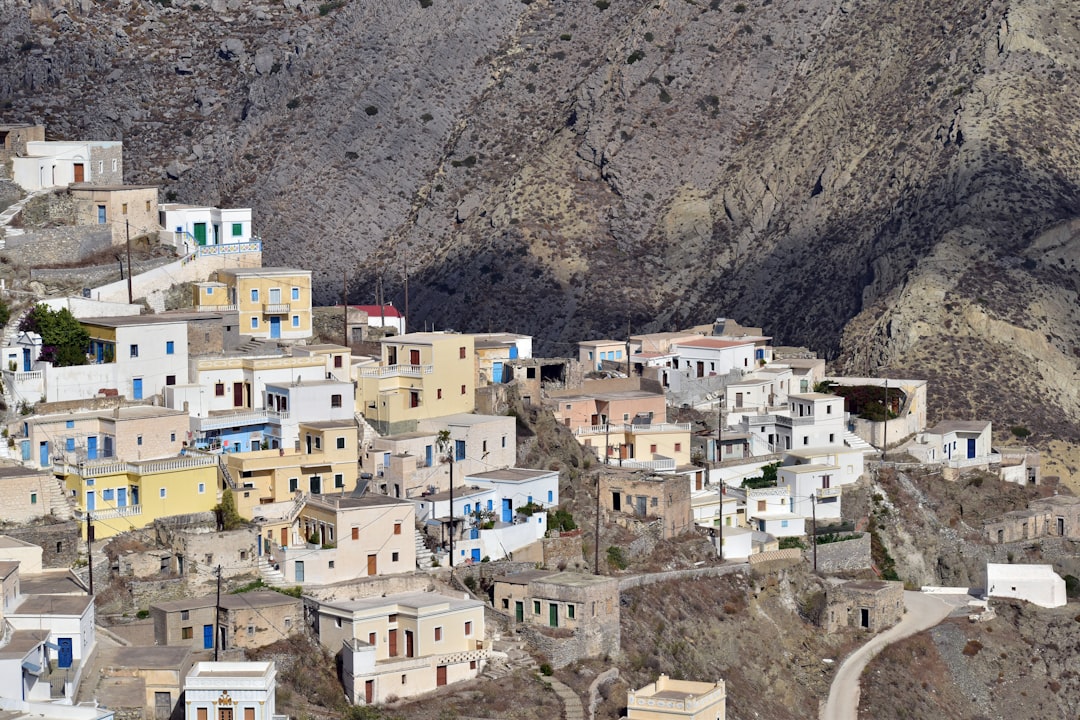
Naxos produces cheese, olives, potatoes, and wine—enough to feed Greece and export. Tourism is late to arrive here compared to Santorini or Mykonos, and winter makes that gap even wider. Arrive in November through February and you find the real economy intact. The mountainous interior, which most summer tourists bypass for beaches, fills with working farms and villages where cheese-makers still hand-produce graviera and kefalotyri. Apiranthos, roughly 30 kilometers inland from the port, hosts a small marble museum and traditional workshops where villagers make the loukoumi and local sweets still sold at proper prices.
The ferry from Athens runs daily (roughly 5-6 hours) and costs EUR 45-65 per person one way. Winter accommodation averages EUR 50-70 per night. Rent a small car or scooter and navigate inland from Chora (the main port), heading toward villages like Apano Kastro or Filoti. Plan meals at family-run places like Ta Kitrinakis in Chora or Taverna Tsikali in Apiranthos, where mains cost EUR 10-16. The island's beaches are empty in winter, but they are less the draw than the agricultural core that becomes visible when tourism infrastructure shuts down.
Folegandros: The Minimal Option
A tiny island where tourism genuinely pauses in off-season
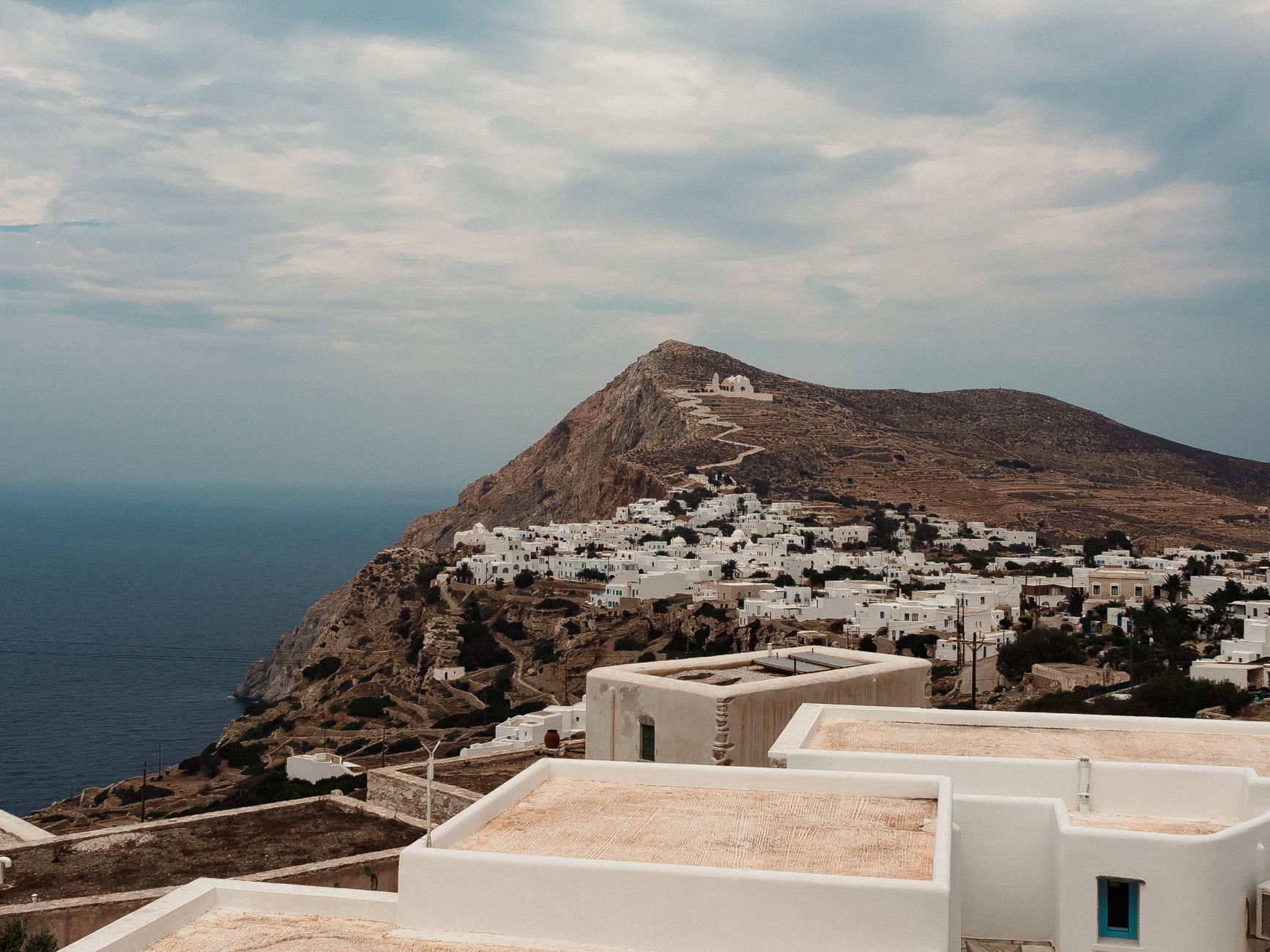
Folegandros is small enough that you can walk its perimeter in a long day. It has no airport, no rentable cars, and one main town (Hora) positioned on a 200-meter cliff. In summer, ferries run twice daily and the village absorbs several hundred visitors daily. November through March, ferry service drops to three or four weekly connections, and many accommodation options close entirely. This is not accidental—it is by design. The island has actively resisted over-development and remains one of the few Cycladic islands where winter genuinely feels like you have stepped out of tourist time.
Ferries run from Piraeus (roughly 7-9 hours) or via island-hopping through Milos or Kimolos (shorter, variable routes). Only a handful of hotels stay open; booking is necessary and should occur weeks ahead. Off-season rates typically run EUR 45-65 per night. Hora's main plateia (square) hosts one or two tavernas open year-round; meals average EUR 11-18 per person. The dramatic cliff views, the Church of Panagia perched above the Chora, and the beaches at Livadaki and Katergo accessible by local boat trips remain fully available. This island rewards travelers seeking isolation and are comfortable with limited dining and nightlife options.
Rhodes: History and Longer Open Windows
Greece's largest eastern island with more winter activity and Crusader fortifications
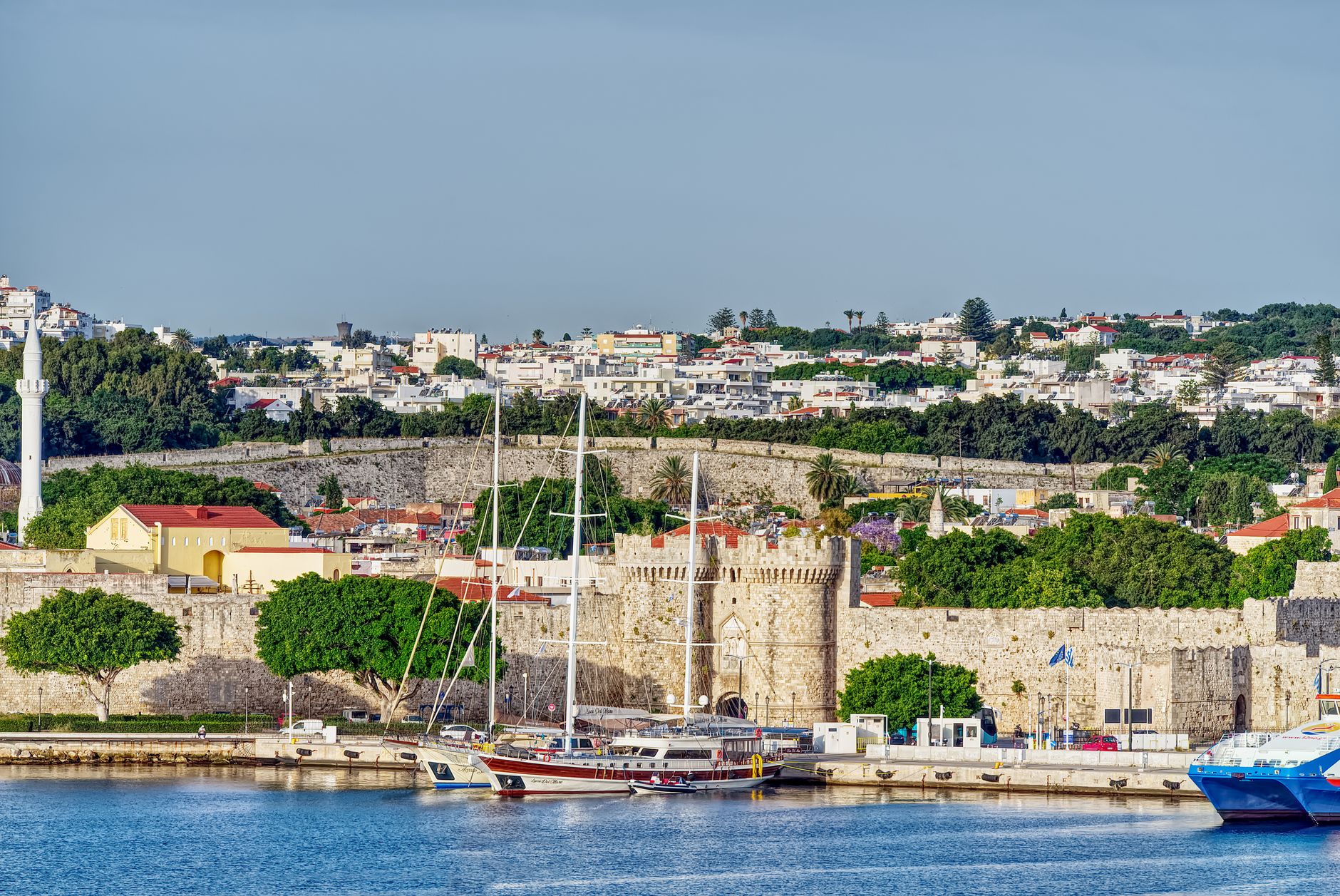
Rhodes, in the southeastern Dodecanese, operates on a slightly different winter schedule than the Cyclades due to its position closer to Turkey and higher altitude protection. Temperatures stay marginally warmer, and more hotels and restaurants remain open through the season. The Old Town, ringed by medieval walls built by the Knights Hospitaller in the 14th century, reveals its layered history without summer congestion. Walk the Street of the Knights, lined with period architecture housing museums and workshops. The Palace of the Grand Masters stands open (entry roughly EUR 8-12, late 2024) with partial restoration work typically underway.
Ferries connect Rhodes to Athens via Piraeus (roughly 15-16 hours) and to nearby islands like Symi and Halki. The airport receives domestic flights from Athens (roughly 1 hour, EUR 60-90 per person return). Winter accommodation averages EUR 55-85 per night. The archaeological sites at Lindos, roughly 50 kilometers south, and the Valley of the Butterflies remain accessible year-round, though the latter is quieter in winter when butterfly populations diminish. Plan three to four days to explore both the Old Town and the island's Crusader castle ruins inland.
Cordelie travel advisors
Planning The Greek Islands? Go with someone who knows
The right suite, the right season, the reservations that never appear online — your Cordelie advisor knows them, and holds them for you.
Plan with a Cordelie advisorFree to ask. Cordelie Travel Services · IATA/ARC 06649064
What to Actually Do: Off-Season Activities Beyond Beach Time
Winter in the Greek islands tilts toward cultural immersion rather than resort amenities. This requires a reframe. There are no organized beach clubs, minimal nightlife, and weather that demands a jacket. What emerges instead is the genuine structure of island life.
Hiking becomes practical. The Samaria Gorge on Crete closes for technical reasons, but alternatives abound: the plateau walks near Rethymno, the mountain routes across Naxos connecting village to village, or the cliff paths around Folegandros. Bring layers—mornings can dip below 10°C, and wind across exposed plateaus cuts deeper. Most routes require no guides and are marked adequately, but hiring a local through your accommodation adds context about land use, traditional routes, and seasonal practices.
Food production is visible. November through March is olive harvest on islands like Naxos and Crete. Some farms offer harvest experiences (typically EUR 40-60 per person for a half-day including lunch prepared from harvest proceeds). Cheese production continues year-round; workshops in villages like Apiranthos on Naxos and Rethymno on Crete welcome visitors. Arrive mid-morning when production is underway, introduce yourself, and ask if you can observe. Many require no reservation and charge nothing—a handshake and coffee afterward are the custom.
Archaeological sites operate with reduced crowds. Knossos Palace on Crete, Lindos Acropolis on Rhodes, and smaller sites scattered across the islands remain open. Winter light sits lower, producing longer shadows that reveal architectural detail that bleached summer light obscures. Entry fees typically drop in off-season at some sites, and queuing is measured in minutes rather than hours.
Village festivals and religious observances occur. The Orthodox Christian calendar drives significant gatherings, particularly around Epiphany (early January) and Clean Monday (which falls in February or March depending on Easter). Some islands still stage traditional celebrations with local participation; check with your accommodation or the local tourism office weeks ahead.
Fishing trips depart most days year-round. Half-day boat charters targeting grouper, sea bream, and smaller species typically cost EUR 60-100 per person and include tackle and instruction. You need no prior experience. The boats depart from main ports around 07:00 and return by 13:00, giving afternoons free. The catch is yours to take or to have the boat prepare for dinner at a local taverna.
Off-Season Island Life in Motion
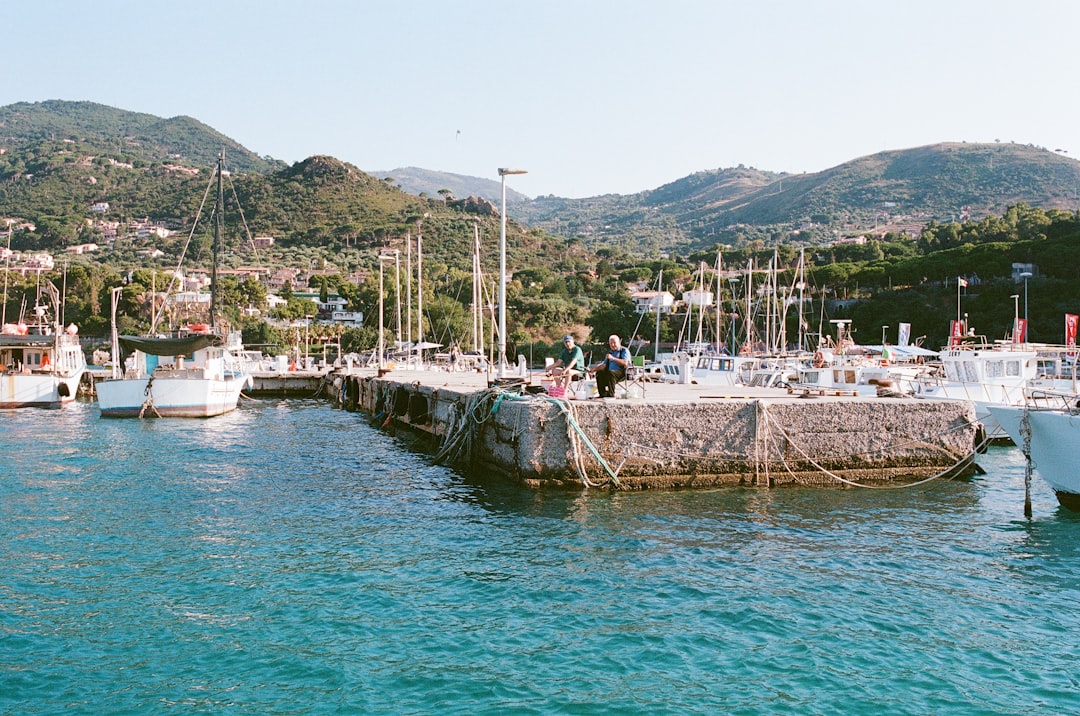
Off-season island travel rewards flexibility, but it also introduces logistics that benefit from expert coordination. Ferry schedules shift weekly. Many accommodations close seasonally or operate reduced hours. Authentic experiences—harvest participation, working-studio visits, local festival access—often lack online booking and require advance local knowledge.
A travel advisor experienced with the Greek islands can arrange accommodations that stay open year-round, secure reservations at restaurants that operate in off-season, and build connections with local guides and activity providers before you arrive. They can also navigate the ferries and inter-island connections that change seasonally, protecting your time and ensuring you spend it on the island rather than stranded at a port.
Reach out to Cordelie's advisors who specialize in Mediterranean travel to plan an off-season Greek island itinerary tailored to your interests.
Practical Planning: Booking, Getting There, and Pacing Your Days
Book accommodations eight to twelve weeks ahead. Many hotels close October through March; your options narrow quickly. Check directly with hotels rather than relying solely on booking platforms, which often drop seasonal closures late. Expect to pay EUR 50-90 per night for clean, reliable rooms in off-season versus EUR 120-180 in summer—a meaningful difference that compounds over two weeks.
Flights from major European cities and the US arrive in Athens. The ferry from Piraeus (roughly 30 kilometers south of central Athens) takes 4-10 hours depending on destination and routing. Book ferry tickets through Hellenic Seaways or BlueStarFerries websites; prices range EUR 40-90 per person one way depending on cabin type and distance. Ferry schedules change seasonally; verify departures one week before travel rather than booking months in advance.
Pack layers and waterproof outerwear. November through March temperatures average 13-17°C, and rain is not uncommon. Bring a light jacket, long trousers suitable for walking, and genuinely waterproof shoes. The sun remains strong despite the cooler air—sunscreen still applies. Leave behind the assumption that Greek islands mean beach weather.
Plan days loosely. Without scheduled tours and organized activities, your rhythm becomes dictated by meal times and opening hours of specific sites. Most archaeological sites open 08:00-15:00. Tavernas open late, typically 12:00-15:00 for lunch and 19:00-23:00 for dinner. Shops close afternoons (15:00-17:00). Your day will follow this pattern; structure morning exploration, rest in early afternoon, emerge for taverna dinner. This is not laziness—it is the actual pace of island life.
Budget EUR 35-50 per day for meals if you eat primarily at local tavernas and kafeneia. Groceries at island markets run 20-30% lower than tourist restaurants. A week of accommodation, transport, meals, and activities (hiking guides, ferries, entry fees, occasional organized experiences) reasonably costs EUR 1000-1500 per person from Athens onward.
Off-Season Greek Islands: The Essential Summary
Off-season travel to the Greek islands rewards patience and flexibility with authentic cultural immersion, radically lower costs, and access to the actual working islands beneath the summer tourism infrastructure. Best for travelers seeking cultural depth, hiking, and genuine local engagement rather than resort amenities or nightlife.
Best time to visit: November through March, with December-January coolest and March warmest.
Top destinations: Naxos for food culture and village authenticity; Crete for hiking and archaeological depth; Paros for marble craftsmanship; Rhodes for medieval history; Folegandros for genuine solitude.
Accommodation costs: EUR 50-85 per night in off-season versus EUR 120-200+ in summer.
Getting there: Fly to Athens, ferry from Piraeus (4-10 hours depending on destination), or fly direct to Rhodes or Crete.
Key experiences: Hiking mountain routes, observing food production, participating in olive harvest or cheese-making, visiting archaeological sites without crowds, fishing trips.
Weather: Expect 13-17°C temperatures, rain possible, strong sun despite cooler air.
Dining: EUR 10-18 per main at local tavernas; EUR 35-50 per day budgets comfortably.
Work with an advisor to coordinate inter-island ferries, access local activity providers, and secure accommodations at seasonal properties.
Last checked for accuracy: . How we check

Priya Raman has spent eleven years testing whether a destination works with a four-year-old, a teenager and a grandparent in the same party. She writes the version of the guide that accounts for nap times and still gets you to the good stuff, and travels from Toronto with a carry-on she can pack in nine minutes.
Related Articles
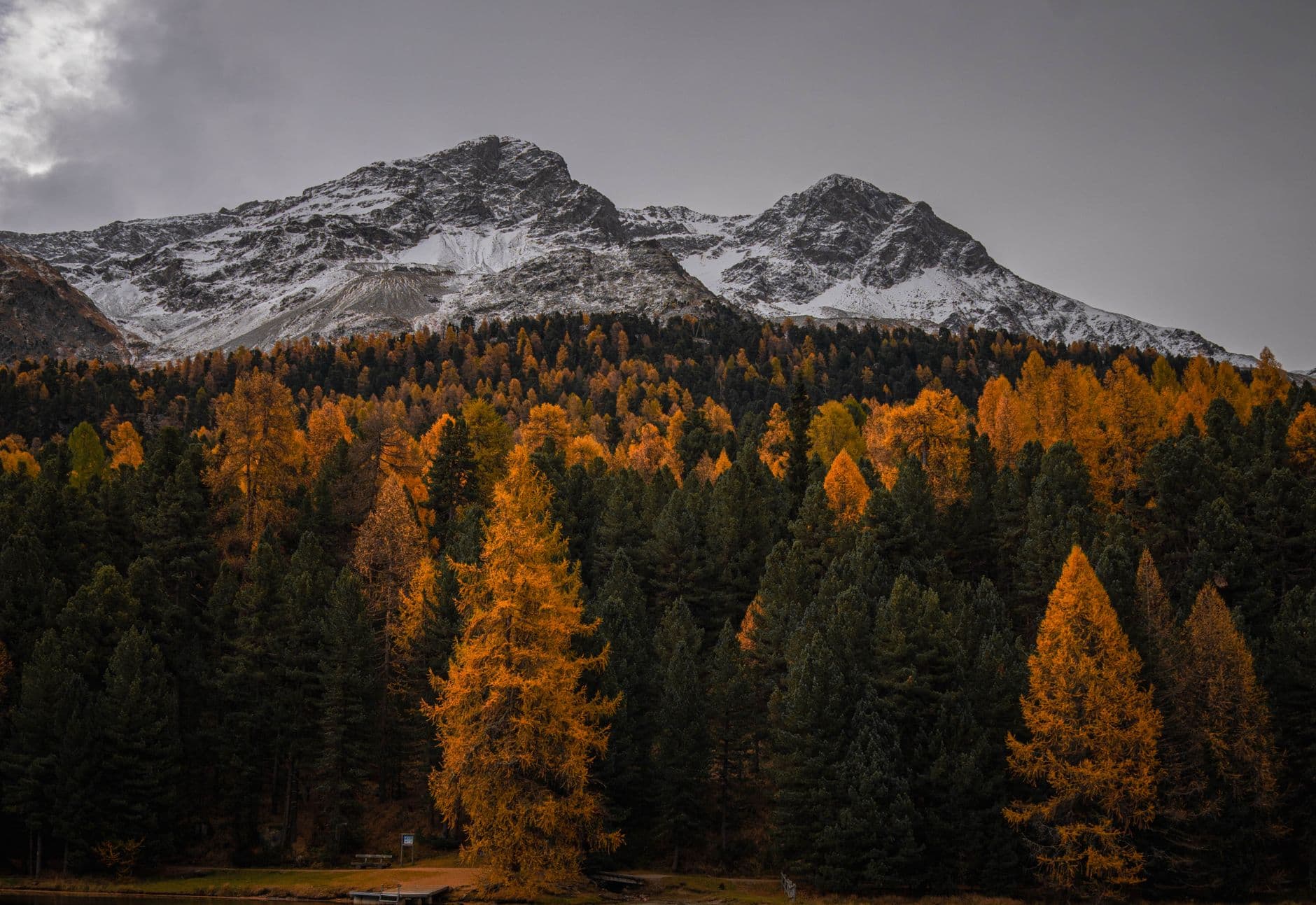
Why The Swiss Alps Rewards an Off-Season Visit
The Swiss Alps in September and October stand nearly empty. Trails quiet, prices halve, and snow dusts the highest peaks while larch forests turn gold—creating an entirely different alpine experience.

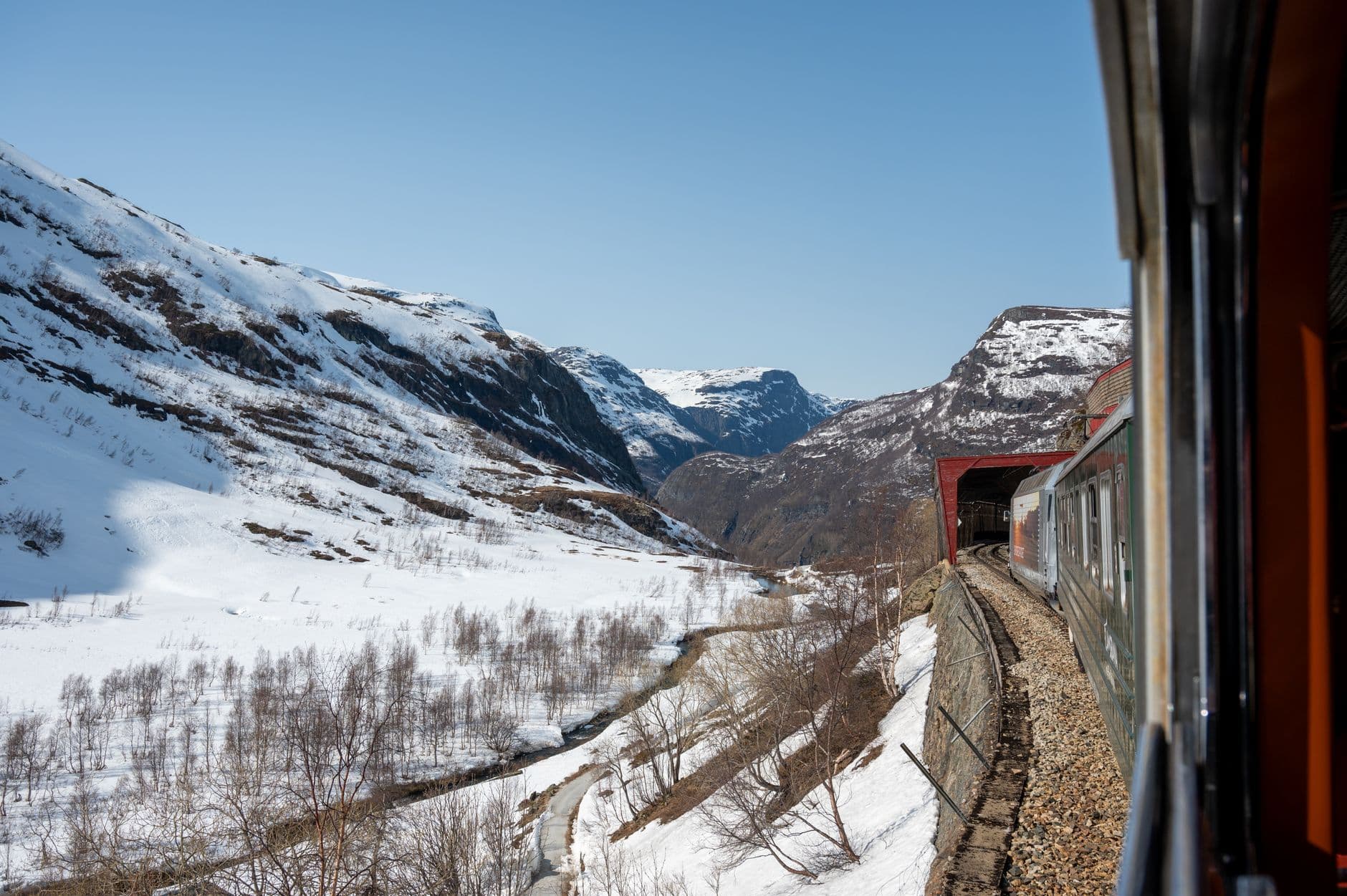
Essential Tips for Traveling in Norway
Norway rewards planners: book fjord trains early, pack for four seasons in a day, and pick your season for midnight sun or northern lights. Here's the essential prep guide.

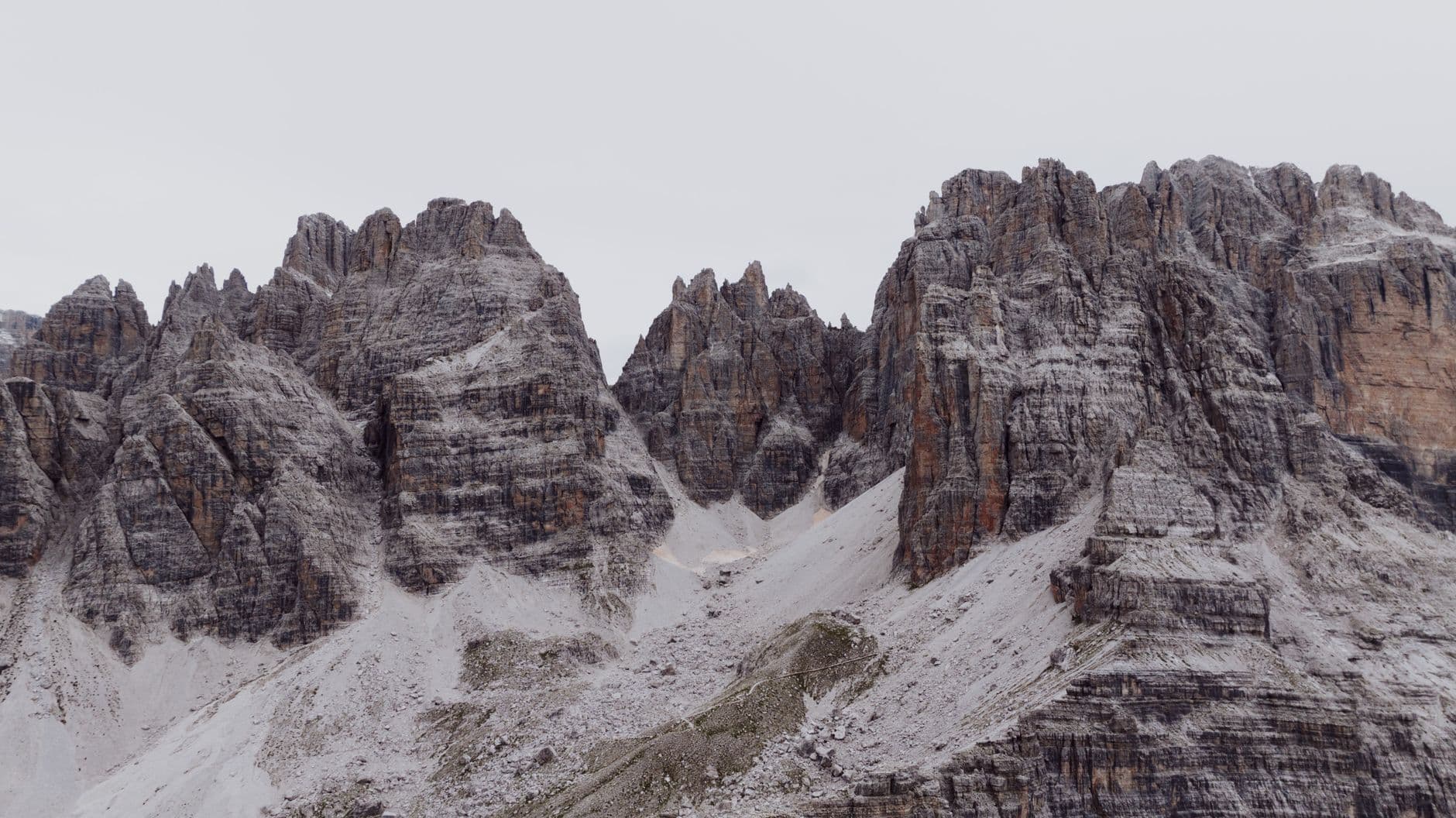
The Best Things to Do in The Dolomites
From a sunrise cable car ride out of Ortisei to a two-Michelin-star table in Alta Badia, here are the seven Dolomites experiences worth building an itinerary around.