
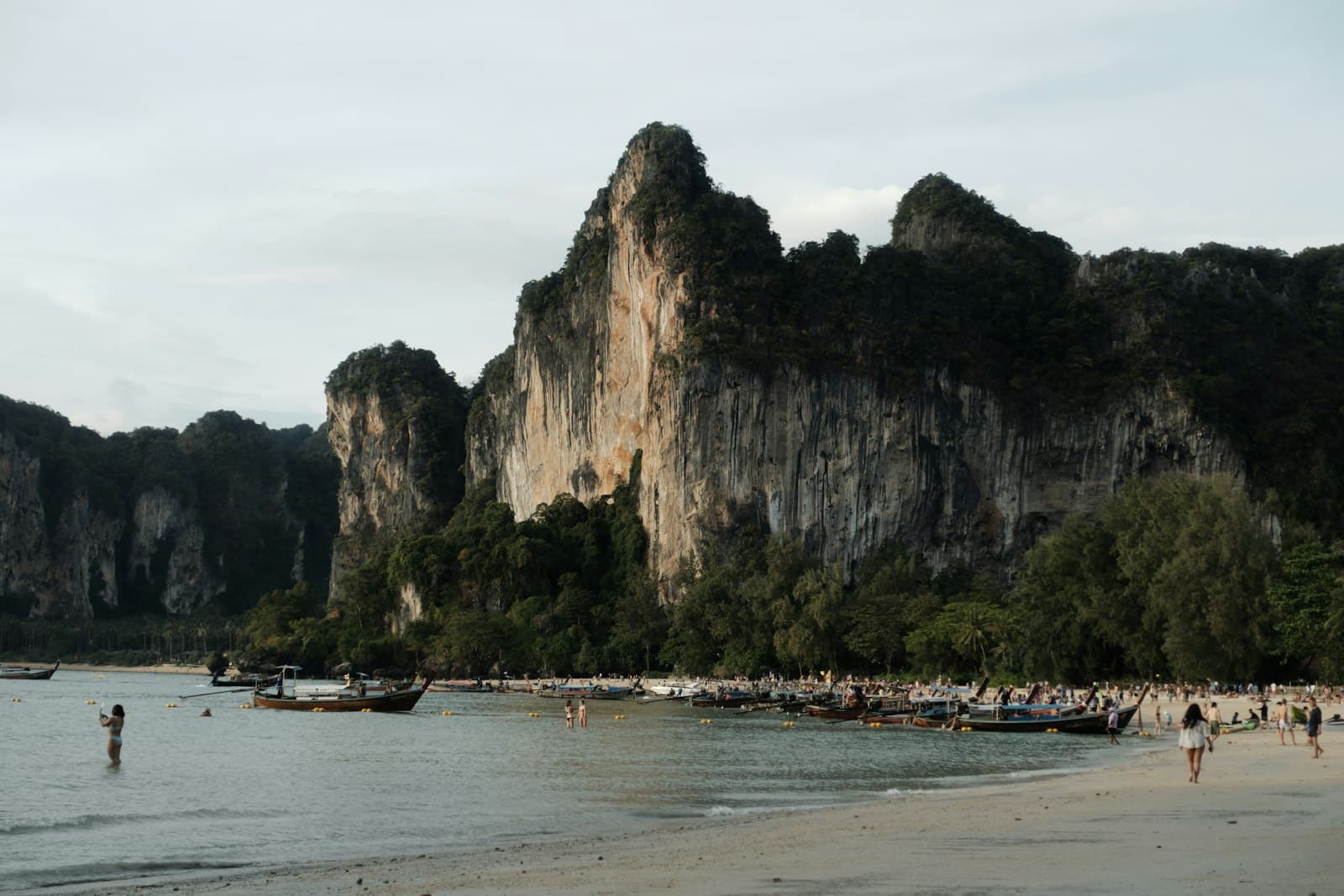
The Best Things to Do in Thailand
Thailand's Best Adventures: Why This List Earns Its Boots
Thailand gets sold as a beach-and-temple country, and sure, the beaches and temples are real. But the version of Thailand that actually changes how you move through the world is the one with chalk on your hands, salt in your hair, and mud on your boots. This list ranks the experiences that make you sweat, not the ones you photograph from a lounge chair. If you're still mapping out the basics of where to fly into and when to go, our Thailand quick guide covers that groundwork first.
Every entry here had to clear three bars: it has to be physically engaging, not just scenic; it has to be bookable or doable without a specialist permit most travelers can't get; and it has to reward people who show up with decent gear and realistic expectations.
Rankings weigh intensity of experience against accessibility. A climb that only a handful of elite athletes can do loses points even if it's spectacular, while something anyone reasonably fit can attempt with the right prep moves up. We also factored in current spring conditions: Thailand in March through May runs hot and, in the north, hazy from seasonal agricultural burning, so we've flagged where that matters and where it doesn't.
Climb the Limestone Walls of Railay Beach
Krabi Province — Difficulty: beginner-friendly to genuinely hard
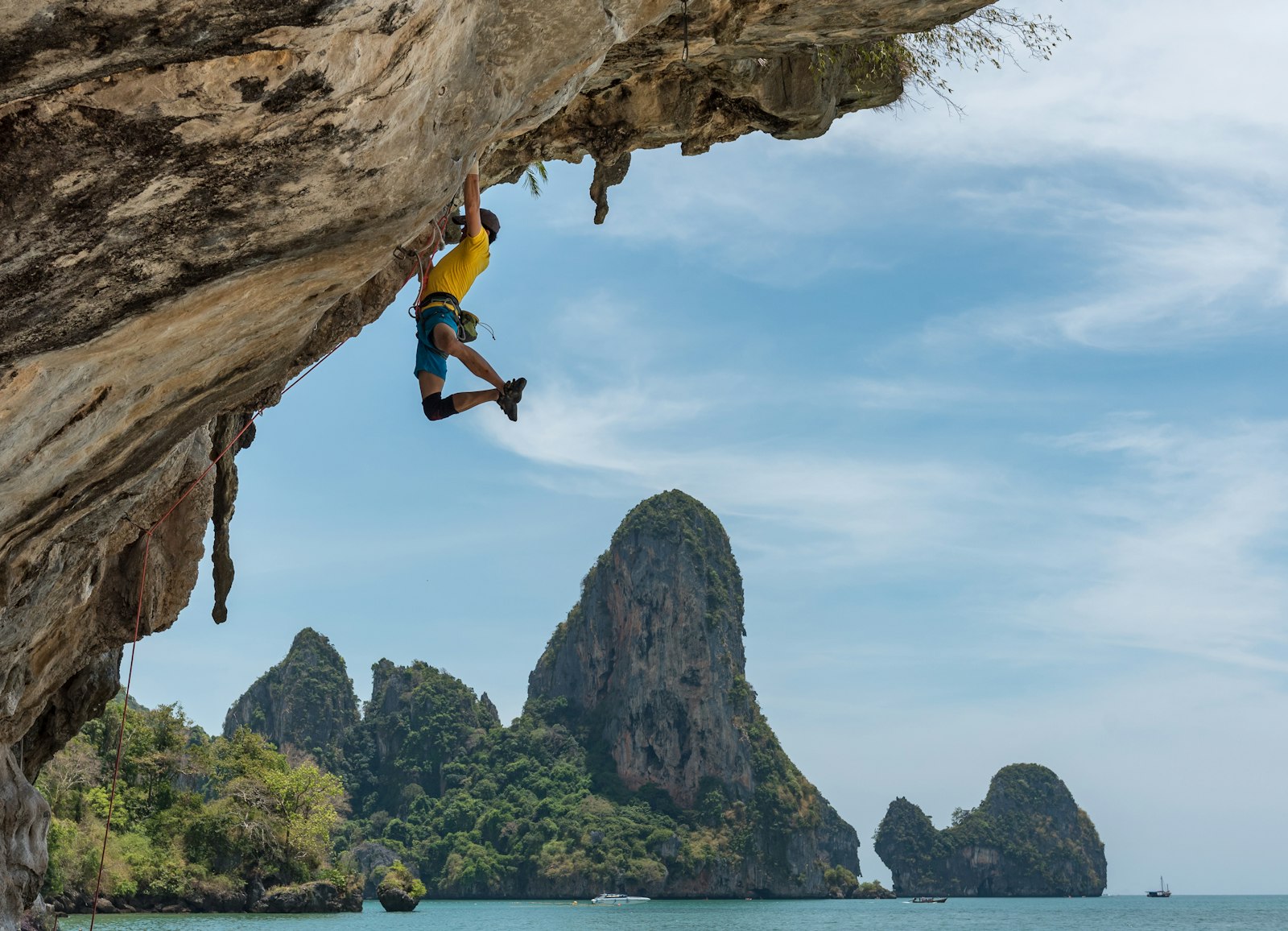
Railay is a peninsula with no road in. You arrive by longtail boat from Ao Nang pier, a loud, salty 15-minute ride costing roughly 100-150 baht, and the cliffs that cut Railay off from the mainland are exactly what you came to climb. Shops like King Climbers and Hot Rock run half-day intro sessions for around 1,200-1,800 baht, gear included, on routes graded 5a to 5c that forgive wobbly footwork.
If you already climb, Railay turns serious fast. Tonsai Beach next door has multi-pitch lines up to 8a, with Thaiwand Wall and the Diamond Cave sector drawing climbers back year after year. Spring mornings are the move: by early afternoon the limestone bakes and your hands sweat through chalk faster than you can reapply it. Bring your own harness and shoes if you have them; rental gear here has seen a lot of hands.
Dive the Similan Islands Before the Season Shuts
Andaman Sea, off Khao Lak — Difficulty: beginner (snorkel) to advanced (deep dive)
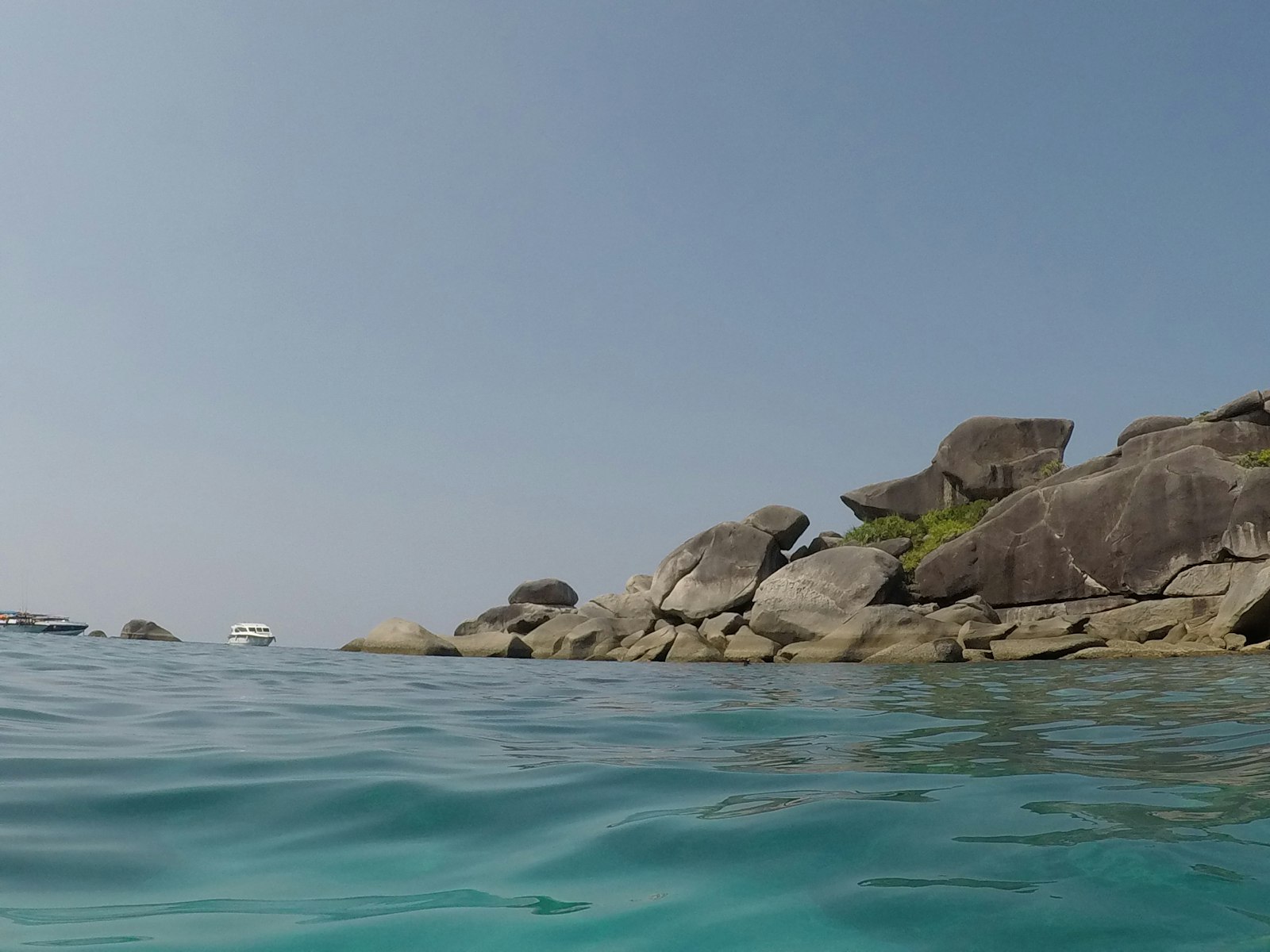
The Similans are a national marine park, and the park closes to protect the reef every year from roughly mid-May through October. That means a spring trip is your last clean window before the monsoon swell rolls in and visibility drops. Liveaboard trips run three to four days out of Khao Lak, typically 15,000-25,000 baht depending on the operator and season, and put you at dive sites like Elephant Head Rock and Richelieu Rock where you'll see leopard sharks resting on sandy bottoms and, if you're lucky, a passing whale shark.
Don't dive? Koh Tao, over on the Gulf side, is the cheapest place on earth to learn. A PADI Open Water certification runs about 9,000-11,000 baht over three to four days, and the island's sheltered bays mean even nervous first-timers get calm water for their first open-water dives. Bring reef-safe sunscreen — Thailand's marine parks have started enforcing bans on the oxybenzone kind.
Trek to Thailand's Highest Point on Doi Inthanon
Chiang Mai Province — Difficulty: easy boardwalk to moderate full-day
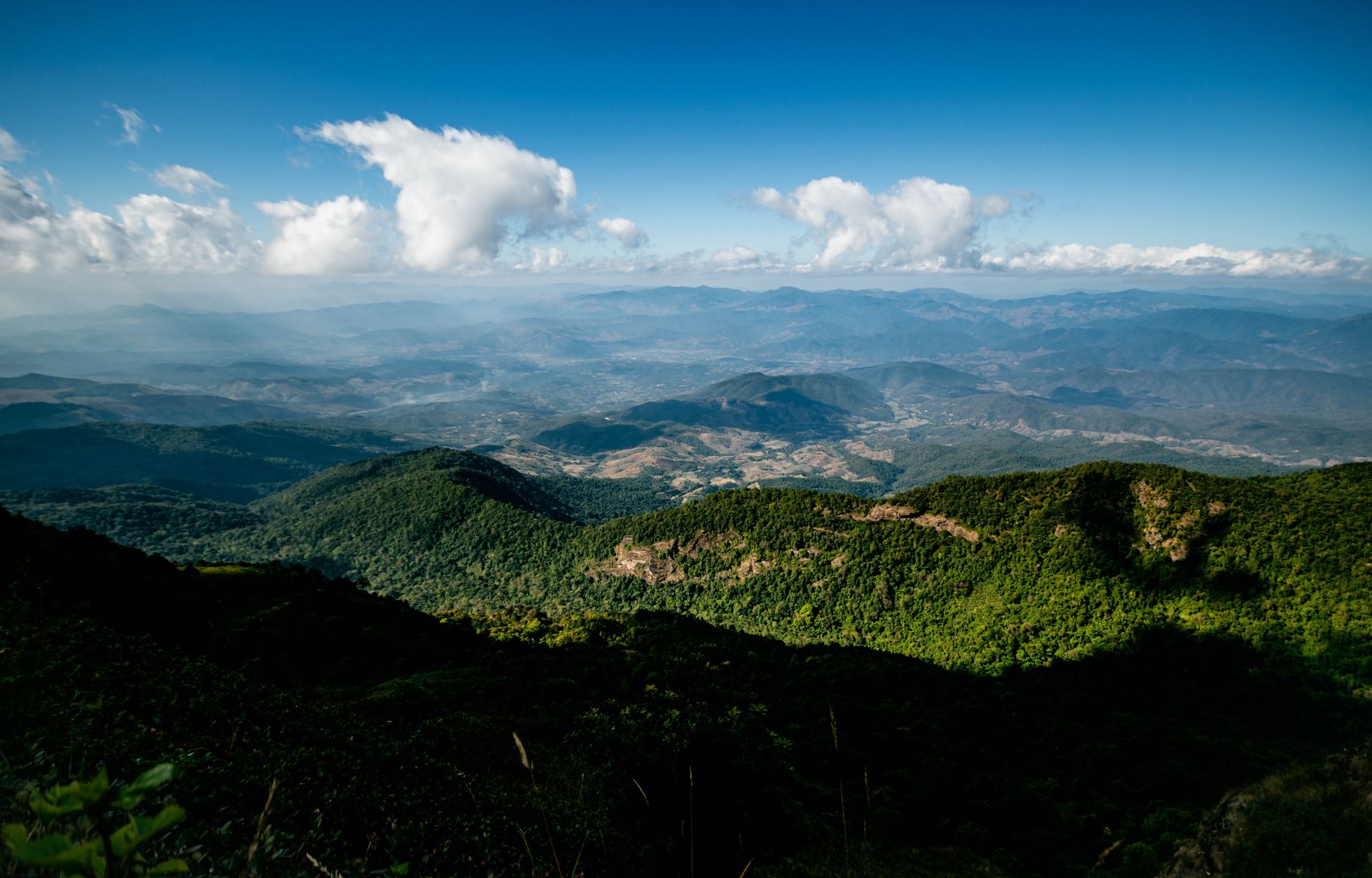
Doi Inthanon tops out at 2,565 meters, making it the highest ground in the country, and it sits about 90 kilometers — roughly a 1.5 to 2-hour drive — southwest of Chiang Mai city. The summit boardwalk, the Ang Ka Nature Trail, is flat and easy, good for anyone. The Pha Dok Siew trail is the better test: about 3 kilometers one-way through forest and past two waterfalls, moderate grade, doable in two to three hours round trip.
Here's the honest spring caveat: Chiang Mai's agricultural burning season runs roughly February through April, and it hazes up the valley views you'd otherwise get from the ridgelines. Go early, before 9am if you can, when the air is clearer and the heat hasn't built. Pack a light fleece regardless of the heat down in the city — the summit sits 10-15°C cooler and gets genuinely chilly in cloud cover.
If Doi Inthanon leaves you wanting more elevation and fewer crowds, it's worth widening the lens beyond Thailand's borders — our roundup of the best hiking trails in Southeast Asia maps out routes in Laos and Vietnam that pair well with a northern Thailand trip.
Paddle the Hidden Lagoons of Phang Nga Bay
Between Phuket and Krabi — Difficulty: easy, all fitness levels
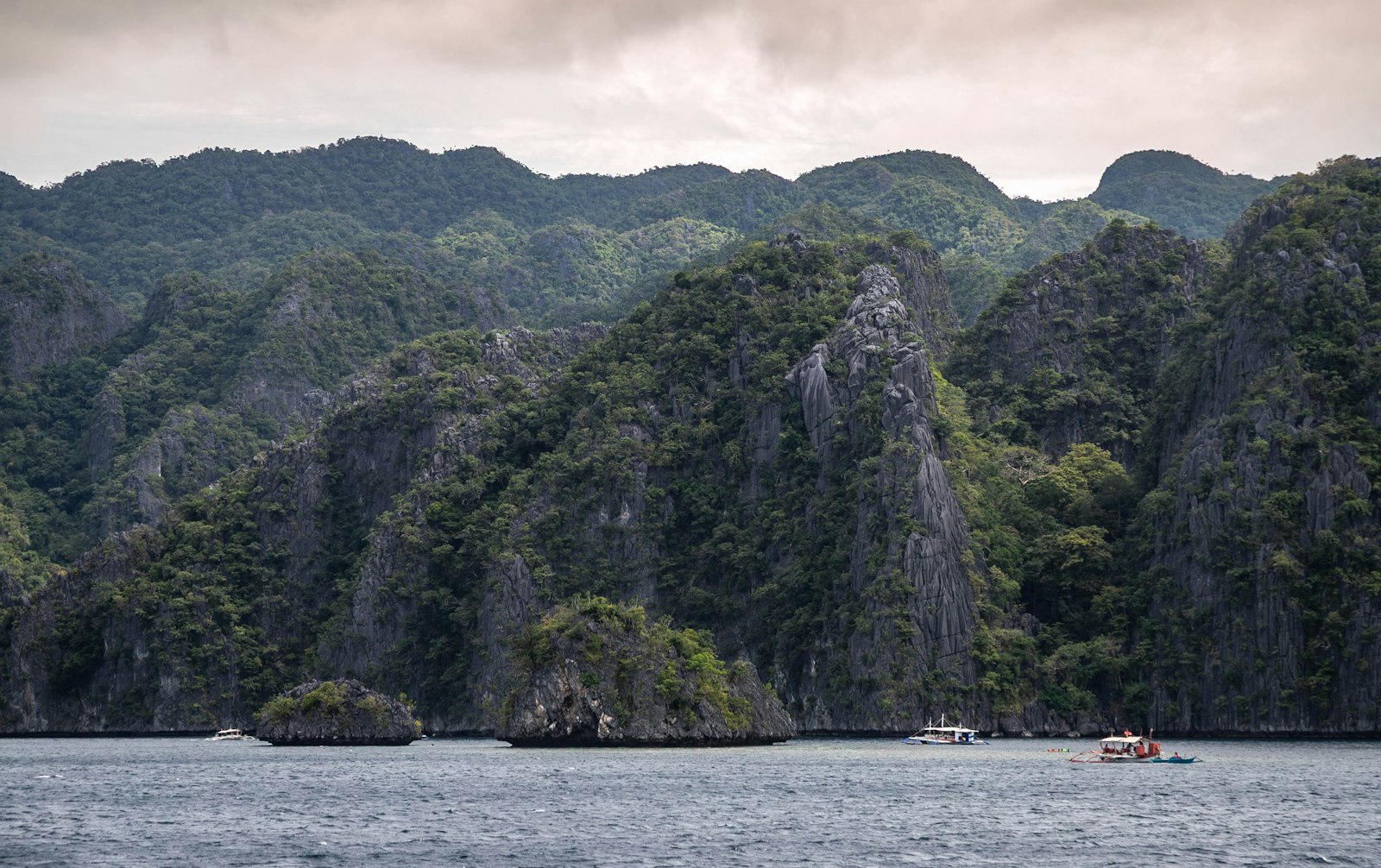
Phang Nga Bay is where limestone islands rise straight out of flat, jade-green water, and the only way into its best features — the hongs, or hidden internal lagoons — is by kayak at low tide, ducking under rock overhangs with your head nearly in the water. Day trips from Krabi or Phuket run about 1,500-2,500 baht, usually including a stop at Khao Phing Kan, the islet better known as James Bond Island.
This one's low-difficulty but not zero-effort: expect two to three hours of actual paddling broken into shorter stretches. Go with a smaller operator if you can — the big tour-bus crowds hit the famous hongs around midday, and a guide who times the tide right will get you into the quiet lagoons before the fleet arrives.
Swim the Seven Tiers of Erawan Waterfall
Kanchanaburi Province — Difficulty: moderate, slippery footing
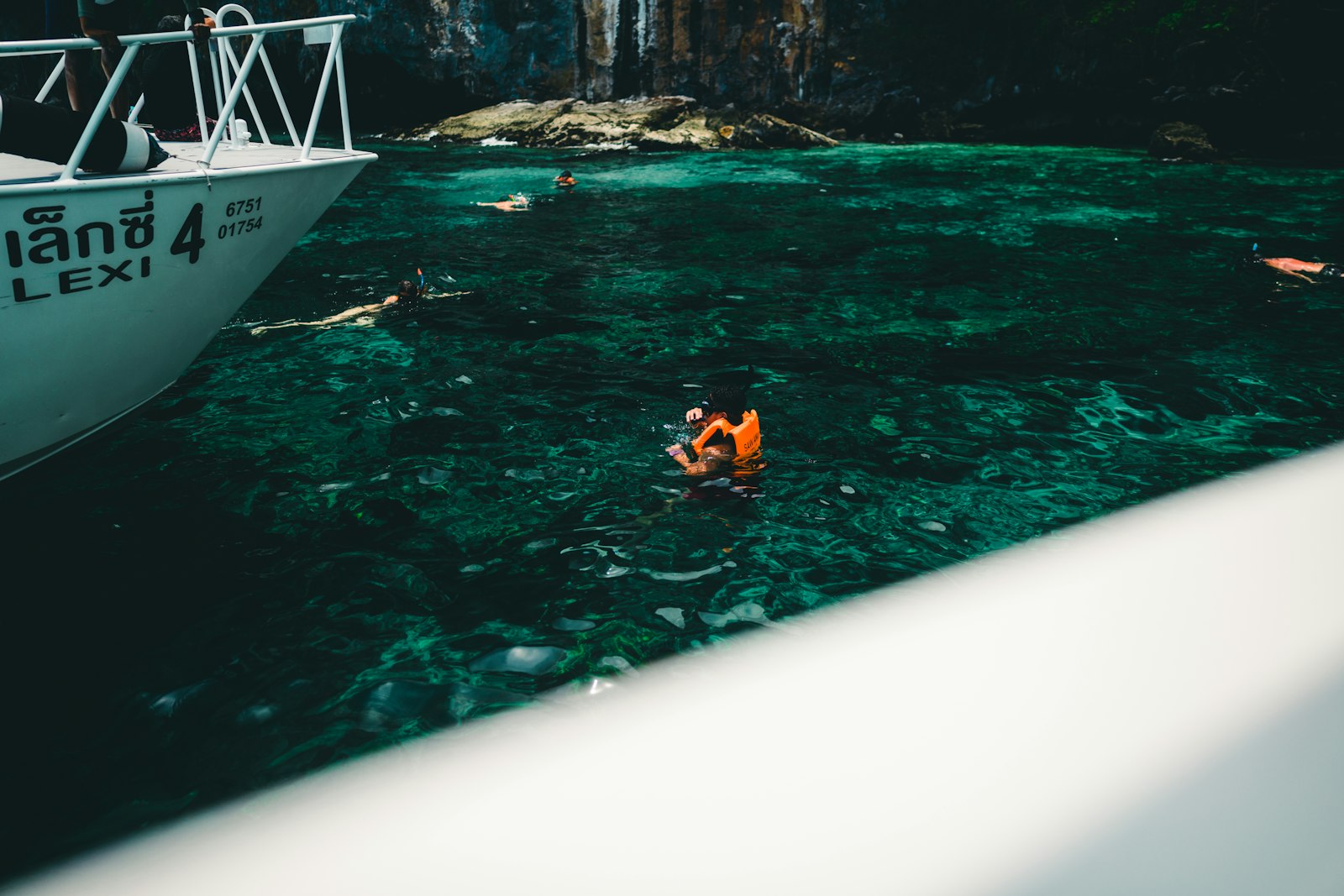
Erawan National Park sits about 65 kilometers from Kanchanaburi town, and its namesake waterfall climbs through seven distinct tiers, each one pooling into a swimmable emerald basin before spilling to the next. Park entry runs roughly 300 baht for foreign visitors, and the hike to the top tier is about 2 kilometers one-way over rock and root, steeper and more slippery than it photographs.
This is not a flip-flop hike. The rock near the pools gets a limestone coating that turns slick with spray, and every spring a handful of visitors end up with a scraped shin learning that the hard way. Trail shoes with real grip, or at minimum sturdy sandals with ankle straps, make the difference between enjoying tier five and turning back at tier three.
Cordelie travel advisors
Planning Thailand? Go with someone who knows
The right suite, the right season, the reservations that never appear online — your Cordelie advisor knows them, and holds them for you.
Plan with a Cordelie advisorFree to ask. Cordelie Travel Services · IATA/ARC 06649064
Ride the Mae Hong Son Loop on Two Wheels
Northern Thailand — Difficulty: hard for inexperienced riders
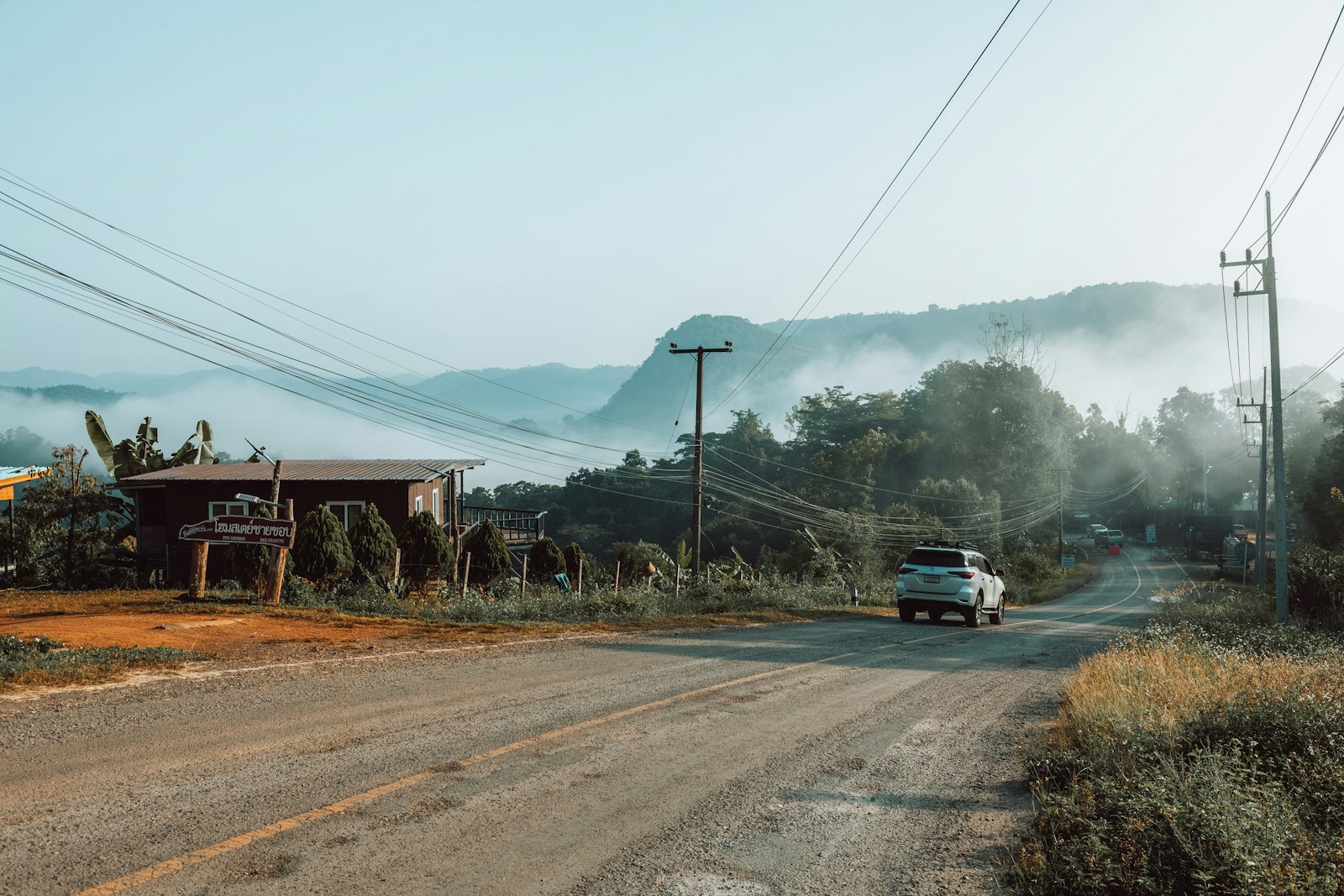
The Mae Hong Son Loop runs roughly 600 kilometers from Chiang Mai through Pai, down to Mae Hong Son town, and back through Khun Yuam, climbing and dropping through mountain switchbacks the entire way. Riders quote the curve count in the thousands, and whether or not you count them, your forearms will know it's not an exaggeration by day two.
Give yourself a minimum of four to five days to do it without rushing blind corners in the dark. Rent in Chiang Mai: a basic automatic scooter runs about 200-300 baht a day, but the steep, poorly-cambered sections near Pai and Mae Hong Son really call for a semi-automatic or small trail bike, closer to 800-1,200 baht a day. You'll need an international driving permit — Thai police checkpoints on this route do check, and insurance claims get complicated fast without one.
Trek and Raft Through Khao Sok's Ancient Rainforest
Surat Thani Province — Difficulty: moderate trek, easy lake travel
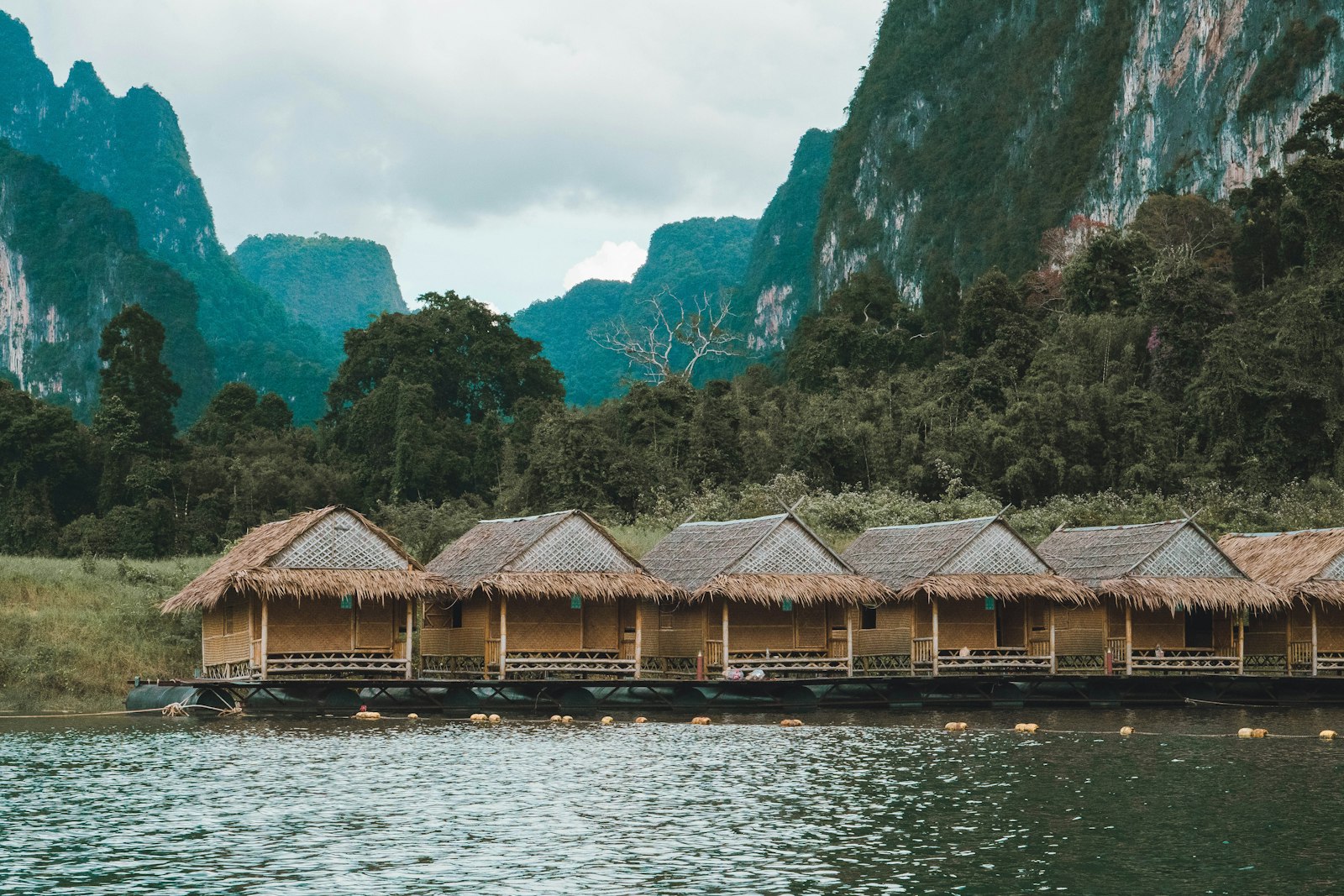
Khao Sok's rainforest is reckoned to be one of the oldest in the world, and the limestone towers rising out of Cheow Lan Lake make it look like nowhere else in Thailand. Floating raft-house bungalows dot the lake's edges, reached by a boat crossing of about 1.5-2 hours from the dam pier, and most stays combine a lake day with a forest trek the next morning.
The trek to Tan Sawan waterfall is a solid moderate outing — humid, buggy, occasionally muddy underfoot — and you're genuinely more likely to hear a gibbon call than see one. Pack leech socks if you're trekking in the wetter spring weeks; locals wear them without embarrassment for good reason.
Train Muay Thai at a Real Camp, Not a Resort Class
Phuket and Chiang Mai — Difficulty: scales to you, but never easy
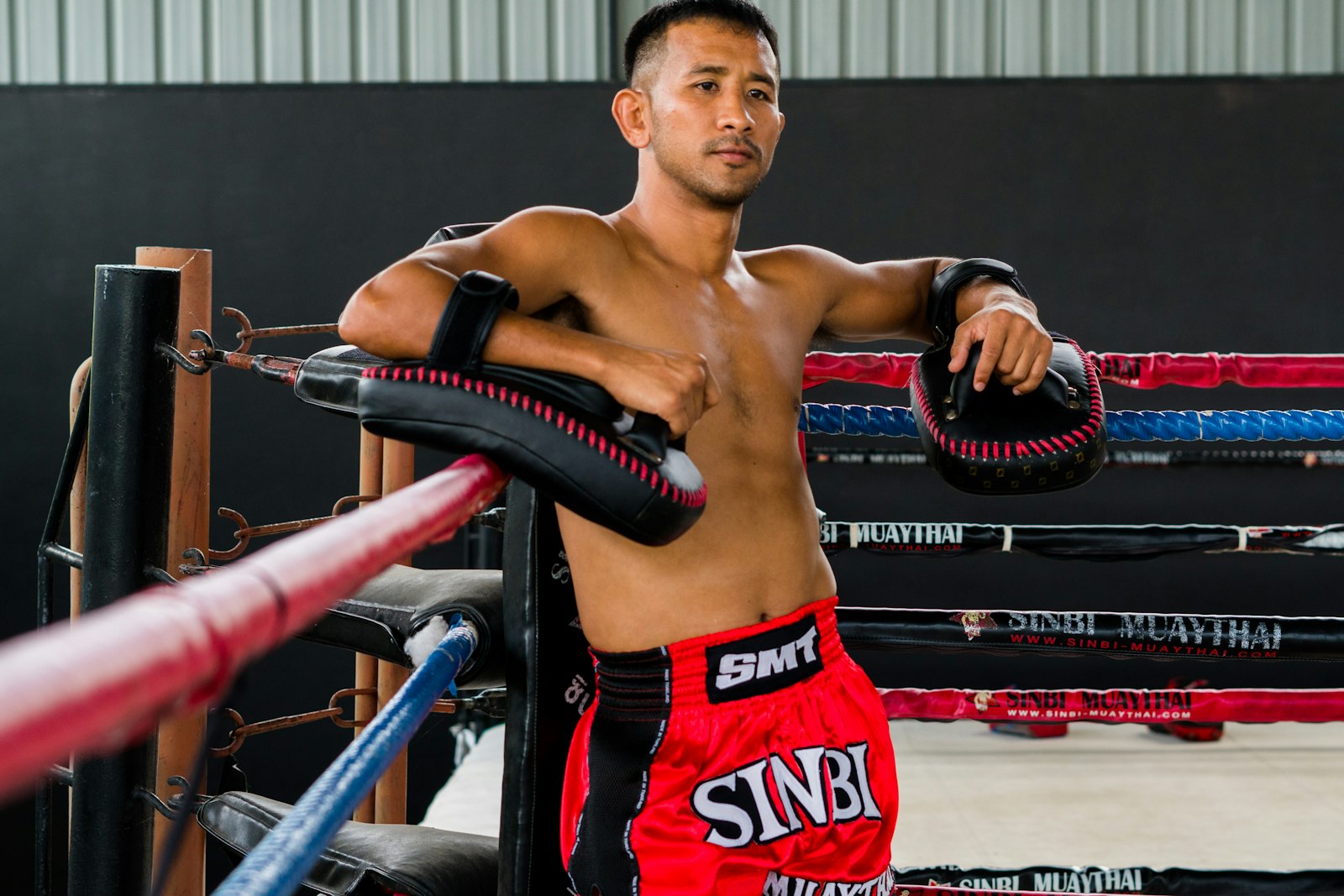
Thailand's gyms range from tourist-friendly drop-in sessions to camps that still train active fighters, and the difference shows up fast in a single class. A drop-in pad session at a serious camp costs around 400-600 baht, and a full week with accommodation runs roughly 4,000-6,000 baht at mid-tier camps in Chiang Mai, more at Phuket's bigger operations geared toward fighters prepping for actual bouts.
Go in expecting to be sore in muscles you didn't know you had. Sessions typically run 90 minutes to two hours, splitting time between pad work, bag rounds, and clinching, and the Thai trainers holding pads for you will push the pace well past what a Western gym class considers normal. Wrap your own hands if you can — rental wraps get a lot of mileage.
Close Calls: Great Thailand Adventures That Just Missed the Cut
A few more experiences deserved serious consideration. Cycling through Ayutthaya's ruined temple complexes is a near-silent way to cover ground that's otherwise a sweaty slog on foot — rental bikes run about 50-60 baht for the day, and the flat terrain means anyone can manage it. Koh Chang, Thailand's second-largest island over on the eastern seaboard, has jungle waterfall treks like Klong Plu that get a fraction of the attention Krabi's cliffs do, mostly because the island markets itself as a beach retreat rather than an adventure base.
And then there's eating, which is its own kind of physical endurance sport in Bangkok. If you're building out a food-focused day between adventures, our guide to Bangkok's street food dishes will do more for your trip than any single restaurant recommendation we could squeeze in here.
The hardest part of a trip like this usually isn't the climbing or the diving itself — it's sequencing it. A liveaboard that closes for the season, a loop road best ridden before the afternoon rain sets in, a trekking permit that needs lead time: these are the details that quietly make or break a two-week window.
A Cordelie advisor builds the itinerary around your appetite for risk and your actual fitness, not a generic template, pairing the right camps, boats, and guides with the right order so the adventure stays the point and the planning disappears entirely.
Top Pick: Railay Beach Rock Climbing
The single Thailand experience that best rewards showing up and trying something hard.
Railay earns the top spot because nothing else on this list gives you the same range in one place: a half-day 1,200-1,800 baht intro session that a total beginner can enjoy, and multi-pitch 8a routes at Tonsai next door that keep serious climbers coming back year after year.
It's also simply the most dramatic setting on the list — limestone towers rising straight out of the Andaman Sea, reachable only by longtail boat, with zero road access to break the spell. Climb in the morning, swim off the same beach by noon, and you've had a better Thailand day than most itineraries manage in a week.

Marcus Rivera has spent fifteen years writing about places you have to walk into. He has guided in Patagonia, reported from Kilimanjaro's quieter routes, and has strong opinions about which of them are worth the airfare. He is based in Boulder, mostly so he can leave it.
Related Articles
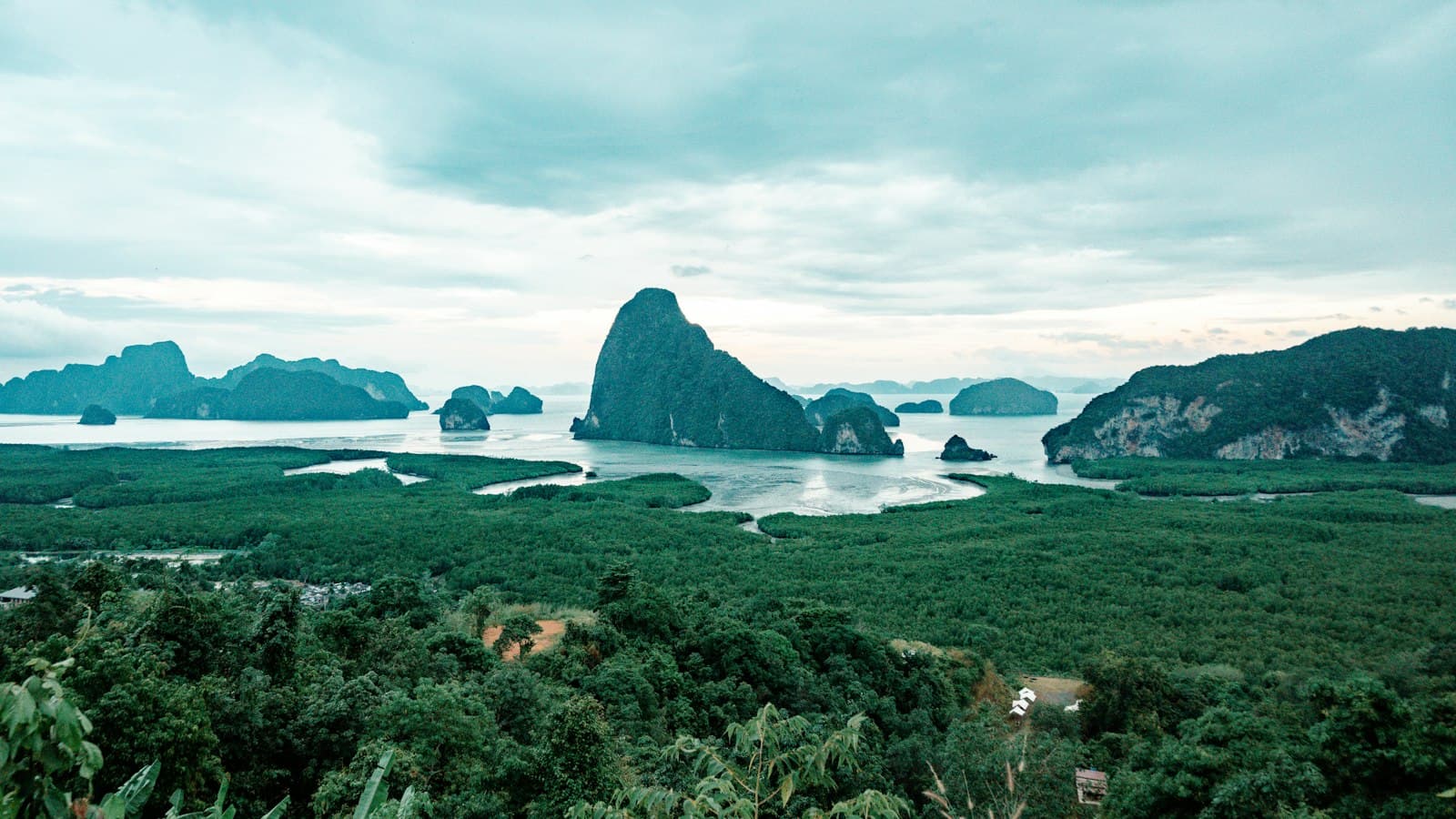
Thailand Quick Guide: Everything You Need to Know
Thailand in spring means intense heat and humidity—but also sharply lower prices and thinning crowds. Here's how to navigate April–May travel like a seasoned explorer.
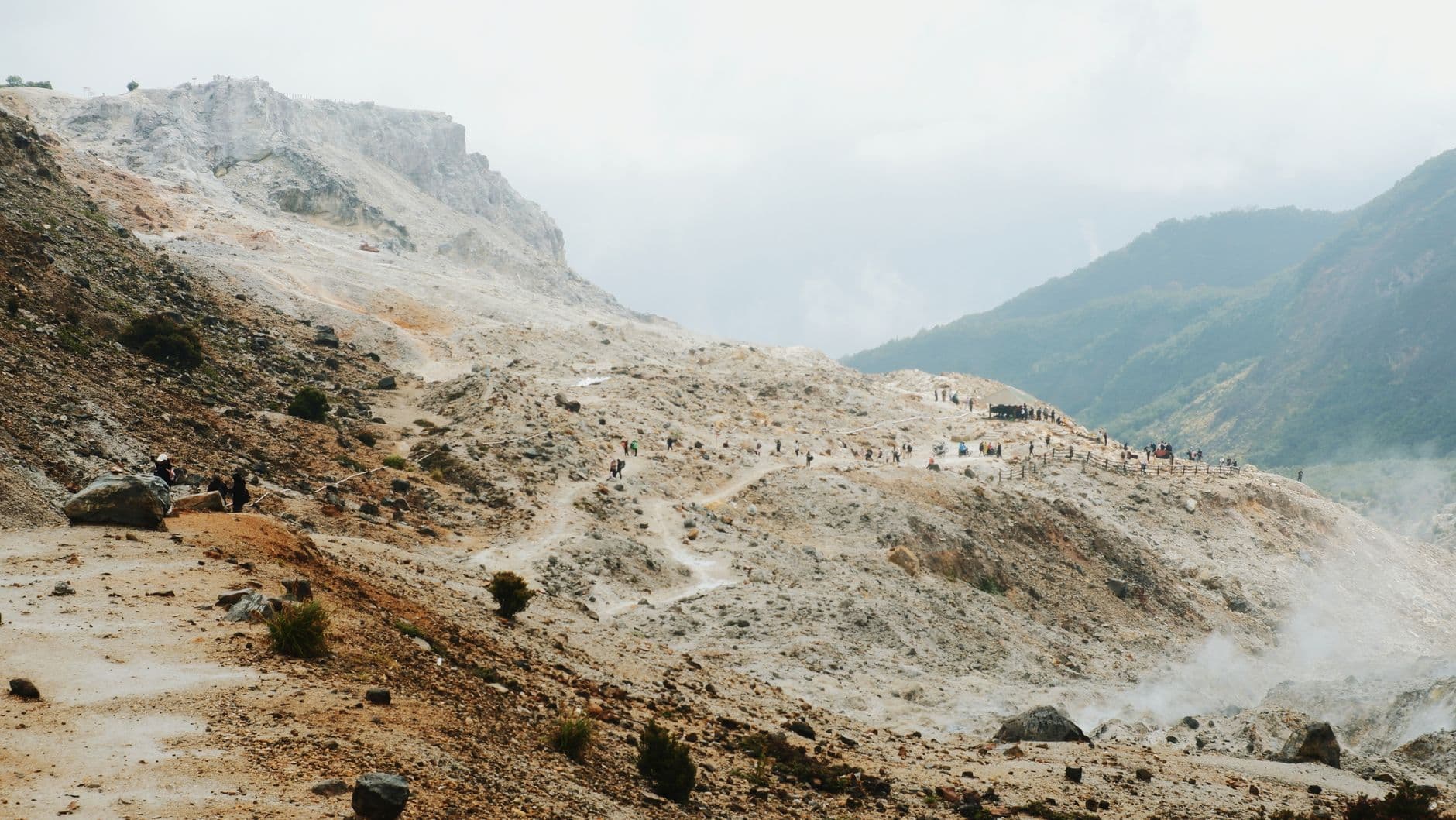
The 10 Best Hiking Trails in Southeast Asia
From volcanic peaks in Indonesia to jungle treks in northern Thailand, these are the must-do hikes for adventure travelers in Southeast Asia.
Bangkok Street Food: 15 Dishes You Must Try
From fiery som tum to silky boat noodles, Bangkok's street food scene is the best in the world. Here are the essential dishes and where to find them.