

Bali on a Budget: How to Spend Two Weeks for Under $1,000

Accommodation: Where to Save Big
Forget the luxury villas of Seminyak — Bali's budget accommodation scene is thriving. In Ubud, guesthouses with private rooms, breakfast included, and rice field views start at $12-18 per night. Areas like Canggu and Amed offer similar value without Kuta's tourist intensity.
Homestays (locally called "losmen") are your best bet for authentic experiences and low prices. Families rent out rooms in their compound, often including a Balinese breakfast of banana pancakes, fresh fruit, and coffee grown on the island.
For longer stays, monthly rentals drop prices dramatically. A furnished room with kitchen access in Ubud or Canggu runs $200-350 per month — less than $15 per night for comfortable, long-term accommodation.
Eating Well on $10 a Day
Bali's "warung" culture is a budget traveler's dream. These family-run restaurants serve heaping plates of nasi campur (mixed rice with small dishes) for 25,000-35,000 IDR — about $1.50-2.00. The food is fresh, flavorful, and cooked daily.
Markets and street food push costs even lower. Night markets in Gianyar and Denpasar offer grilled corn, satay skewers, and fried banana for pocket change. A full dinner at a night market rarely exceeds $3.
Western food is the budget trap. A smoothie bowl in Canggu costs $6-8 — the same price as three full warung meals. Eat local for most meals and splurge on the occasional café treat without guilt.
Free and Low-Cost Activities
Bali's most iconic experiences cost little or nothing. Temple visits are free or charge a small donation (10,000-50,000 IDR). The Tegallalang Rice Terraces charge a modest entrance fee of 15,000 IDR, and you can spend hours walking the trails.
Beaches are free throughout Bali. The white sand of Padang Padang, the black volcanic sand of Amed, and the cliffs of Uluwatu all cost nothing to enjoy. Bring a snorkel — the reef at Amed is world-class.
Yoga classes, while pricier than other activities, are still affordable by Western standards. Drop-in classes in Ubud run $7-12, and many studios offer package deals for weekly passes at $30-40.
Getting Around Without Overpaying
Rent a scooter for 60,000-80,000 IDR per day ($4-5) and you have complete freedom to explore. An international driving permit is technically required, though enforcement varies. Always wear a helmet and drive cautiously — Bali traffic is unpredictable.
For longer distances, shared shuttles between major towns (Ubud, Kuta, Amed, Lovina) cost $5-15 and save you from haggling with taxi drivers. Perama Tour and Kura-Kura are reliable operators.
Grab (Southeast Asia's ride-hailing app) works in most tourist areas and offers transparent pricing. A 30-minute car ride through Grab typically costs 50,000-80,000 IDR — far less than a metered taxi.
Budget Breakdown: 14 Days for Under $1,000
Accommodation (14 nights at $15 average): $210. Food (14 days at $10): $140. Scooter rental (14 days at $5): $70. Activities and entrance fees: $80. Internal transport and airport transfer: $50. Miscellaneous and shopping: $100. Total: $650 — leaving a generous $350 buffer for splurges, unexpected costs, or an extra week.
This budget assumes you're past the flights — but even those can be reasonable. Off-season flights from major Asian hubs (Singapore, Kuala Lumpur, Bangkok) regularly drop below $100 round trip.
While renting a scooter for $4–5 daily is Bali's cheapest way to explore, figuring out international driving permit requirements, insurance coverage, and finding reliable rental shops that won't overcharge or hold your deposit unfairly can turn a budget trip into a frustrating one. A Cordelie Travel advisor can arrange your scooter rental in advance, clarify exactly what documents you'll need, and connect you with vetted operators so you skip the haggling and hit the road confident.
Last checked for accuracy: . How we check

Sarah Chen has covered Asia for twelve years, first as a wire reporter in Jakarta and now from Singapore, where she keeps a standing list of the region's most misunderstood destinations. She writes about the distance between what a place is famous for and what it is actually like to spend a week in — and is happiest on an overnight train with a bad seat and a good view.
Related Articles
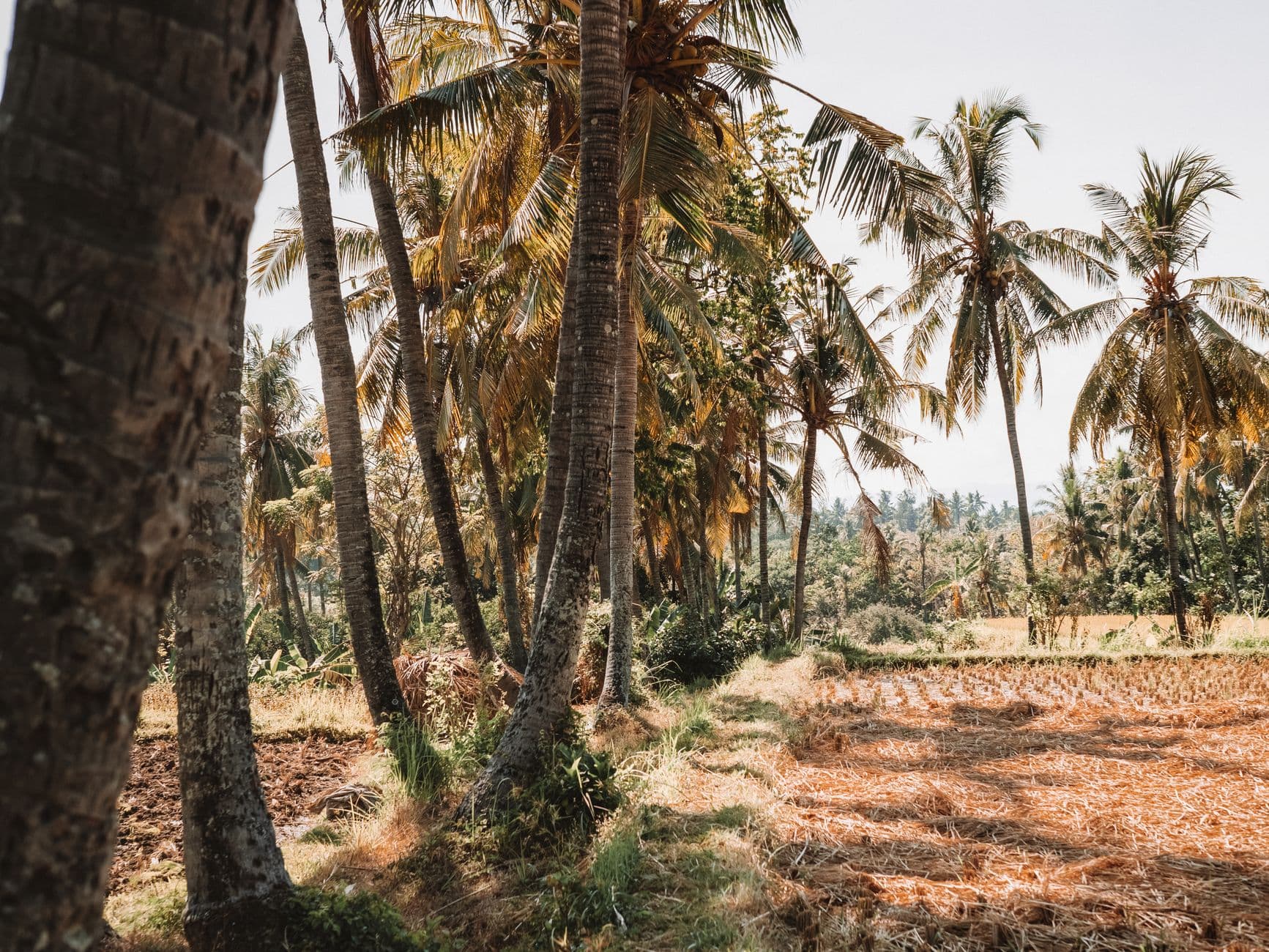
Southeast Asia Quick Guide: Everything You Need to Know
Winter transforms Southeast Asia into peak season with cool weather, dry skies, and reliable adventures. Here's what you need to know to go—and when to book.
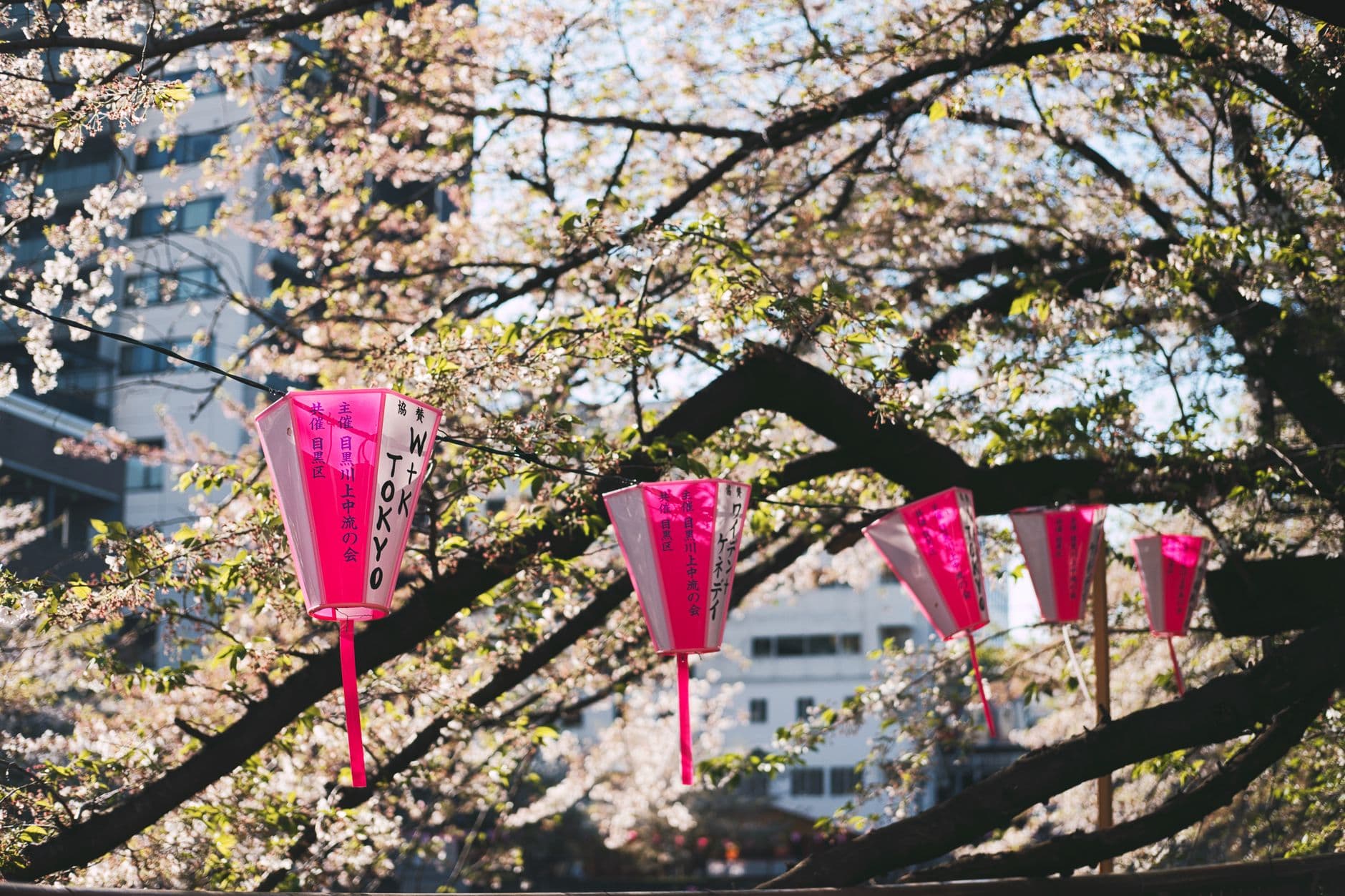
Why Spring in Japan Is the Trip of a Lifetime
Experience Tokyo's magical cherry blossom season with insider access to the best hanami spots, seasonal dining, and exclusive spring experiences in Japan's captivating capital.


15 Essential Packing Tips for Southeast Asia
Master Bangkok's unique packing challenges with 15 essential tips that cover tropical weather, temple dress codes, and urban exploration needs.